Top 10 at a Glance
IMAX with Laser – Best for maximum screen size and immersion
Dolby Cinema – Best for overall audio-visual quality
IMAX 70mm Film – Best for purist film presentation
4DX – Best for interactive, physical sensations
ScreenX – Best for panoramic, wrap-around visuals
Dolby Atmos (Standard Theater) – Best budget-friendly audio upgrade
RealD 3D – Best accessible 3D experience
Premium Large Format (PLF) – Best value for upgraded experience
D-BOX – Best for motion seat enhancement
Standard Digital IMAX – Best IMAX accessibility
1. IMAX with Laser
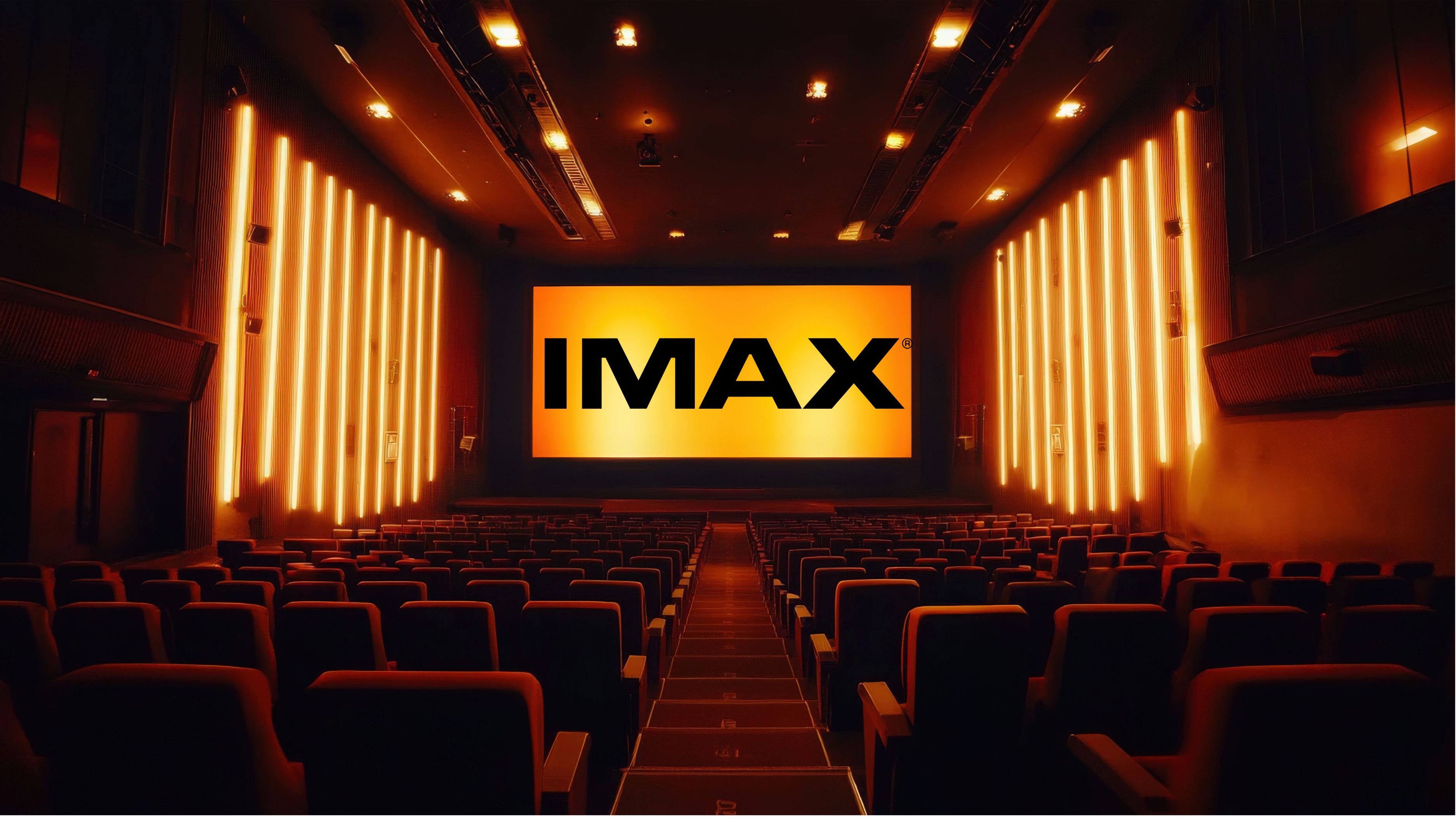
IMAX with Laser represents the pinnacle of the IMAX experience, combining massive screens with dual 4K laser projection systems that deliver unprecedented brightness, contrast, and color. These theaters feature screens up to eight stories tall that extend beyond your peripheral vision, creating an immersive environment where you feel inside the movie rather than watching it.
Who It's For: Blockbuster enthusiasts, anyone who wants the absolute biggest screen possible, and viewers who prioritize immersion and spectacle over nuanced audio detail.
Key Features: The dual laser system produces an incredible 60-foot lamberts of brightness (standard theaters produce around 14), making 3D presentations significantly better than other formats. The 1.43:1 aspect ratio for select IMAX films (primarily those shot with IMAX cameras) provides up to 26% more image than standard formats. The proprietary 12-channel sound system with enhanced bass creates powerful audio, though it's not as sophisticated as Dolby Atmos. Screens typically range from 70 to 100 feet, with some locations exceeding that. Stadium seating is optimized for sightlines to the massive screen.
Pricing: Typically $20-$28 per ticket depending on location and showtime, with 3D adding $3-$5.
Pros:
Largest screens available in commercial theaters
Exceptional brightness and contrast from dual lasers
Exclusive IMAX-ratio content for select films
Unmatched sense of scale and immersion
Premium theaters with excellent seating
Cons:
Audio system less advanced than Dolby Atmos
Not all IMAX theaters have laser projection
Fewer locations than standard IMAX
Premium pricing for every screening
Seating location critical (too close can be overwhelming)
2. Dolby Cinema
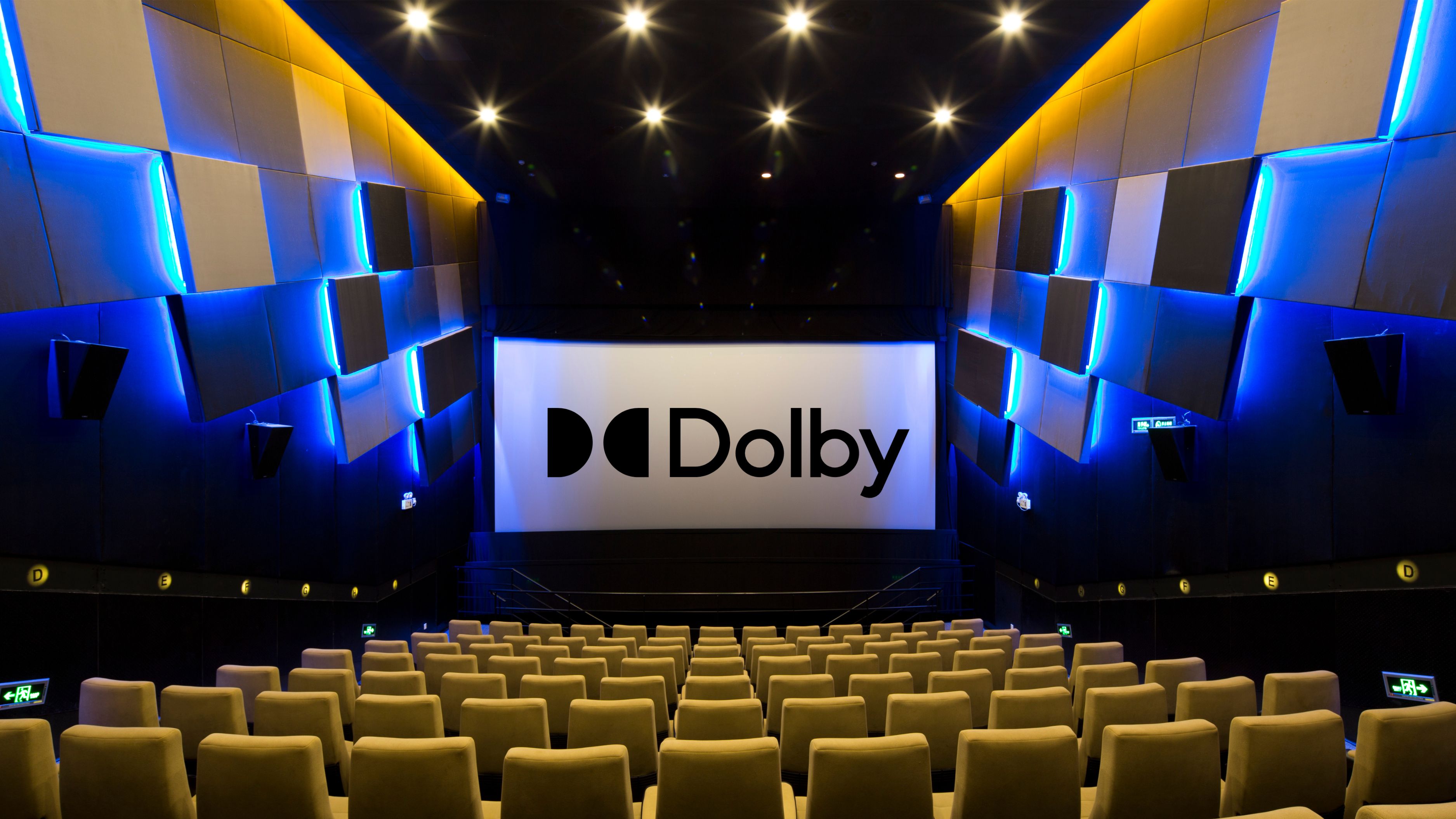
Dolby Cinema at AMC combines Dolby Vision projection with Dolby Atmos sound in a completely redesigned theater environment. The result is arguably the most balanced premium experience, prioritizing both visual excellence and revolutionary audio. The theaters are designed from the ground up around Dolby's technology rather than retrofitting existing spaces.
Who It's For: Cinephiles who appreciate technical excellence, moviegoers who value audio as much as visuals, and anyone seeking the most well-rounded premium experience.
Key Features: Dolby Vision projection delivers laser-powered images with infinite contrast ratio, meaning true blacks and brilliant highlights that HDR enthusiasts will recognize from home viewing. The color gamut exceeds standard cinema by significant margins, showing colors you simply can't see in other theaters. Dolby Atmos creates a three-dimensional sound environment with audio objects moving around and above you through 64+ speakers. The proprietary reclining seats include transducers that add tactile bass you can feel. The entire theater is designed with sound-absorbing materials and careful acoustic treatment. Screens are large but not IMAX-sized, typically 40-50 feet.
Pricing: Generally $20-$25 per ticket, similar to IMAX with Laser pricing.
Pros:
Best contrast ratio and black levels
Superior color reproduction with Dolby Vision
Most advanced audio system with Atmos
Luxurious reclining seats with haptic feedback
Carefully controlled theater environment
Cons:
Smaller screens than IMAX
Limited to AMC theaters in the U.S.
Fewer locations overall
No exclusive aspect ratio content
Some find haptic seats distracting
3. IMAX 70mm Film
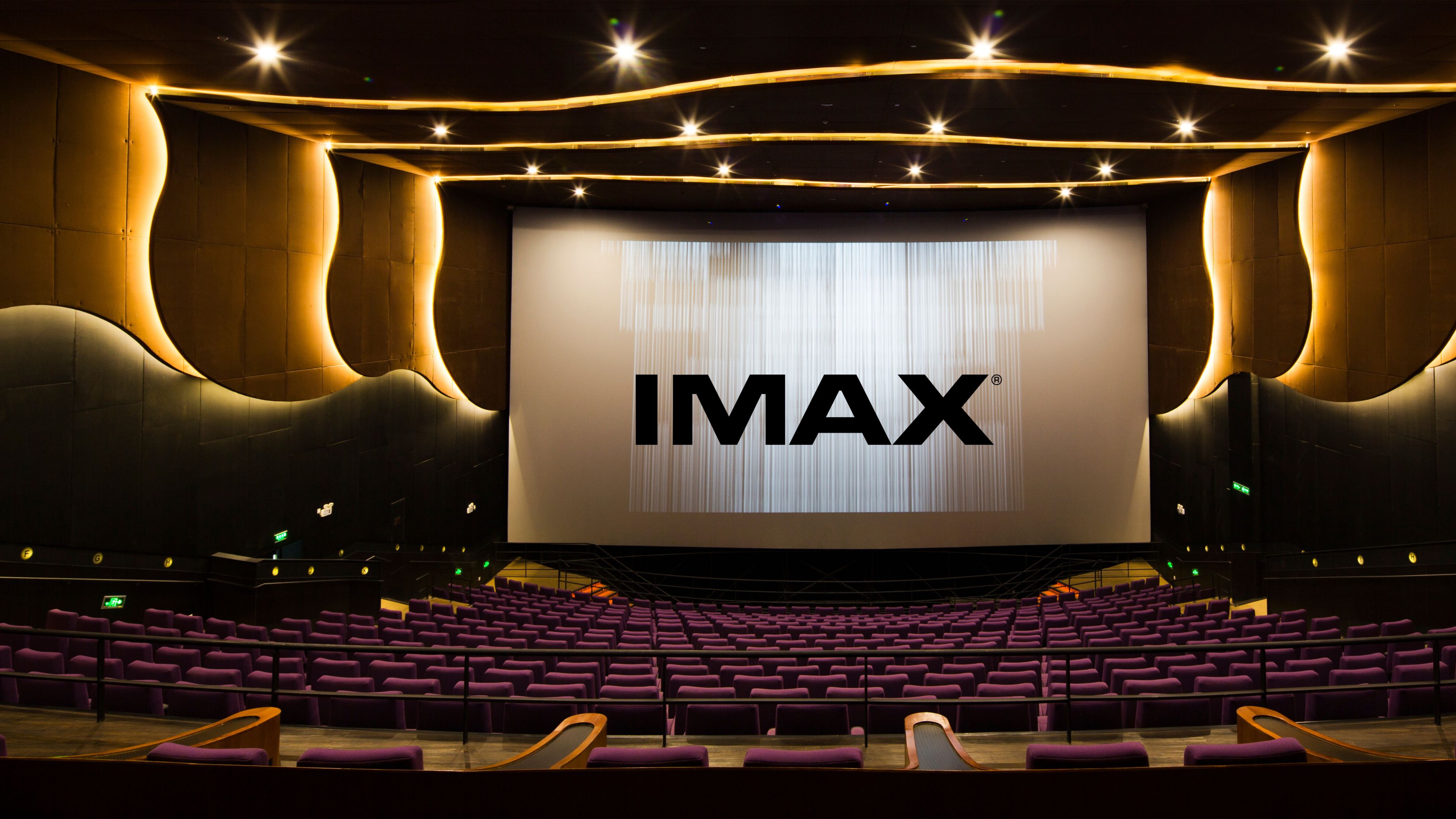
The original IMAX experience uses 70mm film projected horizontally through the projector, creating an image area 10 times larger than standard 35mm film. While rare today due to digital conversion, select theaters maintain 70mm projection capability for special releases and retrospectives of films shot on IMAX film cameras.
Who It's For: Film purists, fans of directors like Christopher Nolan who shoot on IMAX film, and anyone seeking the authentic, analog IMAX experience.
Key Features: The resolution of 70mm IMAX film is estimated at around 12-18K digital equivalent, far exceeding any digital projection system. The film grain and organic quality create an image that many cinematographers and directors prefer to digital. The full 1.43:1 aspect ratio is maintained without digital compromise. The mechanical projector creates a unique viewing experience with subtle characteristics that film lovers appreciate. When watching films actually shot on IMAX 70mm cameras (like Oppenheimer or sections of The Dark Knight), you're seeing the format as the filmmaker intended. The sheer size and brightness of the projected image creates an almost three-dimensional quality.
Pricing: Similar to IMAX with Laser, typically $20-$26 per ticket for special screenings.
Pros:
Unmatched resolution and image quality
Authentic film presentation for IMAX-shot movies
Organic, film-grain aesthetic preferred by many
Rare, special experience
Maximum aspect ratio for select films
Cons:
Extremely limited locations (fewer than 30 in North America)
Only available for select releases
Film scratches and imperfections possible
No 3D capability
Requires specific films shot on IMAX to see full benefit
4. 4DX
4DX transforms movie watching into a theme park attraction by synchronizing physical effects with on-screen action. Your seat moves, tilts, and vibrates while environmental effects like wind, mist, scents, and even bubbles immerse you in the movie's environment. This Korean-developed format has expanded to hundreds of locations in the United States.
Who It's For: Thrill-seekers, families with older kids, action movie fans, and anyone who wants a fun, novelty experience rather than traditional cinema.
Key Features: The motorized seats move in multiple directions during action sequences, car chases, and flight scenes. Environmental effects include air blasts for wind, water sprays for ocean scenes, fog machines, strobe lights, and scent emitters. Certain films are programmed specifically for 4DX with carefully timed effects. The experience works best with action-heavy blockbusters rather than dialogue-driven films. Cup holders are spring-loaded to prevent spills during motion. Rain ponchos are sometimes provided for particularly wet movies. Effects can be toned down or disabled if too intense.
Pricing: Typically $23-$30 per ticket, making it one of the most expensive options.
Pros:
Uniquely interactive theater experience
Perfect for action blockbusters
Fun, memorable outing with friends
Kids and teens especially love it
Effects are often impressively synchronized
Cons:
Distracting for plot-focused films
Motion can cause discomfort or nausea
Water effects may actually get you wet
Expensive for what's essentially a gimmick
Not all movies are well-suited for 4DX
5. ScreenX
ScreenX extends movies beyond the front screen onto the theater's side walls, creating a 270-degree viewing environment. The expanded imagery is created either through additional filming with side cameras or through post-production conversion. During key action sequences, the movie expands to surround you with peripheral imagery.
Who It's For: Moviegoers seeking novelty, fans of immersive experiences, and anyone curious about experimental film formats.
Key Features: Three synchronized projectors create the wraparound image, with the center screen showing the primary action and side screens extending the environment. Not all scenes utilize the expanded format—typically only 30-50% of the film uses ScreenX, with standard scenes shown only on the front screen. The side imagery is specially created for ScreenX, either filmed simultaneously with multiple cameras or digitally extended in post-production. The format works particularly well for flying sequences, car chases, and wide environmental shots. Seating position matters significantly, with center seats providing the best experience. Side screens have lower resolution than the main screen.
Pricing: Generally $20-$26 per ticket, similar to other premium formats.
Pros:
Unique peripheral immersion
Great for specific types of action scenes
Novelty factor for first-time viewers
Works well with spectacle-driven films
Available at more locations than some formats
Cons:
Side screens can be distracting
Image quality decreases on side projections
Only portions of film use the expanded format
Neck strain from looking left and right
Gimmicky for dialogue-heavy scenes
6. Dolby Atmos (Standard Theater)
Dolby Atmos can be installed in standard theaters without the full Dolby Cinema treatment, providing revolutionary audio without the premium visual system. This makes advanced sound technology accessible at more locations and often at lower ticket prices than full premium formats.
Who It's For: Audio enthusiasts on a budget, viewers at theaters without premium large format options, and anyone who prioritizes sound over screen size.
Key Features: The Atmos system uses object-based audio rather than traditional channels, allowing sound mixers to place individual audio elements anywhere in three-dimensional space. Overhead speakers create height channels for rain, helicopters, or debris falling from above. The system can support 64+ speaker feeds, though many standard implementations use fewer. The audio renders dynamically based on the specific theater's configuration. Compatible with any film mixed in Dolby Atmos, which includes most major releases. Standard screens and projection systems are used, keeping costs lower. Some theaters combine Atmos with modest premium seating upgrades.
Pricing: Typically $2-$5 more than standard tickets, or $15-$19 total depending on location.
Pros:
Significantly better audio than standard theaters
More affordable than full premium formats
Available at many more locations
Works with standard digital projection
Noticeable improvement for all film types
Cons:
No visual upgrades from standard digital
Standard screen sizes
Implementation quality varies by theater
Not as comprehensive as full Dolby Cinema
May not include premium seating
7. RealD 3D
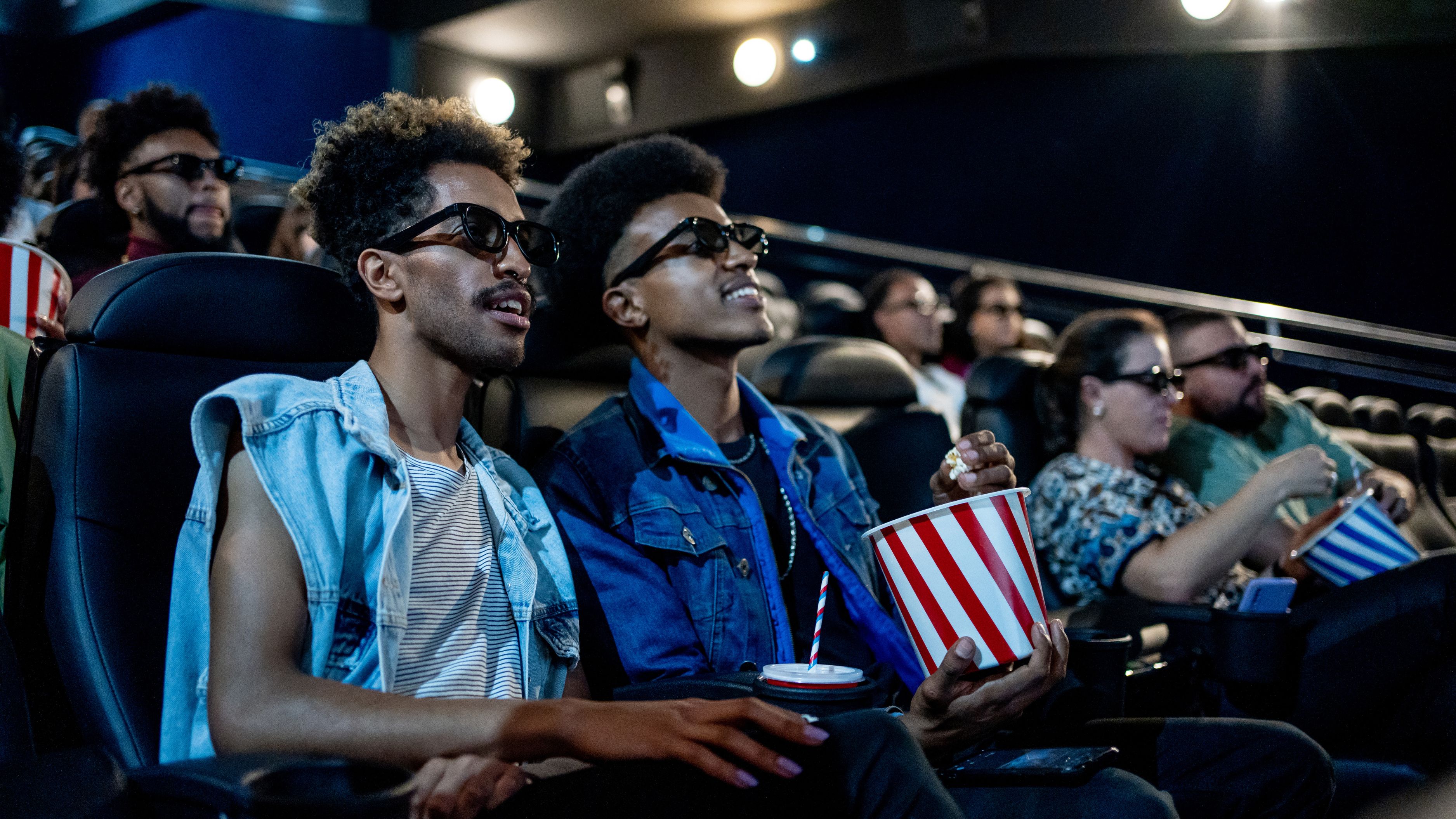
RealD 3D remains the most widely available 3D format in American theaters, using circular polarization and passive glasses to create stereoscopic depth. While 3D has declined in popularity since its peak in the early 2010s, it remains an option for select releases and provides noticeable depth enhancement for appropriate films.
Who It's For: Families with young children who enjoy 3D, fans of animated films that benefit from depth, and viewers nostalgic for the 3D era.
Key Features: The passive glasses system is lightweight and comfortable compared to active shutter systems. Circular polarization allows you to tilt your head without losing the 3D effect. The technology works by showing slightly different images to each eye, creating perceived depth. Works best with animated films and movies specifically designed for 3D. The silver screens required for RealD can sometimes appear dimmer than standard screens. Most theaters charge a premium for 3D but offer it on standard-sized screens rather than premium large formats. Glasses can be kept and reused at future screenings.
Pricing: Standard ticket price plus $3-$5 for 3D, totaling $16-$22 depending on location.
Pros:
Adds depth dimension to supported films
Widely available at most multiplexes
Lightweight, comfortable glasses
Works well with animated movies
Relatively modest upcharge
Cons:
Image appears dimmer than 2D
Not all films benefit from 3D
Some viewers experience eye strain or headaches
Format has declined in popularity
Often poorly implemented in conversions
8. Premium Large Format (PLF)
Premium Large Format is a catch-all term for theater chains' proprietary upgraded experiences that don't use IMAX or Dolby branding. Examples include Cinemark XD, Regal RPX, and AMC Prime. These formats offer larger screens, better sound (often Dolby Atmos), and upgraded seating at prices below IMAX or Dolby Cinema.
Who It's For: Value-conscious moviegoers, families wanting upgraded experiences without premium pricing, and viewers at theaters without IMAX or Dolby Cinema.
Key Features: Screens are significantly larger than standard auditoriums but smaller than true IMAX, typically 50-70 feet. Most implement Dolby Atmos or similar advanced audio systems. Enhanced digital projection with higher brightness and better contrast than standard screens. Reserved seating with reclining or upgraded chairs is common. Wall-to-wall screens create more immersive viewing than standard theaters. The specific experience varies significantly by chain and location. Some locations invest heavily in premium presentation while others offer modest upgrades.
Pricing: Typically $15-$20, making it more affordable than IMAX or Dolby Cinema.
Pros:
Better than standard theaters at lower cost
Widely available at major chains
Often includes premium seating
Good compromise between standard and premium
Decent screen size and audio improvements
Cons:
Quality varies dramatically by location
Not as impressive as true premium formats
Inconsistent branding and standards
May feel like slight upgrade rather than transformation
Limited exclusive content or formats
9. D-BOX
D-BOX adds precision motion to theater seats, synchronizing subtle movements with on-screen action. Unlike the aggressive motion of 4DX, D-BOX focuses on nuanced, coded movements that enhance immersion without overwhelming the viewing experience. The system is often available in premium large format theaters as an add-on.
Who It's For: Moviegoers who want physical feedback without 4DX's extreme effects, racing and flight film enthusiasts, and viewers seeking enhanced immersion.
Key Features: Each film is meticulously coded by D-BOX technicians who program specific movements for thousands of moments throughout the movie. Seats tilt, vibrate, and shift in subtle ways that correspond to camera movements, vehicle motion, or action beats. Three intensity levels allow customization from gentle to pronounced movement. The system works particularly well for racing films, flight sequences, and first-person camera work. Unlike 4DX, there are no environmental effects—just seat motion. Integration feels more natural and less gimmicky than full sensory formats. Typically available in limited rows within larger auditoriums rather than dedicated D-BOX theaters.
Pricing: Standard or PLF ticket price plus $8-$10 for D-BOX upgrade, totaling $20-$28.
Pros:
More subtle and refined than 4DX
Adjustable intensity levels
Enhances immersion without distraction
Excellent for racing and flight films
Can be combined with other formats
Cons:
Limited availability compared to other formats
Additional cost on top of base ticket
Still distracting for some viewers
Not all films are well-suited for motion
Fewer seats available in D-BOX rows
10. Standard Digital IMAX
Standard Digital IMAX uses dual 2K or single 4K projection onto IMAX-sized screens without the advanced laser technology of IMAX with Laser. This remains the most common IMAX format, available at hundreds of locations. While not matching laser IMAX's performance, it still provides significantly larger screens and enhanced audio compared to standard theaters.
Who It's For: Moviegoers without access to laser IMAX, fans of blockbusters who want bigger screens, and viewers seeking IMAX experience at more locations.
Key Features: Screens are typically larger than premium large format but smaller than true IMAX with Laser installations, usually 50-72 feet. The proprietary IMAX sound system provides enhanced bass and overall power. Some films include expanded IMAX ratio content (1.90:1), though not the full 1.43:1 of film or laser IMAX. The brightness is lower than laser IMAX, particularly noticeable in 3D presentations. Most multiplexes with IMAX use this format rather than laser. Stadium seating optimized for the larger screen. IMAX's remastering process (DMR) enhances standard films for the bigger screen.
Pricing: Typically $17-$23 per ticket, slightly less than laser IMAX.
Pros:
Widely available at most major multiplexes
Significantly larger than standard screens
Enhanced IMAX sound system
More affordable than laser IMAX
Some exclusive aspect ratio content
Cons:
Lower brightness than laser, especially in 3D
Smaller screens than premium IMAX locations
Resolution limitations with 2K projection
Not as impressive as laser version
Can feel like modest upgrade at some locations
What Are Premium Theater Formats?
What It Is
Premium theater formats are enhanced moviegoing experiences that go beyond standard digital projection and surround sound. These formats typically combine larger screens, advanced projection technology, superior audio systems, and upgraded seating to create more immersive and technically impressive presentations. Each format has specific strengths, whether massive screens (IMAX), superior audio (Dolby Atmos), enhanced visuals (Dolby Vision), or interactive elements (4DX).
Benefits
Premium formats dramatically enhance the theatrical experience, making movies feel bigger, more immersive, and more impactful than standard screenings. The improved technical specifications reveal details and nuances that filmmakers intend but standard theaters can't reproduce. For event films and blockbusters, premium formats justify the theatrical experience over streaming at home. They make moviegoing feel special again, transforming routine entertainment into memorable experiences. Filmmakers increasingly create content specifically for premium formats, meaning you're seeing additional image area or enhanced technical specifications not available in standard presentations.
What to Look For When Choosing
Consider the specific movie you're seeing. Visual spectacles and action blockbusters benefit most from large screens like IMAX, while dialogue-driven films may be better appreciated with Dolby Cinema's superior audio. Check which format the film was shot in or optimized for—IMAX-shot films deserve IMAX screens, while Dolby Vision mastering shines in Dolby Cinema. Research the specific theater location, as implementation quality varies significantly. Read reviews of individual theaters since a poorly maintained IMAX can be worse than a well-run premium large format. Consider your seating position carefully—arriving early to choose optimal seats is crucial for premium formats. Balance cost with benefit—not every movie justifies premium pricing. Finally, consider your personal preferences: some viewers prioritize screen size, others prioritize audio, and others want balanced experiences.
FAQs
Is IMAX or Dolby Cinema better?
It depends on priorities. IMAX with Laser offers the largest screens and unmatched immersion, making you feel inside the movie. Dolby Cinema provides superior contrast, color, and the most advanced audio system available. For films shot with IMAX cameras showing additional image area, IMAX is the clear choice. For films mastered in Dolby Vision with intricate sound design, Dolby Cinema is optimal. Many cinephiles prefer Dolby Cinema's balanced technical excellence, while spectacle-seekers choose IMAX for sheer scale.
Are premium theater tickets worth the extra cost?
For the right movies, absolutely. Event films, blockbusters, and visually stunning movies justify premium pricing by offering experiences impossible to replicate at home. However, not every film benefits equally—intimate dramas and comedies may not warrant the upcharge. Consider premium formats for films you're excited about, shot specifically for enhanced formats, or that emphasize visual spectacle. For casual viewing or repeat watches, standard digital theaters are perfectly adequate.
How do I know which IMAX theater has laser projection?
IMAX's website lists laser-equipped theaters specifically. Look for "IMAX with Laser" designation when booking tickets. Regular digital IMAX won't specify laser. Theater names sometimes include "IMAX Laser" or "IMAX GT Laser." You can also call the theater directly to confirm. The difference is significant enough to warrant driving further to a laser location for important films.
Can I experience these formats with hearing or vision impairments?
Most premium theaters offer assistive devices. Closed captioning systems are available at virtually all locations, though implementation varies (glasses-based systems, personal devices, or seat-mounted screens). Descriptive audio tracks for visually impaired viewers are standard. However, some formats like 4DX may be challenging for viewers with motion sensitivity or visual processing issues. Contact the specific theater in advance to confirm accessibility options for your needs.