
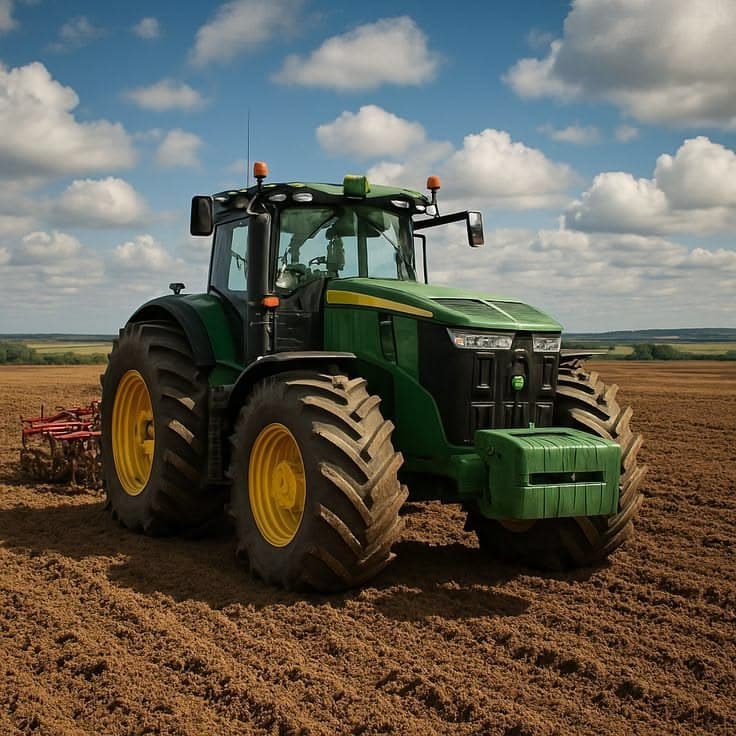
Bank-owned tractors can offer substantial savings compared to buying brand-new equipment. However, not every deal is as attractive as it appears. The smartest buyers know how to evaluate equipment carefully, research market values, and avoid common purchasing mistakes.
If you're searching for a bank-owned tractor in 2026, these practical tips can help you find quality equipment while protecting your budget.
1. Understand What "Bank-Owned" Really Means
Bank-owned tractors typically enter the market after repossession due to loan defaults.
The bank's primary goal is usually recovering outstanding debt rather than maximizing profit. This can create opportunities for buyers, but it also means equipment may be sold with limited information about its maintenance history.
Understanding the seller's motivation helps set realistic expectations.
2. Research Current Market Prices
Never begin negotiations without understanding the tractor's fair market value.
Compare similar models, years, horsepower ratings, and operating hours. Looking at multiple listings helps establish a realistic pricing range before you make an offer.
Knowledge of market value is one of your strongest bargaining tools.
3. Inspect the Tractor Thoroughly
A lower price loses its appeal if major repairs are waiting around the corner.
Examine tires, hydraulic systems, engine components, electrical systems, and visible signs of wear. Pay attention to leaks, unusual noises, rust, and damaged controls.
The more detailed your inspection, the fewer surprises you'll encounter later.
4. Verify Operating Hours
Hours often tell a significant part of a tractor's story.
A machine with lower hours may have experienced less wear than one with extensive usage. However, maintenance quality matters just as much as total hours.
A well-maintained high-hour tractor may outperform a neglected low-hour unit.
5. Review Available Maintenance Records
Documentation can provide valuable insight into equipment history.
Service records, repair invoices, and maintenance logs help reveal how previous owners cared for the tractor. Consistent maintenance often indicates responsible ownership.
The more information available, the more confident you can feel about the purchase.
6. Check the Engine Carefully
The engine is one of the most expensive components to repair or replace.
Look for excessive smoke, hard starting, unusual vibrations, and inconsistent performance. If possible, observe the tractor operating under load rather than simply idling.
A healthy engine can save thousands in future repair costs.
7. Evaluate Hydraulic Performance
Hydraulic systems play a critical role in many agricultural tasks.
Test loaders, lifts, and hydraulic attachments whenever possible. Slow response times, fluid leaks, or weak lifting performance may indicate underlying issues.
Reliable hydraulics contribute significantly to overall productivity.
8. Consider Parts Availability
Even the best tractor will eventually require maintenance.
Before purchasing, research parts availability for the specific make and model. Common brands often provide easier access to replacement components and service support.
Availability can affect both repair costs and equipment downtime.
9. Inspect Tires Closely
Tire replacement can be surprisingly expensive.
Evaluate tread depth, sidewall condition, cracks, cuts, and signs of uneven wear. Tires in poor condition can quickly add substantial costs to what initially appeared to be a bargain purchase.
A close inspection may strengthen your negotiating position.
10. Understand Auction Risks
Many bank-owned tractors are sold through auctions.
Auctions can present opportunities for significant savings, but they also create pressure to make quick decisions. Set a maximum budget before bidding and stick to it.
Discipline often prevents costly emotional purchases.
11. Watch for Hidden Transportation Costs
The purchase price isn't always the final expense.
Moving heavy equipment can involve substantial transportation costs depending on distance and logistics. Factor these expenses into your total budget before making a commitment.
Unexpected delivery costs can reduce the value of an otherwise attractive deal.
12. Bring an Experienced Mechanic
A trained eye can identify problems that casual buyers may overlook.
Professional inspections often reveal hidden issues involving engines, transmissions, hydraulics, and electrical systems. The cost of an inspection may be small compared to potential repair expenses.
Expert guidance can provide valuable peace of mind.
13. Compare Financing Options
Even when purchasing discounted equipment, financing deserves careful consideration.
Interest rates, repayment terms, and overall borrowing costs can significantly affect the total investment. Comparing multiple financing sources may help improve affordability.
A good financing package can be almost as valuable as a good purchase price.
14. Focus on Condition Over Appearance
Fresh paint doesn't always indicate a quality machine.
Some tractors look impressive cosmetically while hiding significant mechanical issues. Prioritize performance, maintenance history, and operational reliability over appearance alone.
A dependable workhorse often matters more than a showroom finish.
15. Be Patient
The best opportunities don't always appear immediately.
Many buyers overpay because they rush the process. Monitoring listings, auctions, and repossession inventories over time often increases the chances of finding a stronger deal.
Patience frequently leads to better equipment and better pricing.
Buy Smart and Work Smarter
Bank-owned tractors can offer excellent value for farmers, landowners, and contractors willing to do their homework. The key is approaching each opportunity with a clear plan, realistic expectations, and careful attention to detail.
Remember that the lowest price isn't always the best deal. A slightly higher-priced tractor with strong maintenance records, reliable performance, and fewer repair needs may provide significantly greater value over the long term.
As you search for equipment in 2026, focus on condition, research market values, inspect thoroughly, and remain patient throughout the process. One smart purchase can support productivity for years to come.
Pick one tip and apply it to your next tractor search today. Momentum starts small.
📚 Sources
1. U.S. Department of Agriculture (USDA) – Farm Equipment and Agricultural Business Resources.
2. Association of Equipment Manufacturers (AEM) – Agricultural Equipment Market Insights.
3. Farm Credit System – Equipment Financing and Purchasing Resources.
4. Machinery Trader – Agricultural Equipment Valuation and Market Information.
5. Equipment Dealers Association (EDA) – Equipment Inspection and Ownership Best Practices.