
Top 10 at a Glance
Resident Evil 7: Biohazard
Alien: Isolation
Amnesia: The Dark Descent
Silent Hill 2
Outlast
P.T. (Playable Teaser)
Resident Evil Village
Visage
Phasmophobia
Dead Space (2023 Remake)
1. Resident Evil 7: Biohazard
What it is: A first-person survival horror game set in a decaying Louisiana plantation house, where you play as a man searching for his missing wife.
Why it matters: The switch to first-person view was a huge risk for the series, and it paid off by making every hallway and every creaking door feel personal in a way the older over-the-shoulder games never quite managed. The Baker family, especially patriarch Jack Baker, are relentless and unpredictable in a way that keeps tension high even during exploration.
How to apply it: Play with headphones on and the lights off. The sound design, footsteps, breathing, distant screams, does most of the psychological work here.
Key benefit: A genuinely frightening experience that also has a satisfying combat and puzzle loop, so it doesn't feel like pure endurance horror.
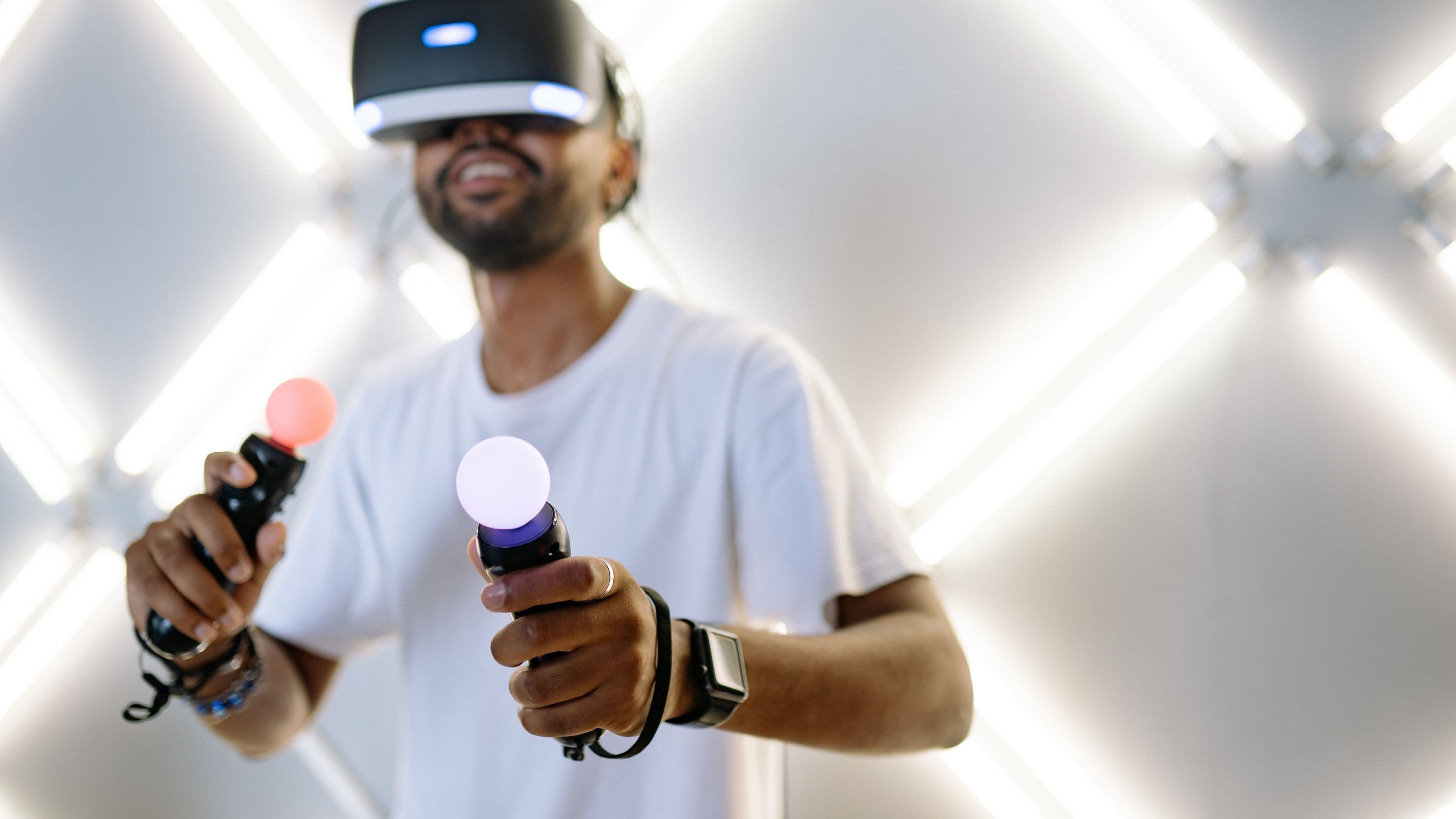
Tip: The VR mode, if you have access to it, is considerably more intense and not recommended for first-timers to horror games.
2. Alien: Isolation
What it is: A stealth-horror game where you're trapped on a space station with a single, near-unkillable Xenomorph hunting you using an adaptive AI.
Why it matters: Unlike most horror games with scripted scares, the alien in this game learns your habits over the course of a playthrough. If you keep hiding in the same locker, it starts checking there. That unpredictability creates a sustained anxiety that scripted jump scares can't replicate.
How to apply it: Resist the urge to fight or run in a straight line. The tension is designed around patience, hiding, listening, and moving only when it's safe.
Key benefit: One of the only games where the horror comes from a genuinely intelligent-feeling threat rather than predictable set pieces.
Warning: The game runs long, around 15 to 20 hours, and the sustained pressure can be exhausting for players who prefer shorter horror experiences.
3. Amnesia: The Dark Descent
What it is: A first-person horror game set in a Prussian castle, where the protagonist has no combat options at all and must rely entirely on hiding and running.
Why it matters: Amnesia helped define the modern "no combat" horror genre that later inspired Outlast and countless other titles. The complete removal of any way to fight back forces genuine vulnerability, and the game's sanity mechanic punishes you for staring at monsters too long, which changes how you physically play.
How to apply it: Lean into the puzzle-solving pace rather than rushing. The slower you go, the more the atmosphere gets to work on you.
Key benefit: A landmark title that still holds up as one of the purest examples of dread-based horror design.
4. Silent Hill 2
What it is: A psychological horror game following James Sunderland as he searches the fog-covered town of Silent Hill after receiving a letter from his dead wife.
Why it matters: This isn't a game about monsters jumping out at you, it's about grief, guilt, and unreliable memory manifesting as literal monsters. The 2024 remake modernized the combat and visuals while keeping the original's disturbing tone intact, introducing the story to a new generation of players.
How to apply it: Pay attention to the environmental storytelling and item descriptions. Much of the horror here is emotional and symbolic rather than jump-scare based.
Key benefit: Widely regarded as one of the best examples of horror as narrative device rather than horror as spectacle.
5. Outlast
What it is: A found-footage style first-person horror game where a journalist investigates an asylum using only a camcorder with night vision.
Why it matters: With zero weapons and zero combat, your only tools are running, hiding, and your camera's battery-limited night vision. That resource management under threat, watching your battery drain while something is chasing you in the dark, creates a very specific, very effective kind of panic.
How to apply it: Manage your camera batteries carefully and don't rely on night vision more than you need to, since running out at the wrong moment is often fatal.
Key benefit: One of the most consistently mentioned "hide and survive" horror games for players who want pure tension without puzzle-heavy pacing.
6. P.T. (Playable Teaser)
What it is: A short, first-person horror experience originally released as a teaser for a canceled Silent Hill game, set in a looping suburban hallway.
Why it matters: P.T. is widely considered one of the scariest gaming experiences ever made, built almost entirely around a single repeating hallway that subtly changes each time you walk through it. It was removed from digital storefronts years ago after the game it was teasing got canceled, which has only added to its reputation.
How to apply it: It's no longer officially purchasable, but it remains a reference point that influenced nearly every horror game released after it, and its design philosophy shows up in games like Visage below.
Key benefit: A masterclass in using repetition and subtle environmental change to build unbearable tension in a tiny physical space.
7. Resident Evil Village
What it is: The direct sequel to Resident Evil 7, this one trades the claustrophobic house for a gothic European village stalked by Lady Dimitrescu and her daughters.
Why it matters: The early hours, particularly the Beneviento house section, are considered some of the most unsettling in the franchise, playing with sound design and visual distortion in ways that feel genuinely disorienting rather than just gory.
How to apply it: Expect the tone to shift throughout the game from dread-heavy to more action-oriented, so if pure sustained horror is what you want, focus on the earlier chapters.
Key benefit: Blends horror with more accessible combat, making it a good entry point for players newer to the genre who still want real scares.
8. Visage
What it is: An indie psychological horror game heavily inspired by P.T., set in a house haunted by the deaths of its previous occupants.
Why it matters: Built by a small team clearly paying tribute to P.T.'s loop-based dread, Visage manages slow-burn horror through
environmental changes, flickering lights, and a sanity system that distorts what you're seeing and hearing.
How to apply it: Play it in short sessions. The sustained low-level dread is intentionally exhausting, and most fans recommend not marathoning it in one sitting.
Key benefit: One of the best examples of an independent studio matching, and in some ways exceeding, the psychological horror of major-studio titles.
9. Phasmophobia
What it is: A cooperative ghost-hunting horror game where you and friends investigate haunted locations using real ghost-hunting equipment like EMF readers and spirit boxes.
Why it matters: Unlike the single-player games on this list, Phasmophobia's fear comes from genuine unpredictability, since the "ghost" is an AI system with different behavior patterns each round, and you never know exactly what you're dealing with until it's already reacting to you.
How to apply it: Play with voice chat and at least one other person. The game is noticeably less effective solo, since much of the fear comes from shared reactions in real time.
Key benefit: A different flavor of horror built for groups, making it a strong option if you want to scare friends together rather than play alone.
10. Dead Space (2023 Remake)
What it is: A full remake of the 2008 sci-fi horror classic, following engineer Isaac Clarke aboard a derelict mining ship overrun by mutated corpses called Necromorphs.
Why it matters: The remake rebuilt the ship as one continuous, loading-screen-free environment, which makes the sense of being trapped feel more real than in the original. The "strategic dismemberment" combat system, where you cut off enemy limbs rather than shooting center mass, keeps you engaged in tense close-quarters fights rather than just running.
How to apply it: Play on a harder difficulty if you've played horror games before. The remake's normal difficulty is manageable enough that veteran horror fans may not find it as tense as the earlier entries on this list.
Key benefit: Combines genuine scares with satisfying action-horror combat, making it one of the more replayable entries here.
Quick Takeaway
If you want pure, helpless dread, start with Outlast or Amnesia. If you want horror with a strong story, Silent Hill 2 is the clear pick. If you want scares to survive with friends, Phasmophobia is the one built for that. And if you want horror balanced with combat so it doesn't feel like pure endurance, Resident Evil 7 and Dead Space are the most approachable of the bunch.
FAQ
What's the scariest horror game for someone who's never played one before? Resident Evil Village or the Dead Space remake are good starting points, since both balance genuine scares with combat systems that give you some sense of control.
Are these games appropriate for younger players? No. Every game on this list carries a mature rating for graphic violence, gore, or disturbing themes, and none are recommended for anyone under 17.
Do I need VR to play any of these? No, all ten are fully playable without VR. Resident Evil 7 and Resident Evil Village do offer optional VR modes on certain platforms for players who want a more intense experience.
Outro
Horror games age differently than other genres. A game built purely on jump scares loses its punch the second time through, but the ones on this list, the ones built on atmosphere, sound design, and genuine unpredictability, tend to stay unsettling no matter how many times you've played them. Pick whichever one matches the kind of fear you're actually looking for, and maybe don't play it alone in a dark house for the first time.
📚 Sources
PEGI – Age Ratings. https://pegi.info/what-do-the-labels-mean
ESRB – Ratings Guide. https://www.esrb.org/ratings-guide/