
Top 10 Home Insurance Myths at a Glance
"My policy covers flood damage" – Best for coastal and flood-prone homeowners
"I'm covered for my home's market value" – Best for anyone calculating their coverage needs
"Home insurance covers my expensive jewelry and collectibles" – Best for collectors and luxury item owners
"Making a claim won't affect my premiums" – Best for those considering filing small claims
"My roommate's belongings are covered under my policy" – Best for homeowners with renters or roommates
"Cheaper policies save me money" – Best for budget-conscious homeowners
"My home-based business equipment is automatically covered" – Best for remote workers and entrepreneurs
"I don't need insurance because my home is paid off" – Best for mortgage-free homeowners
"All water damage is covered equally" – Best for understanding water-related claims
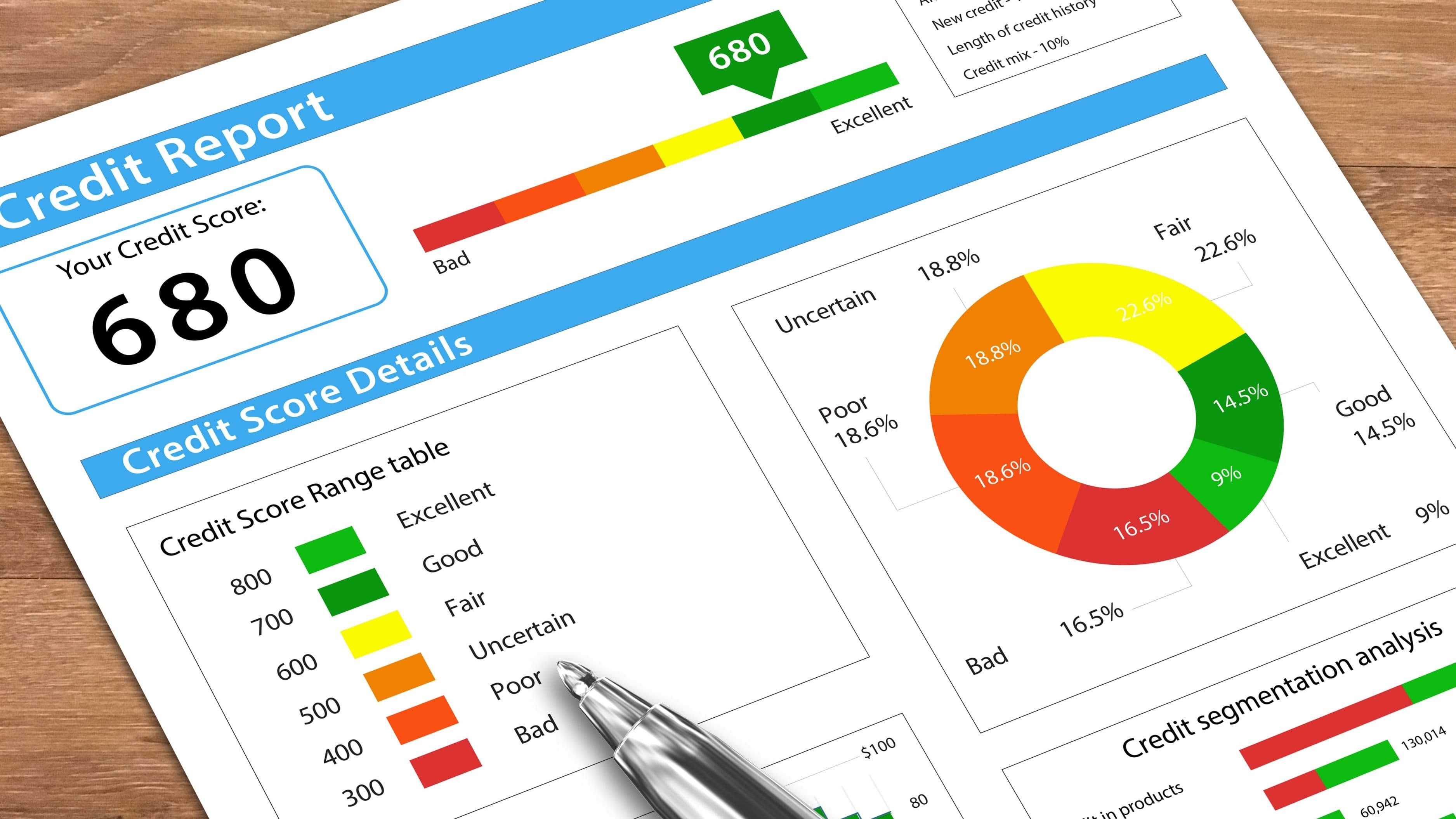
"My credit score doesn't affect my insurance rates" – Best for improving your insurance costs
The Myths Debunked: What You Really Need to Know
1. "My Policy Covers Flood Damage"

This is perhaps the most dangerous myth in home insurance, and it's one that costs homeowners billions in uninsured losses every year. Standard homeowners insurance policies specifically exclude flood damage, regardless of how comprehensive your coverage might seem.
What you need to know: Flood insurance requires a separate policy through the National Flood Insurance Program (NFIP) or private insurers.
This includes damage from storm surge, overflowing rivers, heavy rainfall that overwhelms drainage systems, and even snowmelt. Your regular policy covers water damage from burst pipes or roof leaks, but not rising water from outside your home.
Pricing: NFIP policies average $700–$1,500 annually, depending on your flood zone and coverage limits.
Pros:
Separate flood policies provide coverage standard policies don't
Available even in high-risk zones
Can cover both structure and contents
30-day waiting period means you can't wait for a storm
Cons:
Additional premium on top of regular insurance
Coverage caps may not cover full replacement costs
Basement coverage is extremely limited
Waiting periods can leave you vulnerable
2. "I'm Covered for My Home's Market Value"

Many homeowners assume their insurance should match what they could sell their home for, but this is a critical misunderstanding. Your home's market value includes the land, location premium, and current real estate trends – none of which need insurance protection because they can't be destroyed.
What you need to know: Home insurance covers the replacement cost of your structure and belongings, not the market value. In hot real estate markets, your home might sell for $500,000, but rebuilding it might only cost $300,000. Conversely, in areas with high construction costs, rebuilding could exceed market value. Your coverage should reflect actual rebuilding costs, not sale prices.
Pricing: Proper replacement cost coverage typically ranges from $100,000–$500,000+ depending on home size, materials, and local construction costs.
Pros:
Focuses protection on what actually needs replacing
Can save money in high-value real estate markets
Guaranteed replacement cost policies offer maximum protection
Annual adjustments keep pace with construction costs
Cons:
Underinsuring is common when using market value
Requires regular policy reviews and updates
Construction cost inflation can create coverage gaps
Many homeowners discover gaps only after a loss
3. "Home Insurance Covers My Expensive Jewelry and Collectibles"

Your standard policy does include personal property coverage, but there's a catch that surprises many homeowners when they file claims: sub-limits. These are maximum payout amounts for specific categories of valuables, regardless of your overall personal property coverage.
What you need to know: Most policies cap jewelry at $1,000–$2,500 per claim, with similar limits for artwork, collectibles, silverware, and electronics. That $10,000 engagement ring or vintage guitar collection? You'll only get a fraction of its value without additional coverage. You'll need scheduled personal property endorsements (also called floaters or riders) that specifically list high-value items.
Pricing: Riders typically cost $1–$2 per $100 of item value annually (so $100–$200/year for a $10,000 ring).
Pros:
Riders provide full replacement value
Often cover more perils than basic policies
No deductible on scheduled items
Detailed documentation protects your investment
Cons:
Requires professional appraisals and documentation
Additional premium for each scheduled item
Must update riders as you acquire new valuables
Easy to forget items and discover gaps too late
4. "Making a Claim Won't Affect My Premiums"

This myth encourages homeowners to file claims for relatively minor damage, thinking they're simply "using" insurance they've paid for. The reality is that your claims history follows you and significantly impacts your future insurability and costs.
What you need to know: Even a single claim can increase premiums by 9–20% for several years, and multiple claims can make you nearly uninsurable in the standard market. Insurance companies use claim history to assess risk, and the industry shares this data through databases like CLUE (Comprehensive Loss Underwriting Exchange). Small claims under $1,000–$2,000 often cost more in premium increases over time than the payout.
Pricing: A $1,500 claim could cost you $300–$500 extra annually for 3–7 years, totaling $900–$3,500 in increased premiums.
Pros:
Understanding this helps you make strategic claim decisions
Avoiding small claims preserves your claims-free discount
Clean history keeps you in preferred rate classes
Save insurance for true catastrophic losses
Cons:
You're paying premiums but avoiding using coverage
High deductibles may already discourage small claims
Unfiled claims mean absorbing repair costs yourself
Balancing act between using and preserving coverage
5. "My Roommate's Belongings Are Covered Under My Policy"

Homeowners who rent out rooms or have adult children living at home often assume everyone under their roof is protected by their policy. This misconception can lead to devastating financial consequences when a fire, theft, or disaster occurs.
What you need to know: Your home insurance policy covers you and resident relatives, but specifically excludes non-related individuals living in your home. Your roommate, tenant, or adult friend's possessions aren't covered under your personal property protection. They need their own renters insurance policy, which is inexpensive and provides coverage for their belongings plus their own liability protection.
Pricing: Renters insurance for roommates typically costs $150–$300 annually for $20,000–$40,000 in coverage.
Pros:
Understanding this prevents coverage gaps
Renters insurance is inexpensive for non-owners
Separate policies avoid disputes over shared losses
Each person gets their own liability protection
Cons:
Many roommates resist getting their own policy
Confusion about whose policy covers what
Shared items create coverage complications
Host may feel responsible but lacks coverage
6. "Cheaper Policies Save Me Money"

Budget-conscious homeowners often shop primarily on price, choosing the lowest premium without examining what they're actually buying. This penny-wise, pound-foolish approach can cost tens of thousands when you need coverage most.
What you need to know: Lower premiums often mean higher deductibles, lower coverage limits, actual cash value instead of replacement cost, and exclusions for common claim types. A policy that's $500 cheaper annually might have a $5,000 deductible instead of $1,000, or only pay depreciated value on your possessions. The true cost of insurance isn't the premium – it's how much you'll pay out of pocket when disaster strikes.
Pricing: Quality comprehensive policies typically cost $1,000–$2,500 annually, while bare-bones versions might save $300–$800 but create massive gaps.
Pros:
Lower premiums free up cash flow
High deductibles work if you have emergency savings
Minimal coverage acceptable for modest homes
Can scale up coverage as finances improve
Cons:
Huge out-of-pocket costs when claims occur
Depreciated value payouts don't cover replacements
Coverage gaps discovered too late
False economy that costs more in the long run
7. "My Home-Based Business Equipment Is Automatically Covered"

The explosion of remote work and home-based businesses has created a massive coverage gap that most homeowners don't realize exists. Your laptop, printer, and office equipment might not be as protected as you think.
What you need to know: Standard homeowners policies typically limit business property to $2,500 or exclude it entirely. If you're running a business from home – even just freelancing or e-commerce – your expensive computer equipment, inventory, and specialized tools may not be covered. Additionally, if a client or delivery person is injured at your home during business activities, your personal liability coverage might not apply. You need either a home business policy endorsement or a separate business owners policy.
Pricing: Home business endorsements cost $200–$500 annually for $10,000–$25,000 in business property coverage and liability.
Pros:
Proper coverage protects business assets fully
Liability protection for business-related injuries
Relatively affordable add-on to existing policy
Peace of mind for growing ventures
Cons:
Requires disclosure of business activities
May increase premium even with endorsement
Separate business policy needed for significant operations
Easy to overlook until after a loss
8. "I Don't Need Insurance Because My Home Is Paid Off"

Once the mortgage is paid off, some homeowners cancel their insurance to eliminate what they see as an unnecessary expense. After all, no lender is requiring it anymore. This decision can be financially catastrophic.
What you need to know: Your mortgage company required insurance to protect their investment, but you should want insurance to protect yours. A paid-off $300,000 home represents your life savings and largest asset. Without insurance, a total loss from fire, tornado, or other disaster means you lose everything and still own the land with no home and no money to rebuild. You'd be starting over financially while still paying property taxes on empty land.
Pricing: Even for paid-off homes, comprehensive insurance typically costs $800–$2,000 annually – a small price for protecting your largest asset.
Pros:
Insurance protects your full equity investment
Liability coverage protects against lawsuit losses
Additional living expenses covered during repairs
Financial security against total loss
Cons:
Annual premium with no lender requirement feels optional
Older paid-off homes may have higher premiums
Temptation to reduce coverage to save money
Must self-enforce this financial discipline
9. "All Water Damage Is Covered Equally"

Water is the most common home insurance claim, but it's also the most complicated and misunderstood. Many homeowners discover too late that not all water damage is treated the same way by their policy.
What you need to know: Insurance distinguishes between "clean water" from sources like burst pipes (typically covered), "gray water" from appliances (usually covered), and "black water" from sewage backups or external flooding (often excluded or limited). Even covered water damage may be denied if it resulted from lack of maintenance or gradual seepage rather than a sudden event. Sewer backup requires specific endorsements, mold is typically capped at $10,000 or excluded, and seepage through foundations is rarely covered.
Pricing: Sewer backup endorsements cost $40–$150 annually; water backup coverage adds $50–$250 to premiums.
Pros:
Understanding distinctions prevents claim denials
Optional endorsements fill common gaps
Proper documentation helps prove sudden losses
Regular maintenance protects your coverage
Cons:
Complex rules about water sources and timing
Mold coverage limitations create large out-of-pocket costs
Maintenance-related damage specifically excluded
Gradual versus sudden distinctions cause disputes
10. "My Credit Score Doesn't Affect My Insurance Rates"

Most people know credit scores impact loans and credit cards, but few realize that insurance companies in most states use credit-based insurance scores to determine premiums. This hidden factor can cost you hundreds of dollars annually.
What you need to know: Insurance companies have found that credit behavior correlates with claim frequency, so they use modified credit scores to price policies. Poor credit can increase your premium by 20–50% or even make you uninsurable with preferred carriers, forcing you into high-risk pools. The good news is that improving your credit score can significantly reduce your insurance costs, and insurance inquiries don't hurt your credit score like loan applications do.
Pricing: Improving credit from poor to good can save $200–$800 annually on home insurance premiums.
Pros:
Awareness allows you to improve this factor
Good credit provides significant discounts
Improving credit benefits all financial areas
Shop around as companies weigh credit differently
Cons:
Poor credit penalizes you even if claims-free
Unfair to those recovering from financial hardship
Not disclosed clearly when getting quotes
Some states prohibit this but most allow it
Understanding Home Insurance: What You Need to Know
What Home Insurance Actually Is
Home insurance is a contract between you and an insurance company that provides financial protection for your home and possessions against covered perils (risks) like fire, theft, wind damage, and liability claims. You pay a regular premium, and in exchange, the insurer agrees to pay for covered losses minus your deductible. Standard homeowners policies (HO-3 is most common) cover your dwelling on an "open perils" basis (everything except what's specifically excluded) and your personal property on a "named perils" basis (only what's specifically listed as covered).
Benefits of Proper Home Insurance Coverage
The right insurance protects your largest financial asset and prevents catastrophic personal financial loss. Beyond just rebuilding your home, quality coverage provides additional living expenses if your home becomes uninhabitable, liability protection if someone is injured on your property, and protection for your belongings both at home and away. It provides peace of mind and financial stability, ensuring that a disaster becomes an inconvenience rather than a financial catastrophe. Proper coverage also protects your credit rating and prevents bankruptcy from lawsuit judgments or uninsured losses.
What to Look for When Choosing Home Insurance
Start with replacement cost coverage for both your dwelling and personal property – never settle for actual cash value that only pays depreciated amounts. Ensure your dwelling coverage reflects current construction costs in your area, not your home's purchase price or market value. Look for guaranteed replacement cost or extended replacement cost (125–150% of dwelling coverage) to protect against construction cost inflation. Consider your deductible carefully – higher deductibles lower premiums but require larger emergency funds. Review coverage limits for valuables and consider endorsements for jewelry, art, or collectibles. Verify you have adequate liability coverage ($300,000–$500,000 minimum, or add an umbrella policy). Add essential endorsements like sewer backup, water backup, and equipment breakdown coverage. Check the insurer's financial strength rating (A.M. Best rating of A- or better) and claims service reputation, not just price.
Frequently Asked Questions
Q: How often should I review and update my home insurance policy?
A: Review your policy annually and after any major life changes. Home values and construction costs change, you acquire new valuables, and your coverage needs evolve. Schedule an annual review with your agent to adjust dwelling coverage for construction cost inflation, add endorsements for new expensive items, update liability limits if your assets have grown, and ensure all optional coverages still make sense for your situation. Also review after renovations, home-based business changes, or major purchases.
Q: Will filing a claim for storm damage affect my rates like an at-fault accident affects car insurance?
A: Yes, but the impact varies by insurer and situation. Catastrophic weather claims in declared disaster areas typically have less impact than repeated small claims or preventable losses. However, even weather-related claims go on your CLUE report and can affect premiums for 3–7 years. This is why it's wise to choose higher deductibles and only file claims for significant losses rather than using insurance for minor repairs. Consider whether a $2,000 claim is worth potential premium increases that could cost more over time.
Q: What's the difference between actual cash value and replacement cost coverage, and why does it matter?
A: Actual cash value (ACV) pays what your damaged items were worth considering age and depreciation – so a 5-year-old couch might get you $300 even though replacing it costs $1,500. Replacement cost coverage pays what it actually costs to buy new equivalent items today, with no depreciation deduction. The difference can be massive: after a total loss, ACV might pay $80,000 for depreciated contents while replacement cost pays $200,000+ to actually replace everything. Always choose replacement cost coverage for both your dwelling and personal property, even though premiums are higher.
Q: Can I be dropped by my insurance company for filing too many claims?
A: Yes, absolutely. Insurers can non-renew your policy (choose not to renew when your term ends) if you file multiple claims within a short period, typically 2–3 claims in 3–5 years. While they usually can't cancel mid-term except for non-payment or fraud, they're not required to renew your policy. Once non-renewed, you'll face higher premiums with new carriers and may need to use state high-risk pools. This is another reason to treat insurance as catastrophic protection rather than a maintenance plan – save it for significant losses you truly cannot afford to cover yourself.