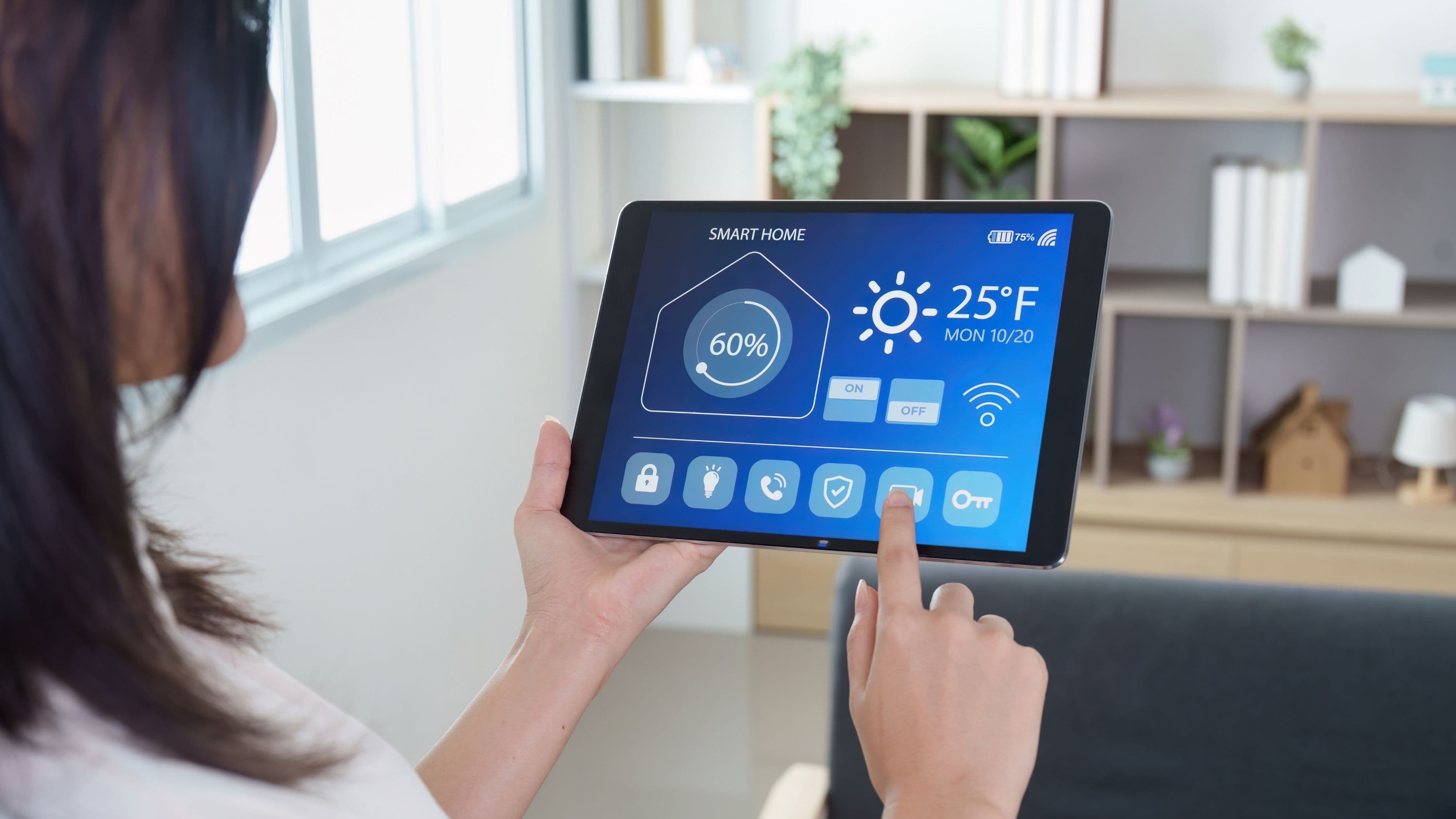
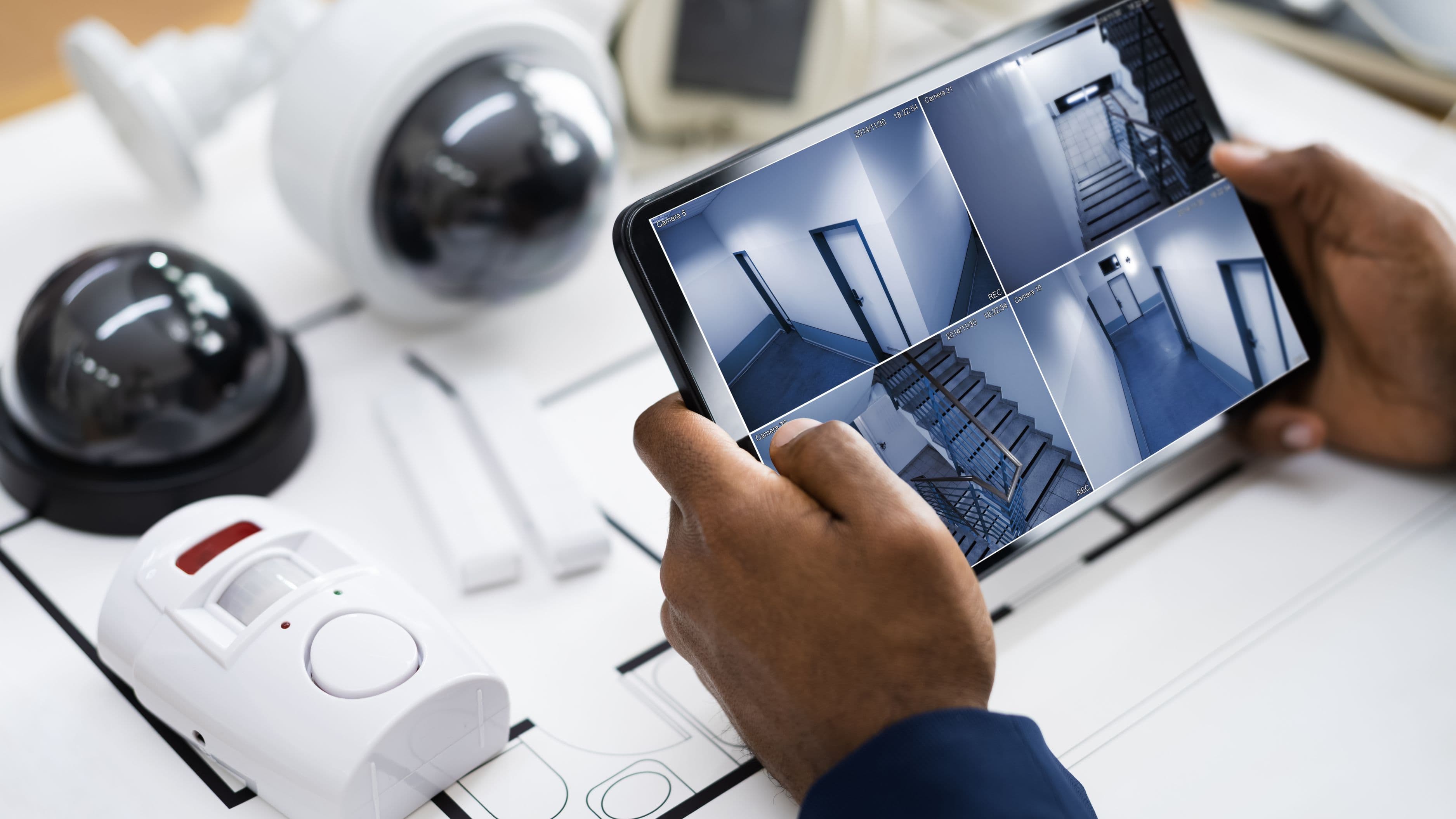
We've analyzed the leading home improvement and security platforms to identify which ones deliver genuine value, reliable service, and meaningful protection. From DIY security systems to professional contractor networks and smart home ecosystems, these platforms represent the most trusted and cost-effective solutions for homeowners in 2026. Here are the top 10 home improvement and security platforms worth your investment.
Top 10 Best Home Improvement & Security Platforms
SafeStreets – Best for professional security system installation and monitoring
ADT – Best for comprehensive security with nationwide coverage
Ring (Amazon) – Best for DIY video security and smart home integration
SimpliSafe – Best for affordable DIY security without contracts
Vivint – Best for integrated smart home and security automation
Angi (formerly Angie's List) – Best for verified home improvement contractors
HomeAdvisor – Best for instant contractor matching and quotes
Houzz – Best for home design inspiration and professional connections
Thumbtack – Best for local service professionals across all categories
Porch – Best for home improvement project management and financing
Our Methodology
We evaluated each platform based on five critical factors to ensure they provide genuine value and reliability for homeowners:
Pricing and value: We analyzed upfront costs, monthly fees, contract requirements, and long-term value compared to alternatives, identifying platforms that balance affordability with quality service.
Ease of use and installation: We assessed DIY installation complexity, professional setup processes, app functionality, and overall user experience from initial setup through daily use.
Features and capabilities: We examined security system components (sensors, cameras, monitoring), contractor vetting processes, project management tools, smart home integration, and unique differentiators that set each platform apart.
Customer support quality: We evaluated response times, support channel availability (phone, chat, email), problem resolution effectiveness, and emergency service capabilities for security platforms.
User reviews and reputation: We analyzed thousands of customer reviews across Trustpilot, BBB, Consumer Reports, and Google Reviews to identify satisfaction patterns, common complaints, and long-term reliability indicators.
Detailed Reviews
1. SafeStreets – Best for Professional Security System Installation and Monitoring
Best for: Homeowners who want professionally installed security with personalized local service
Pricing from: $99+ installation, $49.99/month monitoring
Key features: Professional installation, 24/7 monitoring, customized systems, local service providers
SafeStreets has built a strong reputation by partnering with local authorized ADT dealers to provide personalized security solutions with the backing of ADT's infrastructure. This hybrid model combines the reliability and monitoring capabilities of a major security brand with the attention and customer service of local providers who actually know your community.
What distinguishes SafeStreets is their consultative approach to home security. Rather than offering cookie-cutter packages, their local partners assess your specific property, lifestyle, and concerns to design customized systems. They'll evaluate entry points, consider your daily routines, factor in pets that might trigger motion sensors, and recommend equipment that fits your actual needs rather than upselling unnecessary components.
The professional installation eliminates the guesswork and technical challenges of DIY systems. Trained technicians ensure sensors are optimally placed, cameras have proper coverage and connectivity, and all components integrate correctly with the monitoring center. While you'll pay more upfront than DIY alternatives, the peace of mind from proper installation and local service support provides substantial value, especially for larger homes or complex security needs.
Pros:
Professional installation ensures optimal system performance
Local service providers offer personalized attention
24/7 ADT monitoring with fast emergency response
Customized systems designed for your specific home
Strong reputation and BBB accreditation
Cons:
Higher upfront costs than DIY systems
Typically requires 3-year monitoring contract
Monthly monitoring fees add up over time
Equipment may be proprietary to ADT network
2. ADT – Best for Comprehensive Security with Nationwide Coverage
Best for: Homeowners seeking established, comprehensive security with proven reliability
Pricing from: $599+ equipment, $45.99/month monitoring
Key features: 150+ years in security, nationwide coverage, professional monitoring, smart home integration
ADT remains the gold standard in home security, protecting over 6 million homes with a proven track record that spans more than 150 years. While they're not always the cheapest option, their comprehensive approach to home security, extensive professional monitoring network, and established reliability make them worth considering for homeowners who prioritize peace of mind over bargain pricing.
ADT's monitoring centers operate 24/7 with redundancy systems ensuring continuous protection even during outages or disasters. When an alarm triggers, trained professionals immediately assess the situation, contact you through multiple methods, and dispatch emergency services within seconds if needed. This rapid response capability, combined with their direct relationships with local police and fire departments, provides a level of emergency coordination that DIY systems can't match.
The platform has evolved significantly to include smart home integration, allowing you to control security, lighting, thermostats, and locks through a single app. ADT's Video Doorbell, indoor/outdoor cameras, and smart sensors integrate seamlessly with Amazon Alexa and Google Assistant. While their equipment and monitoring costs run higher than newer competitors, the combination of proven reliability, comprehensive coverage, and professional monitoring justifies the premium for security-conscious homeowners.
Pros:
Unmatched reputation and proven reliability
Professional 24/7 monitoring with rapid response
Comprehensive smart home integration
Nationwide coverage with local service support
Extensive range of security equipment options
Cons:
Higher costs than most competitors
Long-term contracts typically required
Professional installation mandatory for most systems
Some older equipment less advanced than newer competitors
3. Ring (Amazon) – Best for DIY Video Security and Smart Home Integration
Best for: Tech-savvy homeowners wanting affordable, camera-focused security
Pricing from: $199+ equipment, $20/month monitoring (optional)
Key features: Easy DIY installation, video doorbells, excellent camera quality, Alexa integration
Ring revolutionized home security by making video monitoring accessible and affordable, starting with their breakthrough video doorbell and expanding into a complete DIY security ecosystem. Owned by Amazon, Ring benefits from extensive resources, continuous innovation, and seamless integration with Alexa and other Amazon services, creating an ecosystem that's both powerful and user-friendly.
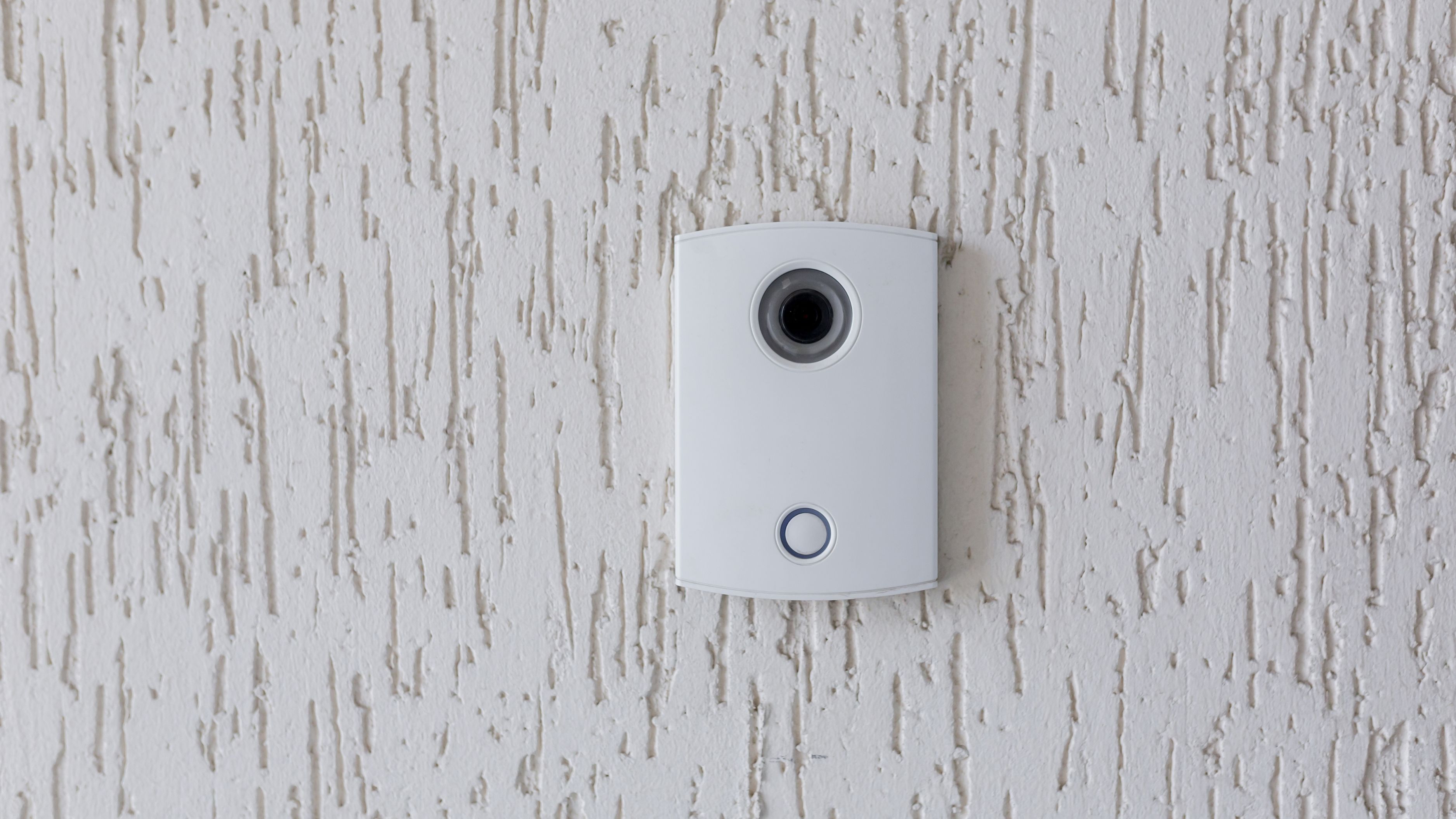
The platform's strength lies in its camera technology and video capabilities. Ring Video Doorbells provide crystal-clear footage of visitors, package deliveries, and any activity at your front door, with features like two-way talk, motion-activated recording, and person detection that filters out false alarms from passing cars or animals. Their Stick Up Cams, Floodlight Cams, and Indoor Cams extend coverage throughout your property with similar quality.
What makes Ring particularly appealing is its flexibility—you can start with a single video doorbell for $99 and expand gradually as needed. Professional monitoring is optional at just $20/month (or $200/year), making it significantly cheaper than traditional security companies while still providing 24/7 emergency response. The Ring app is intuitive, video quality is excellent, and installation is genuinely simple for most homeowners.
Pros:
Affordable equipment and optional monitoring
Excellent video quality and user-friendly app
Easy DIY installation for most components
Seamless Alexa and smart home integration
No long-term contracts required
Cons:
Video storage requires subscription ($4-20/month)
Camera-focused system with fewer traditional sensors
Privacy concerns given Amazon ownership
Professional monitoring less comprehensive than ADT
4. SimpliSafe – Best for Affordable DIY Security Without Contracts
Best for: Renters and homeowners who want flexibility without long-term commitments
Pricing from: $244+ equipment, $19.99/month monitoring (optional)
Key features: No contracts, easy self-installation, wireless sensors, optional professional monitoring
SimpliSafe pioneered the contract-free security model, proving that homeowners could get reliable protection without signing multi-year agreements or paying exorbitant monthly fees. Their straightforward approach—quality wireless equipment, simple installation, affordable monitoring, and zero commitments—resonates particularly with renters, frequent movers, and anyone wary of traditional security company tactics.
The system is genuinely simple to install, with sensors that stick to walls and doors, a base station that plugs into your router, and a touchpad for arming and disarming. There's no drilling, no wiring, and no need for professional installation (though it's available if wanted). The equipment is yours to keep, meaning you can take it when you move or cancel monitoring without penalties.
SimpliSafe's monitoring is optional but impressively affordable at $19.99/month for professional 24/7 monitoring with cellular backup, or $29.99/month to add video recording and smart home integration. The equipment itself is reliable, sensors respond quickly, and the system includes environmental monitoring for smoke, CO2, and water leaks. While it lacks the smart home sophistication of Ring or Vivint, SimpliSafe excels at its core mission: straightforward, reliable home security without the traditional headaches.
Pros:
No contracts or long-term commitments
Very affordable monitoring options
Easy DIY installation that actually works
Equipment is portable for renters/movers
60-day money-back guarantee
Cons:
Less advanced smart home integration
Equipment aesthetic is functional but basic
Camera quality below Ring/Nest standards
Limited third-party device compatibility
5. Vivint – Best for Integrated Smart Home and Security Automation
Best for: Homeowners wanting premium smart home automation with integrated security
Pricing from: $599+ equipment, $44.99/month monitoring
Key features: Professional installation, advanced automation, smart locks, doorbell cameras, energy management
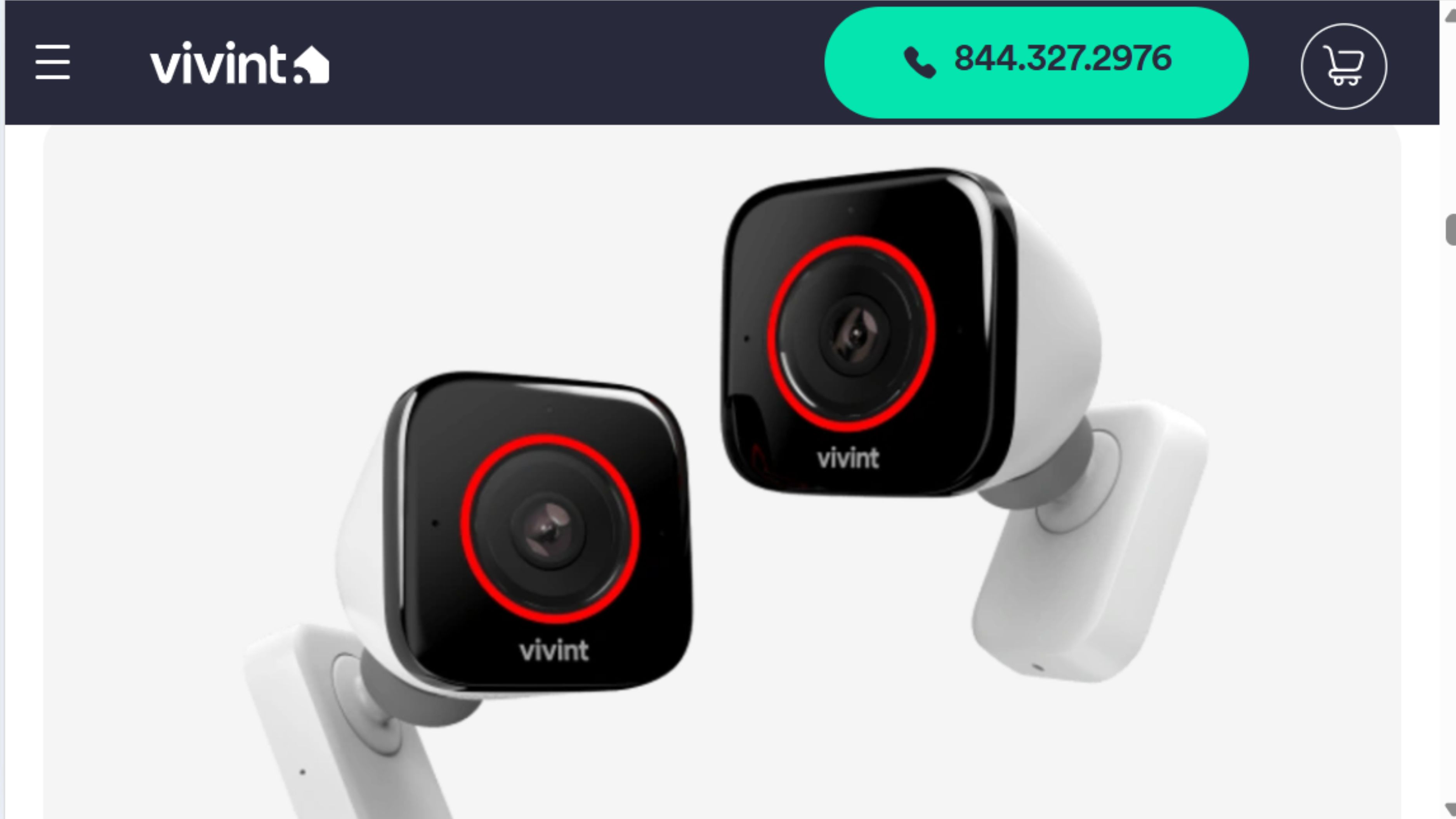
Vivint represents the premium end of smart home security, offering sophisticated automation that goes far beyond basic burglar alarms. Their system integrates security, lighting, climate control, door locks, and cameras into a unified platform that learns your routines and can automate your entire home based on your preferences and schedules.
The Vivint system's intelligence sets it apart—it can automatically arm when everyone leaves, adjust temperature based on occupancy, turn on lights at sunset, unlock doors when family members arrive, and send customized alerts for different family members. Their Sky Panel touchscreen control is intuitive and responsive, essentially serving as the command center for your entire home. The professional monitoring includes security and fire protection, with operators who can view your camera feeds to verify emergencies.
Vivint's main drawback is cost—both upfront equipment and monthly monitoring run significantly higher than competitors. They also require professional installation and typically involve multi-year contracts. However, for homeowners investing in a comprehensive smart home system who want everything professionally integrated and managed from a single platform, Vivint's capabilities justify the premium pricing. This is particularly true for larger homes or new construction where the complexity of integrating multiple systems creates real value.
Pros:
Most advanced smart home automation features
Sophisticated learning algorithms and routines
Professional installation and system integration
Excellent equipment quality and reliability
Comprehensive monitoring includes video verification
Cons:
Significantly higher costs than competitors
Requires multi-year contracts
Equipment is proprietary (can't take with you)
Less suitable for renters or frequent movers
6. Angi (formerly Angie's List) – Best for Verified Home Improvement Contractors
Best for: Homeowners planning major renovations who want verified, quality contractors
Pricing from: Free basic use; Angi Leads from $35/lead
Key features: Verified contractor reviews, detailed ratings, price comparisons, project cost guides
Angi built its reputation on rigorous contractor verification and authentic customer reviews, creating a trusted platform for homeowners navigating the often-sketchy world of home improvement contractors. Unlike platforms that accept any contractor who signs up, Angi screens providers, verifies licenses and insurance, and maintains detailed performance histories that help you avoid the disasters that plague home improvement projects.
The platform's strength lies in its comprehensive review system. You'll find detailed feedback from real customers covering quality, professionalism, punctuality, and pricing accuracy. Angi's ratings include both overall scores and specific category breakdowns, helping you identify contractors who excel in the areas most important to your project. Price comparison tools show typical costs for your specific project type and location, arming you with realistic expectations before requesting quotes.
Angi's evolution from membership-based Angie's List to free-to-use Angi has made quality contractor information accessible to all homeowners. While contractors pay to access leads, homeowners can browse reviews, compare providers, and request quotes without fees. The platform works best for planned projects where you have time to research, compare multiple contractors, and make informed decisions rather than emergency repairs requiring immediate response.
Pros:
Rigorous contractor verification and screening
Detailed, authentic customer reviews
Helpful cost guides for realistic budgeting
Free for homeowners to use
Strong dispute resolution support
Cons:
Smaller contractor network in some areas
Platform can feel overwhelming with information
Contractors may charge more knowing Angi's reputation
Less useful for emergency situations
7. HomeAdvisor – Best for Instant Contractor Matching and Quotes
Best for: Homeowners who want quick contractor connections and competitive quotes
Pricing from: Free for homeowners
Key features: Instant matching, multiple quotes, True Cost Guide, project tracking
HomeAdvisor operates as a rapid-response matching service, connecting homeowners with available contractors in minutes rather than days. Their algorithm considers your project type, location, timeline, and budget to identify suitable contractors, then facilitates connections that lead to competitive quotes. This speed-focused approach works particularly well for standard projects where quick turnaround matters.
The platform's True Cost Guide is genuinely valuable, providing detailed cost breakdowns based on thousands of completed projects in your specific area. This data-driven approach helps you understand not just average costs but realistic price ranges, what drives costs higher or lower, and what should or shouldn't be included in contractor bids. You can spot unrealistic lowball bids or inflated quotes before committing.
HomeAdvisor screens contractors for licensing and insurance, though their verification process is less rigorous than Angi's. The trade-off is a larger contractor network and faster matching, which benefits homeowners with straightforward projects who prioritize speed and competitive pricing. The platform works best when you request quotes from multiple contractors, compare carefully, and check references independently rather than relying solely on HomeAdvisor's screening.
Pros:
Fast contractor matching and responses
True Cost Guide provides realistic pricing data
Large contractor network in most areas
Free for homeowners to use
Good for standard, straightforward projects
Cons:
Less rigorous contractor screening than competitors
Quality can vary significantly between contractors
Some contractors aggressively pursue leads
Better for standard projects than complex work
8. Houzz – Best for Home Design Inspiration and Professional Connections
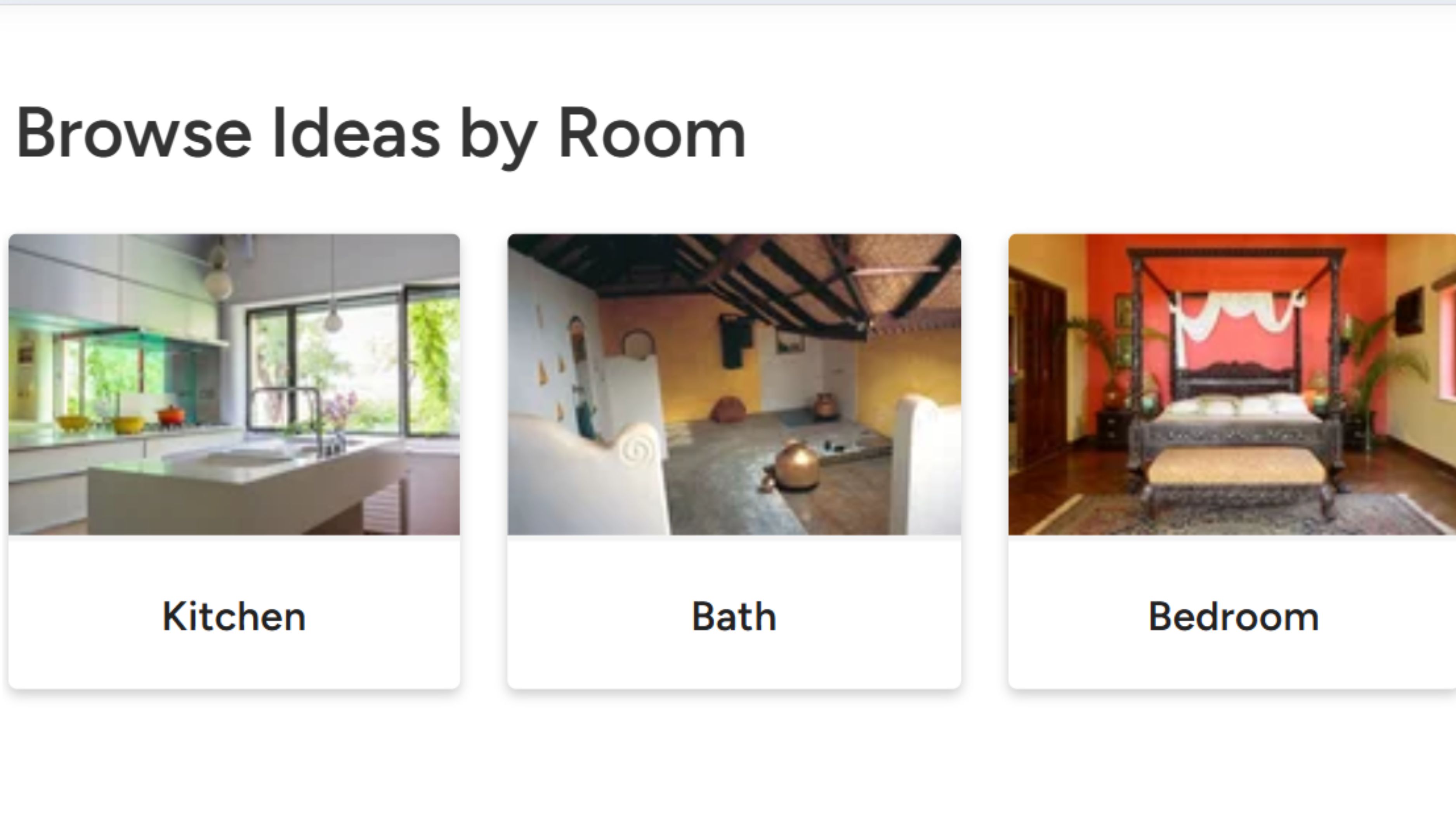
Best for: Homeowners planning design-focused renovations who want visual inspiration
Pricing from: Free for homeowners
Key features: 20+ million design photos, ideabooks, product shopping, professional directory
Houzz transformed home improvement by creating a visual platform where homeowners could explore millions of design photos, save favorites, and connect with the professionals who created them. While it's evolved into a comprehensive platform including shopping and contractor connections, Houzz's heart remains design inspiration—helping you visualize possibilities and articulate your vision before starting projects.
The platform's Ideabook feature lets you collect and organize inspiration photos, creating visual mood boards for your projects. You can filter photos by room type, style, color, and specific features, making it easy to find designs that match your taste. When you find a look you love, Houzz connects you directly with the designers, architects, or contractors who created it, along with similar professionals in your area.
Houzz works best as the beginning of your home improvement journey rather than for immediate contractor hiring. Use it to clarify your design vision, understand style preferences, and identify professionals whose aesthetic matches yours. The professional directory includes portfolios, reviews, and direct contact information, though you'll want to verify credentials and conduct thorough interviews independently. For design-heavy projects like kitchen remodels, bathroom renovations, or whole-house redesigns, Houzz's visual approach is invaluable.
Pros:
Unmatched design inspiration library
Visual approach helps clarify preferences
Connect with designers/contractors whose work you love
Integrated shopping for furniture and finishes
Free for homeowners to use
Cons:
Less focused on contractor vetting than Angi
Can be overwhelming with too many options
Professional costs often higher (design-focused work)
Better for inspiration than immediate hiring
9. Thumbtack – Best for Local Service Professionals Across All Categories
Best for: Homeowners needing diverse services from handymen to specialized contractors
Pricing from: Free for homeowners
Key features: Wide service category coverage, instant quotes, customer reviews, flexible hiring
Thumbtack distinguishes itself by covering not just traditional contractors but virtually every home service category imaginable—from handyman repairs and appliance installation to landscaping, pest control, and specialty services. This breadth makes Thumbtack particularly valuable for homeowners who need various services or aren't sure which specific professional to hire for their project.
The platform's quoting process is streamlined and transparent. You describe your project, receive quotes from interested professionals (often within hours), review their profiles and customer ratings, and contact providers directly to discuss details and schedule work. Unlike platforms that assign contractors, Thumbtack lets you maintain control over the selection process while handling the initial matching and outreach.
Thumbtack works particularly well for small to medium projects, handyman work, and situations where you need someone quickly. The professional quality varies more than highly-curated platforms, so checking reviews, verifying credentials, and asking detailed questions before hiring is essential. Their customer review system is straightforward and helpful, though less detailed than Angi's extensive ratings. For homeowners who value selection and speed over extensive vetting, Thumbtack provides an effective middle ground.
Pros:
Extremely wide range of service categories
Fast response times from professionals
Competitive pricing due to multiple quotes
Good for small to medium projects
Free for homeowners with no commitments
Cons:
Professional quality varies considerably
Less rigorous screening than premium platforms
Customer service can be inconsistent
Some professionals aggressively pursue work
10. Porch – Best for Home Improvement Project Management and Financing
Best for: Homeowners planning major projects who need financing and project oversight
Pricing from: Free for homeowners
Key features: Project cost estimates, contractor matching, integrated financing, home management tools
Porch takes a comprehensive approach to home improvement, recognizing that successful projects require not just finding contractors but managing budgets, securing financing, tracking progress, and maintaining your home over time. Their platform integrates these elements, making Porch particularly valuable for expensive projects where financing and careful management are crucial.
The platform's cost estimation tools use property data, local pricing, and project specifics to provide detailed budget expectations before you contact contractors. This helps you understand whether your budget is realistic and what factors drive costs. When you're ready to hire, Porch connects you with screened professionals and can facilitate financing through their lending partners, streamlining what's often a complex process.
Porch's home management features extend beyond individual projects, helping you track maintenance schedules, warranty information, and service history. This long-term approach makes Porch valuable even after your renovation completes. While their contractor network is smaller than HomeAdvisor or Thumbtack in some areas, their focus on project management and financing fills a genuine gap for homeowners planning significant investments in their properties.
Pros:
Integrated financing simplifies major projects
Comprehensive project cost estimation
Useful home management and maintenance tools
Contractor screening and quality focus
Free for homeowners to use
Cons:
Smaller contractor network in some regions
Less focus on design than Houzz
Financing may not suit all credit situations
Platform can feel complex for simple projects
Platform Comparison
When comparing these home improvement and security platforms, several key distinctions help match each service to specific homeowner needs:
Security vs. improvement focus: SafeStreets, ADT, Ring, SimpliSafe, and Vivint specialize in home security and smart automation. Angi, HomeAdvisor, Houzz, Thumbtack, and Porch focus on connecting homeowners with contractors and managing improvement projects. Your immediate needs determine which category is relevant.
DIY vs. professional installation: Ring and SimpliSafe excel at DIY installation with optional professional monitoring. SafeStreets, ADT, and Vivint require professional installation but deliver more comprehensive systems. For home improvement platforms, all connect you with professionals rather than providing DIY guidance.
Cost positioning: SimpliSafe and Ring offer the most affordable security options with no contracts. ADT and Vivint represent premium security with higher costs justified by advanced features. Home improvement platforms are free for homeowners, with contractors' quotes varying based on project scope and professional expertise.
Contract requirements: SimpliSafe and Ring avoid long-term commitments, while traditional security companies (ADT, Vivint, SafeStreets) typically require multi-year contracts. Home improvement platforms have no commitments—you hire contractors project-by-project.
Best for specific situations: Renters and frequent movers benefit from SimpliSafe's portability and Ring's ownership-free monitoring. Homeowners planning long-term residence gain value from comprehensive systems like Vivint or ADT. Design-focused renovators start with Houzz, while quick-turnaround project homeowners prefer HomeAdvisor or Thumbtack. Major project planning benefits from Porch's financing and management tools.
Buying Guide: Choosing the Right Platform
Who Needs Home Improvement and Security Platforms?
Security platforms provide value for essentially all homeowners and many renters, with break-ins, package theft, fire, and carbon monoxide posing real risks to safety and property. Even basic security like video doorbells deter opportunistic crime, while comprehensive systems protect against serious threats. The question isn't whether you need security but rather which level of protection matches your situation.
Home improvement platforms serve homeowners planning renovations, repairs, or regular maintenance. If you're comfortable hiring contractors through personal networks and recommendations, these platforms may be unnecessary. However, they provide significant value when you're new to an area, lack contractor connections, need cost guidance, or want protection through verified reviews and dispute resolution.
Renters particularly benefit from DIY security systems like SimpliSafe or Ring that don't require permanent installation and can move with you. Homeowners planning extended residence gain more value from professionally installed, comprehensive systems that integrate with smart home features.
How These Platforms Work
Security platforms operate through several models: DIY systems like Ring and SimpliSafe ship equipment you install yourself, connecting wirelessly to your home network and offering optional professional monitoring. Professional installation platforms like SafeStreets and ADT send technicians to design and install customized systems, with mandatory or highly recommended monitoring services. Smart home security platforms like Vivint integrate security with home automation, requiring professional setup but offering sophisticated control.
Home improvement platforms function as marketplaces connecting homeowners with contractors: you submit project descriptions, receive contractor matches or quotes, review professional profiles and customer ratings, and hire directly. Some platforms (Angi, Houzz) emphasize contractor quality and verification. Others (HomeAdvisor, Thumbtack) prioritize speed and selection breadth. Platforms like Porch add project management and financing tools beyond simple matching.
Key Features to Consider
For security platforms:
Monitoring options: Professional 24/7 monitoring provides fastest emergency response but costs $20-50/month. Self-monitoring through apps is free but requires you to respond to alerts. Consider whether you're consistently available and comfortable with self-monitoring responsibility.
Installation complexity: DIY systems save $100-500 on installation but require comfort with technology and proper placement knowledge. Professional installation ensures optimal coverage and operation but adds upfront costs.
Smart home integration: Compatibility with Alexa, Google Assistant, HomeKit, or other smart devices you own determines how seamlessly security integrates into your existing ecosystem.
Contract requirements: No-contract options (SimpliSafe, Ring) provide flexibility but may cost slightly more long-term. Multi-year contracts (ADT, Vivint) often bundle equipment discounts with monitoring commitments.
Equipment quality and coverage: Camera resolution, sensor reliability, cellular backup, and battery backup during outages all affect actual protection quality. Cheaper systems may cut corners on components that matter during emergencies.
For home improvement platforms:
Contractor verification rigor: Platforms like Angi thoroughly verify licenses, insurance, and performance history. Others like Thumbtack do basic screening but rely more on customer reviews. Higher verification typically means better average quality but smaller selection.
Project type specialization: Houzz excels for design-heavy work. HomeAdvisor works well for standard projects. Thumbtack covers diverse services. Choose platforms specializing in your project type for better matches.
Cost guidance tools: Platforms providing detailed cost estimates help you budget realistically and identify unreasonable quotes. This is particularly valuable for first-time projects where you lack pricing knowledge.
Dispute resolution: Understand how platforms handle contractor problems. Some offer formal dispute processes and payment protection. Others simply facilitate connections with limited ongoing involvement.
Pricing Overview and DIY vs. Professional Options
Security System Pricing
DIY security systems typically cost $200-500 for basic equipment covering essential entry points, with optional monitoring at $10-30/month. Ring systems start around $200 for a doorbell camera or basic security kit. SimpliSafe's Foundation Sensor Kit begins at $244. You own the equipment, can expand gradually, and choose whether to add monitoring.
Professional security systems cost $600-2,000+ for equipment and installation, with mandatory or strongly recommended monitoring at $40-70/month. ADT's packages start around $599 plus installation, with monitoring from $45.99/month. Vivint's premium smart home systems begin around $599-800 with monitoring from $44.99/month. SafeStreets' pricing varies by market and customization but typically aligns with industry standards.
Long-term cost considerations: DIY systems have lower upfront and monthly costs, potentially saving $1,000-2,000 over three years. Professional systems cost more but include superior monitoring, warranty coverage, and typically higher equipment quality. Calculate total cost over your expected residence period to compare accurately.
DIY vs. Professional Installation
DIY installation works well when you're comfortable with basic technology, your home has straightforward layouts, you're cost-conscious, and you want complete control over equipment placement. Modern DIY systems like Ring and SimpliSafe genuinely make installation accessible, with clear instructions and customer support. However, optimal sensor and camera placement requires some knowledge—poorly positioned equipment creates blind spots or false alarms.
Professional installation makes sense for larger homes with complex layouts, homeowners uncomfortable with technology, or when you want integrated smart home features beyond basic security. Professional installers assess sight lines, consider traffic patterns, account for pets, and ensure comprehensive coverage. They also handle technical setup, network configuration, and system testing.
Home Improvement Platform Costs
All major home improvement platforms are free for homeowners—they make money by charging contractors for leads, advertising, or subscription services. You pay only for the actual contractor work, not for platform access. However, contractor prices may factor in their platform costs, so comparing quotes from multiple sources (platform referrals, independent research, personal recommendations) helps ensure competitive pricing.
Some platforms like Porch offer integrated financing, which may involve loan fees or interest but provides convenient access to funding for major projects. Evaluate whether platform-facilitated financing offers competitive terms compared to home equity loans, personal loans, or credit cards.
Frequently Asked Questions
Is professional monitoring worth the monthly cost for home security?
Professional monitoring provides significant value for several scenarios: when you travel frequently and won't respond to self-monitored alerts, if you or family members aren't reliably available during the day, for households with elderly members or health concerns requiring fast emergency response, or when you want fire and carbon monoxide monitoring with automatic dispatch. The $20-50/month cost equals about $0.65-1.60 daily—reasonable for 24/7 protection and verified emergency response. However, self-monitoring works fine if you're consistently available, comfortable with the responsibility, and your primary concern is deterrence rather than immediate response. Many homeowners compromise: professional monitoring when traveling, self-monitoring when home. This isn't possible with contract-based systems but works with flexible platforms like Ring or SimpliSafe.
How do I avoid contractor scams when using home improvement platforms?
Even on verified platforms, practice these protective measures: never pay large deposits upfront (standard is 10-30% for materials), verify licenses and insurance independently through state websites, get detailed written contracts specifying scope, materials, timeline, and payment schedule, request and check references from recent similar projects, and use credit cards for payments when possible (provides dispute protection). Warning signs include aggressive pressure for immediate decisions, significantly lower bids than all competitors (suggests cutting corners or future add-ons), reluctance to provide written contracts or proof of insurance, requests for cash-only payments, and lack of physical business address or online presence. Platforms like Angi and Porch offer some recourse for disputes, but your best protection is thorough vetting before hiring.
Can I take my security system with me if I move?
This depends entirely on your system type: Truly portable systems like SimpliSafe and Ring allow complete portability—they're wireless, you own the equipment, and you can remove and reinstall in a new home without fees or complications. Professionally installed systems with equipment ownership (some ADT packages) can technically be moved but often require reinstallation costs ($100-500) and may not fit your new home's layout efficiently. Leased equipment systems (some Vivint and ADT contracts) cannot be moved—equipment belongs to the company and stays with the property. Check your contract's fine print before assuming portability. If you move frequently, prioritize DIY systems with clear ownership and no long-term contracts.
How long does it take to get contractor quotes through home improvement platforms?
Timeline varies by platform and project complexity: Fast-matching platforms (HomeAdvisor, Thumbtack) typically generate initial contractor contacts within hours, with quotes arriving in 1-3 days for straightforward projects. Quality-focused platforms (Angi, Houzz) may take 3-7 days to identify and vet suitable professionals, especially for specialized work. Complex projects requiring site visits (kitchen remodels, additions, structural work) need 1-2 weeks for thorough quotes since contractors must assess in person before pricing accurately. Emergency services (plumbing leaks, electrical issues) can sometimes connect within hours through platforms emphasizing rapid response. For planned projects, start your contractor search 2-4 weeks before desired start dates to allow time for multiple quotes, reference checking, and scheduling. Last-minute emergencies may require calling contractors directly rather than using platforms.
Are smart home security systems reliable during internet outages?
System reliability during outages depends on backup features: Cellular backup (included with most professional monitoring services) allows systems to communicate with monitoring centers even when internet fails, using cellular networks as backup. This is critical for reliable protection. Battery backup keeps equipment powered during electrical outages, typically for 24-48 hours. Most quality systems include this feature. Local storage (some cameras) continues recording to SD cards or local drives even without internet, though you can't access remotely until connection restores. Complete failure occurs only with simultaneous internet, cellular, and power outages (extremely rare) or if your system lacks cellular backup. DIY systems with monitoring (Ring, SimpliSafe) include cellular backup with their monitoring subscriptions. Self-monitored systems without cellular backup lose remote access during internet outages but local alarms typically still function. For reliable protection, prioritize systems with cellular backup and battery power.