
The good news? There are smarter ways to buy these essentials without sacrificing quality or convenience. We've researched and tested dozens of strategies, subscription services, bulk retailers, and shopping platforms to find methods that genuinely save money over time. These aren't just marginal savings—we're talking hundreds or even thousands of dollars annually for households with pets, gardens, or farms. Whether you're buying kibble for your dog, feed for chickens, or supplies for your vegetable garden, these approaches will help you spend less while getting exactly what you need.
Top 10 Money-Saving Strategies at a Glance
Chewy Autoship – Best for automatic pet food delivery with consistent discounts
Tractor Supply Co. Neighbors Club – Best for farm and rural property supplies with rewards
Sam's Club Bulk Buying – Best for warehouse-scale savings on household and pet essentials
Amazon Subscribe & Save – Best for flexible subscriptions on home and pet products
Costco Business Center – Best for commercial-quantity purchases of farm and kennel supplies
Fleet Farm Menards-Style Rebates – Best for mail-in rebate savings on seasonal supplies
Petco Vital Care – Best for bundled pet wellness and supply discounts
Rural King Bargain Cave – Best for clearance deals on farm equipment and supplies
Chewy Pharmacy – Best for prescription pet medication savings
Local Feed Mill Co-ops – Best for bulk livestock feed and community pricing
1. Chewy Autoship
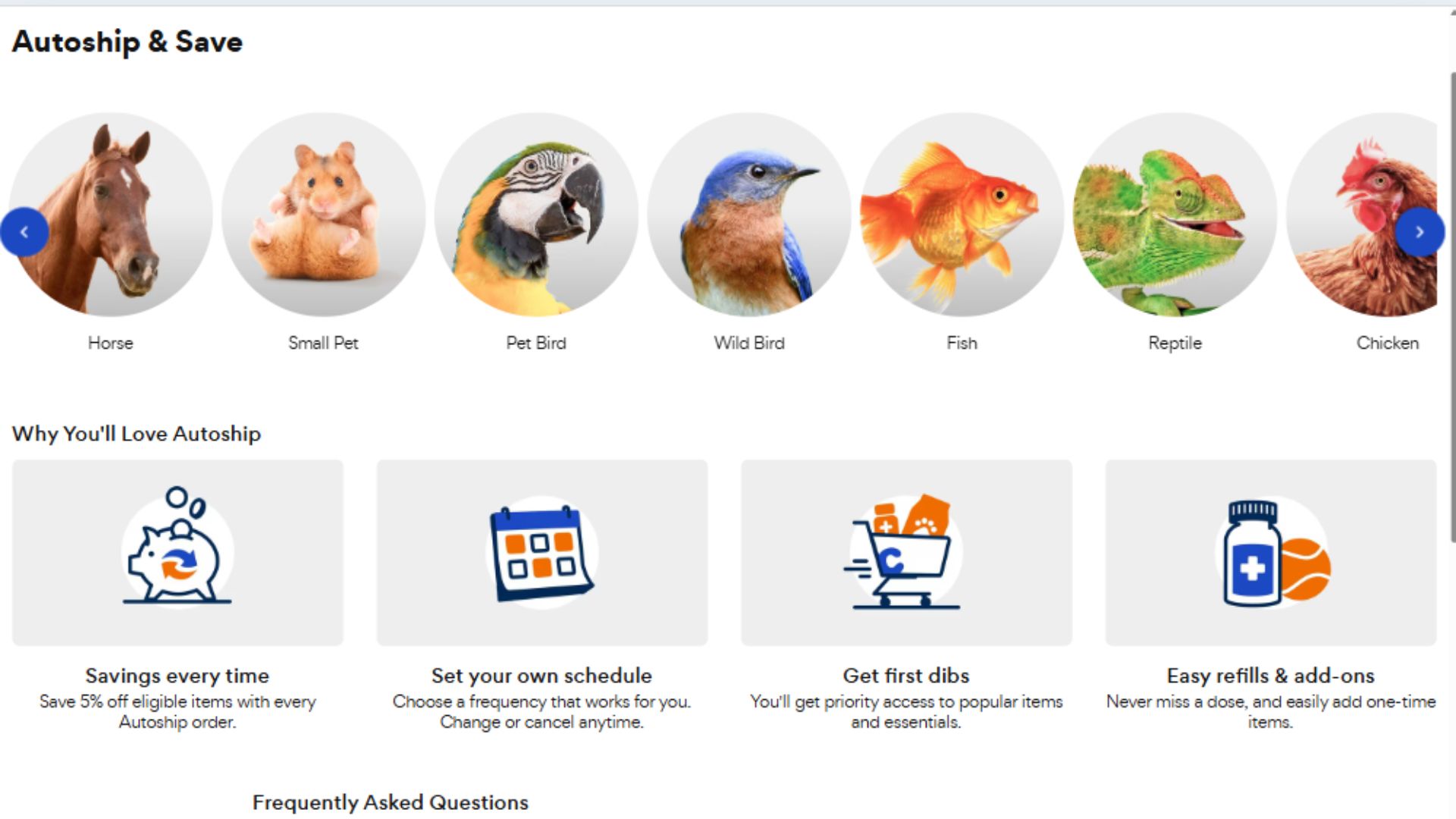
What it is: Chewy Autoship is a subscription service that automatically delivers pet food, litter, treats, and supplies on your chosen schedule while providing consistent discounts and free shipping.
Chewy revolutionized online pet supply shopping by combining convenience with real savings. When you set up Autoship for any product, you immediately receive 5-10% off (percentage varies by item) compared to one-time purchase prices, and orders over $49 ship free. You control the delivery frequency—every 2 weeks, monthly, every 6 weeks, whatever matches your pet's consumption rate. The beauty of the system is flexibility: you can skip deliveries, adjust quantities, change frequencies, or cancel anytime without penalty. Chewy sends reminder emails before each shipment, giving you time to modify if your needs have changed.
What sets Chewy apart from other pet retailers is the genuine customer service culture. Their 24/7 support team includes pet owners who actually help solve problems rather than just processing orders. If your dog suddenly refuses their food or develops allergies, Chewy will accept returns of opened bags and help you find alternatives. They've built loyalty through gestures like sending sympathy flowers when customers' pets pass away and proactively reaching out if shipments are delayed. For households with multiple pets or large dogs consuming 30+ pounds of food monthly, the combination of discounts, free shipping, and reliable delivery creates substantial savings over buying at physical pet stores.
Best for: Pet owners who consistently purchase the same foods and supplies and want hassle-free delivery with guaranteed savings
Key Features & Differentiators:
Automatic 5-10% discount on subscribed items versus one-time purchases
Free shipping on orders over $49 with fast delivery (1-3 days for most areas)
Complete flexibility to skip, adjust, or cancel without fees
24/7 customer service with genuine pet expertise
Reminder emails before shipments allow easy modifications
Pricing: Product prices competitive with physical pet stores, 5-10% Autoship discount, free shipping over $49
Pros:
Genuine savings that compound significantly over time
Never run out of pet essentials unexpectedly
Outstanding customer service that actually solves problems
Wide selection covering virtually all pet supply needs
Returns accepted even on opened food bags if pets won't eat
Cons:
Requires advance planning to set appropriate delivery schedules
Initial setup takes time to dial in correct frequencies
Occasional shipping delays during peak periods
Prices sometimes higher than mega-retailers like Costco for basic items
Can lead to oversupply if you don't adjust when consumption changes
2. Tractor Supply Co. Neighbors Club
What it is: Tractor Supply Co.'s free loyalty program provides points on purchases, exclusive member pricing, and special discounts for rural property owners, farmers, and homesteaders.
Tractor Supply (TSC) dominates rural retail, and their Neighbors Club membership transforms occasional shopping trips into strategic savings opportunities. Every purchase earns points redeemable for discounts on future orders, but the real value lies in members-only pricing on hundreds of items. Sale flyers indicate "Neighbors Club price" separate from regular prices, often saving $5-$20 on feed bags, tools, and equipment. Members receive early access to major sales, exclusive coupons via email, and special financing offers on large purchases like tractors or building materials.
The program shines for people managing land, livestock, gardens, or rural properties who regularly need feed, fencing, veterinary supplies, power tools, and seasonal items. TSC's private-label brands (Producer's Pride feed, Retriever pet food, Red Shed tools) offer excellent quality at significantly lower prices than national brands. The combination of loyalty points, member pricing, and seasonal promotions (spring Chick Days, fall harvest sales) creates multiple savings opportunities throughout the year. For serious farm operations buying feed by the pallet or fencing by the truckload, asking about commercial account pricing can unlock even deeper discounts.
Best for: Rural property owners, hobby farmers, and homesteaders making regular purchases of farm supplies, animal feed, and outdoor equipment
Key Features & Differentiators:
Free membership with points earning on every purchase
Exclusive member pricing significantly below retail on many items
Early access to major seasonal sales and promotions
Digital coupons stack with other discounts
In-store pickup saves shipping costs on heavy items like feed
Pricing: Free membership, savings vary but typically 5-30% on member-priced items and accumulated points
Pros:
Substantial savings on farm feed, fencing, and bulk supplies
Convenient locations in rural areas where alternatives are limited
Private-label products offer quality at lower prices
Seasonal sales provide predictable times for stocking up
Loyalty points accumulate quickly on large purchases
Cons:
Must share personal information and receive marketing emails
Member prices sometimes just match competitors' regular prices
Limited inventory compared to agricultural specialty stores
Some locations have poor customer service and long checkout lines
Points expire if account inactive for extended periods
3. Sam's Club Bulk Buying
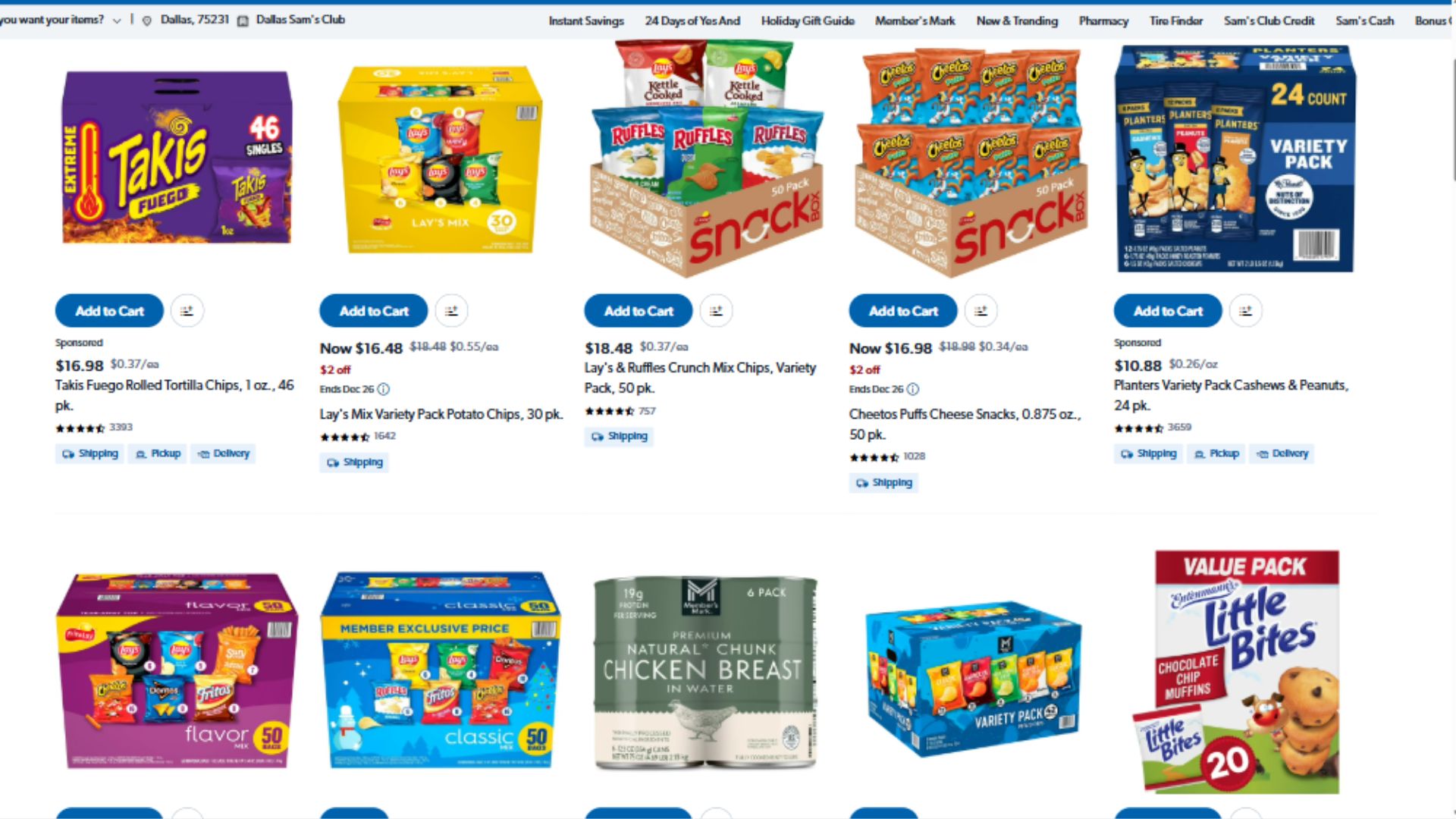
What it is: Sam's Club is a membership warehouse retailer offering bulk quantities of household essentials, pet supplies, and some farm products at significantly reduced per-unit costs.
The warehouse club model works beautifully for households, kennels, and small farms that can utilize bulk quantities before expiration. Sam's Club membership ($50-$110 annually depending on tier) grants access to supersized packages where per-unit costs often run 30-50% below grocery store or pet store prices. A 50-pound bag of premium dog food that costs $60 at pet stores might be $38 at Sam's Club. Household items like trash bags, paper towels, cleaning supplies, and laundry detergent follow similar savings patterns—buying the institutional-size products feels overwhelming initially but pencils out to huge annual savings.
Sam's Club has significantly expanded pet supply selection in recent years, carrying quality brands like Blue Buffalo, Purina Pro Plan, and Nature's Domain (their excellent private label). They stock cat litter in massive containers, bulk treats, and even some farm supplies in agricultural-area locations. The Scan & Go app eliminates checkout lines entirely—scan items with your phone while shopping and walk out without ever interacting with a cashier. For households spending $200+ monthly on consumables, the membership typically pays for itself within two months through accumulated savings on regular purchases.
Best for: Larger households, multi-pet families, or small operations that can store and use bulk quantities efficiently
Key Features & Differentiators:
Per-unit pricing dramatically lower than retail stores
Private-label brands (Member's Mark) offer premium quality at mid-tier pricing
Scan & Go technology eliminates checkout hassles
Gas station discounts (often $0.05-$0.15 per gallon) add value
Generous return policy even on opened items
Pricing: $50-$110 annual membership, products typically 30-50% below retail per-unit cost
Pros:
Massive savings for families using substantial quantities
Quality comparable or superior to retail-store brands
Reduces shopping frequency by stocking up efficiently
Additional perks like pharmacy discounts and tire services
Instant Savings events offer extra discounts on already-low prices
Cons:
Annual membership fee must be recouped through savings
Requires storage space for bulk quantities
Risk of waste if products expire before use
Limited selection compared to specialty stores
Warehouse environment lacks personal service or expertise
4. Amazon Subscribe & Save

What it is: Amazon's subscription service provides 5-15% discounts on thousands of household, pet, and garden products delivered automatically on your chosen schedule.
Subscribe & Save combines the convenience of Amazon's logistics network with meaningful discounts that scale based on how many subscriptions you maintain. Five or more active subscriptions in a month unlock 15% off all subscribed items; fewer subscriptions provide 5-10% depending on product category. You control delivery frequency (monthly, every 2 months, etc.) and can skip, reschedule, or cancel individual subscriptions instantly. The program covers an enormous range—pet food, cleaning supplies, toiletries, vitamins, garden fertilizers, motor oil, water filters, and thousands more consumables.
The strategy for maximizing Subscribe & Save is maintaining enough subscriptions to hit the 15% threshold while choosing products you genuinely consume regularly. You can schedule less-frequent items (furnace filters every 3 months, flea medication every 2 months) alongside monthly essentials to maintain subscription count without over-buying. The platform's transparency about next delivery dates and amounts, plus one-click adjustments, prevents the "subscription creep" problem where unwanted deliveries pile up. For households already buying many products on Amazon, converting to subscriptions requires minimal effort while generating automatic savings on every order.
Best for: Amazon-loyal shoppers seeking set-it-and-forget-it convenience with modest but consistent discounts
Key Features & Differentiators:
Scales from 5% to 15% discount based on active subscription count
Massive product selection spanning virtually all household categories
Complete control over scheduling, quantities, and cancellation
Combines with Prime benefits for faster shipping
Easy comparison between subscription and one-time pricing
Pricing: Free to use (Prime membership helpful but not required), 5-15% discount depending on subscription count
Pros:
Extremely convenient for households already using Amazon regularly
Broad selection means one platform handles diverse needs
Discounts stack with occasional additional promotions
No commitment or cancellation penalties
Automatic delivery prevents running out of essentials
Cons:
Requires maintaining multiple subscriptions for best discount
Not always the absolute cheapest option compared to warehouse clubs
Product availability and prices can change unexpectedly
Environmental concerns about excessive packaging
Easy to accumulate unwanted products if not monitoring deliveries
5. Costco Business Center
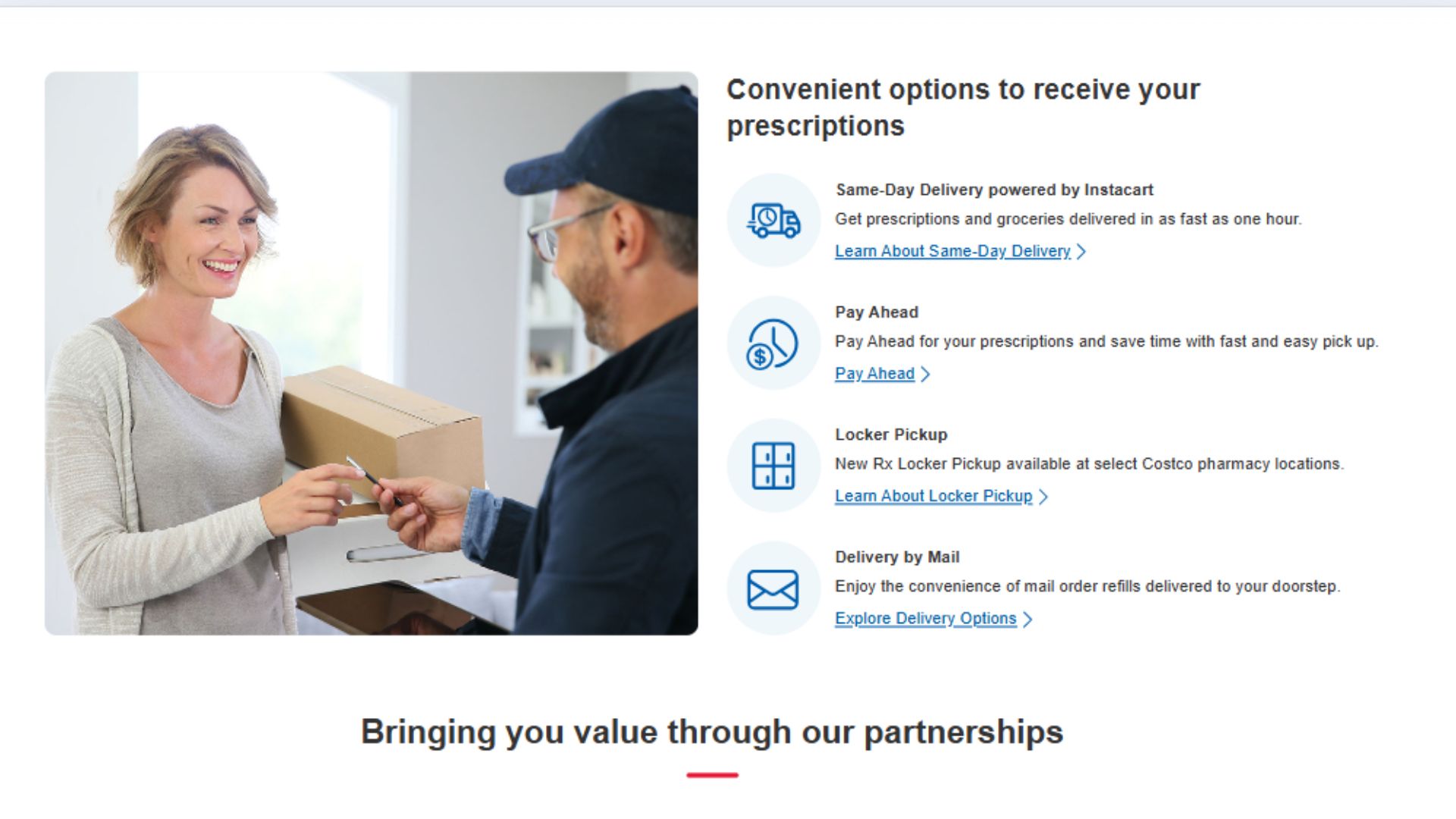
What it is: Costco Business Center is a specialized warehouse format designed for businesses, offering commercial-quantity packages of supplies that work exceptionally well for farms, kennels, and large properties.
While regular Costco locations serve household shoppers, Business Centers specifically stock products in quantities appropriate for commercial operations—feed in 50-100 pound bags, cleaning supplies in gallon jugs, paper products in cases of cases, restaurant-size food packages. For farms, kennels, or property maintenance businesses, these locations eliminate the gap between consumer-sized packages (too small) and agricultural suppliers' pallet quantities (too large). Business Center inventory includes specialty items like commercial disinfectants, bulk trash bags, industrial paper towels, and food-service containers that regular Costco doesn't carry.
The same Costco membership accesses Business Centers, meaning you're already paying for access if you have regular membership. Pricing follows Costco's legendary value formula but applied to commercial quantities. A case of quality trash bags sufficient for a small farm's monthly needs might cost $30 rather than buying individual boxes weekly at the grocery store for $12 each. The challenge is logistics—Business Centers exist in limited locations (around 20 nationwide), so you may need to plan trips or split large orders with neighbors. For operations large enough to justify commercial quantities but small enough that agricultural-specific suppliers are inconvenient or expensive, Business Centers hit a perfect sweet spot.
Best for: Small farms, kennels, property management operations, or households willing to share bulk purchases with neighbors
Key Features & Differentiators:
Commercial-quantity packaging at Costco's value pricing
Specialty products not available at consumer Costco locations
Same membership serves both Business Center and regular Costco
Limited locations reduce impulse buying temptation
Delivery options available for very large orders
Pricing: Uses existing Costco membership ($60-$120/year), products priced 20-40% below equivalent retail commercial suppliers
Pros:
Perfect quantity sizing for small operations between household and industrial scale
Significant savings versus buying commercial supplies retail
Quality meets or exceeds alternatives at substantially lower cost
Reduces purchase frequency for operations with storage capacity
Combines shopping for business and personal needs with one membership
Cons:
Very limited locations require potentially long drives
Massive package sizes demand substantial storage space
Risk of waste if consumption overestimated
Not practical for urban residents without vehicles or storage
Some products require business license to purchase
6. Fleet Farm Menards-Style Rebates
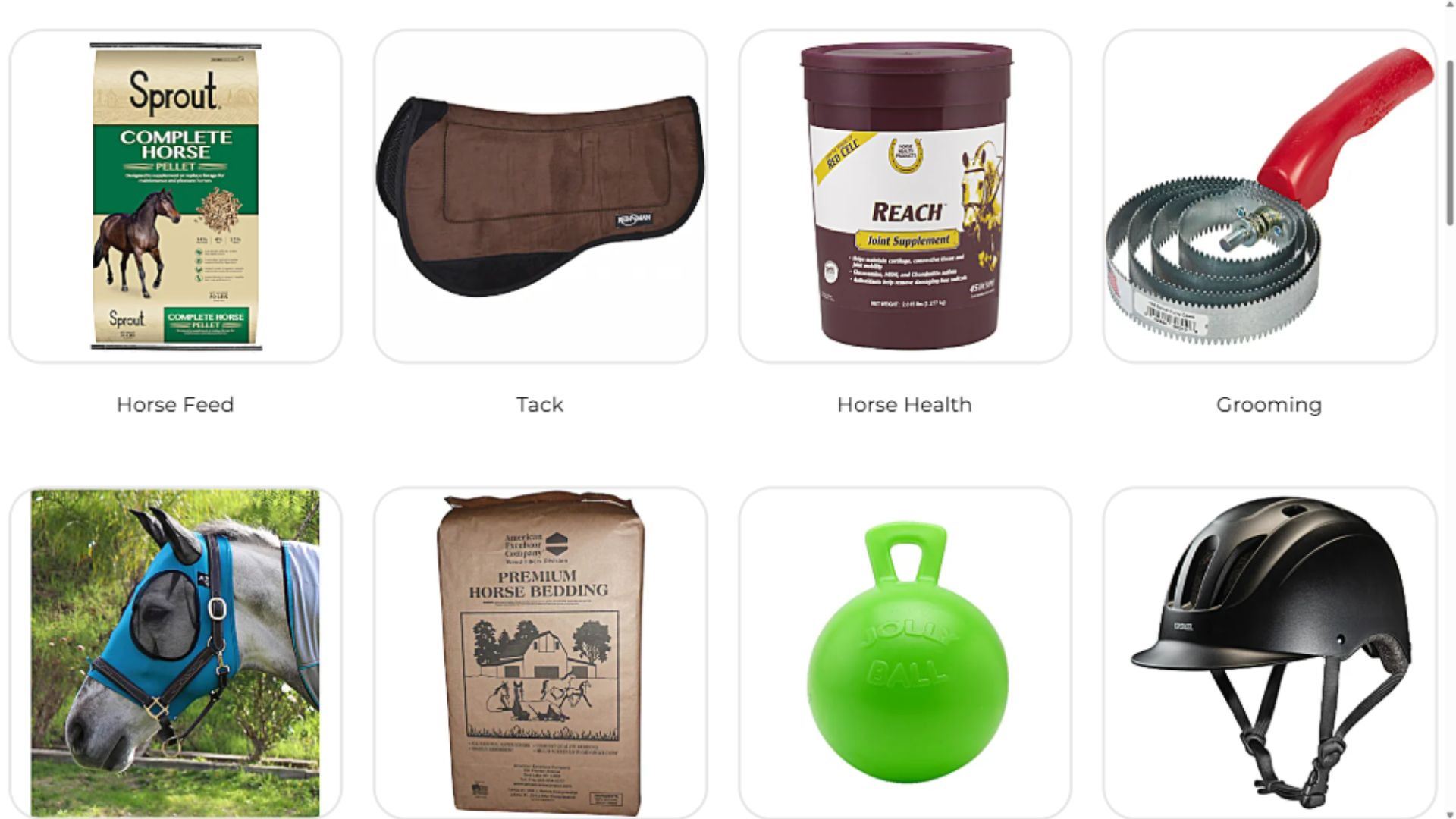
What it is: Fleet Farm (and similar retailers like Menards) offers frequent mail-in rebate promotions providing 10-20% back on purchases, effectively creating delayed discounts on seasonal supplies.
The mail-in rebate model feels old-fashioned but delivers genuine savings for disciplined shoppers willing to handle paperwork. Fleet Farm runs rotating 11-15% rebate promotions weekly on different product categories—one week it's livestock supplies, the next week power tools, then garden products. You pay full price at checkout, mail in receipts with rebate forms, and receive checks weeks later. The strategy is timing large purchases to coincide with rebate periods, effectively planning seasonal buying around promotional calendars. If you need 1,000 pounds of livestock feed, waiting a week for 11% rebate means saving $40-$50 versus buying immediately.
The key to maximizing rebate programs is organization—designate a folder for receipts and forms, set calendar reminders for submission deadlines (typically 2 weeks after purchase), and track expected rebate checks. Many retailers now offer electronic rebates reducing paperwork hassles. Fleet Farm's rebates come as store credit checks rather than cash, requiring return visits, which drives repeat business but limits flexibility. For rural shoppers already frequenting these stores regularly, rebates essentially provide retroactive discounts. The time investment—maybe 10 minutes per rebate submission—often returns $20-$100+ depending on purchase size, making it highly efficient for significant purchases.
Best for: Organized shoppers making large seasonal purchases who can plan buying around promotional schedules
Key Features & Differentiators:
Rotating 10-20% rebates on different product categories weekly
Applies to already-competitive pricing for additional savings
Rebate checks function as store credit for future purchases
Online tracking available to monitor rebate status
Stacks with other promotions and loyalty programs in some cases
Pricing: Pay full price initially, receive 10-20% back via mail after submission (typically 6-8 weeks)
Pros:
Substantial savings of $20-$200+ on large purchases
Encourages strategic buying during optimal promotion periods
Rebates stack with clearance prices for exceptional deals
Electronic options reduce paperwork hassles
Creates forced savings as rebate checks arrive weeks later
Cons:
Requires organized record-keeping and meeting deadlines
Delays savings by weeks, not helpful for tight immediate budgets
Rebates as store credit force return visits versus cash flexibility
Easy to forget submissions, forfeiting earned savings
Some customers report unreceived rebates requiring follow-up
7. Petco Vital Care
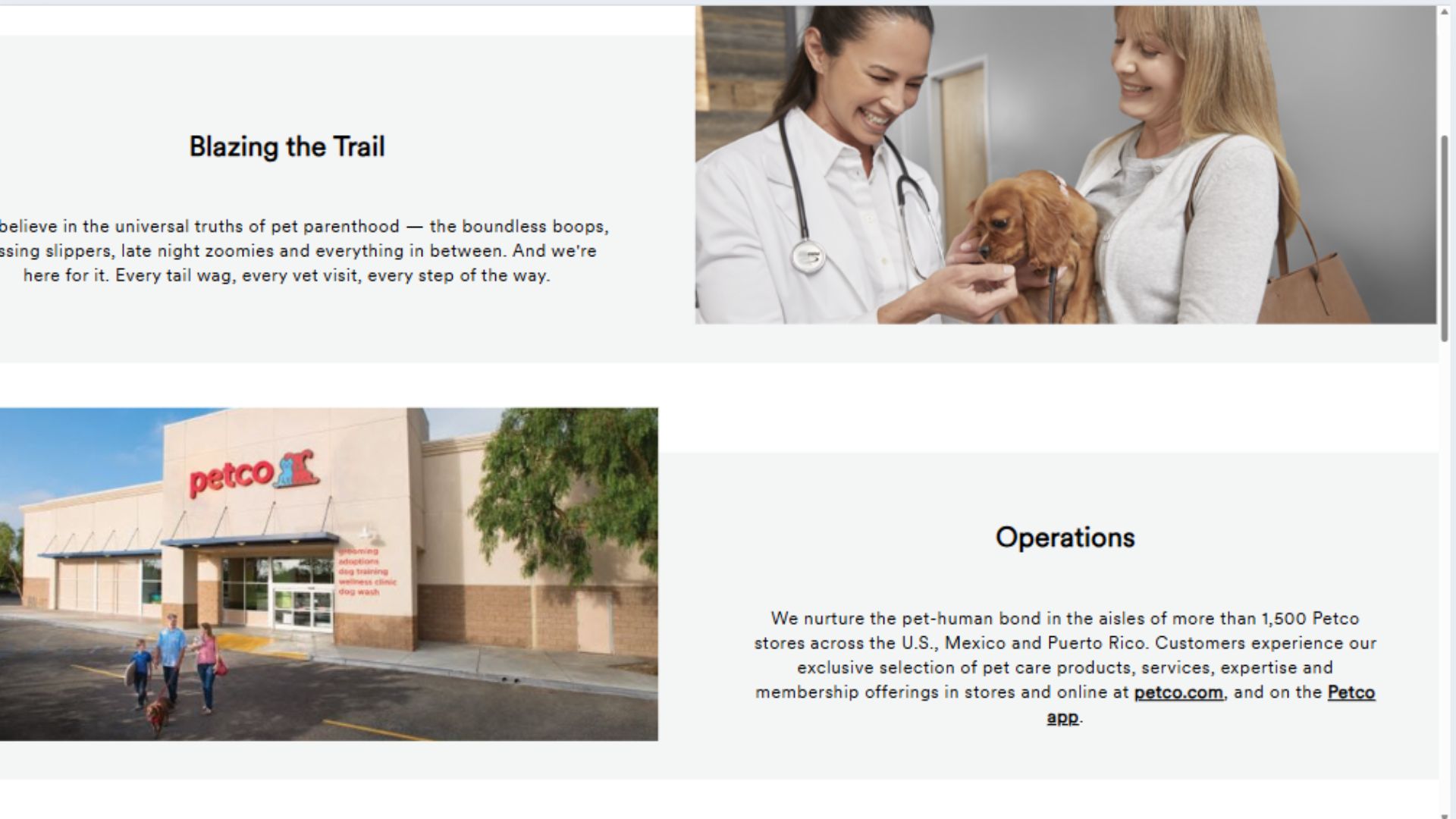
What it is: Vital Care is Petco's subscription membership bundling routine veterinary services (exams, vaccines) with shopping discounts, creating value for active pet owners visiting Petco regularly.
For $20-$25 monthly (varies by location and pet type), Vital Care provides unlimited veterinary exams at Petco's in-store vet clinics (typically $50-$70 value each visit), annual vaccine packages, nail trims, and teeth brushing, plus 20% off all Petco purchases including food, supplies, and services like grooming. The math works favorably if your pet visits the vet even twice annually for routine care while you purchase food and supplies at Petco. The unlimited exam benefit is particularly valuable for puppies/kittens requiring frequent vet visits during the first year, senior pets needing regular monitoring, or managing chronic conditions requiring check-ins.
Vital Care transforms Petco from just another retailer into a one-stop solution for pet wellness and supplies. The 20% discount applies to already-sale-priced items, creating opportunities for stacking savings. If you're already buying $100+ monthly in pet supplies at Petco, the $20-$25 membership fee is covered by discounts alone before factoring in veterinary savings. The program works best for pet parents comfortable with Petco's veterinary services and already shopping there regularly. If you prefer independent veterinarians or primarily shop elsewhere, Vital Care's value proposition diminishes significantly.
Best for: Active pet parents using Petco's vet services regularly and buying pet supplies there frequently
Key Features & Differentiators:
Unlimited veterinary exams included in monthly fee
20% discount on all Petco purchases including food and supplies
Annual vaccine packages and routine care included
Discounts extend to grooming services
Mobile app tracks benefits and automates savings at checkout
Pricing: $20-$25/month membership ($240-$300/year), must recoup through vet visits and purchase discounts
Pros:
Exceptional value for pets requiring frequent vet visits
20% discount creates substantial savings on regular shopping
Consolidates pet wellness and supply purchasing conveniently
Unlimited exams remove hesitation about "Is this worth a vet visit?"
Predictable monthly expense aids budgeting
Cons:
Only valuable if already shopping primarily at Petco
Vet quality varies significantly by location
Must use Petco's veterinary services to justify cost
Annual commitment (month-to-month available but at higher cost)
Discounts don't apply to all product categories (medications excluded)
8. Rural King Bargain Cave
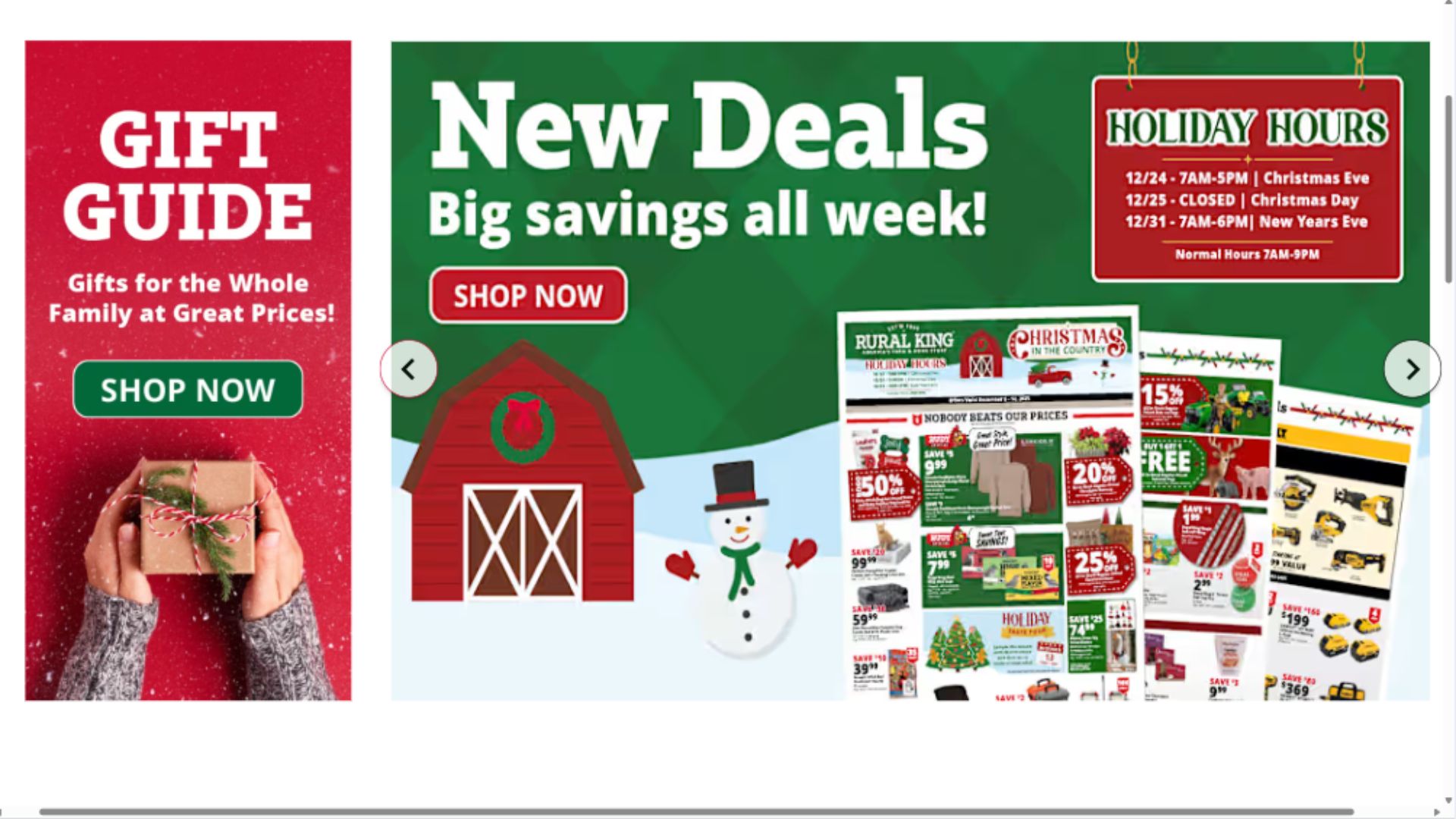
What it is: Rural King's Bargain Cave is a clearance section found in most stores offering deep discounts (50-90% off) on seasonal overstock, discontinued items, and damaged-packaging products.
Every Rural King store designates space—often literally a corner or back section—for drastically marked-down merchandise that needs to move quickly. This includes seasonal items after peak demand (heaters in spring, fans in fall), discontinued product lines, packaging with damage (but intact products), returns that can't be resold as new, and overstock taking up warehouse space. Bargain Cave pricing can be extraordinary—$200 power tools for $50, premium livestock feed bags for $8, gardening supplies for pennies on the dollar. The catch is inconsistent inventory; you can't shop for specific items, only for general categories with an open mind about what you'll find.
Strategic Bargain Cave shopping means visiting frequently (inventory turns over weekly), having storage capacity for opportunistic buys, and flexibility about brands. If you need fencing supplies generally but not a specific brand, you might discover exactly what you need at 70% off. The approach works beautifully for farm and property maintenance where many supplies are fungible—who cares what brand of fence staples or work gloves if they function properly at a fraction of normal cost? Combine Bargain Cave clearance hunting with Rural King's everyday competitive pricing and loyalty program, and you've created a powerful savings strategy for rural property needs.
Best for: Flexible shoppers who can visit frequently and have storage space for opportunistic bulk purchases
Key Features & Differentiators:
Discounts of 50-90% off regular retail prices
Inventory rotates frequently creating discovery opportunities
Includes quality brands and Rural King private labels
No additional membership or program enrollment required
Store staff often willing to discount damaged packaging further
Pricing: Typically 50-90% below original retail price, varies by item condition and seasonality
Pros:
Extraordinary savings on quality products with minor flaws
Perfect for farms and properties with diverse, ongoing needs
Makes premium products affordable that would normally exceed budget
Frequent visits create fun "treasure hunt" shopping experience
Can stock up on supplies for future seasons at massive discounts
Cons:
Completely unpredictable inventory requires frequent visits
Can't count on finding specific items when needed
Requires storage space and willingness to buy opportunistically
Some items genuinely damaged or poor quality, not just clearance
Time investment visiting regularly may not suit everyone
9. Chewy Pharmacy
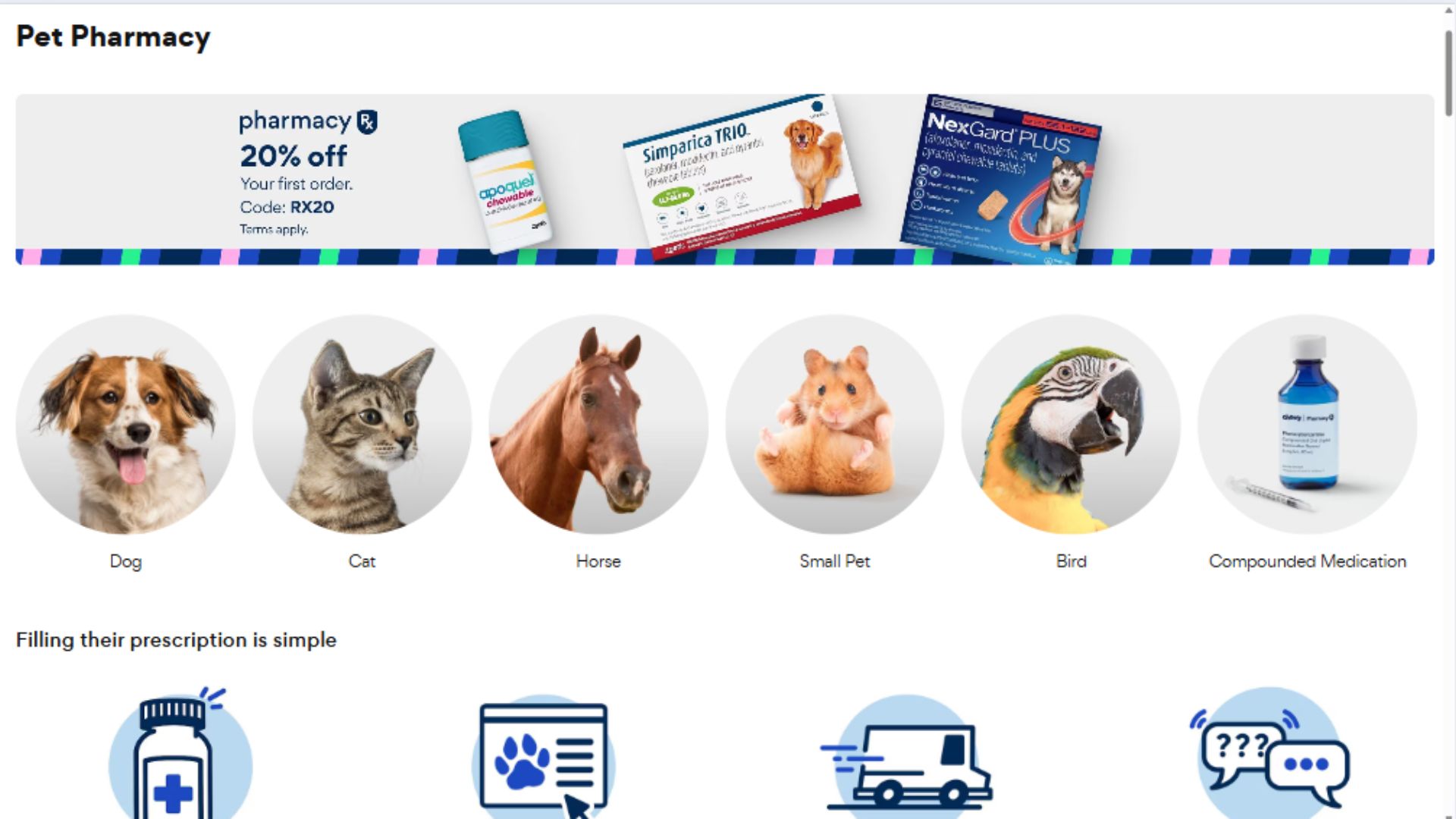
What it is: Chewy Pharmacy offers prescription pet medications at prices typically 30-50% below veterinary clinic pricing, with the same auto-delivery convenience as their pet supply business.
Veterinary clinics mark up prescription medications significantly—it's a major revenue source. Chewy Pharmacy allows you to transfer prescriptions or have your vet send them directly, then receive medications at prices comparable to human pharmaceutical savings. A monthly heartworm preventive costing $80 at the vet might be $45 at Chewy Pharmacy. Flea and tick treatments, chronic condition medications, pain management prescriptions—all available at substantial discounts. The platform's licensed pharmacists review prescriptions, contact vets for verification, and provide consultation about medication administration and side effects.
Setting up Autoship for ongoing medications creates further savings and ensures you never miss doses. Chewy's pharmacy sends refill reminders based on prescription durations and vet renewal requirements. For pets with chronic conditions requiring daily medications (thyroid issues, seizures, anxiety), the annual savings can reach hundreds or thousands of dollars. Some veterinarians resist sending prescriptions to outside pharmacies, but legally they must provide prescriptions when requested. The minor awkwardness of requesting prescription transfers is quickly offset by dramatic cost savings, especially for pets requiring multiple medications long-term.
Best for: Pet parents with animals on prescription medications, particularly chronic conditions requiring ongoing treatment
Key Features & Differentiators:
Prescription medications typically 30-50% below veterinary clinic prices
Licensed pharmacists available for consultation
Autoship available for recurring prescriptions
Fast shipping (often 2-3 days) with status tracking
Prescription transfer process handled by Chewy staff
Pricing: 30-50% below typical veterinary clinic pricing, free shipping on orders over $49
Pros:
Massive savings on expensive prescription medications
Convenience of home delivery versus vet clinic visits
Autoship ensures never missing critical medication doses
Licensed pharmacy backing provides confidence in quality
Easy ordering process once prescriptions are established
Cons:
Requires requesting prescriptions from vet (some resist)
Initial setup takes time for prescription transfers
Can't replace emergency medication needs
Some vets charge prescription writing fees to offset lost revenue
Delays possible if vet doesn't promptly verify prescriptions
10. Local Feed Mill Co-ops
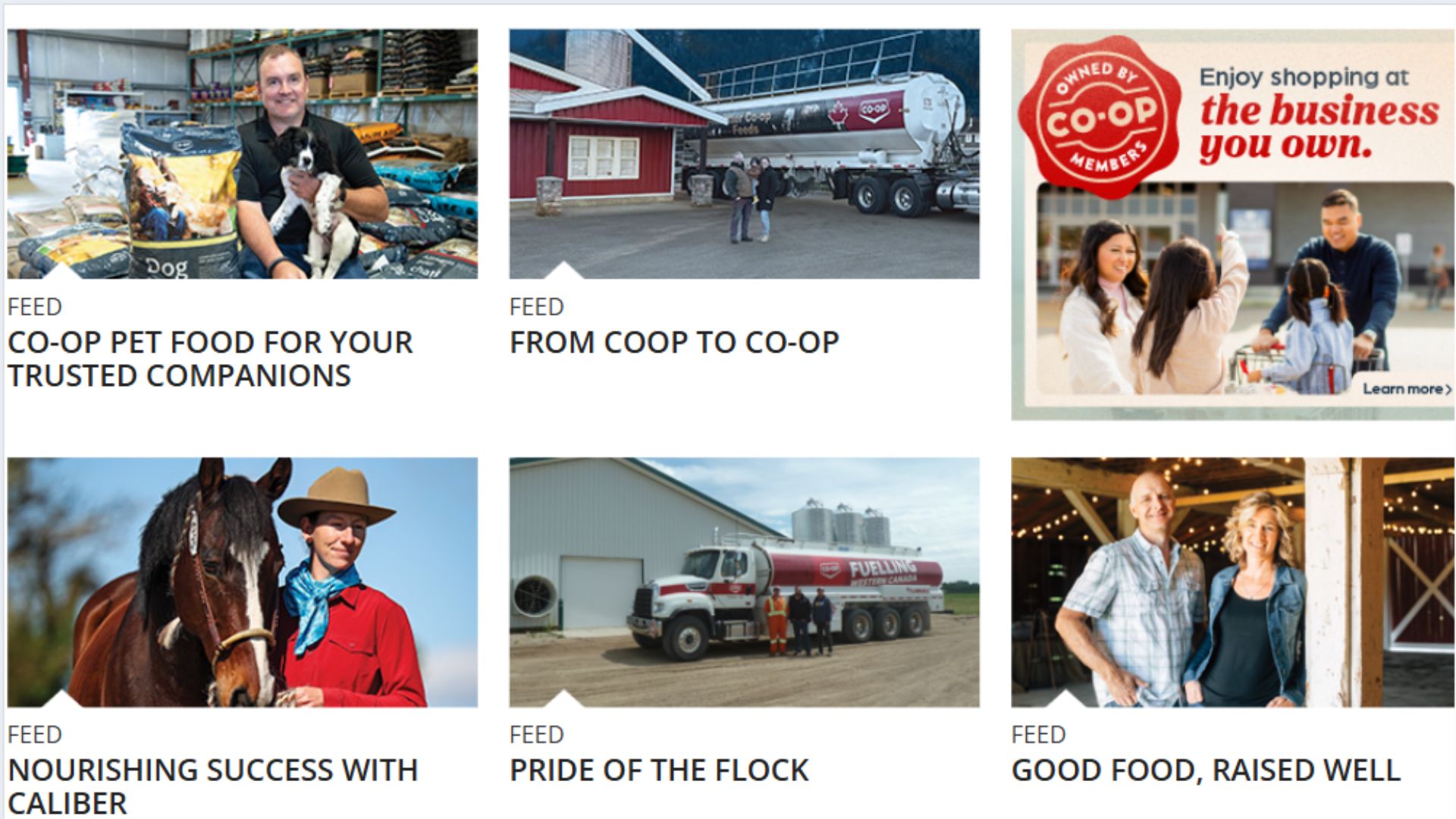
What it is: Local agricultural cooperatives and independent feed mills offer bulk livestock feed at prices significantly below chain farm stores through community-based buying power and minimal markup.
Feed mills and farmer co-ops have served agricultural communities for generations, pooling buying power to negotiate directly with grain producers and feed manufacturers. Because they operate with minimal advertising budgets, limited retail overhead, and often volunteer or family labor, prices can be 20-40% below chain farm stores for equivalent products. A 50-pound bag of layer feed costing $22 at Tractor Supply might be $14-$16 at your local co-op. Many mills also offer custom feed mixing, creating formulations specific to your animals' needs at bulk pricing.
Beyond pricing advantages, local feed mills provide expertise that chain store employees rarely possess. The person selling you feed likely raises similar animals and can troubleshoot nutrition issues, recommend seasonal adjustments, and share community knowledge. Many co-ops offer member patronage dividends—annual refunds based on purchase volume, essentially profit-sharing with customers. The trade-off is convenience; mills often keep limited hours, operate in out-of-the-way locations, and may not accept credit cards. For serious livestock operations buying feed by the pallet, the substantial savings justify minor inconveniences. Even small backyard chicken keepers benefit from superior pricing and expertise.
Best for: Livestock owners, backyard chicken keepers, and small farms prioritizing quality feed at the lowest possible cost
Key Features & Differentiators:
Prices 20-40% below chain farm stores for comparable feeds
Direct relationships with grain producers and manufacturers
Custom feed mixing available for specific animal needs
Community expertise and personalized service
Member patronage dividends at many co-ops
Pricing: Typically 20-40% below chain farm store pricing, with additional member benefits at co-ops
Pros:
Substantial savings especially on large-volume purchases
Superior product knowledge and livestock expertise
Community connection with fellow farmers and animal owners
Often fresher products with faster turnover than big-box stores
Patronage dividends at co-ops provide annual refunds
Cons:
Limited hours and inconvenient locations in many cases
Smaller product selection beyond basic feed categories
May not accept credit cards or modern payment methods
Requires membership fees at some co-ops
Less convenient than nearby chain stores for small purchases
Understanding Smart Supply Shopping Strategies
What Are Supply Shopping Strategies?
Supply shopping strategies are systematic approaches to purchasing recurring household, farm, and pet products that prioritize long-term cost savings, convenience, and value over convenience-driven impulse buying. Rather than purchasing items as needs arise at whichever store is most accessible, strategic shoppers plan purchases around promotional cycles, leverage membership programs, buy optimal quantities to maximize per-unit savings, and use subscription services to automate discounts. These approaches require modest upfront investment in planning, storage capacity, or membership fees, but generate substantial savings compounding over months and years.
The shift from reactive to strategic purchasing involves understanding different retail models—warehouse clubs, subscriptions, co-ops, clearance hunting—and matching appropriate strategies to your specific consumption patterns. A household with two large dogs consuming 100 pounds of food monthly benefits from different tactics than someone with a small herb garden needing occasional supplies. Strategic shopping also means calculating true costs including time, transportation, and storage, not just headline prices.
Benefits of Strategic Supply Shopping
Strategic supply shopping delivers multiple advantages beyond just spending less money. First and most obvious are the direct savings—households implementing multiple strategies from this guide typically save $500-$2,000+ annually on products they'd purchase anyway. These savings grow substantially for farms, multi-pet households, or properties with significant maintenance needs. Second, strategic shopping reduces time spent shopping through less frequent store visits. Buying in bulk or via subscription means fewer trips, less gas, and reclaimed time for more valuable activities.
Third, strategic shopping provides inventory security—never running out of pet food at 10 PM or discovering you're out of livestock feed on a Sunday when stores are closed. Maintaining appropriate supply levels through planned purchasing creates household resilience. Fourth, many strategies improve product quality. Warehouse clubs, co-ops, and premium subscriptions often provide access to better products than impulse shopping at convenience stores or gas stations. Finally, strategic shopping reduces decision fatigue. Having systems in place for recurring purchases eliminates the mental load of constantly deciding where and when to buy essentials.
What to Look for When Choosing Strategies
Selecting appropriate saving strategies depends on matching them to your specific situation. First, analyze your consumption patterns—what do you buy repeatedly in predictable quantities? These recurring purchases offer the best opportunities for subscriptions, bulk buying, and loyalty programs. Items bought sporadically or in highly variable quantities benefit less from these approaches. Second, evaluate your storage capacity honestly. Bulk buying saves money only if products don't spoil, get damaged, or become forgotten in storage. Consider both physical space and your organizational systems.
Third, assess time availability and shopping preferences. Some strategies (clearance hunting, mail-in rebates) require time investment that may not suit everyone despite offering savings. Others (subscriptions, warehouse clubs) trade time for money efficiently. Fourth, calculate membership break-even points. Annual membership fees are worthwhile only if your savings exceed costs—track spending for 2-3 months to determine whether memberships pencil out. Fifth, consider quality requirements. The cheapest option isn't always the best value if quality suffers. Premium pet foods may cost more but deliver better health outcomes, while cheap livestock feed may reduce production.
Finally, think about combining strategies. The most successful savers use multiple complementary approaches—warehouse membership for staples, subscriptions for predictable products, clearance hunting for tools and equipment, and co-ops for feed. Building a portfolio of saving strategies appropriate to different product categories maximizes overall savings while maintaining convenience and quality.
Frequently Asked Questions
How much can I realistically save using these strategies compared to regular shopping?
Savings vary dramatically based on what you're buying and your previous shopping habits, but most households implementing 3-4 of these strategies save $500-$2,000 annually, while farms and multi-pet households can save $3,000-$10,000+. The biggest savings come from switching pet food and livestock feed to bulk or subscription purchasing (typically 30-50% savings), followed by household consumables via warehouse clubs (25-40% savings) and prescription medications (30-50% savings). Smaller but meaningful savings accumulate through loyalty programs, rebates, and clearance shopping. Track your current spending for 2-3 months, implement strategies appropriate to your highest-volume purchases, then measure after 3-6 months. Most people are surprised by how much accumulated small savings add up over time. The key is focusing strategies on your largest expense categories rather than trying to optimize everything.
Do I need multiple memberships, or should I pick just one warehouse club or subscription service?
The optimal approach depends on your purchase volume and product diversity. For households spending under $200 monthly on supplies, one primary membership (either a warehouse club OR a subscription service) typically provides the best value. Beyond that threshold, combining strategies makes sense—perhaps Sam's Club or Costco for bulk household items and pet food, plus Amazon Subscribe & Save for items not available in warehouses or needed in smaller quantities. Avoid collecting memberships you don't use; the annual fees negate savings if you visit rarely. Start with whichever single option best matches your highest-spend category, use it consistently for 3-6 months to establish savings, then consider adding a complementary strategy if clear gaps exist. Most successful savers use 2-3 complementary approaches (warehouse, subscription, local co-op) rather than trying to maximize every possible strategy.
Are generic or store brands as good as name brands, or am I sacrificing quality for savings?
Quality of store brands varies significantly by category and retailer. For many household supplies (trash bags, paper towels, cleaning products), reputable store brands (Costco's Kirkland, Sam's Club Member's Mark, Amazon Basics) match or exceed name-brand quality at 30-50% lower prices. These retailers stake their reputations on private-label quality and often source from the same manufacturers as premium brands. Pet food is more nuanced—premium store brands (Costco's Nature's Domain, Tractor Supply's 4Health) receive excellent reviews and offer solid nutrition, while bottom-tier generics may use lower-quality ingredients. Check ingredient lists and consult your vet, especially for pets with health issues. Livestock feed from reputable co-ops and mills generally equals or exceeds chain store quality. The strategy is trying store brands for non-critical items first (household supplies), then gradually testing them for more important categories (pet food) while monitoring your animals' health and condition. Most careful shoppers find 70-80% of their purchases work fine with quality store brands, with name brands reserved for specific products where differences truly matter.
How do I avoid over-buying and waste when purchasing in bulk or using subscriptions?
Preventing oversupply requires establishing accurate consumption tracking and building adjustment flexibility into your strategies. For bulk buying, start by tracking how long current product packages last—count days between opening and finishing pet food bags, note trash bag usage frequency, time how long cleaning supplies last. Use this data to calculate safe bulk quantities you'll definitely consume before expiration. For subscriptions, set conservative initial frequencies, then adjust based on actual accumulation. Most subscription services send reminders before shipping, allowing you to skip deliveries when you're overstocked. Create a simple system—perhaps a phone note or spreadsheet—tracking when you open products and when they're half-empty (time to reorder). Store products in dedicated spaces where you can see inventory at a glance. For perishable items like feed, mark purchase dates on bags and rotate stock religiously. Finally, remember that slight oversupply is acceptable if products are shelf-stable—the cost of storage space is usually much lower than the savings from bulk buying. The goal is finding the balance point where you're rarely running out but also not accumulating excessive inventory.