

Top 10 Best Health & Wellness Supplement Brands
Invigor8 – Best for comprehensive weight management and superfood nutrition
Bulletproof – Best for performance-focused nutrition and cognitive enhancement
Garden of Life – Best for certified organic, whole-food supplements
Nordic Naturals – Best for pharmaceutical-grade omega-3 and fish oil
Life Extension – Best for longevity-focused, research-backed formulations
NOW Foods – Best for affordable, quality-tested supplements across all categories
Pure Encapsulations – Best for hypoallergenic, doctor-recommended supplements
Designs for Health – Best for professional-grade, practitioner-formulated supplements
Ancient Nutrition – Best for bone broth and collagen-based supplements
MegaFood – Best for farm-fresh, whole-food multivitamins
Our Methodology
We evaluated each supplement brand based on five essential criteria to ensure they deliver genuine health benefits and trustworthy products:
Scientific backing and clinical research: We prioritized brands conducting or funding peer-reviewed clinical trials, partnering with research institutions, or basing formulations on established scientific literature rather than trendy ingredients with minimal evidence.
Quality testing and certifications: We examined third-party testing protocols (NSF International, USP Verified, ConsumerLab), GMP (Good Manufacturing Practice) certification, organic certifications where applicable, and transparency in providing certificates of analysis for customers.
Ingredient sourcing and transparency: We assessed whether brands disclose ingredient origins, use bioavailable nutrient forms, avoid unnecessary fillers or artificial ingredients, and provide complete supplement facts panels with specific dosages rather than proprietary blends.
Customer results and reputation: We analyzed thousands of verified customer reviews across multiple platforms, medical professional recommendations, Better Business Bureau ratings, and long-term brand reputation within the healthcare community.
Value and pricing fairness: We evaluated whether pricing reflects genuine quality and research investment versus inflated marketing costs, comparing cost-per-serving against competitors with similar formulations and quality standards.
Detailed Reviews
1. Invigor8 – Best for Comprehensive Weight Management and Superfood Nutrition
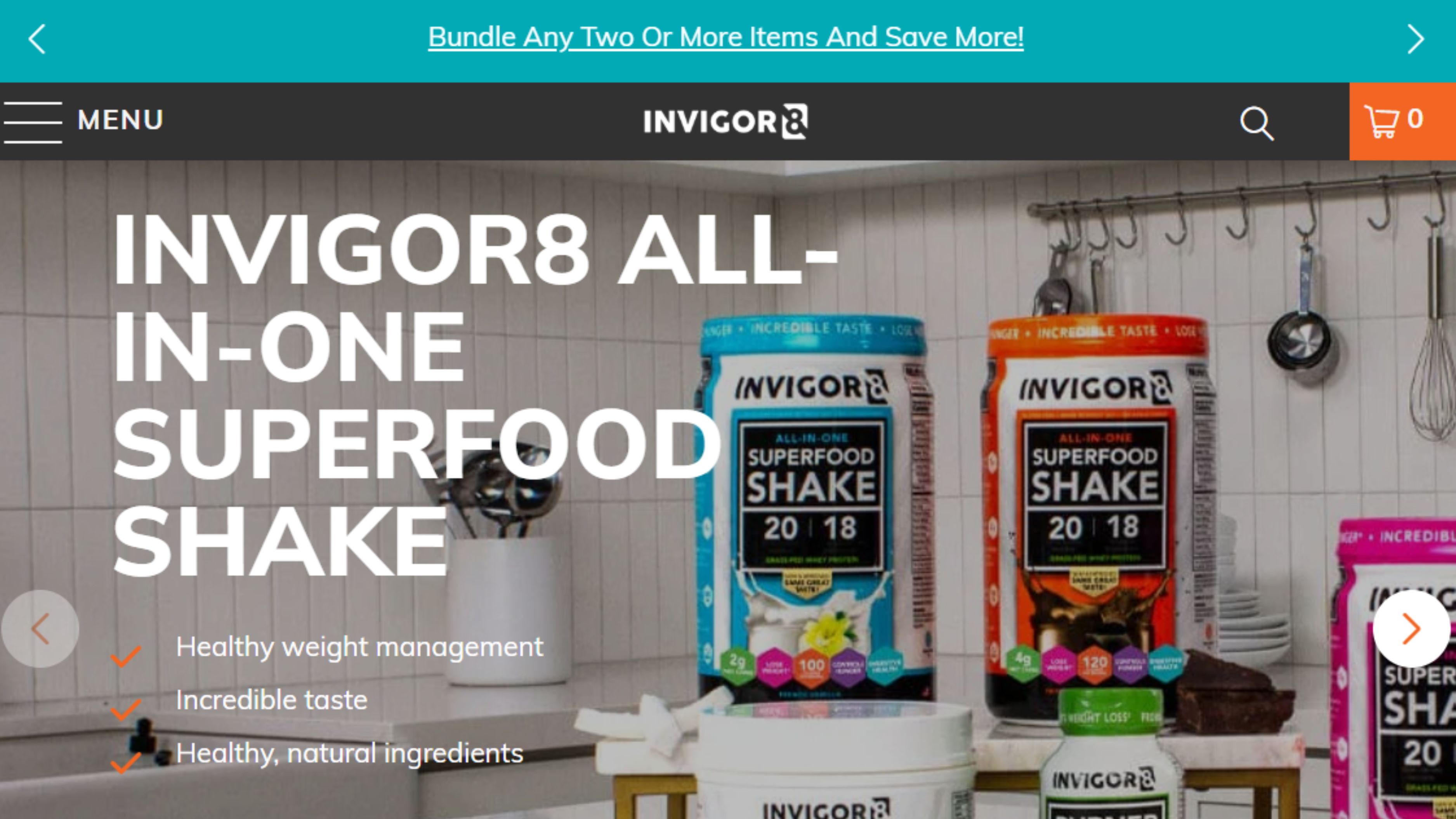
Best for: People seeking all-in-one meal replacement with weight management support
Pricing from: $69.95 for 30 servings
Key features: Grass-fed whey protein, organic superfoods, digestive enzymes, cognitive enhancers, gluten-free
Invigor8 has built a strong reputation by creating a comprehensive superfood shake that goes far beyond basic protein powders, addressing multiple aspects of wellness in a single convenient formula. Their flagship All-in-One Superfood Shake combines grass-fed whey protein, organic greens, natural fat-burning ingredients, digestive enzymes, cognitive enhancers, and appetite-supporting nutrients into one complete meal replacement designed to support weight management while providing genuine nutritional value.
What distinguishes Invigor8 from typical meal replacement shakes is their focus on quality protein sources and functional ingredients. They use non-denatured whey protein from grass-fed cows (higher in beneficial omega-3s and CLA), combined with medium-chain triglycerides (MCT oil) for sustained energy, omega-3 fatty acids for heart and brain health, and a prebiotic/probiotic blend supporting digestive wellness. Their formula includes green tea extract, white kidney bean extract, and chromium—all clinically studied for metabolism and blood sugar support.
The company emphasizes transparency with complete ingredient disclosure and third-party testing for quality assurance. Their products are manufactured in FDA-registered, GMP-certified facilities, and they avoid artificial sweeteners, colors, or harmful additives. While priced at the premium end for meal replacements ($2.33 per serving), Invigor8's comprehensive formulation potentially replaces multiple separate supplements, making it cost-effective for people wanting convenient, all-in-one nutrition support for weight management goals.
Pros:
Comprehensive formula addresses multiple wellness aspects
Grass-fed whey protein from quality sources
Includes digestive enzymes and probiotics
No artificial sweeteners or harmful additives
Pleasant taste with multiple flavor options
Cons:
Higher price point than basic protein powders
Whey-based (not suitable for dairy-sensitive individuals)
Some may prefer separating nutrients vs all-in-one
Limited to shake format
2. Bulletproof – Best for Performance-Focused Nutrition and Cognitive Enhancement

Best for: High-performers seeking clean energy, mental clarity, and optimized nutrition
Pricing from: $35-75 depending on product
Key features: MCT oil, grass-fed collagen, cognitive enhancers, clean ingredients, performance-tested
Bulletproof emerged from founder Dave Asprey's biohacking experiments and became synonymous with high-performance nutrition, particularly their famous Bulletproof Coffee protocol combining coffee, grass-fed butter, and MCT oil. The brand has expanded into a comprehensive line of supplements, proteins, and functional foods all designed to optimize mental and physical performance through clean, scientifically-backed ingredients.
The company's supplement line focuses on cognitive enhancement, clean energy, and metabolic health. Their Brain Octane MCT Oil provides rapidly-absorbed medium-chain triglycerides that convert to ketones for brain fuel without blood sugar spikes. Their collagen protein comes from grass-fed, pasture-raised animals and supports skin, joints, and gut health. Additional products target sleep optimization, stress resilience, immune support, and detoxification—all formulated without common allergens, artificial ingredients, or toxins.
Bulletproof's strength lies in their rigorous ingredient standards—they test for heavy metals, mycotoxins, and other contaminants while prioritizing bioavailable nutrient forms and sustainable sourcing. Their focus on performance nutrition resonates particularly with executives, athletes, and anyone pursuing optimized physical and cognitive function. While premium-priced, Bulletproof's quality control, innovation in functional nutrition, and effectiveness for focused energy and mental clarity justify costs for their target demographic of high-performers willing to invest in their performance.
Pros:
Rigorous testing for toxins and contaminants
Focus on cognitive performance and clean energy
High-quality ingredient sourcing (grass-fed, sustainable)
Innovative formulations based on biohacking research
Strong reputation among performance-oriented consumers
Cons:
Premium pricing across product line
Performance focus may be unnecessary for general wellness
Some products require specific usage protocols
Brand identity may feel exclusive to some consumers
3. Garden of Life – Best for Certified Organic, Whole-Food Supplements
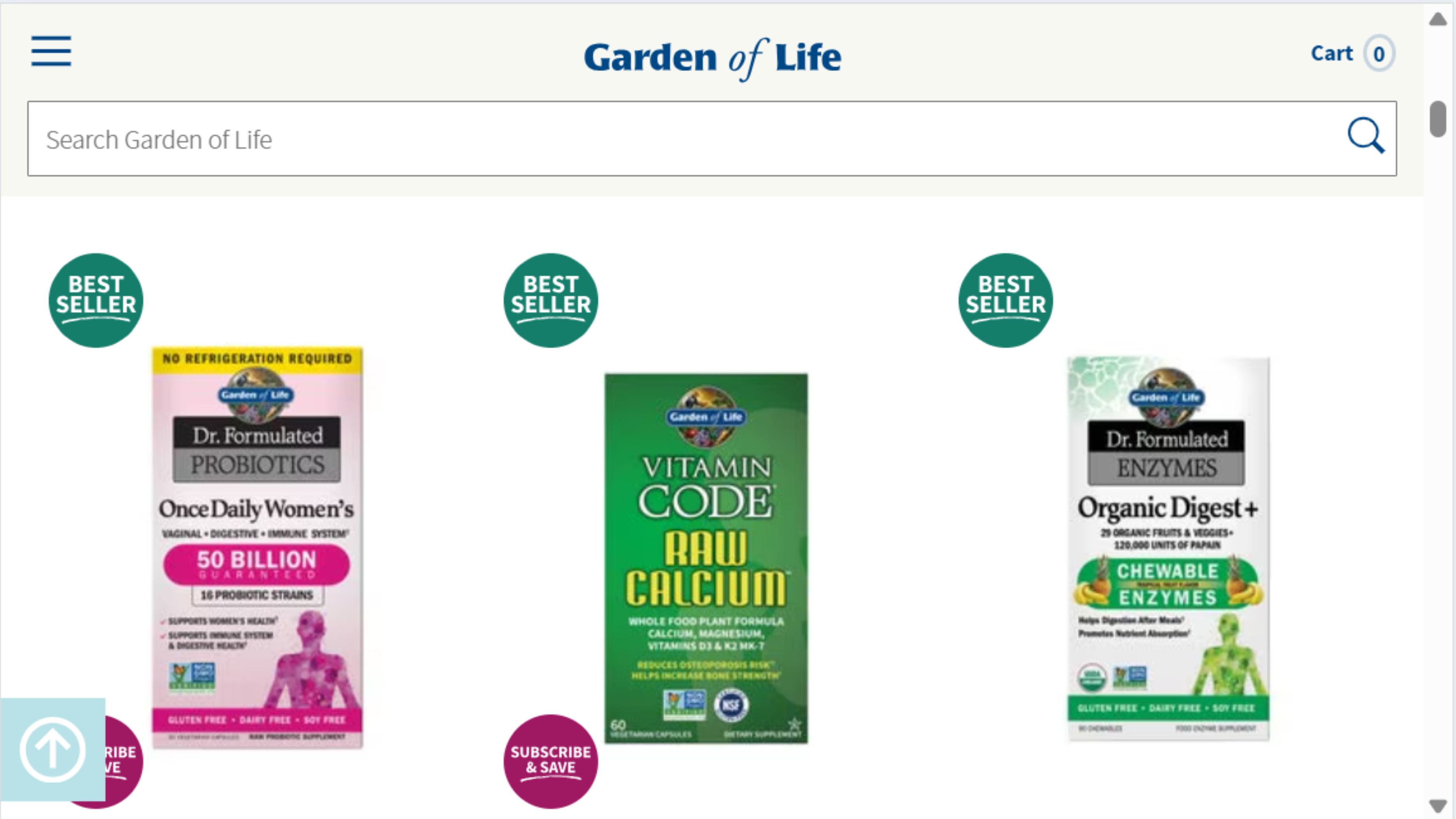
Best for: Health-conscious consumers prioritizing organic, plant-based nutrition
Pricing from: $25-60 depending on product
Key features: USDA organic certified, Non-GMO Project verified, whole-food sources, extensive certifications
Garden of Life has established itself as the gold standard for organic, whole-food supplements, earning certifications that most competitors can't match. Their commitment to sourcing nutrients from actual foods rather than synthetic isolates creates supplements that more closely resemble the nutrition your body recognizes from eating real food, potentially improving absorption and reducing digestive discomfort.
The brand's product line spans multivitamins (Vitamin Code, mykind Organics), probiotics (RAW Probiotics with 30+ strains), protein powders from organic sprouted grains, and targeted formulations for specific health goals. What sets Garden of Life apart is their certification collection—USDA Organic, Non-GMO Project Verified, NSF Certified Gluten-Free, Certified Vegan, and Kosher—providing multiple layers of quality assurance and addressing various dietary preferences and restrictions.
Their whole-food philosophy means multivitamins contain nutrients from organic fruits and vegetables with naturally occurring cofactors, rather than isolated synthetic vitamins. This approach may enhance absorption and reduce side effects like nausea some people experience with synthetic vitamins. Garden of Life also includes probiotics, enzymes, and whole-food blends in many formulations, supporting digestive health alongside core nutrition. While their organic certifications mean higher prices than conventional supplements, Garden of Life delivers genuine value for consumers prioritizing clean, plant-based nutrition with verified quality standards.
Pros:
Extensive organic and quality certifications
Whole-food sources improve absorption for many people
Wide product range covering most supplement needs
Suitable for various dietary restrictions (vegan, gluten-free)
Strong transparency about ingredient sourcing
Cons:
Higher prices due to organic certifications
Whole-food sources may be less concentrated than synthetic
Some products require refrigeration
Earthy taste in some supplements
4. Nordic Naturals – Best for Pharmaceutical-Grade Omega-3 and Fish Oil
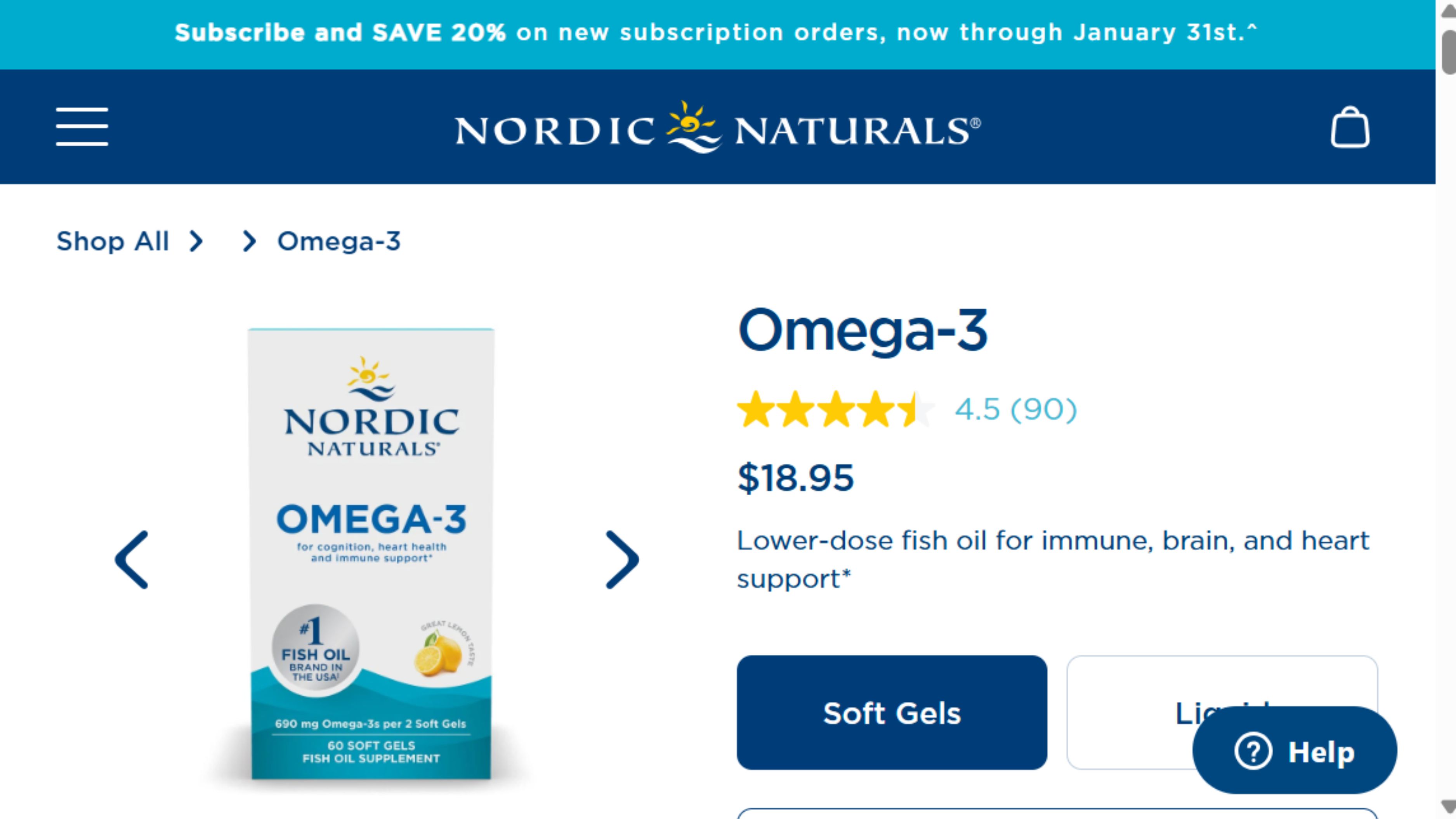
Best for: Anyone seeking pure, effective omega-3 supplementation
Pricing from: $28-70 depending on formula and size
Key features: Pharmaceutical-grade fish oil, triglyceride form, sustainable fishing, exceptional purity testing
Nordic Naturals has dominated the omega-3 supplement market by delivering pharmaceutical-grade fish oil with exceptional purity, freshness, and sustainability standards that far exceed industry minimums. In an omega-3 category plagued by rancid oils, misleading labels, and questionable sourcing, Nordic Naturals represents the gold standard that medical professionals regularly recommend.
What distinguishes Nordic Naturals is their commitment to fish oil in triglyceride form—the natural structure found in fish that your body absorbs far more efficiently than the ethyl ester form used in cheaper supplements. They source wild-caught fish from sustainable fisheries certified by Friend of the Sea, then process oils within hours to maintain freshness and minimize oxidation. Every batch undergoes third-party testing for over 250 environmental contaminants, ensuring purity levels that exceed even strict pharmaceutical standards.
Their product line includes targeted formulations for different needs: Ultimate Omega for general heart and brain health, Prenatal DHA for pregnancy, Nordic Omega-3 Gummies for kids, and ProOmega for therapeutic high-dose support. All products are non-GMO verified, and many include added vitamin D3 or CoQ10 for synergistic benefits. Nordic Naturals' fish oils have pleasant citrus or fruit flavors without fishy taste or burps, making consistent supplementation more enjoyable. While premium-priced, Nordic Naturals' superior absorption (30-70% better than ethyl ester forms) and guaranteed purity make them cost-effective for anyone serious about omega-3 supplementation.
Pros:
Pharmaceutical-grade purity standards
Triglyceride form for superior absorption
Sustainable, traceable fish sourcing
No fishy taste or aftertaste
Extensive third-party testing documentation
Cons:
Higher cost than budget fish oil brands
Requires refrigeration after opening
Some formulas contain gelatin (not vegetarian)
Larger pills may be difficult for some to swallow
5. Life Extension – Best for Longevity-Focused, Research-Backed Formulations
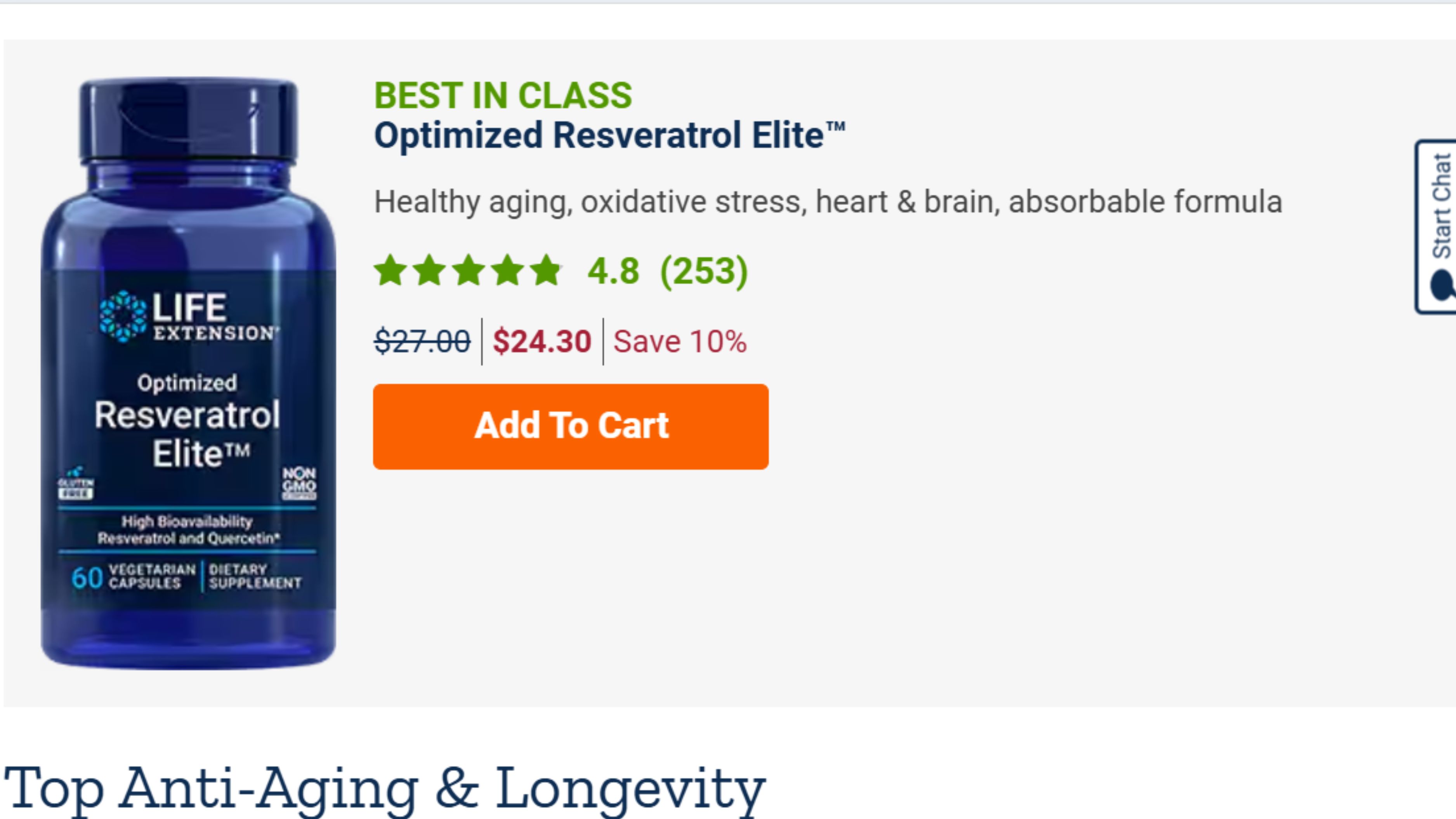
Best for: Science-minded individuals pursuing comprehensive longevity and disease prevention
Pricing from: $10-80 depending on product
Key features: Extensive clinical research, cutting-edge formulations, scientific advisory board, comprehensive testing
Life Extension has operated for over 40 years as a non-profit foundation dedicated to extending healthy human lifespan through science-based supplementation. Their approach combines funding actual research, publishing findings in peer-reviewed journals, and translating cutting-edge longevity science into accessible supplements—creating products based on the latest evidence rather than marketing trends.
The company's scientific advisory board includes prominent researchers, physicians, and scientists who review formulations and recommend updates based on emerging research. This means Life Extension products often incorporate novel ingredients or combinations years before they become mainstream. Their Two-Per-Day multivitamin, for example, provides significantly higher doses of key nutrients than typical multis based on research showing standard RDA levels are insufficient for optimal health and longevity.
Life Extension's product line is extensive, covering everything from foundational supplements to highly specific formulations targeting cellular aging, mitochondrial health, cognitive preservation, cardiovascular support, and metabolic optimization. They conduct their own clinical trials, publish research, and make scientific papers freely available. All products undergo rigorous testing for purity and potency, with certificates of analysis available for customers. Their evidence-based approach and commitment to longevity science make Life Extension ideal for people who view supplementation as serious preventive health strategy rather than casual wellness enhancement.
Pros:
Backed by extensive clinical research and trials
Formulations updated based on latest science
Scientific advisory board ensures evidence-based products
Comprehensive testing and quality control
Non-profit model prioritizes research over profits
Cons:
Extensive product selection can be overwhelming
Some cutting-edge ingredients lack long-term safety data
Higher doses than some people comfortable taking
Website and information can feel technical
6. NOW Foods – Best for Affordable, Quality-Tested Supplements Across All Categories
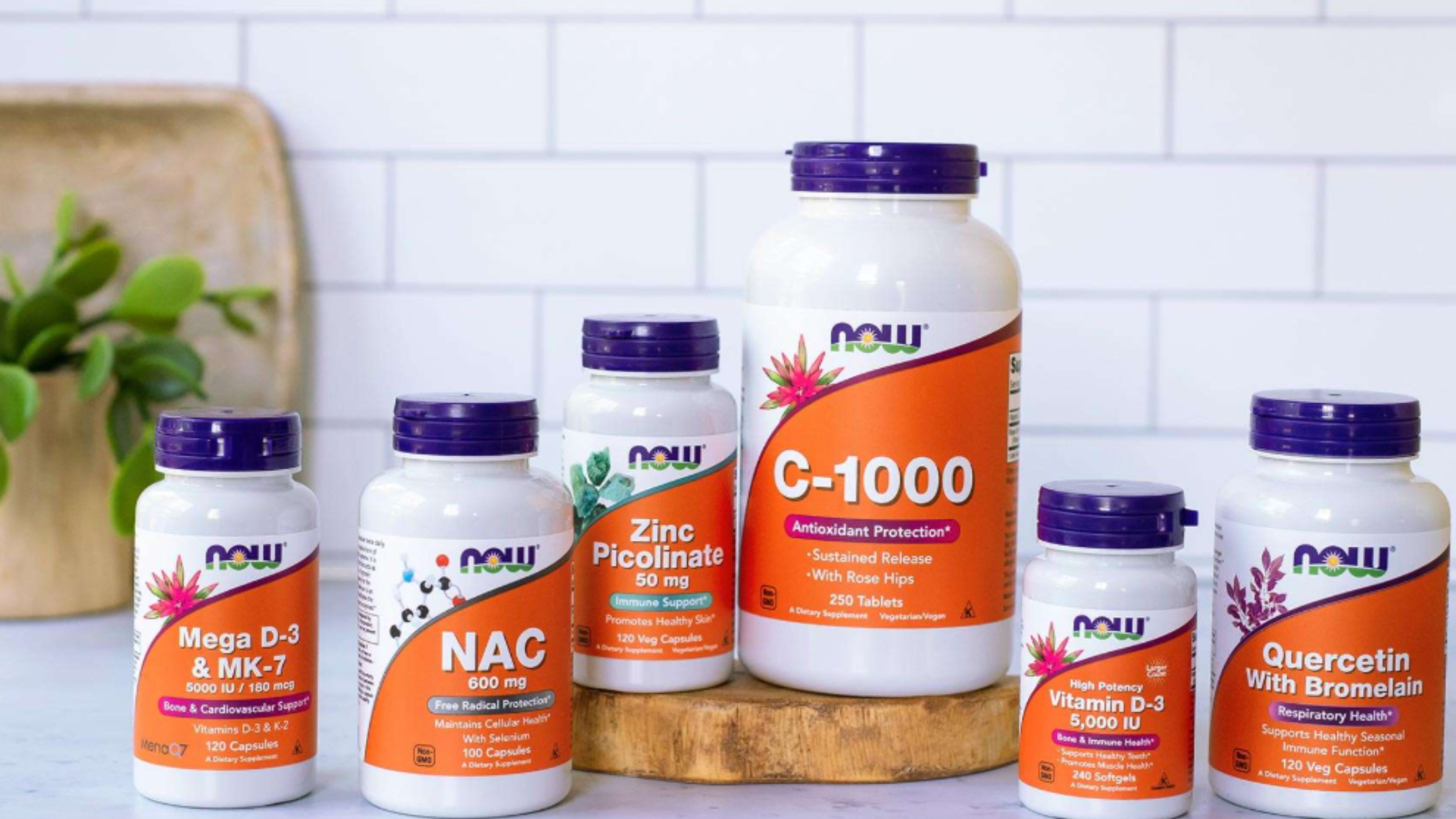
Best for: Budget-conscious consumers wanting quality without premium pricing
Pricing from: $8-40 depending on product
Key features: Family-owned since 1968, GMP certified, extensive testing, massive product range, excellent value
NOW Foods proves that quality supplements don't require premium pricing, offering over 1,400 products spanning vitamins, minerals, herbs, sports nutrition, and natural foods—all manufactured with serious quality control standards despite remarkably affordable pricing. The family-owned company has operated for over 50 years without cutting corners, earning certifications and testing protocols that match or exceed brands charging 2-3x more.
The company operates GMP-certified manufacturing facilities where they produce most products in-house, allowing tighter quality control and cost management. NOW tests raw materials multiple times and finished products for identity, purity, potency, and composition. They're one of few supplement companies operating their own analytical laboratory conducting over 18,000 tests monthly. This vertical integration allows them to maintain quality while keeping prices accessible to average consumers.
NOW's massive product range means they offer virtually any supplement you might need—from basic vitamin D3 to specialized nutrients like NAC, alpha-lipoic acid, or specific herbal extracts. While they don't offer the organic certifications or whole-food sources of premium brands, NOW uses quality ingredient forms (methylcobalamin B12, chelated minerals) and provides straightforward, effective formulations without unnecessary additives. For people building comprehensive supplement regimens on realistic budgets, or those trying supplements before investing in premium versions, NOW Foods delivers exceptional value without compromising safety or basic quality standards.
Pros:
Exceptional value pricing across entire range
Extensive quality testing despite low prices
Massive product selection (1,400+ items)
Family-owned with 50+ year track record
GMP certified facilities with in-house testing
Cons:
Less focus on organic or whole-food sources
Basic packaging and branding
Some products use standard vs premium ingredient forms
Less clinical research than premium brands
7. Pure Encapsulations – Best for Hypoallergenic, Doctor-Recommended Supplements

Best for: People with sensitivities, allergies, or those seeking practitioner-grade purity
Pricing from: $25-90 depending on product
Key features: Hypoallergenic formulas, doctor-recommended, research-based, free of common allergens and additives
Pure Encapsulations has earned the trust of healthcare practitioners and allergist-sensitive patients by creating supplements completely free from common allergens, artificial ingredients, and unnecessary fillers. Their "pure" philosophy means formulations contain only essential ingredients—no wheat, gluten, eggs, peanuts, magnesium stearate, hydrogenated fat, artificial sweeteners, colors, flavors, or hidden coatings that can trigger reactions in sensitive individuals.
The brand is widely recommended by integrative physicians, functional medicine practitioners, and allergists because their products work for patients who react negatively to standard supplements. Every ingredient undergoes rigorous quality testing, and Pure Encapsulations provides detailed documentation of their testing protocols and ingredient sourcing. Their formulations are research-based, using bioavailable nutrient forms (methylated B vitamins, chelated minerals) at therapeutic doses recommended by clinical evidence.
Pure Encapsulations' product line covers comprehensive wellness needs from foundational multivitamins to targeted protocols for immune support, cognitive health, digestive wellness, cardiovascular function, and metabolic balance. Their professional focus means products are designed to complement medical treatments rather than replace them, with formulations that healthcare providers feel comfortable recommending to patients. While priced at professional/premium levels ($30-90 per bottle), Pure Encapsulations provides essential value for anyone with sensitivities, those following strict dietary protocols, or people wanting pharmaceutical-grade purity in their supplements.
Pros:
Completely free of common allergens and additives
Widely recommended by medical professionals
High-quality, bioavailable ingredient forms
Detailed testing and quality documentation
Suitable for most restrictive diets
Cons:
Premium pricing throughout product line
Professional focus may feel clinical vs lifestyle-oriented
Limited availability (primarily through practitioners)
Plain, functional packaging
8. Designs for Health – Best for Professional-Grade, Practitioner-Formulated Supplements

Best for: Patients working with healthcare practitioners on specific health protocols
Pricing from: $30-100 depending on product
Key features: Practitioner-exclusive line, clinical-grade formulations, extensive education, therapeutic dosing
Designs for Health operates primarily as a practitioner brand, creating clinical-grade supplements designed for healthcare professionals to use in patient treatment protocols. Their formulations feature therapeutic dosing levels, sophisticated nutrient combinations, and specialized ingredients that go beyond general wellness into targeted health interventions for specific conditions.
The company invests heavily in practitioner education, offering extensive training on nutritional biochemistry, supplement protocols, and integrative treatment strategies. This educational focus means Designs for Health products come with comprehensive information about mechanisms of action, optimal dosing, nutrient interactions, and integration with medical treatments. Their formulations often combine multiple synergistic nutrients—their GI Revive, for example, includes L-glutamine, zinc, deglycyrrhizinated licorice, aloe, slippery elm, and marshmallow root in therapeutic doses specifically for gut healing.
While Designs for Health products are available through healthcare practitioners or their patient direct program, they're not marketed for casual self-supplementation. This professional focus ensures serious quality control, therapeutic-level ingredients, and sophisticated formulations, but also means higher costs and less accessibility than consumer brands. For people working with functional medicine doctors, naturopaths, or integrative practitioners on specific health challenges, Designs for Health provides clinical-grade tools that bridge nutritional support and medical treatment.
Pros:
Clinical-grade formulations for therapeutic use
Sophisticated, synergistic nutrient combinations
Extensive practitioner education and support
Therapeutic dosing levels based on clinical evidence
Professional-grade quality control
Cons:
Higher prices reflecting professional-grade quality
Primarily practitioner-channel (limited direct access)
Complex formulations may require professional guidance
Not ideal for casual wellness supplementation
9. Ancient Nutrition – Best for Bone Broth and Collagen-Based Supplements

Best for: People seeking traditional, whole-food-based protein and gut health support
Pricing from: $35-70 depending on product
Key features: Bone broth protein, grass-fed collagen, fermented herbs, ancestral nutrition focus
Ancient Nutrition, co-founded by Dr. Josh Axe, revives traditional nutrition practices by creating supplements based on nutrient-dense ancient foods—particularly bone broth, organ meats, and fermented herbs. Their flagship bone broth protein powders provide concentrated nutrition from slowly-simmered bones, delivering collagen, amino acids, minerals, and gut-healing compounds in easily digestible form without the time-consuming process of making bone broth at home.
The brand's philosophy centers on "ancestral nutrition"—the idea that traditional foods eaten by healthy populations for millennia provide superior nutrition to modern processed foods and isolated nutrients. Their Multi Collagen Protein combines five types of collagen from four food sources (beef, chicken, fish, eggshell membrane) to support skin elasticity, joint health, gut integrity, and hair/nail strength. Their SBO Probiotics (soil-based organisms) include strains historically consumed through unwashed produce and fermented foods, which may survive digestion better than conventional probiotic strains.
Ancient Nutrition prioritizes quality sourcing—grass-fed, pasture-raised animals; wild-caught fish; organic herbs; and fermentation processes that enhance bioavailability. Their products are non-GMO, gluten-free, and free from artificial ingredients. While focused on specific categories (collagen, bone broth, probiotics, protein) rather than comprehensive supplementation, Ancient Nutrition excels within their niche. For people drawn to traditional nutrition wisdom, seeking gut healing support, or wanting high-quality collagen supplements, Ancient Nutrition delivers genuine ancestral nutrition in convenient modern formats.
Pros:
Unique bone broth and collagen focus
Grass-fed, pasture-raised quality sourcing
Fermented herbs for enhanced absorption
Ancestral nutrition philosophy with historical basis
Easy to digest and generally well-tolerated
Cons:
Limited to specific supplement categories
Higher prices than standard protein powders
Bone broth taste not appealing to everyone
Less focus on scientific research vs traditional wisdom
10. MegaFood – Best for Farm-Fresh, Whole-Food Multivitamins

Best for: People wanting vitamins from real food sources with farm transparency
Pricing from: $30-60 depending on product
Key features: Farm-fresh whole foods, traceable sourcing, gentle on empty stomach, Non-GMO verified
MegaFood pioneered the whole-food vitamin movement by partnering with trusted family farms to source nutrients directly from fruits, vegetables, and whole grains. Their unique Slo-Food Process preserves food's natural goodness, delivering vitamins with their native food cofactors, enzymes, and phytonutrients intact—creating supplements your body recognizes as food rather than isolated synthetic nutrients.
What makes MegaFood special is their radical transparency about sourcing. You can trace ingredients back to specific partner farms—their oranges come from Uncle Matt's Organic in Florida, their carrots from Stahlbush Island Farms in Oregon. This farm-to-tablet approach ensures quality control from soil to supplement while supporting sustainable family agriculture. Their FoodState Nutrients are made from whole foods using their proprietary process that maintains nutritional integrity without high heat or synthetic solvents.
MegaFood's multivitamins (One Daily, Multi for Women/Men) can be taken on an empty stomach without nausea—a significant advantage over synthetic vitamins that often cause digestive upset. Their formulations include nourishing whole foods like organic spinach, broccoli, and cranberry alongside nutrients, providing gentle, food-based nutrition. While MegaFood doesn't offer the extensive product range of larger companies, they excel at foundational nutrition through truly whole-food multivitamins. For people who value food-based nutrition, farm transparency, and gentle digestion, MegaFood delivers authentic farm-fresh supplements without the marketing exaggerations common in the category.
Pros:
True whole-food sources with farm traceability
Gentle on stomach, can take without food
Slo-Food Process preserves nutritional cofactors
Non-GMO verified and Certified B Corporation
Supports sustainable family farms
Cons:
Higher prices than synthetic multivitamins
Limited product range beyond multivitamins
Lower potency than isolated synthetic nutrients
May require multiple tablets for full daily dose
Brand Comparison
When comparing these health and wellness supplement brands, several key distinctions help match each to specific consumer needs and priorities:
Quality tier and positioning: Pure Encapsulations and Designs for Health operate at the professional/clinical grade level, commanding premium prices for pharmaceutical-quality standards. Bulletproof, Life Extension, and Nordic Naturals occupy the premium consumer tier with extensive research and quality control. Garden of Life, Ancient Nutrition, and MegaFood position in the premium natural/organic segment. Invigor8 represents specialized premium (weight management focus). NOW Foods delivers budget-friendly quality, proving affordable supplements can maintain solid standards.
Ingredient philosophy: Garden of Life, MegaFood, and Ancient Nutrition emphasize whole-food, organic sources over synthetic isolates. Pure Encapsulations and Designs for Health prioritize hypoallergenic purity and bioavailable forms. Bulletproof focuses on performance-optimized, toxin-free ingredients. Nordic Naturals specializes in pure, sustainable fish-derived nutrients. Life Extension and NOW Foods use various sourcing approaches based on specific nutrient requirements and evidence.
Scientific backing and research: Life Extension leads in funding actual clinical trials and publishing peer-reviewed research. Designs for Health provides extensive practitioner education and evidence-based protocols. Nordic Naturals, Bulletproof, and Pure Encapsulations base formulations on established research. Garden of Life, MegaFood, and Ancient Nutrition lean more toward traditional nutrition wisdom validated by historical use.
Target audience: Pure Encapsulations and Designs for Health serve patients working with healthcare practitioners. Bulletproof targets high-performers and biohackers. Life Extension appeals to science-minded longevity enthusiasts. Garden of Life, MegaFood, and Ancient Nutrition attract organic-focused, environmentally-conscious consumers. Invigor8 serves weight management and fitness goals. NOW Foods provides accessible quality for budget-conscious mainstream consumers. Nordic Naturals spans from medical professionals to health-conscious families.
Product range breadth: NOW Foods, Life Extension, and Garden of Life offer comprehensive product lines covering most supplement categories. Pure Encapsulations and Designs for Health provide extensive professional-grade ranges. Nordic Naturals specializes deeply in omega-3s and related nutrients. Ancient Nutrition focuses on collagen, bone broth, and ancestral supplements. Invigor8 concentrates on weight management solutions. MegaFood emphasizes foundational whole-food multivitamins.
Buying Guide: Choosing the Right Supplement Brand
Who Needs Quality Supplements?
Most people can benefit from targeted supplementation given modern diets, lifestyles, and environmental factors, though specific needs vary dramatically. Candidates for quality supplementation include people with documented nutrient deficiencies (vitamin D, B12, iron, etc.), individuals following restrictive diets (vegan, vegetarian, elimination diets), older adults with declining absorption, pregnant or nursing women with increased requirements, people with digestive issues affecting nutrient absorption, individuals under chronic stress depleting certain nutrients, and anyone eating predominantly processed foods lacking nutrient density.
People with specific health goals benefit from targeted supplements: athletes seeking performance enhancement, individuals managing chronic conditions, people pursuing longevity optimization, those supporting weight management, or anyone experiencing symptoms potentially related to nutritional gaps (fatigue, poor sleep, frequent illness, slow healing).
People who may need fewer supplements include healthy young adults eating diverse, nutrient-dense whole-food diets with adequate vegetables, fruits, quality proteins, and healthy fats while maintaining healthy lifestyles with good sleep, stress management, and regular movement. Even these individuals may benefit from foundational nutrients like vitamin D and omega-3s, but they may not require extensive supplementation.
How Quality Supplements Work
Nutritional supplements provide concentrated forms of vitamins, minerals, herbs, amino acids, or other compounds that support various biological processes. They work through multiple mechanisms: filling nutritional gaps where diet is insufficient, providing therapeutic doses for specific health conditions, supporting optimal function of biochemical pathways, reducing oxidative stress and inflammation, and supplying building blocks for tissue repair and renewal.
Absorption and bioavailability critically affect supplement effectiveness. Quality brands use nutrient forms your body can actually absorb and utilize—methylated B vitamins vs synthetic folic acid, chelated minerals vs oxide forms, triglyceride-form fish oil vs ethyl esters. They often include cofactors that enhance absorption—vitamin D with K2, iron with vitamin C, magnesium with B6. Whole-food supplements provide nutrients with naturally occurring cofactors present in actual foods.
Time and consistency matter for results. Some supplements (magnesium for sleep, B vitamins for energy) produce relatively quick effects within days to weeks. Others (omega-3s for inflammation, vitamin D for immune function) require 1-3 months of consistent use. Long-term benefits (cardiovascular protection, cognitive preservation, bone health) require sustained supplementation over months to years.
Key Features to Consider
Third-party testing and certifications: Prioritize brands with NSF Certified for Sport (strictest testing), USP Verified, ConsumerLab approved, or IGEN Non-GMO tested. These independent verifications confirm products contain labeled ingredients without contaminants. GMP certification ensures manufacturing quality. Organic certifications (USDA Organic, Certified Organic) verify agricultural practices for plant-based ingredients.
Ingredient forms and quality: Look beyond "vitamin D" to see if it's D2 (less effective) or D3 (preferred). Check whether magnesium is oxide (poorly absorbed) or glycinate/threonate (highly bioavailable). Quality brands disclose specific nutrient forms rather than generic listings. Whole-food sources from brands like Garden of Life or MegaFood provide nutrients with natural cofactors potentially enhancing absorption and tolerability.
Transparency and clean labels: Quality brands disclose complete ingredient lists with specific amounts, avoiding "proprietary blends" that hide individual doses. They identify ingredient sources and origins. They minimize fillers, binders, and artificial ingredients. They provide certificates of analysis documenting third-party testing results. They're responsive to customer questions about sourcing and manufacturing.
Appropriate dosing: More isn't always better—some nutrients are harmful in excess (vitamins A, E, iron). Quality brands provide therapeutic doses based on research rather than token amounts or excessive megadoses. They often offer multiple potency options allowing you to adjust intake based on individual needs and blood work results.
Professional recommendations: Brands like Pure Encapsulations, Designs for Health, and Thorne earn trust from healthcare practitioners who stake their professional reputations on recommending effective products. Consider which brands your doctor, nutritionist, or functional medicine practitioner recommends and why.
Pricing Overview and Considerations
Understanding Supplement Pricing
Budget supplements ($5-20/month) from companies like NOW Foods or generic store brands can provide basic nutritional support with reasonable quality if they carry third-party testing certifications. They typically use standard ingredient forms and minimal additional testing beyond regulatory requirements.
Mid-range supplements ($20-50/month) from brands like Garden of Life, Nordic Naturals, or MegaFood balance quality with accessibility. They often use premium ingredient forms, conduct more rigorous testing, and may include organic certifications or whole-food sources. This range often provides the best value for most consumers seeking quality without extreme costs.
Premium supplements ($50-100+/month) from brands like Pure Encapsulations, Life Extension, Designs for Health, or Bulletproof justify higher costs through pharmaceutical-grade quality, extensive research, professional-grade formulations, or specialized ingredients. Premium pricing should reflect genuine quality differences—rigorous testing, clinical-grade purity, cutting-edge formulations—rather than just marketing expenses.
Specialized supplements like Invigor8's comprehensive meal replacements ($70/month) or Nordic Naturals' high-dose therapeutic fish oils may cost more than basic alternatives but potentially replace multiple individual products, improving both convenience and overall cost-effectiveness.
Cost-Effectiveness Considerations
Price per serving matters more than bottle cost. A $40 bottle lasting 60 days costs $0.67 daily, while a $25 bottle lasting 30 days costs $0.83 daily. Always calculate actual per-day or per-serving costs when comparing brands.
Quality reduces waste. Cheap supplements with poor absorption or ineffective ingredient forms waste money even when inexpensive. A well-absorbed magnesium glycinate supplement providing 50% absorption offers better value than cheaper magnesium oxide with 4% absorption, even at higher cost per dose.
Strategic supplementation saves money. Rather than taking dozens of supplements, identify your actual deficiencies through blood work and target those specific needs with quality products. A few well-chosen, effective supplements cost less than many mediocre ones.
Subscription savings. Most brands offer 10-20% discounts for subscription orders with convenient auto-delivery. Subscriptions make sense for products you'll take consistently long-term, though ensure easy cancellation or modification options.
Frequently Asked Questions
Do expensive supplements really work better than cheap ones?
Often yes, but not always, and the relationship isn't linear—a $60 supplement isn't necessarily twice as effective as a $30 one. Quality supplements justify higher costs through several factors: Better absorption from bioavailable ingredient forms (your body may absorb 2-5x more from quality forms), actual potency matching labels (independent testing shows many cheap supplements contain far less than claimed), purity testing ensuring no contaminants (heavy metals, pesticides, adulterants), effective dosing rather than token amounts of many ingredients, and quality sourcing using superior raw materials. However, extremely expensive supplements sometimes reflect marketing costs rather than superior quality. The sweet spot often lies in mid-premium brands like Garden of Life or Nordic Naturals that invest in quality without excessive pricing. Check for third-party testing (NSF, USP, ConsumerLab) which provides quality assurance at various price points.
How do I know if I actually need supplements?
The gold standard is blood testing through your healthcare provider to identify actual deficiencies in vitamin D, B12, iron, magnesium, or other testable nutrients. This eliminates guesswork and allows targeted supplementation. Consider your diet and lifestyle—vegans likely need B12 supplementation, people with limited sun exposure need vitamin D, those eating few fish benefit from omega-3s, and individuals under chronic stress may need magnesium. Track symptoms that may indicate deficiencies: persistent fatigue, frequent illness, slow healing, poor sleep, brain fog, or hair/skin/nail changes. However, symptoms overlap with many conditions, so testing is ideal. Start with foundations—even if you can't test everything, most people benefit from quality multivitamin, vitamin D, and omega-3s given modern diets and lifestyles. Work with a healthcare practitioner, functional medicine doctor, or registered dietitian who can assess your individual situation comprehensively rather than self-diagnosing from internet symptoms.
Can supplements interact with medications or cause side effects?
Yes, absolutely—supplement-drug interactions and side effects are real concerns requiring attention. Common interactions include: Vitamin K interfering with blood thinners (warfarin), calcium and iron reducing antibiotic absorption, St. John's Wort affecting numerous medications including antidepressants and birth control, high-dose antioxidants potentially interfering with chemotherapy, and supplements affecting blood sugar or blood pressure requiring medication adjustments. Always inform your healthcare provider about all supplements you take, especially before surgeries (some increase bleeding risk) or when starting new medications. Quality brands like Pure Encapsulations provide detailed interaction information and are preferred by healthcare practitioners precisely because they're formulated with safety in mind. Start new supplements gradually rather than beginning many simultaneously, allowing you to identify any adverse reactions. Some side effects are normal—digestive adjustments from probiotics, detox symptoms from certain herbs, or adjustment periods for high-dose nutrients. However, persistent or severe reactions warrant stopping the supplement and consulting healthcare providers.
Should I take supplements with food or on an empty stomach?
This depends entirely on the specific supplement, and quality brands provide clear guidance. Fat-soluble vitamins (A, D, E, K) require dietary fat for absorption—take with meals containing healthy fats. Calcium absorbs best with food but competes with iron, so separate calcium and iron supplements. Magnesium timing depends on form and purpose—some types work best before bed for sleep support, others with food to prevent digestive upset. Iron absorbs best on empty stomach but causes nausea for many, so food may be necessary despite slightly reduced absorption. Probiotics often work best on empty stomach (30 minutes before meals) when stomach acid is lower. B vitamins energize some people, making morning dosing preferable. Whole-food supplements like those from Garden of Life or MegaFood are specifically formulated to be gentle on empty stomachs. Follow specific product instructions as formulations vary, and consider your individual tolerance—if a supplement causes nausea on empty stomach, take with food regardless of theoretical optimal absorption. Consistent daily supplementation matters more than perfect timing.
How long should I take supplements before expecting results?
Realistic timelines vary dramatically by supplement type and health goal, and quality brands provide accurate expectations: Immediate to days (1-7 days) for B vitamins (energy), magnesium (sleep quality), or certain herbs (stress relief). Weeks (2-6 weeks) for probiotics affecting digestion, vitamin D reaching adequate blood levels, or omega-3s beginning anti-inflammatory effects. Months (2-6 months) for significant omega-3 benefits, collagen supporting skin/joints, or comprehensive multivitamins addressing multiple deficiencies. Long-term (6-12+ months) for supplements supporting hair growth (like Nutrafol), bone density changes, or significant cognitive improvements. Years for longevity-focused supplements preventing age-related decline—benefits accumulate gradually. Many people give up too quickly, especially with supplements requiring 2-3 months for noticeable effects. However, if you experience zero improvement after appropriate timeframes with quality products at correct doses, the supplement may simply not address your particular issue, or underlying problems require different approaches. Work with healthcare providers to assess progress through objective measures (blood tests, symptom scales) rather than just subjective feelings.