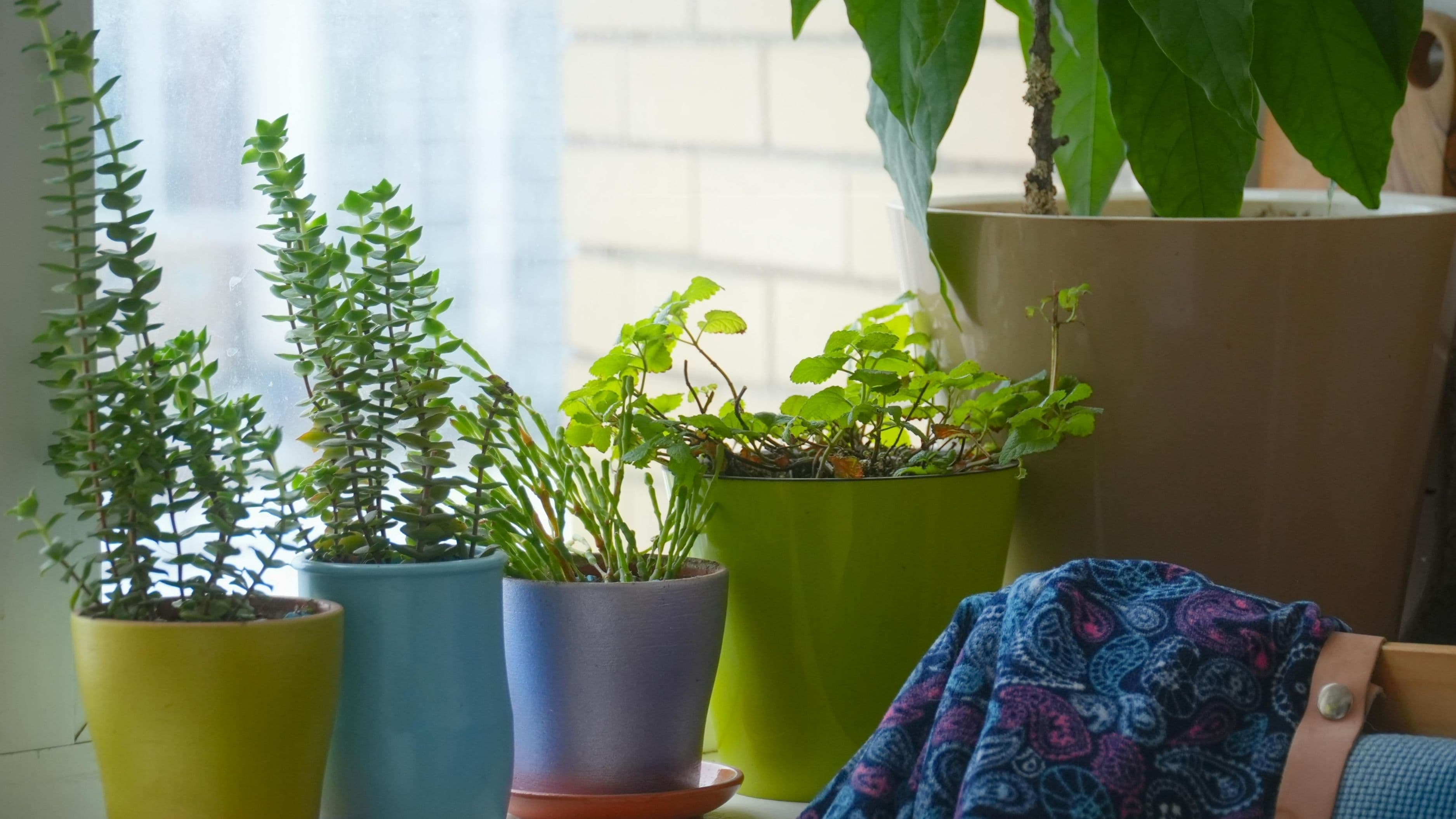
Most people don't have a brown thumb — they just have the wrong plants.
The truth is, most popular houseplants are actually tropical species that were never designed to sit in a dimly lit apartment while their owner forgets to water them for three weeks. No wonder they struggle.
The solution? Choose plants that are built for neglect. The 10 on this list come from dry deserts, deep jungles, and shaded forest floors — environments that are the exact opposite of lush and attentive. They're used to drought, low light, and being left alone.
Whether you're a total beginner, a frequent traveler, or someone who's already killed three succulents, these plants will work for you.
Top 10 at a Glance
Snake Plant
Pothos
ZZ Plant
Spider Plant
Peace Lily
Aloe Vera
Cast Iron Plant
Rubber Plant
Chinese Evergreen
Cactus
1. Snake Plant (Dracaena trifasciata)
What it is: A stiff, upright plant with striking sword-shaped leaves banded in green and yellow. One of the most recognizable houseplants in the world.
Why it matters: The snake plant thrives on neglect. It tolerates low light, drought, temperature fluctuations, and complete beginner-level inattention. Its thick leaves store water the way a camel stores it in a hump — reducing your need to show up consistently.
How to care for it: Water only when the soil is completely dry — typically every 2–6 weeks depending on season. Any light level works. Keep it in a well-draining pot.
Key benefit: One of the few plants that releases oxygen at night instead of carbon dioxide, making it a genuinely useful bedroom companion.
Quick tip: Mushy, brown leaves at the base = root rot from overwatering. Cut back on water immediately and let the soil dry out completely.
2. Pothos (Epipremnum aureum)
What it is: A fast-growing trailing vine with heart-shaped leaves in green, golden, or marbled varieties.
Why it matters: Pothos is practically indestructible. It tolerates low light, inconsistent watering, dry air, and small pots. It wilts dramatically when thirsty — then bounces back within hours of a drink. It's one of the most forgiving plants on Earth.
How to care for it: Water when the top inch of soil is dry. Prune leggy vines to keep growth bushy. Wipe leaves occasionally to remove dust.
Key benefit: Fast, visible growth that feels rewarding. Trails beautifully from shelves or hangs in baskets — decorative with zero effort.
Quick tip: Yellow leaves = overwatering. Brown, crispy tips = too dry or low humidity. Both are quick fixes once you know what to look for.
3. ZZ Plant (Zamioculcas zamiifolia)
What it is: A slow-growing plant with waxy, deep-green leaflets that shine as if they've been polished.
Why it matters: The ZZ plant has underground rhizomes — thick, bulb-like structures that store water for weeks. This means it can go weeks (sometimes months) without attention and survive just fine.
How to care for it: Water sparingly — every 2–4 weeks. It tolerates dark corners better than most. Avoid repotting too often; it likes being root-bound.
Key benefit: The glossy leaves look elegant and high-end in any room, and the plant requires almost zero maintenance to stay looking good.
Quick tip: ZZ plants are slow starters. Don't panic if nothing changes for months after bringing one home — it's just getting established underground.
4. Spider Plant (Chlorophytum comosum)
What it is: A cheerful, arching plant with long, striped green-and-white leaves that produces hanging "baby" offshoots called spiderettes.
Why it matters: Spider plants adapt to a wide range of conditions and genuinely enjoy being slightly pot-bound. They bounce back quickly from underwatering and are almost impossible to kill through benign neglect.
How to care for it: Keep soil lightly moist. Avoid direct sun. Trim brown leaf tips if they appear — usually caused by dry air or fluoride in tap water.
Key benefit: Fully pet-safe, excellent for air purification, and self-propagating. Each baby plant can be rooted in water and potted separately — free plants, forever.
Quick tip: Hang it high in a basket and let the babies trail down. It's one of the most striking displays possible with zero styling effort.
5. Peace Lily (Spathiphyllum wallisii)
What it is: A glossy, dark-leafed plant that produces elegant white flowers (technically spathes) from spring to autumn.
Why it matters: The peace lily is the only plant on this list that flowers reliably in low light — which is remarkable. It also communicates clearly: when it needs water, leaves droop dramatically. Water it, and they perk back up within a few hours.
How to care for it: Water when leaves start to droop slightly — use this as your cue rather than a schedule. Keep away from cold drafts and direct sun.
Key benefit: You get flowers without a garden or much effort. Incredibly rewarding for the level of care required.
Quick tip: Don't water on a schedule — let the drooping tell you when it's thirsty. This single trick keeps most peace lilies thriving indefinitely.
6. Aloe Vera (Aloe barbadensis miller)
What it is: A succulent with thick, fleshy green leaves arranged in a rosette pattern. The leaves contain a clear gel with well-documented skin-soothing properties.
Why it matters: Aloe evolved in hot, arid environments where water is scarce. This means it's perfectly happy being ignored — in fact, that's essentially what it prefers.
How to care for it: Use well-draining cactus or succulent soil. Water deeply, then leave completely alone until the soil is bone dry. A bright windowsill is ideal.
Key benefit: Functional as well as decorative. Snap off a leaf and apply the gel directly to minor burns, sunburn, dry skin, or small cuts.
Quick tip: The single most common way people kill aloe is overwatering. When in doubt — don't water it.
7. Cast Iron Plant (Aspidistra elatior)
What it is: A slow-growing plant with broad, deep-green leaves that tolerates more neglect and adversity than almost anything else you can grow indoors.
Why it matters: The name says it all. Cast iron plants were popular in Victorian England — kept in cold, dark parlours lit by gas lamps. If it survived that, it'll survive your hallway. Tolerates dust, temperature fluctuation, drought, and deep shade without complaint.
How to care for it: Water occasionally when soil is dry. Wipe dusty leaves. Keep out of direct sun — that's the one thing that can damage it.
Key benefit: The only plant that genuinely thrives in the darkest corners of a home, making it invaluable for hallways, north-facing rooms, and windowless spaces.
Quick tip: It's extremely slow-growing, but incredibly long-lived. Some cast iron plants have been passed down through multiple generations of the same family.
8. Rubber Plant (Ficus elastica)
What it is: A bold tropical plant with large, thick, glossy leaves in deep green, burgundy, or variegated patterns. Can grow into a striking indoor tree over several years.
Why it matters: Once settled in a spot, the rubber plant is surprisingly low-maintenance. It tolerates some drought, adapts to indoor conditions, and dramatically outperforms its delicate-looking appearance.
How to care for it: Water when the top inch of soil is dry. Wipe leaves regularly to keep them gleaming. Avoid moving it — rubber plants dislike being relocated.
Key benefit: Delivers a bold architectural statement and a sense of scale that most small houseplants can't match.
Quick tip: Dropping leaves after you bring it home is completely normal. Give it 2–3 weeks to adjust before worrying — it almost always recovers.
9. Chinese Evergreen (Aglaonema commutatum)
What it is: A compact, tropical foliage plant available in dozens of varieties — from deep forest green to vivid red, pink, and silver.
Why it matters: Few plants combine low-maintenance care with genuine visual drama the way Chinese evergreen does. The colourful varieties add a pop of red or pink to spaces that most plants couldn't handle.
How to care for it: Water moderately and allow soil to partially dry between waterings. Avoid cold drafts and direct sun. Brighter light helps colourful varieties stay vibrant.
Key benefit: Colour in low light — something almost nothing else delivers. Works brilliantly in offices and north-facing rooms.
Quick tip: The more vibrant the variety, the more light it needs. Stick to plain green varieties for genuinely dark spaces.
10. Cactus (Cactaceae family)
What it is: A spiny succulent in hundreds of shapes and sizes — from tiny desk ornaments to tall, dramatic statement plants — all adapted to survive extreme drought.
Why it matters: A cactus is designed by millions of years of evolution to live in some of the most hostile environments on the planet. Your living room is, by comparison, a luxury spa. As long as you have a sunny windowsill, it will thrive.
How to care for it: Bright, direct light is non-negotiable. Use cactus compost or well-draining soil. Water deeply but infrequently — roughly every 2–6 weeks in summer, and barely at all in winter.
Key benefit: Virtually zero ongoing effort. Many cacti produce spectacular blooms once mature, often in vivid reds, pinks, and yellows.
Quick tip: The vast majority of cactus deaths are caused by overwatering, not underwatering. Always water less than you think you need to.
How to Choose the Right Plant for You
Not all low-maintenance plants suit the same situation. Here's a quick guide:
Dark room or no windows? Go with ZZ plant, cast iron plant, or pothos — they're the most tolerant of minimal light.
Sunny windowsill? Aloe vera or cactus will thrive where other plants would scorch.
Pets or small children? Spider plant and cast iron plant are the safest options on this list. Most others are toxic if ingested.
Want flowers? Peace lily is the only beginner-friendly option that blooms reliably indoors.
Want something impressive and fast-growing? Pothos or rubber plant — both deliver visual rewards without demanding much in return.
Travel frequently? ZZ plant, cactus, or cast iron plant will happily wait weeks between waterings.
Quick Takeaway
You don't need gardening experience, a green thumb, or a lot of time to keep a houseplant alive. You just need to match the right plant to your home and lifestyle.
The 10 plants in this list were chosen because they're genuinely tolerant of real-life conditions — not ideal ones. Start with any of them, follow the basics, and resist the urge to overwater. That single habit change will save more houseplants than anything else.
FAQ
Which houseplant is the absolute easiest for a complete beginner? Pothos or snake plant. Both tolerate low light, irregular watering, and small pots. Pothos grows faster and gives you quicker visible results; snake plant requires even less water.
Which plants on this list are safe for pets? Spider plant and cast iron plant are pet-safe. Most others — including pothos, snake plant, ZZ plant, peace lily, rubber plant, aloe vera, and Chinese evergreen — are toxic to cats and dogs if ingested. Always verify before buying if you have animals at home.
Can any of these plants survive in a room with no natural light? ZZ plant, cast iron plant, and pothos tolerate very low light. None will thrive indefinitely in total darkness. A cheap grow light for 6–8 hours per day will make a significant difference.
How do I know if I'm overwatering? Yellow or mushy leaves and soggy, smelly soil are the clearest signs. Fix it by letting the soil dry completely before the next watering and ensuring your pot has drainage holes at the bottom.
What's the best plant for an office with no windows? Cast iron plant or ZZ plant. Both survive on fluorescent lighting and minimal watering. Add a grow bulb for better long-term growth if you plan to keep them there for months.
Final Thought
The best houseplant is one that fits your life — not one you have to change your life for. Any plant on this list will reward you with very little in return. Pick one, start simple, and go from there.
📚 Sources
NASA Clean Air Study — Interior Landscape Plants for Indoor Air Pollution Abatement (1989)
Royal Horticultural Society — Houseplant growing guides: Snake plant, Peace lily, Spider plant (rhs.org.uk)
University of Florida IFAS Extension — Foliage Plants for Indoor Use
Clemson Cooperative Extension — Aloe Vera as a Houseplant
Missouri Botanical Garden — Plant Finder Database: Aspidistra elatior, Zamioculcas zamiifolia, Epipremnum aureum
American Society for the Prevention of Cruelty to Animals (ASPCA) — Toxic and Non-Toxic Plants for Pets (aspca.org)
Houseplant Expert, Dr. D.G. Hessayon — The House Plant Expert (book)
BBC Gardeners' World — Low-maintenance houseplants guide (gardenersworld.com)