These 10 methods are proven, practical, and ranked by impact. Some you can start today. Others take a bit more setup. All of them work.
Top 10 at a Glance
Use the Debt Avalanche Method
Use the Debt Snowball Method
Pay More Than the Minimum – Every Time
Create a Zero-Based Budget
Build a Small Emergency Fund First
Consolidate High-Interest Debt
Negotiate Lower Interest Rates
Throw "Found Money" Directly at Debt
Increase Your Income with a Side Hustle
Automate Your Payments and Track Progress
1. Use the Debt Avalanche Method
What it is: You list all your debts, make minimum payments on everything, and put every extra dollar toward the debt with the highest interest rate first.
Why it works: High-interest debt – especially credit cards averaging 20–29% APR – costs you the most over time. Eliminating that first minimizes the total amount of interest you'll ever pay. Mathematically, this is the most efficient path out of debt.
How to apply it: Rank your debts from highest to lowest interest rate. Set up minimum autopayments on all of them so you never miss. Then redirect any extra money you have – whether that's $50 or $500 – to the top debt aggressively. Once it's gone, roll that payment into the next one on the list.
Key benefit: You'll pay less total interest than any other method, which means you get debt-free faster with the same income.
Best for: People who are motivated by math and long-term savings rather than quick wins.
2. Use the Debt Snowball Method
What it is: You list your debts from smallest balance to largest, make minimums on everything, and attack the smallest balance first – regardless of interest rate.
Why it works: The snowball method is backed by behavioral science. Research from the Harvard Business Review found that paying off smaller debts first keeps people more motivated and more likely to stay on track. The psychological momentum of eliminating an account entirely is powerful – and often more effective in practice than the avalanche, even if it costs slightly more in interest.
How to apply it: Same setup as the avalanche – list your debts, automate minimums, and concentrate extra payments. The only difference is you're targeting the smallest balance first. Once it's gone, that freed-up payment rolls into the next.
Key benefit: Quick wins keep you motivated, which means you're less likely to quit.
Best for: Anyone who has struggled to stick with debt payoff plans in the past, or who needs emotional momentum to stay the course.
3. Pay More Than the Minimum – Every Time
What it is: Sending more than the required minimum payment on any debt, even by a small amount.
Why it works: Minimum payments are designed to keep you in debt as long as possible. On a $5,000 credit card balance at 24% APR, paying only the minimum could take over 20 years and cost you more than $7,000 in interest. Adding just $100/month to that payment slashes the payoff timeline to under 3 years.
How to apply it: Even if you can only add $20–$50 extra per month, do it consistently. Use a free debt payoff calculator (like the one on Bankrate or NerdWallet) to see exactly how much time and money you save with different payment amounts. Seeing those numbers is often enough motivation to find the extra cash.
Key benefit: Every extra dollar you pay reduces the principal, which reduces the interest charged the following month – compounding your progress over time.
Best for: Everyone. This is the single most universally applicable tip on this list.
4. Create a Zero-Based Budget
What it is: A budgeting method where you assign every dollar of your income a job – bills, savings, debt payments, groceries – so that income minus expenses equals zero at the end of each month.
Why it works: Most people don't have a spending problem; they have a tracking problem. A zero-based budget forces you to confront where your money actually goes and deliberately redirect spending toward your priorities. It eliminates passive overspending, which is often where hundreds of dollars disappear each month without explanation.
How to apply it: Start with your monthly take-home income. List every expense category: rent, utilities, groceries, subscriptions, transportation, entertainment, debt payments. Assign dollar amounts until you hit zero. Any category you underspend becomes extra debt payment money. Apps like YNAB (You Need a Budget) or EveryDollar make this manageable. Expect the first month to feel uncomfortable – that's normal.
Key benefit: You become intentional with every dollar, which almost always reveals at least $100–$300/month that was previously being wasted.
Best for: Anyone who feels like they're working hard but not making progress on debt, and isn't sure where the money is going.
5. Build a Small Emergency Fund First
What it is: Before aggressively paying off debt, setting aside $500–$1,000 in a separate savings account as a financial buffer.
Why it works: This one is counterintuitive but critical. Without an emergency fund, an unexpected car repair or medical bill forces you back onto your credit card – undoing weeks or months of progress and adding interest back to your balance. A small buffer breaks that cycle.
How to apply it: Pause aggressive debt payoff temporarily, save $500–$1,000 as fast as possible, then park it in a high-yield savings account and leave it alone. Treat it as untouchable except for genuine emergencies – not a sale, not a vacation, not a bill you forgot about. Once it's in place, redirect all extra income back to debt.
Key benefit: Financial stability while paying off debt, reducing the risk of setbacks that send you backward.
Best for: Anyone living paycheck to paycheck or without any savings cushion. Skip this step only if you already have savings to fall back on.
6. Consolidate High-Interest Debt
What it is: Combining multiple high-interest debts into a single lower-interest loan or balance transfer credit card, so you pay one manageable payment at a reduced rate.
Why it works: If you're carrying three credit cards at 22–28% APR and you qualify for a personal loan at 10% or a 0% balance transfer card with an 18-month promotional period, consolidation can dramatically cut the cost of your debt. Less interest means more of your payment goes toward the actual principal.
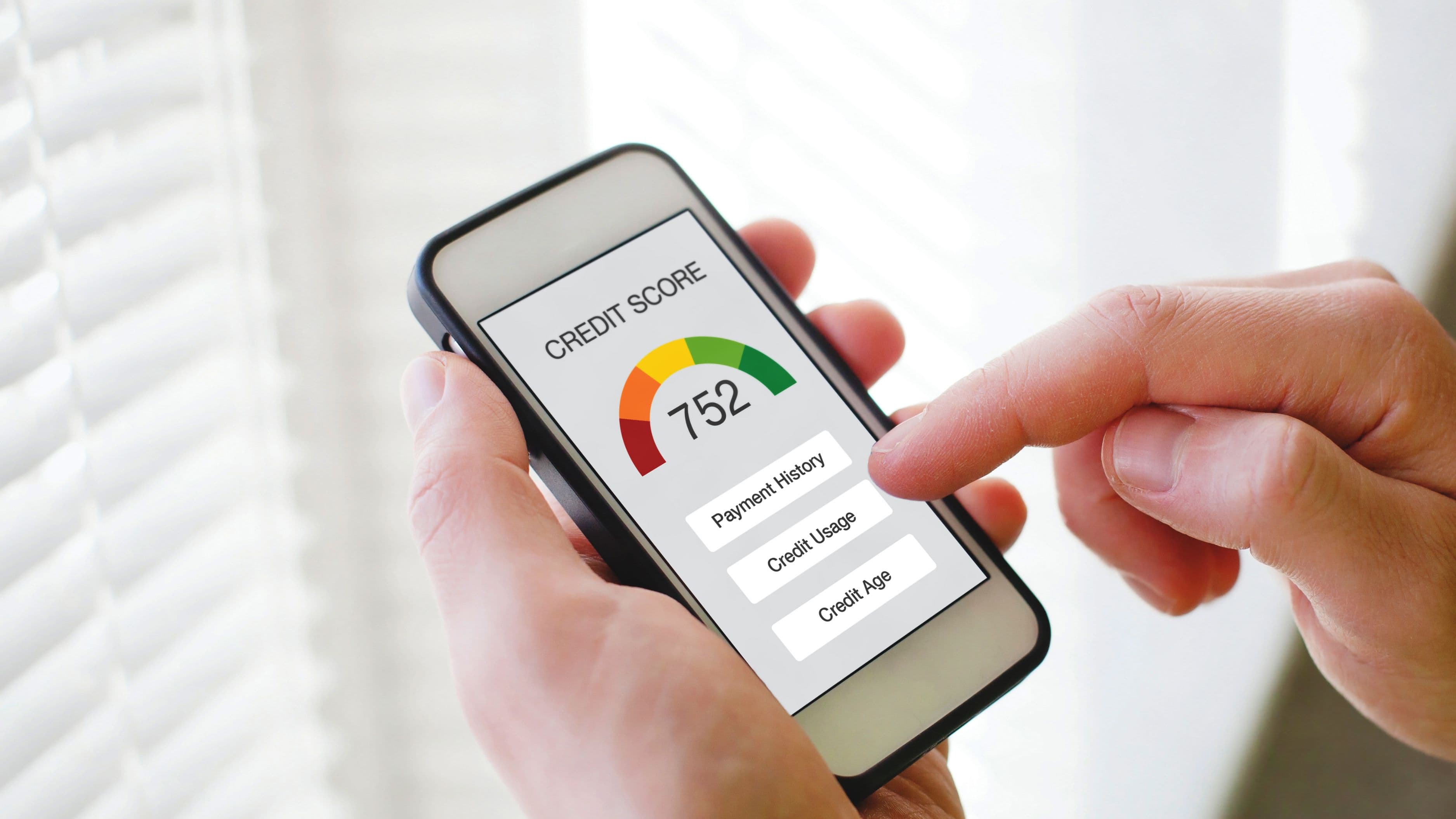
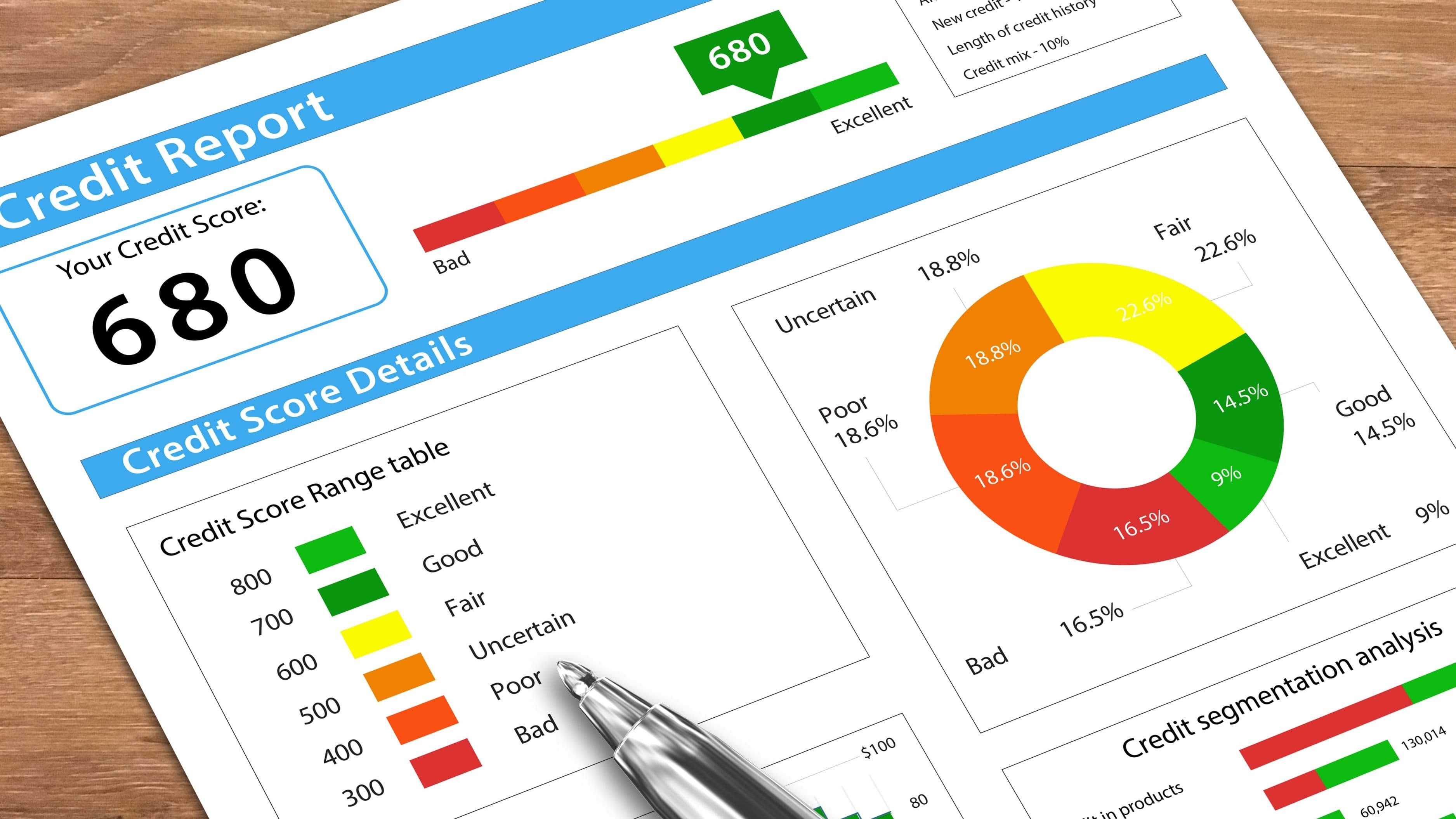
How to apply it: Check your credit score first. A score of 670+ gives you access to the best consolidation products. Compare personal loan offers through lenders like SoFi, LightStream, or your own bank or credit union. For credit card debt specifically, look for 0% balance transfer cards with low or no transfer fees and a long promotional window. Always do the math – factor in fees, the post-promo rate, and your ability to pay off the balance before the promotional period ends.
Key benefit: Lower interest rates mean faster payoff with the same monthly payment.
Best for: People with good to excellent credit who have high-interest credit card debt across multiple accounts.
Watch out for: Using newly freed-up credit card space to rack up new charges – that defeats the entire purpose.
7. Negotiate Lower Interest Rates
What it is: Calling your credit card company or lender and directly asking for a lower interest rate.
Why it works: This works more often than people expect – and most people never try it. Credit card companies would rather keep a paying customer at a lower rate than lose them to a balance transfer. If you've been a reliable customer with a decent payment history, you have leverage.
How to apply it: Call the number on the back of your card. Ask to speak with the retention department (not general customer service). State that you've been a customer for X years, have a good payment history, and have received competing offers at lower rates. Ask if they can match or beat those rates. Be polite but direct. You don't need to threaten to leave – just make a clear, confident ask. If the first rep says no, call back and try again. Success rates improve with persistence.
Key benefit: Even a 3–5% rate reduction can save hundreds or thousands of dollars in interest on a large balance.
Best for: Anyone with credit card debt and at least 6–12 months of on-time payment history.
8. Throw "Found Money" Directly at Debt
What it is: Directing unexpected or irregular income – tax refunds, cash gifts, work bonuses, rebates, or side hustle earnings – entirely toward debt instead of spending it.
Why it works: Most people treat found money as a spending opportunity rather than a financial tool. The average federal tax refund in 2024 was around $3,000. If you applied that entire amount to a credit card balance, you'd eliminate thousands of dollars of debt in a single move and save significantly on future interest charges.
How to apply it: Decide in advance how you'll handle any unexpected money. The rule is simple: if it wasn't in your budget, it goes to debt. This includes birthday cash, rebate checks, insurance reimbursements, freelance income, cashback rewards, and any overtime pay. Set up a mental default – "anything extra goes to [debt name]" – so you're not making the decision in the moment when temptation is highest.
Key benefit: Lump-sum payments can collapse timelines dramatically – sometimes cutting months or years off your payoff date.
Best for: Anyone who receives an annual tax refund, seasonal bonuses, or any irregular income.
9. Increase Your Income with a Side Hustle
What it is: Taking on additional income-generating work outside your main job and directing that extra money to debt payoff.
Why it works: Cutting expenses has a floor – you can only reduce so much before you're affecting quality of life. Income has no ceiling. Even an extra $300–$500/month from a side hustle can cut years off your debt payoff timeline when applied consistently.
How to apply it: Match the hustle to your available time and existing skills. Freelancing (writing, design, coding), delivery apps (DoorDash, Instacart), tutoring, selling on eBay or Facebook Marketplace, and gig work through platforms like TaskRabbit or Fiverr are all accessible starting points. The key rule: treat the extra income as debt money, not lifestyle money. The moment you start spending side hustle earnings on extras, the strategy loses its power.
Key benefit: Increased income compresses timelines faster than expense cutting alone, especially on large balances.
Best for: Anyone with time to spare in evenings or weekends, or with a marketable skill that can be monetized outside a 9-to-5.
10. Automate Your Payments and Track Progress
What it is: Setting up automatic payments for at least the minimum (ideally more) on all debts, and using a tracking system to monitor your payoff progress over time.
Why it works: Behavioral friction is real. When debt payments require manual effort each month, they're easy to delay, forget, or deprioritize. Automation removes the decision entirely. And tracking progress – watching balances drop – keeps you emotionally invested in the process. Studies on financial behavior consistently show that people who monitor their progress are more likely to reach their goals.
How to apply it: Log into each lender's website and set up autopay for at least the minimum payment. Then set a recurring calendar reminder – once a month, same day – to log in, check balances, and update a simple spreadsheet or app like Debt Payoff Planner or Tally. Seeing the numbers go down, even slowly, reinforces the behavior and reduces the temptation to quit.
Key benefit: No missed payments (protecting your credit score), no late fees, and consistent progress even during busy or stressful months.
Best for: Everyone – especially people who are disorganized with finances or tend to avoid looking at debt statements.
Quick Takeaway
Getting out of debt faster doesn't require a perfect plan. It requires a consistent one. Pick one or two of these methods to start with – most people do best combining a payoff strategy (avalanche or snowball), a budget (zero-based), and one income boost (side hustle or found money). Stack them together and the results compound quickly.
The biggest mistake is waiting for the perfect moment to start. That moment doesn't come. What comes instead is more interest, more balance, and more time stuck in the same place.
Frequently Asked Questions
Should I pay off debt or save money first? Both, in balance. Build a small emergency fund of $500–$1,000 first, then focus aggressively on debt. Once high-interest debt is gone, shift toward saving and investing. Doing all three simultaneously while carrying high-interest debt usually means none of them happen effectively.
Does debt consolidation hurt your credit score? Applying for a new loan or balance transfer card causes a temporary dip from the hard inquiry. But consolidation often improves your score over time by reducing your credit utilization ratio and simplifying payment management. The long-term effect is typically positive.
What's the fastest way to pay off credit card debt specifically? Stop using the card, pay more than the minimum every month, and consider a 0% balance transfer if you qualify. Apply any extra income directly to the balance. Combine this with the avalanche method if you have multiple cards.
Is it worth paying off low-interest debt aggressively? It depends. If the interest rate is lower than what you'd earn investing (historically around 7–10% in index funds), mathematically it may make more sense to invest the difference. But debt payoff has psychological and cash flow benefits that math alone doesn't capture. There's no universally right answer – it's a personal decision.
What if I can barely afford the minimums? Contact your lenders before you miss payments. Many offer hardship programs, temporary payment reductions, or interest rate freezes that aren't advertised. You can also reach out to a nonprofit credit counseling agency – look for ones certified by the NFCC (National Foundation for Credit Counseling) – for free guidance.
How long does it realistically take to get out of debt? It varies widely. Someone with $5,000 in credit card debt and $500/month to throw at it can be done in under a year. Someone with $40,000 in mixed debt may need 3–5 years of consistent effort. Use a debt payoff calculator with your actual numbers to set a realistic timeline – having a specific end date is a major motivational tool.
Getting out of debt isn't a willpower problem – it's a systems problem. Set up the right structure, make the right decisions automatic, and give yourself a clear target. These 10 strategies are the framework. Your consistency is the engine.
📚 Sources
Bankrate – Debt Avalanche vs. Debt Snowball Calculator: https://www.bankrate.com/personal-finance/debt/debt-avalanche-vs-snowball
Harvard Business Review – Research on Debt Payoff Motivation and the Snowball Effect: https://hbr.org/2016/12/research-confirms-that-the-best-strategy-for-paying-off-credit-card-debt
NerdWallet – Credit Card Minimum Payment Calculator: https://www.nerdwallet.com/article/credit-cards/credit-card-minimum-payment-calculator
YNAB (You Need a Budget) – Zero-Based Budgeting Guide: https://www.ynab.com/the-four-rules
Consumer Financial Protection Bureau – What to Do If You Can't Make Payments: https://www.consumerfinance.gov/consumer-tools/debt-collection
IRS – Average Federal Tax Refund Data: https://www.irs.gov/newsroom/filing-season-statistics
National Foundation for Credit Counseling – Find a Certified Counselor: https://www.nfcc.org/agency-locator
SoFi – Personal Loan Debt Consolidation Overview: https://www.sofi.com/personal-loans/debt-consolidation