
The challenge? Not all rewards cards are created equal. Some offer flat-rate cash back, others provide rotating categories, and many come with spending caps or complex redemption structures. This guide breaks down the top 10 gas and grocery credit cards to help you maximize returns on your everyday spending without falling into common pitfalls like annual fees that exceed your rewards or restrictions that limit your earning potential.
Top 10 Best Gas and Grocery Credit Cards
Blue Cash Preferred® Card from American Express – Best for high grocery spenders
Citi Custom Cash℠ Card – Best for flexible category spending
Chase Freedom Flex℠ – Best for rotating bonus categories
Capital One SavorOne Cash Rewards Credit Card – Best for no annual fee rewards
U.S. Bank Altitude® Go Visa Signature® Card – Best for gas station rewards
Wells Fargo Autograph℠ Card – Best for balanced everyday spending
Bank of America® Customized Cash Rewards Credit Card – Best for category customization
Costco Anywhere Visa® Card by Citi – Best for warehouse club members
Sam's Club® Mastercard® – Best for Sam's Club shoppers
Discover it® Cash Back – Best for first-year rewards matching
Our Methodology
We evaluated these credit cards based on five critical criteria to ensure our recommendations serve real-world spending patterns. Rewards structure was paramount—we analyzed earn rates, spending caps, and redemption flexibility to calculate actual value for typical households. Annual fees were weighed against potential rewards to determine break-even points and true net value. Additional benefits including purchase protection, extended warranties, and travel perks added measurable value beyond base rewards.
Acceptance and usability factored significantly, as the best rewards rate means nothing if you can't use the card where you shop. Finally, we examined customer reviews and issuer reputation across multiple platforms, prioritizing cards from issuers with strong customer service records and transparent terms. All recommendations assume responsible credit card use—paying balances in full monthly to avoid interest charges that would negate any rewards earned.
Detailed Reviews
1. Blue Cash Preferred® Card from American Express
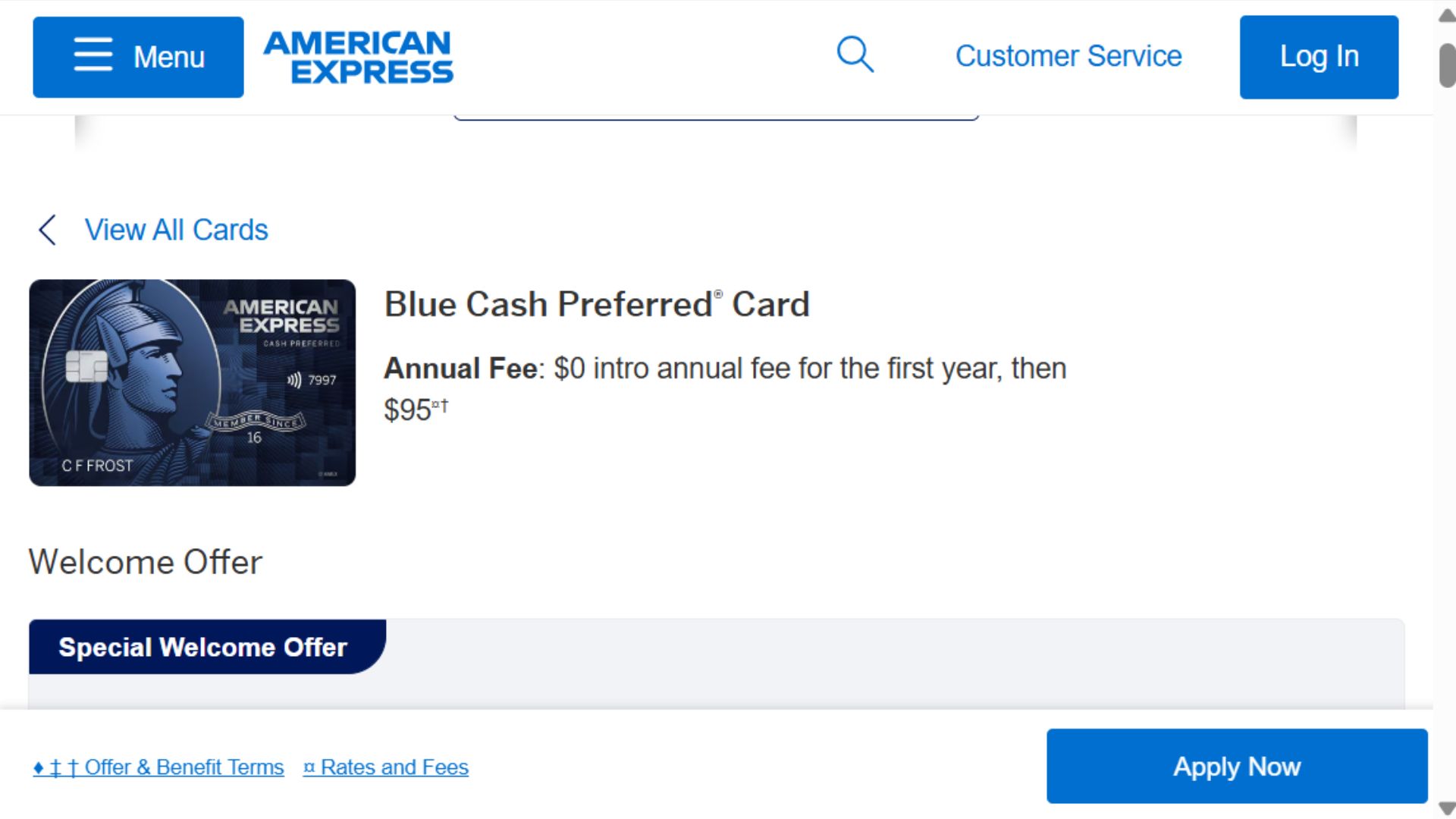
Best for: Families spending $3,000+ annually on groceries Annual Fee: $95 Key Features: 6% cash back at U.S. supermarkets (up to $6,000 annually, then 1%), 6% cash back on select U.S. streaming services, 3% cash back at U.S. gas stations and on transit
The Blue Cash Preferred delivers industry-leading 6% cash back at U.S. supermarkets, making it the top choice for households with substantial grocery bills. On $6,000 in annual grocery spending alone, you'll earn $360 in cash back—already $265 net after the annual fee. Add in gas station rewards at 3% and streaming service rewards at 6%, and high-spending households can easily clear $500-700 in annual rewards. The card also includes extended warranty protection and access to Amex entertainment experiences.
The primary limitation is the $6,000 annual cap on supermarket spending (approximately $500 monthly), after which the rate drops to 1%. This means large families or those who max out this category by September should have a backup strategy. Additionally, American Express isn't accepted at all retailers, though acceptance has improved significantly. Warehouse clubs like Costco don't qualify for the supermarket rate, and neither do superstores like Walmart or Target.
Pros:
Industry-leading 6% cash back at supermarkets
3% back on gas station purchases
6% back on streaming services
Strong purchase protections and benefits
$0 fraud liability guarantee
Cons:
$95 annual fee requires strategic spending to justify
$6,000 annual cap on supermarket bonus category
Limited merchant acceptance compared to Visa/Mastercard
Warehouse clubs and supercenters don't count as supermarkets
Foreign transaction fees apply (2.7%)
2. Citi Custom Cash℠ Card
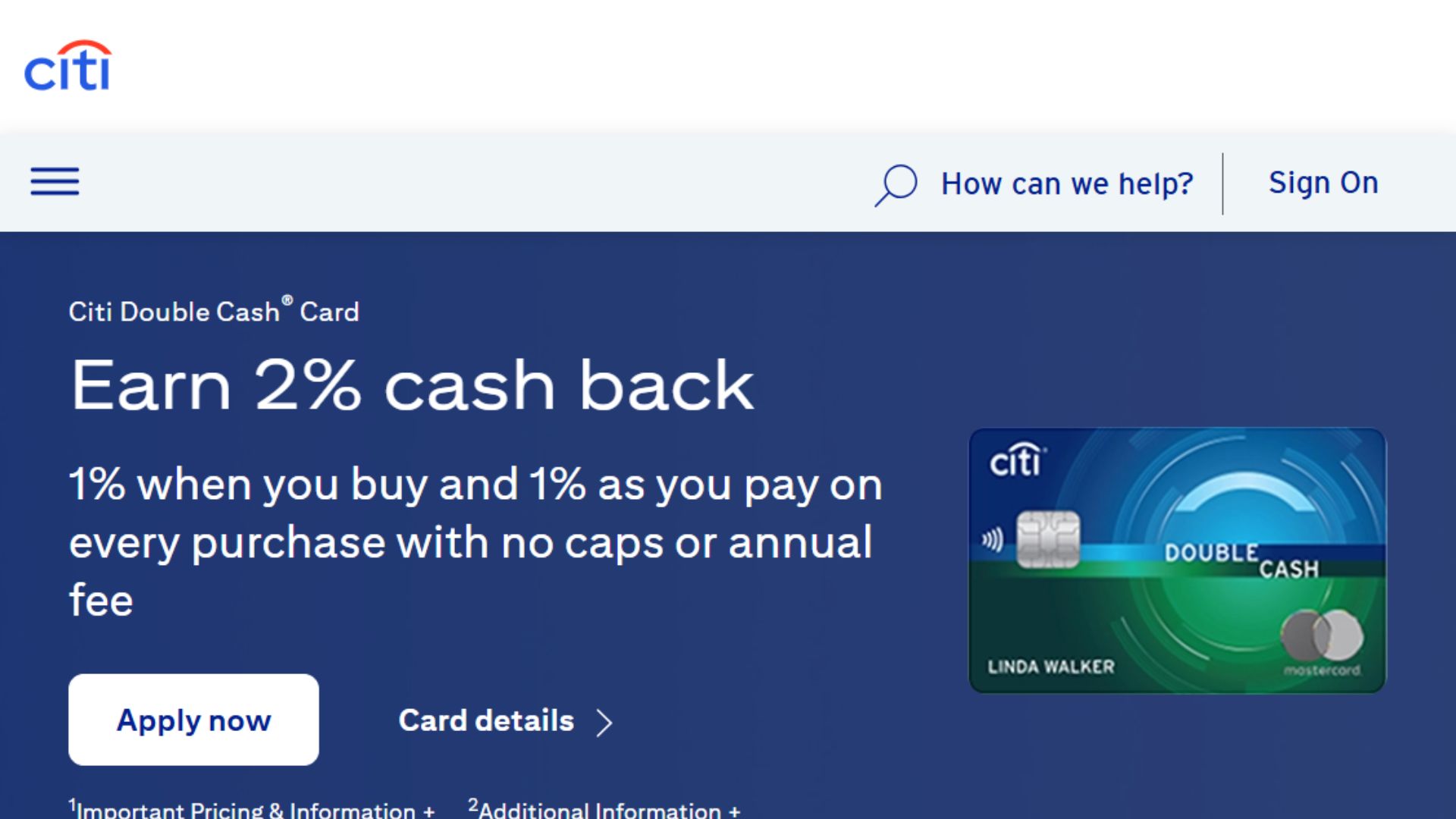
Best for: Flexible spenders who want automatic optimization Annual Fee: $0 Key Features: 5% cash back on top spending category each billing cycle (up to $500 spent, then 1%), 1% back on all other purchases, automatic category selection
The Citi Custom Cash takes the complexity out of rewards optimization by automatically identifying your highest spending category each month and awarding 5% cash back. Categories include gas stations, grocery stores, restaurants, travel, drugstores, home improvement stores, fitness clubs, live entertainment, and select streaming services. This makes it exceptionally versatile—if you spend heavily on gas in June for summer road trips, you'll get 5% on gas; if grocery spending dominates in December, you'll get 5% on groceries.
The card's $500 monthly spending cap per bonus category (earning up to $25 in rewards monthly) makes it ideal for moderate spenders or as a complementary card to fill gaps in other rewards strategies. There's no annual fee, no foreign transaction fees, and the automatic category selection means you never need to activate or track rotating categories. However, power users who consistently exceed $500 monthly in multiple categories will want to pair this with additional cards to maximize earnings beyond the cap.
Pros:
No annual fee with strong rewards potential
Automatic 5% category selection—no activation needed
Includes gas, groceries, and eight other categories
No foreign transaction fees
Simple, straightforward rewards structure
Cons:
$500 monthly cap per bonus category limits high spenders
Only one category gets 5% per month (not all categories simultaneously)
1% back on non-bonus spending is modest
Rewards redeem in $25 increments
Limited additional perks compared to premium cards
3. Chase Freedom Flex℠
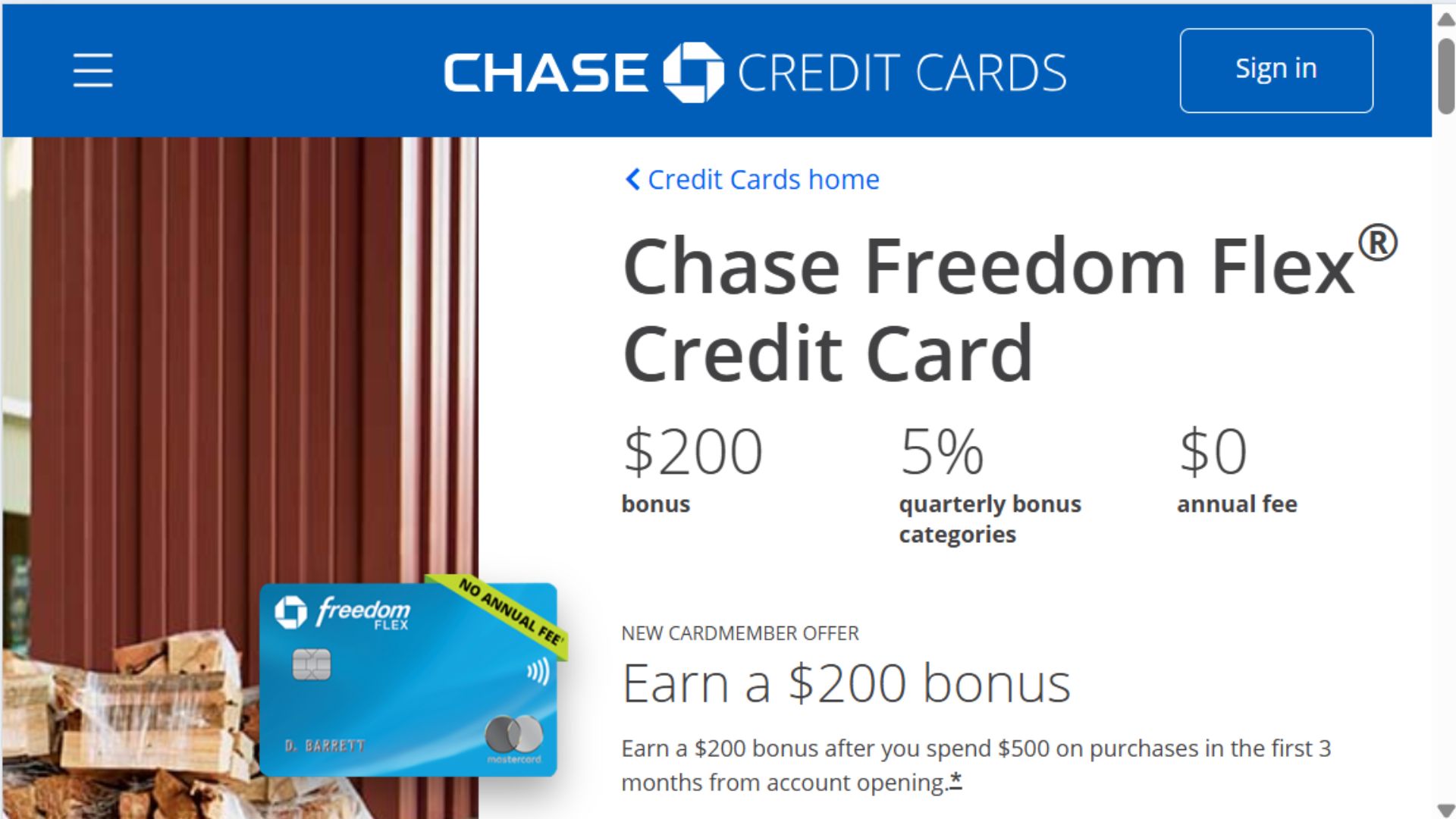
Best for: Engaged cardholders who maximize rotating categories Annual Fee: $0 Key Features: 5% cash back on rotating bonus categories (up to $1,500 quarterly), 5% on travel through Chase, 3% on dining and drugstores, 1% on all other purchases
The Freedom Flex offers exceptional value with 5% cash back in rotating quarterly categories that frequently include gas stations and grocery stores, plus consistent 3% rewards on dining and drugstores. The rotating categories require activation each quarter but often align perfectly with seasonal spending—gas stations in summer travel months, department stores during holiday shopping, and grocery stores during high-spending periods. The $1,500 quarterly cap per bonus category ($6,000 annually) provides substantial earning potential.
What elevates this card beyond its standalone value is integration with the Chase ecosystem. Points earned can be transferred to Chase Ultimate Rewards if you have a premium Chase card like the Sapphire Preferred, potentially increasing their value significantly for travel redemptions. The card also includes cell phone protection (up to $600 per claim with $25 deductible) when you pay your phone bill with the card—a valuable benefit that effectively pays for itself if you ever need to file a claim.
Pros:
No annual fee with strong rotating rewards
3% ongoing rewards for dining and drugstores
Cell phone protection included
Points can be enhanced through Chase ecosystem
Contactless payment and digital wallet compatible
Cons:
Requires quarterly category activation (easy to forget)
Rotating categories aren't always useful for your spending
Limited value if used standalone without other Chase cards
$1,500 quarterly cap per category can be restrictive
Bonus categories change quarterly, requiring attention
4. Capital One SavorOne Cash Rewards Credit Card
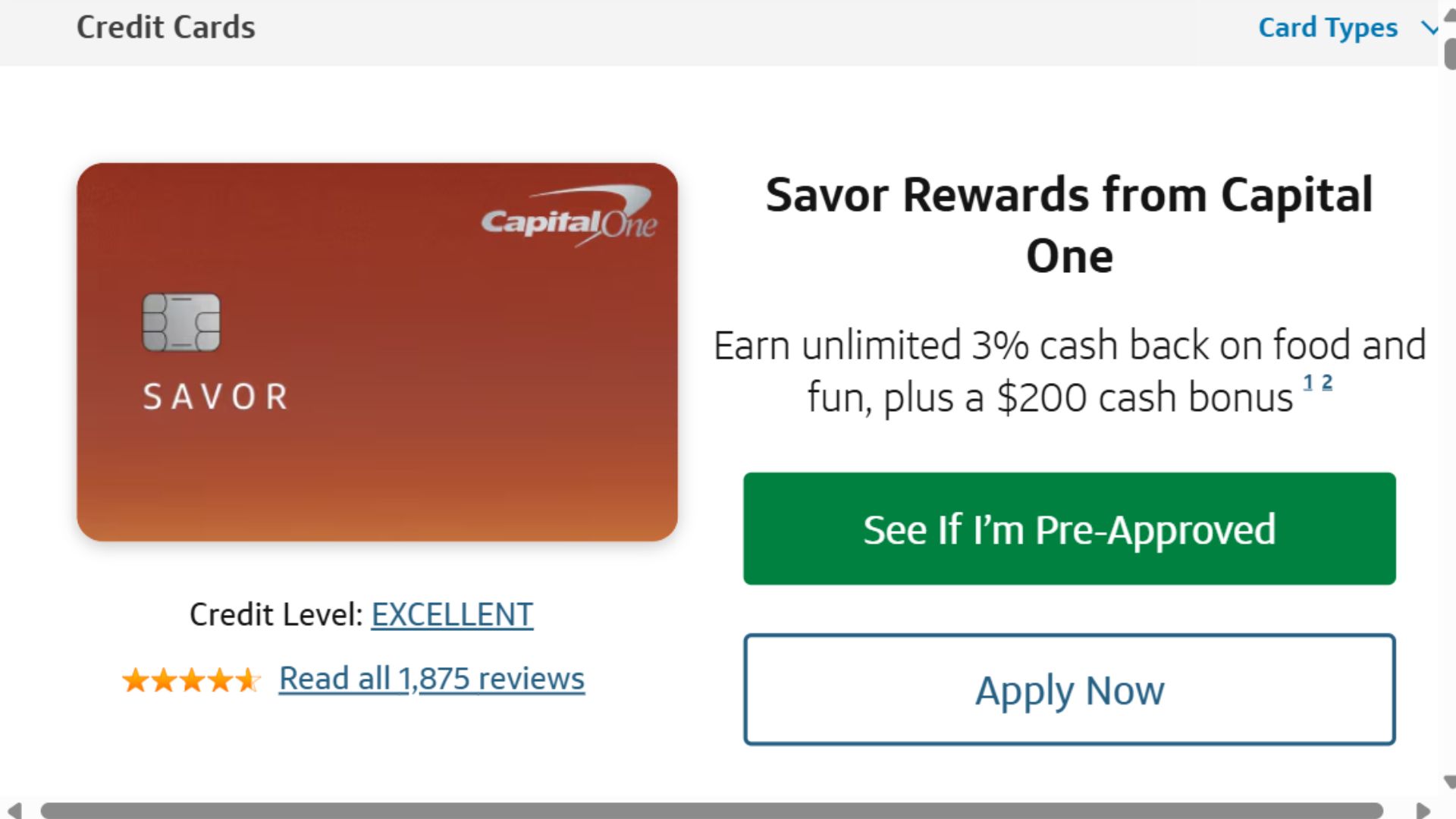
Best for: No-fee cardholders wanting consistent rewards Annual Fee: $0 Key Features: 3% cash back on dining, entertainment, and grocery stores (excluding superstores), 3% on streaming services, 1% on all other purchases, unlimited rewards with no caps
The SavorOne provides worry-free 3% cash back on groceries, dining, entertainment, and streaming—four categories that represent significant spending for most households—with no annual fee and no spending caps. This combination makes it one of the most accessible premium rewards cards, requiring zero spending calculation or break-even analysis. The unlimited 3% earning potential means heavy spenders in these categories can accumulate substantial rewards without hitting category limits that plague competitors.
While 3% trails the 5-6% offered by category-leaders, the lack of caps and activation requirements makes the SavorOne remarkably convenient. It includes generous additional benefits like extended warranty coverage, price protection, and 24/7 travel assistance services. Capital One is also expanding its entertainment access program, offering cardholders presale tickets and VIP experiences. The card reports to all three credit bureaus and can help build credit history with responsible use, making it suitable for those establishing or rebuilding credit.
Pros:
$0 annual fee with unlimited earning potential
3% back on groceries with no spending caps
Entertainment and dining rewards enhance overall value
No foreign transaction fees
Strong fraud protection and customer service
Cons:
3% grocery rate trails category leaders
Superstores like Walmart and Target don't qualify
1% rate on non-bonus categories is average
Rewards value is fixed (can't be enhanced for travel)
Limited premium benefits compared to fee cards
5. U.S. Bank Altitude® Go Visa Signature® Card
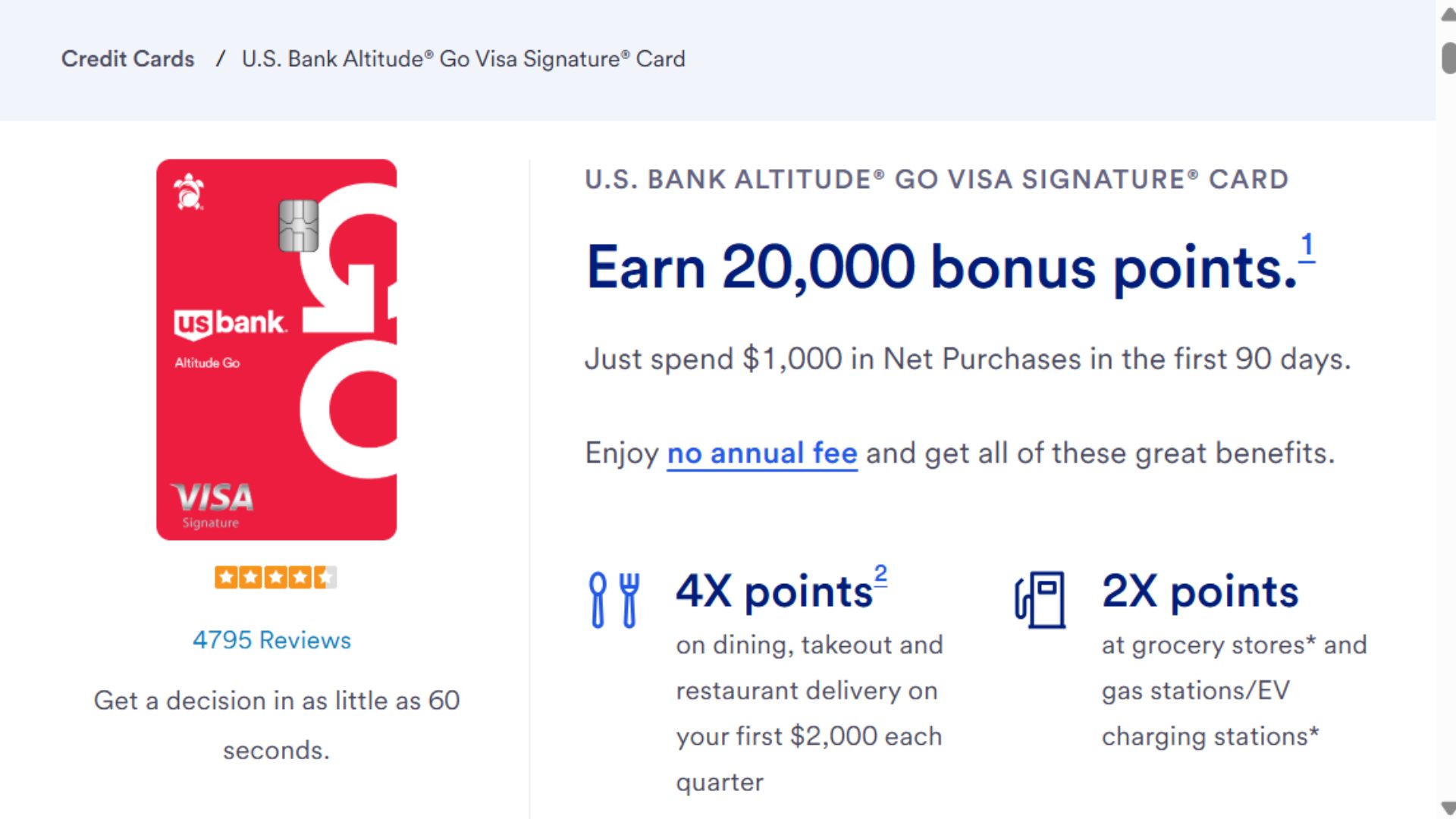
Best for: Drivers prioritizing gas station rewards Annual Fee: $0 Key Features: 4% cash back at gas stations and EV charging stations, 2% back at grocery stores and restaurants, 1% on all other purchases, $15 streaming credit annually
The Altitude Go stands out with 4% cash back at gas stations—higher than most competitors—making it the natural choice for commuters and road warriors. The card also recognizes the shift toward electric vehicles by including EV charging stations in the 4% category, future-proofing your rewards strategy. Combined with 2% back at grocery stores and restaurants, it covers three of the most common spending categories with no caps on earning, no activation requirements, and no annual fee.
Additional perks include a $15 annual streaming credit (effectively reducing your Netflix or Spotify subscription), cell phone protection when you pay your bill with the card, and travel accident insurance. The rewards structure is straightforward with real-time redemption options—you can redeem for statement credits, direct deposits, or gift cards with no minimum redemption threshold. U.S. Bank's customer service consistently ranks well, and the card includes robust fraud monitoring and zero liability protection.
Pros:
Highest no-fee gas rewards at 4%
Includes EV charging stations (forward-thinking)
$15 annual streaming credit
Cell phone protection benefit
No earning caps or activation needed
Cons:
2% grocery rate is good but not exceptional
Requires U.S. Bank checking account for some enhanced benefits
Limited premium travel benefits
Rewards can't be enhanced or transferred
Smaller issuer with less brand recognition
6. Wells Fargo Autograph℠ Card
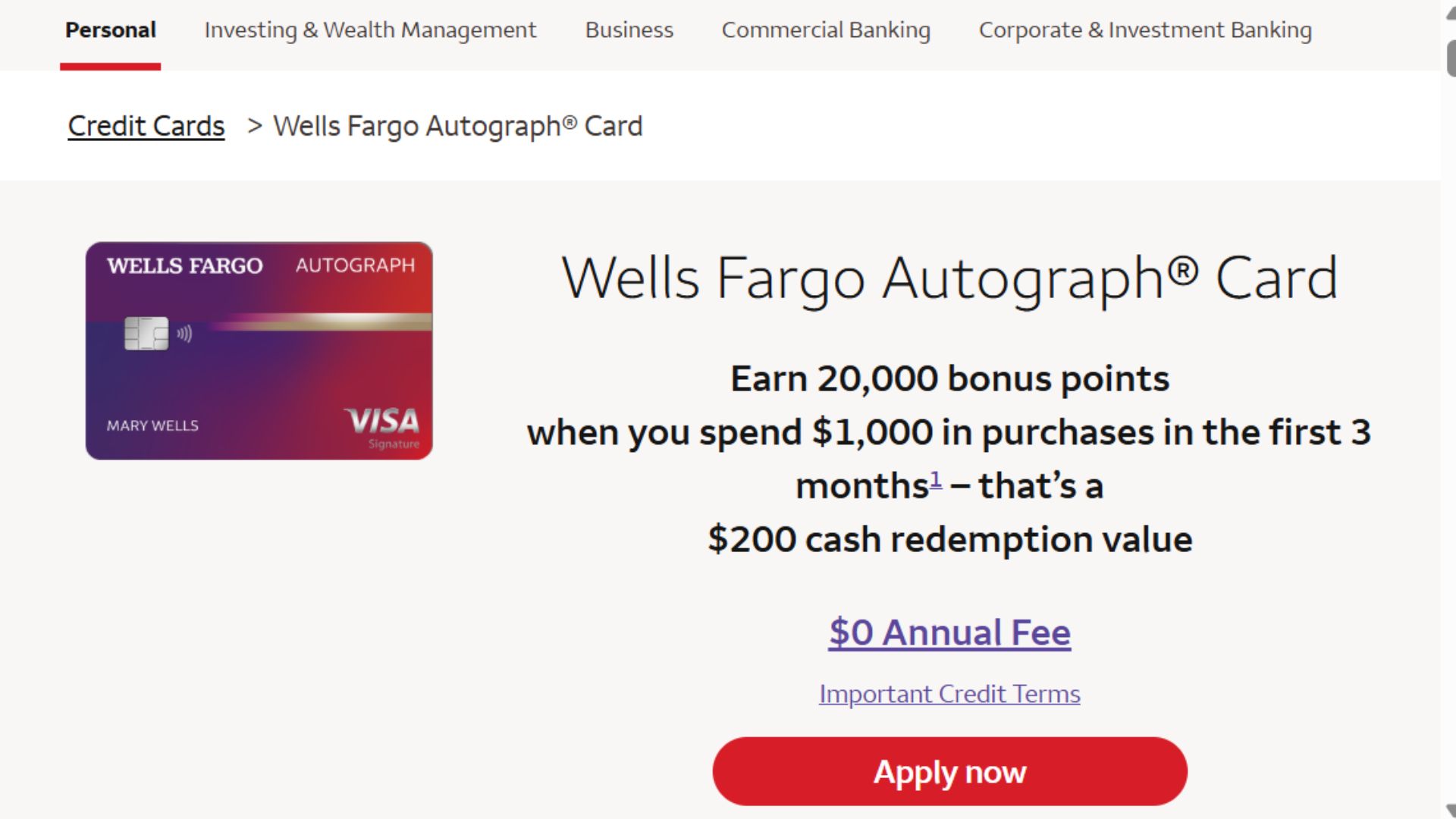
Best for: Well-rounded rewards across multiple categories Annual Fee: $0 Key Features: 3% cash back on gas, groceries, dining, travel, transit, streaming, and phone plans, 1% on all other purchases, cell phone protection included
The Autograph delivers 3% cash back across seven everyday categories—more than almost any other no-fee card—making it exceptionally versatile for diverse spending patterns. Whether you're filling up at the gas station, buying groceries, paying for streaming services, or booking travel, you're earning the same competitive rate without tracking categories or hitting spending caps. This simplicity combined with strong rewards makes it ideal for cardholders who want excellent returns without complexity.
Wells Fargo includes cell phone protection (up to $600 per claim), trip cancellation/interruption insurance, and travel accident insurance—benefits typically found on cards with annual fees. The rewards program offers flexible redemption through cash back, gift cards, travel bookings, or statement credits with no blackout dates or minimum redemption thresholds. However, the card lacks some of the advanced features of premium cards, and Wells Fargo has faced customer service challenges in recent years, though they've made significant investments to improve operations.
Pros:
3% back across seven diverse categories
No annual fee with unlimited earning
Comprehensive phone and travel protections
Flexible rewards redemption options
No foreign transaction fees
Cons:
Wells Fargo's reputation has been challenged historically
3% rate doesn't lead any individual category
Limited additional premium perks
Customer service quality can be inconsistent
No loyalty program integration or points transfers
7. Bank of America® Customized Cash Rewards Credit Card
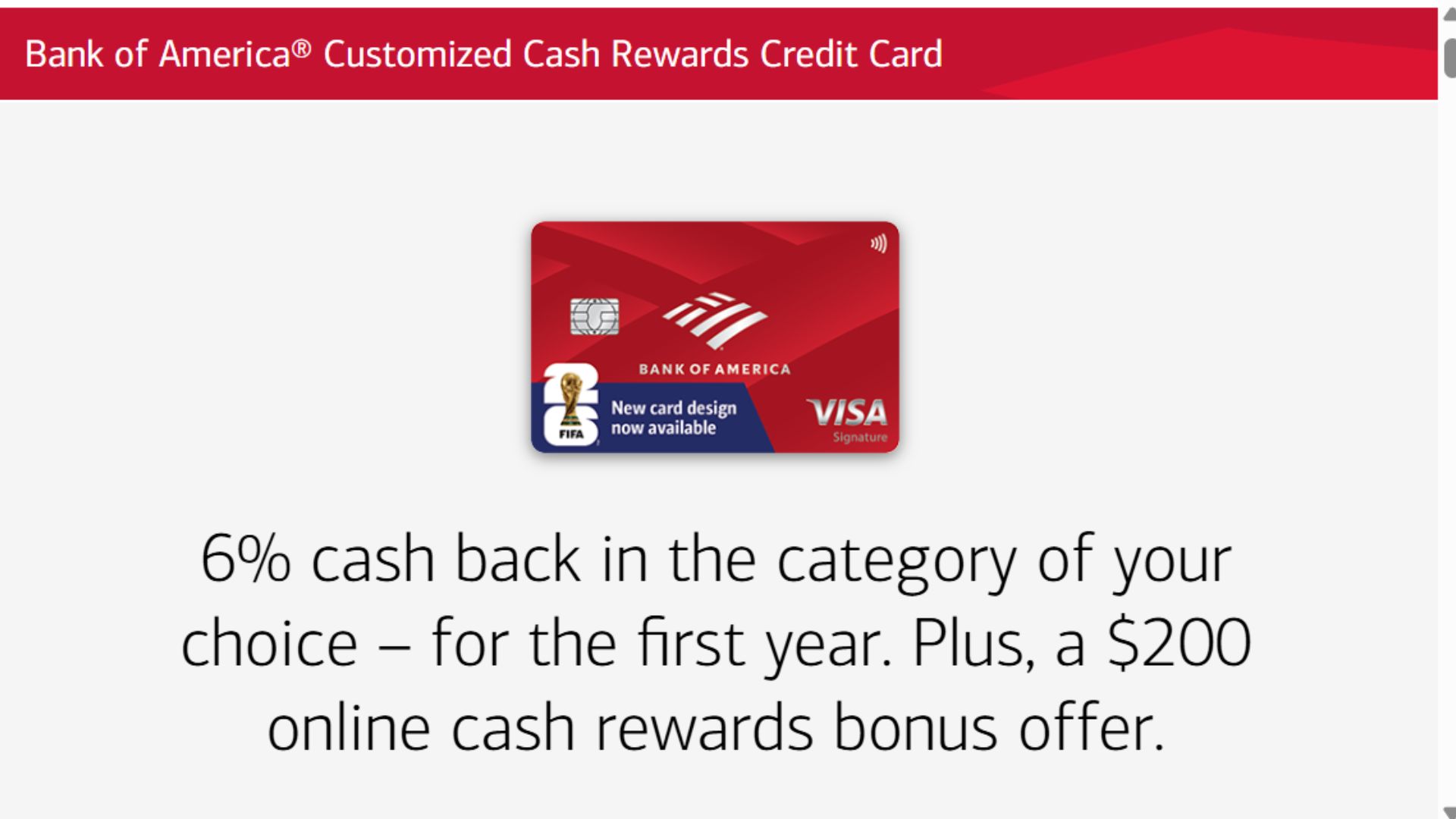
Best for: Bank of America customers wanting personalized rewards Annual Fee: $0 Key Features: 3% cash back in chosen category (gas, groceries, or others), 2% at grocery stores and wholesale clubs, 1% on all other purchases, Preferred Rewards boost available
The Customized Cash Rewards lets you select your 3% bonus category from options including gas stations, making it adaptable to your primary spending pattern. Grocery stores and wholesale clubs automatically earn 2%, and everything else earns 1%. The real advantage emerges for Bank of America Preferred Rewards members, who can boost all rewards by 25-75% based on their banking relationship balance. At the highest tier, your 3% effectively becomes 5.25%—rivaling the best category-specific cards.
The $2,500 quarterly cap on your chosen 3% category ($10,000 annually) provides substantial earning potential for most households. You can change your bonus category monthly if your spending patterns shift seasonally, offering flexibility that fixed-category cards lack. The card integrates seamlessly with Bank of America's banking platform, making rewards redemption and account management straightforward. However, achieving maximum value requires maintaining significant deposit or investment balances with the bank.
Pros:
Choose your own 3% bonus category
Preferred Rewards can boost earnings significantly
2% automatic grocery store rewards
Flexible category switching monthly
Strong mobile app integration
Cons:
$2,500 quarterly cap on 3% category
Maximum value requires substantial banking relationship
3% baseline rate isn't exceptional
Limited benefits beyond rewards
Value decreases without Preferred Rewards status
8. Costco Anywhere Visa® Card by Citi
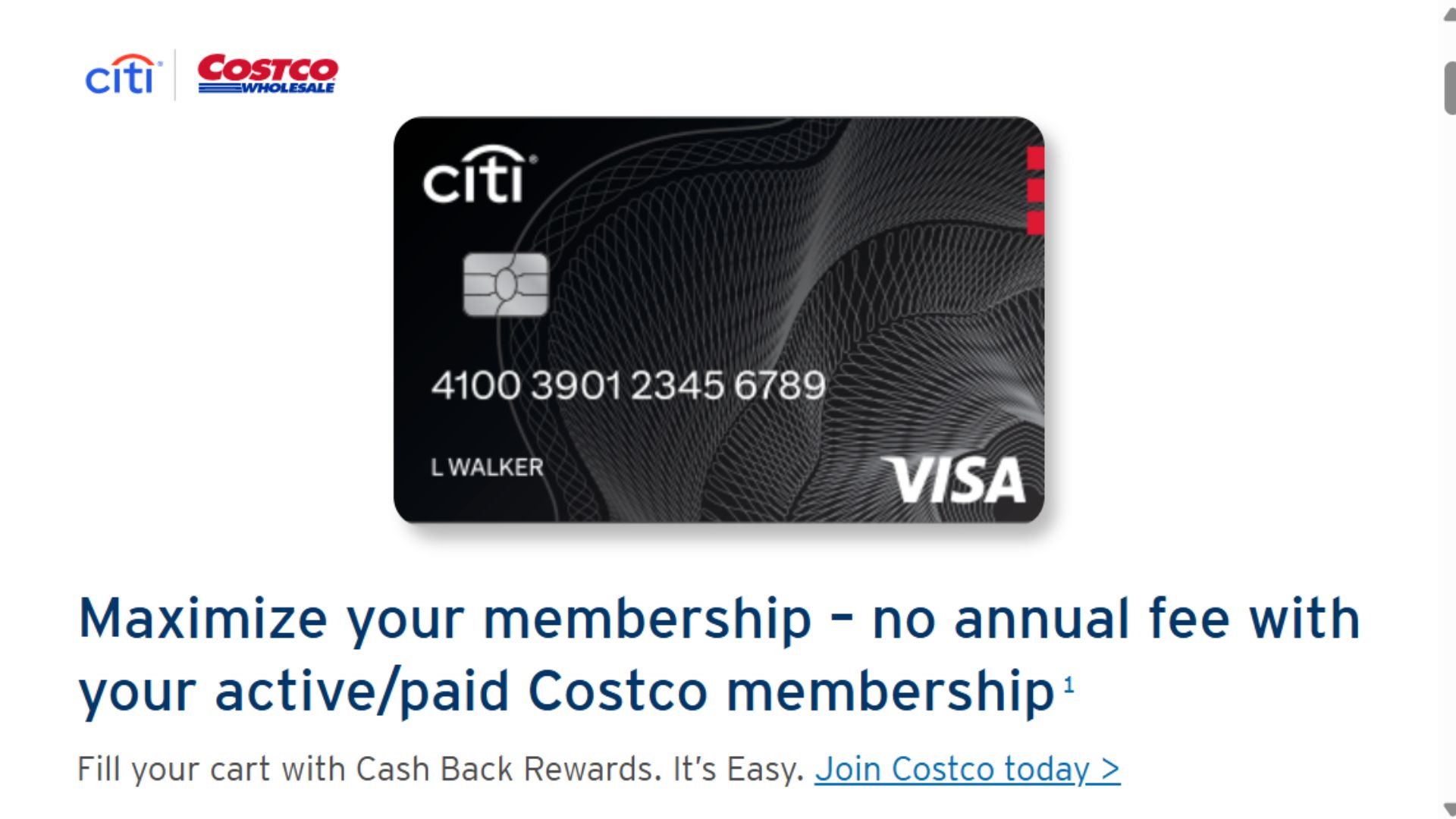
Best for: Costco members maximizing warehouse spending Annual Fee: $0 (requires Costco membership) Key Features: 4% cash back on gas worldwide (up to $7,000 annually), 3% back on restaurants and travel, 2% at Costco and Costco.com, 1% on all other purchases
The Costco Anywhere Visa delivers 4% cash back on gas purchases up to $7,000 annually—that's $280 in rewards just from fuel. Combined with 3% on dining and travel, and 2% at Costco itself, this card maximizes value for Costco members who are already paying the membership fee. The 4% gas rewards apply worldwide, not just at Costco fuel stations, making this card valuable even when you're not shopping at the warehouse. The card also includes travel and purchase protections typically found on premium cards.
The primary consideration is that you must be a Costco member to qualify, and rewards are distributed annually as a certificate redeemable only at Costco warehouses—you can't get statement credits or cash. This annual payout structure means you won't see rewards immediately, and if you close your Costco membership, you forfeit unredeemed rewards. The card is accepted anywhere Visa is taken, but the rewards structure clearly favors Costco-centric lifestyles. For active Costco members with significant gas and dining expenses, the math works beautifully.
Pros:
4% gas rewards up to $7,000 annually
3% back on restaurants and travel
No annual fee beyond Costco membership
Strong purchase and travel protections
Accepted worldwide wherever Visa is taken
Cons:
Requires Costco membership to qualify
Rewards paid annually only (not monthly)
Rewards redeemable only at Costco warehouses
Lose rewards if you cancel membership
No bonus categories beyond the four listed
9. Sam's Club® Mastercard®
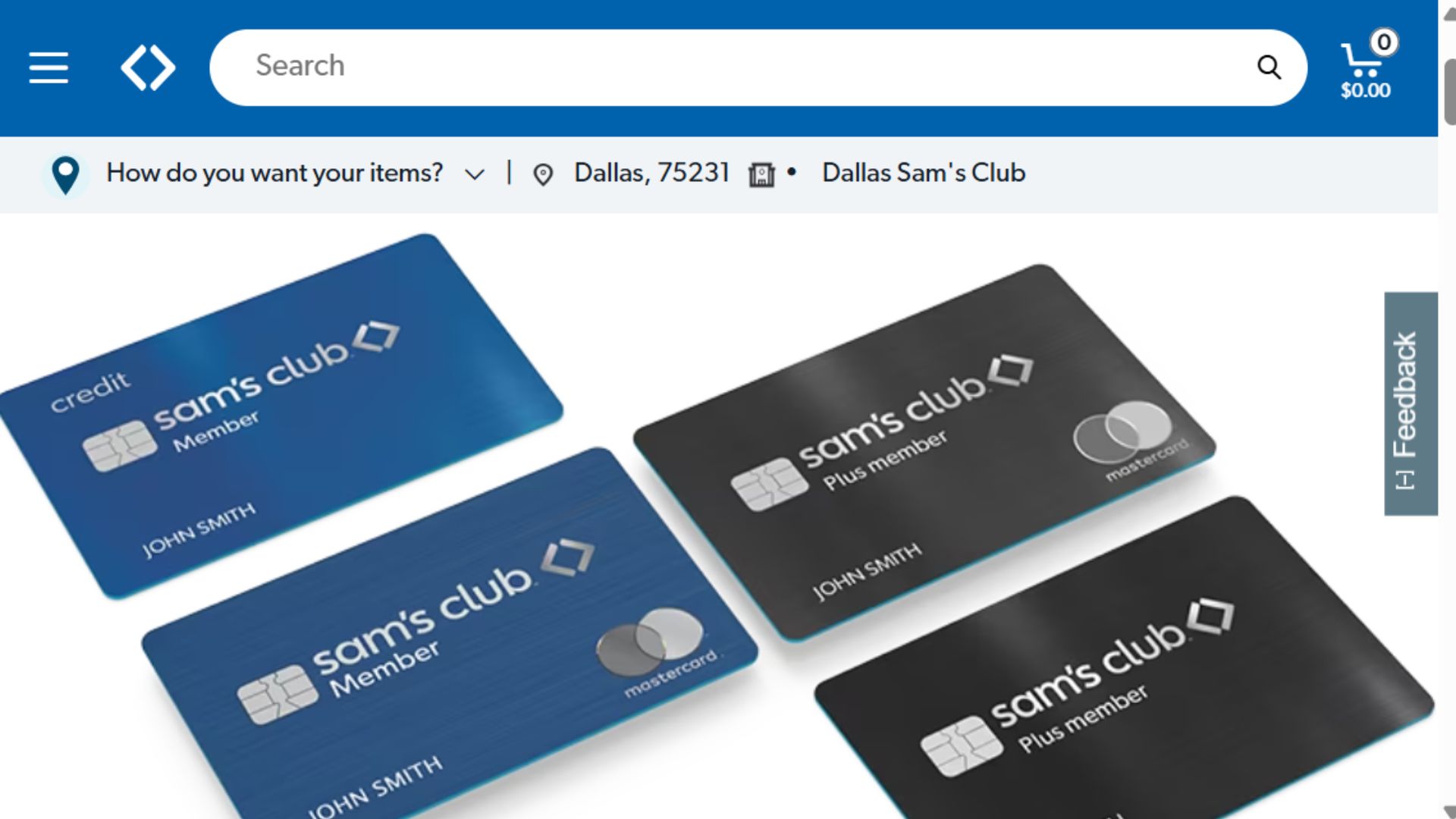
Best for: Sam's Club members prioritizing gas savings Annual Fee: $0 (requires Sam's Club membership) Key Features: 5% cash back on gas (up to $6,000 annually, then 1%), 3% back on dining and travel, 3% at Sam's Club, 1% on all other purchases
The Sam's Club Mastercard offers the highest gas rewards rate in this comparison at 5%—a significant advantage for members who regularly fuel up at Sam's Club or other gas stations. On $6,000 in annual gas spending, you'll earn $300 cash back. The card also delivers 3% back at Sam's Club stores and on dining and travel purchases, making it a strong all-around card for club members. Unlike Costco's card, this Mastercard is more widely accepted internationally and at merchants who don't take Visa.
Rewards are credited to your Sam's Club account and can be redeemed for statement credits or merchandise, offering more flexibility than Costco's annual certificate system. Plus members receive 5% cash back at Sam's Club (standard members receive 3%), creating differentiation within the membership tiers. The card includes extended warranty protection, price protection, and travel accident insurance. However, like the Costco card, you're tied to maintaining your Sam's Club membership to keep the card active and maximize value.
Pros:
Industry-leading 5% gas rewards
3% back on dining, travel, and Sam's Club purchases
More flexible redemption than Costco's annual certificate
Extended warranty and purchase protections
Mastercard's wide global acceptance
Cons:
Requires Sam's Club membership
$6,000 annual cap on 5% gas rewards
Plus membership needed for 5% at Sam's Club
Card closed if membership lapses
Limited value if you don't shop at Sam's Club
10. Discover it® Cash Back

Best for: New cardholders maximizing first-year value Annual Fee: $0 Key Features: 5% cash back on rotating quarterly categories (up to $1,500 per quarter), 1% on all other purchases, Cashback Match™—Discover doubles all cash back earned in first year
The Discover it Cash Back becomes exceptionally valuable in year one thanks to Cashback Match, which doubles all rewards earned during your first 12 months. This means the rotating 5% categories effectively earn 10%, and the base 1% becomes 2%. If gas stations and grocery stores appear in your first year's rotating categories and you maximize the $1,500 quarterly limits, you could earn $300+ in those categories alone—doubled to $600. This makes it the highest-earning card for new cardholders willing to engage with the rotating category system.
Beyond the first year, it functions similarly to Chase Freedom Flex with 5% rotating categories requiring quarterly activation. Discover's customer service consistently receives high marks, and they pioneered $0 fraud liability and free FICO score access. The main limitation is Discover's acceptance—while it's taken at 99% of U.S. merchants that accept credit cards, international acceptance lags significantly behind Visa and Mastercard. Rotating categories require attention, and after year one, the rewards structure is solid but not exceptional compared to competitors.
Pros:
First-year Cashback Match doubles all rewards
5% rotating categories include gas and groceries
No annual fee with unlimited earning (up to caps)
Excellent customer service reputation
Free FICO score and fraud monitoring
Cons:
Cashback Match only applies to first year
Limited international merchant acceptance
Rotating categories require quarterly activation
After year one, rewards are standard
No premium travel or purchase benefits
Comparison Overview
When comparing these cards across key metrics, a clear hierarchy emerges based on spending patterns and priorities. For grocery spending, the Blue Cash Preferred leads with 6% back (up to $6,000 annually) but requires a $95 annual fee that necessitates spending at least $1,584 annually to break even. The SavorOne and Autograph both offer 3% with no fees or caps, making them suitable for moderate grocery spenders or those who want simplicity.
For gas station spending, Sam's Club (5%) and Costco Anywhere Visa (4%) lead but require warehouse memberships. The Altitude Go offers 4% with no membership requirement, making it the best standalone gas card. Custom Cash provides 5% gas rewards but only if gas is your highest spending category that month and you stay under $500 monthly.
Setup complexity varies significantly. Cards like SavorOne, Autograph, and Altitude Go require zero ongoing management—just use them and earn. Rotating category cards (Freedom Flex, Discover it) demand quarterly attention to activate categories and track limits. The Custom Cash automates category selection but limits you to one 5% category monthly. Warehouse club cards tie you to maintaining memberships, adding an external requirement.
Who each is best for breaks down clearly: high grocery spenders benefit from Blue Cash Preferred; commuters prioritize Altitude Go or warehouse club cards for gas; diverse spenders without time for optimization prefer SavorOne or Autograph; strategic cardholders who track spending excel with Freedom Flex or Custom Cash; and warehouse club members obviously benefit from their respective cards.
Buying Guide: Who Needs a Gas and Grocery Credit Card
Gas and grocery credit cards serve households looking to maximize returns on unavoidable, recurring expenses. If you're spending $400+ monthly on groceries and $150+ on gas—typical for American families—you're handling over $6,600 in annual spending that generates minimal or zero rewards on a standard flat-rate cash back card. A specialized gas and grocery card can transform this into $200-400+ in annual rewards, essentially giving yourself a raise without changing your spending habits.
These cards benefit individuals and families with predictable spending in these categories who pay their credit card balances in full monthly. The rewards become meaningless if you're carrying balances and paying interest—even a moderate 18% APR would cost $120 annually on a $1,000 average balance, wiping out most rewards. Consider your actual spending using the past three months of bank statements. Calculate category-specific totals for groceries and gas, then model how much you'd earn with different cards to identify which delivers maximum net value for your spending pattern.
Students, young professionals with low spending volumes, and those who can't pay balances in full should prioritize no-fee, no-interest, or secured cards focused on building credit rather than optimizing rewards. Similarly, if you spend minimally in these categories—perhaps you walk to work and eat out frequently—specialized gas and grocery cards won't deliver meaningful value compared to general cash back or dining-focused cards.
How These Cards Work
Gas and grocery credit cards function like standard credit cards but offer enhanced rewards rates in specific merchant categories. When you use the card at a qualifying merchant—identified by merchant category codes in the payment processing system—you automatically earn the bonus rate. For example, purchasing $100 in groceries at a supermarket with a 6% card generates $6 in rewards, compared to $1-2 with a standard card.
The key is understanding category definitions, which vary by issuer and can be surprisingly specific. "Supermarkets" typically means traditional grocery stores like Kroger, Safeway, or Publix, but excludes warehouse clubs (Costco, Sam's Club) and supercenters (Walmart, Target). "Gas stations" generally covers fuel purchases at branded stations but may exclude purchases inside the station convenience store. Reading the fine print prevents disappointment when a purchase at a wholesale club doesn't earn your expected supermarket rate.
Rotating category cards require quarterly activation—usually a simple click in your mobile app or online account. Failure to activate means you'll earn only the base rate (typically 1%) rather than the bonus rate (5%). Set quarterly reminders if you choose this card type. Annual spending caps are calculated per calendar year or cardmember year depending on the issuer, and many reset on January 1st. Once you hit the cap, bonus earnings drop to the base rate for the remainder of the year, making it valuable to track your progress if you're a high spender.
What Features to Consider When Choosing
Rewards structure should be your primary consideration—specifically the earn rate, spending caps, and how they align with your actual spending. Calculate your annual spending in groceries and gas, then model earnings under each card's structure. A 6% card with a $6,000 cap might earn less than a 3% uncapped card if you spend $10,000 annually. Don't forget to account for annual fees in your break-even analysis.
Category definitions and restrictions can make or break a card's value. Verify that where you actually shop qualifies for bonus rates—if you buy most groceries at Walmart or Target, many "supermarket" cards won't give you bonus rewards. Check whether warehouse clubs, online grocery delivery services, or subscription meal services qualify. Gas station definitions usually cover major brands but may exclude purchases at club stores or superstores with fuel centers.
Additional benefits often provide underappreciated value. Cell phone protection ($600+ of coverage) can save you from a costly replacement. Purchase protection and extended warranties add security to major purchases. Foreign transaction fees (typically 2.7%) matter if you travel internationally—they can negate rewards earned abroad. Finally, consider issuer reputation and customer service quality. A card with stellar rewards but terrible customer service becomes frustrating when you need help with a disputed charge or lost card.
Pricing Overview and Considerations
Annual fees for gas and grocery cards range from $0 to $95 in this category. The most important metric isn't the fee itself but the net value after fees—total rewards earned minus annual fee. The Blue Cash Preferred's $95 fee breaks even at approximately $1,584 in annual grocery spending (earning $95 in rewards). Below that threshold, a no-fee card like SavorOne delivers better net value despite lower percentage rewards. Above that threshold, Blue Cash Preferred pulls ahead significantly.
Interest rates (APRs) on these cards typically range from 16% to 24%, varying based on your creditworthiness. However, these rates should be irrelevant to your decision—if you're carrying balances and paying interest, no rewards card makes financial sense. Interest charges will always exceed rewards earned. These cards are tools for those paying balances in full monthly, converting regular spending into rewards without incurring debt costs.
DIY Rewards Optimization vs. Set-It-and-Forget-It Options
DIY optimization involves strategically using multiple cards to maximize category bonuses. For example, you might use Blue Cash Preferred for groceries (6%), Altitude Go for gas (4%), Freedom Flex for rotating categories (5%), and a flat 2% card for everything else. This approach can generate 30-50% more rewards than using a single card, but requires tracking spending across multiple accounts, remembering which card to use where, and managing multiple payment due dates.
Set-it-and-forget-it approaches use one or two versatile cards for everything, prioritizing simplicity over maximum optimization. Cards like SavorOne, Autograph, or Custom Cash provide strong returns (3-5%) across multiple everyday categories without rotation headaches or spending caps. You'll earn perhaps 10-20% less than a fully optimized multi-card strategy, but you'll save mental energy and reduce the risk of using the wrong card or missing an activation deadline.
The right approach depends on your personality and capacity. If you enjoy optimizing systems, track spending naturally, and don't mind managing complexity, DIY optimization delivers maximum value. If you prefer simplicity, find tracking burdensome, or have a busy life with limited attention for credit card management, a streamlined one or two-card strategy delivers excellent value with minimal effort. Both approaches vastly outperform using a no-rewards card, so choose the complexity level that you'll actually maintain consistently.
Frequently Asked Questions
Do gas and grocery credit cards have higher interest rates than regular cards?
No, gas and grocery credit cards typically have interest rates comparable to other rewards cards in the same tier, usually ranging from 16% to 24% APR based on your creditworthiness. The rewards structure doesn't correlate with interest rates—issuers don't charge more interest to fund rewards programs. However, interest rates shouldn't factor into your decision because carrying a balance on any rewards card is financially counterproductive. Even modest interest charges will exceed all rewards earned, making the entire exercise pointless. These cards are designed for people who pay balances in full monthly, earning rewards without incurring any interest costs.
Can I use a grocery credit card at warehouse clubs like Costco or Sam's Club?
This depends on the specific card's merchant category definitions. Most cards define "supermarkets" as traditional grocery stores (Kroger, Safeway, Albertsons, Publix, etc.) and specifically exclude warehouse clubs, supercenters, and discount stores. For example, the Blue Cash Preferred excludes Costco, Sam's Club, Walmart, and Target from the 6% supermarket category—you'd earn only 1% at these merchants. However, the Bank of America Customized Cash Rewards explicitly includes wholesale clubs in its 2% grocery category. The warehouse-specific cards (Costco Anywhere Visa and Sam's Club Mastercard) obviously reward purchases at their respective clubs. Always check your card's terms or call the issuer to confirm whether your preferred shopping locations qualify for bonus rewards.
What's better for maximizing rewards: one premium card or multiple no-fee cards?
The mathematical answer depends entirely on your spending patterns and willingness to manage complexity. A single premium card like Blue Cash Preferred can deliver $400-600 in annual rewards for high-spending households, with net value of $305-505 after the $95 fee. A multi-card strategy using no-fee cards—perhaps Custom Cash for rotating 5% categories, Altitude Go for 4% gas, and SavorOne for 3% groceries—could generate $500-700 in rewards with zero fees for a family strategically using each card for its strongest category. The multi-card approach wins mathematically but requires tracking multiple accounts, due dates, and category rules. For most people, the optimal strategy is a premium card for your highest spending category plus one versatile no-fee card to fill gaps, balancing rewards maximization with manageable complexity.
Do these cards affect my credit score differently than other credit cards?
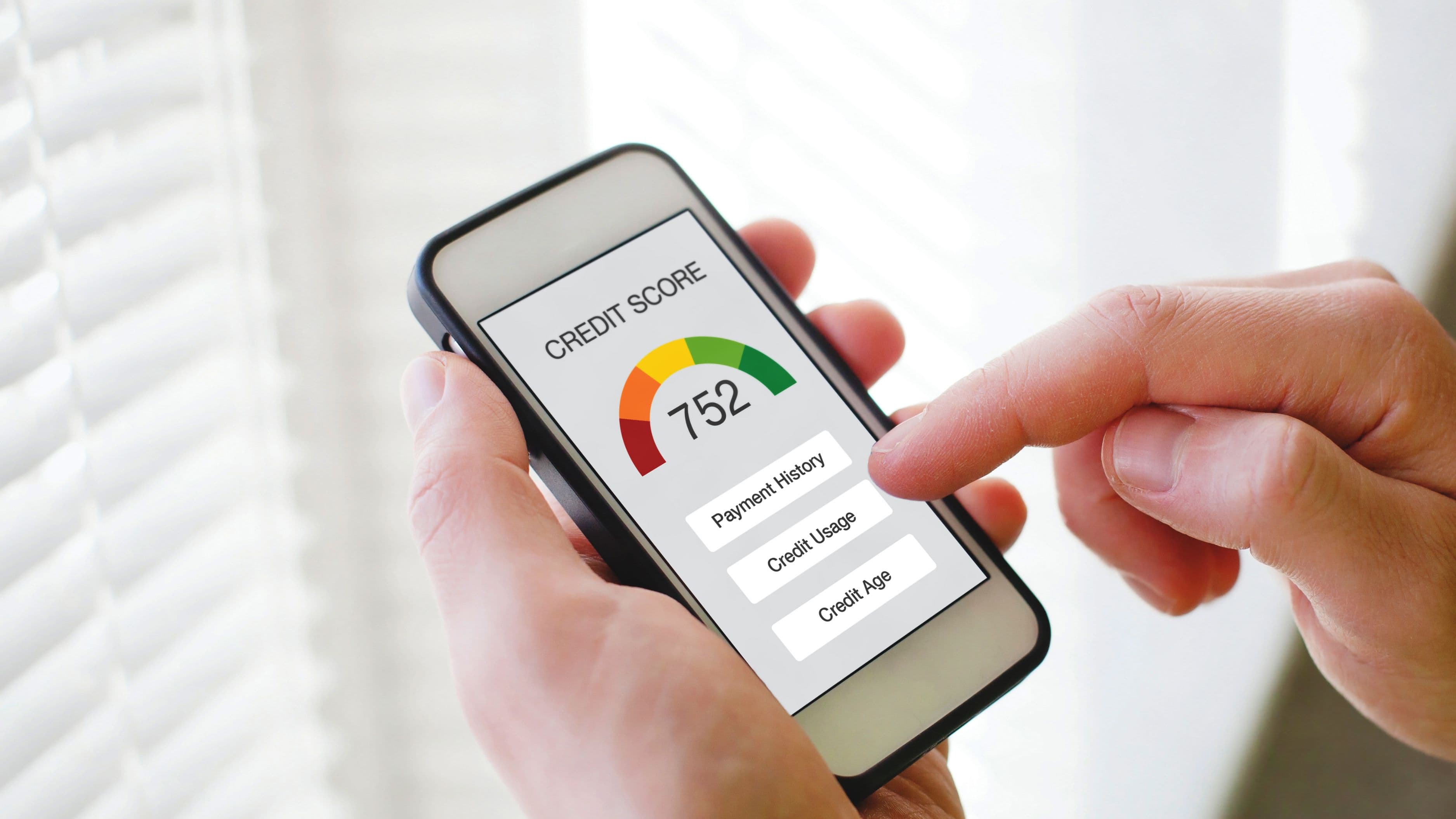
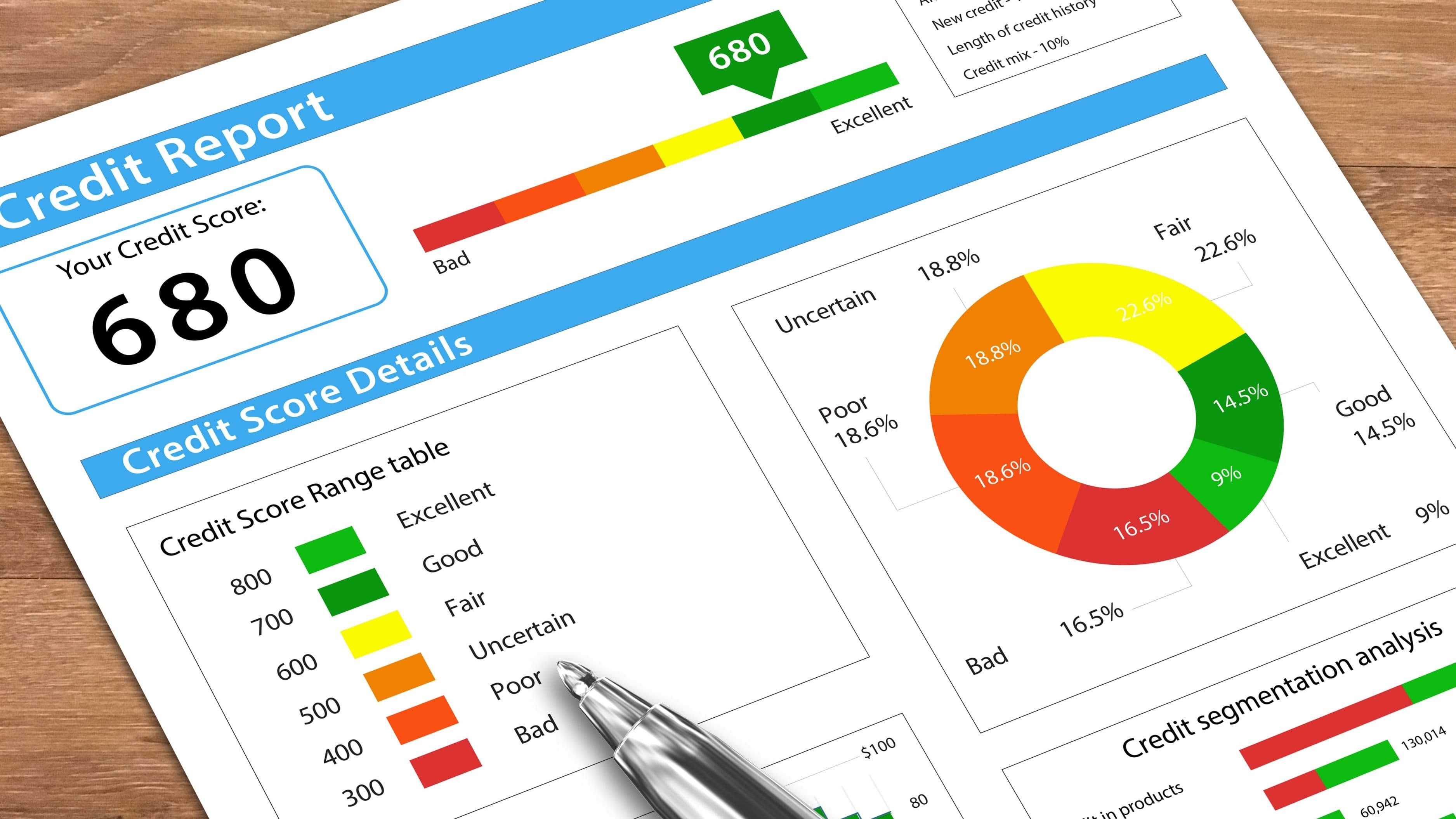
No, gas and grocery rewards cards affect your credit score identically to any other credit card. What matters for your credit score is your payment history (paying on time), credit utilization (keeping balances low relative to limits), length of credit history, and mix of credit types—not the specific rewards structure. Opening any new card causes a small temporary score decrease from the hard inquiry and lowered average account age, but this typically recovers within a few months. Using rewards cards responsibly—keeping utilization under 30%, paying balances in full, and making all payments on time—will maintain or improve your score over time. The only credit score consideration unique to these cards is ensuring you can manage multiple cards if you're pursuing a multi-card strategy, as missed payments on any card damage your score significantly.
Should I worry about spending caps on bonus categories?
Spending caps matter primarily for high-volume spenders. If you're spending $500+ monthly in a capped category, you should calculate whether you'll hit the cap and have a backup strategy. For example, Blue Cash Preferred caps supermarket rewards at $6,000 annually ($500 monthly)—if you spend $700 monthly on groceries, you'll max out the category by September. Your strategy might be to use Blue Cash Preferred until you hit the cap, then switch to an uncapped 3% card like SavorOne for the rest of the year. Alternatively, some households split grocery spending between partners, each using their own Blue Cash Preferred to effectively double the cap. For average spenders who won't approach the caps, they're irrelevant and shouldn't factor into your decision. Calculate your actual spending first, then evaluate whether caps will limit your earning potential.