
We've rigorously evaluated the leading fitness, nutrition, and mental health apps to identify platforms that actually deliver sustained value, effective behavior change tools, and results worth their subscription costs. From AI-powered workout coaching to evidence-based mental health support and comprehensive nutrition tracking, these apps represent the most effective digital wellness solutions available in 2026. Here are the top 10 fitness, nutrition, and mental health apps worth your subscription investment.
Top 10 Best Fitness, Nutrition & Mental Health Apps
Verv – Best for holistic wellness combining fitness, nutrition, and mental health
Calm – Best for meditation, sleep, and stress management
Headspace – Best for guided meditation and mindfulness training
MyFitnessPal – Best for comprehensive nutrition tracking and food logging
Noom – Best for psychology-based weight loss and behavior change
Future – Best for personalized 1-on-1 remote personal training
Peloton Digital – Best for live and on-demand fitness classes
BetterHelp – Best for affordable online therapy and counseling
Strava – Best for runners and cyclists with social features
Whoop – Best for recovery tracking and performance optimization
Our Methodology
We evaluated each wellness app based on five critical criteria to ensure they provide genuine value and sustainable results:
Effectiveness and evidence-based approach: We prioritized apps utilizing proven behavior change frameworks, scientific research, clinical expertise, or validated methodologies rather than trendy wellness fads without evidence backing.
User experience and personalization: We assessed onboarding quality, interface intuitiveness, content variety, AI-powered customization, and how well each app adapts to individual user needs, preferences, and progress over time.
Value for subscription cost: We analyzed pricing models, included features, content libraries, ongoing support, and whether subscription costs align reasonably with delivered value compared to alternatives like gym memberships or traditional services.
Long-term engagement and retention: We examined features promoting sustained use beyond initial motivation—progressive programs, social accountability, varied content preventing boredom, and tools maintaining engagement when enthusiasm naturally wanes.
Customer results and satisfaction: We analyzed thousands of verified user reviews, success stories, retention statistics, app store ratings, and independent research on outcomes rather than relying solely on company marketing claims.
Detailed Reviews
1. Verv – Best for Holistic Wellness Combining Fitness, Nutrition, and Mental Health
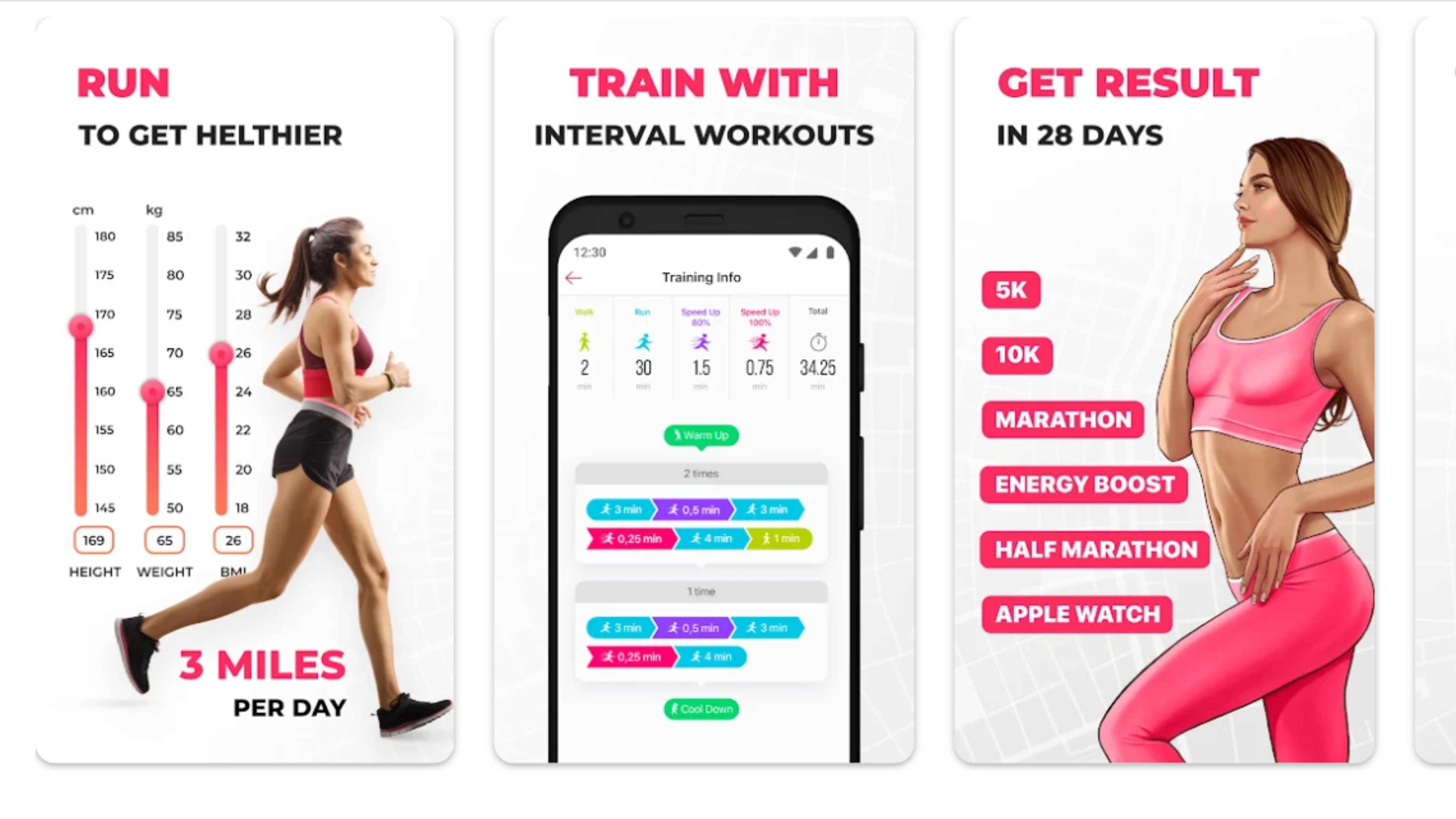
Best for: People seeking comprehensive wellness support across multiple health dimensions
Pricing from: $9.99/month or $39.99/year
Key features: Personalized workout plans, meal planning, meditation, weight loss programs, wellness tracking
Verv takes a refreshingly holistic approach to digital wellness by integrating fitness training, nutrition guidance, meditation practices, and habit tracking into a single comprehensive platform. Rather than forcing users to juggle separate apps for different wellness dimensions, Verv recognizes that sustainable health improvement requires addressing physical fitness, nutrition, mental wellbeing, and behavior change simultaneously.
The app's strength lies in its personalization engine that creates customized wellness plans based on your goals, fitness level, dietary preferences, and available time. Whether you're focusing on weight loss, building strength, improving flexibility, or managing stress, Verv builds integrated programs combining appropriate workouts (from beginner-friendly to advanced), meal suggestions with grocery lists, guided meditations, and daily habit-building exercises. The platform includes audio-coached workouts for cardio, strength, yoga, and walking, plus mindfulness sessions addressing anxiety, sleep, focus, and emotional wellbeing.
What makes Verv particularly valuable for busy individuals is its realistic approach to wellness—workouts range from quick 7-minute sessions to comprehensive 45-minute routines, meal plans accommodate various dietary restrictions and cooking skill levels, and meditation sessions fit into tight schedules. The app's wellness tracker helps you monitor progress across multiple health metrics rather than obsessing over single numbers like weight. While Verv's depth in any single category may not match specialized apps, its integrated approach provides exceptional value for people wanting comprehensive wellness guidance without managing multiple subscriptions or switching between apps.
Pros:
Comprehensive approach covering fitness, nutrition, and mental health
Highly personalized plans adapting to your progress
Affordable subscription with extensive content
Flexible workout durations for busy schedules
Includes meal planning with grocery lists
Cons:
Less social features than fitness-focused apps
Workout variety smaller than specialized fitness apps
Some advanced features require premium subscription
May feel overwhelming initially with multiple wellness components
2. Calm – Best for Meditation, Sleep, and Stress Management
Best for: Anyone struggling with stress, anxiety, or sleep quality
Pricing from: $14.99/month or $69.99/year
Key features: Guided meditations, sleep stories, breathing exercises, masterclasses, nature soundscapes
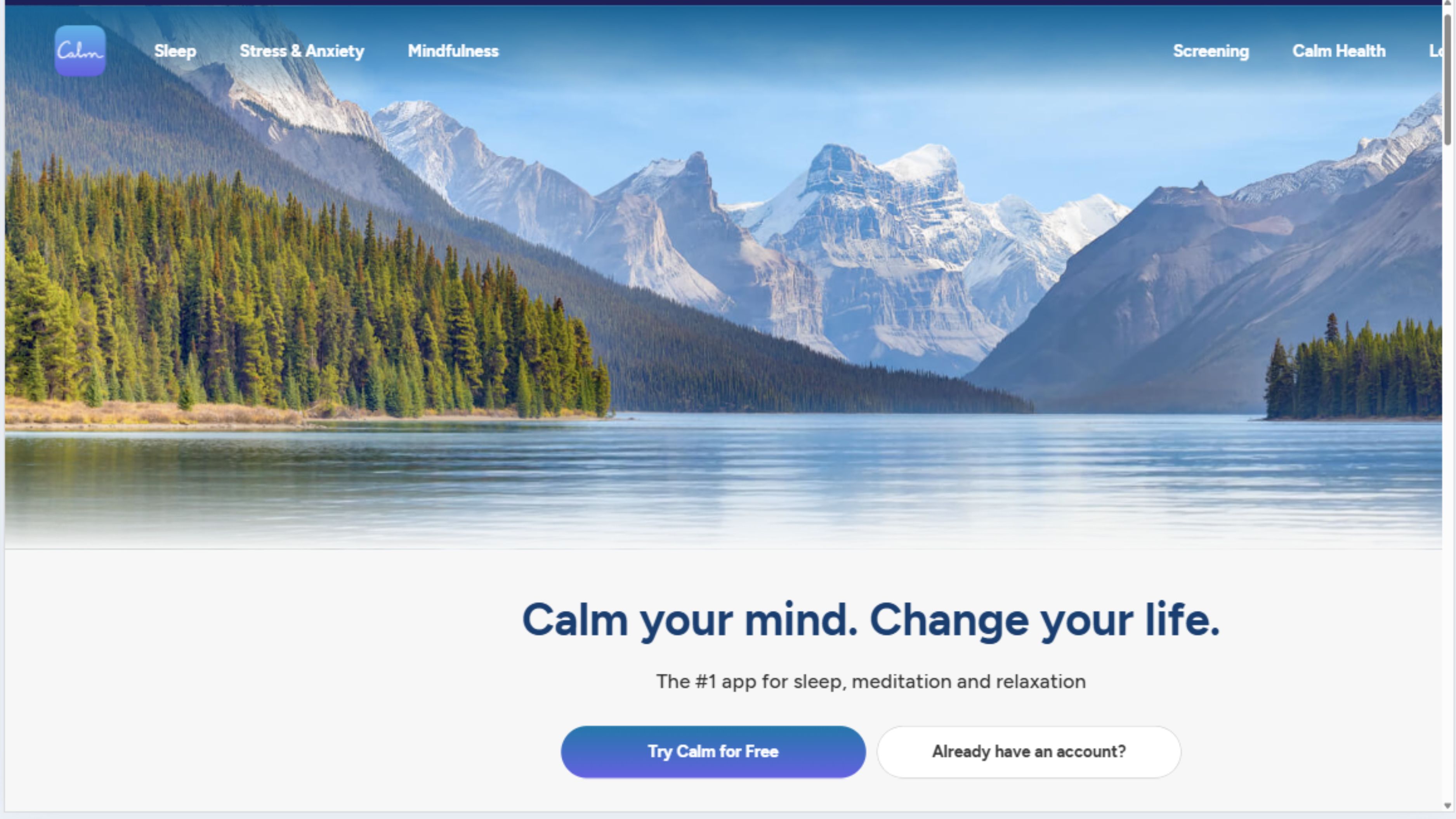
Calm has become synonymous with digital meditation, building a comprehensive mental wellness platform that extends far beyond basic mindfulness exercises. With over 100 million downloads and partnerships with major employers and healthcare systems, Calm represents the mainstream acceptance of meditation as legitimate mental health support rather than alternative wellness trend.
The app's extensive library includes guided meditations for every conceivable situation—managing anxiety, improving focus, building resilience, cultivating gratitude, or simply relaxing. Sessions range from 3-minute breathing exercises perfect for stressful moments to 30+ minute deep meditation practices. Calm's Sleep Stories—narrated bedtime stories read by soothing voices including celebrities like Matthew McConaughey—have helped millions fall asleep more easily, addressing the sleep difficulties affecting 50-70 million Americans. Additional content includes masterclasses from meditation experts, movement and stretching videos, and an extensive soundscape library with nature sounds, music, and binaural beats.
What distinguishes Calm is production quality and accessibility—every session features professional audio engineering, calming visuals, and clear instruction suitable for complete beginners while offering depth for experienced practitioners. The Daily Calm provides a new 10-minute meditation daily, encouraging consistent practice. While the subscription cost is higher than some meditation apps, Calm's comprehensive content library, consistent quality, and proven effectiveness in reducing stress and improving sleep justify the investment for people serious about mental wellness. Many employers and health insurance plans now include Calm subscriptions, making it potentially free through workplace benefits.
Pros:
Extensive, high-quality meditation and sleep content
Celebrity narrators and professional production
Suitable for beginners through advanced practitioners
Daily new content encourages consistency
Often included free through employer wellness programs
Cons:
Higher subscription cost than competitors
Some features locked behind premium tier
Overwhelming content selection for beginners
Limited social or accountability features
3. Headspace – Best for Guided Meditation and Mindfulness Training
Best for: Meditation beginners wanting structured learning and people seeking evidence-based mindfulness
Pricing from: $12.99/month or $69.99/year
Key features: Structured meditation courses, mindfulness exercises, sleep content, focus music, stress management
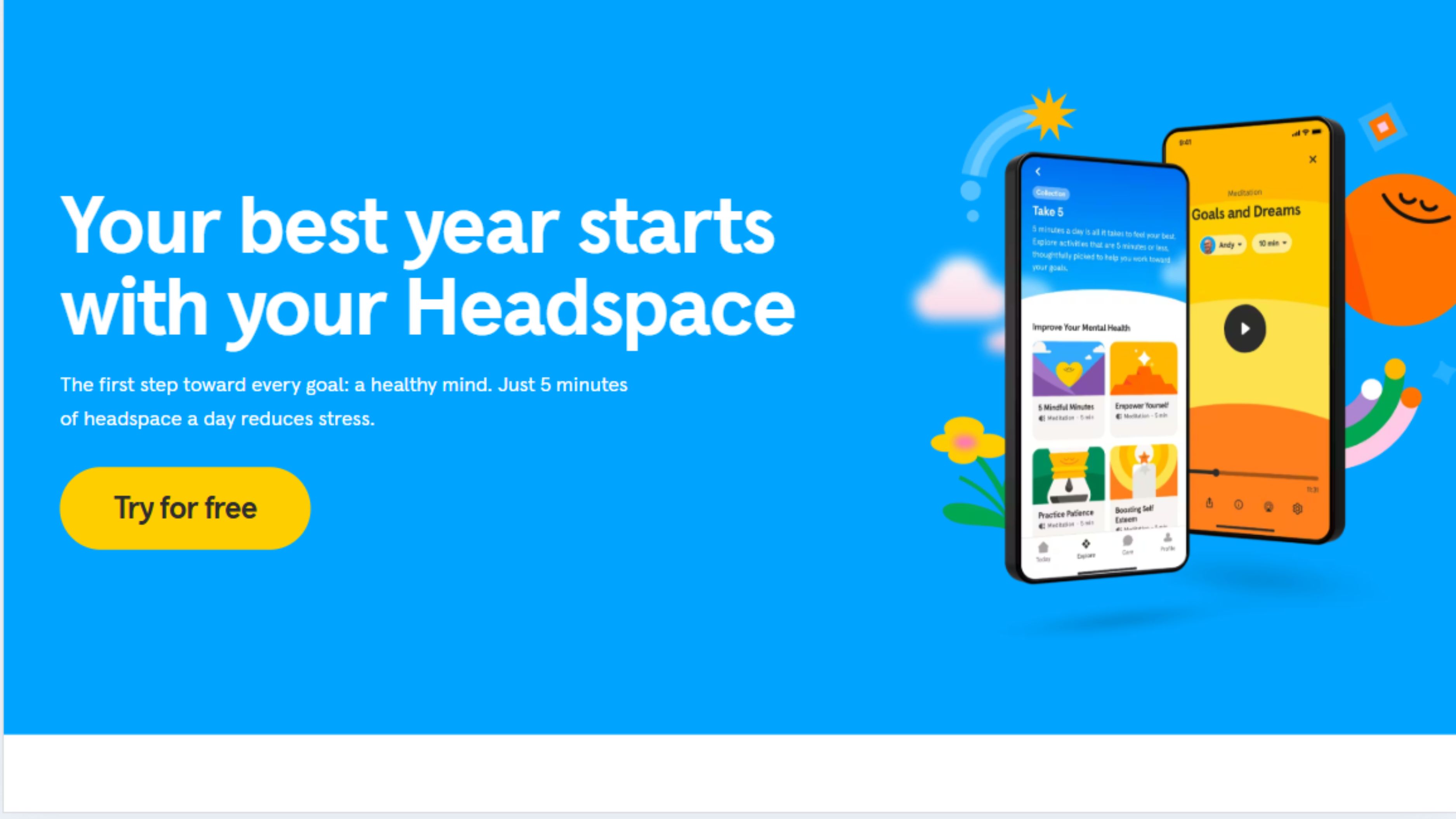
Headspace pioneered accessible, secular meditation through its friendly approach and structured curriculum that teaches mindfulness fundamentals before advancing to specific applications. Co-founded by former Buddhist monk Andy Puddicombe, Headspace balances authentic meditation wisdom with modern scientific research and user-friendly design that makes meditation approachable for skeptics and beginners.
The app's strength lies in its educational structure—rather than overwhelming users with hundreds of options, Headspace guides you through progressive courses teaching core mindfulness skills. The Basics course provides foundation training in focused attention and present-moment awareness, then themed courses apply mindfulness to specific challenges like stress, anxiety, sleep, relationships, or productivity. This structured approach helps users build genuine meditation competency rather than just passively listening to guided sessions without understanding underlying principles.
Headspace has invested heavily in clinical research, conducting numerous studies published in peer-reviewed journals demonstrating effectiveness for reducing stress, improving focus, and enhancing sleep quality. Their content library includes traditional meditation, mindful movement exercises, sleep casts, focus music, and SOS exercises for acute stress moments. The Netflix partnership produced animated series explaining meditation concepts, extending Headspace's educational mission. While similar in price to Calm, Headspace's structured learning approach and research backing make it ideal for people who want to genuinely understand and develop meditation skills rather than just using it as background relaxation.
Pros:
Structured courses teach meditation fundamentals
Strong scientific research backing effectiveness
Excellent for meditation beginners
Clean, friendly interface and animations
Includes mindful movement and sleep content
Cons:
Smaller overall content library than Calm
Less variety in narration voices
Structured approach may feel limiting to experienced practitioners
Some find the style too playful
4. MyFitnessPal – Best for Comprehensive Nutrition Tracking and Food Logging
Best for: People wanting detailed nutrition tracking and calorie awareness
Pricing from: Free basic; Premium $9.99/month or $49.99/year
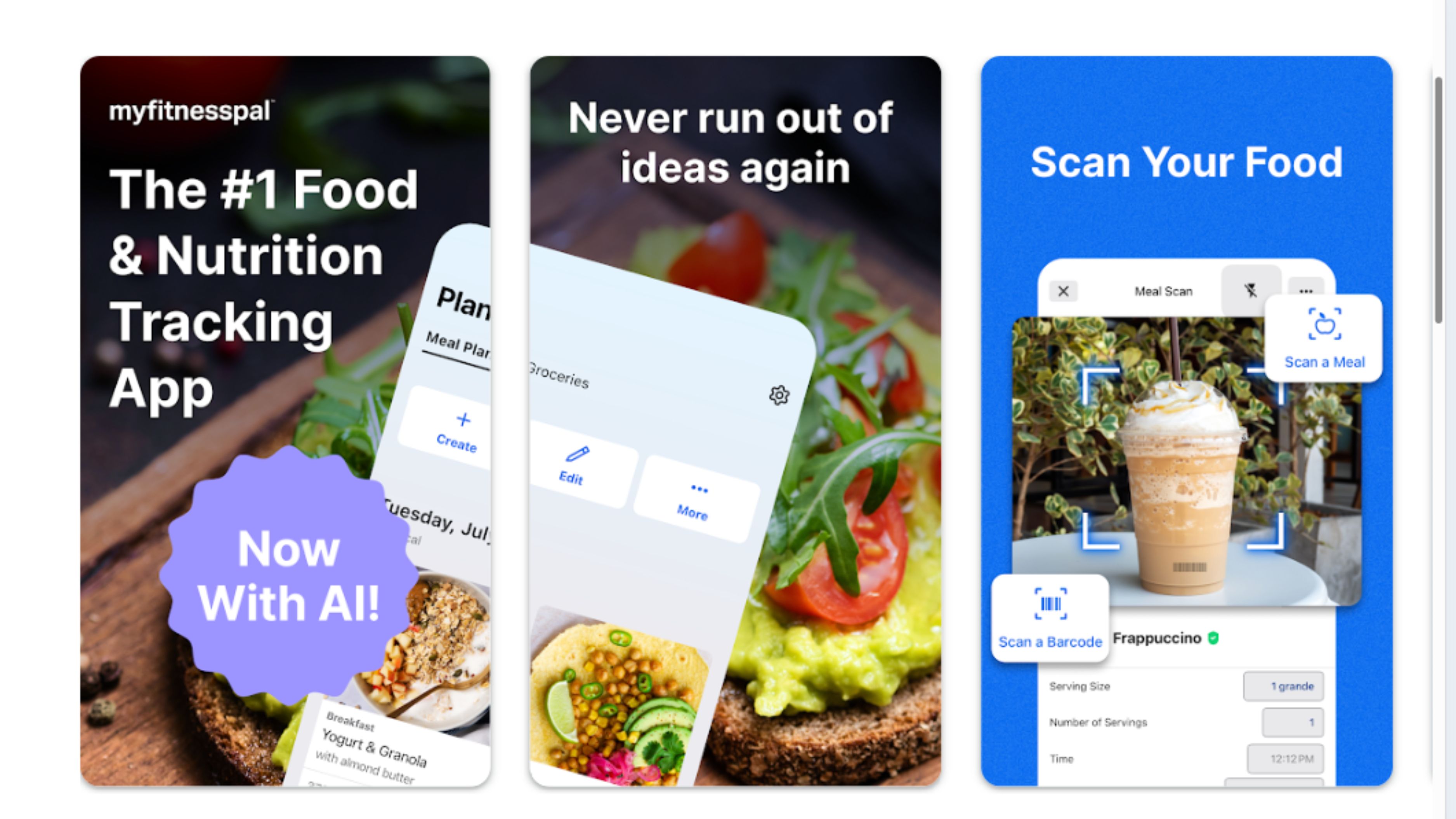
Key features: 14+ million food database, barcode scanning, macro tracking, recipe importer, exercise logging
MyFitnessPal remains the gold standard for nutrition tracking with the most comprehensive food database in the industry—over 14 million foods with detailed nutritional information. Owned by Under Armour, the platform has evolved from simple calorie counting into a sophisticated nutrition management system helping users understand not just how much they eat, but the nutritional quality and macronutrient composition of their diets.
The app's massive food database means you can find virtually anything you eat—from major restaurant chains to obscure brands to homemade recipes. Barcode scanning makes logging packaged foods instant, while the recipe importer analyzes online recipes and websites to calculate nutritional information. MyFitnessPal tracks calories, macronutrients (protein, carbs, fats), micronutrients (vitamins and minerals), fiber, sodium, sugar, and other metrics, giving complete visibility into your nutritional intake. The platform integrates with fitness apps and wearables to account for exercise, creating a complete energy balance picture.
The free version provides core functionality sufficient for most users—food logging, calorie tracking, basic macros, and exercise logging. Premium membership adds advanced features like custom macro goals (invaluable for athletes or specific diets), meal planning, intermittent fasting tracking, priority customer support, and ad-free experience. While food logging requires diligence and honesty, MyFitnessPal makes the process as painless as possible while providing the nutritional awareness that research consistently shows is critical for successful weight management. For anyone serious about nutrition—whether losing weight, building muscle, or just eating healthier—MyFitnessPal provides unmatched tracking capability.
Pros:
Industry-leading food database (14+ million items)
Free version includes core functionality
Barcode scanning and recipe import
Comprehensive macro and micronutrient tracking
Integrates with most fitness apps and wearables
Cons:
Requires daily logging discipline
User-submitted foods sometimes have errors
Premium features require subscription
Interface feels dated compared to newer apps
Can promote obsessive food monitoring for some users
5. Noom – Best for Psychology-Based Weight Loss and Behavior Change
Best for: People wanting sustainable weight loss through behavior modification
Pricing from: $59/month; packages from $129 (2 months) to $199 (annual)
Key features: Personal coaching, psychology curriculum, food logging, weight tracking, group support
Noom revolutionized digital weight loss by prioritizing psychology and behavior change over restrictive diets or extreme exercise. Built on cognitive behavioral therapy (CBT) principles and founded by behavioral psychologists, Noom addresses the mental and emotional patterns underlying eating behaviors rather than just providing meal plans and calorie targets that most people can't sustain.
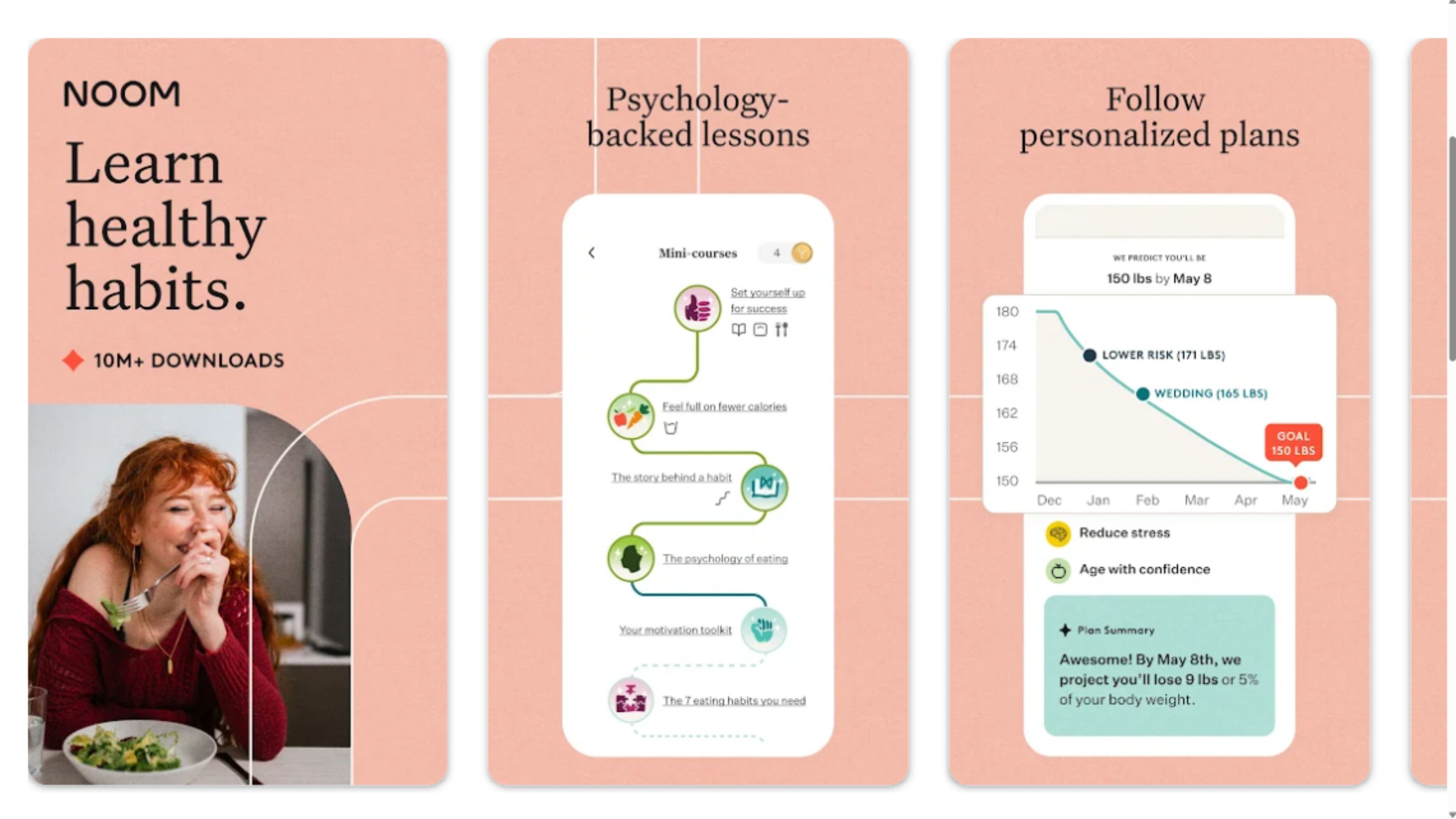
The program centers on daily psychology lessons teaching concepts like cognitive distortions, emotional eating triggers, habit formation, and sustainable behavior change. Rather than labeling foods "good" or "bad," Noom uses a color system (green, yellow, red) based on calorie density, teaching you to make satisfying choices while maintaining calorie awareness without feeling deprived. Each user receives a personal coach providing accountability, encouragement, and guidance, plus access to group support with others on similar journeys. The curriculum is progressive, building on previous lessons to create lasting mindset shifts.
What makes Noom effective is its focus on sustainability—rather than promising rapid weight loss through extreme restriction, Noom aims for steady progress (1-2 pounds weekly) through manageable changes you can maintain permanently. Clinical studies show Noom users lose significant weight and, more importantly, maintain losses long-term better than traditional diet programs. The subscription cost is substantially higher than basic tracking apps, but includes personal coaching and comprehensive curriculum that bridges the gap between free apps and expensive human coaching. For people who've failed at traditional diets and recognize their weight challenges involve psychological factors beyond just food choices, Noom's investment can deliver transformative results.
Pros:
Psychology-based approach addresses root causes
Personal coaching provides accountability
No foods are forbidden (sustainability focus)
Clinical research backing effectiveness
Group support and community features
Cons:
Significantly higher cost than basic nutrition apps
Requires daily engagement with lessons
Some find coaches less responsive than expected
Food logging still requires effort
Monthly costs add up for long-term use
6. Future – Best for Personalized 1-on-1 Remote Personal Training
Best for: People wanting accountability and expertise of personal training without gym visits
Pricing from: $149/month
Key features: Dedicated personal trainer, custom workout plans, form review, daily check-ins, Apple Watch integration
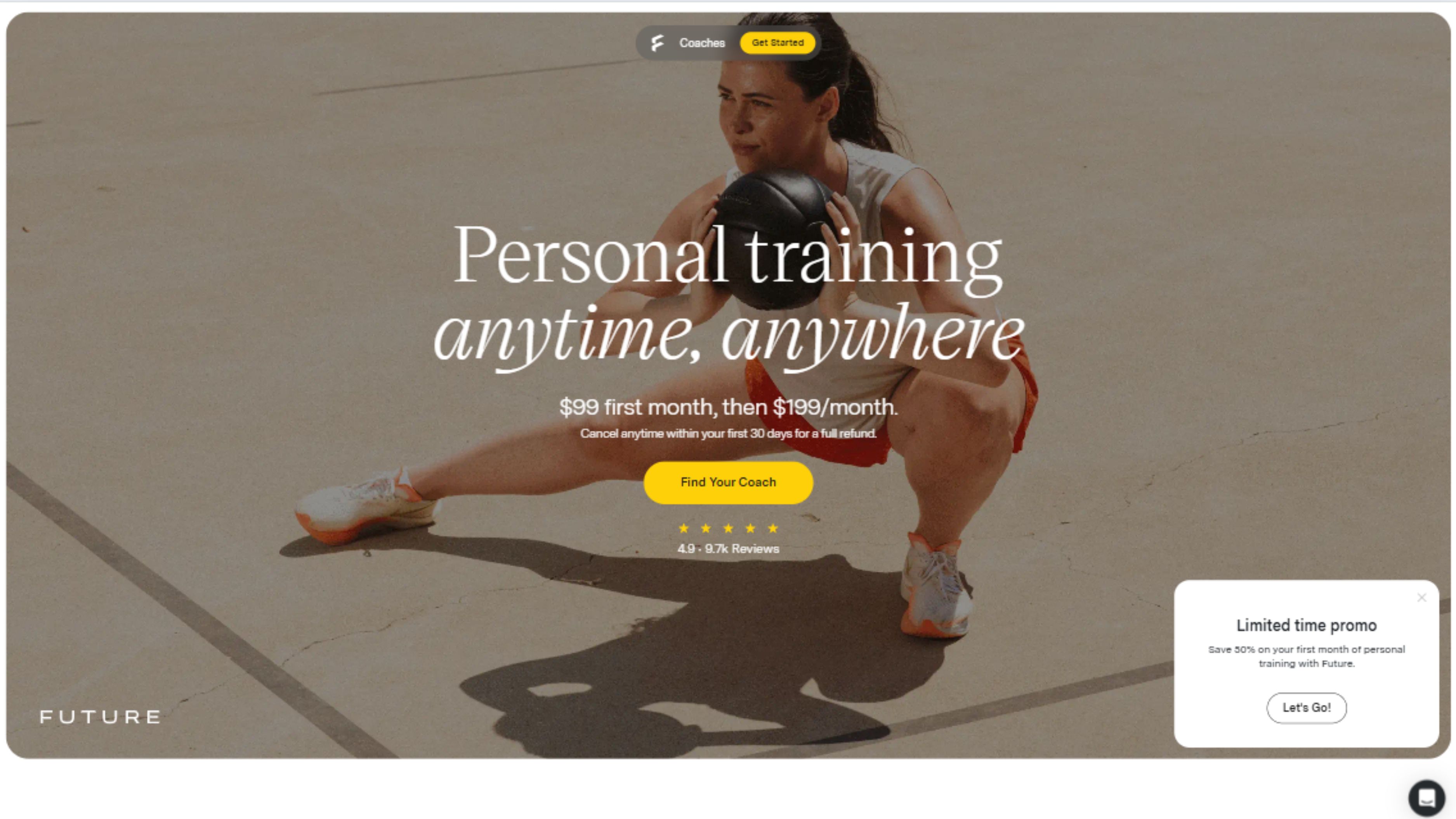
Future bridges the gap between generic workout apps and in-person personal training by pairing you with a dedicated remote personal trainer who designs custom workouts, monitors your progress, and provides ongoing coaching through messaging and video. While significantly more expensive than standard fitness apps, Future costs far less than traditional personal training (typically $60-100 per hour session) while delivering comparable guidance and accountability.
The experience begins with detailed intake assessing your fitness level, goals, equipment access, preferences, and schedule. Future matches you with a trainer from their network of certified professionals (typically with 5+ years experience) who creates completely personalized workout programs adapting weekly based on your performance, feedback, and progress. Workouts integrate seamlessly with Apple Watch, tracking your heart rate, effort, and form in real-time. Your trainer reviews workout data, sends encouraging messages, answers questions within hours, and adjusts programming to keep you progressing while avoiding plateaus or overtraining.
What makes Future worth its premium price is the authentic relationship and accountability—you're not just following an algorithm but working with a real person invested in your success. This human element dramatically improves adherence compared to self-directed apps. Your trainer celebrates achievements, problem-solves obstacles, and maintains motivation when enthusiasm wanes. The unlimited messaging creates genuine coach-client relationships. For people who struggle with consistency, need form guidance to prevent injury, want programming expertise, or simply perform better with accountability, Future delivers personal training's benefits at a fraction of traditional cost.
Pros:
Real personal trainer relationship and expertise
Completely customized programming
Strong accountability and motivation
Form review prevents injury
Far cheaper than in-person training
Cons:
Premium pricing ($149/month)
Requires Apple Watch for full experience
Limited to iOS ecosystem currently
Asynchronous communication (not live sessions)
Trainer quality may vary
7. Peloton Digital – Best for Live and On-Demand Fitness Classes
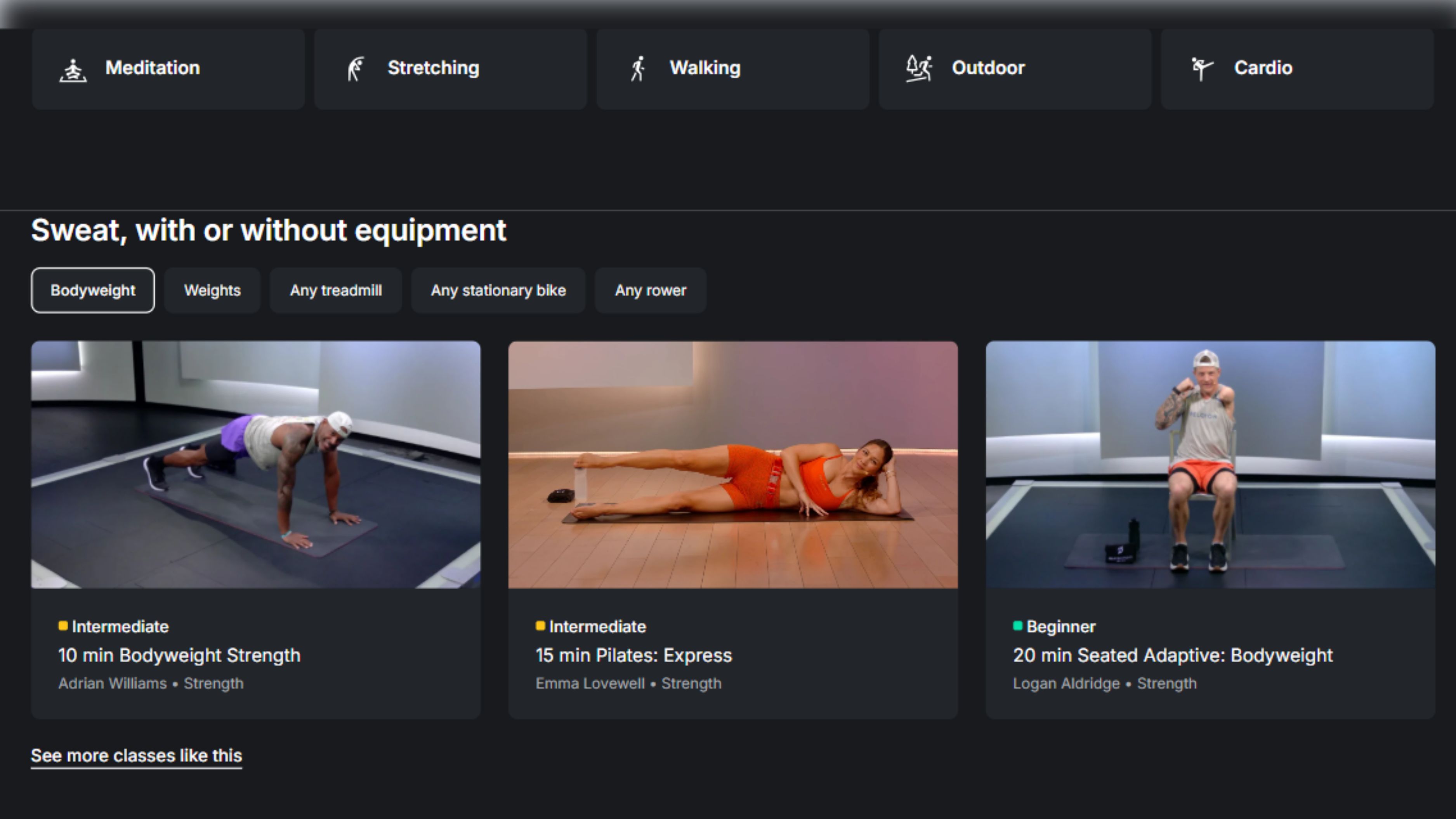
Best for: People wanting boutique fitness class experiences at home
Pricing from: $12.99/month (app only)
Key features: Live and on-demand classes, world-class instructors, multiple workout types, community features
Peloton democratized boutique fitness by bringing the energy, expertise, and production quality of premium studio classes into homes worldwide. While famous for their connected bikes and treadmills, Peloton Digital provides access to their entire class library through a standalone app subscription—no equipment required beyond a smartphone or tablet.
The platform offers extraordinary variety: cycling, running, strength training, yoga, stretching, meditation, walking, hiking, outdoor running, bootcamp, boxing, Pilates, barre, and more. Classes range from 5-minute targeted sessions to 90-minute comprehensive workouts, taught by world-class instructors who bring genuine personality, expertise, and motivational energy. The production quality is exceptional—professional cinematography, perfectly curated music (licensed from major artists), and dynamic presentation that makes home workouts engaging rather than tedious.
Peloton's magic lies in its instructor community and class structure that replicates studio fitness energy. Instructors like Robin Arzón, Cody Rigsby, and Ally Love have cult followings, and their coaching combines technical expertise with authentic motivation. Live classes create real-time competition through leaderboards (when using connected equipment) and scheduled community experience. The platform tracks all workout history, awards achievements, and includes social features connecting you with friends. At $12.99/month, Peloton Digital costs less than a single boutique fitness class while providing unlimited access to thousands of world-class workouts. For people missing group fitness energy or wanting instructor-led variety, Peloton Digital delivers unmatched value.
Pros:
Exceptional class variety and quality
World-class instructor expertise and personality
Live and on-demand options for scheduling flexibility
Significantly cheaper than boutique fitness memberships
Strong community and social features
Cons:
Full experience requires connected equipment (expensive)
App-only lacks leaderboard and metrics
Can feel overwhelming with so much content
Instructors' personalities may not resonate with everyone
Requires reliable internet for streaming
8. BetterHelp – Best for Affordable Online Therapy and Counseling
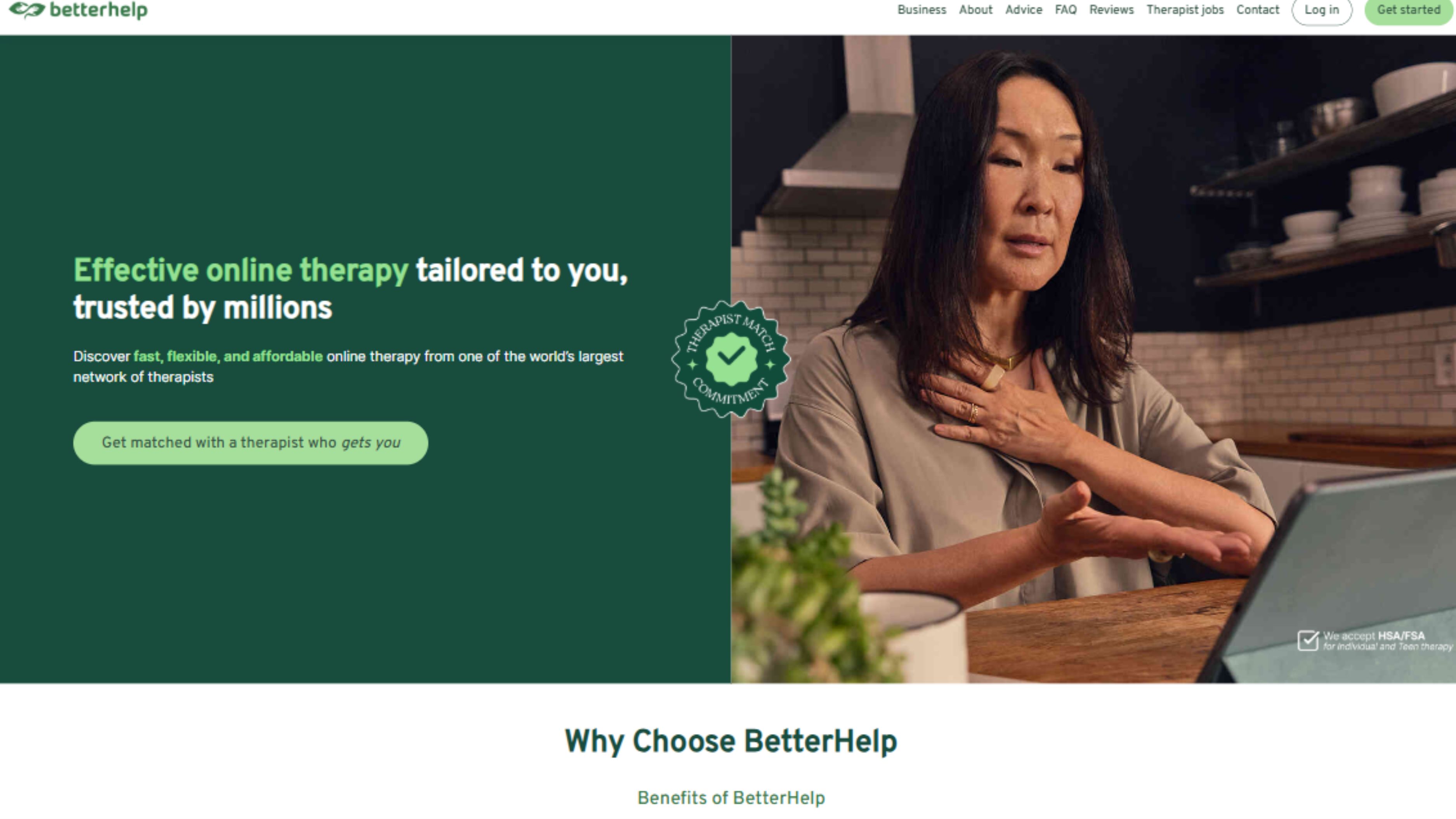
Best for: People seeking professional mental health support without traditional therapy barriers
Pricing from: $60-90/week ($240-360/month), billed monthly
Key features: Licensed therapists, messaging therapy, live sessions, flexible scheduling, insurance acceptance growing
BetterHelp transformed mental healthcare access by creating an online platform connecting users with licensed therapists through video, phone, messaging, and live chat—eliminating traditional therapy barriers like limited local providers, scheduling inflexibility, and geographic restrictions. With over 30,000 licensed therapists in their network, BetterHelp has provided therapy to millions who otherwise might never have accessed mental health support.
The platform matches you with a therapist based on detailed intake covering your concerns, preferences, and goals. You can switch therapists anytime if the match isn't right (a crucial flexibility traditional therapy often lacks). Communication happens through your preferred modality—send messages anytime and receive responses within a day, schedule weekly live video or phone sessions, or use live chat for real-time text conversations. This flexibility suits people with unpredictable schedules, those more comfortable with written communication, or anyone wanting therapist access beyond weekly appointments.
While BetterHelp therapists are all licensed professionals (LCSWs, LPCs, psychologists, marriage counselors), the platform is best for mild to moderate mental health concerns—depression, anxiety, stress, relationship issues, life transitions, or general wellbeing support. Severe mental illness, crisis situations, or need for psychiatric medication require traditional in-person care. The cost ($60-90 weekly) is comparable to or less than traditional therapy copays, and financial aid is available. For people intimidated by traditional therapy, living in areas with limited providers, or needing schedule flexibility, BetterHelp removes obstacles while maintaining professional standards. However, it's not a replacement for crisis intervention or medication management.
Pros:
Removes traditional therapy access barriers
Licensed professional therapists
Flexible communication (messaging, video, phone, chat)
Easy therapist switching if poor match
Often cheaper than traditional therapy
Cons:
Not suitable for severe mental illness or crisis
Cannot prescribe medications
Some users report therapist responsiveness issues
Insurance coverage limited (growing but incomplete)
Less personal than in-person therapy for some
9. Strava – Best for Runners and Cyclists with Social Features
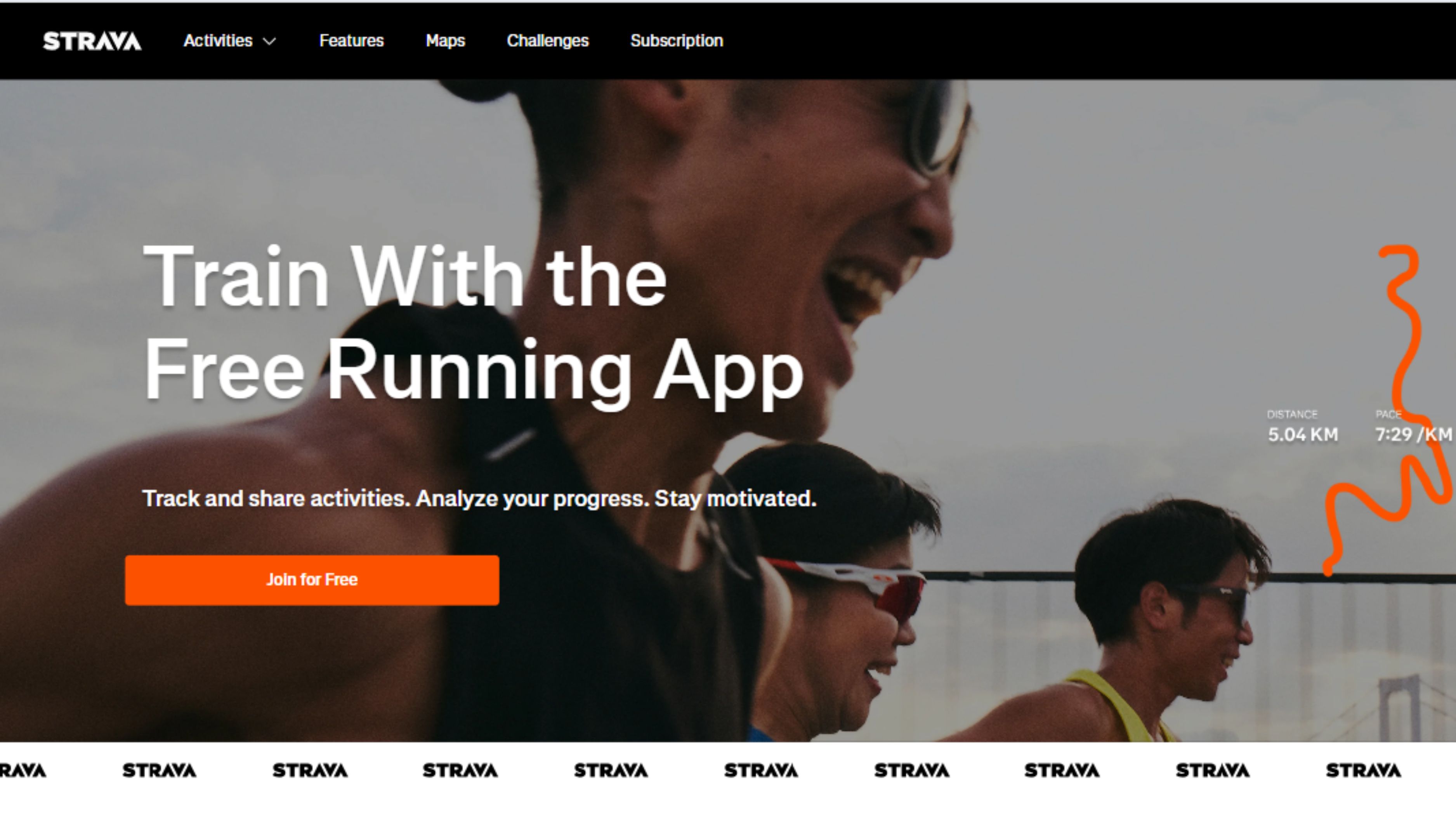
Best for: Runners and cyclists wanting detailed activity tracking and community motivation
Pricing from: Free basic; Summit $5/month or $60/year
Key features: GPS tracking, segment competitions, route discovery, social feed, training analysis
Strava has become the social network for endurance athletes, combining sophisticated GPS tracking and training analytics with community features that transform solo runs and rides into social experiences. With over 100 million athletes using the platform, Strava's power lies not just in tracking your activities but in the motivation and community connection it provides.
The free version offers robust core functionality—GPS tracking for runs, rides, hikes, and 30+ other activities, automatic route recording, basic performance metrics (pace, speed, heart rate with wearable), personal records, and the social feed showing friends' activities. The Segments feature—timed sections of popular routes where you compete against other athletes—turns every run or ride into a competition, with leaderboards showing how your times rank. This gamification creates motivation to push harder and return to favorite routes attempting personal bests.
Strava Summit (premium) adds training features valuable for serious athletes—detailed performance analysis, personalized training plans, route planning with heatmaps showing popular paths, filtered leaderboards (age group, weight class), heart rate zone analysis, and integration with training platforms like TrainingPeaks. The social features are Strava's differentiator—kudos (likes) from fellow athletes, comments on activities, club memberships, challenges and badges, and discovery of new routes from your community. For runners and cyclists who train alone but crave community support, accountability from sharing activities, or competitive motivation from segments and leaderboards, Strava transforms isolated training into social athletic pursuit.
Pros:
Robust free version with core functionality
Strong social features and community
Segment competitions add competitive motivation
Excellent for runners and cyclists specifically
Massive user base for route discovery
Cons:
Premium features expensive for casual users
Focus on running/cycling (limited for other activities)
Social pressure may stress some users
Battery drain from GPS tracking
Privacy concerns with location sharing
10. Whoop – Best for Recovery Tracking and Performance Optimization
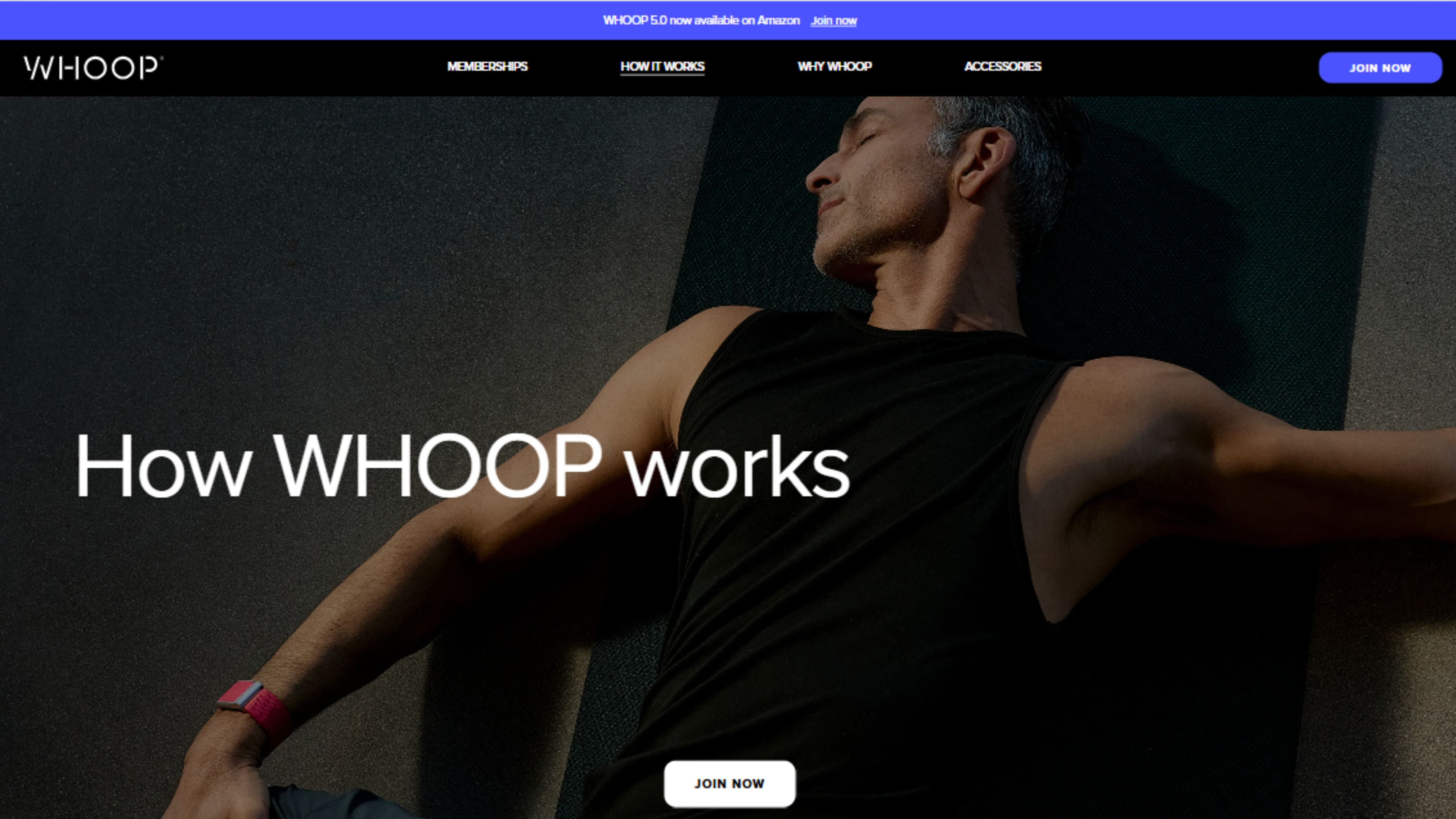
Best for: Athletes and fitness enthusiasts optimizing training and recovery
Pricing from: $30/month (12-month commitment); includes wearable
Key features: 24/7 physiological monitoring, recovery score, strain coach, sleep tracking, HRV analysis
Whoop takes a fundamentally different approach to fitness tracking by focusing on recovery and readiness rather than just activity counting. The subscription includes a sophisticated wearable strap tracking heart rate, heart rate variability (HRV), sleep, respiratory rate, and skin temperature 24/7, then analyzing this data to provide daily recovery scores guiding your training intensity and lifestyle choices.
The platform's genius lies in its Recovery Score—a 0-100% daily assessment of how prepared your body is for strain based on HRV, resting heart rate, sleep quality, and respiratory rate. Green recovery (67-100%) means your body is ready for hard training. Yellow (34-66%) suggests moderate activity or skill work. Red (0-33%) indicates your body needs rest and recovery. This guidance prevents the common mistake of training hard when your body isn't ready, reducing injury risk and overtraining while maximizing productive training sessions when recovered.
Whoop's Strain Score quantifies cardiovascular load from all activities—workouts, daily movement, even stress—helping you understand total physiological demand beyond just intentional exercise. The Sleep Coach recommends personalized sleep and wake times based on your recovery needs and schedule. The app tracks endless metrics—HRV trends, respiratory rate changes that may indicate illness, menstrual cycle impacts for female athletes, and correlations between behaviors (alcohol, caffeine, late meals) and recovery. At $30/month, Whoop costs more than simple fitness trackers but delivers sophisticated performance optimization previously available only to elite athletes through expensive testing. For serious athletes, fitness enthusiasts, or anyone wanting data-driven health optimization, Whoop provides invaluable physiological insights.
Pros:
Recovery-focused approach optimizes training
24/7 monitoring captures complete picture
Sophisticated HRV and sleep analytics
Prevents overtraining and guides rest days
Subscription includes hardware (no upfront cost)
Cons:
Requires 12-month subscription commitment
Monthly cost adds up ($360/year)
No display on device (app-only data)
Overwhelming data for casual users
Battery requires frequent charging (every 4-5 days)
Platform Comparison
When comparing these fitness, nutrition, and mental health apps, several key distinctions help match each platform to specific user needs and goals:
Primary focus and specialization: Verv provides integrated wellness across fitness, nutrition, and mental health. MyFitnessPal and Noom specialize in nutrition and weight management. Calm, Headspace, and BetterHelp focus on mental health and wellbeing. Future, Peloton Digital, Strava, and Whoop emphasize physical fitness with different approaches—personal training, class-based workouts, endurance sports, and recovery optimization respectively.
Evidence-based approach: BetterHelp (licensed therapists), Headspace (clinical research), Noom (CBT-based), and Whoop (physiological data) lead in scientific backing. Calm, MyFitnessPal, and Peloton rely more on practical effectiveness and user satisfaction than formal research. Future depends on trainer expertise. Strava focuses on data tracking rather than intervention.
Personalization level: Future offers highest personalization with dedicated 1-on-1 coaching. Noom provides personal coaches plus group support. Verv and Whoop use algorithms for customization. BetterHelp matches with individual therapists. Peloton, Calm, and Headspace offer self-directed selection from extensive libraries. Strava and MyFitnessPal provide tools for self-tracking with minimal guidance.
Price positioning and value: MyFitnessPal free version and Strava's free tier provide substantial functionality. Verv, Calm, Headspace, and Peloton Digital ($10-15/month) offer mid-tier pricing with excellent content libraries. Noom ($60/month), Future ($149/month), and Whoop ($30/month with hardware) represent premium pricing justified by coaching or sophisticated tracking. BetterHelp ($240-360/month) costs comparably to traditional therapy while removing access barriers.
Commitment and intensity required: Noom requires daily lesson engagement and logging. MyFitnessPal needs consistent food tracking. Future involves regular communication with trainers. Whoop works passively in background. Calm and Headspace can be occasional use. Peloton and Strava require active workout participation. BetterHelp needs regular therapy engagement.
Best for different user types: Beginners benefit from Verv's integrated guidance, Headspace's structured courses, or Peloton's instructor-led classes. Serious athletes choose Strava (running/cycling), Whoop (recovery), or Future (personal training). Weight loss seekers need Noom or MyFitnessPal. Mental health support comes from BetterHelp, Calm, or Headspace. Time-constrained individuals appreciate Verv's flexibility or Calm's short sessions.
Buying Guide: Choosing the Right Wellness App
Who Needs Wellness Apps?
Fitness apps benefit anyone wanting structured workout guidance, motivation beyond self-direction, or tracking for progressive improvement. They're particularly valuable for people intimidated by gyms, those with schedule constraints preventing class attendance, or anyone wanting variety beyond repetitive routines.
Nutrition apps serve people pursuing weight management, athletes optimizing performance nutrition, individuals with specific dietary needs, or anyone lacking awareness about their actual eating patterns versus perceived intake. Food tracking creates accountability and education that research consistently shows improves results.
Mental health apps support individuals managing stress, anxiety, or depression (mild to moderate levels), people interested in meditation or mindfulness, those needing sleep improvement, or anyone seeking mental wellness support between therapy sessions or as preventive care. They're not replacements for professional help with severe conditions but valuable tools for general mental health maintenance.
Recovery and optimization apps like Whoop serve serious athletes, fitness enthusiasts training intensely, people with recovery challenges, or anyone interested in understanding their body's physiological responses beyond basic step counting.
How Wellness Apps Work
Behavior change frameworks underpin effective apps. Noom uses CBT principles to address psychology driving behaviors. Many apps employ habit stacking, incremental goals, streak tracking, and reward systems based on motivation research. The best platforms recognize that lasting change requires addressing mindset, not just providing instructions.
Personalization algorithms analyze your goals, preferences, history, and responses to customize recommendations. Verv builds integrated plans across wellness dimensions. Future's trainers create human-designed programming. Whoop's AI interprets physiological data. MyFitnessPal adjusts calorie targets based on logging and progress.
Content delivery and engagement varies by platform. Instructor-led classes (Peloton) create scheduled structure and energy. Self-guided libraries (Calm, Headspace) provide flexibility. Progressive programs (Headspace courses, Noom curriculum) build skills systematically. Social features (Strava communities, Noom groups) leverage accountability and support.
Professional integration separates some platforms from others. BetterHelp connects you with licensed therapists. Future pairs you with certified trainers. These platforms cost more but provide expertise and relationship benefits that algorithms and content libraries can't replicate.
Key Features to Consider
Personalization depth: Generic content works initially but becomes less effective long-term. Look for apps that adapt based on your responses, progress, and changing needs rather than one-size-fits-all programming.
Content variety and quality: Extensive libraries prevent boredom and allow exploration. Quality matters more than quantity—professional instruction, production values, and expert-created content justify subscriptions better than user-generated mediocrity.
Accountability mechanisms: Human accountability (coaching, therapy, social features) dramatically improves adherence over self-directed apps. Consider whether you need external motivation or self-direction works for your personality.
Integration and compatibility: Check whether apps work with devices you own (Apple Watch, Fitbit, etc.), integrate with other platforms you use, and sync data across your wellness ecosystem. Fragmented data across incompatible apps creates frustration.
Trial periods and flexibility: Quality apps offer free trials allowing genuine evaluation. Avoid apps requiring long-term commitments before you've experienced their value. Month-to-month subscriptions provide flexibility to cancel if results don't materialize.
Evidence base and credentials: For mental health apps, verify therapist licensing and platform accreditation. For fitness apps, check trainer certifications. For nutrition apps, look for registered dietitian involvement. Evidence-based approaches outperform trend-chasing.
Pricing Overview and Considerations
Understanding Wellness App Pricing Tiers
Free or freemium apps like MyFitnessPal basic, Strava free, or various meditation apps provide substantial functionality at no cost, monetizing through premium upgrades. These work well for trying categories or for users with basic needs, though premium features often include the most valuable functionality.
Budget wellness apps ($5-15/month) like Verv, Peloton Digital, Calm, and Headspace provide extensive content libraries and quality experiences at less than typical gym memberships or boutique class packages. This range offers best value for most users seeking structured guidance without personal coaching.
Mid-tier apps ($30-60/month) like Noom and Whoop add personal coaching, sophisticated analytics, or hardware (Whoop's wearable) justifying higher costs through features free and budget apps can't provide. Evaluate whether the additional investment delivers proportional value for your specific needs.
Premium services ($150+/month) like Future approach or exceed traditional service costs (personal training, therapy) but offer significant convenience, flexibility, or cost savings versus in-person equivalents. These make sense when you'd otherwise pay for traditional services or when remote delivery removes barriers preventing you from accessing help at all.
Therapy platforms like BetterHelp ($240-360/month) cost comparably to traditional therapy but must be evaluated on accessibility and convenience value versus traditional in-person care, not just price.
Cost-Benefit Analysis
Compare to alternatives: Peloton Digital at $13/month versus $150-200 monthly boutique fitness memberships represents obvious value. Future at $150/month versus $400-800 monthly in-person training shows substantial savings. But compare to free alternatives too—could YouTube workouts, free meditation apps, or food journaling in spreadsheets meet your needs?
Commitment considerations: Month-to-month subscriptions allow trying apps without major financial risk, canceling quickly if they don't fit. Annual prepayment saves 20-40% but locks you in. Start monthly, switch to annual after confirming value.
Stacking costs caution: Multiple subscriptions ($15 meditation + $15 fitness + $10 nutrition = $40/month) can exceed comprehensive single-app value. Integrated platforms like Verv may provide better value than separate specialized apps if you need multiple wellness dimensions.
ROI perspective: Calculate potential savings or benefits. Successful weight loss through Noom may save thousands in future healthcare costs. Stress reduction through Calm may improve work performance and relationships. Injury prevention through proper training form saves medical expenses and lost training time. Wellness app costs are investments with potential returns beyond the subscription fee.
Frequently Asked Questions
Do wellness apps actually work or are they just motivation placebo?
Research shows wellness apps can be highly effective, but effectiveness varies dramatically by category, individual, and consistent use. Meditation apps have strongest research backing—studies show regular Headspace or Calm use significantly reduces stress, anxiety, and improves sleep with effects comparable to in-person meditation instruction. Nutrition tracking through MyFitnessPal or similar apps consistently improves weight loss outcomes in clinical trials, primarily through increased awareness rather than specific app features. Psychology-based weight loss like Noom shows superior long-term results compared to diet-only approaches because it addresses behavioral roots. Personal training apps like Future deliver results comparable to in-person training when users follow programming consistently. However, apps are tools requiring user engagement—downloading an app without using it provides zero benefit. Success requires finding apps matching your personality, needs, and using them consistently for months, not days. Apps work best combined with realistic expectations, not as magic solutions replacing personal effort.
How long should I try a wellness app before deciding if it works?
Realistic evaluation timelines vary by app category and your goals: Immediate feedback (1-7 days) reveals whether you enjoy the app's interface, find content engaging, and will use it consistently—if you avoid opening the app after initial enthusiasm, it won't work long-term regardless of features. Short-term assessment (2-4 weeks) shows whether the app fits your lifestyle, schedule, and whether you're building habits around it. You should see early indicators like improved sleep (meditation apps), better workout consistency (fitness apps), or increased awareness (nutrition apps). Medium-term results (6-12 weeks) provide genuine outcome data—weight loss progress, fitness improvements, stress reduction, behavior changes. Most wellness changes require this timeframe for meaningful results. Long-term evaluation (3-6+ months) reveals whether the app supports sustained change versus temporary enthusiasm. Many apps work initially but lack content variety or progression maintaining engagement long-term. Most apps offer 7-14 day trials—use this period to assess enjoyment and usability, then commit to 2-3 months of consistent use before judging effectiveness. If you see no progress after 8-12 weeks of genuine, consistent use, the app likely doesn't match your needs.
Should I pay for premium features or will free versions work?
This depends on your specific app and needs, but general guidance applies: Start free when available to assess whether you'll use the app consistently and whether basic features meet your needs—many people don't require premium features. Upgrade when you hit limitations that prevent progress—if free MyFitnessPal doesn't track macros you need, or free Strava lacks training analysis you want, premium provides value. Premium provides best value for: apps you use daily (cost per use becomes minimal), features significantly improving results (Noom's coaching, Future's training), or removing friction points (ad-free experiences, unlimited content). Free versions often suffice for: casual users, people trying categories, or when core functionality meets your needs. Avoid premium if: you're not using the free version consistently yet, features don't address your specific goals, or you're subscribing to multiple apps (costs stack up). For apps like Calm or Headspace, free versions offer limited content but premium subscriptions are worthwhile if meditation becomes a consistent practice. For MyFitnessPal, many users find free version adequate for basic tracking. For apps without free tiers (Noom, Future), trial periods let you assess value before committing to premium pricing.
Can I use multiple wellness apps together effectively?
Yes, but strategic selection prevents overlap, confusion, and excessive costs: Complementary categories work well together—fitness app (Peloton) + meditation app (Calm) + nutrition tracking (MyFitnessPal) address different wellness dimensions without redundancy. Avoid redundancy within categories—don't use multiple meditation apps or fitness platforms simultaneously. Pick the best option for each category. Integration matters—apps that sync data (many fitness apps connect to MyFitnessPal, wearables sync to multiple platforms) create ecosystem benefits versus disconnected apps. Cognitive load consideration—managing 5+ different apps with separate logins, tracking systems, and requirements creates abandonment risk. Integrated platforms like Verv handling multiple dimensions may provide better adherence than juggling specialized apps. Cost accumulation—multiple $10-15/month subscriptions quickly exceed $50+/month. Audit whether each subscription delivers proportional value or if consolidation makes sense. Optimal approach for most people: One comprehensive app covering primary goals + one specialized app addressing specific need that comprehensive apps don't handle well. Example: Verv for integrated fitness/nutrition/mindfulness + Strava for detailed running tracking and community. Regularly audit which apps you actually use versus paying for.
Are therapy and coaching apps safe and legitimate alternatives to in-person services?
Therapy apps like BetterHelp provide legitimate mental health support within important limitations: Appropriate for: mild to moderate depression/anxiety, stress management, relationship issues, life transitions, grief processing, general mental wellness support, or continuing therapy when moving/traveling. Not appropriate for: severe mental illness (schizophrenia, bipolar disorder, severe depression), active suicidal ideation, substance abuse requiring medical supervision, situations requiring psychiatric medication, or need for crisis intervention. BetterHelp therapists are licensed professionals (LCSWs, LPCs, psychologists) meeting professional standards, but platform limitations prevent comprehensive assessment and intervention possible in-person. Many mental health professionals view teletherapy as legitimate modality that some clients prefer and that removes access barriers. Personal training apps like Future with certified trainers provide safe, effective guidance for most people, with limitations: trainers can't physically correct form or spot heavy lifts, medical conditions requiring in-person assessment need traditional personal training, and extremely specialized athletic training may exceed remote coaching scope. General wellness apps (meditation, fitness classes, nutrition tracking) are safe for virtually everyone, though people with eating disorders should avoid calorie tracking apps, and those with certain medical conditions should consult doctors before starting exercise programs. Overall, remote services through reputable platforms (licensed therapists, certified trainers) provide legitimate support within appropriate scope—they expand access rather than replacing all in-person services.