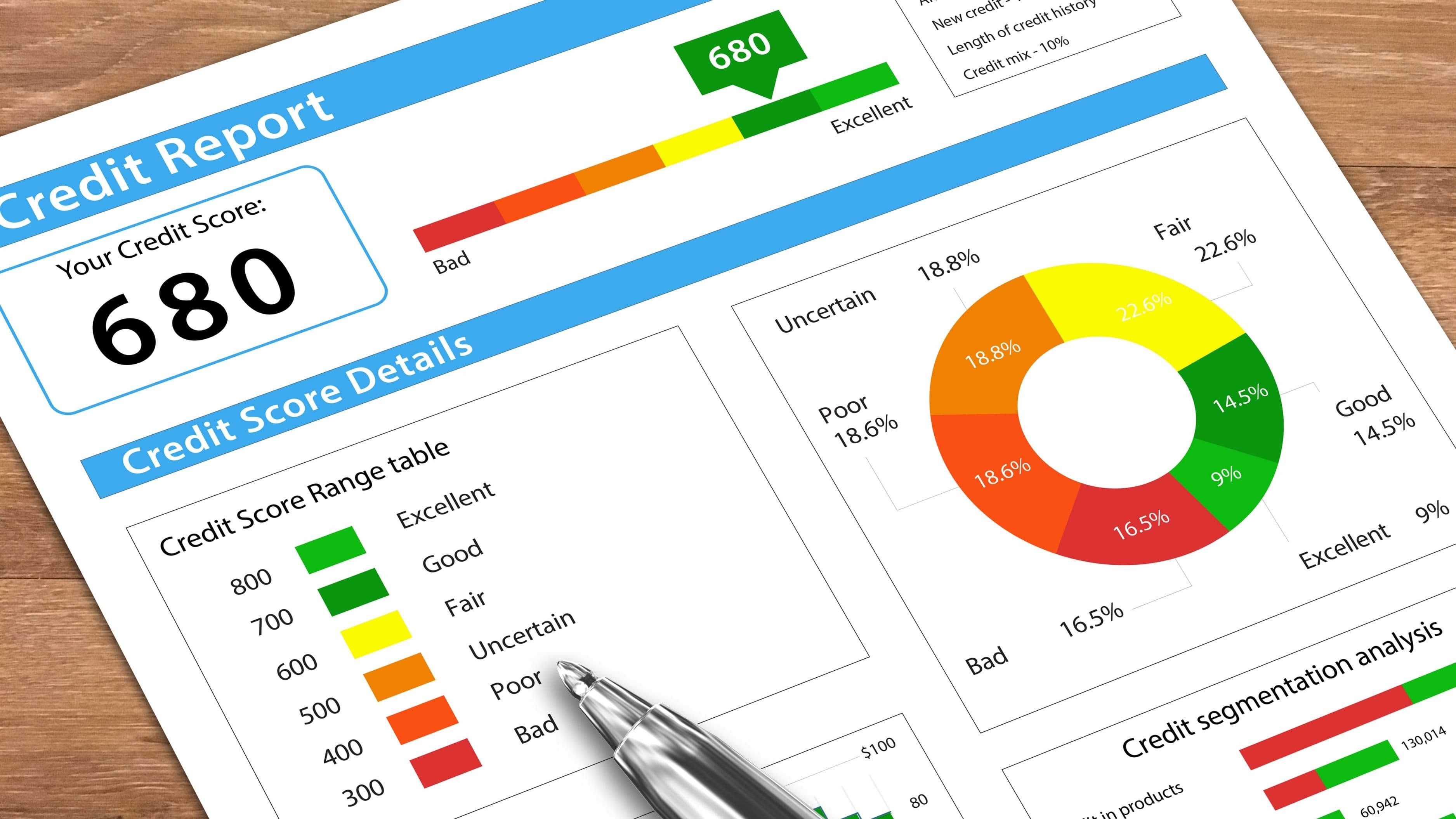

We've spent weeks researching and comparing dozens of mortgage lenders to bring you this list of the top 10 options for first-time homebuyers in 2026. Whether you're looking for low down payment options, educational resources, or just a lender that won't leave you on hold for hours, we've got you covered.
Top 10 Mortgage Lenders at a Glance
Rocket Mortgage – Best for fast, tech-savvy buyers
Better.com – Best for low fees and transparency
Chase – Best for existing banking customers
Quicken Loans – Best for personalized service
Bank of America – Best for down payment assistance
New American Funding – Best for FHA loans
Guild Mortgage – Best for community-focused lending
Fairway Independent Mortgage – Best for local expertise
CrossCountry Mortgage – Best for flexible loan options
Navy Federal Credit Union – Best for military members
1. Rocket Mortgage – Best for Fast, Tech-Savvy Buyers

Rocket Mortgage has revolutionized the home-buying process with its fully digital platform that lets you apply, upload documents, and track your loan status from your phone. If you're comfortable with technology and want to move quickly, Rocket's streamlined process can get you from application to approval in as little as eight minutes (though full processing takes longer, of course).
What sets Rocket apart is its user-friendly interface and 24/7 availability. You can work on your application at midnight in your pajamas if that's your thing. They also offer a variety of loan types, including conventional, FHA, VA, and USDA loans, making them versatile enough for most first-time buyers. Their customer service team is known for being responsive and helpful, which is crucial when you're navigating this process for the first time.
Pricing: Interest rates are competitive and vary based on credit score and loan type. Origination fees are standard, typically around 1% of the loan amount.
Pros:
Lightning-fast digital application process
24/7 access to your loan status
Excellent mobile app experience
Wide variety of loan options
Strong customer service reputation
Cons:
Not available in all states (check availability)
Fees can be higher than some competitors
Less personal interaction than traditional lenders
2. Better.com – Best for Low Fees and Transparency
Better.com has made a name for itself by cutting out many of the traditional fees that mortgage lenders charge. No origination fees, no lender fees, and no commission-based loan officers means more money stays in your pocket. For first-time buyers watching every dollar, this can translate to thousands in savings.
The platform is entirely online, offering a modern, streamlined experience similar to Rocket Mortgage but with a stronger focus on cost savings. Better provides clear, upfront pricing so you know exactly what you're paying from day one—no surprises at closing. They also offer free financial consultations to help you understand your options and make informed decisions about your mortgage.
Pricing: Highly competitive rates with zero origination fees. Closing costs are generally lower than industry averages, often saving buyers $3,000-$5,000.
Pros:
No lender fees or commissions
Transparent, upfront pricing
Competitive interest rates
Free financial consultations
Fast online process
Cons:
Digital-only experience (no physical branches)
Customer service can be hit-or-miss during peak times
Limited availability in some states
3. Chase – Best for Existing Banking Customers

If you already bank with Chase, using them for your mortgage can come with some serious perks. Chase offers relationship discounts that can reduce your interest rate or closing costs if you have a Chase checking account or invest with J.P. Morgan. This makes the mortgage process more convenient since your banking and home loan are all in one place.
Chase also offers the DreaMaker mortgage program specifically designed for first-time homebuyers, requiring as little as 3% down and no mortgage insurance with certain income requirements. You'll have access to both online tools and in-person support at thousands of branches nationwide, giving you flexibility in how you want to handle your mortgage. Their homebuyer education resources are comprehensive, helping you understand every step of the process.
Pricing: Competitive rates with potential discounts for existing customers. Standard closing costs apply, but relationship perks can reduce these.
Pros:
Relationship discounts for existing customers
Low down payment options (3% down)
In-person support at branches nationwide
DreaMaker program for first-time buyers
Strong educational resources
Cons:
Better rates elsewhere if you're not a Chase customer
Application process can be slower than online-only lenders
May require maintaining minimum account balances for discounts
4. Quicken Loans – Best for Personalized Service
Quicken Loans (the parent company of Rocket Mortgage) offers a more traditional, service-oriented approach compared to its digital-first sibling. You'll work with a dedicated mortgage expert throughout the entire process, providing that personal touch many first-time buyers appreciate. This human element can be invaluable when you have questions at 10 p.m. and need someone to actually explain something rather than just reading an FAQ.
The company has consistently high customer satisfaction ratings and has won numerous awards for service quality. They offer a "YOURgage" program that lets you customize your loan term to anything between 8 and 30 years, giving you more control over your monthly payment and total interest paid. Quicken also provides extensive homebuyer education, including live webinars and one-on-one consultations.
Pricing: Rates are competitive and often negotiable. Fees are standard for the industry, typically around 1-2% of loan amount for closing costs.
Pros:
Dedicated loan officer for personalized service
High customer satisfaction ratings
Customizable loan terms with YOURgage
Excellent educational resources
Available in all 50 states
Cons:
Slightly higher fees than discount lenders
Process can take longer than fully digital competitors
May feel pushy to some borrowers
5. Bank of America – Best for Down Payment Assistance

Bank of America's Affordable Loan Solution program is a game-changer for first-time buyers struggling to save for a down payment. This program offers mortgages with as little as 3% down and provides down payment grants of up to $10,000 in certain areas (which you don't have to pay back). This can be the difference between buying now and waiting another year or two to save.
The bank also offers reduced closing costs through its $0 closing cost options for qualifying buyers, and you can receive discounts on your interest rate if you're a Preferred Rewards member. Bank of America has a strong network of physical branches, so you can get face-to-face help when you need it. Their homebuyer education courses are free and comprehensive, covering everything from budgeting to understanding mortgage terms.
Pricing: Competitive rates with potential discounts for existing customers. Down payment assistance grants available up to $10,000 in eligible areas.
Pros:
Down payment assistance grants up to $10,000
Low 3% down payment option
Preferred Rewards discounts available
Extensive branch network for in-person help
Free homebuyer education courses
Cons:
Assistance programs have income and location restrictions
Some customers report slow processing times
May require opening a Bank of America account
6. New American Funding – Best for FHA Loans
New American Funding specializes in FHA loans, which are ideal for first-time buyers with lower credit scores or smaller down payments (as low as 3.5%). Their expertise in government-backed loans means they understand the specific requirements and can guide you through the process efficiently. If you don't have perfect credit, they're often more flexible than traditional lenders.
The company is known for its exceptional customer service and fast closing times—often within 30 days. They assign each borrower a dedicated loan team, not just a single person, so you always have someone available to answer questions. New American Funding also offers a "HomeBuyer's Guide" that breaks down the entire process in simple terms, perfect for first-timers who feel overwhelmed.
Pricing: FHA loan rates are competitive. FHA loans require mortgage insurance, but down payments can be as low as 3.5% with credit scores as low as 580.
Pros:
Expertise in FHA loans for lower credit scores
Fast closing times (often under 30 days)
Dedicated loan team assigned to each borrower
Excellent customer service ratings
Flexible qualification requirements
Cons:
FHA loans require mortgage insurance premiums
Limited presence in some states
Fewer loan products compared to larger banks
7. Guild Mortgage – Best for Community-Focused Lending
Guild Mortgage takes a relationship-based approach to home lending, with local loan officers who understand your specific market and community. This regional expertise can be incredibly valuable, especially if you're buying in a competitive or unique housing market. Your loan officer lives in your area and can provide insights beyond just numbers and rates.
Guild offers a wide range of loan programs, including their own proprietary first-time homebuyer products with down payment assistance options. They're particularly strong in Western states but have been expanding nationwide. The company emphasizes financial education, offering free workshops and one-on-one counseling sessions to help you make the best decision for your situation.
Pricing: Competitive rates that vary by region. Down payment assistance programs available, reducing upfront costs significantly for qualified buyers.
Pros:
Local loan officers with community expertise
Down payment assistance programs available
Strong presence in competitive markets
Free homebuyer workshops and counseling
Personalized service throughout the process
Cons:
Availability varies by region
Technology platform less advanced than digital-first lenders
Processing times can be slower in busy markets
8. Fairway Independent Mortgage – Best for Local Expertise
Fairway Independent Mortgage combines the resources of a national lender with the personal touch of local mortgage brokers. Each loan officer operates as an independent business owner within the Fairway network, meaning they're highly motivated to provide excellent service and can often offer more flexible solutions than corporate loan officers at big banks.
This structure allows Fairway loan officers to shop your loan to multiple investors to find the best rate and terms for your situation. They offer conventional, FHA, VA, USDA, and jumbo loans, covering virtually any first-time buyer's needs. Fairway is also known for its quick closing times and responsive communication—your loan officer's reputation depends on it, so they're typically very attentive.
Pricing: Rates are competitive and often negotiable since loan officers can shop multiple investors. Standard closing costs apply, typically 2-5% of loan amount.
Pros:
Local loan officers with entrepreneurial motivation
Access to multiple investors for best rates
Wide variety of loan programs available
Fast closing times and responsive service
Nationwide availability
Cons:
Experience can vary by loan officer
Less consistent digital experience than tech-focused lenders
May require more in-person meetings
9. CrossCountry Mortgage – Best for Flexible Loan Options
CrossCountry Mortgage offers an impressive array of loan programs, including several designed specifically for first-time buyers with limited down payment funds or unique financial situations. Their "Custom Choice" product line includes options for borrowers with credit scores as low as 580, higher debt-to-income ratios, and non-traditional income sources—all situations that many first-time buyers face.
The company has invested heavily in technology while maintaining a strong human service element. You can handle much of the process online through their portal, but you'll also have a dedicated loan officer available by phone or email whenever you need guidance. CrossCountry is particularly good at working with self-employed buyers or those with complicated financial situations that might get rejected elsewhere.
Pricing: Competitive rates across a wide range of loan products. Pricing varies based on credit profile, with options for buyers at many credit levels.
Pros:
Extensive loan program options for varied situations
Accepts borrowers with lower credit scores
Strong digital platform with human support
Experience with non-traditional income sources
Quick pre-approval process
Cons:
Rates may be higher for lower credit scores
Fee structure can be complex
Less name recognition than bigger brands
10. Navy Federal Credit Union – Best for Military Members
If you're active duty military, a veteran, or a family member of someone who served, Navy Federal Credit Union should be your first call. They offer VA loans with no down payment required, no private mortgage insurance, and some of the most competitive rates in the industry. Their understanding of military life means they can work with unique situations like frequent moves or deployment.
Navy Federal's member service is legendary, with representatives who genuinely seem to care about helping you succeed. They offer flexible terms, including assumable mortgages that can be transferred to the next buyer (a huge selling point if you need to move). The credit union also provides extensive financial education resources specifically tailored to military families and first-time homebuyers.
Pricing: Highly competitive VA loan rates with no down payment required for eligible members. No private mortgage insurance, saving hundreds per month.
Pros:
$0 down payment for VA loans
No private mortgage insurance required
Exceptional customer service for military members
Assumable mortgages available
Understanding of military-specific situations
Cons:
Membership restricted to military and family members
Limited physical branch locations in some areas
Application process can take longer than commercial lenders
Understanding Mortgage Lenders for First-Time Homebuyers
What Is a Mortgage Lender?
A mortgage lender is a financial institution—whether a bank, credit union, or mortgage company—that provides the money you need to buy a home. You apply for a loan, and if approved, the lender gives you the funds to purchase your property. In return, you agree to pay back the loan over time (typically 15-30 years) with interest. The home itself serves as collateral, meaning if you stop making payments, the lender can foreclose on the property.
For first-time homebuyers, mortgage lenders are your gateway to homeownership. They evaluate your financial situation, determine how much you can borrow, and offer various loan products designed to fit different needs and budgets. The right lender doesn't just give you money—they guide you through the complex process, explain your options, and help you make informed decisions.
Benefits of Choosing the Right Mortgage Lender
Selecting the right mortgage lender can save you tens of thousands of dollars over the life of your loan. Even a difference of 0.25% in your interest rate can mean saving $15,000-$20,000 on a $300,000 mortgage. Beyond just rates, the right lender provides valuable first-time homebuyer programs, including low down payment options (sometimes as little as 3%), down payment assistance grants, and reduced or waived fees.
A good lender also makes the experience less stressful through clear communication, educational resources, and support throughout the entire process. They'll help you understand confusing terms, pre-qualify you before you start house hunting so you know your budget, and close your loan on time so you don't risk losing your dream home. Many lenders offer specialized programs for first-timers that you might not even know exist, potentially making homeownership possible years earlier than you thought.
What to Look for When Choosing a Mortgage Lender
Start by comparing interest rates, but remember that the lowest rate isn't always the best deal. Look at the annual percentage rate (APR), which includes fees and gives you a more accurate picture of the total cost. Consider the types of loans offered—FHA, VA, USDA, and conventional loans all have different requirements and benefits. Many first-time buyers benefit from FHA loans with their lower down payment requirements and more flexible credit standards.
Evaluate the lender's reputation by reading reviews and checking their Better Business Bureau rating. Pay attention to how they treat borrowers throughout the process—are they responsive, educational, and transparent? Ask about closing costs and fees, which can vary significantly between lenders. Look for first-time homebuyer programs, down payment assistance, and educational resources. Finally, consider whether you prefer a digital experience, in-person service, or a hybrid approach, as this will affect your comfort level throughout the process.
Consider the lender's closing timeline as well, especially if you're in a competitive market where sellers favor buyers who can close quickly. Ask about lock-in periods for your interest rate and whether there are any prepayment penalties if you decide to refinance or sell early. Understanding all these factors will help you choose a lender that not only offers a good rate but also provides the support and flexibility you need as a first-time buyer.
Frequently Asked Questions
How much do I need for a down payment as a first-time homebuyer?
Many first-time buyers think they need 20% down, but that's not true. FHA loans require as little as 3.5% down, conventional loans can require just 3%, and VA or USDA loans may require no down payment at all. Some lenders also offer down payment assistance programs that provide grants or second loans to cover part of your down payment. While a larger down payment reduces your monthly costs and may help you avoid mortgage insurance, don't let a small savings account stop you from exploring your options.
What credit score do I need to buy my first home?
Most conventional loans require a credit score of at least 620, though you'll get better rates with scores above 740. FHA loans are more forgiving, accepting scores as low as 580 (or even 500 with a larger down payment). If your credit score is lower than you'd like, spend a few months paying down debt, making all payments on time, and correcting any errors on your credit report before applying. Even small improvements can make a significant difference in the rates you're offered.
Should I get pre-qualified or pre-approved before house hunting?
Get pre-approved, not just pre-qualified. Pre-qualification is a quick estimate based on information you provide without verification. Pre-approval means the lender has actually reviewed your financial documents, checked your credit, and committed to lending you a specific amount (subject to finding a suitable property). Sellers take pre-approved buyers much more seriously, and in competitive markets, a pre-approval letter can be the difference between getting your offer accepted or losing the house to another buyer.
How long does the mortgage process take?
From application to closing, expect 30-45 days on average, though some lenders can close faster (especially digital-first lenders) and others may take longer (particularly for government-backed loans). The timeline depends on how quickly you provide required documents, whether there are any issues with the appraisal or title search, and how busy your lender is. You can speed things up by having all your financial documents organized and ready, responding quickly to requests, and staying in regular communication with your loan officer.