
The good news? Most first-time homebuyer mistakes are entirely preventable — if you know what to watch for. We reviewed the most common pitfalls that real estate agents, mortgage professionals, and financial advisors consistently flag with first-time buyers, and compiled them into this practical guide. Whether you're just starting to browse listings or already under contract, this list could save you from some very expensive lessons.
Disclaimer: This article is for informational purposes only and does not constitute financial, legal, or real estate advice. Always consult with a licensed real estate agent, mortgage professional, and/or financial advisor before making homebuying decisions.
🏠 Top 10 Mistakes at a Glance
Not getting pre-approved before house hunting – Best avoided by securing financing before falling in love with a home
Underestimating the true cost of homeownership – Best avoided by budgeting well beyond the mortgage payment
Skipping the home inspection – Best avoided by treating it as non-negotiable, not optional
Emptying savings for the down payment – Best avoided by preserving cash reserves for post-purchase costs
Letting emotions drive the decision – Best avoided by separating personal attachment from financial logic
Ignoring the neighborhood, focusing only on the house – Best avoided by researching location as thoroughly as the property
Making major financial changes during the process – Best avoided by keeping your financial profile stable from pre-approval to closing
Misunderstanding mortgage options – Best avoided by comparing loan types before committing to one
Skipping first-time buyer assistance programs – Best avoided by researching available grants and programs early
Rushing the process – Best avoided by treating patience as a financial strategy, not a weakness
🔍 Full Breakdowns
1. Not Getting Pre-Approved Before House Hunting
What It Is & Why It Happens
Pre-approval is the process of having a lender review your credit, income, assets, and debt to determine how much they're willing to lend you — before you've found a specific property. Many first-time buyers skip this step and start browsing listings or attending open houses first, thinking they'll sort out financing once they find something they love. It feels logical: why go through paperwork before you know what you want? But in practice, this approach causes real problems.
Why It's a Mistake
Without pre-approval, you don't know your actual budget — which means you might spend months falling in love with homes you can't afford, or lowball yourself on homes you actually could. More critically, in competitive markets, sellers and their agents often won't take an offer seriously without a pre-approval letter. You could find the perfect home, make an offer, and lose it to another buyer simply because they had their financing documented and you didn't. Pre-approval also reveals credit issues early — when you still have time to fix them.
How to Avoid It:
Get pre-approved before attending a single open house
Apply with 2–3 lenders to compare rates and terms (multiple mortgage inquiries within a 45-day window count as one credit inquiry)
Understand that pre-approval is not the same as pre-qualification — pre-qualification is a quick, informal estimate; pre-approval involves actual document verification
The Real Cost of This Mistake: Losing a home in a competitive market to a better-prepared buyer — or discovering a credit issue after you're emotionally committed to a property.
2. Underestimating the True Cost of Homeownership
What It Is & Why It Happens
Most first-time buyers focus almost entirely on the monthly mortgage payment when calculating affordability. That's understandable — it's the biggest number and the most visible. But the mortgage is just one piece of a much larger monthly and annual cost picture, and buyers who don't account for the rest often find themselves "house poor" — technically able to afford the payment but with nothing left over for anything else.
Why It's a Mistake
Beyond the mortgage principal and interest, homeowners pay property taxes, homeowners insurance, and — if their down payment is less than 20% — private mortgage insurance (PMI). Add to that HOA fees (in many communities), utilities that are often significantly higher than renting, routine maintenance (industry rule of thumb: budget 1–2% of the home's value per year), and unexpected repairs. A new HVAC system runs $5,000–$12,000. A roof replacement, $8,000–$20,000. Water heaters, appliances, plumbing, electrical — these aren't hypothetical costs. They're inevitable ones.
How to Avoid It:
Use a total cost of ownership calculator, not just a mortgage payment estimator
Add property taxes, insurance, PMI (if applicable), HOA fees, and a maintenance reserve to your monthly budget calculation
Research the age and condition of major systems (HVAC, roof, water heater) during the inspection and factor replacement timelines into your budget
The Real Cost of This Mistake: Becoming house poor — owning a home you technically afford on paper but can't comfortably live in financially.
3. Skipping the Home Inspection
What It Is & Why It Happens
A home inspection is a professional, top-to-bottom assessment of the property's physical condition — structure, foundation, roof, electrical, plumbing, HVAC, and more — conducted by a licensed inspector before the purchase is finalized. In competitive markets, some buyers waive the inspection to make their offer more attractive to the seller. Others skip it to save the $300–$600 fee, or assume a newer home doesn't need one. All of these are serious mistakes.
Why It's a Mistake
A home inspection is your last clear opportunity to understand exactly what you're buying before you're legally committed to buying it. Inspectors regularly surface issues that aren't visible to the untrained eye — inadequate electrical panels, signs of past water intrusion, failing HVAC systems, foundation cracks, evidence of pest damage. These discoveries don't have to kill the deal: they can be used to negotiate repairs, price reductions, or seller credits. But you can only negotiate what you know about. Waiving the inspection means buying blind — and the surprises that emerge afterward are entirely your financial responsibility.
How to Avoid It:
Treat the home inspection as non-negotiable, regardless of market conditions
Attend the inspection in person so the inspector can walk you through findings directly
If you must waive the standard inspection to compete, consider a pre-offer inspection (some sellers allow this) or an information-only inspection that doesn't create a contingency
The Real Cost of This Mistake: Discovering a $15,000 foundation issue or a failed HVAC system after closing — with no legal recourse and no seller to negotiate with.
4. Emptying Savings for the Down Payment
What It Is & Why It Happens
The down payment looms large for first-time buyers — it's a significant sum that takes years to save, and putting down as much as possible feels responsible. Many buyers drain their savings accounts to maximize the down payment, reasoning that a larger down payment means a lower mortgage payment and less interest paid over time. Both of those things are true. But arriving at closing with an empty savings account is a genuinely dangerous position to be in.
Why It's a Mistake
Closing costs alone — typically 2–5% of the loan amount — can run $6,000–$15,000 or more and must be paid at closing in addition to the down payment. Beyond that, the first few months of homeownership almost always surface immediate needs: repairs, appliance replacements, moving costs, furniture for larger spaces, landscaping, and so on. Without a cash cushion, any one of these expenses can push a new homeowner into credit card debt or financial stress at the exact moment they're most financially stretched. Most financial advisors recommend keeping 3–6 months of expenses in reserve after closing.
How to Avoid It:
Separate your "down payment savings" from your "emergency fund" and protect both
Factor closing costs into your savings target from the beginning
Consider a slightly lower down payment (with PMI) if it means preserving a meaningful cash reserve — PMI can be removed once you reach 20% equity
The Real Cost of This Mistake: A $400 plumbing emergency in month two becoming a financial crisis because there's nothing left in savings.
5. Letting Emotions Drive the Decision
What It Is & Why It Happens
Homebuying is an inherently emotional process. You're imagining your life in a space — where the Christmas tree will go, whether the backyard is big enough for a dog, how the kitchen would look with your cooking style. These feelings are natural and even healthy. The mistake is letting them override financial logic — overpaying for a home because you've "fallen in love" with it, overlooking significant problems because the aesthetic is perfect, or rushing a decision because you're afraid someone else will take it.
Why It's a Mistake
Emotional overbidding is one of the most common and costly first-time buyer mistakes. In competitive markets, buyers caught up in the excitement of "winning" a home regularly bid well above market value — sometimes $20,000–$50,000 above comparable sales — only to struggle with the inflated mortgage for years afterward. Emotional attachment also makes buyers overlook red flags that a detached observer would catch immediately: a charming house in a flood zone, a beautifully staged home hiding deferred maintenance, a "perfect" layout in a neighborhood with declining school ratings.
How to Avoid It:
Set your maximum offer price before you view a home — and stick to it
Bring a trusted, non-emotionally-involved friend or family member to viewings
Use comparable sales data (your agent can pull these) to anchor your decision in market reality rather than feelings
Remember: if you lose this one, another home will come along
The Real Cost of This Mistake: Paying $30,000 over market value for a home you "had to have" — and carrying that premium in your mortgage for 30 years.
6. Ignoring the Neighborhood and Focusing Only on the House
What It Is & Why It Happens
First-time buyers naturally focus on the physical property — the bedrooms, the kitchen, the backyard, the finishes. The neighborhood often gets treated as background context rather than a core part of the buying decision. This is especially common when buyers find a home that hits every item on their wishlist and rationalize away concerns about the surrounding area because the house itself is so appealing.
Why It's a Mistake
You can renovate a house. You cannot renovate a neighborhood. The quality of local schools, commute times and transportation access, proximity to amenities, noise levels, flood zone status, crime rates, and long-term development trends in the area all directly affect both your daily quality of life and your home's future resale value. A perfect house in a declining neighborhood is a poor investment; a modest house in a growing, well-served neighborhood tends to appreciate reliably. Real estate professionals often summarize this as the three most important factors in property value: location, location, location — and they mean it.
How to Avoid It:
Visit the neighborhood at different times of day and on different days of the week
Research school ratings (GreatSchools.org), flood zone maps (FEMA), and local crime statistics independently
Check local planning and zoning records for proposed developments near the property
Ask your agent about the neighborhood's price trend over the past 5 years
The Real Cost of This Mistake: Discovering after closing that a major highway expansion is planned two blocks away, or that the school district is underperforming and affects your resale pool significantly.
7. Making Major Financial Changes During the Process
What It Is & Why It Happens
Between pre-approval and closing — a period that typically runs 30–60 days — many buyers make significant financial decisions without realizing the impact. They open a new credit card to buy furniture for the new house, finance a new car, quit their job for a better opportunity, or make large cash deposits into their bank accounts. These all seem reasonable and unrelated to the home purchase. They're not.
Why It's a Mistake
Lenders don't just check your financial profile at pre-approval — they check it again right before closing. Any change to your credit score, debt-to-income ratio, employment status, or bank account activity between those two points can delay closing, change your loan terms, or cause your loan to be denied entirely — even after you're under contract and have paid for an inspection and appraisal. New credit inquiries lower your score. New debt increases your DTI. Unexplained deposits trigger documentation requirements. Job changes disrupt income verification. None of these are fatal on their own, but any one of them can derail a closing.
How to Avoid It:
Treat your financial profile as frozen from pre-approval to the day you get the keys
Do not open new credit accounts, finance anything, or make large purchases until after closing
Do not change jobs or go from salaried to self-employed during the process without consulting your lender first
Document any large deposits in your bank accounts — lenders will ask about them
The Real Cost of This Mistake: Having your loan denied three days before closing after you've already given notice on your rental.
8. Misunderstanding Mortgage Options
What It Is & Why It Happens
Most first-time buyers assume a 30-year fixed-rate conventional mortgage is the default — the "normal" loan — and don't explore alternatives. Others go in the opposite direction and are drawn to adjustable-rate mortgages (ARMs) or interest-only loans by the appeal of lower initial payments without fully understanding what happens when rates adjust. Both approaches represent a failure to make an informed mortgage decision, which is arguably the most consequential financial choice in the entire homebuying process.
Why It's a Mistake
Different mortgage types serve genuinely different financial situations, and choosing the wrong one can cost tens of thousands of dollars over the life of the loan. FHA loans (backed by the Federal Housing Administration) allow down payments as low as 3.5% and are more forgiving of lower credit scores — but carry mandatory mortgage insurance premiums for the life of the loan in many cases. VA loans (for eligible veterans and service members) offer extraordinary terms including no down payment and no PMI. USDA loans serve rural buyers with income limits. A 15-year fixed mortgage costs significantly more monthly but saves dramatically in total interest. Understanding these options before you talk to a single lender is essential.
How to Avoid It:
Research FHA, VA, USDA, and conventional loan options before your first lender conversation
Get quotes from at least 3 lenders — even a 0.25% difference in interest rate saves thousands over 30 years
Understand the full APR (annual percentage rate), not just the interest rate — APR includes fees and gives a more accurate cost comparison
Ask your lender to explain every fee on the Loan Estimate document before signing anything
The Real Cost of This Mistake: Choosing a loan type that costs $20,000–$40,000 more over the life of the mortgage than a better-suited alternative.
9. Skipping First-Time Buyer Assistance Programs
What It Is & Why It Happens
Down payment assistance programs, first-time homebuyer grants, state housing finance agency loans, and employer homebuying benefits exist in virtually every state — many of them offering thousands of dollars in grants or below-market interest rates to qualifying buyers. Most first-time buyers have no idea these programs exist, or assume they won't qualify. Many real estate agents don't proactively mention them either, particularly if they're focused on closing quickly.
Why It's a Mistake
Leaving free money on the table is never a good financial decision — and that's essentially what skipping these programs amounts to. The National Council of State Housing Agencies reports that state housing finance agencies alone helped over 100,000 first-time buyers in a recent year with down payment assistance and affordable loan products. Programs vary enormously by state, county, and city — some offer forgivable grants (money you never pay back if you stay in the home for a set period), others offer low-interest second mortgages for down payment assistance. Income limits apply, but they're often more generous than buyers expect.
How to Avoid It:
Search the HUD website (hud.gov) for approved housing counseling agencies and state assistance programs
Ask your lender specifically about first-time buyer programs in your state before choosing a loan
Check your employer — some large employers offer homebuying assistance as a benefit
Look into the Fannie Mae HomeReady and Freddie Mac Home Possible programs, which offer reduced PMI and flexible down payment requirements for qualifying buyers
The Real Cost of This Mistake: Missing a $10,000–$25,000 down payment grant or a below-market interest rate that was available the entire time.
10. Rushing the Process
What It Is & Why It Happens
First-time buyers often feel urgency that isn't entirely rational — fear that prices will keep rising, pressure from family about "not throwing money away on rent," anxiety about missing out in a competitive market. This urgency pushes buyers to make offers too quickly, skip due diligence steps, accept unfavorable terms to close faster, or buy a home that isn't quite right because they're exhausted from searching. The feeling that you need to buy right now is one of the most financially damaging emotions in the homebuying process.
Why It's a Mistake
A home is likely the largest purchase of your life. Rushing it to relieve anxiety or meet an artificial deadline introduces every other mistake on this list — skipped inspections, emotional overbidding, missed assistance programs, and overlooked neighborhood issues all become more likely under time pressure. More fundamentally, buying the wrong home in a hurry costs far more than waiting longer to buy the right one. Selling a home you've owned for less than two years triggers capital gains tax considerations, real estate commissions, and transaction costs that can easily total $20,000–$40,000.
How to Avoid It:
Set a realistic timeline and give yourself permission to walk away from homes that aren't right — no matter how long you've been looking
Treat "renting while you wait for the right home" as a sound financial strategy, not a failure
Define your must-haves vs. nice-to-haves in writing before you start — this creates a rational framework to evaluate homes against when emotions run high
Remember that the right home bought at the right price at the right time is worth far more than a rushed purchase you'll regret
The Real Cost of This Mistake: Buying a home you know isn't quite right, living with the compromise, and paying transaction costs twice when you sell and rebuy within a few years.
📖 Your Quick Guide to First-Time Homebuying
What Is the Homebuying Process?
Buying a home involves several distinct phases: financial preparation (saving, improving credit, getting pre-approved), searching (working with an agent, viewing properties), making an offer (negotiating terms, earnest money deposit), due diligence (inspection, appraisal, title search), and closing (signing documents, paying closing costs, receiving keys). Each phase has its own timeline, costs, and potential pitfalls — understanding the full arc before you start helps you navigate each step with more confidence.
Benefits of Buying Your First Home (When Done Right)
Equity building: Each mortgage payment builds ownership stake in an asset that historically appreciates over time.
Stability: Fixed-rate mortgage payments don't rise with inflation the way rents do — providing long-term housing cost predictability.
Tax advantages: Mortgage interest and property taxes may be deductible depending on your tax situation (consult a tax professional).
Personalization: You can renovate, paint, landscape, and modify your home without a landlord's permission.
Community roots: Homeownership tends to deepen ties to a neighborhood and community in ways that renting rarely does.
What to Focus on Before You Start
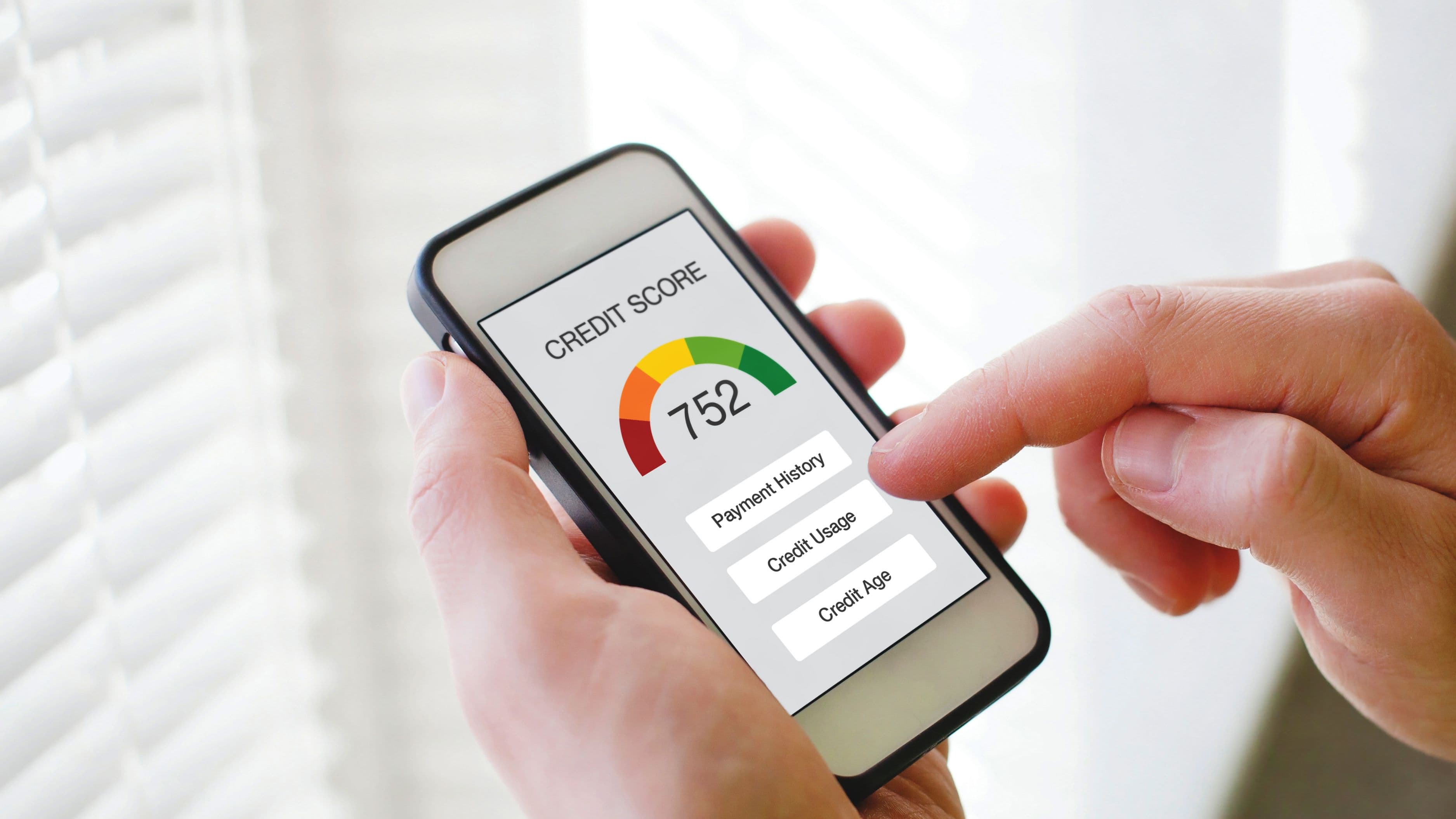
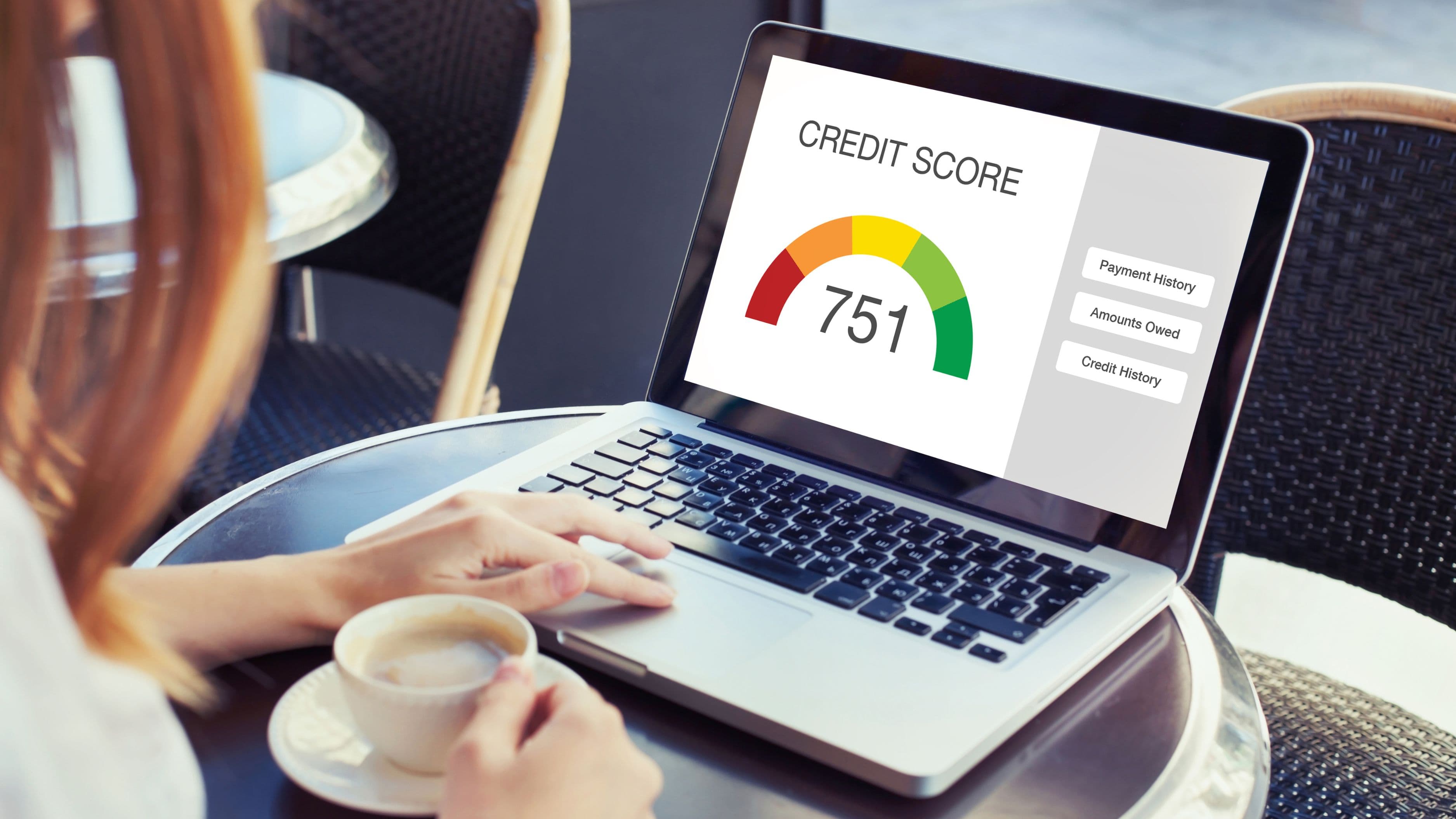
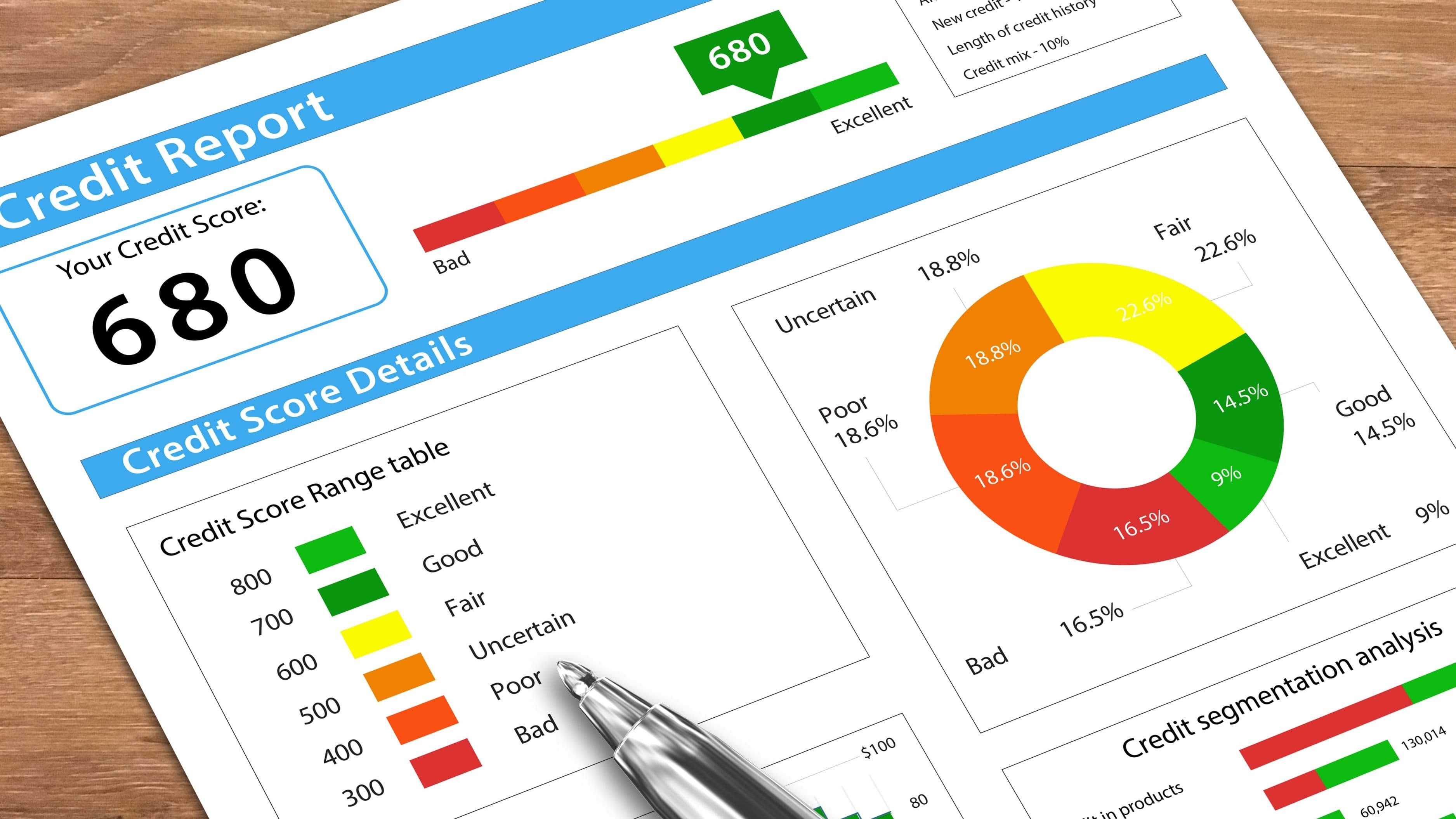
Credit score: Aim for 740+ for the best mortgage rates. Review your credit report for errors at least 6 months before you plan to buy — there's time to dispute and correct issues.
Debt-to-income ratio (DTI): Lenders typically want your total monthly debt payments (including the future mortgage) to be below 43% of gross monthly income. Lower is better.
Savings: You need funds for the down payment, closing costs (2–5% of loan amount), moving costs, and a post-closing reserve. Know your total target number, not just the down payment figure
.
Timeline: Give yourself more time than you think you need. Most buyers take 3–6 months from serious search to closing — and that's if things go smoothly.
❓ Frequently Asked Questions
Q: How much should a first-time buyer realistically have saved before starting the process? A: Beyond the down payment itself, budget for closing costs (2–5% of the loan amount), moving expenses ($1,000–$5,000 depending on distance), immediate post-purchase needs, and a 3–6 month emergency fund. For a $300,000 home with a 5% down payment, that means roughly $15,000 for the down payment, up to $15,000 in closing costs, and ideally $10,000–$20,000 in reserve — a total savings target closer to $40,000–$50,000 before you feel truly financially prepared.
Q: Is it always better to put 20% down? A: Not necessarily. A 20% down payment eliminates PMI and reduces your monthly payment and total interest, but it's not always the optimal choice. If reaching 20% means draining your emergency fund, delaying purchase in a rising market by years, or missing out on down payment assistance programs, a lower down payment with PMI may actually serve you better. PMI typically costs 0.5–1.5% of the loan annually and can be removed once you reach 20% equity — it's a cost, not a permanent condition.
Q: Do I really need a real estate agent as a buyer? A: In most transactions, yes — and crucially, the buyer's agent is typically paid by the seller as part of the transaction, so their services cost you nothing directly. A good buyer's agent brings market knowledge, negotiation experience, access to off-market listings, and guidance through the contract and closing process that's genuinely difficult to replicate independently, especially for a first-time buyer. Interview 2–3 agents and choose one with demonstrated experience working with first-time buyers in your target area.
Q: What credit score do I need to buy a home? A: The minimum varies by loan type. FHA loans accept scores as low as 580 (with 3.5% down) or even 500 (with 10% down). Conventional loans typically require 620+. But the score that gets you approved is very different from the score that gets you the best rate. Buyers with scores above 740 generally qualify for the most competitive interest rates — and on a 30-year mortgage, even a 0.5% rate difference translates to tens of thousands of dollars in total interest paid. If your score needs work, it's almost always worth taking 6–12 months to improve it before applying.