
Each entry below highlights what made that artist's impact different from typical chart success, along with the specific moments or decisions that backed it up.
Top 10 at a Glance
Taylor Swift
Beyoncé
Billie Eilish
Adele
Rihanna
Ariana Grande
Dua Lipa
SZA
Olivia Rodrigo
Doja Cat
1. Taylor Swift
Few artists have restructured their own career as aggressively as Taylor Swift did through the re-recording of her first six studio albums, a move that reshaped conversations around artist ownership of master recordings across the entire industry. Her shift between country, pop, and indie-folk sounds across different album cycles also demonstrated that mainstream audiences would follow an artist through genuine stylistic reinvention rather than expecting the same sound album after album.
Why it stands out: The re-recording strategy directly challenged long-standing music industry norms around who profits from an artist's back catalog.
Best for: Fans interested in artist rights and the business side of the industry, not just the music itself.
Notable impact: Her Eras Tour became one of the highest-grossing concert tours in history, reshaping expectations for what a tour's scale and cultural reach could look like.
2. Beyoncé
Beyoncé's surprise self-titled visual album in 2013 changed how major artists approach release strategy, proving that a full-length project with no advance promotion could still dominate cultural conversation. Her later work, particularly the exploration of Black Southern culture and genre history, pushed mainstream pop audiences toward music rooted more explicitly in cultural and historical context.
Why it stands out: The surprise-drop release model she popularized has since been used by numerous major artists across genres.
Best for: Listeners interested in genre-blending work that draws on R&B, country, and dance music traditions.
Notable impact: Her genre-crossing projects opened mainstream conversation about the historical Black roots of genres often perceived as predominantly white.
3. Billie Eilish
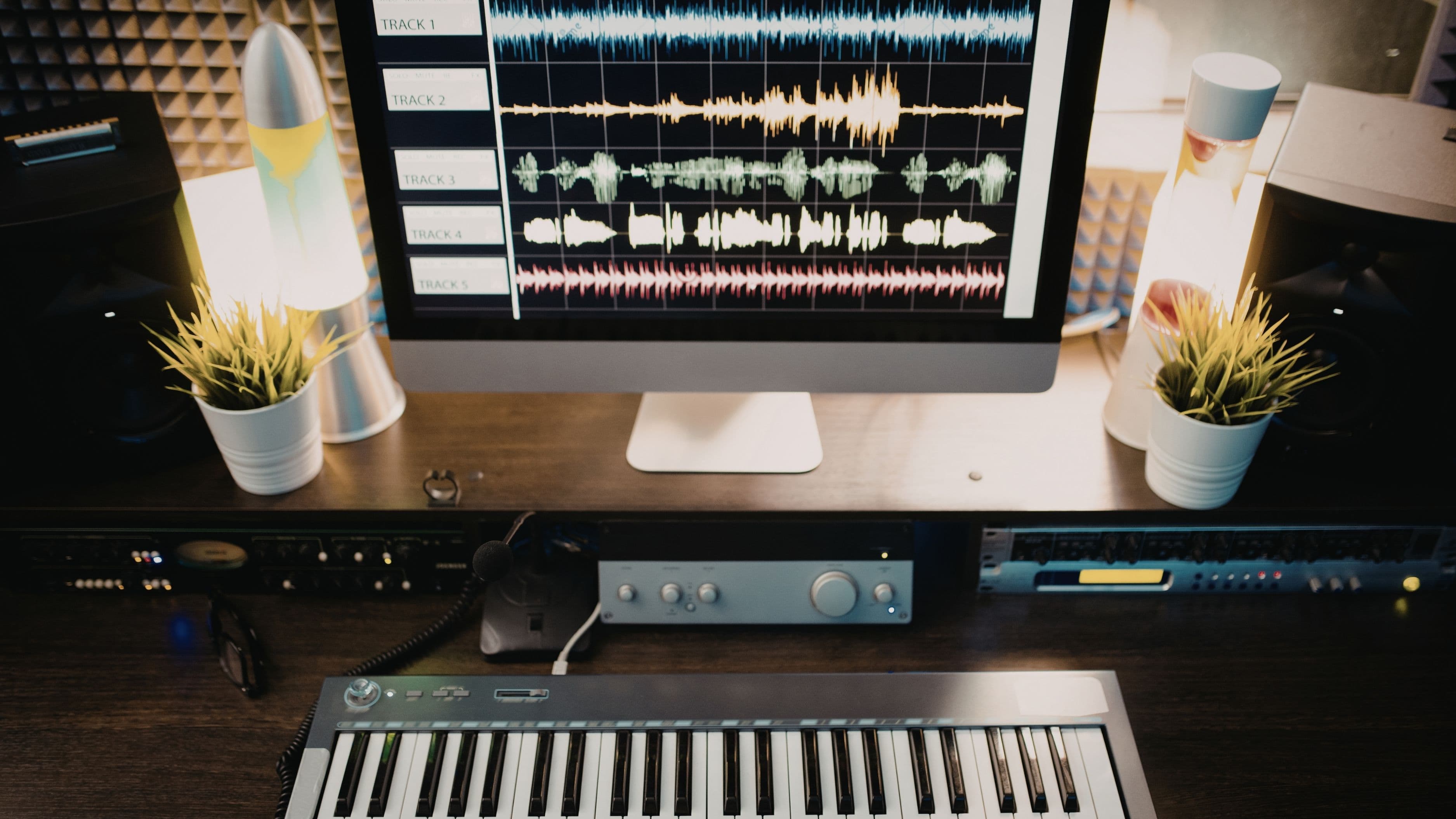
Billie Eilish's early career, built largely on bedroom production with her brother Finneas, demonstrated that massive commercial success no longer required major-label studio infrastructure from the start. Her whispery vocal style and minimalist, bass-heavy production also shifted mainstream pop away from the loud, maximalist sound that had dominated the prior decade.
Why it stands out: Her DIY production approach influenced a wave of young artists who saw home-studio setups as a legitimate path to major success.
Best for: Listeners drawn to atmospheric, moody production over traditional pop polish.
Notable impact: Becoming the youngest person to win all four major Grammy categories in a single ceremony highlighted a generational shift in mainstream music taste.
4. Adele
In an era of algorithm-driven singles and playlist culture, Adele's continued success with traditional full-length albums, built around ballads and vocal performance rather than production trends, showed that audiences still had a substantial appetite for that format. Her insistence on withholding her music from certain streaming models early on also sparked broader industry debate about artist control over how and where music gets consumed.
Why it stands out: She proved that album-oriented, vocal-driven music could still dominate in a streaming and single-focused industry.
Best for: Listeners who prioritize vocal performance and songwriting over production trends.
Notable impact: Her album "25" broke first-week sales records, underscoring that physical and digital album sales still mattered even as streaming grew dominant.
5. Rihanna
Rihanna's pivot from music toward building Fenty Beauty and Savage X Fenty demonstrated a business model where an artist's cultural influence translates directly into a standalone commercial empire, independent of new music releases. Fenty Beauty's early emphasis on an unusually wide shade range also pushed the broader beauty industry toward more inclusive product lines.
Why it stands out: She showed that an artist could step back from music entirely for years and remain a dominant cultural and commercial force through other ventures.
Best for: Those interested in the intersection of music, fashion, and beauty business.
Notable impact: Fenty Beauty's inclusive shade range prompted competitors across the beauty industry to expand their own offerings.
6. Ariana Grande
Ariana Grande's rapid consecutive album releases, particularly during a period of significant personal loss and public scrutiny, demonstrated an unusually direct and fast turnaround between an artist's real-life experiences and their musical output. Her vocal range and whistle register also brought increased mainstream attention to technical vocal skill in pop music.
Why it stands out: The speed and openness with which she processed personal experience into chart-topping music set a new pace for how quickly artists could respond to their own lives publicly.
Best for: Fans who value vocal technicality alongside emotionally direct songwriting.
Notable impact: Her single "thank u, next" became a cultural touchpoint for discussing personal growth after public relationship struggles.
7. Dua Lipa
Dua Lipa's second album leaned heavily into a nostalgic disco and dance-pop sound at a time when much of mainstream pop favored more minimalist, trap-influenced production, and its success helped drive a broader resurgence of dance-oriented pop across the industry. Her rise also relied heavily on strategic use of short-form platforms like TikTok before that became a standard promotional tool.
Why it stands out: She helped prove that danceable, maximalist pop still had major commercial appeal in a period dominated by quieter, moodier production.
Best for: Listeners who want upbeat, dance-focused pop with a retro influence.
Notable impact: Her early and effective use of short-form video promotion became a blueprint many artists later adopted.
8. SZA
SZA's blend of R&B, alternative, and confessional songwriting helped shift mainstream R&B toward a more genre-fluid, emotionally raw direction that resonated strongly with younger audiences seeking less polished, more personal music. Her extended chart runs, particularly with her album "SOS," also demonstrated unusual longevity for R&B releases in an era dominated by rapid pop and hip-hop turnover.
Why it stands out: Her genre-blurring approach helped normalize R&B releases that don't fit neatly into traditional radio-friendly structures.
Best for: Listeners drawn to introspective, emotionally direct songwriting over polished pop hooks.
Notable impact: "SOS" spent an unusually long stretch atop major album charts, reflecting sustained rather than short-lived popularity.
9. Olivia Rodrigo
Olivia Rodrigo's debut single became one of the fastest-growing tracks in streaming history at the time of its release, demonstrating how quickly a new artist with the right combination of songwriting and platform reach could reach massive audiences. Her blend of pop-punk and singer-songwriter influences also helped drive renewed mainstream interest in guitar-driven pop among younger listeners.
Why it stands out: Her breakout speed illustrated how dramatically streaming and short-form video had compressed the traditional timeline for building a mainstream audience.
Best for: Fans of confessional lyricism paired with rock and pop-punk influences.
Notable impact: Her debut album's commercial success helped reintroduce guitar-centered production to mainstream pop charts.
10. Doja Cat
Doja Cat's career growth, built heavily through viral internet moments before translating into sustained mainstream chart success, demonstrated a genuinely new pathway to pop stardom rooted in internet culture rather than traditional label-driven promotion. Her genre-blending across rap, pop, and R&B also reflected a broader trend of younger artists refusing to stay confined to a single genre label.
Why it stands out: Her rise showed that virality, if paired with strong material, could sustain a long-term mainstream career rather than fading as a one-off internet moment.
Best for: Listeners interested in genre-fluid artists shaped as much by internet culture as traditional industry pathways.
Notable impact: Her sustained chart presence across multiple genre-blending albums challenged assumptions that viral-driven careers are inherently short-lived.
How These Artists Changed the Industry as a Whole
Looking at this group together, a few patterns stand out. Several of these artists proved that unconventional release strategies, whether surprise drops, rapid album turnaround, or bedroom production, could outperform traditional label playbooks. Others demonstrated that genre-blending and direct fan connection through platforms like TikTok mattered more to long-term success than fitting neatly into a single radio format.
Collectively, this decade showed that commercial success and creative risk-taking weren't mutually exclusive, and audiences increasingly rewarded artists willing to control their own narrative rather than follow an established industry template.
What to Avoid When Evaluating "Most Influential" Lists
It's worth noting that influence in music is genuinely subjective, and lists like this one reflect measurable impact, industry shifts, and cultural conversation rather than a single definitive ranking. Avoid treating any list of this kind as an objective hierarchy of talent, since chart performance, cultural timing, and genre trends all shape who gets recognized.
Frequently Asked Questions
How was this list determined? This list focuses on artists whose choices measurably shifted industry norms, whether in release strategy, genre boundaries, or business models, rather than purely chart performance.
Are there other artists who could belong on this list? Absolutely. Artists like Lizzo, Halsey, and Cardi B also made significant industry impacts during this period, and a list of this length inevitably leaves out strong contenders.
Does chart performance alone determine industry influence? No. Influence also includes shifts in how music gets released, promoted, and consumed, which is why some artists on this list are here as much for business decisions as for chart numbers.
Music influence rarely comes down to a single metric, and the artists on this list earned their place through a mix of creative risk-taking, cultural timing, and genuinely new approaches to building a career.
📚 Sources
Billboard, Year-End Charts Archive – https://www.billboard.com/charts/year-end/
Recording Industry Association of America, Certification Database – https://www.riaa.com/gold-platinum/