This list cuts through that. Whether you want something small enough to fly in your living room or a camera drone that can capture genuinely cinematic footage, here are 10 drones actually worth your money as a hobbyist in 2026.
Top 10 at a Glance
DJI Mini 4 Pro – best all-around hobbyist drone
DJI Neo – best ultra-beginner and hands-free flying
DJI Flip – best for safety-conscious flyers
Autel EVO Nano+ – best DJI alternative
DJI Air 3S – best for serious photo/video hobbyists
Potensic Atom SE – best budget camera drone
HS720E Holy Stone – best budget GPS drone
Ryze Tello – best for absolute first-timers and kids
DJI Avata 2 – best for FPV / immersive flying
Autel EVO Lite+ – best low-light camera performance
1. DJI Mini 4 Pro
The Mini 4 Pro sits right at the sweet spot most hobbyists actually want: sub-249g weight (so it skips a lot of registration requirements in many countries), obstacle avoidance on all sides, and 4K/60fps footage that looks genuinely professional. It's the drone most reviewers point beginners toward once they're ready to spend real money.
Why it stands out: Omnidirectional obstacle sensing at this weight class is rare, and the flight stability in wind is noticeably better than older Mini models.
Best for: Anyone who wants strong camera quality without jumping into a heavier, more restricted drone category.
Drawback: Price sits higher than true entry-level options, so it's more of a "second drone" for people who've already tried flying.
2. DJI Neo
The Neo is built for people who want to fly without ever touching a traditional controller. It can launch from your palm, follow you automatically, and land back in your hand, all controlled through a phone app or optional small controller.
Why it stands out: It's the easiest "just have fun" drone on this list, with zero learning curve to get usable footage.
Best for: Vloggers, casual users, or anyone who wants selfie-style aerial clips without a steep setup process.
Drawback: Footage quality and flight range are noticeably more limited than the Mini or Air series.
3. DJI Flip
The Flip takes the propeller-guard-first approach seriously, wrapping the blades in a full protective cage so it's genuinely safe to fly indoors, around kids, or near pets without worrying about accidents.
Why it stands out: It's one of the only drones that feels safe to hand to a nervous first-timer without hovering anxiously nearby.
Best for: Families, first-time flyers, and anyone flying in tighter indoor or backyard spaces.
Drawback: The safety-first design trades off a bit of the outdoor performance you'd get from an unguarded model.
4. Autel EVO Nano+
If you like the idea of DJI's Mini series but want to support a different ecosystem, the EVO Nano+ is the strongest alternative. It matches a lot of the Mini's specs, including a 1/1.28-inch sensor that performs better in low light than most drones its size.
Why it stands out: Better low-light image quality than most competitors in the same weight class.
Best for: Photography-focused hobbyists who want DJI-level quality from a different brand.
Drawback: Smaller user community and fewer third-party accessories compared to DJI models.
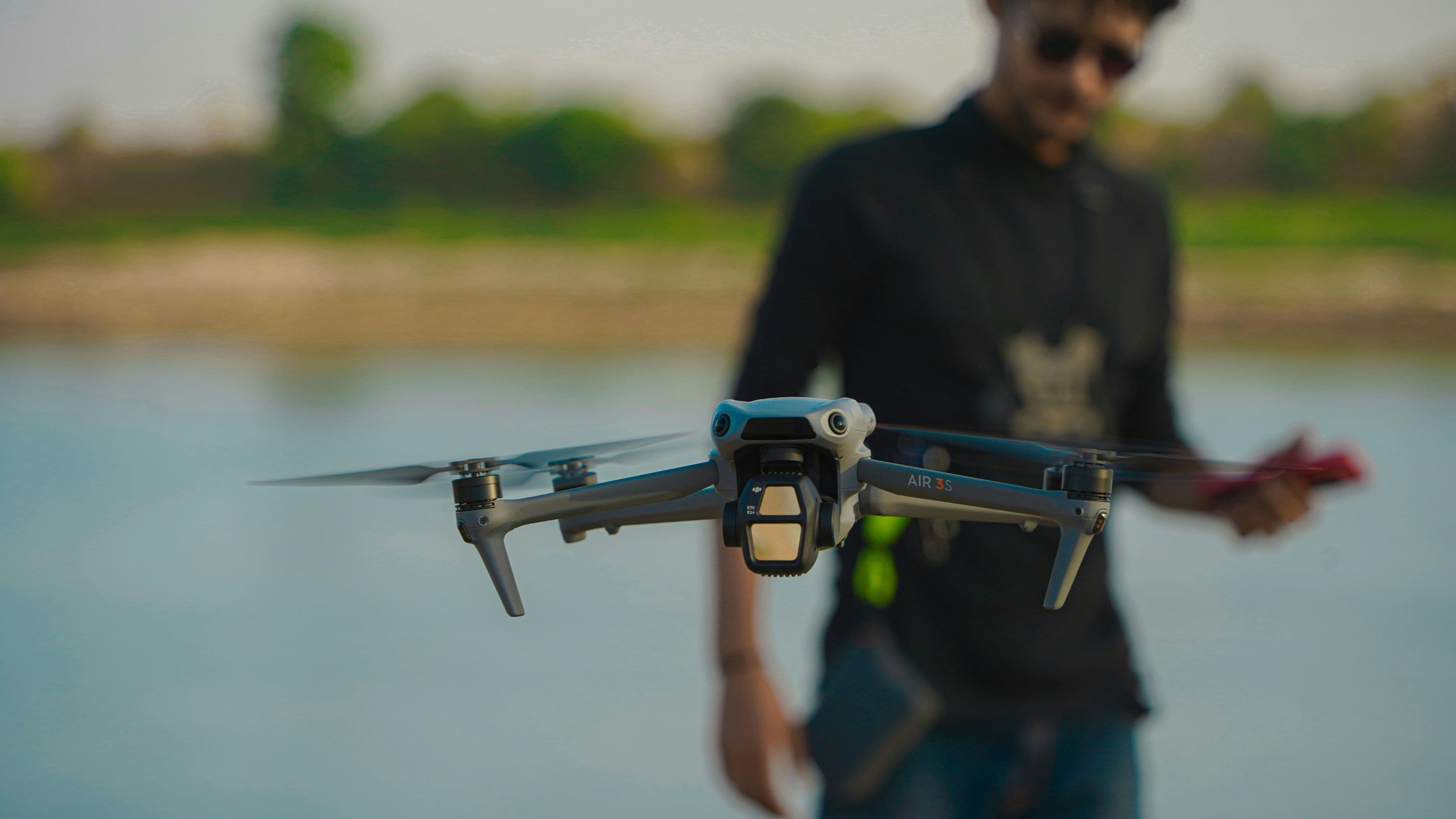
5. DJI Air 3S
Once you're ready to go beyond entry-level, the Air 3S is where hobbyist gear starts overlapping with semi-professional gear. Dual cameras (wide and telephoto), excellent stabilization, and long flight times make it a favorite among hobbyists who've started taking their photography seriously.
Why it stands out: The dual-camera system lets you shoot wide establishing shots and tighter zoomed shots without switching drones.
Best for: Hobbyists producing content for YouTube, real estate side hustles, or serious personal photography projects.
Drawback: Heavier and pricier, which means more regulatory steps depending on where you fly.
6. Potensic Atom SE
This is where the budget-friendly picks start, and the Atom SE punches well above its price point. It offers 4K camera capability, GPS-assisted flight, and a genuinely stable flying experience for a fraction of the cost of flagship models.
Why it stands out: Rare combination of GPS stability and 4K footage under a budget price tag.
Best for: Beginners who want real camera capability without committing to premium pricing yet.
Drawback: Build quality and obstacle avoidance are noticeably more basic than higher-end options.
7. HS720E Holy Stone
Holy Stone has built a strong reputation in the budget GPS drone space, and the HS720E is a solid pick for anyone wanting return-to-home functionality and steady outdoor flight without spending premium money.
Why it stands out: GPS return-to-home at this price point reduces the risk of losing your drone, which is a common beginner fear.
Best for: Outdoor hobbyist flying on a tighter budget who still wants safety features.
Drawback: Camera quality is fine for casual use but won't compete with DJI or Autel footage.
8. Ryze Tello
Backed by DJI's flight technology at a toy-level price, the Tello remains one of the best ways to introduce someone (especially kids or teens) to drone flying without risking an expensive crash.
Why it stands out: It's genuinely fun to learn on, with programmable flight options for anyone curious about coding basics too.
Best for: Kids, teens, classrooms, or anyone testing whether they even enjoy flying before investing more.
Drawback: Indoor use only in most conditions – it struggles in any real wind.
9. DJI Avata 2
For hobbyists chasing the immersive, first-person-view flying experience rather than just aerial photography, the Avata 2 delivers genuinely thrilling flight through FPV goggles, with much more approachable controls than traditional FPV racing drones.
Why it stands out: It makes FPV flying accessible to hobbyists instead of just experienced racing drone pilots.
Best for: Thrill-seekers who want the sensation of flying, not just aerial footage.
Drawback: Requires buying the goggles and controller bundle, which raises the total cost significantly.
10. Autel EVO Lite+
Rounding out the list, the EVO Lite+ is built specifically around low-light performance, using a larger sensor that captures noticeably cleaner footage during sunset, sunrise, or overcast conditions than most drones in its class.
Why it stands out: Best-in-class low-light camera performance for hobbyist-tier pricing.
Best for: Hobbyists who fly frequently during golden hour or in less-than-ideal lighting.
Drawback: Bulkier than mini-class drones, so it's less convenient to carry casually.
How to Choose the Right One for You
Start with what you actually want to do with it. If you mainly want fun, easy footage without a learning curve, look at the Neo or Flip. If photography quality is your priority, the Mini 4 Pro, Air 3S, or Autel EVO options will serve you far better. If you're testing the waters or buying for a kid, the Tello or a budget GPS model like the HS720E makes more sense than jumping straight into premium gear.
Also factor in local drone regulations before buying. Weight class often determines whether you need to register your drone or take a basic knowledge test, so check your local rules first, especially if you're considering anything above the sub-249g category.
Best Picks by User Type
Total beginner: Ryze Tello or HS720E
Content creator on a budget: Potensic Atom SE
Serious hobbyist photographer: DJI Air 3S
Safety-first / family use: DJI Flip
Hands-free casual flying: DJI Neo
FPV thrill-seeker: DJI Avata 2
Low-light shooter: Autel EVO Lite+
Quick Takeaway
You don't need the most expensive drone to have a great hobbyist experience. Match the drone to how you'll actually use it, respect your local flight regulations, and start with something forgiving if you're new. You can always upgrade once you know what kind of flying you actually enjoy.
FAQ
Do I need a license to fly a hobbyist drone? In many countries, drones under a certain weight (often around 250g) don't require registration, but heavier drones usually do. Rules vary significantly by country, so check your local aviation authority before flying.
What's the best drone for a complete beginner with no experience? The Ryze Tello or DJI Flip are both excellent starting points thanks to their forgiving flight characteristics and lower risk of expensive damage while learning.
Is a more expensive drone always better for hobbyists? Not necessarily. Price often reflects camera quality, flight time, and obstacle avoidance, but if you just want casual fun, a budget model can be just as satisfying without the added cost or regulatory hassle.
How long do hobbyist drone batteries typically last per flight? Most modern hobbyist drones offer 20–34 minutes per battery, depending on the model. It's worth budgeting for a second battery so you're not cutting flights short constantly.
Can I use these drones for a side hustle like real estate photography? Yes, drones like the DJI Air 3S or Autel EVO Lite+ are popular choices among hobbyists who start picking up small paid photography or videography gigs, though check local commercial drone licensing requirements first.
Whichever one you pick, the best drone is the one that actually gets flown regularly instead of sitting in a box after the first crash-related scare. Start realistic, learn the basics, and upgrade when you're ready.
📚 Sources
DJI – Official Product Comparison – https://www.dji.com/mini-4-pro
Federal Aviation Administration – Recreational Flyers & Modeler Community-Based Organizations – https://www.faa.gov/uas/recreational_fliers