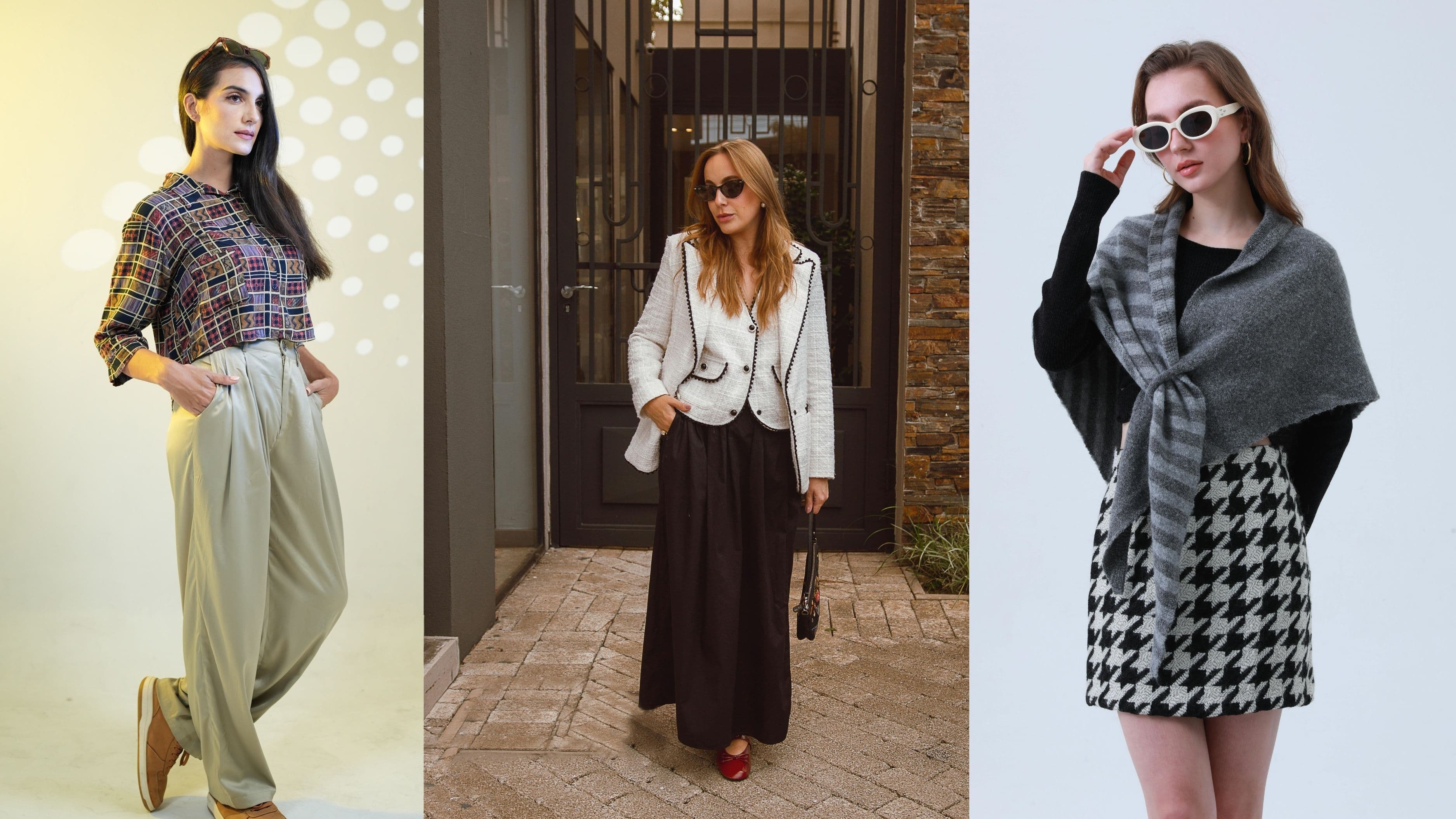
This list breaks down the most useful, practical strategies for dressing your specific shape, whatever that shape is. None of this is about rules that restrict what you can wear. It's about understanding proportion so you can make informed choices, then break them whenever you want.
Top 10 at a Glance
Identify your body shape honestly before shopping
Use vertical lines to elongate where needed
Define your waist, even if it's not your focal point
Choose necklines that flatter your face and shoulders
Get every piece properly tailored
Balance proportions with strategic layering
Pick the right rise and fit for your bottoms
Use color and pattern placement intentionally
Invest in the right foundational undergarments
Dress for the occasion, not just the shape
1. Identify Your Body Shape Honestly Before Shopping
Most body-shape guides use categories like pear, apple, hourglass, rectangle, and inverted triangle, based on the relationship between your shoulders, waist, and hips. Take five minutes with a measuring tape and actually record your shoulder, waist, and hip measurements rather than guessing, since most people misjudge their own proportions.
This isn't about fitting into a rigid box. Plenty of people are a blend of shapes or fall outside these categories entirely, and that's completely normal. The point of identifying your general proportions is simply to understand here your body naturally creates volume and where it naturally narrows, so you can dress with that information instead of against it.
Best for: Anyone starting a wardrobe refresh from scratch.
Tip: Measure yourself in form-fitting clothes or undergarments for the most accurate numbers.
2. Use Vertical Lines to Elongate Where Needed
Vertical lines, whether from seams, pinstripes, button placement, or a monochrome outfit, create a visual sense of length and can make your overall silhouette look leaner and taller. This works especially well for anyone who wants to elongate their frame, regardless of body shape.
A single-color outfit from head to toe is one of the simplest ways to apply this principle without overthinking it, since there are no horizontal breaks in color to interrupt the visual line. Vertical stripes, a longline blazer, or a dress with a center seam all achieve a similar effect.
Best for: Anyone wanting to appear taller or create a leaner line.
Tip: Monochrome dressing is the easiest entry point if you're not sure where to start.
3. Define Your Waist, Even If It's Not Your Focal Point
Almost every body shape benefits from some acknowledgment of the waist, even if you're not trying to create an hourglass silhouette. A belted coat, a wrap dress, or simply tucking in a shirt can create shape and structure in an outfit that would otherwise read as shapeless.
This doesn't mean everything needs to be fitted or cinched tightly. Even a loose top with a defined hem that hits at the natural waist, or a jacket that nips in slightly at the midsection, gives your outfit a sense of structure that flat, boxy silhouettes often lack.
Best for: Anyone whose outfits tend to look shapeless or boxy.
Tip: A thin belt over an oversized sweater is a low-effort way to introduce waist definition.
4. Choose Necklines That Flatter Your Face and Shoulders
Necklines draw the eye immediately, which makes them one of the most impactful choices in any outfit. V-necks and scoop necks tend to elongate the neck and work well for rounder face shapes, while boat necks and off-the-shoulder styles can broaden the visual line of narrower shoulders.
Pay attention to how a neckline interacts with your specific face and shoulder width rather than just following generic advice, since what works for someone with a long neck may look different on someone with a shorter one. Trying on a few different neckline styles side by side in a mirror is the fastest way to learn what genuinely works for you.
Best for: Anyone who wants to draw attention upward toward the face.
Tip: If you're unsure, a V-neck is one of the most universally flattering options across face and body shapes.
5. Get Every Piece Properly Tailored
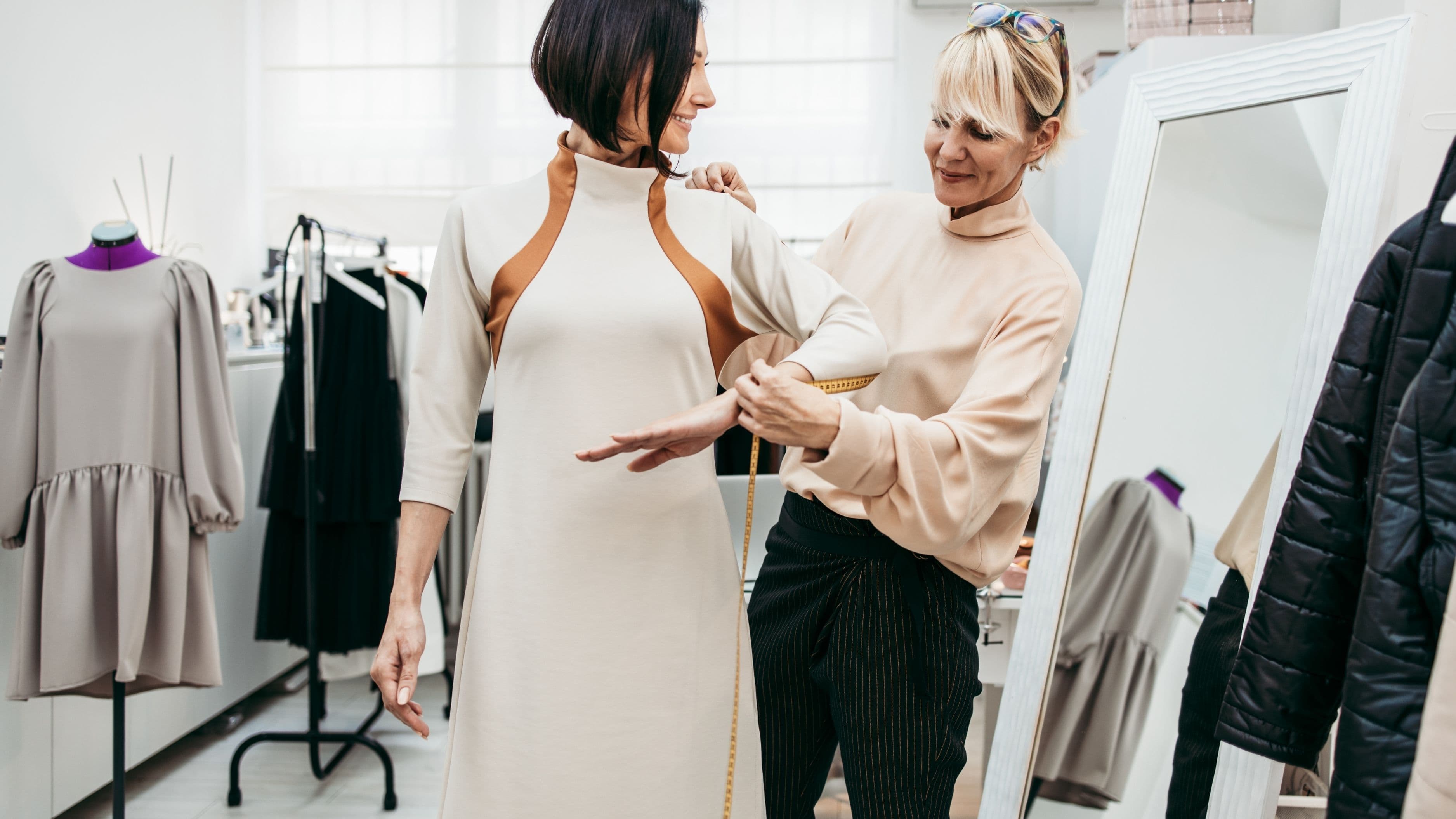
This is arguably the single highest-impact change most people can make. A $30 dress that's been tailored to fit your exact proportions will almost always look more expensive and more flattering than a $300 dress bought straight off the rack without adjustment. Shoulders, hems, and waistlines are the three most common areas that need adjusting.
Find a reliable local tailor and build a relationship with them, since they'll get to know your proportions and preferences over time. Even simple, inexpensive alterations like hemming pants to the correct length or taking in a waist can transform how an entire outfit looks and fits.
Best for: Everyone, regardless of body shape or budget.
Tip: Bring the shoes you plan to wear with pants when getting them hemmed, since heel height changes the correct length.
6. Balance Proportions With Strategic Layering
Layering is one of the most underused tools for creating balance across your frame. If your shoulders are narrower than your hips, a structured jacket with slightly padded shoulders can help balance the silhouette. If you carry more volume up top, a longer cardigan or duster can help elongate and balance the overall line.
Think of layering as a way to add or subtract visual weight from specific areas rather than just adding warmth. A cropped jacket draws attention to the waist, while a longline coat creates a single, continuous vertical line that can make the whole silhouette feel more streamlined.
Best for: Anyone wanting to visually balance top and bottom proportions.
Tip: Structured shoulders in a blazer are one of the easiest ways to balance a pear-shaped silhouette.
7. Pick the Right Rise and Fit for Your Bottoms
The rise of your pants (where the waistband sits) has a huge impact on how your torso and legs appear proportionally. A higher rise generally elongates the leg line and can feel more comfortable for anyone who prefers coverage through the midsection, while a lower rise shifts the proportion differently and works better for some body types and outfit styles.
Similarly, the fit through the hip and thigh matters as much as the rise. Skinny styles emphasize the leg line closely, straight-leg styles offer a more balanced, versatile silhouette, and wide-leg or flared styles can help balance narrower shoulders or add volume where you want it.
Best for: Anyone frustrated with pants that never seem to fit right.
Tip: If jeans gap at the waist but fit through the hips, look for brands with a curvier or contoured waistband.
8. Use Color and Pattern Placement Intentionally
Darker colors visually recede while lighter colors and bold patterns visually advance, which means you can use this to draw attention toward or away from specific areas. A dark bottom paired with a lighter, more detailed top will generally draw the eye upward, and vice versa.
Pattern scale matters too. Larger, bolder prints tend to add visual volume, while smaller, tighter patterns tend to read as more streamlined. This doesn't mean avoiding bold patterns if you love them, it just means being intentional about where you place them in an outfit.
Best for: Anyone who wants more control over what an outfit draws attention to.
Tip: A bold pattern works well as a top with solid, darker bottoms if you want to experiment without overwhelming the whole look.
9. Invest in the Right Foundational Undergarments
The right bra, shapewear, or base layer changes how every single piece of clothing on top of it fits and falls. A properly fitted bra alone can dramatically change the line of a top or dress, and most people are wearing the wrong size without realizing it.
This isn't about squeezing into anything uncomfortable. It's about choosing foundational pieces that support the silhouette you're going for, whether that's a smoothing layer under a fitted dress or simply a properly fitted bra that changes how a blouse hangs.
Best for: Anyone whose clothes don't seem to fit right despite trying different sizes.
Tip: Get professionally fitted for a bra at least once, since most people are wearing the wrong band or cup size.
10. Dress for the Occasion, Not Just the Shape
All of these principles should flex depending on context. What flatters your shape for a formal event might not be the right call for a casual weekend, and vice versa. Confidence often comes from wearing something appropriate to the moment as much as it comes from flattering cut and fit.
Don't let body-shape rules override your own comfort and personal style. The goal of all this is to give you more tools and information, not a rigid rulebook that takes the fun out of getting dressed. Once you understand the principles, you'll find yourself instinctively reaching for pieces that work, without needing to consciously think through every rule.
Best for: Building genuine, lasting confidence in how you dress.
Tip: Keep a small note in your phone of specific brands or cuts that have worked well for you in the past, so shopping gets faster over time.
How to Choose the Right Approach for You
Start with just one or two of these principles rather than trying to overhaul your entire wardrobe at once. Tailoring and understanding your rise preference for pants are usually the two highest-impact, lowest-effort changes to start with, since they affect almost everything else you wear.
Give yourself permission to experiment and occasionally break every rule on this list. Genuine style confidence comes from understanding why something works, then making your own choice about when to follow that logic and when to ignore it entirely.
What to Avoid
Don't chase trends that clearly don't work with your proportions just because they're popular that season. A trend looks different on every body, and forcing an ill-fitting silhouette rarely results in the confidence you're actually after.
Also avoid buying an entire new wardrobe at once based on a body-shape quiz result. Body shapes shift over time and clothes fit differently across brands, so treat these principles as ongoing guidance rather than a one-time fix.
Frequently Asked Questions
Do body shape categories actually matter, or are they outdated? They're a useful starting framework, not a rigid rule. Use them to understand proportion, but don't feel boxed in if you don't fit neatly into one category.
What's the single best change I can make to how I dress? Getting your clothes properly tailored, even simple pieces, has the biggest visible impact for the least effort.
How do I find my "rise" preference for pants? Try on a few different rises (low, mid, high) in the same size and pay attention to where each sits and how it feels, then note which one you reach for again and again.
📚 Sources
CFDA – Understanding Fit and Tailoring Basics, https://cfda.com/
Good Housekeeping Institute – Body Shape and Style Guides, https://www.goodhousekeeping.com/beauty/fashion/
Real Simple – Wardrobe and Fit Guides, https://www.realsimple.com/style/clothing