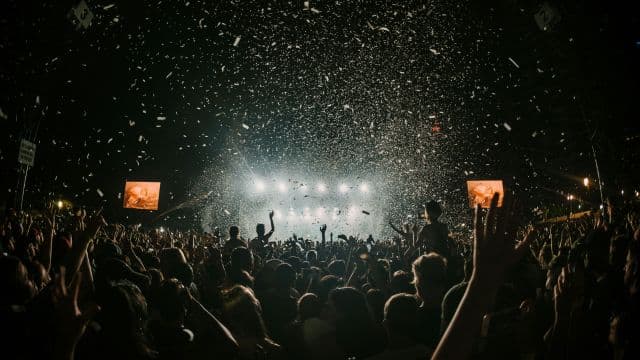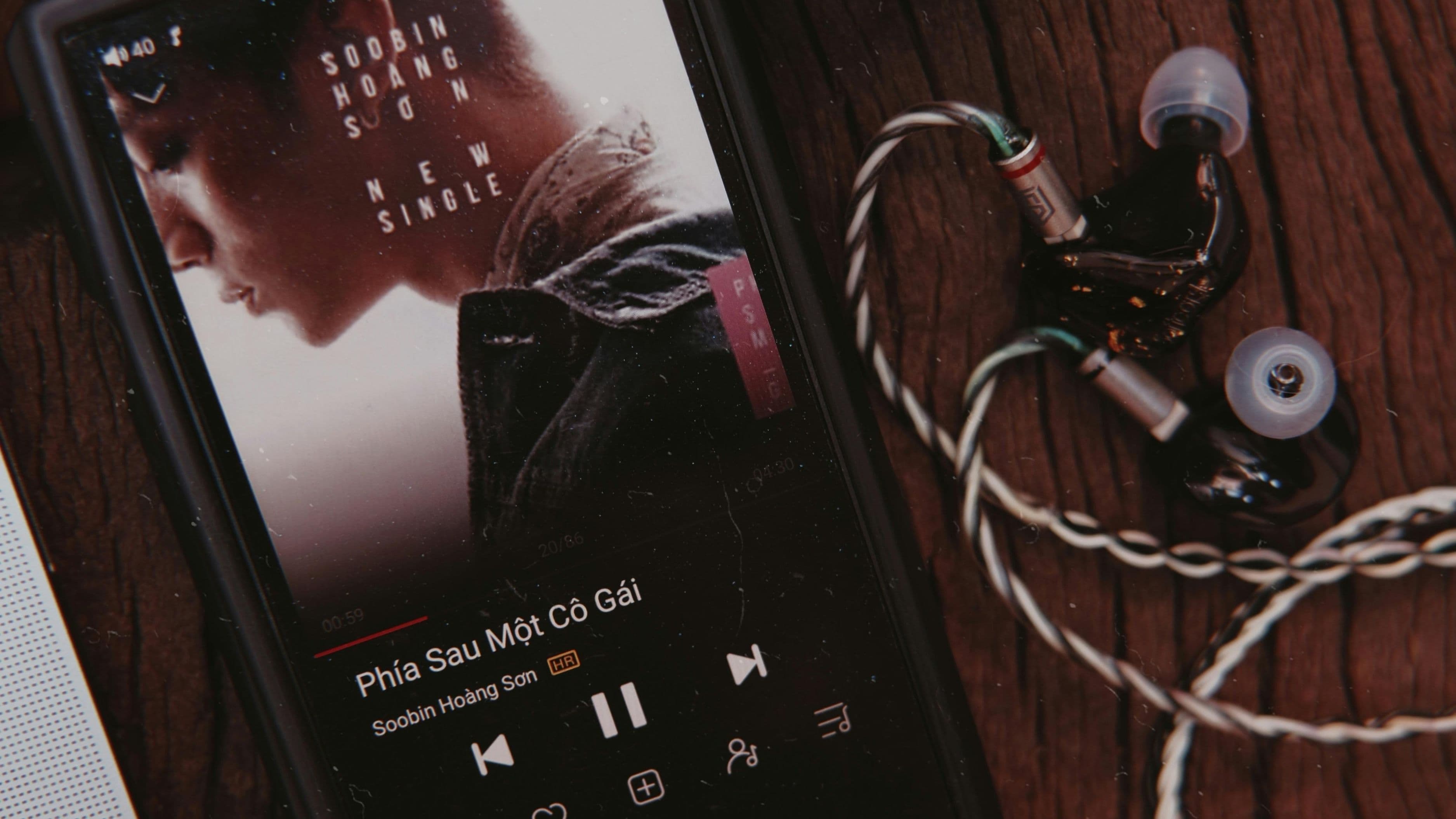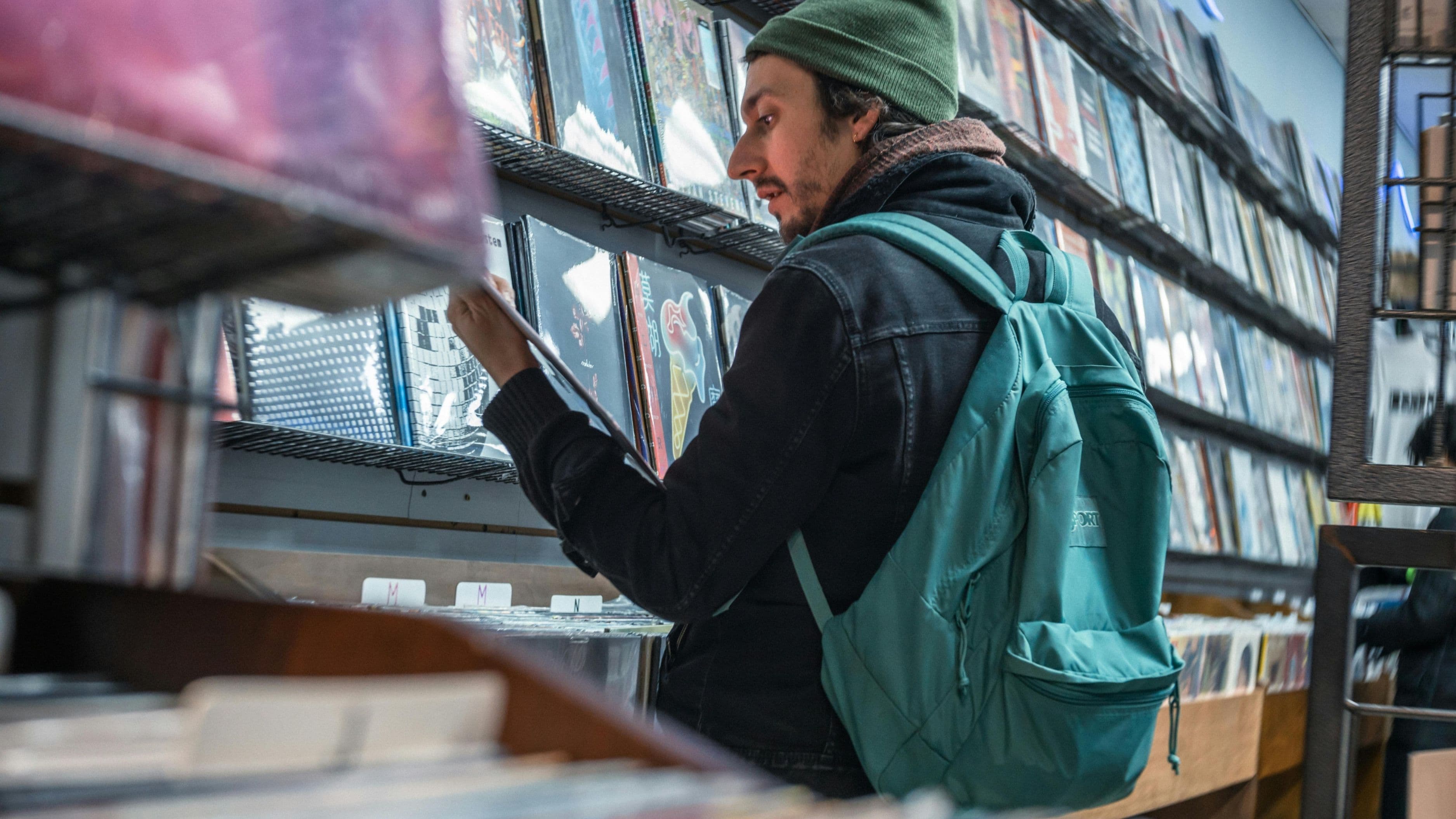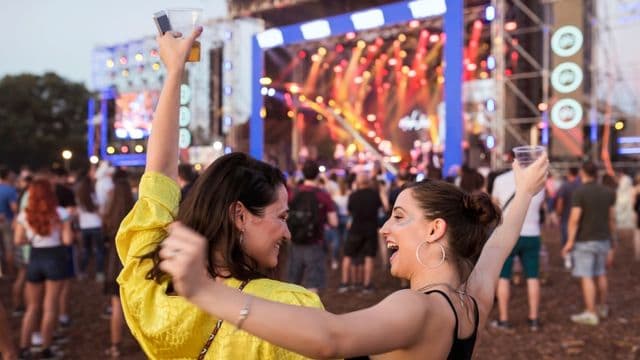

These ten methods will help you find shows, festivals, and performances you didn't know existed – from free street concerts to underground club nights to touring acts passing through on a Tuesday.
Top 10 Ways to Discover Live Music – At a Glance
Use Songkick or Bandsintown to track your favorite artists
Browse local event listings on Eventbrite and Do512/DoNYC/DoLA-style city guides
Follow venues directly on social media
Check Spotify's Concert Hub and Concert Finder
Join local Facebook groups and Reddit communities
Walk into independent record stores and read the bulletin boards
Ask bartenders and venue staff
Sign up for venue and promoter email lists
Explore Resident Advisor for electronic and underground music
Use Google Events and local newspaper arts sections
1. Use Songkick or Bandsintown to Track Your Favorite Artists
What it is: Songkick and Bandsintown are concert discovery apps that sync with your music library or streaming accounts. They detect which artists you listen to and automatically alert you when those artists announce shows near you.
Why it works: Most people miss concerts simply because they didn't know the tour was happening. These apps solve that problem directly. Connect your Spotify or Apple Music account and both platforms will immediately show you upcoming shows from artists you actually care about, sorted by proximity.
How to use it: Download either app (or both – they're free), connect your streaming account, enable location and notifications, and let it run in the background. You'll get alerts when tickets go on sale, which means you can grab them before they sell out. Songkick also has a feature that lets you track artists you love who aren't touring yet, so you're notified the moment they announce dates.
Key benefit: Passive discovery that requires almost zero effort after the initial setup. You won't miss another tour from a band you love.
Tip: Set up alerts well in advance. Popular shows in mid-size venues sell out faster than most people expect – sometimes within hours of going on sale.
2. Browse Local Event Listings on City-Specific Guides
What it is: Most major cities have dedicated event listing platforms that aggregate local concerts, festivals, and pop-up performances. Eventbrite covers virtually every city and is strong on independent events, while city-specific guides like Do512 (Austin), DoNYC, DoLA, and Funcheap (San Francisco) focus on curated local picks with honest editorial filters.
Why it works: General platforms like Google or Yelp often surface the biggest, most commercialized events. City-specific guides tend to cover the full spectrum – from a free jazz night at a wine bar to a DIY hardcore show in a warehouse. That's where you find the events worth talking about.
How to use it: Search for "[your city] event listings" or "[your city] music this weekend" and identify two or three guides that cover your area well. Bookmark them and check weekly. Most also have email newsletters that round up the best upcoming shows – subscribe to at least one.
Key benefit: Broader discovery than algorithm-driven apps. Human curation surfaces things an app might never show you.
Tip: Eventbrite lets you filter by free events, which is useful when you're exploring and don't want to commit money upfront.
3. Follow Venues Directly on Social Media
What it is: Every venue – from a 50-person jazz club to a 2,000-capacity theater – maintains social media accounts where they announce lineups, special events, and last-minute additions.
Why it works: Venues book acts on a rolling basis and often announce shows with only a few weeks of lead time. If you're only checking Ticketmaster or StubHub, you're seeing a fraction of what's actually happening in your city. Following venues directly puts you in the loop for everything they book.
How to use it: Make a list of five to ten venues in your city across different sizes and genres. Follow all of them on Instagram and turn on post notifications for the ones you visit most. On Facebook, venues still tend to create individual event pages for shows – join their pages and RSVP to get reminders.
Key benefit: First access to announcements, presale codes, and last-minute additions that don't always make it onto aggregator platforms.
Tip: Don't just follow the venues you already know. Look up where your favorite local artists perform and follow those rooms – you'll discover venues you didn't know existed.
4. Check Spotify's Concert Hub and Concert Finder
What it is: Spotify has a built-in concert discovery feature accessible through artist pages and via the Concert Hub (available in the app under "Music" on some versions). It surfaces live shows from artists in your listening history and lets you buy tickets directly.
Why it works: Spotify's data on your listening habits is unmatched. When it translates that into concert recommendations, the results are highly relevant – you're not seeing a generic list of popular shows, you're seeing artists you actually listen to performing nearby.
How to use it: On any artist's Spotify page, scroll down to find upcoming concert dates if they're touring. The Concert Hub (where available) aggregates these across all artists you follow. Spotify has also integrated with Ticketmaster and other ticketing platforms for direct purchase.
Key benefit: Discovery tied directly to your personal taste without any extra setup. It works because you're already using Spotify.
Tip: Check artist pages for smaller or lesser-known acts you listen to – they're often touring in small clubs at ticket prices well below what you'd pay for a major artist.
5. Join Local Facebook Groups and Reddit Communities
What it is: Most cities have Facebook groups and subreddits dedicated to local music scenes, concert recommendations, and event sharing. These are often run by enthusiastic locals who post shows, share reviews, and organize meetups around live music.
Why it works: Community-driven recommendations carry a different quality than algorithm-driven ones. When a real person in your city says "this show on Thursday is going to be incredible," that's signal worth paying attention to. You also get the insider context that apps can't provide – which venues have great sound, which shows are selling fast, which openers are worth showing up early for.
How to use it: Search Facebook for "[your city] live music," "[your city] concerts," or "[your city] music scene." On Reddit, search r/[yourcity] and look for pinned concert threads or weekly event posts. Many city subreddits have recurring threads specifically for music and events.
Key benefit: Human-curated, community-filtered discovery that surfaces gems the algorithms miss.
Tip: Don't just lurk – post and ask. Something like "looking for jazz recommendations this weekend" will get you genuinely useful responses from locals who know the scene.
6. Walk Into Independent Record Stores and Read the Bulletin Boards
What it is: Independent record stores are often the nerve center of a local music scene. Most have physical bulletin boards covered in flyers for upcoming shows, and many host in-store performances themselves. The staff are almost always deeply plugged into local music.
Why it works: This is low-tech, but it's incredibly effective. Record store bulletin boards advertise shows that never appear on apps – DIY events, house concerts, local band residencies, benefit shows, and genre nights that exist entirely within word-of-mouth networks. If you only discover music digitally, you're missing a whole layer of the local scene.
How to use it: Find the independent record stores in your city (a quick Google search for "independent record store [city]" will surface them) and walk in. Spend ten minutes reading the boards. Browse the staff recommendation sections – staff picks at good record stores are curated by people who genuinely love music. Ask staff what's happening this week.
Key benefit: Access to the truly local underground – the part of the music scene that exists outside of ticketing platforms and apps.
Tip: Many independent record stores host free in-store performances, especially on Record Store Day (the third Saturday of April each year). These are often excellent and completely free.
7. Ask Bartenders and Venue Staff
What it is: The people working at music venues, dive bars with live music, and music-adjacent spaces know what's happening better than any app. They hear soundchecks, see which nights fill up, and have direct relationships with bookers and bands.
Why it works: Algorithmic discovery is good at showing you what's popular. Human insiders are good at showing you what's actually worth seeing. A bartender at a jazz club who knows you like late-night sets will point you toward something an app would never surface.
How to use it: Next time you're at a show or at a bar with live music, ask. "What's coming up here that I should know about?" is a question most music-industry workers are genuinely happy to answer. Tip well, become a regular, and you'll find yourself getting texts about shows before they're even publicly announced.
Key benefit: Word-of-mouth access to the most current and local information available.
Tip: Venue bookers and promoters are especially valuable contacts. If you can get a follow on social media from the person booking shows at a venue you love, you'll know about every show they announce.
8. Sign Up for Venue and Promoter Email Lists
What it is: Most venues, promoters, and booking agencies maintain email lists that send advance announcements, presale codes, and weekly roundups of upcoming shows. These lists are often the first place new dates appear – before they hit ticketing platforms or social media.
Why it works: Email lists are one of the few marketing channels that music industry people still invest in heavily. Fans on a venue's list get access to presales (sometimes 20–50% cheaper than day-of prices), and the weekly digests are a reliable way to stay on top of what's coming without actively searching.
How to use it: Visit the websites of your five to ten favorite local venues and look for a newsletter signup – usually in the footer. Also look for local promoters (the companies or individuals who book tours and events, often listed on show posters as "presented by") and subscribe to their lists. Most cities have a handful of active promoters responsible for the majority of quality bookings.
Key benefit: First access to tickets and information, often with exclusive presale pricing.
Tip: Create a dedicated folder or label in your email client for venue newsletters so they don't get buried. A quick scan of that folder once a week is enough to stay ahead of what's happening.
9. Explore Resident Advisor for Electronic and Underground Music
What it is: Resident Advisor (RA) is the premier global platform for electronic music events, DJ bookings, and club culture. It covers everything from techno and house to ambient, experimental, and leftfield electronic music. Its event listings are city-specific, exhaustive, and updated continuously.
Why it works: If your taste extends to electronic music in any form – club nights, live electronic acts, DJ sets, experimental performances – Resident Advisor is unmatched. It covers events that don't appear anywhere else, particularly underground and warehouse events that operate outside the mainstream ticketing ecosystem.
How to use it: Go to ra.co, set your city, and browse upcoming events. RA also has artist pages, reviews, and a podcast that serves as a discovery tool in its own right. Create a free account to save events and get personalized recommendations.
Key benefit: The best tool in existence specifically for electronic and underground music discovery. Nothing else comes close for this genre space.
Tip: Even if electronic music isn't your primary genre, RA often lists experimental, jazz-adjacent, and avant-garde performances that overlap with other tastes. It's worth browsing even if you're not a club regular.
10. Use Google Events and Local Newspaper Arts Sections
What it is: Google's Events feature (accessible by searching "concerts near me" or "live music this weekend [city]") aggregates event data from across the web into a single browsable interface with filters for date, genre, and price. Local newspapers and alt-weeklies – many of which publish online – maintain arts and entertainment sections with staff-curated event picks.
Why it works: Google Events pulls from a wide range of sources and is often the fastest way to get a broad overview of what's happening any given weekend. Local newspaper arts sections provide the editorial layer – a human writer who covers the local scene and knows which shows are worth highlighting.
How to use it: For quick searches, type "live music near me this weekend" into Google and click through to the Events tab. For editorial context, find your city's alt-weekly or arts publication (examples: The Stranger in Seattle, Chicago Reader, L.A. Weekly) and bookmark their events section. Many publish weekly "best shows this week" roundups that are excellent.
Key benefit: Fast, broad discovery for spontaneous nights out combined with editorial curation for quality filtering.
Tip: Google Events lets you filter by free, which is useful for discovering no-cost performances – outdoor concerts, park events, free venue nights – that you might not find through other channels.
Quick Takeaway
The best live music discovery strategy uses a combination of these methods. Set up Songkick or Bandsintown for passive tracking of artists you love. Follow your local venues on Instagram for first access to announcements. Sign up for two or three email lists. And occasionally go analog – walk into a record store, talk to a bartender, ask a local. The digital tools are efficient; the human channels are where you find the magic.
FAQ
Are there free live music events in most cities? Yes, consistently. Parks departments, libraries, arts organizations, and venues all host free performances throughout the year. Filtering for free events on Eventbrite and Google Events surfaces more than most people expect.
What's the best app specifically for discovering local shows? Songkick is the most consistently praised for concert tracking. Bandsintown is comparable and preferred by some users for its interface. Both are free and worth having.
How do I find out about shows before they sell out? Venue email lists are the most reliable way to access presales. Turning on notifications for venue social accounts gets you announcements the moment they're posted.
Is live music expensive? It ranges widely. Club shows and local acts often cost $10–$25. Mid-size venue shows run $25–$75. Major arena tours can exceed $100+. But free and low-cost shows exist in virtually every city if you know where to look.
What if I live in a smaller city with a limited music scene? Smaller cities often have more local music culture than people realize – it's just less visible. Record stores, local subreddits, and Facebook community groups are especially valuable in smaller markets where word-of-mouth is how most shows get promoted. Also check nearby larger cities for touring acts you'd travel to see.
📚 Sources
Songkick – Concert Discovery and Artist Tracking – https://www.songkick.com
Bandsintown – Artist and Concert Tracker – https://www.bandsintown.com
Resident Advisor – Electronic Music Events and Culture – https://ra.co
Eventbrite – Local Event Discovery – https://www.eventbrite.com
Spotify – Artist Concert Pages and Concert Hub – https://open.spotify.com
Record Store Day – Official Site – https://www.recordstoreday.com
Google Events – How to Find Local Events – https://support.google.com/websearch/answer/9275675
🔍 Explore Related Topics
How to meet people through live music