
This list does it for you. These are the 10 destinations where digital nomads consistently thrive – ranked on the factors that actually matter: internet speed, cost of living, safety, coworking infrastructure, and quality of life.
Top 10 at a Glance
Chiang Mai, Thailand
Lisbon, Portugal
Medellín, Colombia
Bali (Canggu), Indonesia
Tbilisi, Georgia
Mexico City, Mexico
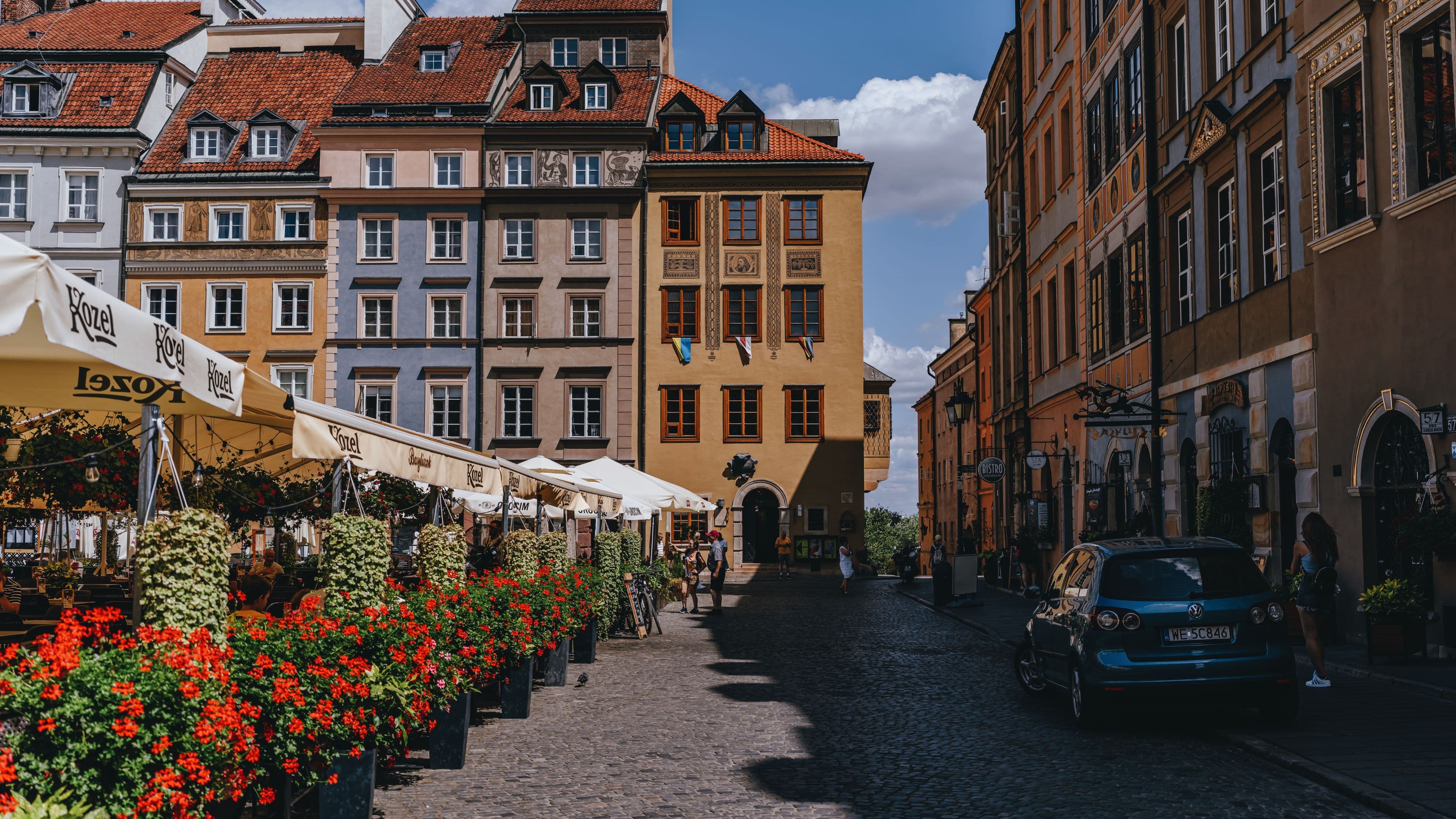
Budapest, Hungary
Ho Chi Minh City, Vietnam
Las Palmas, Gran Canaria (Spain)
Cape Town, South Africa
1. Chiang Mai, Thailand
Best for: Budget-conscious nomads who want a high quality of life
Chiang Mai has been a digital nomad staple for over a decade, and it still earns its spot at the top of every serious list. The cost of living is genuinely low – a comfortable month including rent, food, coworking, and transport can run $800–$1,500 depending on your lifestyle. For that, you get a city with excellent infrastructure, dozens of coworking spaces, reliable high-speed internet, and a social scene built around long-term travelers and remote workers.
The food is outstanding and cheap, the Old City is walkable and charming, and the surrounding mountains offer weekend escapes that genuinely recharge you. The climate is warm year-round, though March to May can get uncomfortably hot and smoky from agricultural burning. The main downside is visa logistics – Thailand doesn't have a dedicated digital nomad visa yet, so most people use tourist visa extensions, border runs, or the newer Long-Term Resident (LTR) visa for those who qualify. Despite that friction, Chiang Mai's combination of affordability, nomad infrastructure, and lifestyle quality keeps it in a class of its own.
Average monthly cost: $900–$1,500
Internet: Fast and widely available (100+ Mbps in most coworking spaces)
Visa situation: Tourist visa + extensions, or LTR visa for qualifying applicants
Best for: First-time nomads, budget travelers, those who want a large English-speaking expat community
2. Lisbon, Portugal
Best for: Nomads who want Europe without breaking the bank
Lisbon hit the mainstream nomad radar a few years ago and hasn't slowed down. Portugal's D8 Digital Nomad Visa – one of the first of its kind in Europe – makes the legal side straightforward for non-EU nationals earning income remotely. The process requires proof of income above a certain threshold, but once approved, you can live and work legally in Portugal for up to two years with a path to longer-term residency.
The city itself is beautiful, walkable, and culturally rich. Coworking spaces are plentiful and high quality, the food and wine scene is strong at reasonable prices by Western European standards, and the Atlantic coastline is within easy reach. English is widely spoken, especially among younger locals and in professional settings. Lisbon has gotten notably more expensive since it became a nomad hotspot – rent in particular has risen sharply – but it remains cheaper than London, Paris, or Amsterdam, and the lifestyle dividend is significant. Porto is a quieter, slightly more affordable alternative for those who find Lisbon too busy.
Average monthly cost: $2,000–$3,200
Internet: Excellent (Portugal consistently ranks among Europe's fastest broadband countries)
Visa situation: D8 Digital Nomad Visa (non-EU), Schengen 90-day rule applies for others
Best for: Nomads wanting a European base with legal clarity and strong infrastructure
3. Medellín, Colombia
Best for: Nomads who want warm weather, low costs, and a vibrant city
Medellín's transformation over the past two decades is one of the most dramatic urban turnaround stories in the world, and the city has become a genuine hub for remote workers and entrepreneurs from across the globe. The El Poblado and Laureles neighborhoods are the primary nomad zones – full of cafés with fast Wi-Fi, coworking spaces, and a social infrastructure that makes meeting other remote workers effortless.
The cost of living is excellent for the quality of experience: you can eat well, live in a modern apartment, and cover all your monthly expenses for $1,200–$2,000. The city's elevation (around 1,500 meters) gives it a perpetual spring climate that many nomads consider ideal. Colombia offers a Digital Nomad Visa valid for up to two years, and the application process is manageable. Spanish is essential for navigating daily life outside the main expat neighborhoods, which is either a feature or a bug depending on how you look at it.
Average monthly cost: $1,200–$2,000
Internet: Good to excellent in nomad neighborhoods (fiber available in most coworking spaces)
Visa situation: Colombia Digital Nomad Visa, up to 2 years
Best for: Nomads who want Latin America's culture and affordability with modern city conveniences
4. Bali (Canggu), Indonesia
Best for: Nomads who want a lifestyle-first base with strong community
Bali – specifically the Canggu area – is less a city and more a lifestyle. It's surf beaches in the morning, coworking in the afternoon, and a social scene that never really stops. The density of remote workers here is remarkable: at peak season, Canggu can feel like a global nomad convention, which makes it either thrilling or exhausting depending on what you're looking for.
The cost of living is low, the food is excellent (local and international), and the creative energy is hard to match anywhere else. Coworking spaces like Dojo and Outpost are well-equipped and community-oriented, not just desk rentals. Indonesia doesn't have a straightforward digital nomad visa – most people use tourist visas or the newer Second Home Visa for longer stays – and internet reliability outside of coworking spaces can be inconsistent. The traffic in Canggu has also worsened significantly as the area has grown. These are manageable friction points for most people, and for a 1–3 month base, Bali remains one of the most compelling options on the planet.
Average monthly cost: $1,200–$2,200
Internet: Reliable in coworking spaces; variable at home/villas
Visa situation: Tourist visa (30 days, extendable), Second Home Visa for longer stays
Best for: Creatives, surfers, lifestyle-driven nomads, those wanting a dense social scene
5. Tbilisi, Georgia
Best for: Nomads who want maximum simplicity and low cost in Europe's backyard
Georgia (the country, not the state) has become one of the most talked-about nomad destinations of the past few years, and for good reason. Citizens of most Western countries can enter and stay for up to 365 days without a visa – no applications, no bureaucracy, just land and go. The cost of living is extremely low by European standards, with a comfortable monthly budget of $1,000–$1,800.
Tbilisi is a fascinating city – old Soviet architecture mixed with modern wine bars and creative hubs, a food scene centered around some of the best Georgian cuisine you've never heard of, and a growing coworking infrastructure that caters specifically to the influx of remote workers. The internet is fast and affordable. The country's proximity to Istanbul, Yerevan, and European capitals makes it a strong regional hub for those who like to move around. The language barrier is real (Georgian script is entirely unique), but most younger Tbilisians speak English, and the nomad community is large enough that you'll rarely be stranded.
Average monthly cost: $1,000–$1,800
Internet: Fast and affordable (good speeds widely available)
Visa situation: Visa-free for up to 365 days for most Western passport holders
Best for: Budget-focused nomads, those wanting visa-free simplicity, Eastern Europe explorers
6. Mexico City, Mexico
Best for: Nomads who want a world-class city at a fraction of the cost
Mexico City punches well above its weight. It's a genuine megalopolis – world-class museums, restaurants, nightlife, architecture, and culture – at a cost of living that makes most major Western cities look obscene by comparison. The Roma Norte and Condesa neighborhoods are the epicenter of nomad life: tree-lined streets, European-style cafés, excellent coworking spaces, and a social scene that mixes locals and expats seamlessly.
Monthly costs for a comfortable lifestyle – good apartment, eating out regularly, coworking membership – typically land between $1,500–$2,500. Americans in particular benefit from the time zone overlap with U.S. business hours, which makes client calls and collaboration effortless compared to Asian or European bases. Mexico's tourist visa allows 180 days, which covers most short-to-medium stays without any formal paperwork. Safety varies significantly by neighborhood – Roma, Condesa, Polanco, and Coyoacán are among the safer and most nomad-friendly areas, and sticking to these zones makes for a very comfortable experience.
Average monthly cost: $1,500–$2,500
Internet: Fast in coworking spaces and modern apartments; variable elsewhere
Visa situation: Tourist visa up to 180 days, no visa required for most Western passports
Best for: North American nomads, those wanting a major city experience at developing-world prices
7. Budapest, Hungary
Best for: Nomads who want Central European culture and EU infrastructure
Budapest is one of Europe's most underrated cities, and the nomad community here has figured that out. Rents are lower than in Lisbon or Barcelona, the food and nightlife scenes are exceptional, and the city's architecture and thermal bath culture create a quality of life that's hard to replicate. The Hungarian capital sits at the intersection of ease and richness – it's not as cheap as Southeast Asia, but it's significantly more affordable than Western Europe while offering comparable infrastructure.
Hungary is an EU member state, which means internet infrastructure, healthcare access, and general services are to European standards. Non-EU nomads typically use the 90-day Schengen allowance for short stays, though Hungary has introduced a White Card (digital nomad visa) that allows longer stays for qualifying remote workers. Monthly costs for a comfortable lifestyle typically fall between $1,500–$2,500. The main drawback for some is the language – Hungarian is notoriously difficult – but English is widely spoken in professional and hospitality contexts throughout the city.
Average monthly cost: $1,500–$2,500
Internet: Excellent (Hungary has some of the fastest internet speeds in Europe)
Visa situation: 90-day Schengen for most; Hungary White Card for extended stays
Best for: Europe-based nomads, those who want culture and nightlife without Western European prices
8. Ho Chi Minh City, Vietnam
Best for: Nomads who want low costs and high energy in Southeast Asia
Ho Chi Minh City (Saigon) is the economic engine of Vietnam and one of the most energetic cities in Southeast Asia. It's loud, fast, and full of life – not the place for quiet contemplation, but an excellent base for nomads who want low costs, great food, and a city that never stops moving. The cost of living is among the lowest on this list: a comfortable month with a good apartment and coworking access can come in under $1,200.
The coworking scene has grown significantly in recent years, with spaces like Toong and Dreamplex offering professional-grade environments with fast internet. Vietnamese coffee culture – strong, cheap, and everywhere – makes it particularly well-suited to café workers. The main practical challenge is the visa situation: Vietnam doesn't have a dedicated digital nomad visa, and the visa options (e-visa, visa on arrival) are good for shorter stays but require planning for anything longer than 90 days. The motorbike traffic is intense and takes adjustment, but most nomads adapt quickly and find it part of the city's charm.
Average monthly cost: $900–$1,500
Internet: Fast in coworking spaces; variable in rental apartments
Visa situation: E-visa (90 days); no long-stay digital nomad visa currently available
Best for: Budget nomads, Southeast Asia enthusiasts, those who want a high-energy urban base
9. Las Palmas, Gran Canaria, Spain
Best for: Nomads who want year-round sun within the EU
Las Palmas is the hidden gem of this list. The capital of Gran Canaria sits in the Atlantic Ocean off the coast of Africa but is technically part of Spain – meaning EU law, Schengen-free travel for Europeans, and excellent infrastructure. The climate is perhaps the most consistent of any city on this list: temperatures hover between 18–24°C (64–75°F) year-round, earning Gran Canaria its nickname as the "Island of Eternal Spring."
The cost of living is lower than mainland Spanish cities like Barcelona or Madrid, and the nomad community – while smaller than Lisbon or Medellín – is tight-knit and welcoming. The surf breaks near Las Canteras beach are a short walk from the coworking district, which makes the work-life balance genuinely easy to maintain. Spain's Digital Nomad Visa applies here as it does across the country, offering a legal pathway for non-EU workers earning income from outside Spain. For nomads who want Europe with reliable sun and a manageable city size, Las Palmas consistently overdelivers.
Average monthly cost: $1,800–$2,800
Internet: Excellent (fiber widely available)
Visa situation: Spain Digital Nomad Visa for non-EU; Schengen for short stays
Best for: Surfers, European nomads, those wanting year-round sun with EU stability
10. Cape Town, South Africa
Best for: Nomads who want dramatic scenery and an English-speaking African base
Cape Town is the most geographically spectacular city on this list – Table Mountain, the Atlantic Seaboard, wine valleys, and world-class beaches all within 30 minutes of each other. The city has a well-developed nomad and startup scene, strong coworking infrastructure, and an English-speaking environment that removes the language friction common in other destinations.
The cost of living is very favorable for those earning in dollars or euros, thanks to favorable exchange rates with the South African Rand. A comfortable monthly lifestyle – good accommodation in areas like Sea Point, De Waterkant, or the City Bowl – typically runs $1,500–$2,500. South Africa introduced a Remote Work Visa in 2022 specifically for digital nomads, valid for up to three years. The main practical considerations are safety – Cape Town has significant crime and inequality, and neighborhood selection matters – and occasional power outages (load shedding) that can disrupt work. Good coworking spaces and mobile data backup largely solve the power issue, and choosing the right neighborhood goes a long way on safety.
Average monthly cost: $1,500–$2,500
Internet: Good in coworking spaces; power outages (load shedding) require backup planning
Visa situation: South Africa Remote Work Visa, up to 3 years
Best for: Adventurous nomads, outdoor enthusiasts, those wanting an African base with English infrastructure
How to Choose Your Next Nomad Base
No destination works for everyone, and the best base is the one that fits your budget, work schedule, and lifestyle priorities. A few questions that help narrow it down:
What's your budget? If you're working with under $1,500/month, Southeast Asia (Chiang Mai, Ho Chi Minh City, Bali) or Tbilisi give the best quality-to-cost ratio. For $2,000–$3,000, Europe opens up significantly – Lisbon, Budapest, and Las Palmas all become comfortable.
What time zone do your clients or team sit in? This matters more than most people admit. If you're working with U.S. clients, Mexico City is a far more practical base than Bali. If your work is async, time zone is less of a factor.
How long are you staying? For one to three months, tourist visas work fine in most destinations. If you're planning six months or more, the visa situation becomes critical – Portugal, Colombia, Georgia, and South Africa all have clear long-stay pathways.
Do you want community or quiet? Bali, Chiang Mai, and Medellín have the densest nomad communities and the most social infrastructure. Cape Town and Las Palmas offer smaller, quieter scenes that some find preferable once the novelty of constant networking wears off.
Quick Takeaway
The best digital nomad destinations share a common formula: affordable or manageable cost of living, reliable internet, some form of legal clarity on longer stays, and a quality of life that makes you want to stay a while. Whether you're drawn to the beaches of Bali, the culture of Mexico City, or the simplicity of visa-free Tbilisi, the key is matching the destination to your actual working life – not just the Instagram version of it. Pick one, commit to at least a month, and adjust from there.
FAQ
Do I need a special visa to work remotely abroad? It depends on the country and how long you're staying. For stays under 90 days, most Western passport holders can enter most destinations on a tourist visa. For longer stays, dedicated digital nomad visas now exist in Portugal, Colombia, South Africa, Spain, Hungary, and others.
What internet speed do I actually need to work remotely? For most remote work – video calls, cloud tools, file sharing – a consistent 25–50 Mbps is sufficient. Coworking spaces in all destinations on this list easily meet that threshold. Home internet can vary, so always verify before committing to an apartment lease.
Is it expensive to set up in a new city as a nomad? There's usually a setup cost – SIM card, initial accommodation while you find longer-term housing, coworking day passes. Budget an extra $200–$400 for the first week in a new city, regardless of how cheap the destination is.
Are these destinations safe for solo travelers? Most are, with caveats. Chiang Mai, Lisbon, Budapest, and Las Palmas are very safe by global standards. Medellín, Mexico City, and Cape Town require neighborhood awareness and basic street sense. Tbilisi is very safe. Bali and Ho Chi Minh City are generally safe with standard precautions.
How long should I stay in one place? The sweet spot most experienced nomads land on is one to three months per base. Shorter than that and you're always in tourist mode; longer than three months and you often need to sort out visa extensions. One month gives you enough time to settle in; three months lets you feel like a temporary local.
Can I maintain health insurance as a digital nomad? Yes. Providers like SafetyWing, Cigna Global, and World Nomads offer international health insurance plans specifically designed for remote workers and long-term travelers. It's essential, not optional.
📚 Sources
Nomad List – Top Cities for Digital Nomads: https://nomadlist.com
Portugal Immigration – D8 Digital Nomad Visa: https://imigrante.sef.pt/en/apply/stay/digital-nomads/
Colombia Ministry of Foreign Affairs – Digital Nomad Visa: https://www.cancilleria.gov.co/tramites_servicios/visas/tipos-visa/nomada-digital
South Africa Department of Home Affairs – Remote Work Visa: https://www.dha.gov.za/index.php/immigration-services/remote-work-visa
Internations – Living in Chiang Mai: https://www.internations.org/chiang-mai-expats/guide
Internations – Living in Medellín: https://www.internations.org/medellin-expats/guide
Hungary – White Card Digital Nomad Visa: https://konzuliszolgalat.kormany.hu/en/white-card
Spain Digital Nomad Visa – Official Information: https://www.exteriores.gob.es/en/EmbajadasConsulados/Pages/digital-nomad-visa.aspx
Numbeo – Cost of Living Comparisons: https://www.numbeo.com/cost-of-living/
SafetyWing – Nomad Insurance Overview: https://safetywing.com/nomad-insurance