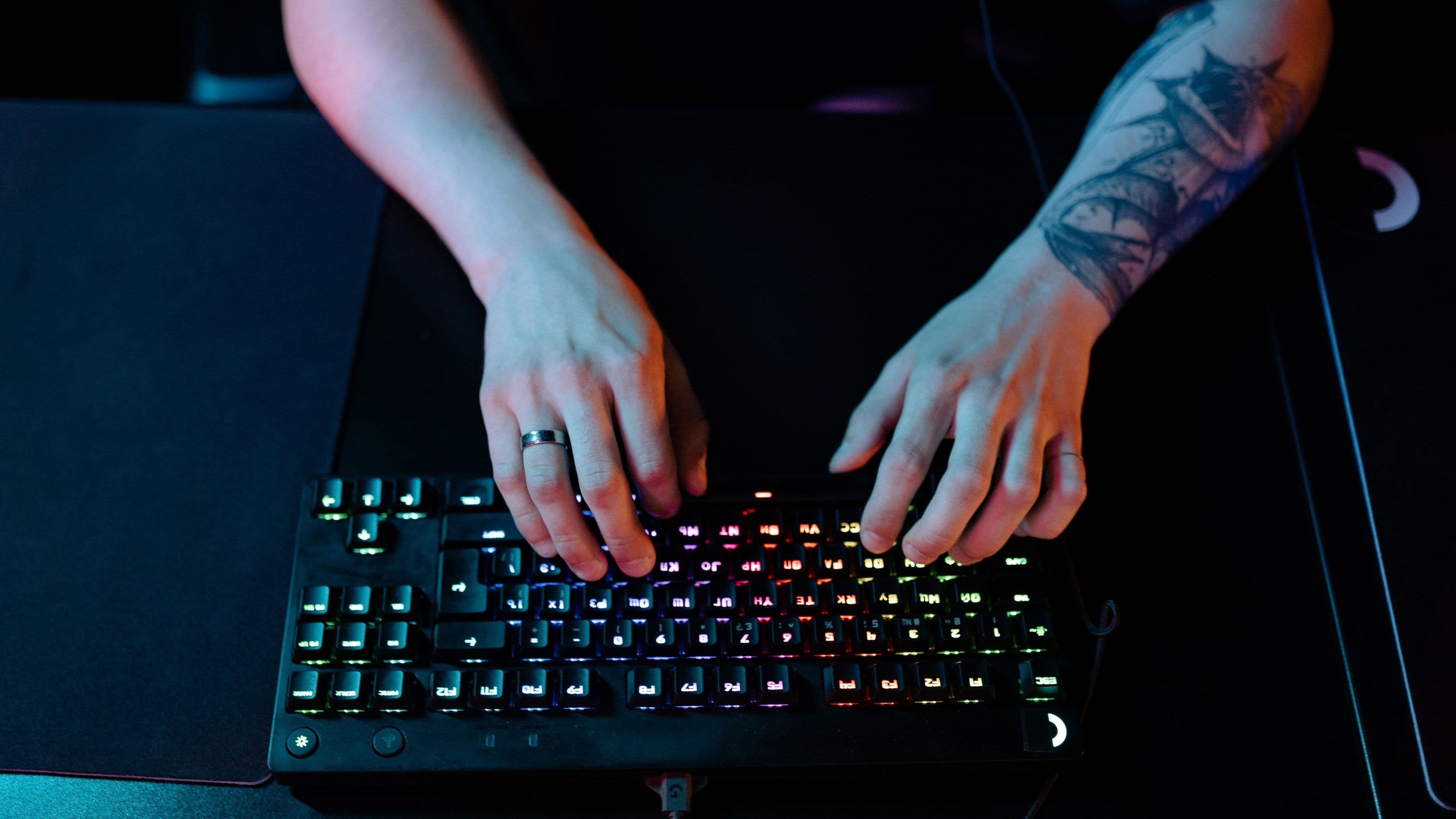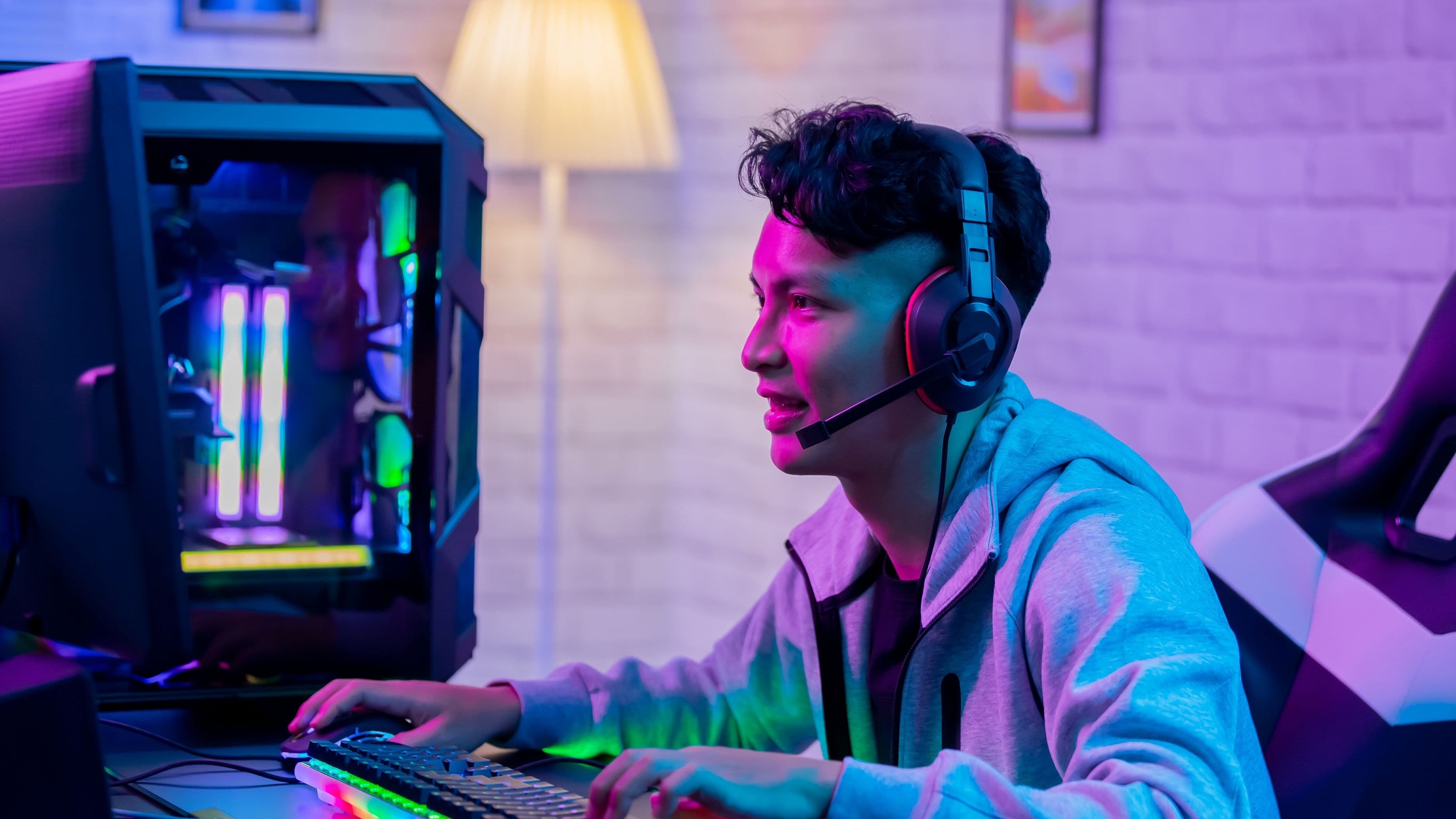
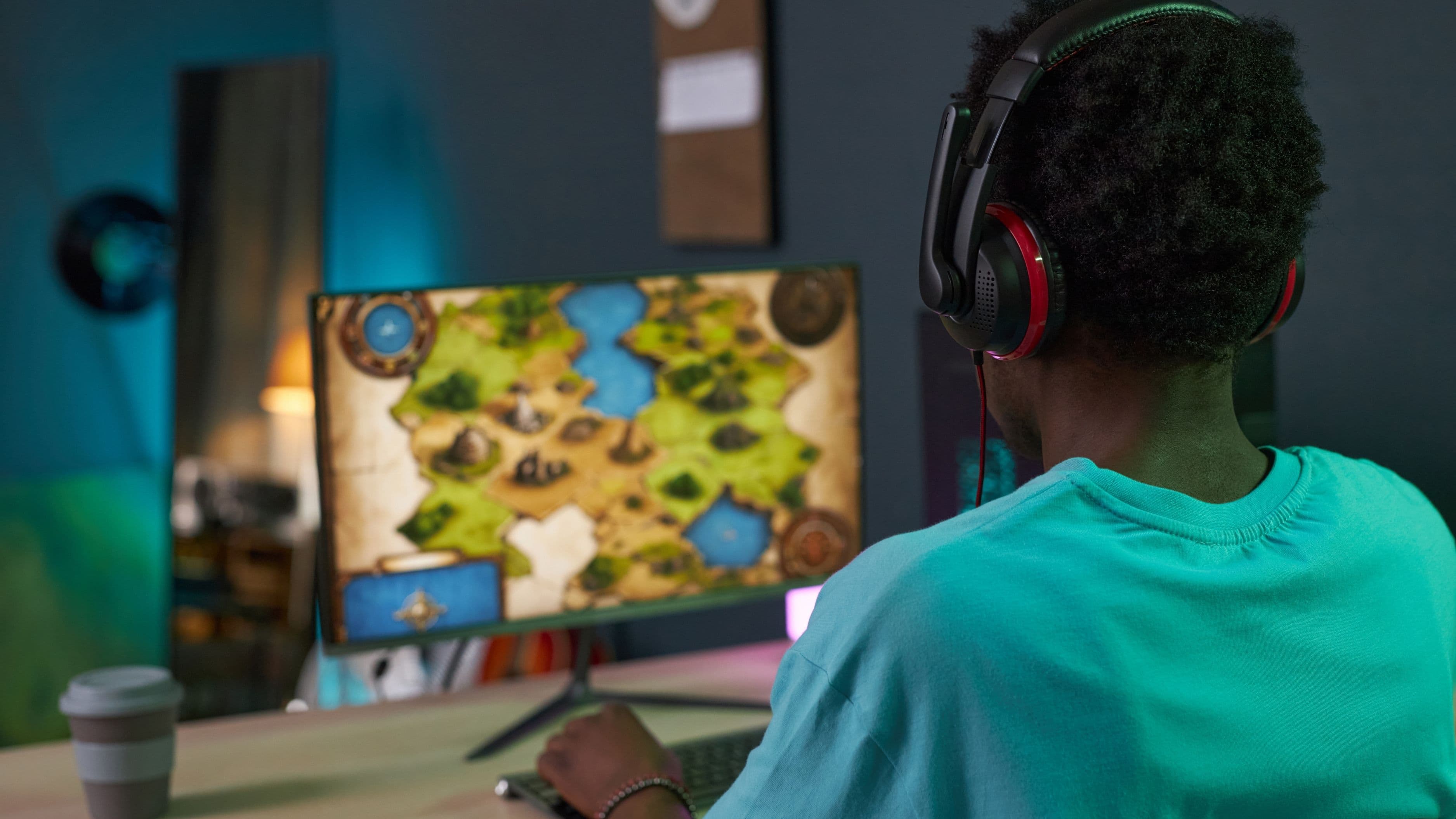
The problem is finding the right co-op game for your group. Some require serious time commitments; others are perfect for a casual hour. Some reward communication and strategy; others thrive on chaos and laughter. We played through dozens of popular co-op titles across genres, platforms, and price points to bring you the ten that consistently deliver the best shared experiences — regardless of whether your friends are across town or across the world.
🎮 Top 10 at a Glance
It Takes Two – Best for duos who want a story-driven, genre-hopping adventure
Deep Rock Galactic – Best for tight-knit squads who love teamwork and humor
Phasmophobia – Best for friends who enjoy spine-tingling horror together
Sea of Thieves – Best for open-world exploration and spontaneous adventure
Overcooked! 2 – Best for chaotic, laugh-out-loud couch and online co-op
Valheim – Best for groups who love survival crafting with Viking flair
Left 4 Dead 2 – Best for classic, pulse-pounding zombie co-op action
Minecraft – Best for creative, open-ended building and exploration
Back 4 Blood – Best for squads who want a modern, replayable shooter
Stardew Valley – Best for laid-back, wholesome farming and life simulation
🕹️ Full Reviews
1. It Takes Two — Best for Duos Who Want a Story-Driven Adventure
What It Is & Who It's Best For
It Takes Two is a masterfully crafted two-player co-op platformer that follows a couple on the verge of divorce who get magically shrunk and must work together — literally — to find their way back to normal. It's designed exclusively for exactly two players, making it the ultimate co-op experience for couples, best friends, or siblings. One of the most generous deals in gaming: the "Friend's Pass" lets one player invite a friend to play the entire game for free, even if that friend doesn't own it.
Key Features & Differentiators
What makes It Takes Two extraordinary is how the game mechanics constantly change to reflect the story's themes — one chapter might have you working together to operate a giant vacuum; the next might split your abilities so you literally can't succeed without your partner. Every few hours brings an entirely new gameplay style, so it never gets stale. It won Game of the Year at The Game Awards 2021, and that honor is fully deserved.
Pricing: Around $40; frequently on sale for $15–$20. Friend's Pass is free.
Pros:
Friend's Pass lets one person play for free — no double purchase needed
Gameplay mechanics reinvent themselves every few hours
Emotionally engaging story that lands for adult players
Exceptionally polished and bug-free experience
Roughly 10–12 hours of content — perfect game length
Cons:
Strictly two-player only — no larger group option
Story themes (divorce, family dysfunction) may not suit every duo
Puzzles occasionally require patient communication to solve
2. Deep Rock Galactic — Best for Tight-Knit Squads Who Love Teamwork
What It Is & Who It's Best For
Deep Rock Galactic is a first-person co-op shooter where you and up to three friends play as space dwarves mining alien planets while fighting off swarms of bugs. It sounds absurd — because it is — but beneath the humor is one of the most genuinely well-designed co-op experiences available. It's best for groups of 2–4 who want tight teamwork, class-based roles, and a game that rewards coordination without punishing less skilled players.
Key Features & Differentiators
Each of the four classes (Driller, Engineer, Scout, Gunner) brings unique tools that complement the others — the Engineer builds platforms, the Scout illuminates dark caves, the Driller tunnels through rock, the Gunner lays down suppressing fire. No single class can handle everything alone, which means genuine interdependence and natural teamwork. The game has an exceptionally warm community, scales difficulty for solo play, and offers hundreds of hours of content. "Rock and Stone!" is the battle cry, and you will shout it.
Pricing: Around $30 on Steam; included in Xbox Game Pass.
Pros:
Four distinct classes encourage natural role specialization
Procedurally generated missions mean no two caves are identical
Outstanding community — rarely toxic, often hilarious
Scales well from 1–4 players
Constant free updates have added enormous content over time
Cons:
Can feel repetitive in shorter sessions without variety in mission types
Dark cave environments may disorient players unfamiliar with FPS games
Less narrative depth than story-driven alternatives
3. Phasmophobia — Best for Friends Who Enjoy Spine-Tingling Horror Together
What It Is & Who It's Best For
Phasmophobia is a co-op ghost-hunting horror game where you and up to three friends enter haunted locations, gather evidence using real paranormal investigation tools, and try to identify the ghost — before it decides to hunt you. It's best for friend groups who enjoy horror, tension, and the kind of screaming that sends everyone into hysterical laughter. Voice recognition means the ghost can literally hear you talk, which adds a layer of dread that no other co-op game quite matches.
Key Features & Differentiators
What sets Phasmophobia apart is atmosphere. The voice recognition feature — where calling the ghost's name out loud can provoke a response or trigger a hunt — makes every session feel genuinely unsettling in a way that scripted horror games can't replicate. There are 24+ ghost types, each with unique behaviors, and the randomized evidence system means you can't just memorize answers. The game is playable in VR for an even more terrifying experience.
Pricing: Around $14 on Steam — one of the best value co-op purchases available.
Pros:
Voice recognition creates genuinely unique, immersive horror
Extremely affordable entry point
24+ ghost types with distinct behaviors keep it fresh
VR support for maximum immersion
Perfect for streaming and content creation — endlessly watchable
Cons:
Can be frustrating for players who spook easily or dislike horror
Steep learning curve for identifying ghost types correctly
Some bugs and performance issues still present (Early Access history)
4. Sea of Thieves — Best for Open-World Exploration and Spontaneous Adventure
What It Is & Who It's Best For
Sea of Thieves is a shared-world pirate adventure where you crew a ship with friends, sail to islands, hunt treasure, fight skeleton forts, and occasionally get into spectacular battles with other player crews. It's best for groups of 2–4 who want an open-ended, sandbox experience with no fixed objective — the fun is entirely what you make it. Some sessions end in glorious treasure hauls; others end in your ship mysteriously on fire. Both are equally memorable.
Key Features & Differentiators
The game's real magic is the emergent storytelling it produces. There are no scripted cutscenes, but the stories you come away with — the ambush that turned into an alliance, the kraken attack that struck at the worst possible moment — are genuinely yours. Sea of Thieves has grown enormously since launch, adding full narrative campaigns (Tall Tales), new enemy types, and seasonal content. It's available on Xbox Game Pass and PC Game Pass, making it a near-free option for subscribers.
Pricing: Around $40 standalone; included in Xbox/PC Game Pass (~$10–$15/month).
Pros:
Emergent gameplay creates unique, unrepeatable stories every session
Game Pass inclusion makes it nearly free for subscribers
Enormous and consistently updated content base
Cross-play between Xbox and PC
Genuinely beautiful visual design — one of the best-looking games around
Cons:
Griefers and hostile players can ruin sessions
Progression can feel slow for new players
Less structured than mission-based co-op games — some players want clearer goals
5. Overcooked! 2 — Best for Chaotic, Laugh-Out-Loud Co-Op
What It Is & Who It's Best For
Overcooked! 2 is a frantic cooking simulation game where you and up to three friends work together in increasingly chaotic kitchens to prepare and serve meals before the timer runs out. Kitchens move, split in half, float on rafts, and shift in real time — which means constant, hilarious communication breakdowns and last-second rescues. It's the perfect game for groups who want something lighthearted, accessible, and guaranteed to produce screaming laughter within the first 10 minutes.
Key Features & Differentiators
Unlike most co-op games, Overcooked! 2 has no combat, no shooting, and no complex systems — just chopping, cooking, plating, and washing dishes under escalating pressure. This makes it uniquely accessible for non-gamers, partners, or family members who wouldn't normally enjoy gaming. The online multiplayer added to the sequel (the original was local-only) means you can experience the full chaos with friends anywhere. It's also a fantastic gateway game for introducing people to co-op gaming.
Pricing: Around $25; frequently included in game bundles and on sale for under $10.
Pros:
Accessible to complete non-gamers — no prior gaming experience required
Hilarious and chaotic in the best possible way
Perfect for groups of 2–4
Short sessions — ideal for evenings when you don't want a long commitment
A great "gateway" co-op game for mixed gaming-experience groups
Cons:
Can be genuinely stressful for players who don't enjoy time pressure
Limited long-term depth — most players complete it within a few evenings
Can strain friendships — blame-assigning is common and real
6. Valheim — Best for Survival Crafting With Viking Flair
What It Is & Who It's Best For
Valheim is a Viking-themed survival and crafting game where you and up to nine friends are cast into a mythological Norse purgatory and must fight, build, and explore your way through a vast procedurally generated world. It's best for groups who enjoy longer-term progression — building a base, crafting better gear, and taking down increasingly tough bosses over multiple sessions. If your friend group loves Minecraft but wants more combat and a stronger sense of progression, Valheim is the natural next step.
Key Features & Differentiators
What distinguishes Valheim from the crowded survival genre is its atmosphere and artistic direction. The low-poly art style is stunning, the world is genuinely vast and diverse, and the boss encounters feel like true milestones worth celebrating. The building system is among the best in the genre — elaborate longhouses and castles emerge from surprisingly intuitive tools. The game sold over 12 million copies within its first year, largely through word-of-mouth from delighted friend groups.
Pricing: Around $20 on Steam — exceptional value for the content on offer.
Pros:
Supports up to 10 players on a shared server
Deep, satisfying progression from helpless Viking to fully armored warrior
Best-in-class building system for the survival genre
Procedurally generated worlds mean fresh starts are always different
Outstanding value — massive content for a low price
Cons:
Early Access — some content areas still in development
Requires a dedicated server (or one player to host) for the best experience
Can feel grindy during resource-gathering phases
7. Left 4 Dead 2 — Best for Classic, Pulse-Pounding Zombie Co-Op
What It Is & Who It's Best For
Left 4 Dead 2 is a 2009 co-op zombie shooter that remains one of the finest examples of the genre ever made — and it still has an active player base to prove it. Four survivors fight their way through cinematic campaigns swarming with the infected, supported by a brilliant AI director that dynamically adjusts difficulty based on how well you're doing. It's best for friend groups who want a classic, no-frills co-op shooter with tight mechanics and replayability built into its DNA.
Key Features & Differentiators
The AI Director is what makes Left 4 Dead 2 genuinely timeless. Rather than scripted enemy spawns, the director monitors your group's stress level and adjusts accordingly — doing well? Expect a special infected ambush. Struggling? A brief calm to regroup. This creates sessions that feel different every time even on the same map. An enormous modding community has added thousands of custom campaigns, characters, and weapons over 15+ years, effectively giving the game infinite content.
Pricing: Around $10 on Steam; frequently on sale for $2.50 — one of gaming's greatest bargains.
Pros:
The AI Director creates genuinely different experiences every run
Enormous modding community adds near-infinite custom content
Rock-solid mechanics that hold up after 15+ years
Perfect four-player structure with equal roles for everyone
Absurdly affordable — often on sale for under $3
Cons:
Visuals are dated — requires tolerance for 2009-era graphics
Smaller official content library than modern alternatives
Less newcomer-friendly without experienced players to guide new teammates
8. Minecraft — Best for Creative, Open-Ended Building and Exploration
What It Is & Who It's Best For
Minecraft needs no introduction — but its co-op credentials are worth celebrating specifically. A shared Minecraft world with friends is one of gaming's most enduring social experiences: building together, exploring caves, surviving the first night, and gradually transforming a blank world into something extraordinary over weeks or months of sessions. It suits literally every age group and skill level, and its creative freedom means no two friend groups ever have the same experience.
Key Features & Differentiators
What Minecraft offers in co-op that no other game matches is true ownership — the world you and your friends build is genuinely yours, shaped entirely by your collective imagination and effort. The Bedrock Edition supports seamless cross-play between PC, console, and mobile, which dramatically reduces the technical friction of playing together. Regular free updates (the game has been continuously updated since 2009) keep adding new biomes, mobs, and mechanics at no additional cost.
Pricing: Around $30 for Java Edition (PC); $20–$30 for Bedrock Edition (console/mobile); server hosting $5–$15/month for dedicated servers.
Pros:
Truly unlimited creative and survival gameplay
Cross-platform play across PC, console, and mobile (Bedrock)
Suitable for all ages and skill levels
Free updates continuously add new content
Enormous community with tutorials, mods, and servers for every interest
Cons:
Java and Bedrock editions have some incompatibilities — confirm before buying
Server hosting adds cost for the best multiplayer experience
Can feel directionless for players who need structured goals
9. Back 4 Blood — Best for Squads Who Want a Modern, Replayable Shooter
What It Is & Who It's Best For
Back 4 Blood is the spiritual successor to Left 4 Dead 2, made by the same original studio (Turtle Rock). It takes the four-player co-op zombie shooter formula and modernizes it with a card-based deck-building system that lets you customize your character's abilities, perks, and playstyle before each run. It's best for friend groups who want the Left 4 Dead experience with more mechanical depth, more build variety, and a modern visual upgrade.
Key Features & Differentiators
The card system is Back 4 Blood's defining innovation. Before each mission, you build a deck of cards — movement speed, weapon handling, health boosts, special abilities — and draw from it throughout the campaign, creating a different build each run. This dramatically increases replayability compared to traditional shooters. The "Corruption Cards" system adds modifiers that change enemy behavior and environmental hazards, ensuring campaigns feel fresh across multiple playthroughs.
Pricing: Around $40–$60 for the complete edition; included in Xbox Game Pass.
Pros:
Card-based system adds deep customization and replayability
Modern visuals and responsive gunplay
Strong four-player co-op structure with distinct playable characters
Included in Xbox Game Pass — low barrier to entry for subscribers
Regular updates added substantial content post-launch
Cons:
Smaller active player base than Left 4 Dead 2
Card system has a learning curve that can frustrate casual players
Solo AI companions are noticeably weaker than human teammates
10. Stardew Valley — Best for Laid-Back, Wholesome Co-Op
What It Is & Who It's Best For
Stardew Valley is a beloved farming and life simulation RPG where you inherit a rundown farm and gradually build it into a thriving homestead — fishing, mining, befriending villagers, and growing crops across the seasons. In multiplayer, up to four friends share a farm and contribute to it together. It's the ultimate choice for friend groups who want something completely low-pressure, cozy, and genuinely relaxing — no combat stress, no competitive pressure, just shared progress and the satisfaction of watching something grow.
Key Features & Differentiators
What makes Stardew Valley's co-op special is that it's genuinely collaborative rather than just parallel play. Friends can divide labor naturally — one mines, one farms, one fishes — and everything contributes to the shared farm's development. The game has no lose state and no timer pressure, which makes it uniquely accessible for players who get anxious in high-stakes co-op settings. At under $15, it's also one of the best value purchases in gaming, with 50–100+ hours of content easily accessible.
Pricing: Around $15 on PC, Switch, and console — one of the best gaming values available anywhere.
Pros:
Completely stress-free and accessible to non-gamers
Deeply satisfying long-term progression across seasons and years
Supports up to four players cooperatively
Available on almost every platform including Nintendo Switch
Exceptional value — hours of content for a very low price
Cons:
Multiplayer setup requires one player to host (no dedicated server option)
Slower pace won't satisfy players looking for action or combat
Progress resets if the host's save file is lost — always back up saves
📖 Your Quick Guide to Online Co-Op Gaming
What Is Online Co-Op Gaming?
Online co-op (cooperative) gaming refers to any multiplayer game where players work together toward a shared goal over the internet, rather than competing against each other. Co-op games span virtually every genre — action, horror, survival, farming, puzzle, and more — and can be played with friends in different cities, countries, or time zones.
Benefits of Playing Co-Op Games With Friends Online
Maintains long-distance friendships: Regular gaming sessions create consistent touchpoints for friends who no longer live near each other.
Shared achievement: Victories feel more meaningful when they're earned together — the satisfaction of a coordinated takedown or a perfectly timed rescue is uniquely rewarding.
Low-pressure social time: Gaming together doesn't require a scheduled "event" — it's casual, flexible, and easy to drop in and out of.
Stress relief: Co-op gaming with trusted friends is consistently rated as one of the most effective leisure-time stress relievers, especially for those who work remotely or live alone.
Accessible entry points: Many of the best co-op games are very affordable or included in subscription services, making it an inexpensive way to spend time together.
What to Look for When Choosing a Co-Op Game
Group size: Make sure the game supports the number of people in your group. Some games are strictly two-player (It Takes Two); others scale up to 10 (Valheim). Nothing is more frustrating than buying a game only to find someone gets left out.
Skill balance: Consider the experience levels in your group. Phasmophobia rewards patient, tactical play; Overcooked! 2 is accessible to complete non-gamers. Mismatched expectations can hurt the experience.
Session length: Some co-op games suit short, 30–60 minute sessions (Overcooked!, Deep Rock Galactic missions); others reward long, ongoing worlds (Valheim, Minecraft, Stardew Valley). Match the game to your group's schedule.
Platform compatibility: Confirm that everyone in your group can run the game on the same platform, or that cross-play is supported. Cross-platform incompatibility is one of the most common co-op frustrations.
Tone and genre: Horror games like Phasmophobia are fantastic for the right group and genuinely uncomfortable for the wrong one. Know your audience before committing.
Cost and accessibility: Services like Xbox Game Pass include several excellent co-op titles (Deep Rock Galactic, Sea of Thieves, Back 4 Blood) for a monthly subscription fee, dramatically reducing the per-game cost for regular players.
❓ Frequently Asked Questions
Q: What's the best co-op game for people who don't normally play video games? A: Overcooked! 2 and Stardew Valley are both excellent entry points. Overcooked! has simple controls and immediate fun, even if you've never played a video game before. Stardew Valley is completely stress-free, has no fail states, and moves at whatever pace feels comfortable. Both are highly recommended as "gateway" co-op experiences.
Q: What's the best co-op game for just two players? A: It Takes Two is the definitive answer — it was literally designed for exactly two players and is one of the most celebrated co-op experiences ever made. Stardew Valley, Valheim, and Minecraft also work beautifully as two-player experiences if you want more flexibility.
Q: Do we all need to own the game to play together? A: Not always. It Takes Two's Friend's Pass lets one player invite a friend to play the entire game for free. Xbox Game Pass subscribers can share access to included games with others on the same console. Always check for free trial options, shared access features, or Friend Pass systems before everyone buys separately.
Q: What's the best option if our group has different gaming skill levels? A: Deep Rock Galactic and Minecraft are both excellent for mixed-skill groups. Deep Rock scales well and roles are intuitive; Minecraft has no skill ceiling or floor — everyone contributes at whatever level they're comfortable with. Avoid highly skill-dependent games like Back 4 Blood or Left 4 Dead 2 for groups with significant experience gaps, as they can feel punishing for newer players.