Finding Personal Loans Online with Fast Approval
Digital lending has made applying for personal loans more accessible. Borrowers can often complete an application from home without visiting a physical bank branch.
For individuals researching how to get a personal loan fast online, understanding the application process can help prevent unnecessary delays.
Most online lenders follow a similar procedure:
Complete an online application: Provide personal information, employment details, income, and the requested loan amount.
Verify financial information: Some lenders request identification, bank statements, or proof of employment.
Review available loan offers: Qualified applicants may receive proposed interest rates and repayment terms.
Accept the agreement: After reviewing the conditions, borrowers can electronically sign their loan documents.
Receive the funds: Approved loans may be deposited into a bank account within one or several business days.
Some lenders advertise same-day funding, although actual processing times depend on verification requirements, banking schedules, and approval conditions.
Platforms such as LendingTree allow consumers to explore offers from multiple lending providers. Comparing prequalified offers can be useful when looking for competitive financing without immediately submitting several full applications.
Understanding Interest Rates, APR, and Repayment Terms
The cost of borrowing is one of the most important considerations when selecting a personal loan.
Anyone researching personal loan rates and terms explained should understand that lenders evaluate several financial factors before determining eligibility and pricing.
These commonly include credit history, income, existing debt obligations, requested loan amount, and repayment duration.
Two figures deserve particular attention: the interest rate and the annual percentage rate (APR).
The interest rate represents the cost of borrowing the principal, while the APR generally incorporates interest and certain lender fees. This makes APR particularly useful when comparing loans with different fee structures.
Repayment duration also affects affordability.
Short-term personal loans generally require larger monthly payments but may result in less interest paid over the life of the loan.
Long-term personal loans can offer smaller monthly installments, although borrowers may pay more in total interest.
For example, extending a loan from three years to five years may reduce the monthly payment while increasing the total amount repaid, assuming the same interest rate.
Financial comparison resources such as Bankrate offer calculators that help borrowers estimate monthly payments and evaluate different loan structures.
Choosing the lowest monthly payment is not always the most economical decision. The total repayment amount should also be considered.
Personal Loan Opportunities for Borrowers with Lower Credit Scores
Having a limited credit history or a lower credit score does not automatically eliminate every borrowing option.
Some lenders specialize in evaluating applicants with less-than-perfect credit and may consider additional financial information when reviewing applications.
People searching for bad credit personal loans guaranteed approval options should be particularly careful with advertisements promising approval regardless of financial circumstances.
Legitimate lenders generally evaluate an applicant's ability to repay. Claims of unconditional approval, especially when accompanied by requests for upfront payments, may indicate potentially deceptive lending practices.
Borrowers with lower credit scores can explore several alternatives, including credit unions, online lenders that consider additional financial factors, and secured personal loans where available.
Before applying, it can be helpful to:
Review credit reports for inaccurate information.
Calculate existing monthly debt obligations.
Compare prequalification offers when available.
Consider whether a smaller loan amount would be more affordable.
Check the lender's reputation, licensing, and fee disclosures.
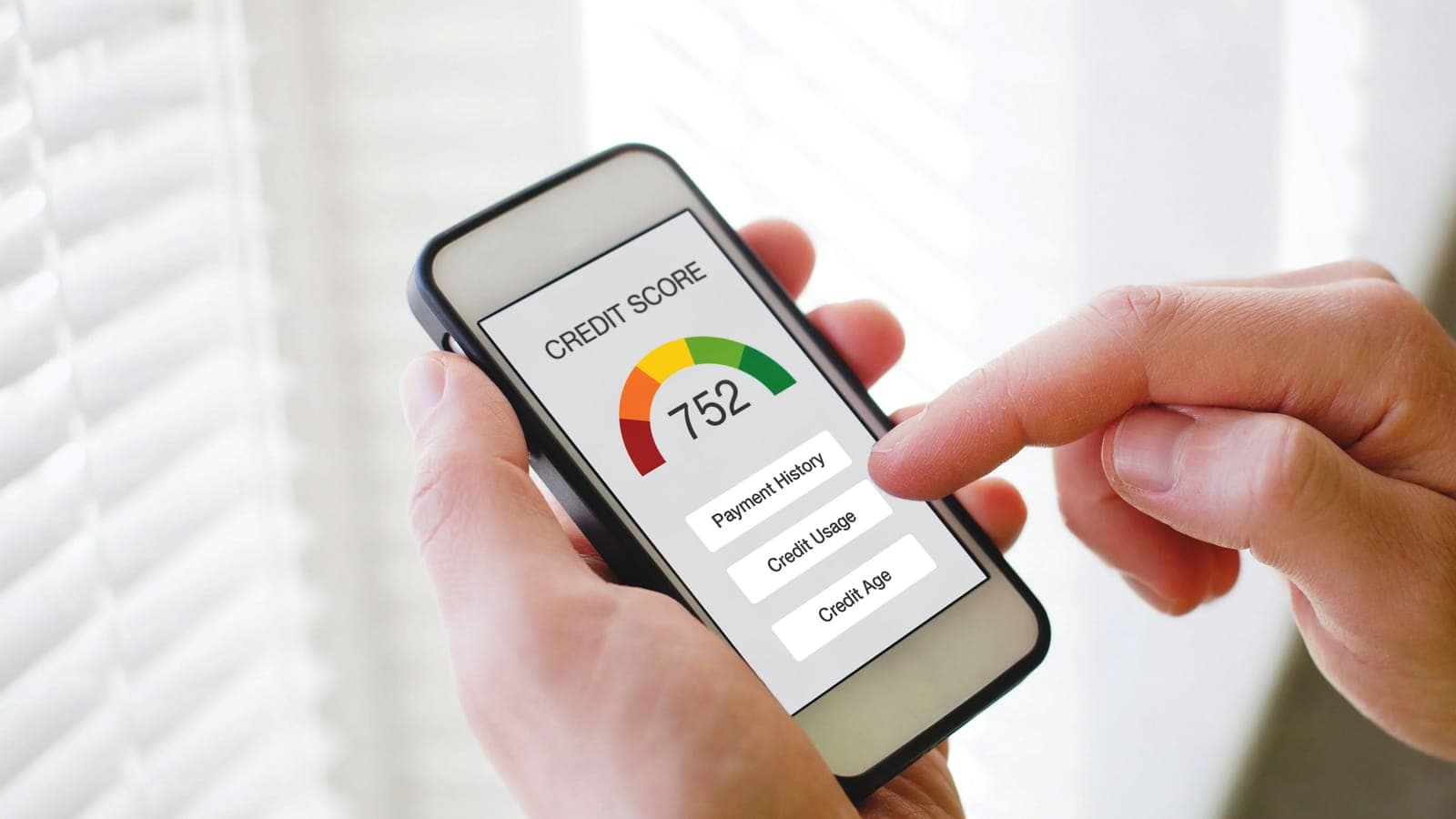
Credit information providers such as Experian offer educational resources explaining how credit history affects borrowing eligibility.
Although financing may be available to borrowers with lower scores, these loans often carry higher interest rates. Carefully reviewing the repayment obligations is essential.
Using Personal Loans for Debt Consolidation and Unexpected Expenses
Personal loans can serve several purposes, but two common reasons for borrowing are managing existing debt and paying for unexpected costs.
A personal loan for debt consolidation and emergencies may provide a structured repayment option when used appropriately.
Consolidating Existing Debt
Debt consolidation involves combining multiple balances into one new loan.
For example, someone managing several credit card balances may choose a personal loan to pay those accounts and replace multiple payment deadlines with a single monthly installment.
Potential benefits include simplified payment management, predictable repayment schedules, and possible interest savings when the new loan has a lower overall borrowing cost.
However, consolidation is not automatically cheaper. Origination fees, longer repayment periods, and new credit card spending can reduce or eliminate potential savings.
Borrowers should compare the total cost of their existing debts with the full cost of the proposed consolidation loan.
Covering Emergency Expenses
Unexpected financial situations can arise without warning.
Urgent vehicle repairs, essential home maintenance, and certain medical expenses are examples of costs that may lead individuals to consider personal loans.
Some lenders offer expedited application reviews and funding, making these products potentially useful when expenses cannot be postponed.
However, quick access to money should not outweigh affordability.
Before borrowing, consumers should consider whether savings, payment arrangements, or other lower-cost financing options could meet the same need.
Resources from NerdWallet can help consumers evaluate different borrowing approaches and understand the potential costs of emergency financing.
How to Compare Personal Loan Lenders and Offers
Choosing a lender involves more than identifying the lowest advertised interest rate.
Understanding how to compare personal loan offers and lenders allows borrowers to assess the complete borrowing experience, including affordability, flexibility, and lender reliability.
Compare APR Rather Than Advertised Rates Alone
Promotional interest rates may only be available to applicants with strong credit profiles.
Comparing personalized APR offers provides a clearer picture of potential borrowing costs.
Review Additional Charges
Some lenders deduct origination fees from loan proceeds, meaning borrowers receive less money than the total amount borrowed.
Other charges may include late payment fees or, where permitted, penalties for paying off a loan early.
Reviewing the loan agreement helps identify these expenses before accepting an offer.
Examine Repayment Flexibility
Loan providers may differ in their repayment options.
Some allow borrowers to select payment dates, make additional principal payments, or access hardship assistance during financial difficulties.
These features can be valuable when managing a monthly budget.
Evaluate Funding Speed and Customer Support
Borrowers facing urgent expenses may prioritize lenders offering faster disbursement.
Others may value responsive customer service, transparent communication, or convenient account management tools.
Reading independent customer reviews and checking regulatory information can help identify potential concerns.
Compare Multiple Prequalified Offers
Where available, prequalification can help borrowers estimate potential rates and terms before formally applying.
Prequalification commonly involves a soft credit inquiry, although a subsequent full application may require a hard inquiry.
Reviewing several offers provides a better basis for choosing financing that aligns with personal financial goals.
Improving Your Chances of Personal Loan Approval
Preparation can make the application process more efficient and help borrowers understand their financing options.
Before submitting an application, consider reviewing your credit profile, checking your debt-to-income ratio, and confirming that your employment and income information is accurate.
Reducing outstanding balances may improve financial eligibility over time, while maintaining consistent payment habits can support a stronger credit history.
Borrowers should also avoid requesting substantially more money than they can reasonably afford to repay.
Lender requirements differ, so being declined by one institution does not necessarily mean every lender will reach the same decision.
Final Thoughts: Choosing a Personal Loan That Fits Your Budget
Personal loans can provide financial flexibility for debt consolidation, emergency expenses, and other significant costs. However, selecting the right financing requires looking beyond fast approvals and attractive advertised rates.
Comparing APRs, repayment schedules, lender fees, eligibility requirements, and customer support can help borrowers make more informed decisions.
Whether exploring traditional banks, credit unions, or online lending platforms, the objective should be to find a loan with manageable payments and transparent conditions.
The best personal loan is not necessarily the one offering the fastest approval or lowest monthly installment. It is the option that meets your financial needs at a total cost you can comfortably manage.