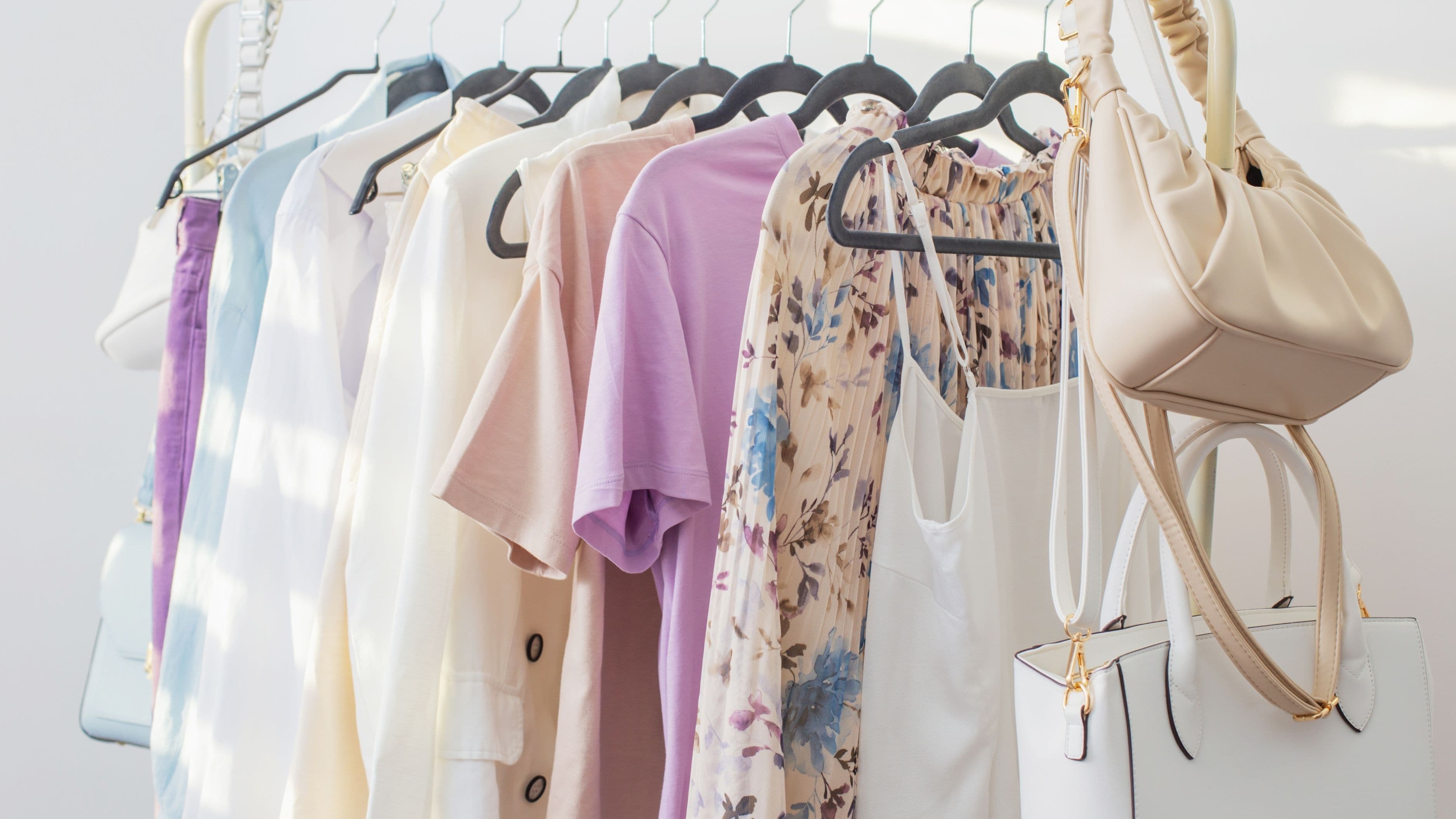
The concept was first formalized by London boutique owner Susie Faux in the 1970s and popularized by designer Donna Karan's "Seven Easy Pieces" collection in 1985. Decades later, the logic holds stronger than ever. Getting dressed shouldn't be a daily negotiation between impulse purchases that don't quite work together. It should feel effortless — because the pieces themselves do the work.
This guide covers the ten foundational capsule wardrobe pieces that genuinely go with everything, how to evaluate quality when buying, what to spend versus where to save, and how to build your collection whether you're starting from scratch or refining what you already own.
🏆 Top 10 Capsule Pieces at a Glance
The White Button-Down Shirt – Best for polished versatility across every occasion
Dark Wash Straight-Leg Jeans – Best for the single most hardworking bottom in any wardrobe
The Tailored Blazer – Best for instantly elevating any outfit by one level
The Classic White T-Shirt – Best for effortless everyday layering and styling
The Trench Coat – Best for outerwear that transitions across all seasons
Black Trousers – Best for professional and evening wear with maximum flexibility
The Striped Breton Top – Best for timeless casual style with European polish
The Little Black Dress – Best for one piece that solves every dress-code question
White Sneakers – Best for casual footwear that works from weekend to smart-casual
A Structured Leather Bag – Best for an accessory that anchors every look
How We Evaluated These Pieces
Each piece on this list was assessed against five core criteria:
Versatility — How many distinct outfit combinations does this piece enable? Can it dress up and down? Does it work across seasons?
Timelessness — Has this piece demonstrated staying power across decades? Is it trend-resistant rather than trend-dependent?
Quality indicators — What fabric, construction, and fit details distinguish a piece worth buying from a look-alike that won't last?
Price-to-value range — What does a responsible budget look like for this piece, from accessible entry points to investment-quality options?
Wearability — Is it genuinely comfortable and practical for real daily life, not just editorial appeal?
1. The White Button-Down Shirt
Best for: Polished versatility across every occasion
Price range: $30 (accessible) to $300+ (investment quality)
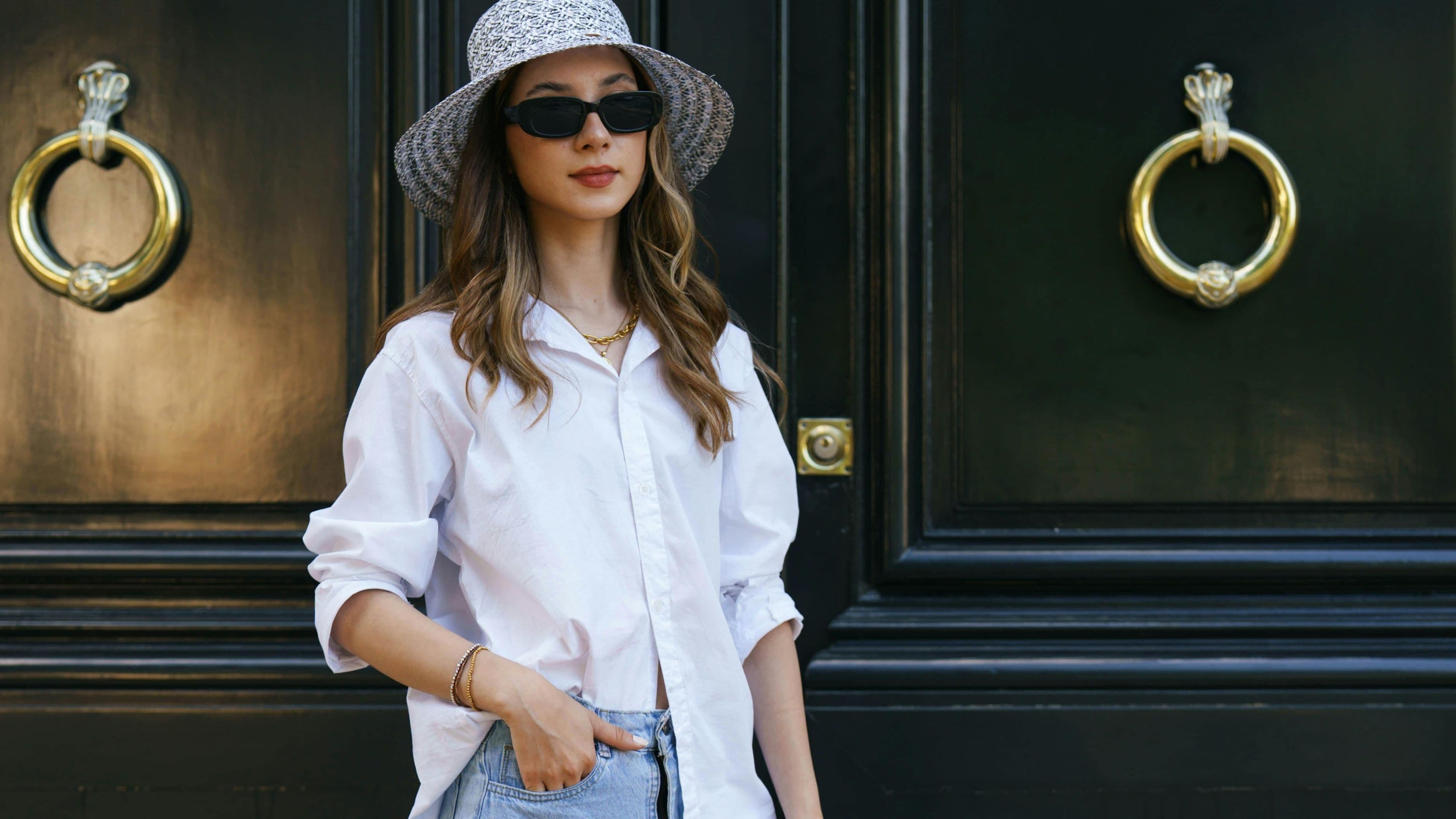
The white button-down is arguably the single most versatile piece in existence. It works tucked into tailored trousers for a boardroom meeting, half-tucked over jeans for a weekend brunch, tied at the waist over a sundress as a beach cover-up, layered under a sweater with just the collar visible, or worn fully unbuttoned as a lightweight jacket over a camisole. No other garment spans that many contexts with equal ease.
The key differentiator between a white shirt worth buying and one you'll abandon after three wears is fabric weight and construction. Look for poplin, oxford cloth, or a cotton-linen blend — fabrics that hold their structure without feeling stiff. Check that the collar lies flat without stays, that the buttons are securely sewn and sit evenly, and that the hem length works both tucked and untucked. A slight oversized fit is more versatile than a fitted one; you can always create shape with a tuck or a belt, but you can't undo a shirt that strains across the shoulders.
Pros:
Works across every dress code from casual to business formal
Layers effortlessly under sweaters, over dresses, under blazers
Available at every price point with strong options at each tier
A classic that has never and will never go out of style
Works for virtually every body type with the right fit
Cons:
Requires more care than darker pieces — shows stains visibly
Ironing or steaming needed to maintain a polished look
Quality varies enormously — a poor-quality white shirt is worse than none
Can appear stark or cold without thoughtful styling
2. Dark Wash Straight-Leg Jeans
Best for: The single most hardworking bottom in any wardrobe
Price range: $40 (accessible) to $250+ (premium denim)
A dark indigo or deep navy straight-leg jean is the bottom that does more work than any other piece in a capsule wardrobe. The dark wash reads as dressed-up enough for a dinner reservation but casual enough for a farmers market. Straight-leg silhouette is the sweet spot of fit — not so relaxed it reads sloppy, not so fitted it restricts movement or goes out of style when proportions shift. This is the jean that has been universally flattering and stylistically relevant for sixty consecutive years.
The quality markers to look for in denim are specific: a weight of at least 11–12 oz for structure and durability, a high cotton content (80%+ cotton with minimal stretch for longevity), and a construction that reinforces stress points at the pockets and inseam. The fit across the hip and thigh matters more than waist size, which can always be adjusted by a tailor for under $20. When you find the right pair, buy two.
Pros:
Bridges casual and smart-casual with no styling effort
Straight-leg silhouette is flattering across body types
Dark wash hides wear and extends time between washes
Works with sneakers, loafers, heels, and boots equally well
Investment-quality denim lasts 5–10+ years with proper care
Cons:
True quality denim requires a meaningful investment
Finding the ideal fit often requires trying multiple brands
Indigo dye can transfer to light-colored fabrics and seating early on
Not suited for formal or black-tie occasions
3. The Tailored Blazer
Best for: Instantly elevating any outfit by exactly one level
Price range: $60 (accessible) to $500+ (investment quality)
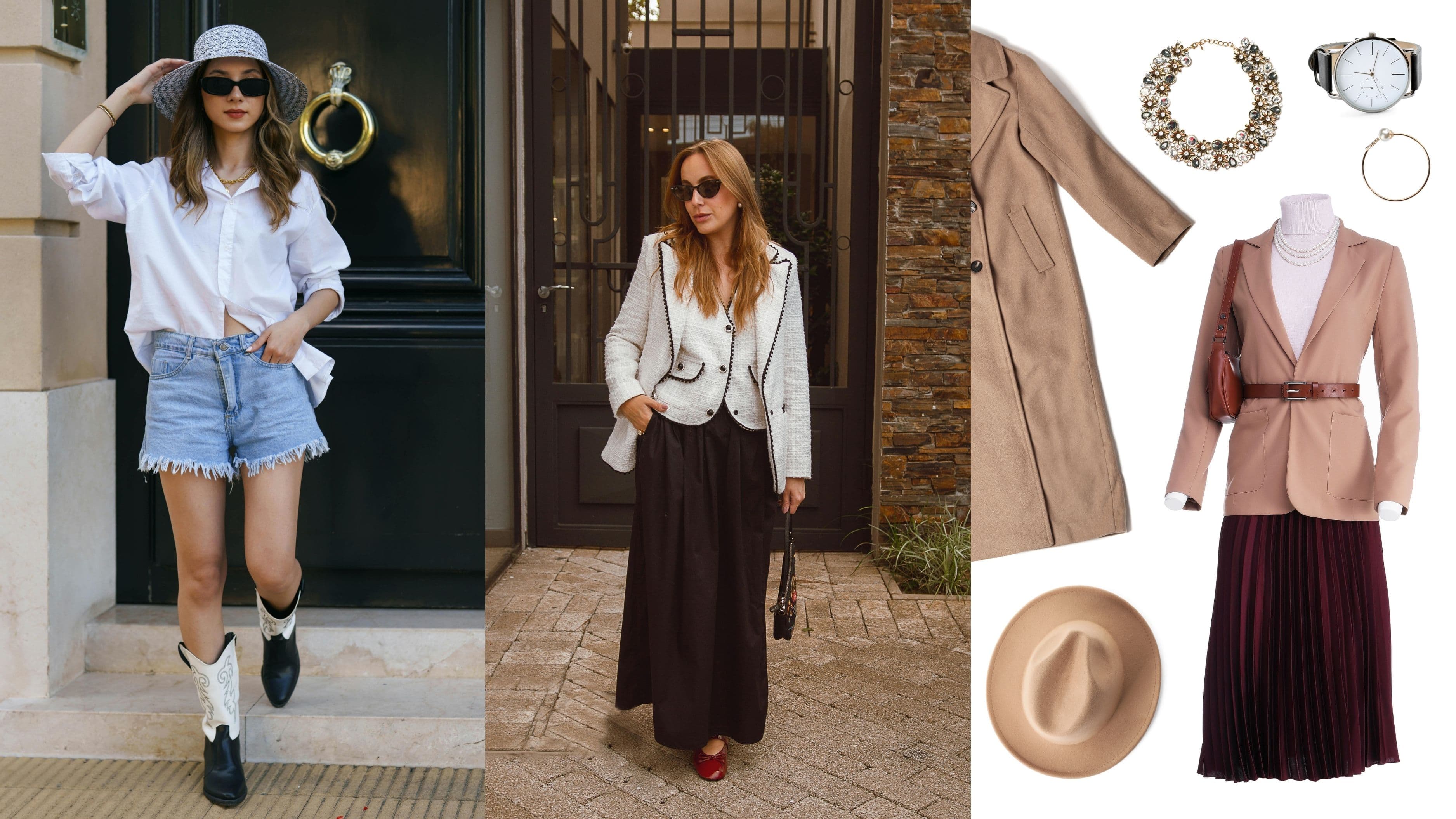
There is a reliable rule in styling: add a blazer and everything immediately looks more intentional. Jeans and a t-shirt become a polished smart-casual outfit. A simple dress becomes interview-ready. A basic turtleneck becomes office-appropriate. The blazer is the garment equivalent of punctuation — it signals that you finished the sentence. For a capsule wardrobe, a neutral single-breasted blazer in navy, camel, grey, or black is among the highest-leverage investments you can make.
Look for a blazer with a clean, unfussy lapel (notched is the most versatile), natural or natural-blend fabric (wool, wool-blend, or linen for warmer months), and a shoulder seam that sits exactly at your shoulder — not in, not out. The length should hit just below the hip for maximum versatility. A slight stretch in the fabric helps with movement; a fully rigid blazer looks stiffer and photographs more severely. When in doubt, size up and have the waist taken in by a tailor — the shoulder cannot be remade, but the body can.
Pros:
Transforms casual outfits into polished ones instantly
Works in professional, smart-casual, and even dressed-down contexts
Neutral colors work across every season and color palette
A quality blazer holds its structure for years with proper storage
Highly adaptable to current trends through styling rather than replacement
Cons:
Fit is critical and often requires tailoring for best results
Quality blazers represent a significant initial investment
Structured fabric can feel warm in high summer
Requires hanging storage rather than folding to maintain shape
4. The Classic White T-Shirt
Best for: Effortless layering and the wardrobe's most versatile base layer
Price range: $15 (accessible) to $120+ (premium basics)
The white t-shirt is the capsule wardrobe's most underestimated piece, largely because it looks simple. It isn't. A truly excellent white t-shirt — the right weight, the right neckline, the right length — is the foundation layer that makes everything around it look better. It works under blazers and unbuttoned overshirts, tucked into tailored trousers, knotted at the waist over a floral skirt, or worn solo with well-cut jeans and a confident attitude. It's the piece that says "I don't need to try too hard because the basics are already right."
The details that separate a great white t-shirt from a mediocre one: fabric weight between 160–200 gsm (heavier than most fast fashion, lighter than activewear), a crew or slightly wide scoop neck that doesn't gap or stretch, side seams rather than tubular construction (which twists after washing), and an opaque white that doesn't turn sheer in bright light. The boxy or slightly oversized fit has proven more durable stylistically than the fitted tee, and launders better over time.
Pros:
The ultimate layering piece — works under, over, or alone
Available at every price point with excellent accessible options
Pairs with literally every other item on this list
Crisp and clean — photographs exceptionally well
Easy to replace when worn out without disrupting your wardrobe
Cons:
Requires careful laundering to prevent yellowing at collar and underarms
Shows every stain and should not be worn with messy foods
Cheap options wear out, pill, and go sheer quickly
Needs regular replacement as part of ongoing wardrobe maintenance
5. The Trench Coat
Best for: Outerwear that transitions across all seasons and all dress codes
Price range: $80 (accessible) to $1,500+ (Burberry-tier investment)
The trench coat has been a wardrobe staple since WWI — a lifespan that puts it in a category occupied by very few garments. The classic double-breasted, belted trench in camel, khaki, or tan is the outerwear equivalent of the tailored blazer: it makes everything underneath look more deliberate, it works equally over a dress and over jeans, and it signals a level of style fluency that doesn't require trend awareness. A quality trench coat purchased today will be equally appropriate in 2040.
The construction details that define a genuine quality trench: a water-resistant (not waterproof — you want breathability) cotton gabardine outer, a full lining for structure and warmth, working storm flap and D-rings, and a belt that ties rather than buckles for more forgiving fit. The length should hit somewhere between mid-thigh and knee — long enough to look deliberate, short enough to allow full stride. Avoid trenches with exaggerated collars or novelty hardware; the beauty of the classic is its restraint.
Pros:
Season-spanning — genuinely useful from early spring through late fall
Works over every outfit category from casual to black-tie
Classic cut means it never looks dated regardless of current trends
Belted silhouette is universally flattering and adjustable
Investment pieces (Burberry, Mackintosh) hold resale value well
Cons:
High-quality options require a significant upfront investment
Classic cotton gabardine requires dry cleaning for best results
Not warm enough for true winter without layering underneath
Cheap versions lose structure quickly and lack weather resistance
6. Black Trousers
Best for: Professional and evening wear with maximum pairing flexibility
Price range: $40 (accessible) to $400+ (tailored or designer)
Black trousers are the sartorial equivalent of a blank canvas — they absorb every top, every shoe, every occasion, and make the outfit work regardless of what surrounds them. A well-cut pair of black trousers moves from a morning meeting to an evening dinner with only a change of shoe and a slightly different tuck. They are the bottom that bridges the gap the dark wash jean cannot fully close — the piece that belongs in formal contexts, creative offices, client dinners, and everything in between.
The silhouette decision matters enormously here: a straight or slightly tapered leg with a mid to high rise is the most versatile option. Wide-leg trousers read as trendier and may date more quickly; cigarette-cut trousers are chic but less comfortable for long wear days. Fabric should have enough weight to drape and hold shape — a wool-blend or ponte fabric outlasts thin polyester dramatically. An interior hook-and-eye closure rather than just a zipper signals better construction. The hem should graze the top of a low heel or flat shoe — not drag, not crop.
Pros:
Works across formal, business, and smart-casual contexts
Black is the most forgiving and versatile neutral in any wardrobe
Pairs with every color, pattern, and fabric on this list
High-quality versions with proper care last 5+ years
Tailoring options are straightforward and inexpensive
Cons:
Black fabric shows lint, pet hair, and fabric pills visibly
Finding the right rise and silhouette fit can take multiple tries
All-black outfits can feel flat without attention to texture contrast
Requires careful washing to prevent fading
7. The Striped Breton Top
Best for: Timeless casual style that never requires styling effort
Price range: $25 (accessible) to $150+ (Saint James or Petit Bateau)
The Breton stripe — thin navy or black horizontal stripes on a white ground — originated as French naval workwear in 1858 and has been adopted by Coco Chanel, Audrey Hepburn, Pablo Picasso, and essentially every iteration of European style since. It is the most durable casual top in fashion history, and it earns its place in a capsule wardrobe precisely because it looks effortlessly put-together while requiring zero effort. Wear it with jeans, with tailored trousers, tucked into a skirt, or under a blazer with the stripes peeking out at the collar. It always looks right.
The authentic Breton is a fine jersey cotton knit with a slightly wider scoop neck (traditionally called a "marinière" neckline), three-quarter length sleeves, and clean, even stripe spacing. The stripe width matters — classic Breton stripes are narrow (under 1 cm) and evenly spaced, not chunky or irregular. Saint James, the original French manufacturer that has produced the authentic Breton since 1889, remains the gold standard; Petit Bateau, Armor Lux, and a handful of other European makers produce excellent versions at various price points.
Pros:
A genuine 165-year track record of stylistic relevance
Works across casual and smart-casual contexts effortlessly
Flattering horizontal stripe is less visually heavy than expected
Classic navy/white version pairs with virtually any color
Lower care requirements than structured or delicate pieces
Cons:
Pattern-mixing requires care to avoid visual conflict
Less suited to formal or black-tie occasions
Horizontal stripes are less universally flattering across all body types than solid colors
Authentic quality versions are only available from specific makers
8. The Little Black Dress
Best for: The single piece that answers every dress-code question
Price range: $40 (accessible) to $600+ (designer)
"The little black dress," Yves Saint Laurent once said, "is the best fashion design of the twentieth century." Hard to argue. The LBD is the capsule wardrobe's most efficient piece: it solves cocktail parties, work events, first dates, funerals, gallery openings, and every ambiguous dress code between "smart casual" and "formal." The right one — well-cut, in a fabric with body, at a length that flatters — requires only a shoe change and a different bag to shift from afternoon to midnight.
The ideal LBD for a capsule wardrobe sits at or just above the knee (maximally versatile across contexts), is cut in a fabric with structure — crepe, ponte, or a quality jersey — rather than a limp polyester that loses its silhouette by the end of the evening. A clean neckline (V-neck or scoop rather than fussy detail) and minimal surface decoration keeps it genuinely timeless. Avoid trends in LBD silhouette: a dramatic ruffled hem or extreme cutout looks striking in 2024 and dated by 2027. The LBD earns its place by enduring, not by impressing.
Pros:
Solves virtually every ambiguous dress code with confidence
Black is the most slimming and flattering neutral for formal wear
A single versatile LBD eliminates the need for multiple occasion dresses
Accessories can completely transform the look at no additional cost
Quality versions photograph beautifully in any context
Cons:
Requires thoughtful fit — a poorly fitting LBD reads as visibly wrong
All-black formal wear can feel somber without accessories or layering
"Little" silhouette may not suit every preference or comfort level
High-occasion styling requires investment in complementary shoes and accessories
9. White Sneakers
Best for: Casual to smart-casual footwear that works harder than any other shoe
Price range: $40 (accessible) to $150+ (quality leather options)
White leather sneakers have completed a journey that no other shoe has managed: from gym wear to genuine style currency that works with tailored trousers, dresses, jeans, and even summer suiting. The white sneaker is now the casual footwear equivalent of the white button-down — a clean, minimal, versatile base that makes everything around it look more intentional. It's the shoe that tells the world you know exactly what you're doing without trying too hard to prove it.
The classic low-profile silhouette — think Adidas Stan Smith, Common Projects Achilles, or Veja V-10 — is the most capsule-appropriate. Chunky soles, exaggerated branding, and novelty details date quickly and narrow the outfit contexts where the shoe works. For a capsule, you want a clean low-top with a smooth leather or leather-look upper, minimal visible branding, and a sole that stays white with occasional cleaning. Leather uppers outlast canvas significantly and clean more easily with a damp cloth.
Pros:
Works from weekend to smart-casual with no outfit disruption
Clean white pairs with every color and pattern in the wardrobe
Low-profile silhouette is classically proportioned with both slim and relaxed fits
More comfortable for daily wear than heeled alternatives
Widely available across all price points with strong options at each
Cons:
White requires regular cleaning to maintain fresh appearance
Leather options require occasional conditioning to prevent cracking
Not appropriate for formal or black-tie occasions
White soles yellow over time — eventual replacement is inevitable
10. A Structured Leather Bag
Best for: The accessory that anchors and completes every look
Price range: $80 (accessible) to $1,000+ (investment quality)
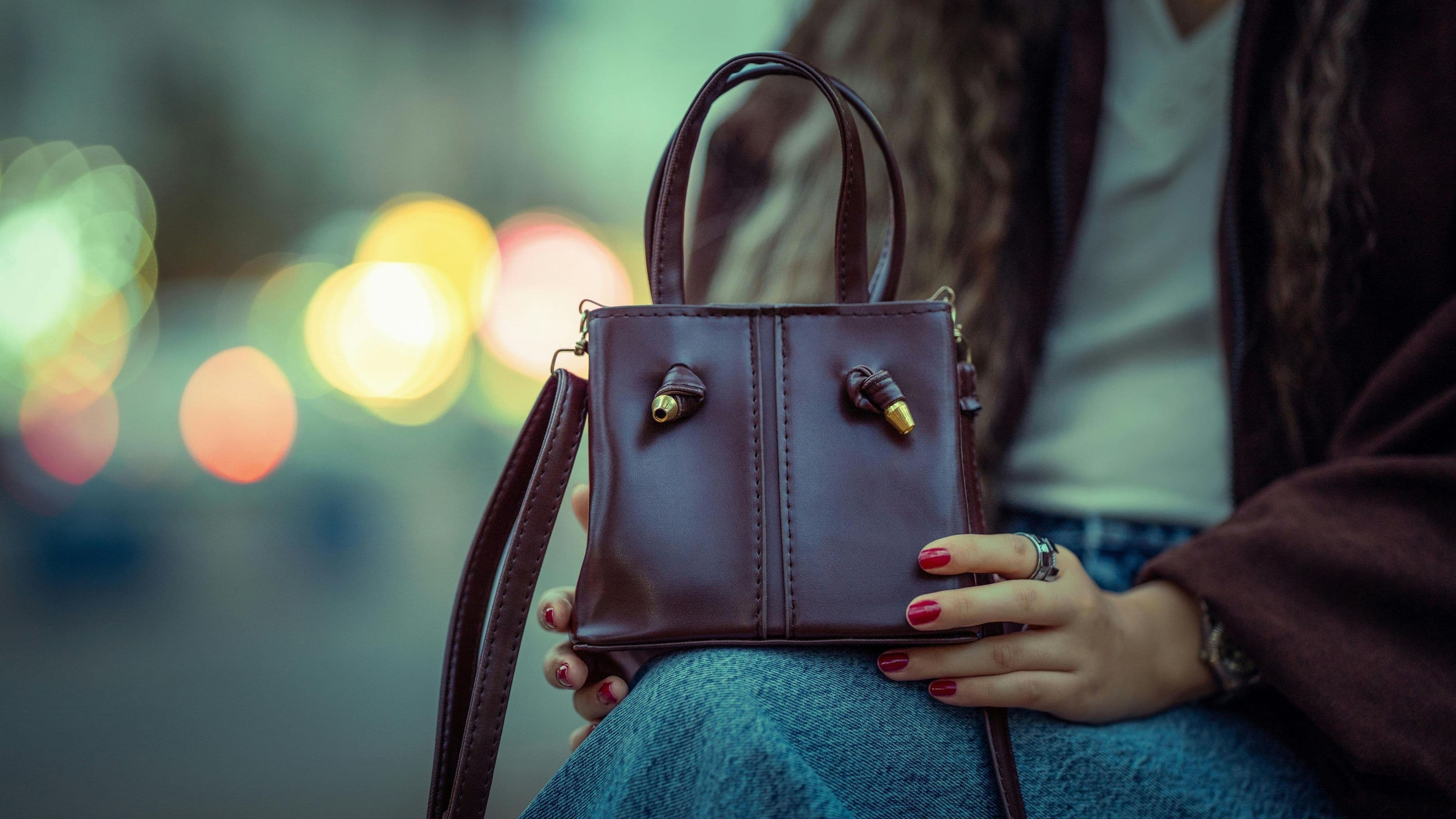
A bag is the last thing people think of when building a capsule wardrobe and the thing that makes the biggest difference to how a complete outfit reads. A structured leather bag — whether a medium tote, a sleek shoulder bag, or a classic top-handle — in black, cognac, or tan functions as the finishing element that pulls an outfit into focus. It signals quality, signals intention, and ages in the most appealing way of any garment or accessory: with genuine character rather than visible degradation.
For a capsule bag, the functional criteria are as important as the aesthetic ones. It should comfortably hold your daily essentials without straining the structure. The hardware should be simple and gold or silver (not trend-dependent rose gold or novelty finishes). The strap length should allow comfortable shoulder carry. And the leather — full-grain or top-grain is the quality standard — should feel substantial, not papery. A well-made leather bag maintained with occasional conditioning lasts decades and improves with age. It is the capsule wardrobe's highest-return long-term investment.
Pros:
Elevates every outfit category from casual to formal
Genuine leather improves in character and patina over years of use
Neutral colors work with every piece on this list
Strong resale and gifting value for quality pieces
Functional and aesthetic — solves the "where do I put everything" problem
Cons:
Investment-quality leather bags require a meaningful initial spend
Leather requires conditioning and proper storage to maintain quality
Heavy or overfilled bags cause long-term shoulder strain
Trend-adjacent styles (micro bags, novelty shapes) undercut capsule longevity
📊 Quick Comparison: All 10 Pieces at a Glance
Piece | Versatility | Investment Level | Care Level | Priority for Beginners |
White button-down shirt | ⭐⭐⭐⭐⭐ | Low–Mid | Medium | #1 |
Dark wash straight-leg jeans | ⭐⭐⭐⭐⭐ | Low–Mid | Low | #2 |
Tailored blazer | ⭐⭐⭐⭐⭐ | Mid–High | Medium | #3 |
Classic white t-shirt | ⭐⭐⭐⭐ | Low | Low | #4 |
Trench coat | ⭐⭐⭐⭐⭐ | Mid–High | Medium | #5 |
Black trousers | ⭐⭐⭐⭐⭐ | Low–Mid | Medium | #6 |
Striped Breton top | ⭐⭐⭐⭐ | Low–Mid | Low | #8 |
Little black dress | ⭐⭐⭐⭐ | Low–Mid | Medium | #7 |
White sneakers | ⭐⭐⭐⭐ | Low–Mid | Medium | #9 |
Structured leather bag | ⭐⭐⭐⭐⭐ | Mid–High | Low | #10 |
Budget-first order: Start with the white t-shirt, dark wash jeans, and white button-down — these three pieces alone generate the highest number of outfit combinations per dollar spent. Add the blazer and black trousers once the foundation is solid, then build toward the investment pieces (trench coat, leather bag) over time.
🛒 Buying Guide: Who Needs a Capsule Wardrobe and How to Build One
Who benefits most
A capsule wardrobe is particularly valuable for anyone who experiences decision fatigue around getting dressed, has a closet full of clothes but "nothing to wear," moves between professional and casual contexts regularly, wants to shop more sustainably and intentionally, or is working with a limited clothing budget and needs maximum return on each purchase.
How a capsule wardrobe works
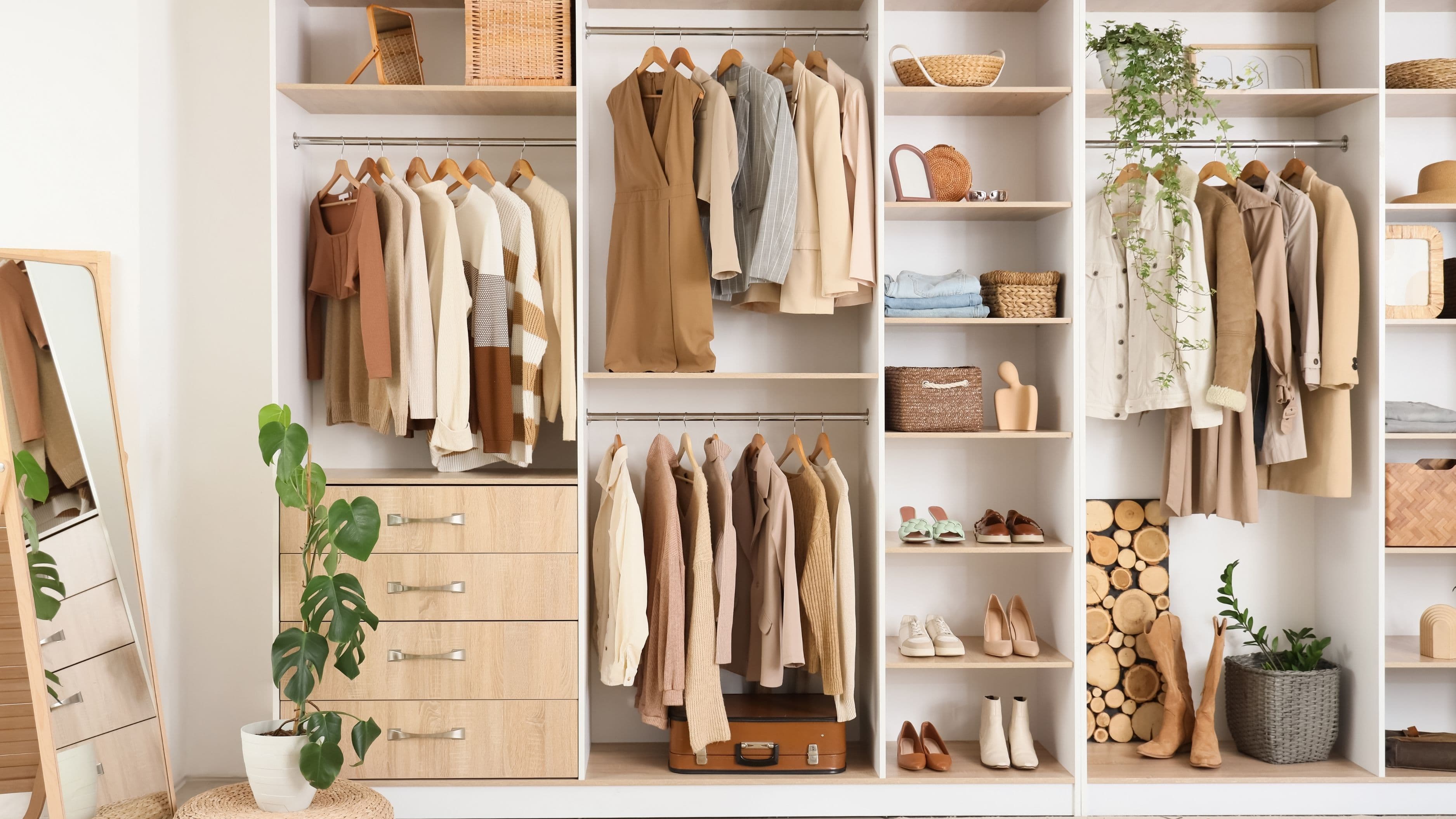
The principle is subtraction rather than addition: instead of acquiring more options, you reduce to a core set of pieces that all work together. Each piece in a true capsule should be wearable with at least five other pieces in the collection. The ten pieces in this guide, combined, generate well over 50 distinct outfits — meaning a thoughtfully built capsule of 10–15 total pieces produces more practical outfit variety than a disorganized closet of 80.
Key features to prioritize
Fit above everything else. A perfectly fitting $40 blazer beats a poorly fitting $400 one every time. Budget for tailoring on key pieces if necessary — it transforms garments.
Neutral color palette. Black, white, navy, camel, grey, and cream work together in every combination. Introduce color and pattern through accessories and secondary pieces once the neutral foundation is solid.
Natural or natural-blend fabrics. Cotton, wool, linen, and leather wear better, breathe better, and last longer than synthetic alternatives at equivalent price points.
Timeless over trendy. If a piece's appeal depends on it being the current silhouette, it doesn't belong in a capsule. Ask: "Would this have looked good in 2010? Will it look good in 2030?"
💰 Pricing Overview: What to Spend and Where to Save
Invest more: The tailored blazer, trench coat, dark wash jeans, and structured leather bag are the pieces where quality makes the most dramatic difference in longevity and appearance. These are worth allocating 30–40% of a total capsule budget toward.
Spend moderately: The white button-down, black trousers, and little black dress have strong mid-range options (Banana Republic, Madewell, ARKET, & Other Stories) that offer genuine quality without luxury pricing.
Accessible tier works well: The white t-shirt and white sneakers have excellent options at lower price points. Everlane, Uniqlo, and James Perse for tees; Veja, Adidas, and Common Projects (at various levels) for sneakers.
DIY / secondhand option: All ten of these pieces are available on quality resale platforms (Poshmark, ThredUp, The RealReal, Depop) at 30–70% below retail. For timeless pieces with long production histories — Breton tops, classic blazers, leather bags — secondhand purchasing is a financially intelligent strategy with no style compromise.
❓ Frequently Asked Questions
Q: How many pieces does a capsule wardrobe actually need? The original Susie Faux capsule concept proposed around 10–15 pieces. Most capsule wardrobe practitioners today work with 30–37 pieces across all categories including outerwear, shoes, and accessories — enough for genuine variety without the overwhelm of a full wardrobe. Start with 10 core pieces and add deliberately rather than in bulk.
Q: Can a capsule wardrobe work for every body type? Yes — the principles of fit, versatility, and neutrals apply universally. The specific silhouettes within each category (trouser width, dress length, blazer cut) should be chosen based on what you feel confident and comfortable in, not on prescriptive rules. A capsule works best when it reflects your actual body and life, not an aspirational version of either.
Q: How do I know if something in my existing wardrobe qualifies as a capsule piece? Apply the "five outfit test": can you style this piece with at least five other items you own to create five genuinely distinct outfits? If yes, it belongs. If you can only think of one or two combinations, it's a statement piece rather than a capsule piece — which isn't disqualifying, but it means it's not doing capsule work.
Q: What's the difference between a capsule wardrobe and a minimalist wardrobe? A minimalist wardrobe prioritizes owning as few items as possible. A capsule wardrobe prioritizes owning the right items — a curated set of versatile pieces that work together. You can have a capsule wardrobe of 35 pieces or a minimalist wardrobe of 10, and they aren't the same thing. Capsule is a curation strategy; minimalism is a quantity philosophy.
Q: Should I build my capsule all at once or over time? Over time, almost always. Attempting to build a complete capsule in one shopping trip typically leads to impulse purchases, items that don't actually work together, and a significant financial outlay before you've clarified your actual style needs. Start with the three highest-versatility pieces (white button-down, dark jeans, white t-shirt), live with them, identify the gaps, and add deliberately.