
This guide examines the top business credit cards for 2026, helping you identify which option aligns with your spending patterns, business stage, and financial goals.
Top 10 Best Business Credit Cards
American Express Business Platinum – Best for premium travel perks
Chase Ink Business Preferred – Best for flexible rewards
Capital One Spark Cash Plus – Best for flat-rate cash back
U.S. Bank Triple Cash Rewards – Best for category-based rewards
Brex 30 Card – Best for startups and tech companies
American Express Blue Business Cash – Best for no annual fee cash back
Chase Ink Business Unlimited – Best for simple unlimited rewards
CitiBusiness AAdvantage Platinum Select – Best for airline loyalty
Bank of America Business Advantage Customized Cash Rewards – Best for category customization
Ramp Corporate Card – Best for spend management and controls
Methodology: How We Evaluated These Cards
Our evaluation process examined five critical factors to ensure comprehensive, objective recommendations. We analyzed pricing structures including annual fees, APRs, foreign transaction fees, and hidden costs that impact total cost of ownership. We assessed ease of use by examining application requirements, credit limits, digital platform functionality, and integration with accounting software.
We evaluated features including rewards rates, sign-up bonuses, travel benefits, purchase protections, and expense management tools. Customer support quality was measured through availability, response times, and user satisfaction ratings. Finally, we reviewed customer feedback from verified business owners across multiple platforms including Better Business Bureau ratings, Trustpilot reviews, and industry publications to understand real-world experiences.
Cards were scored on a weighted scale prioritizing features that deliver measurable financial value to businesses of varying sizes and industries.
Detailed Reviews
1. American Express Business Platinum – Best for Premium Travel Perks
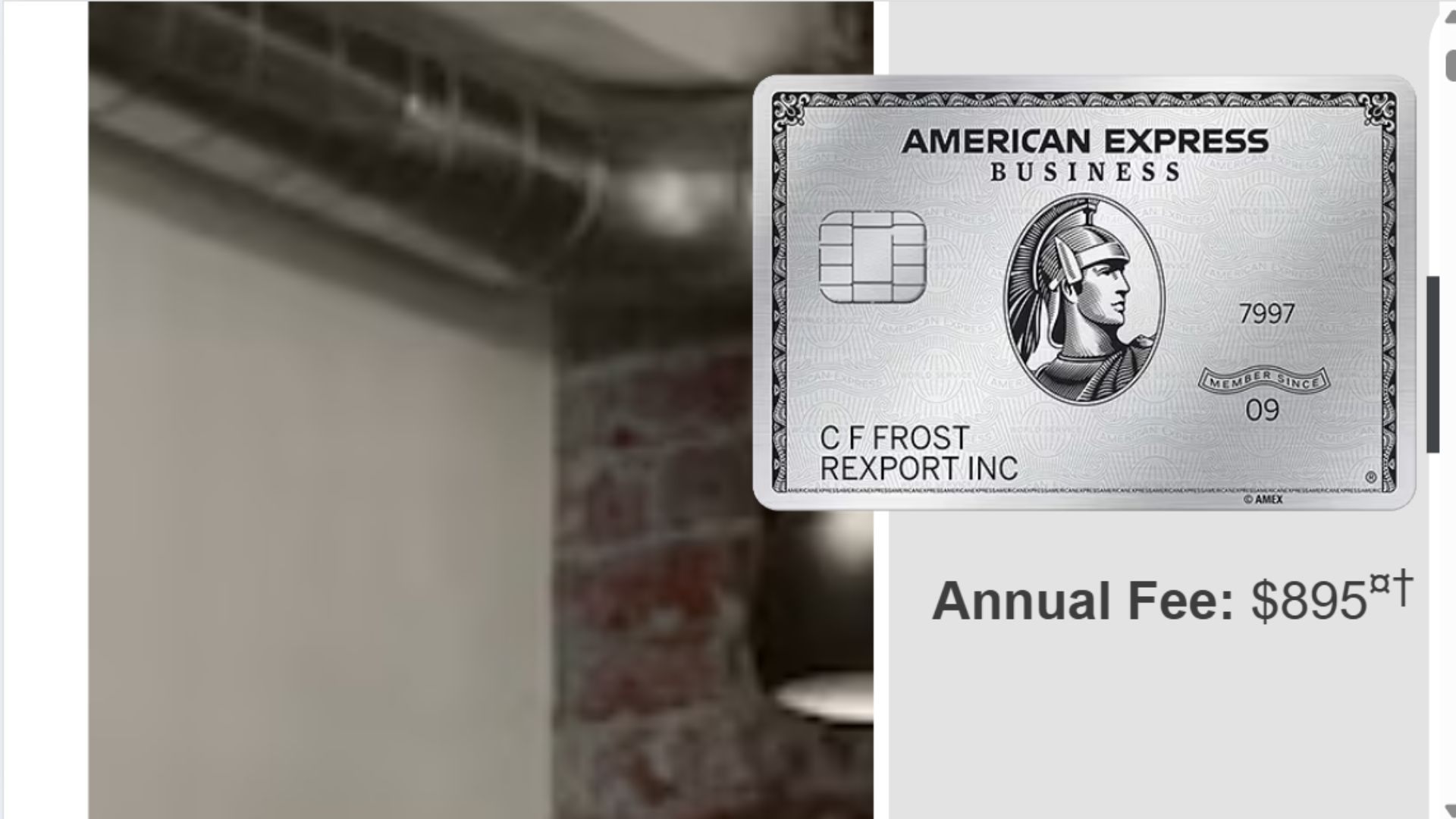
Best for: High-spending businesses with frequent travel needs
Pricing: $695 annual fee, no preset spending limit
Key Features: 5x points on flights and prepaid hotels, $200 hotel credit, airport lounge access, 1.5x points on eligible purchases over $5,000
The American Express Business Platinum delivers unmatched travel benefits for businesses that prioritize premium experiences. Cardholders gain access to over 1,400 airport lounges worldwide through the Global Lounge Collection, including Centurion Lounges, Priority Pass, and Delta Sky Clubs. The card offers comprehensive travel protections including trip delay insurance, lost luggage reimbursement, and car rental coverage. Additionally, businesses receive $200 in annual statement credits for prepaid Fine Hotels + Resorts or The Hotel Collection bookings.
Beyond travel, the card provides valuable business tools including access to American Express's business network, 35% points back on flights booked through Amex Travel (up to 1 million points annually), and employee card management at no additional cost. The Membership Rewards program offers exceptional flexibility, allowing points transfers to 20+ airline and hotel partners at 1:1 ratios. For companies spending over $100,000 annually with significant travel budgets, the benefits substantially outweigh the annual fee.
Pros:
Extensive airport lounge access worldwide
5x points on flights and prepaid hotels
Comprehensive travel insurance and protections
$200 annual hotel credit
No preset spending limit for qualified businesses
Cons:
High $695 annual fee
Points have limited value without transfers
Benefits heavily skewed toward travel
Requires excellent credit for approval
Foreign transaction fees apply (2.7%)
2. Chase Ink Business Preferred – Best for Flexible Rewards
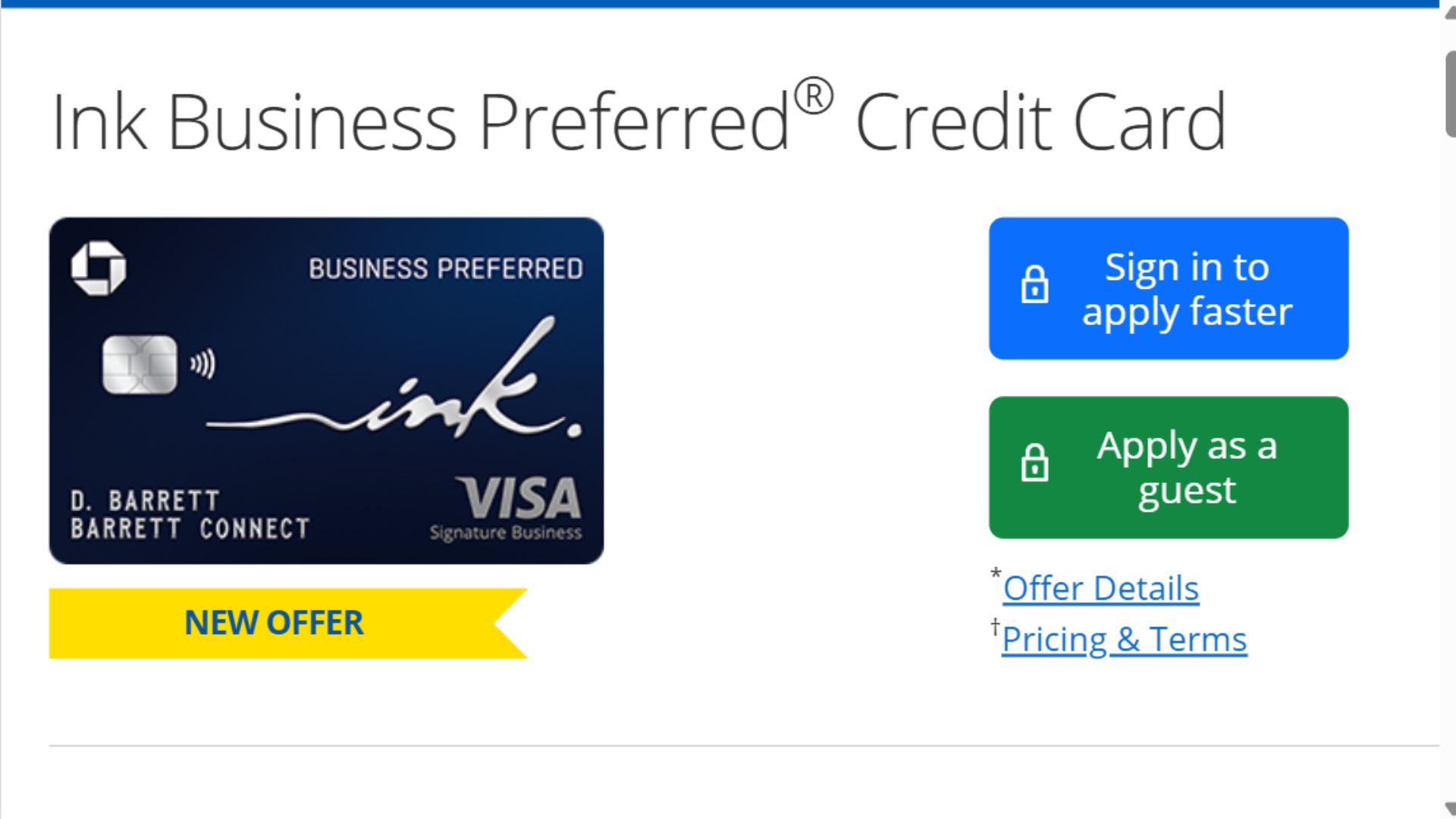
Best for: Businesses seeking balanced rewards across multiple categories
Pricing: $95 annual fee, 21.24%-26.24% variable APR
Key Features: 3x points on select categories (up to $150,000 annually), 100,000 point sign-up bonus, cell phone protection, travel and purchase protections
Chase Ink Business Preferred strikes an ideal balance between rewards earning and redemption flexibility. The card offers 3x points on the first $150,000 spent annually in combined purchases across shipping, internet/cable/phone services, advertising on social media and search engines, and travel. This category structure benefits service-based businesses, agencies, and companies with substantial marketing budgets. The 100,000-point welcome bonus (after spending $8,000 in three months) translates to $1,250 in travel redemption through Chase Ultimate Rewards.
The Chase ecosystem provides exceptional value through point transfers to 14 airline and hotel partners or 1.25 cents per point when booking travel through Chase. The card includes automatic cell phone protection up to $600 per claim when you pay your monthly bill with the card, effectively saving businesses the cost of device insurance. Purchase protection, extended warranty coverage, and trip cancellation/interruption insurance add substantial value. Integration with QuickBooks and other accounting platforms simplifies expense tracking and tax preparation.
Pros:
Strong 3x rewards on business categories
Valuable 100,000-point sign-up bonus
Excellent point redemption flexibility
Cell phone protection included
Primary rental car coverage
Cons:
$95 annual fee
Rewards cap at $150,000 in combined purchases
Only 1x points outside bonus categories
Limited retail category benefits
Annual fee not waived first year
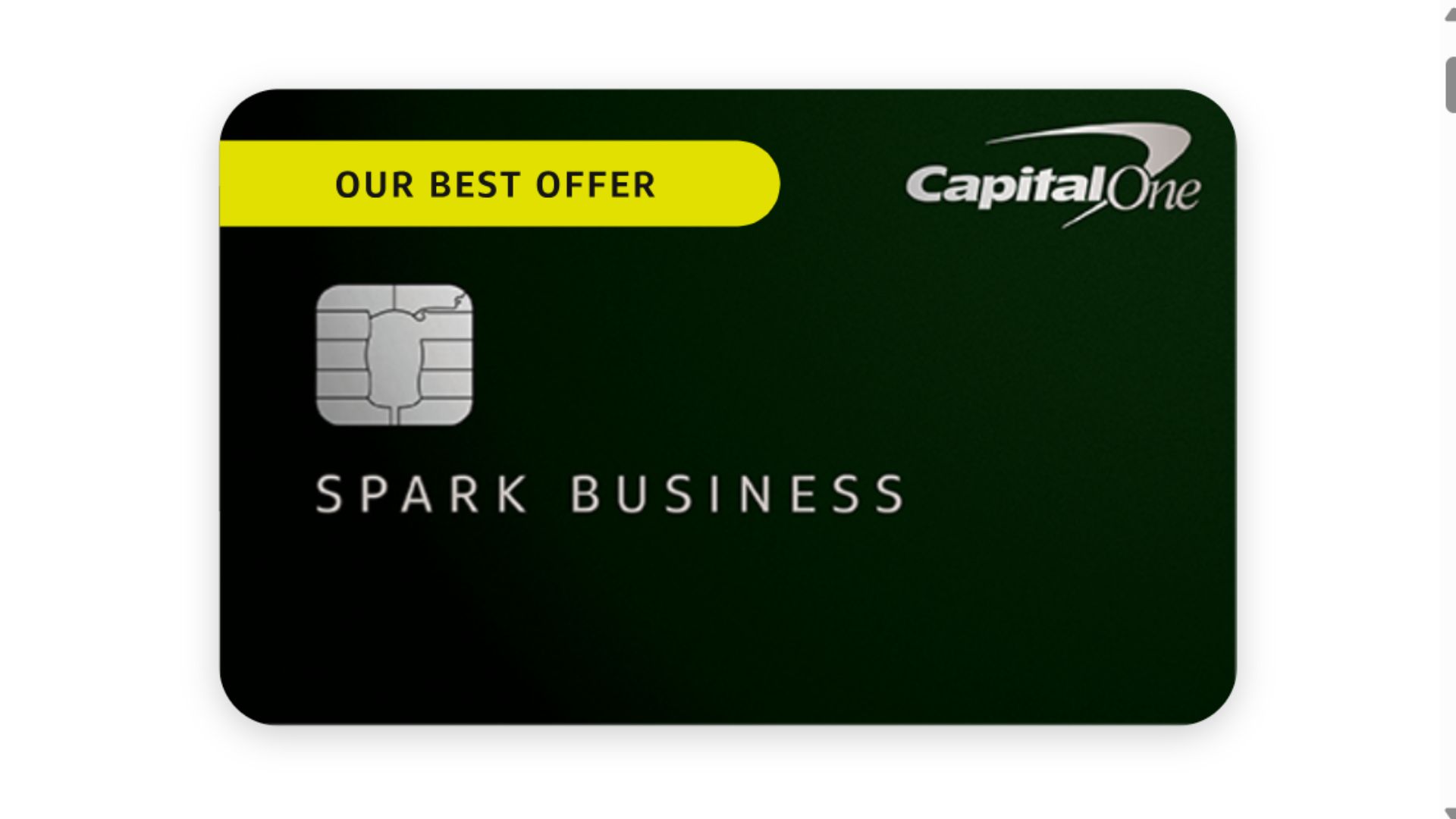
3. Capital One Spark Cash Plus – Best for Flat-Rate Cash Back
Best for: High-volume businesses wanting simplicity and unlimited cash back
Pricing: $150 annual fee, no APR (charge card, balance must be paid in full)
Key Features: Unlimited 2% cash back on all purchases, $50,000 minimum credit limit, no foreign transaction fees
Capital One Spark Cash Plus eliminates the complexity of category bonuses with a straightforward unlimited 2% cash back on every purchase. As a charge card requiring full payment each month, it functions as a powerful cash flow management tool while eliminating interest charges entirely. The $50,000 minimum credit limit makes it suitable for established businesses with substantial monthly expenses. Companies spending $200,000 annually earn $4,000 in cash back, far exceeding the annual fee.
The card particularly benefits businesses with diverse spending patterns that don't align with traditional bonus categories. Construction companies, retailers, wholesalers, and service businesses with varied expenses benefit from the flat-rate simplicity. Cash back has no expiration date and can be redeemed as statement credits, checks, or transferred to eligible Capital One accounts. The card includes employee cards at no additional cost with customizable spending limits and detailed reporting. Businesses also receive discounts on shipping through partnerships with DHL Express and Hertz car rentals.
Pros:
Unlimited 2% cash back on everything
No foreign transaction fees
$50,000 minimum credit limit
No interest charges (pay in full monthly)
Simple reward structure
Cons:
$150 annual fee
Must pay balance in full monthly
No sign-up bonus currently offered
Requires excellent credit and established business
Lower rewards rate than category-specific cards for bonus spending
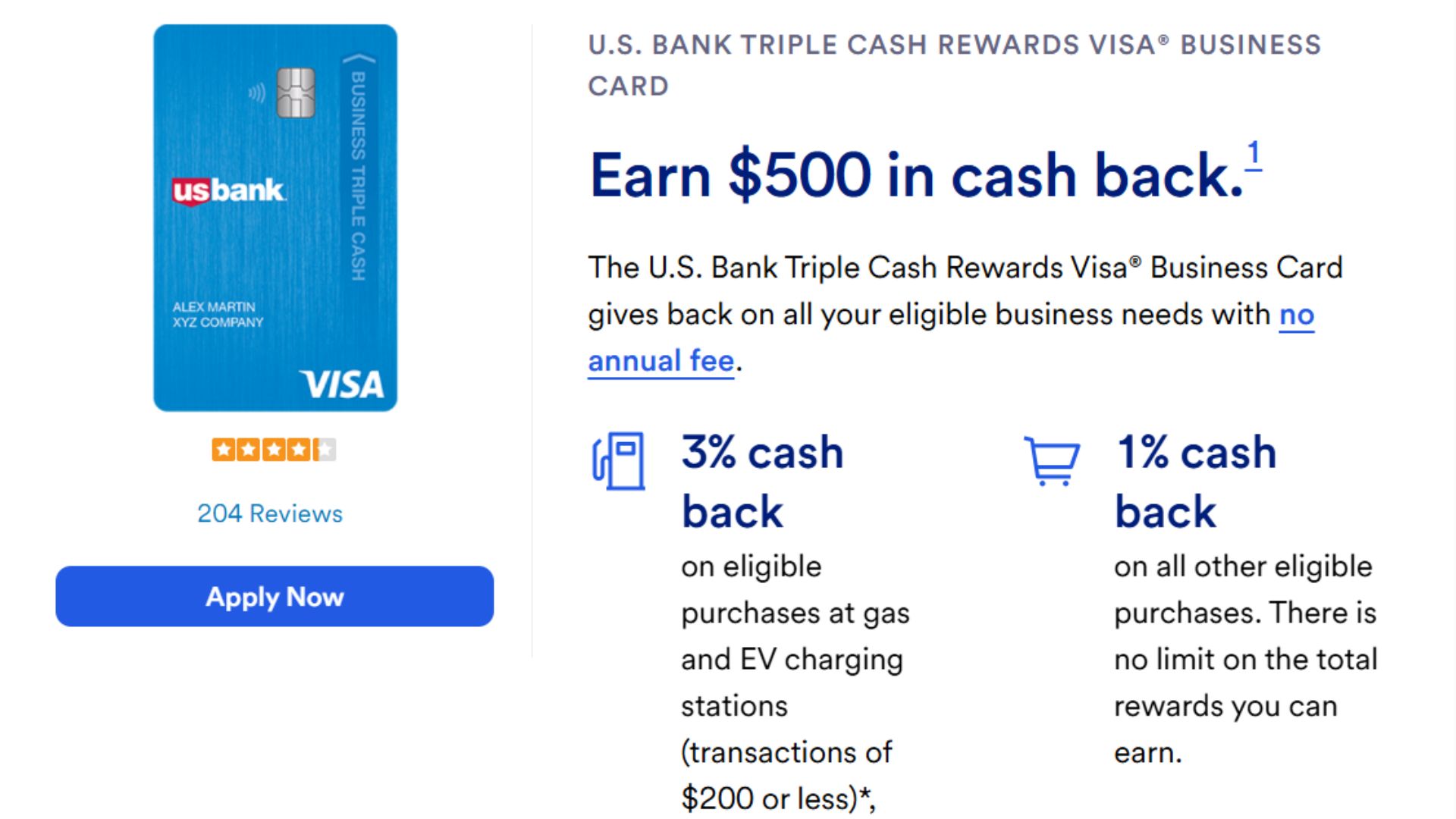
4. U.S. Bank Triple Cash Rewards – Best for Category-Based Rewards
Best for: Businesses with concentrated spending in specific categories
Pricing: $0 annual fee, 18.24%-26.24% variable APR
Key Features: 3% cash back on eligible categories (choice of gas, office supplies, cell phone, or internet), 2% on another category, 1% on everything else
U.S. Bank Triple Cash Rewards delivers exceptional category-specific rewards without an annual fee, making it ideal for businesses looking to maximize returns in targeted spending areas. The ability to choose your 3% and 2% categories quarterly allows strategic optimization based on seasonal business needs. Gas stations and office supply stores are particularly valuable categories for many businesses, and the 3% return competes with premium cards that charge annual fees.
The card's real strength emerges when paired with a flat-rate card for non-category spending. Businesses can strategically use this card for eligible purchases while maintaining another card for general expenses. The $750 bonus cash back after spending $7,500 in the first 150 days provides strong initial value. U.S. Bank offers robust fraud protection, mobile app functionality, and integration with expense management platforms. The lack of annual fee makes this a valuable long-term addition to any business's card portfolio, even if it's not the primary card.
Pros:
No annual fee
3% cash back on chosen categories
Flexible category selection quarterly
$750 sign-up bonus
Strong mobile app and expense tools
Cons:
Category spending caps apply ($2,000 per quarter at 3%)
Must manually select categories each quarter
Only 1% on non-category spending
Lower credit limits than premium cards
Fewer premium benefits compared to annual fee cards
5. Brex 30 Card – Best for Startups and Tech Companies
Best for: VC-backed startups and technology companies
Pricing: $0 annual fee for standard card, no personal guarantee required
Key Features: Credit limits based on cash balance, built-in spend management, 7x points on rideshare, 4x on travel, integrated expense management software
Brex revolutionized business credit by offering cards to startups without requiring personal guarantees or credit checks. Credit limits are determined by your company's cash balance and revenue, making it accessible to early-stage companies that traditional banks decline. This is transformative for founders who want to build business credit without risking personal finances. The card offers exceptional rewards on startup-relevant categories: 7x on rideshare services, 4x on travel, 3x on restaurants, and 1x on everything else.
The integrated platform is where Brex truly shines. Built-in spend management tools include real-time tracking, automated receipt matching, virtual cards for subscriptions, and direct integration with QuickBooks, Xero, NetSuite, and other accounting systems. Companies can issue unlimited cards to employees with customizable spending controls, dramatically reducing manual expense reporting. Brex also offers 30-day payment terms, effectively providing interest-free financing to improve cash flow. The platform includes bill pay, international wire transfers, and robust API connections for finance teams building custom workflows.
Pros:
No personal guarantee required
Credit limit based on business metrics, not credit score
Comprehensive spend management platform included
Strong rewards on startup-relevant categories
30-day payment terms improve cash flow
Cons:
Primarily designed for tech startups, not all businesses
Rewards points less valuable than transferable currencies
Limited traditional lending products
Customer support can be slow during scaling phases
Less suitable for businesses without venture funding
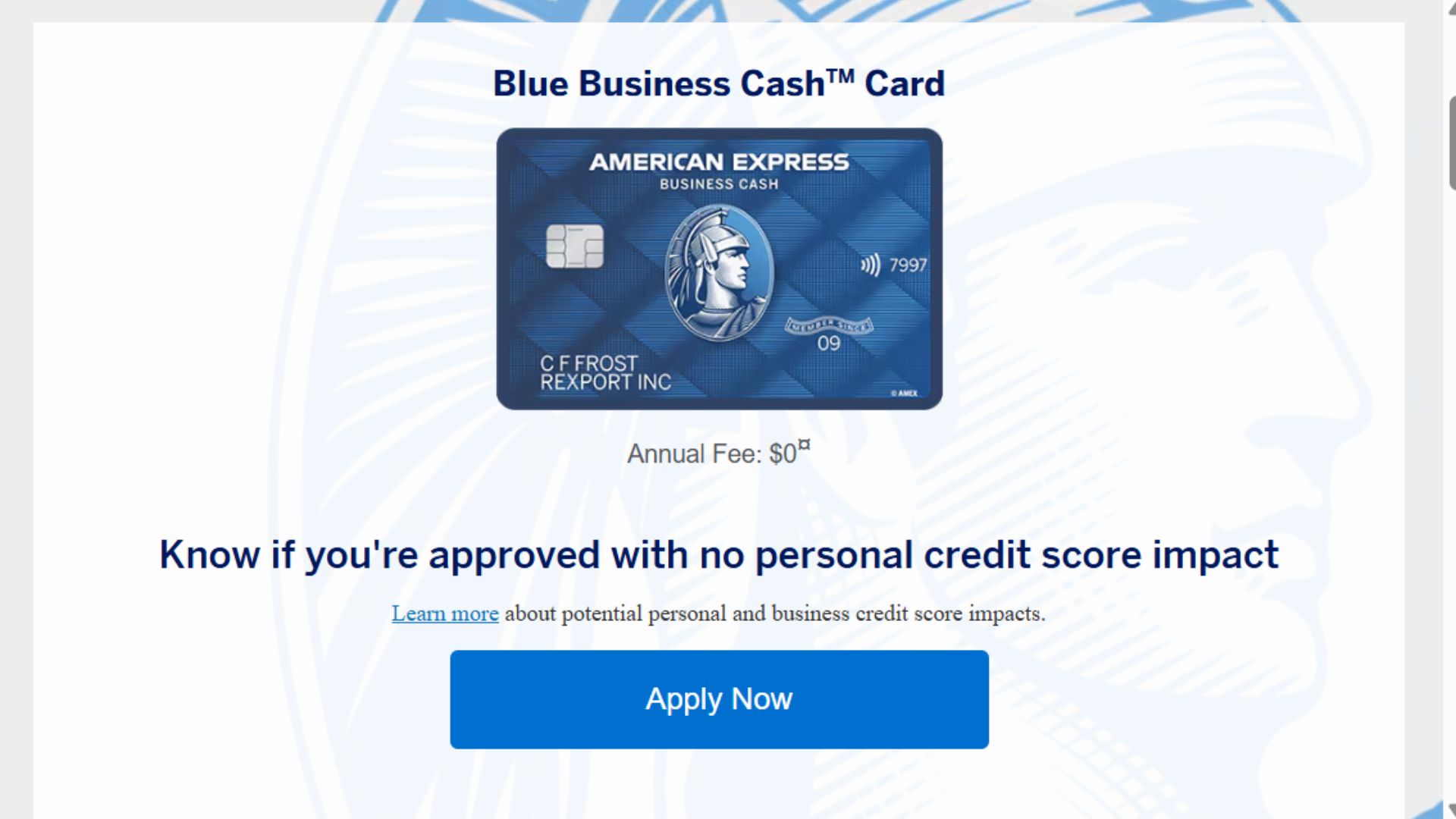
6. American Express Blue Business Cash – Best for No Annual Fee Cash Back
Best for: Small businesses wanting cash back without annual fees
Pricing: $0 annual fee, 15.24%-23.24% variable APR
Key Features: 2% cash back on first $50,000 in purchases annually (1% after), $250 statement credit after $3,000 spent in first three months, 0% intro APR for 12 months
American Express Blue Business Cash offers genuine value for small businesses seeking straightforward cash back without the burden of annual fees. The 2% cash back on the first $50,000 in combined eligible purchases annually represents $1,000 in annual rewards—substantial for businesses with moderate spending. The structure works particularly well for solopreneurs, freelancers, and businesses spending $30,000-$100,000 annually who want simplicity without ongoing costs.
The card's 0% introductory APR for the first 12 months on purchases provides valuable short-term financing for businesses making significant investments in equipment, inventory, or marketing. After the intro period, the card functions as a reliable cash back vehicle with no complexity. American Express provides excellent fraud protection, detailed year-end summaries for tax purposes, and employee card options at no cost. The mobile app allows quick expense categorization and receipt uploads, streamlining bookkeeping. For businesses outgrowing this card, American Express offers easy paths to upgrade to premium products while maintaining account history.
Pros:
No annual fee ever
2% cash back on first $50,000 annually
0% intro APR for 12 months
$250 statement credit sign-up bonus
Employee cards at no additional cost
Cons:
Only 1% cash back after $50,000
Lower rewards than category-specific cards
Foreign transaction fees apply (2.7%)
May require personal guarantee
Acceptance slightly lower than Visa/Mastercard internationally
7. Chase Ink Business Unlimited – Best for Simple Unlimited Rewards
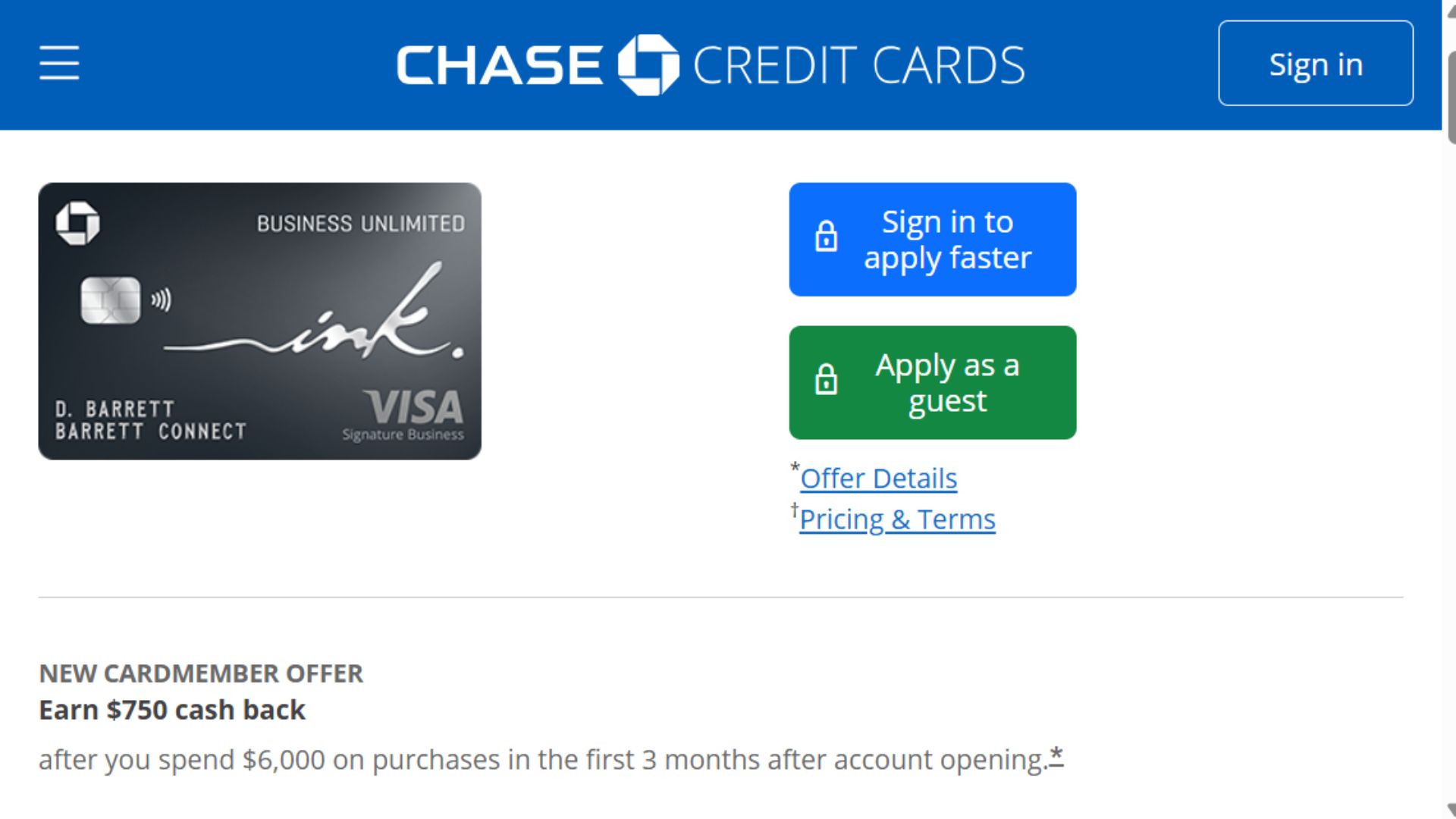
Best for: Businesses preferring simplicity with solid unlimited rewards
Pricing: $0 annual fee, 21.24%-26.24% variable APR
Key Features: Unlimited 1.5% cash back on all purchases, $900 bonus cash back after spending $6,000 in first three months, 0% intro APR for 12 months, cell phone protection
Chase Ink Business Unlimited provides the simplicity of flat-rate rewards combined with Chase's robust business card ecosystem, all without an annual fee. The unlimited 1.5% cash back on every purchase eliminates decision fatigue while providing better returns than basic 1% cards. The $900 cash back bonus after $6,000 in spending within three months delivers substantial upfront value, effectively covering approximately $60,000 in purchases at the 1.5% rate.
The card's integration with Chase Ultimate Rewards allows strategic pairing with the Ink Business Preferred. Points earned on both cards can be combined and transferred to airline and hotel partners, significantly increasing redemption value beyond cash back. Cell phone protection up to $600 per claim (when paying your monthly bill with the card) adds hundreds in annual value. The 0% intro APR for 12 months provides interest-free financing for initial business investments. Chase's business card portfolio allows easy upgrades as your business grows, maintaining your account history and credit building progress.
Pros:
No annual fee
Unlimited 1.5% cash back (or points)
$900 cash back sign-up bonus
Cell phone protection included
0% intro APR for 12 months
Cons:
Lower rewards rate than category bonus cards
Requires good to excellent credit
Limited premium benefits compared to fee cards
Foreign transaction fees apply (3%)
Must actively combine points with other Chase cards for maximum value
8. CitiBusiness AAdvantage Platinum Select – Best for Airline Loyalty
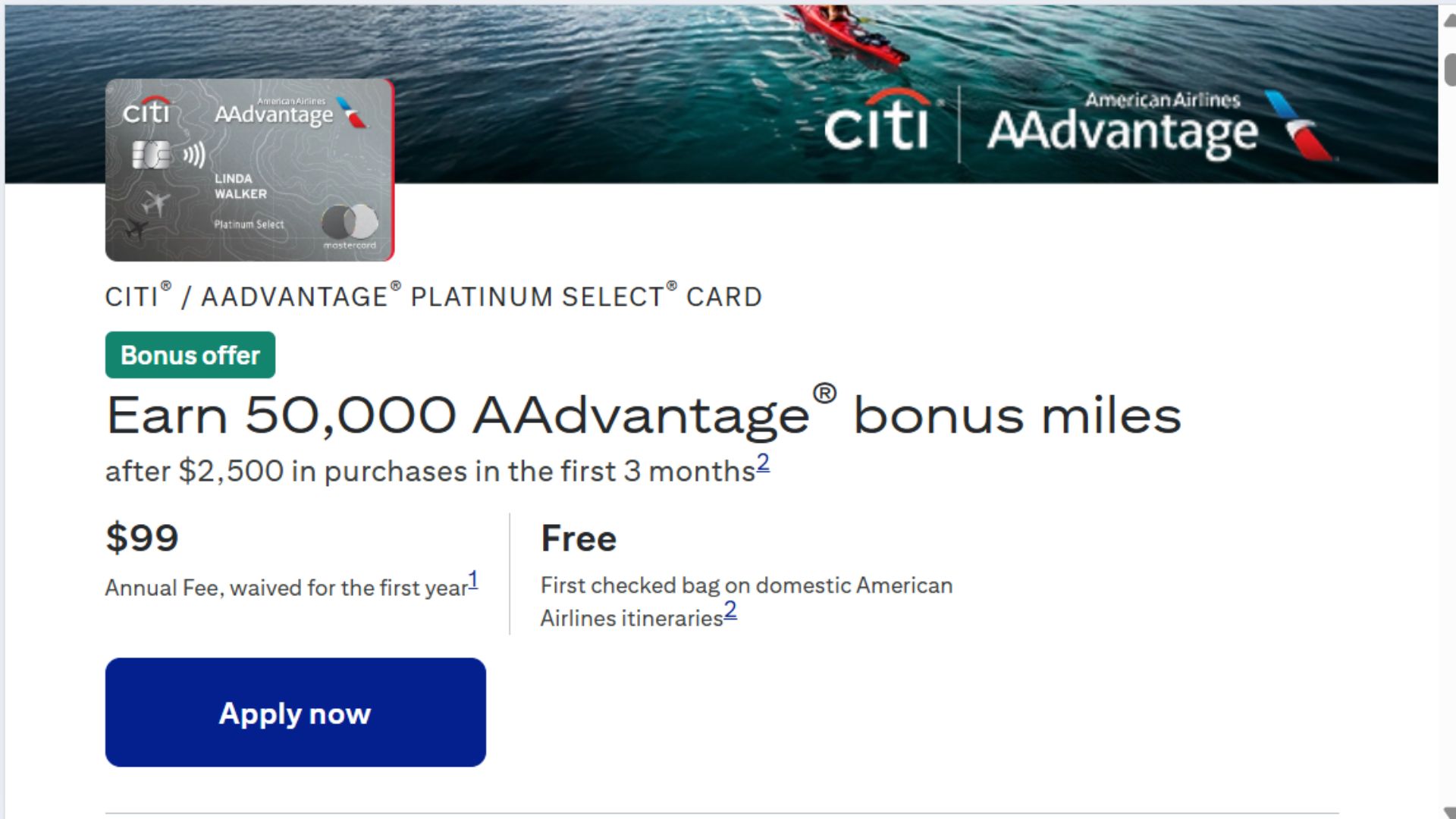
Best for: Businesses with concentrated American Airlines travel
Pricing: $99 annual fee (waived first year), 21.24%-29.24% variable APR
Key Features: 2x miles on American Airlines purchases and select categories, 65,000 bonus miles after spending $4,000 in first four months, first checked bag free, priority boarding
CitiBusiness AAdvantage Platinum Select is purpose-built for businesses committed to American Airlines and its Oneworld alliance partners. The 65,000-mile sign-up bonus represents approximately $1,300 in flight value—enough for several domestic trips or a business class international ticket. Earning 2x miles on eligible American Airlines purchases, gas stations, and telecommunications accelerates mileage accumulation for businesses with consistent travel patterns. The first year's waived annual fee makes this a risk-free trial for businesses exploring airline-specific cards.
Beyond earning miles, the card provides tangible travel benefits that reduce costs. Free first checked bag for you and up to four employees traveling on the same reservation saves $30-$35 per person per flight, quickly offsetting the annual fee. Priority boarding improves travel efficiency, particularly valuable when connections are tight. Cardholders receive 25% savings on inflight food and beverage purchases on American Airlines flights. The card also offers no foreign transaction fees, making it suitable for international business travel. For businesses flying American at least 10 times annually, the combination of miles and fee savings delivers compelling value.
Pros:
65,000-mile sign-up bonus (first year fee waived)
First checked bag free (saves $30+ per flight)
2x miles on AA purchases and select categories
No foreign transaction fees
Priority boarding included
Cons:
Value limited to American Airlines ecosystem
Miles can devalue through program changes
$99 annual fee after first year
Lower rewards on non-category spending
Limited non-travel benefits
9. Bank of America Business Advantage Customized Cash Rewards – Best for Category Customization
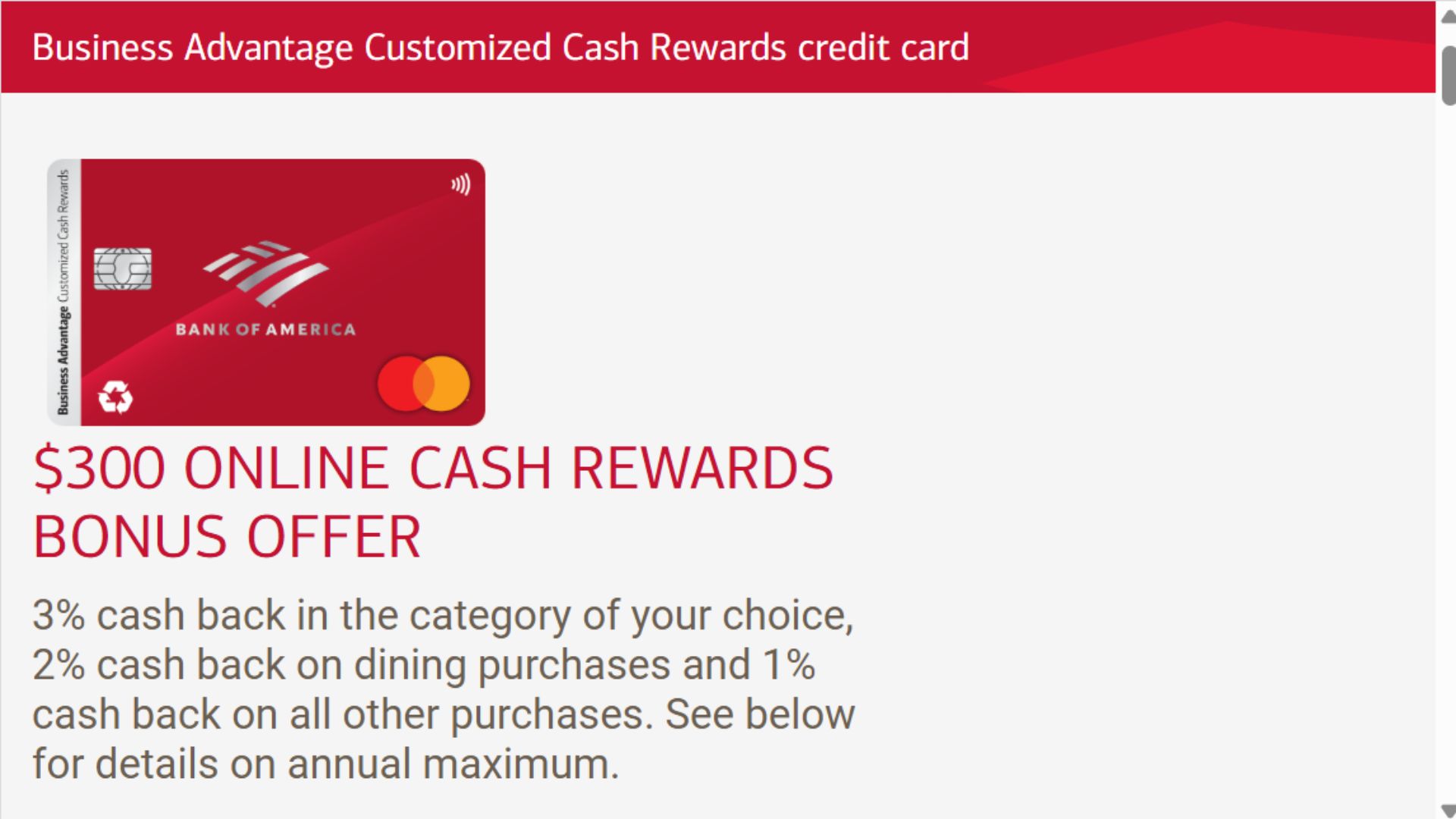
Best for: Businesses wanting to optimize rewards based on spending patterns
Pricing: $0 annual fee, 15.99%-26.99% variable APR
Key Features: 3% cash back on chosen category (up to $50,000 annually), 2% on second category (up to $50,000 annually), 1% on everything else, potential Preferred Rewards boost
Bank of America's customization approach allows businesses to align rewards with their actual spending rather than fitting into predetermined categories. Each month, you can select your 3% and 2% categories from options including gas stations, office supply stores, travel, TV/internet/phone services, business consulting services, and computer services. This flexibility is particularly valuable for businesses with seasonal variations or changing needs. The $50,000 annual cap per category provides substantial earning potential—$1,500 at 3% and $1,000 at 2% for total rewards of $2,500 annually.
The card's true distinction emerges for businesses that are also Bank of America Preferred Rewards members. Qualifying businesses can receive a 25-75% rewards bonus based on combined business and personal deposits and investments with Bank of America and Merrill. At the Platinum Honors tier, the 3% category effectively becomes 5.25% cash back—exceptional for a no-annual-fee card. The card includes $300 cash back after spending $3,000 in the first 90 days, travel and emergency assistance services, and integration with Bank of America's business banking platform for seamless financial management.
Pros:
No annual fee
Customizable 3% and 2% categories monthly
Potential rewards boost with Preferred Rewards
$300 sign-up bonus
$50,000 earning cap per category annually
Cons:
Must manually select categories monthly
Full value requires existing Bank of America relationship
Only 1% on non-category spending
Fewer premium benefits than fee cards
Category options more limited than some competitors
10. Ramp Corporate Card – Best for Spend Management and Controls
Best for: Growing businesses prioritizing financial controls and automation
Pricing: $0 annual fee, charge card (pay in full monthly)
Key Features: 1.5% cash back on all purchases, AI-powered spend management, automated expense policies, real-time spend visibility, integrated accounting
Ramp positions itself as a financial operations platform that happens to include a corporate card rather than a traditional credit card with some software. The 1.5% unlimited cash back is competitive, but the real value lies in the spend management infrastructure. Ramp uses AI to automatically categorize transactions, flag policy violations, and identify savings opportunities. The platform can automatically enforce spending limits, require manager approval for certain purchases, and prevent out-of-policy purchases before they occur—not just flag them afterward.
The system integrates directly with QuickBooks, NetSuite, Xero, Sage Intacct, and other accounting platforms, eliminating manual data entry and reconciliation. Businesses can issue unlimited physical and virtual cards to employees with granular controls on merchants, amounts, and timing. Virtual cards are automatically generated for subscription services with the ability to pause or cancel instantly. Ramp also provides bill pay functionality, vendor management, and detailed analytics on spending patterns. For finance teams spending hours monthly on expense reports and reconciliation, Ramp's automation can save 10-20 hours monthly while preventing maverick spending and identifying cost reduction opportunities.
Pros:
Comprehensive spend management platform included
1.5% unlimited cash back
AI-powered expense automation and policy enforcement
Unlimited virtual and physical cards
Direct accounting system integration
Cons:
Charge card requires full monthly payment
Less suitable for businesses needing financing flexibility
Rewards rate lower than premium category cards
Implementation requires process changes
Limited to businesses with consistent cash flow
Comparison: Key Differences at a Glance
Pricing: Annual fees range from $0 (Blue Business Cash, Ink Business Unlimited, U.S. Bank Triple Cash, Ramp) to $695 (Amex Business Platinum), with most premium travel cards in the $95-$150 range. Higher fees generally correlate with enhanced travel benefits, higher rewards rates, and premium perks that justify the cost for high-spending businesses.
Setup and Approval: Traditional bank cards (Chase, Bank of America, Citi) require established business credit and often personal guarantees. Brex and Ramp offer faster approval based on cash balances and revenue metrics rather than credit scores, making them accessible to startups. American Express provides decisions in minutes for many applicants with good personal credit history.
Best For Segments:
Frequent travelers: American Express Business Platinum, CitiBusiness AAdvantage
High-volume spenders: Capital One Spark Cash Plus, Ramp
Startups and tech: Brex 30 Card, Ramp Corporate Card
Small businesses and solopreneurs: Blue Business Cash, Ink Business Unlimited
Reward optimizers: Chase Ink Business Preferred, U.S. Bank Triple Cash, Bank of America Customized Cash
Simplicity seekers: Capital One Spark Cash Plus, Ink Business Unlimited
Cards with fixed bonus categories (Ink Business Preferred, Triple Cash) work best for businesses with concentrated spending patterns. Flat-rate cards (Spark Cash Plus, Ramp) suit businesses with diverse expenses. Customizable cards (Bank of America) serve businesses with changing seasonal needs.
Buying Guide: Choosing Your Business Credit Card
Who Needs a Business Credit Card: Any business making regular purchases can benefit from a dedicated business credit card. Sole proprietors, LLCs, S-corps, and C-corps all qualify. Beyond rewards, business cards provide separation between personal and business expenses—critical for tax deductions, accounting clarity, and liability protection. They also build business credit independently from your personal credit, enabling access to larger financing as your company grows.
How Business Credit Cards Work: Business credit cards function similarly to personal cards but with higher credit limits, business-specific rewards categories, and employee card management features. You apply using your business name, tax ID (EIN or SSN for sole proprietors), annual revenue, and personal credit profile. Most require a personal guarantee, making you personally liable for charges. Responsible use builds business credit scores through reporting to Dun & Bradstreet, Experian Business, and Equifax Business.
Key Features to Consider:
Rewards Structure: Match the card's bonus categories to your spending. Service businesses benefit from cards rewarding advertising and software. Travel-heavy businesses need strong airline and hotel partnerships. Calculate your annual spending by category and project actual rewards earnings—not just the promotional rate—to determine true value.
Sign-Up Bonuses: These provide immediate value but require meeting minimum spending thresholds. Ensure you can hit the target organically without unnecessary purchases. Calculate the bonus value minus any annual fee to assess first-year return.
Annual Fees: No-annual-fee cards make sense for businesses spending under $100,000 annually. Premium cards justify their fees through enhanced rewards, travel benefits, or included services. Calculate your break-even point: divide the annual fee by the difference in rewards rate compared to a free card.
Expense Management Tools: Integration with accounting software (QuickBooks, Xero, NetSuite) saves hours monthly. Look for receipt capture, automatic categorization, employee spending controls, and real-time notifications. For businesses with multiple employees, robust reporting and custom approval workflows become essential.
Credit Limits and Terms: Ensure the credit limit matches your monthly spending patterns. Charge cards requiring full payment can improve discipline but need consistent cash flow. Traditional credit cards with revolving balances provide flexibility but require interest management.
Pricing Overview and Card Strategy
Business credit card pricing involves several components beyond the annual fee. APRs range from 15-29% for revolving balances, making it critical to pay in full monthly whenever possible. Foreign transaction fees (typically 2.7-3%) add up for international businesses, making no-FTF cards essential for global operations. Late payment fees ($29-40) and returned payment fees damage your credit and add costs—set up autopay to avoid these.
Multi-Card Strategy vs. Single Card: Sophisticated businesses often carry 2-3 cards to optimize rewards across spending categories. A common strategy pairs a high-earning category card (Ink Business Preferred for marketing and travel) with a flat-rate card (Spark Cash Plus for everything else). This maximizes returns without complexity. Add a no-foreign-transaction-fee card for international purchases. The key is ensuring each card serves a distinct purpose and avoiding the temptation to overspend just to justify multiple cards.
DIY vs. Professional Management: Most small businesses successfully manage business credit cards independently using built-in tools and accounting software integration. Businesses spending over $500,000 annually might benefit from working with a corporate card consultant or expense management platform to optimize card selection, negotiate custom terms, and implement sophisticated controls. Platforms like Brex and Ramp provide professional-grade tools without requiring a consultant, making them attractive middle-ground options for growing companies.
Frequently Asked Questions
Can I get a business credit card as a sole proprietor?
Yes, sole proprietors qualify for business credit cards using their Social Security Number instead of an EIN. Most card issuers serve sole proprietors, though you'll typically need at least decent personal credit (640+ FICO score). You can use your legal name or a DBA ("doing business as" name) when applying. Even as a solopreneur, business cards provide valuable separation for tax purposes and begin building business credit history that becomes crucial if you later incorporate or need business financing.
Do business credit cards require a personal guarantee?
Most traditional business credit cards require personal guarantees, making you personally liable if the business cannot pay. However, newer fintech options like Brex and some corporate charge cards don't require personal guarantees, instead basing credit decisions on business cash balances and revenue. This distinction matters significantly for asset protection—with a personal guarantee, business card debt could impact personal assets in bankruptcy or default scenarios.
How do business credit cards affect my personal credit score?
The initial application typically involves a hard inquiry on your personal credit, temporarily lowering your score by a few points. Most business cards don't report regular account activity to personal credit bureaus, meaning on-time payments won't help your personal score (but won't hurt it either). However, if you default or become seriously delinquent, this negative information will appear on your personal credit report. This structure protects your personal credit utilization ratio while building separate business credit.
What's the difference between business credit cards and corporate cards?
Business credit cards target small to medium businesses with personal guarantees and applications based on personal credit. Corporate cards serve larger companies, require business credit profiles, often involve no personal guarantee, and include more sophisticated reporting and control features. Corporate cards typically offer negotiated terms, higher credit limits, and dedicated account management. For most businesses under $5 million in revenue, business credit cards are the appropriate choice.
Should I pay my business credit card in full every month?
Ideally, yes. Paying in full avoids interest charges (often 18-26% APR) that quickly erode any rewards earned. If you're carrying a balance for business cash flow reasons, consider whether a term loan or line of credit offers better rates. Some cards offer 0% introductory APR periods (12-18 months) that can serve as short-term financing for large purchases or inventory, but ensure you can pay off the balance before the promotional period ends and regular APR kicks in.