
Top 10 at a Glance
Nail your sound and niche before anything else
Release consistently on your own distribution platform
Build a home studio that's good enough, not perfect
Treat TikTok and Reels as your discovery engine
Collect emails and phone numbers, not just followers
Play live shows even when they don't pay
Collaborate strategically with artists slightly ahead of you
Understand publishing, royalties, and rights early
Build a small, real team before you can afford a big one
Diversify income beyond streaming from day one
1. Nail Your Sound and Niche Before Anything Else
Trying to sound like everyone else guarantees you'll be ignored, because listeners and algorithms both reward distinctiveness far more than competence alone.
What it is: spending real time – weeks, not days – identifying what makes your sound different from the hundred other artists in your genre.
Why it stands out: a clear niche makes every other step on this list easier, from playlist pitching to finding your first fans, because people know exactly what to expect and who to recommend you to.
Best for: artists who've been making music for a while but still feel like they're imitating their influences rather than sounding like themselves.
Benefits: stronger word-of-mouth, easier pitching to curators and blogs, and a clearer creative direction for every future release.
Drawback: narrowing your sound can feel limiting at first, especially if you enjoy experimenting across genres.
Use case: an artist blending lo-fi hip-hop beats with live jazz instrumentation stands out far more than another generic bedroom pop act.
2. Release Consistently on Your Own Distribution Platform
Waiting for a label means waiting indefinitely, while distributors like DistroKid, TuneCore, or CD Baby let you release directly to every major streaming platform within days.
What it is: a self-serve system where you upload your music, set your own release dates, and keep the vast majority of your royalties.
Why it stands out: consistency matters more to streaming algorithms than any single "big" release, so an artist dropping a single every four to six weeks tends to outperform one big scattered annual album.
Best for: any artist ready to release music now rather than waiting for outside permission.
Benefits: full creative control, faster feedback loops, and direct royalty payments.
Drawback: without a marketing push behind each release, distribution alone won't generate listeners – it just removes the gatekeeper.
Use case: an artist testing multiple singles across a few months to see which sound resonates before committing to a full project.
3. Build a Home Studio That's Good Enough, Not Perfect
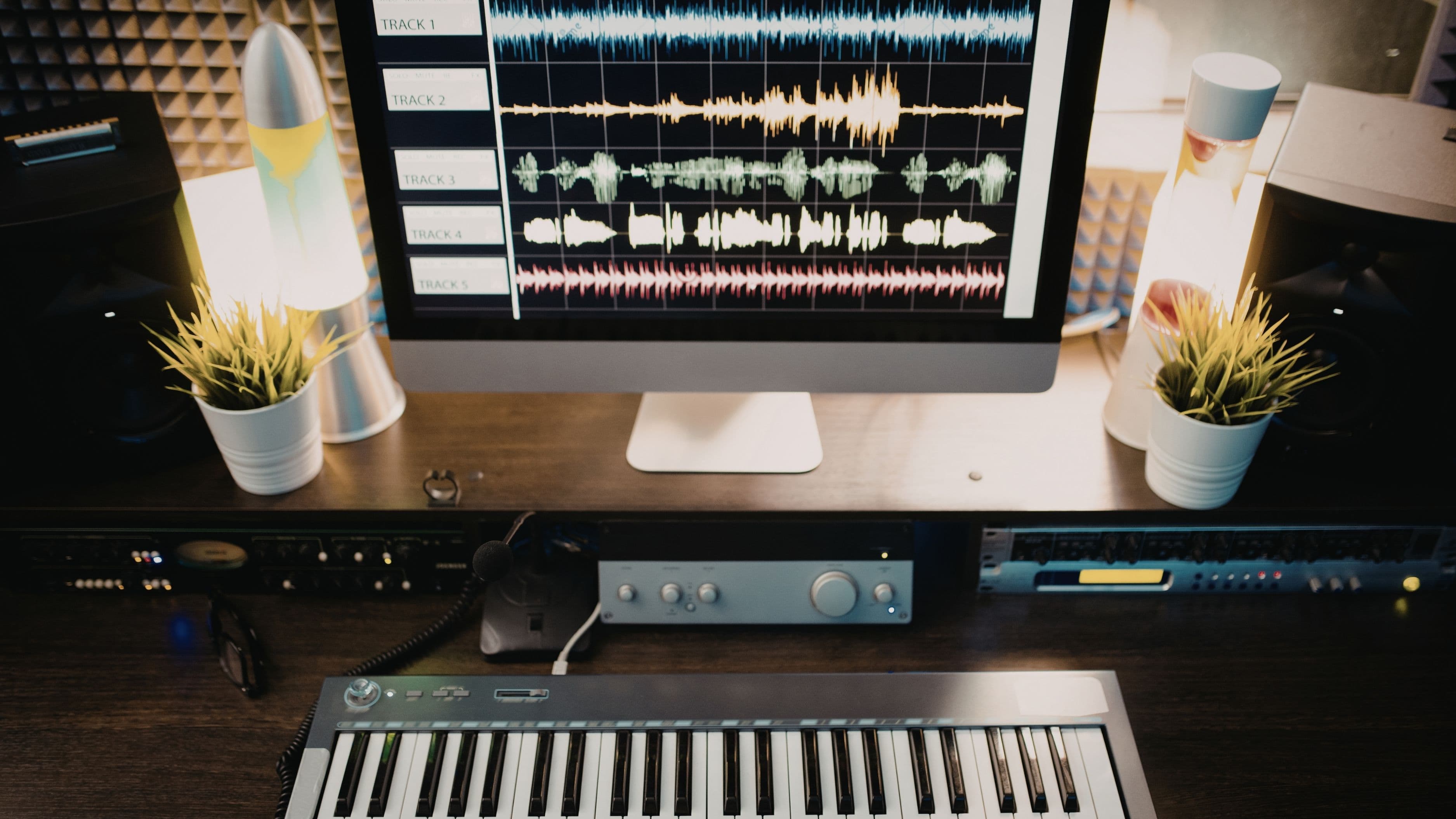
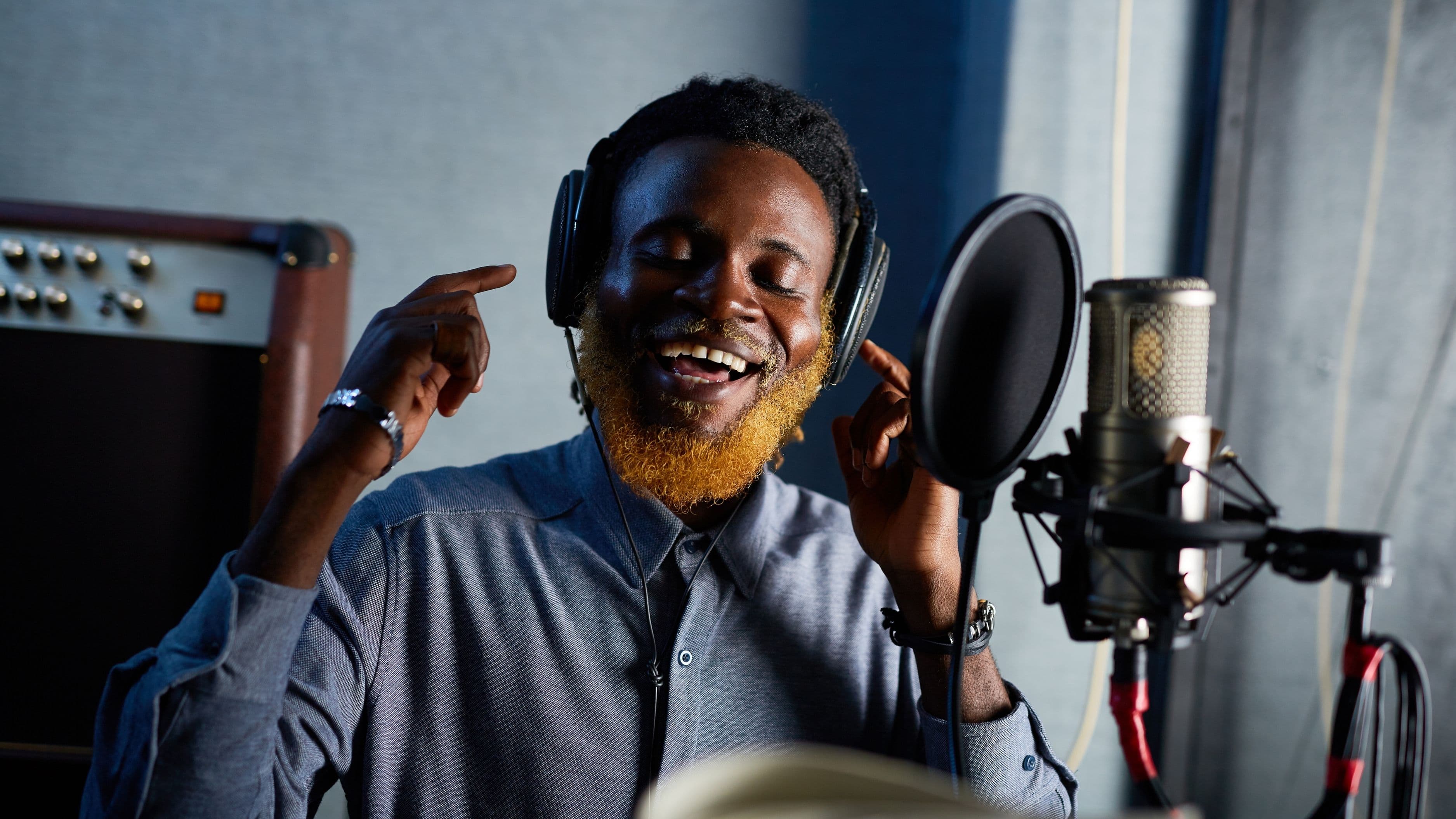
A $300 audio interface, a decent microphone, and free software like Reaper or GarageBand can produce genuinely release-ready music, and chasing studio perfection often just delays actual output.
What it is: a modest setup focused on clean recording and mixing basics rather than an expensive professional studio.
Why it stands out: most listeners discover music through phone speakers and cheap earbuds, so a technically flawless mix matters far less than a strong song and a clear vocal.
Best for: artists stuck in "gear acquisition syndrome" instead of actually finishing tracks.
Benefits: lower financial risk, faster turnaround from idea to release, and more creative freedom to experiment.
Drawback: certain genres – orchestral, heavily layered pop – still benefit from professional mixing and mastering before release.
Use case: a singer-songwriter releasing acoustic-leaning tracks that don't require elaborate production to sound polished.
4. Treat TikTok and Reels as Your Discovery Engine
Short-form video remains the single most reliable way an unknown artist gets discovered in 2026, largely because the algorithm doesn't care how many followers you already have.
What it is: consistently posting short clips – performance snippets, behind-the-scenes moments, or direct hooks from your songs – designed for people who've never heard of you.
Why it stands out: a single viral clip can outperform months of traditional promotion, and even moderate, consistent performance builds a real base over time. Best for: artists comfortable on camera or willing to get comfortable through repetition.
Benefits: free reach, direct fan interaction, and immediate feedback on which songs actually connect.
Drawback: algorithm dependency means your reach can fluctuate unpredictably, and virality doesn't always translate into long-term fans.
Use case: posting the strongest 15-second hook from an unreleased song to gauge interest before committing to a full release.
5. Collect Emails and Phone Numbers, Not Just Followers
Social media followers belong to the platform, not to you, and algorithm changes or account issues can wipe out your reach overnight – an email list can't be taken away that easily.
What it is: building a direct contact list through your website, merch table, or a simple link in your bio offering something in exchange, like an unreleased track.
Why it stands out: artists with even a modest, engaged email list have a direct line to fans for release announcements, tour dates, and merch drops without fighting an algorithm.
Best for: any artist serious about long-term career building rather than chasing short-term viral moments.
Benefits: reliable communication channel, higher conversion on ticket and merch sales, and independence from platform changes.
Drawback: building a list takes patience and consistent incentive offers – it won't grow as fast as follower counts.
Use case: offering a free downloadable track or early ticket access in exchange for an email signup at shows.
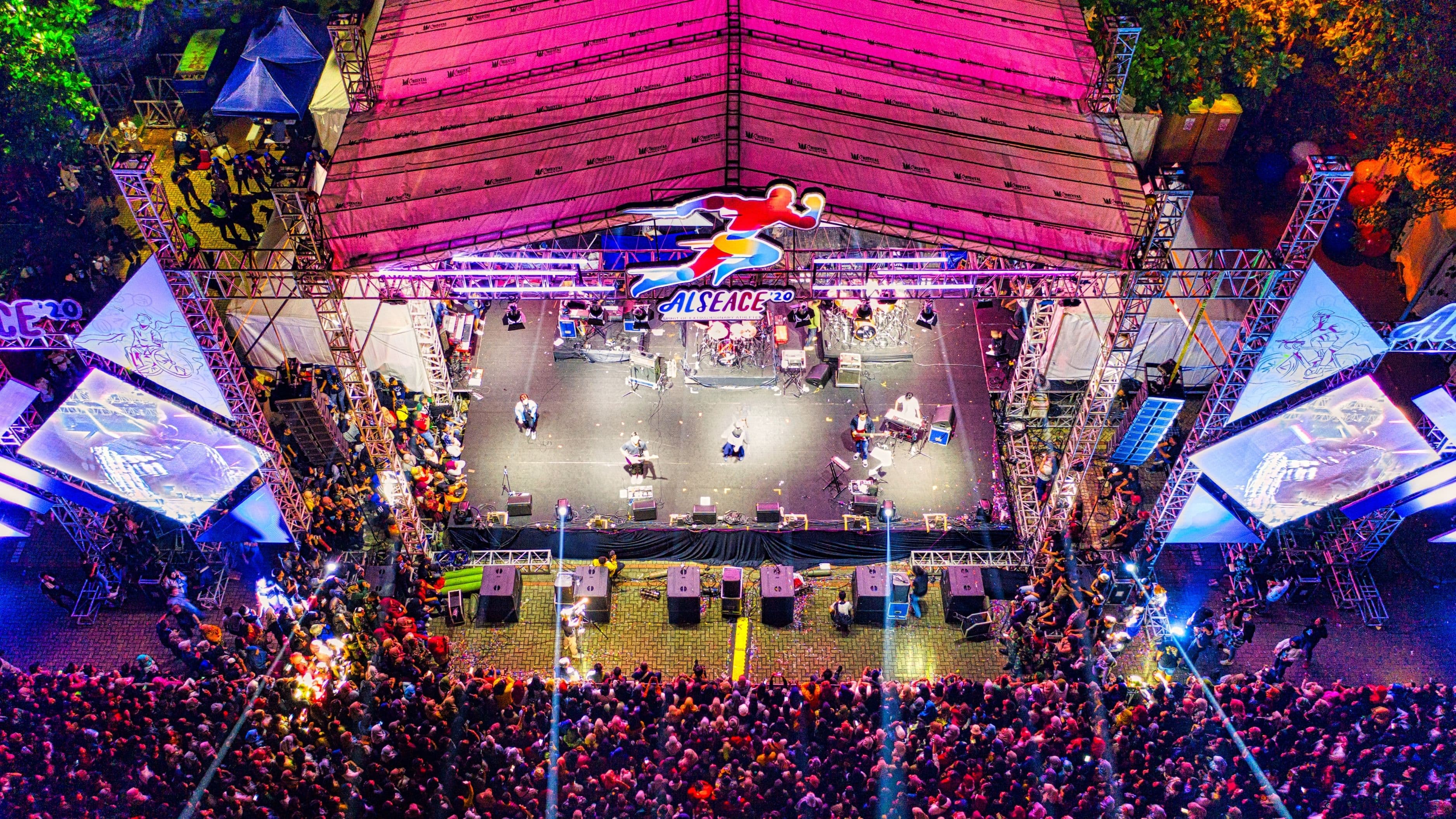
6. Play Live Shows Even When They Don't Pay
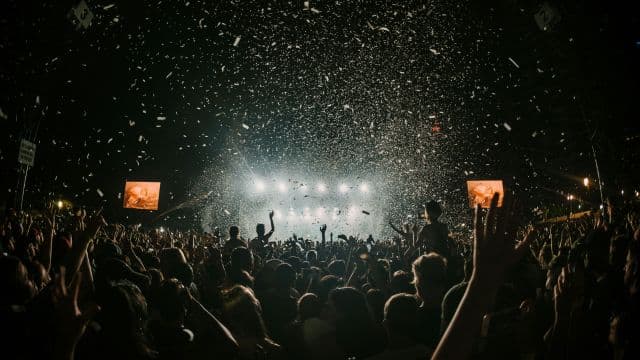
Unpaid or low-paid early gigs feel discouraging, but live performance experience and in-person fan connection remain irreplaceable, especially for building the kind of loyal fanbase that streams turn into.
What it is: actively seeking out open mics, local venue slots, and house shows, even when the fee barely covers gas money.
Why it stands out: fans who see you live convert into far more loyal, higher-spending supporters than fans who've only streamed your music.
Best for: artists whose music translates well to a live setting, particularly performers rather than purely studio-based producers.
Benefits: real-time audience feedback, networking with other local artists, and merch sales opportunities.
Drawback: touring and gigging cost time and money upfront with no guaranteed return, so budget carefully.
Use case: building a regional following through repeated appearances at the same handful of local venues before expanding further out.
7. Collaborate Strategically With Artists Slightly Ahead of You
Reaching out to artists with a modestly larger but still accessible following creates mutual benefit far more reliably than trying to land a feature with someone already famous.
What it is: finding artists one or two steps ahead of your current audience size and proposing a genuine collaboration, not just a follow request.
Why it stands out: their existing fans get exposed to your music through a trusted recommendation, which converts far better than cold discovery.
Best for: artists with at least a small, consistent release history to point to when reaching out. Benefits: audience cross-pollination, creative growth, and expanded professional network.
Drawback: not every collaboration pays off equally, and some relationships take time to build before a joint release makes sense.
Use case: a producer and vocalist in the same city trading guest verses or features on each other's tracks.
8. Understand Publishing, Royalties, and Rights Early
Confusion about publishing splits, mechanical royalties, and performance rights organizations causes more wasted income for independent artists than almost anything else on this list.
What it is: registering with a performance rights organization, understanding how streaming and sync royalties actually work, and formalizing songwriting splits in writing before release, not after a dispute.
Why it stands out: money you're legally owed sits uncollected for thousands of independent artists simply because they never registered properly. Best for: any artist releasing original music, regardless of career stage.
Benefits: proper royalty collection, clear ownership in case of disputes, and readiness for sync licensing opportunities.
Drawback: the paperwork is genuinely tedious and unglamorous compared to making music itself.
Use case: registering a new release with a PRO and a publishing administrator before it goes live, rather than months afterward.
9. Build a Small, Real Team Before You Can Afford a Big One
You don't need a manager, publicist, and booking agent on day one, but even one reliable collaborator – a friend handling social media, a local contact booking shows – meaningfully lightens your load.
What it is: identifying the one or two tasks draining the most time and energy, then finding a trusted person to take that specific task off your plate, even informally at first.
Why it stands out: solo artists frequently burn out trying to handle music, marketing, business, and performance simultaneously with no support.
Best for: artists gaining early traction who are starting to feel stretched too thin across every task.
Benefits: more time for actual creative work, reduced burnout risk, and stronger execution on tasks outside your skill set.
Drawback: finding trustworthy, competent help takes time, and early team members won't always stick around long-term.
Use case: partnering with a friend who's genuinely good at graphic design to handle single artwork and social graphics consistently.
10. Diversify Income Beyond Streaming From Day One
Streaming royalties alone rarely sustain even a moderately successful independent artist, so building multiple income streams early prevents total dependence on one unpredictable source.
What it is: combining merch, live performance fees, sync licensing, teaching or session work, and direct fan support platforms like Patreon or Bandcamp alongside streaming income.
Why it stands out: artists with three or four income sources weather slow months far better than those relying entirely on streaming payouts.
Best for: any artist serious about music as a long-term career rather than a hobby.
Benefits: financial stability, reduced pressure on any single release to "perform," and more creative freedom since you're not solely chasing streaming numbers.
Drawback: managing multiple income streams takes more administrative effort than focusing on one.
Use case: an artist selling limited vinyl runs and offering mixing services on the side while building their streaming audience.
How to Choose Where to Start
If you're early in your journey, start with sound and niche clarity before anything else, since every other step becomes easier once that foundation is set. If you already have a clear sound but limited reach, prioritize short-form content and email list building next. Artists further along should focus on live performance consistency, collaborations, and income diversification.
Best Picks by Stage
Complete beginner: Focus on items 1, 2, and 3 – sound, distribution, and a workable home setup.
Building an audience: Focus on items 4, 5, and 6 – discovery content, direct contact lists, and live shows.
Established but not yet sustainable: Focus on items 7 through 10 – collaboration, rights management, team building, and income diversification.
FAQ
Do I need to move to a music industry city like Nashville or LA to succeed? Not anymore. Remote collaboration tools and streaming
distribution have made location far less critical than it was a decade ago, though local scenes still offer valuable in-person networking.
How long does it realistically take to build a sustainable music career? Most independent artists who reach sustainable income spend three to five years building consistently across these areas – it's rarely an overnight outcome.
Is it worth pursuing a record deal in 2026? Deals can still make sense at a certain scale, but many artists now build significant, sustainable careers entirely independently, so it's no longer the only path forward.
Building a music career from scratch takes patience across all ten of these areas simultaneously, not mastery of just one. Progress on even a few of them consistently compounds faster than most artists expect.