Top 10 at a Glance
Calculate your real monthly essential expenses
Set your 6-month target number
Open a separate high-yield savings account
Start with a smaller mini-goal first
Automate a fixed transfer every payday
Cut one or two recurring expenses and redirect the savings
Bank windfalls and irregular income
Use a side income stream to accelerate progress
Avoid touching the fund for non-emergencies
Reassess and adjust your target every 6–12 months
1. Calculate Your Real Monthly Essential Expenses
Before you can save toward six months of expenses, you need to know what one month actually costs. This means only true essentials – rent or mortgage, utilities, groceries, insurance, minimum debt payments, and transportation. Leave out subscriptions, dining out, and discretionary spending, since those are things you could cut in a real emergency.
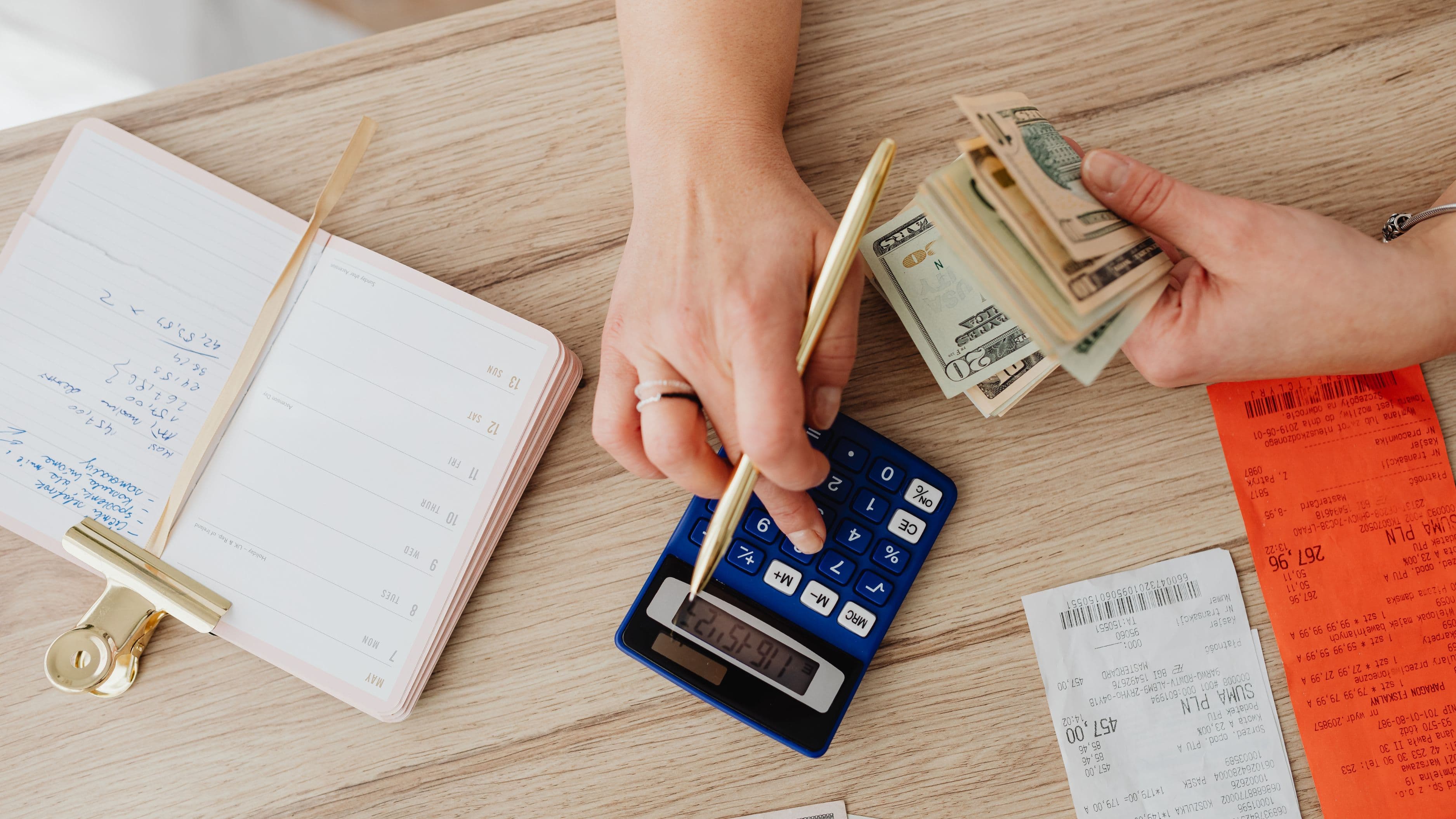
Pull up your last two to three months of bank and credit card statements and add up only these categories. Most people are surprised by the number, and that's the point – it gives you a realistic baseline instead of a guess. This number becomes the foundation for every step that follows.
Key benefit: You stop saving toward a vague, made-up target and start working toward a number that reflects your actual life.
2. Set Your 6-Month Target Number
Once you know your essential monthly cost, multiply it by six. If your essentials run $2,800 a month, your full emergency fund target is $16,800. Write this number down somewhere visible – a notes app, a whiteboard, wherever you'll actually see it regularly.
This step matters because an abstract goal like "save an emergency fund" is easy to postpone indefinitely, while a specific number creates a finish line you can track progress against. Some people round up slightly to build in a small buffer for inflation or unexpected cost increases, which is a reasonable adjustment if your expenses tend to fluctuate.
Key benefit: A concrete number turns a vague financial goal into something trackable and motivating.
3. Open a Separate High-Yield Savings Account
Keeping your emergency fund in your regular checking account is one of the most common reasons people accidentally spend it. A separate account creates just enough friction to stop impulsive dips into the fund, while a high-yield savings account also earns meaningfully more interest than a standard bank account.
Online banks typically offer significantly higher annual percentage yields than traditional brick-and-mortar banks, often with no monthly fees and no minimum balance requirements. This won't make you rich, but on a growing five-figure balance, the difference in earned interest over a year or two is real money you'd otherwise be leaving on the table.
Key benefit: Separation reduces temptation, and a high-yield account lets your money grow passively while it sits.
4. Start With a Smaller Mini-Goal First
Six months of expenses can feel so large that it's discouraging before you even start. Instead, set an initial mini-goal of one month's expenses, or even $1,000, as your first milestone. Hitting this smaller target early builds real momentum and proves to yourself that the larger goal is achievable in stages.
This approach works because motivation tends to follow progress, not the other way around. Once that first mini-goal is funded, the next chunk feels more manageable, and by the time you're aiming for three months, the habit is already built.
Key benefit: Smaller milestones prevent the burnout and discouragement that come with fixating on one large number.
5. Automate a Fixed Transfer Every Payday
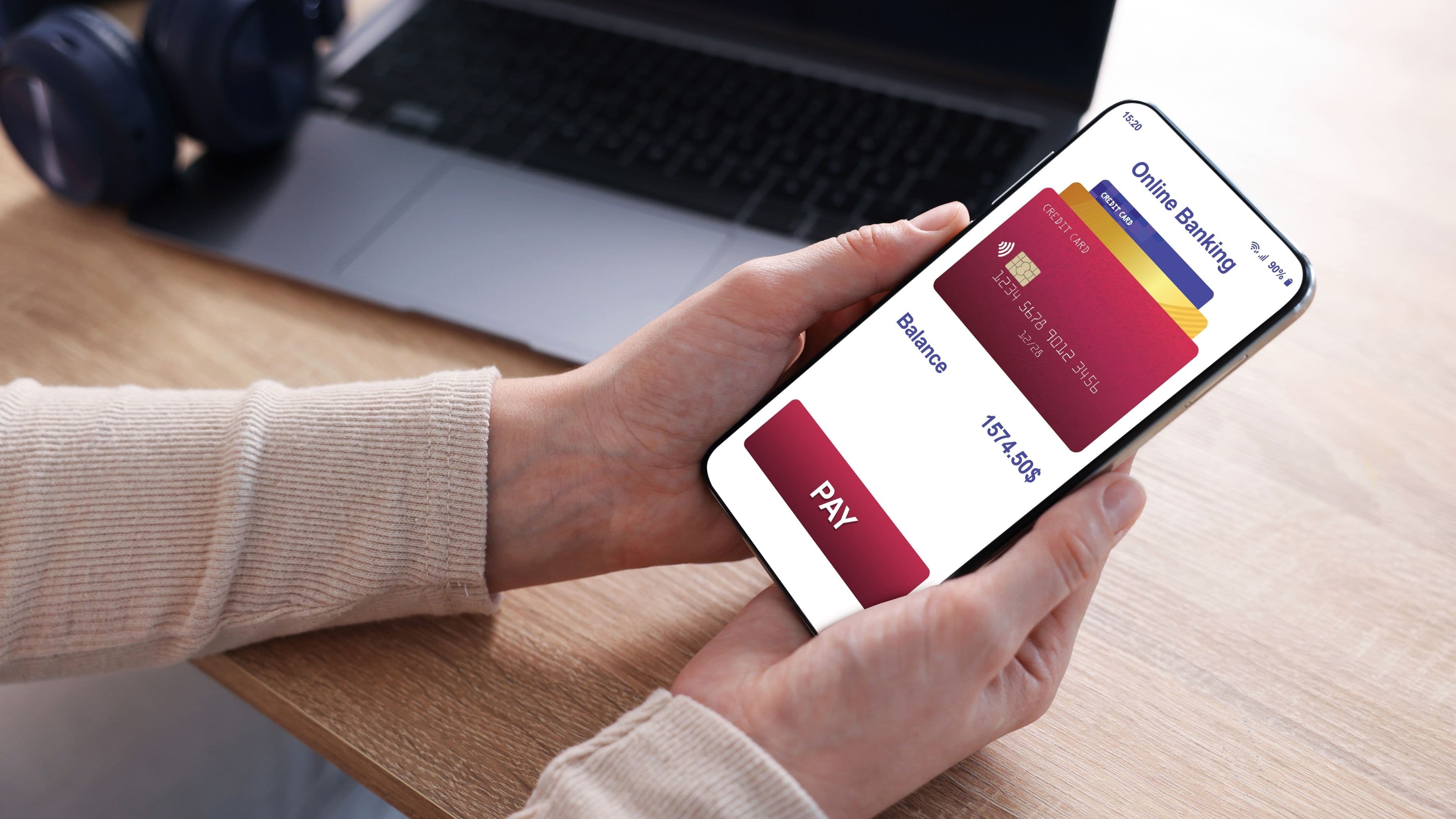
Automation removes the decision-making step that derails most savings plans. Set up a recurring transfer from checking to your emergency fund account for the same day you get paid, even if it starts small, like $50 or $100 per paycheck.
The psychological trick here is treating this transfer like a fixed bill rather than leftover money at the end of the month. If it happens automatically before you have a chance to spend it, you're far less likely to skip it during a tight month. As your income grows or expenses shrink, you can increase the automated amount.
Key benefit: Automation makes saving consistent and removes the willpower requirement entirely.
6. Cut One or Two Recurring Expenses and Redirect the Savings
You don't need to overhaul your entire budget – just identify one or two recurring costs that don't add much value and redirect that money directly into your fund. Common targets include unused subscriptions, a premium streaming tier you rarely use, or a gym membership you're not utilizing.
The goal isn't extreme restriction; it's targeted redirection. Canceling a $15 subscription and a $40 unused membership adds $55 a month, or $660 a year, straight toward your goal without changing your day-to-day lifestyle in any noticeable way.
Key benefit: Small, painless cuts compound into meaningful progress without requiring a full budget overhaul.
7. Bank Windfalls and Irregular Income
Tax refunds, work bonuses, cashback rewards, and gift money are easy to absorb into regular spending if you don't have a plan for them. Instead, commit to sending a fixed percentage – commonly 50 to 100 percent – of any windfall directly into your emergency fund.
This step can meaningfully accelerate your timeline, since a single tax refund or bonus can sometimes cover a month or more of your target on its own. Because this money wasn't part of your regular budget to begin with, redirecting it usually doesn't feel like a sacrifice.
Key benefit: Windfalls create fast progress without affecting your regular monthly cash flow.
8. Use a Side Income Stream to Accelerate Progress
If your regular budget is already tight, adding a side income stream – freelancing, tutoring, selling unused items, or gig work – gives you dedicated new money that goes entirely toward your fund. Because this income exists outside your normal budget, it feels less like a trade-off and more like bonus progress.
Even a modest $200–400 a month from a side hustle can cut a year or more off your savings timeline, depending on your target number. The key is treating this income as fund-only money from day one, rather than letting it blend into general spending.
Key benefit: Extra income speeds up your timeline without requiring cuts to your existing budget.
9. Avoid Touching the Fund for Non-Emergencies
An emergency fund only works if it's reserved for actual emergencies – job loss, medical needs, urgent car or home repairs, not a vacation or a big purchase. Define in advance what qualifies as an emergency so you're not making that judgment call emotionally in the moment.
Some people keep a small separate "fun money" or short-term savings account specifically so they're not tempted to dip into the emergency fund for non-urgent wants. This distinction matters because every withdrawal for a non-emergency resets your progress and undermines the fund's entire purpose.
Key benefit: Clear boundaries keep the fund intact and ready for genuine emergencies when they happen.
10. Reassess and Adjust Your Target Every 6–12 Months
Your expenses will change over time – rent increases, a new dependent, a change in insurance costs – and your emergency fund target should shift with them. Revisit your essential monthly expenses calculation every six to twelve months and adjust your six-month target accordingly.
This step also gives you a natural checkpoint to celebrate progress and recalibrate motivation. If your expenses have gone up, you'll know to keep contributing even after hitting your original number; if they've gone down, you might already be closer to full coverage than you thought.
Key benefit: Regular reassessment keeps your fund accurately matched to your real financial life.
Quick Takeaway
Building a 6-month emergency fund isn't about one big savings decision – it's about stacking small, consistent habits: knowing your real number, automating contributions, cutting a little fat, and protecting the fund once it exists. Most people who reach this goal do it in 18 months to 3 years, not overnight, so steady progress matters more than speed.
FAQ
Do I need a full 6 months, or is 3 months enough? Three months is a reasonable starting target, especially for dual-income households with stable jobs. Six months is generally recommended for single-income households, freelancers, or anyone in a less stable job market.
Should I invest my emergency fund instead of keeping it in savings? No – emergency funds need to be accessible without risk of loss, which rules out investments that can drop in value right when you need the money. A high-yield savings account is the standard recommendation for this reason.
What if I have debt – should I pay that off first? Most financial experts recommend building a small starter fund (around $1,000) first, then focusing on high-interest debt, then returning to build the full 6-month fund once that debt is handled.
How do I stay motivated when progress feels slow? Track visible milestones (25%, 50%, 75% of your goal) rather than only focusing on the full target, and automate contributions so progress continues even when motivation dips.
📚 Sources
Consumer Financial Protection Bureau – Start Small, Save Up: A Guide on Building Emergency Savings
Federal Reserve – Report on the Economic Well-Being of U.S. Households