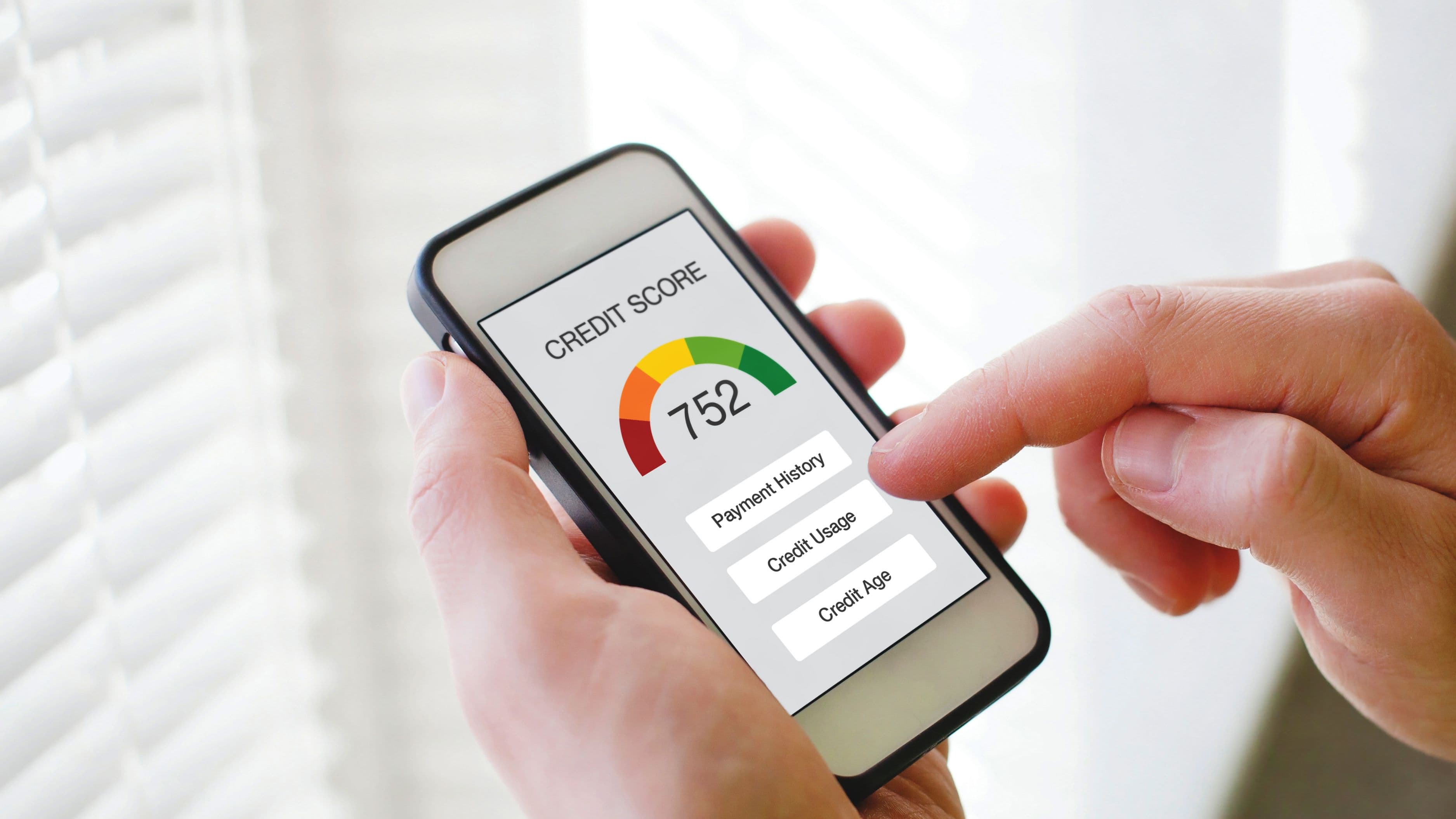
We've researched and reviewed dozens of credit-building options to bring you the most effective strategies for establishing credit quickly and responsibly. From specialized credit cards to innovative fintech solutions, these ten methods can help you build a strong credit foundation—even if you're starting with a blank slate.
Top 10 at a Glance
Secured Credit Cards – Best for guaranteed approval with your own deposit
Credit Builder Loans – Best for building credit while saving money
Becoming an Authorized User – Best for piggybacking on someone else's good credit
Student Credit Cards – Best for college students with limited history
Retail Store Cards – Best for easier approval on your first card
Rent Reporting Services – Best for getting credit for payments you already make
Self-Lender Credit Builder Account – Best for building credit and savings simultaneously
Secured Personal Loans – Best for those who can't qualify for traditional loans
Credit-Builder Apps – Best for tech-savvy users wanting modern solutions
Gas Station Credit Cards – Best for building credit with everyday purchases
1. Secured Credit Cards

Secured credit cards are the gold standard for building credit from scratch. Unlike traditional credit cards, these require you to put down a refundable security deposit—typically $200 to $500—which becomes your credit limit. This deposit protects the card issuer, making approval almost guaranteed regardless of your credit history.
The beauty of secured cards is that they function exactly like regular credit cards and report to all three major credit bureaus. You'll make purchases, receive monthly statements, and build positive payment history. After 6-12 months of responsible use, many issuers will graduate you to an unsecured card and return your deposit. Popular options include the Discover it® Secured, Capital One Platinum Secured, and Citi® Secured Mastercard®.
Most secured cards charge annual fees ranging from $0 to $49, with APRs typically between 25-30%. The key is choosing one with no annual fee and a clear path to upgrading to an unsecured card.
Pros:
Nearly guaranteed approval regardless of credit history
Reports to all three credit bureaus
Deposit is refundable when you upgrade or close the account
Functions exactly like a traditional credit card
Many offer rewards programs
Cons:
Requires upfront cash deposit
Credit limits are often low initially
Higher APRs than unsecured cards
Some charge annual fees
Takes time to graduate to unsecured status
2. Credit Builder Loans

Credit builder loans flip the traditional lending model on its head. Instead of receiving money upfront, the loan amount is held in a savings account while you make monthly payments. Once you've paid off the loan—typically over 6-24 months—you receive the full amount minus any fees. Every payment you make is reported to the credit bureaus, helping you build a positive payment history.
These loans are specifically designed for people with no credit or bad credit, making them accessible to almost everyone. Credit unions and community banks often offer them with loan amounts ranging from $300 to $3,000. Some fintech companies like Self have modernized this approach, making it easier to apply online and start building credit within days.
Credit builder loans typically charge interest rates between 6-16%, with some requiring a small administrative fee. The total cost might range from $9 to $100 depending on the loan amount and term length.
Pros:
No credit check required in most cases
Forces disciplined saving while building credit
Reports to all three major credit bureaus
Lower risk since you're essentially paying yourself back
Builds both credit and savings simultaneously
Cons:
You don't get the money until the loan is paid off
Interest and fees reduce your final payout
Requires consistent monthly payments
Takes time to complete (usually 6-24 months)
Money is locked away during the loan term
3. Becoming an Authorized User

This strategy leverages someone else's established credit to boost yours. When a family member or trusted friend adds you as an authorized user on their credit card, that account's entire payment history can appear on your credit report. If they have years of on-time payments and low credit utilization, you benefit from that positive history—sometimes seeing score increases within 30 days.
The account holder doesn't need to give you a physical card or spending privileges for this to work. However, it's crucial that they have excellent payment history and keep their balance low, as negative marks will also affect your credit. This method works best when combined with other credit-building strategies since you're not the primary account holder.
This is typically free unless the card issuer charges a small fee ($5-15) to add authorized users. The primary cardholder remains fully responsible for all charges.
Pros:
Can improve credit score very quickly
Inherits the account's entire positive history
No credit check or approval process needed
Don't need to use the card to benefit
Works well in combination with other methods
Cons:
Requires trusting relationship with primary cardholder
Negative activity on the account hurts your credit too
Some lenders don't weigh authorized user status as heavily
You're not building independent credit management skills
Can be removed at any time by the primary cardholder
4. Student Credit Cards

Designed specifically for college students with little to no credit history, student credit cards have more lenient approval requirements than standard cards. Issuers understand that students are just starting out financially and structure these products accordingly. Many also include educational resources about credit management and financial literacy.
Popular student cards like the Discover it® Student Cash Back and Capital One SavorOne Student offer competitive rewards programs, no annual fees, and benefits like cash back on purchases. Some even provide statement credits for good grades. Most students can qualify with proof of enrollment and some form of income, whether from a part-time job, internship, or parental support.
These cards typically have no annual fees and APRs ranging from 18-27%. Credit limits usually start at $500-1,500 but can increase over time with responsible use.
Pros:
Easier approval standards for students
Often include cash back or rewards programs
No annual fees on most options
Educational resources included
Good grades may earn rewards with some issuers
Cons:
Must be enrolled in college to qualify
Lower initial credit limits
Some require proof of income
Benefits may not transfer when you graduate
Can lead to overspending if not managed carefully
5. Retail Store Cards

Store-branded credit cards from retailers like Target, Amazon, or Walmart are often easier to obtain than major credit cards because they're designed to encourage shopping at that specific store. These cards have more relaxed approval criteria and can be a stepping stone to building credit, though they come with limitations.
These cards typically offer immediate discounts or rewards when you open them, plus ongoing benefits like 5% off purchases at that retailer. However, many can only be used at the issuing store or its partners, limiting their utility. After 6-12 months of responsible use, you'll have established enough credit history to qualify for more versatile cards.
Retail cards usually have no annual fees but carry higher APRs—often 25-30%. Some offer deferred interest promotions on large purchases.
Pros:
Easier approval than general-purpose cards
Immediate sign-up bonuses and discounts
Good rewards for frequent shoppers at that store
Reports to major credit bureaus
No annual fees on most cards
Cons:
Often limited to use at one retailer
Very high APRs compared to standard cards
Lower credit limits initially
Temptation to overspend at one store
Deferred interest promotions can be risky if not paid in full
6. Rent Reporting Services

Most people don't realize that monthly rent payments—often their largest expense—don't automatically help build credit. Rent reporting services bridge this gap by reporting your on-time rent payments to credit bureaus. Companies like Rental Kharma, LevelCredit, and RentTrack connect with your property manager or bank account to verify and report payments.
This strategy is particularly powerful because it can add years of positive payment history to your credit report instantly if you have a long rental history. Some services can backdate up to 24 months of past payments, giving your credit score an immediate boost. It's an excellent complement to other credit-building methods since you're getting credit for something you're already doing.
These services typically charge between $5 and $25 per month, though some offer annual plans that reduce the monthly cost. A few landlords and property management companies offer free reporting as an amenity.
Pros:
Gets credit for payments you're already making
Can report past payment history retroactively
Positive impact with no change to spending habits
Some services include utility bill reporting too
Works alongside other credit-building methods
Cons:
Monthly subscription fees add up
Not all credit scoring models consider rental payments
Requires landlord cooperation with some services
Late rent payments will also be reported
Takes ongoing commitment to maintain
7. Self-Lender Credit Builder Account

Self (formerly Self-Lender) has modernized the credit builder loan concept with a user-friendly app and flexible options. You choose a monthly payment amount you can afford (typically $25-150), and that money is placed in a certificate of deposit while you make payments. After 12 or 24 months, you receive your savings minus a small administrative fee and interest charges.
What sets Self apart is its additional features: you can add a secured credit card to your plan after three months of on-time payments, and they offer a free credit monitoring tool. The company reports to all three major credit bureaus, and users typically see their credit scores increase by an average of 47 points after completing their plan with on-time payments.
Plans range from $25 to $150 per month over 12 or 24 months. Administrative fees typically total $9-15, and you'll pay interest that reduces your final payout slightly—but you'll still get most of your money back.
Pros:
Flexible payment amounts to fit any budget
Option to add a secured credit card after three months
Reports to all three credit bureaus
Modern app interface with progress tracking
No credit check required to get started
Cons:
Administrative fees and interest reduce final payout
Money is locked away during the term
Missing payments hurts your credit
Better returns available with traditional savings accounts
Early withdrawal options are limited
8. Secured Personal Loans
Unlike credit builder loans, secured personal loans provide you with cash upfront in exchange for collateral—typically a savings account, CD, or other valuable asset. Because the loan is secured, lenders are more willing to work with borrowers who have no credit history. You'll receive the loan amount immediately and make regular monthly payments that are reported to credit bureaus.
These loans are ideal if you need money for a specific purpose—like buying a used car or consolidating debt—while simultaneously building credit. Credit unions are often the best source for secured personal loans, offering competitive rates and personalized service. The collateral requirement reduces the lender's risk, making approval more likely even with zero credit history.
Loan amounts typically range from $1,000 to $10,000 with APRs between 8-18%, depending on your collateral and the lender. Terms usually span 12-60 months.
Pros:
Access to cash when you need it
Lower interest rates than unsecured loans
Builds credit through regular payments
Larger loan amounts available
Can be used for various purposes
Cons:
Risk losing collateral if you default
Interest costs can be significant
Requires asset to use as collateral
Monthly payment obligation regardless of circumstances
May require relationship with credit union or bank
9. Credit-Builder Apps
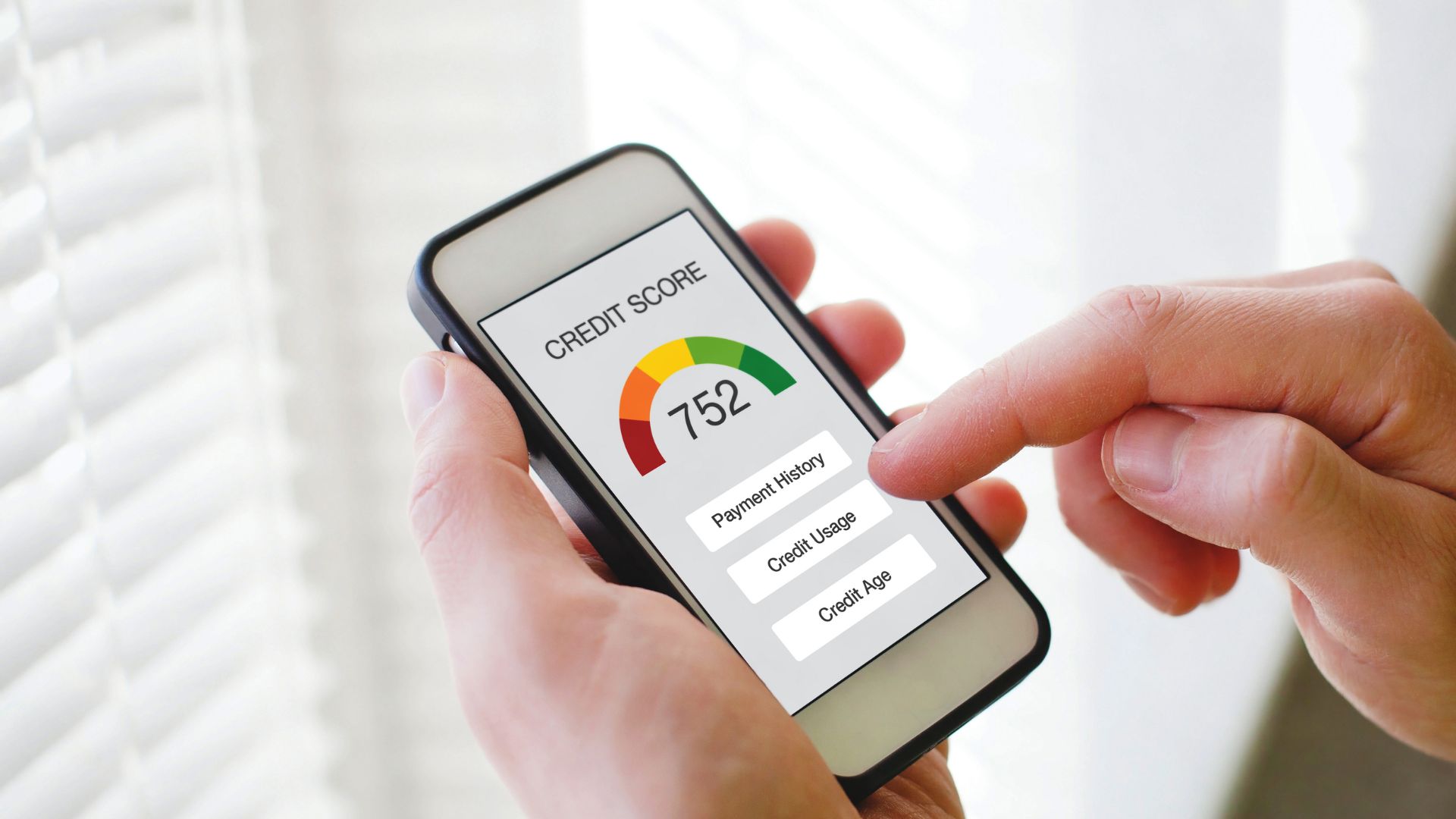
A new generation of fintech apps is revolutionizing credit building with innovative approaches. Apps like Kikoff, TomoCredit, and Extra offer unique methods to establish credit without traditional loans or large deposits. Kikoff, for example, extends a small line of credit (around $500-750) specifically for purchasing items in their online store, with your payments reported to credit bureaus.
TomoCredit takes a different approach by analyzing your banking activity and cashflow to approve you for a card, then reporting your full payment each month as a positive tradeline. Extra links to your bank account and turns everyday debit card purchases into credit-building opportunities. These apps typically target younger, tech-savvy users who want to build credit through their smartphones without complicated applications.
Most credit-builder apps charge monthly fees ranging from $0-15, though some monetize through interest or the products they sell. Setup is usually free or requires minimal deposits.
Pros:
Easy mobile-first application process
Lower barriers to entry than traditional products
Modern interfaces with gamification features
Quick approval and setup
Some require no credit check at all
Cons:
Monthly subscription fees for most services
Limited track record compared to traditional methods
Some have restrictions on how you can use the credit
Not all report to all three credit bureaus
Smaller credit-building impact than major tradelines
10. Gas Station Credit Cards

Gas station credit cards like Shell Fuel Rewards® or ExxonMobil Smart Card+ are designed for fuel purchases and are often easier to obtain than general-purpose credit cards. Since they're limited to gas stations and related purchases, issuers view them as lower risk and have more lenient approval standards. They're particularly useful if you commute regularly and already spend significantly on fuel.
These cards typically offer generous rewards on gas purchases—sometimes 5-10 cents per gallon in savings—plus occasional discounts on car washes and convenience store items. After establishing six months of positive payment history, you'll have a tradeline that helps you qualify for more versatile credit cards. Some gas cards can also be used at restaurants or grocery stores, adding flexibility.
Most gas station cards have no annual fees, though APRs run high at 25-30%. Credit limits often start at $300-500 for new credit users.
Pros:
Easier approval for those with no credit
Excellent rewards on gas purchases
No annual fees on most cards
Useful for everyday necessary expenses
Reports to major credit bureaus
Cons:
Limited to gas stations and specific merchants
High APRs if you carry a balance
Low initial credit limits
Less versatile than general-purpose cards
Rewards limited to single brand or category
Understanding Credit Building: What You Need to Know
What Is Credit Building?
Credit building is the process of establishing and strengthening your credit history and credit score over time. Your credit report is essentially a financial report card that lenders, landlords, and others use to evaluate your trustworthiness when it comes to borrowing money or taking on financial obligations. When you're starting from scratch, you have no credit history, which means lenders have no data to assess your reliability—making it difficult to get approved for loans, credit cards, or even apartments.
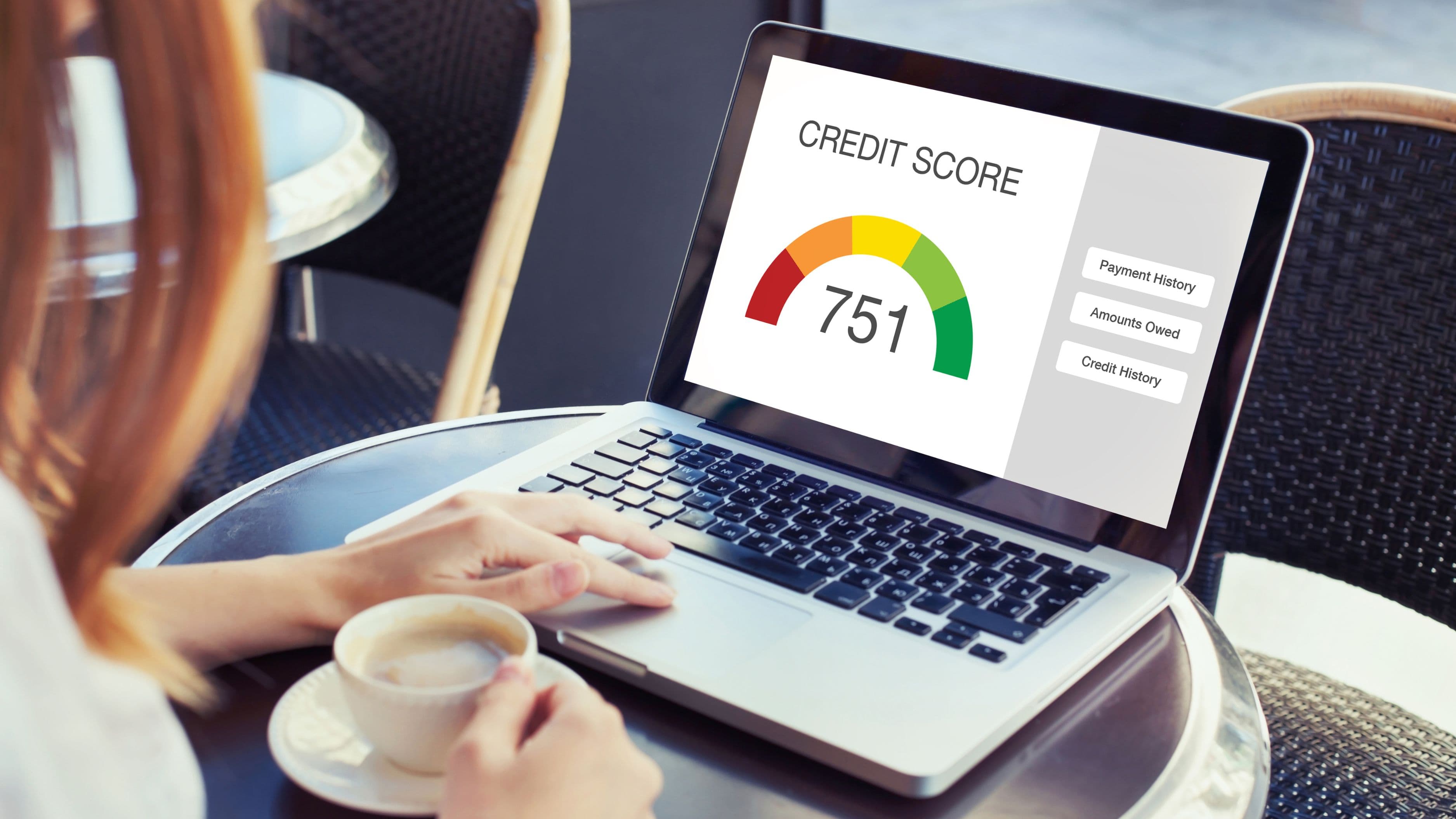
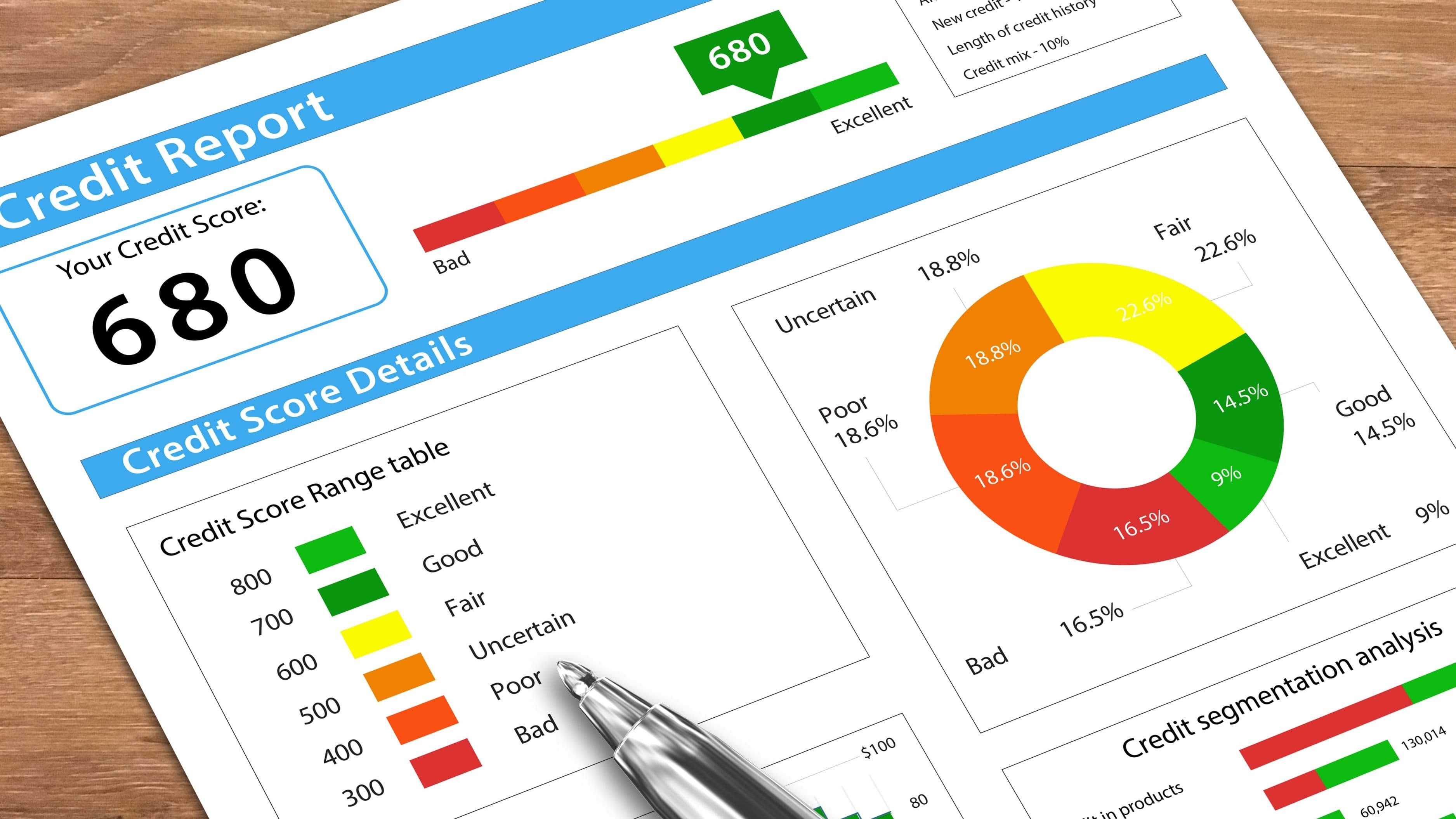
The credit-building process involves creating a record of responsible financial behavior through various credit products and payment reporting services. Each time you make an on-time payment, keep your credit utilization low, or successfully complete a loan term, positive information is added to your credit reports with Equifax, Experian, and TransUnion—the three major credit bureaus. Over time, this positive history translates into a credit score (typically FICO or VantageScore) that ranges from 300 to 850, with higher scores indicating better creditworthiness.
Benefits of Building Credit
Strong credit opens countless financial doors and can save you tens of thousands of dollars over your lifetime. The most immediate benefit is access to loans and credit cards with favorable terms—good credit scores qualify you for lower interest rates, potentially saving hundreds monthly on mortgages or auto loans. Beyond borrowing, many landlords require credit checks before renting, and a solid credit history makes you a more attractive tenant, sometimes eliminating the need for large security deposits.
Good credit also impacts areas you might not expect. Many employers, particularly in financial services, conduct credit checks as part of background screenings. Insurance companies in most states use credit-based insurance scores to determine premiums for auto and homeowners insurance. Utility companies may waive deposits for customers with good credit. Perhaps most importantly, building credit early gives you a financial safety net—during emergencies, you'll have access to credit options that people with no or poor credit history simply don't have.
What to Look for When Choosing Credit-Building Methods
The best credit-building strategy depends on your specific circumstances, but several factors should guide your decision. First, consider reporting practices—ensure any product you choose reports to all three major credit bureaus, as some only report to one or two. This maximizes the impact on your credit profile. Second, evaluate costs carefully. While some credit-building products charge fees, the most expensive option isn't necessarily the best. Calculate total costs including interest, administrative fees, and subscription charges.
Third, assess your own discipline and financial situation. If you struggle with spending control, a credit builder loan might be safer than a credit card since the money is locked away. If you need immediate access to credit for emergencies, a secured credit card makes more sense. Fourth, look for products with growth potential—secured credit cards that graduate to unsecured status or credit builder accounts that offer additional products after a few months provide long-term value beyond the initial credit-building phase.
Finally, consider combining multiple methods for faster results. Using a secured credit card while also reporting rent payments diversifies your credit mix and accelerates score improvement. Just ensure you can manage all obligations responsibly—one missed payment can significantly damage the credit you're trying to build.
Frequently Asked Questions
How long does it take to build credit from scratch?
With consistent effort, you can establish a basic credit score in as little as three to six months. Most credit scoring models require at least one account that's been open for six months and at least one account reported within the last six months to generate a score. However, building good credit (scores of 700+) typically takes 12-24 months of responsible credit management. The key is maintaining on-time payments, keeping credit utilization below 30%, and avoiding negative marks. Using multiple credit-building methods simultaneously can accelerate the timeline—for example, becoming an authorized user while opening a secured credit card and reporting rent payments can establish a stronger credit profile faster than using just one method.
Will checking my own credit score hurt my credit?
No, checking your own credit score is considered a "soft inquiry" and has zero impact on your credit. You can check your score as often as you want through free services like Credit Karma, your bank's app, or AnnualCreditReport.com without any negative effects. This is different from "hard inquiries," which occur when you apply for credit and a lender checks your report—these can temporarily lower your score by a few points. However, even hard inquiries have minimal impact and fall off your report after two years. It's actually a good idea to monitor your credit regularly, especially when building from scratch, so you can track your progress and catch any errors early.
Can I build credit without going into debt?
Absolutely! Many people confuse using credit with carrying debt. You can build excellent credit by making small purchases on a credit card each month and paying the full balance before the due date—this way, you never pay interest and never carry debt. Credit builder loans also allow you to build credit while essentially saving money since you get most of your payments back at the end. Rent reporting services build credit based on payments you're already making without adding any new financial obligations. The key is using credit responsibly and viewing it as a tool for convenience and building your financial reputation, not as a way to spend money you don't have.
Should I close my first credit account when I get better options?
Generally, no—keeping your first credit account open is usually beneficial, even after you qualify for better cards. Credit history length accounts for 15% of your FICO score, and your oldest account anchors that history. Closing accounts also reduces your total available credit, which can increase your credit utilization ratio and potentially lower your score. The exception is if the account charges a high annual fee that you can't justify with rewards or benefits. Even then, some issuers will let you downgrade to a no-fee version of the card rather than closing it completely. If you must close an account, wait until you have several other accounts with positive payment history first, and understand that it may cause a temporary dip in your credit score.