Online banks eliminate the overhead costs of physical branches, ATM networks, and large staffing requirements, passing those savings directly to customers through higher interest rates, lower fees, and better features. However, not all online banks are created equal. This comprehensive guide evaluates the top 10 online banks based on interest rates, account features, customer service, mobile technology, and overall value to help you make an informed decision about where to keep your money.
Top 10 Best Online Banks
Marcus by Goldman Sachs – Best for high-yield savings with no fees
Ally Bank – Best for overall banking experience
Capital One 360 – Best for combination checking and savings
Discover Bank – Best for cashback rewards on checking
American Express National Bank – Best for premium savers
CIT Bank – Best for high-balance savers
Synchrony Bank – Best for CD rates
Axos Bank – Best for interest-bearing checking
SoFi – Best for integrated financial services
Chime – Best for fee-free banking and early payday
Our Methodology
We evaluated over 30 online banks across five critical criteria to identify the top 10 options. Interest rates were weighted heavily (30%), as competitive returns are the primary advantage of online banking. We examined both savings account Annual Percentage Yields (APY) and checking account rates where applicable, comparing them against national averages and competitor offerings.
Account features and accessibility (25%) included mobile app functionality, ATM access, fund transfer capabilities, overdraft protection, and account minimums. We tested mobile apps for ease of use, security features, and available functionality. Fee structures (20%) were scrutinized, including monthly maintenance fees, overdraft charges, ATM fees, and foreign transaction costs. Customer service quality (15%) was assessed through third-party reviews, direct testing of support channels, and response time evaluations.
Finally, we considered company reputation and financial stability (10%) by reviewing Better Business Bureau ratings, Trustpilot scores, regulatory compliance records, and each institution's FDIC insurance status. Banks had to score well across all five categories to make our top 10 list, ensuring our recommendations provide both competitive returns and reliable service.
Detailed Reviews
1. Marcus by Goldman Sachs – Best for High-Yield Savings with No Fees
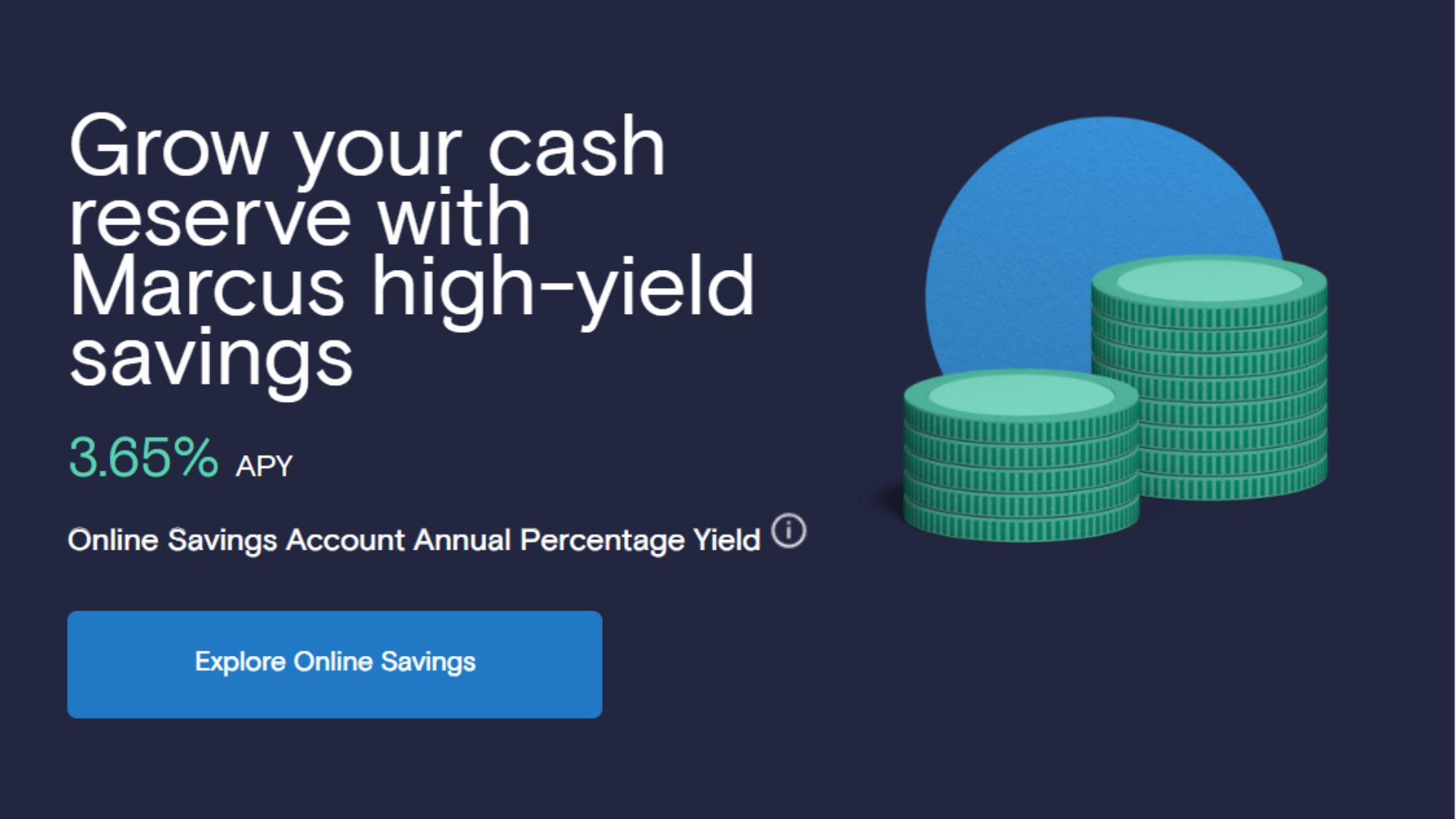
Best for: Savers seeking maximum returns without account fees or minimum balance requirements
Pricing: 4.40% APY on savings accounts; no monthly fees, no minimum deposit
Key Features: High-yield savings accounts, competitive CD rates, user-friendly mobile app, no penalty CDs available
Marcus by Goldman Sachs brings the investment banking giant's expertise to retail customers with straightforward, high-yield savings products. The platform focuses exclusively on savings accounts and CDs rather than offering full-service banking, which allows them to maintain some of the highest rates in the industry. Their savings account consistently ranks among the top-paying accounts nationwide, and they've earned a reputation for transparency and reliability since launching in 2016.
The Marcus mobile app is intuitive and well-designed, making it easy to monitor balances, transfer funds, and manage multiple savings goals through their customizable "buckets" feature. Customer service receives consistently high marks, with knowledgeable representatives available seven days a week. While Marcus doesn't offer checking accounts or ATM cards—meaning you'll need to maintain a relationship with another bank for daily transactions—their focus on savings makes them an excellent complementary institution for building emergency funds or reaching specific savings goals.
Pros:
Industry-leading savings rates with no minimum balance
Zero monthly maintenance fees or transaction fees
Excellent customer service with extended hours
No-penalty CD options for flexible savings
Strong mobile app with goal-setting features
Cons:
No checking accounts or debit cards available
Limited product offerings compared to full-service banks
Transfers to external accounts can take 1-3 business days
No physical branches for in-person assistance
2. Ally Bank – Best for Overall Banking Experience
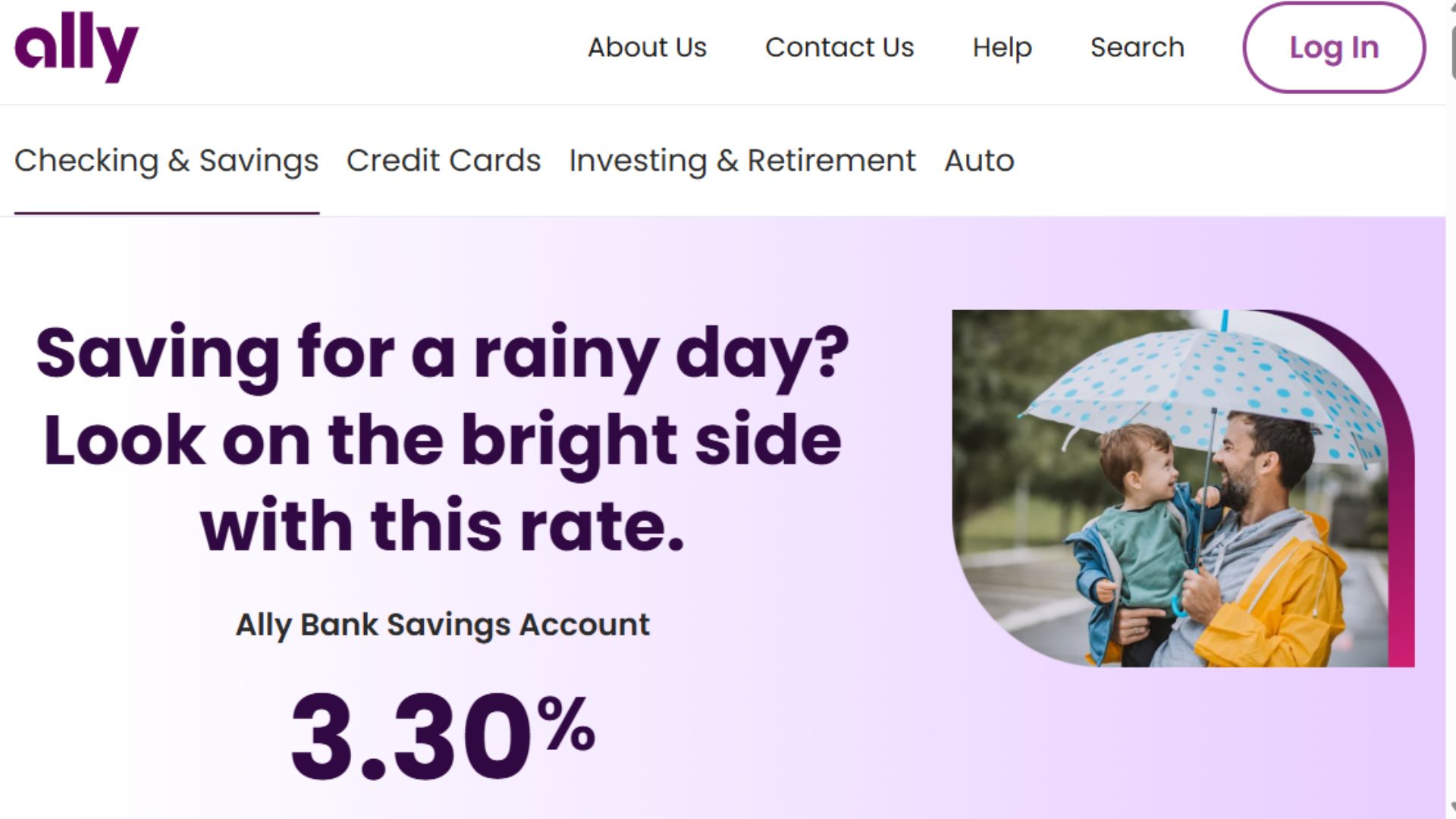
Best for: Customers seeking a complete banking solution with competitive rates across all products
Pricing: 4.25% APY on savings; 0.25% APY on interest-bearing checking; no monthly fees
Key Features: Full-service banking, extensive ATM network (43,000+ fee-free ATMs), mobile check deposit, robust budgeting tools
Ally Bank has established itself as the gold standard for online banking by offering a comprehensive suite of products that rival traditional banks while maintaining the rate advantages of online-only institutions. Beyond competitive savings rates, Ally provides interest-bearing checking accounts, money market accounts, CDs with various term options, and even investment and lending services—all integrated into a single, seamless platform.
What sets Ally apart is their commitment to customer-friendly policies across the board. They reimburse all out-of-network ATM fees nationwide, maintain 24/7 customer service with impressively short wait times, and offer innovative features like their "Surprise Savings" program that automatically transfers small amounts to savings based on your spending patterns. Their mobile app consistently ranks among the best in the industry, offering intuitive navigation, comprehensive transaction controls, and advanced security features including customizable spending alerts and instant card lock/unlock capabilities.
Ally's checking account comes with a free debit card and no minimum balance requirements, and they don't charge overdraft fees when you use their optional overdraft protection service (which covers transactions up to $250 without fees). This makes Ally an ideal choice for customers who want to consolidate their banking relationship with a single institution without sacrificing rates or service quality.
Pros:
Competitive rates across all account types
43,000+ fee-free ATMs with unlimited reimbursements
24/7 customer service with short wait times
No monthly fees, minimum balances, or overdraft fees
Comprehensive mobile app with advanced features
Cons:
Savings rate occasionally beaten by specialized competitors
No cash deposit options (must use money orders or external transfers)
Physical presence limited to select locations for specialized services
International wire transfers incur fees
3. Capital One 360 – Best for Combination Checking and Savings
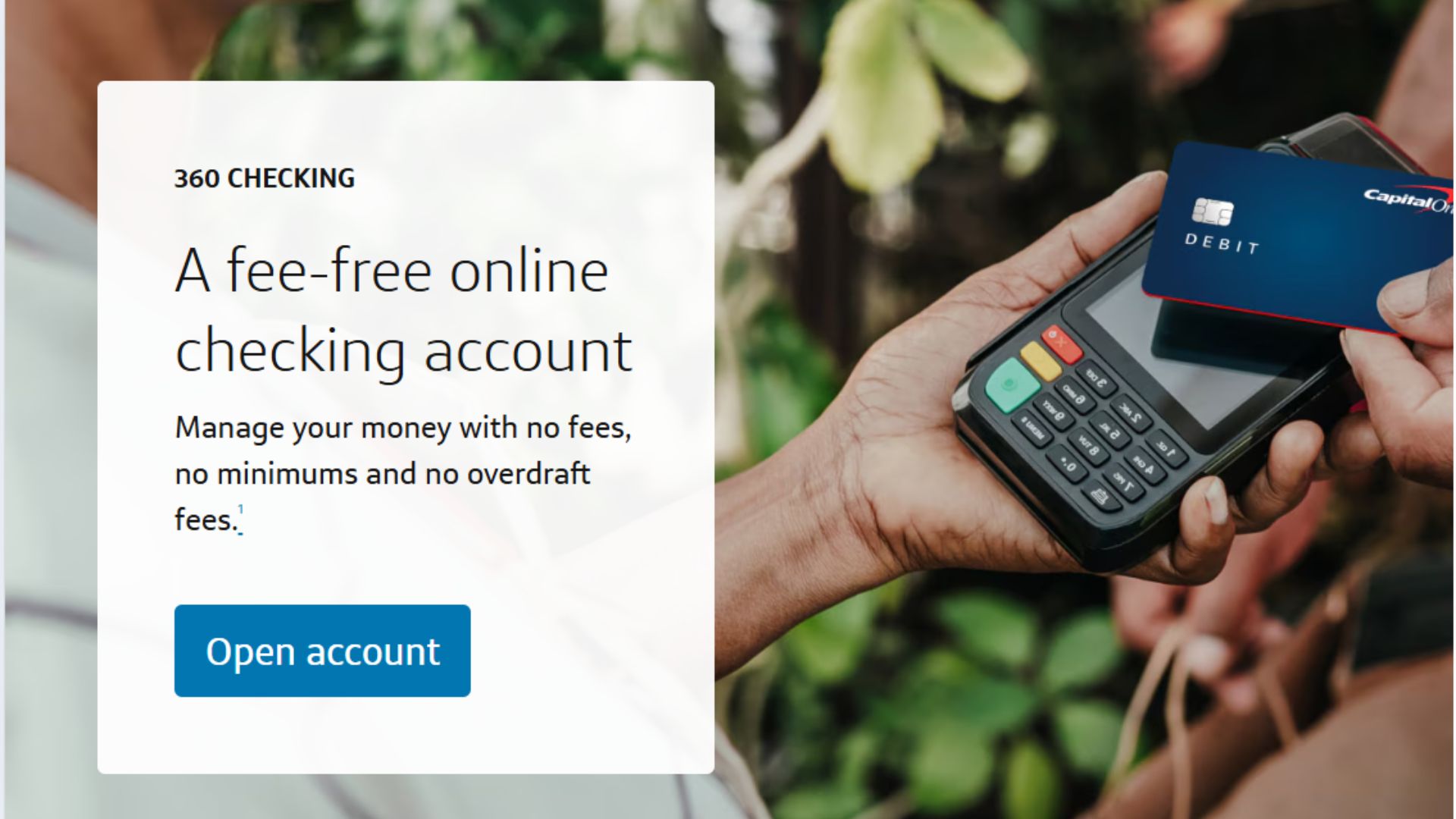
Best for: Customers who want integrated checking and savings with physical branch access
Pricing: 4.25% APY on 360 Performance Savings; no monthly fees on checking or savings
Key Features: Extensive product lineup, Capital One Café locations, early direct deposit, savings goals tracking
Capital One 360 bridges the gap between online and traditional banking through their innovative Capital One Café locations—modern, welcoming spaces where customers can manage accounts, meet with money coaches, and enjoy free coffee. This hybrid approach provides the convenience of digital banking with occasional access to physical locations in major metropolitan areas, making it particularly appealing for customers who value face-to-face options.
The 360 Performance Savings account offers competitive rates without minimum balance requirements, while their checking account (360 Checking) includes free checks, a debit card, and the ability to receive direct deposits up to two days early. Capital One's mobile app is feature-rich and user-friendly, offering advanced budgeting tools, instant purchase notifications, and the ability to create multiple savings goals with automatic transfers. Their integration with Zelle makes person-to-person payments seamless, and their extensive ATM network (70,000+ locations) ensures you'll rarely pay ATM fees.
Pros:
Physical café locations in major cities for in-person service
Competitive rates on both checking and savings
70,000+ fee-free ATMs nationwide
Early direct deposit availability (up to 2 days early)
Excellent mobile app with comprehensive features
Cons:
Savings rates sometimes lower than specialized online banks
Café locations limited to select metropolitan areas
Customer service wait times can be longer during peak hours
Some fees for premium services like cashier's checks
4. Discover Bank – Best for Cashback Rewards on Checking
Best for: Customers who want to earn rewards on everyday debit card purchases
Pricing: 4.25% APY on savings; 1% cashback on up to $3,000 in debit card purchases monthly
Key Features: Cashback debit card rewards, fee-free overdraft protection, extensive ATM network (60,000+), 24/7 U.S.-based customer service
Discover Bank stands out by applying the rewards concept typically associated with credit cards to their checking account. Their Cashback Debit program returns 1% on up to $3,000 in debit card purchases each month (up to $30 monthly), effectively paying you to use their checking account for everyday expenses. This unique feature, combined with competitive savings rates, makes Discover an attractive option for customers who prefer debit over credit but still want rewards.
Beyond the cashback feature, Discover offers robust account features including fee-free overdraft protection (automatically transfers from savings when checking is overdrawn), no monthly maintenance fees, and access to 60,000+ fee-free ATMs through the Allpoint network. Their customer service is consistently rated among the best in the industry, with U.S.-based representatives available 24/7 who genuinely seem invested in resolving issues quickly. The mobile app provides comprehensive functionality including mobile check deposit, bill pay, and spending categorization tools.
Pros:
Unique 1% cashback on debit card purchases
No monthly fees on checking or savings accounts
60,000+ fee-free ATMs nationwide
Excellent 24/7 U.S.-based customer service
Free cashier's checks and official bank checks
Cons:
Cashback capped at $3,000 in monthly purchases
Savings rate occasionally beaten by specialist competitors
No physical branches for cash deposits
International ATM fees can be high
5. American Express National Bank – Best for Premium Savers
Best for: High-balance savers seeking maximum returns and premium service
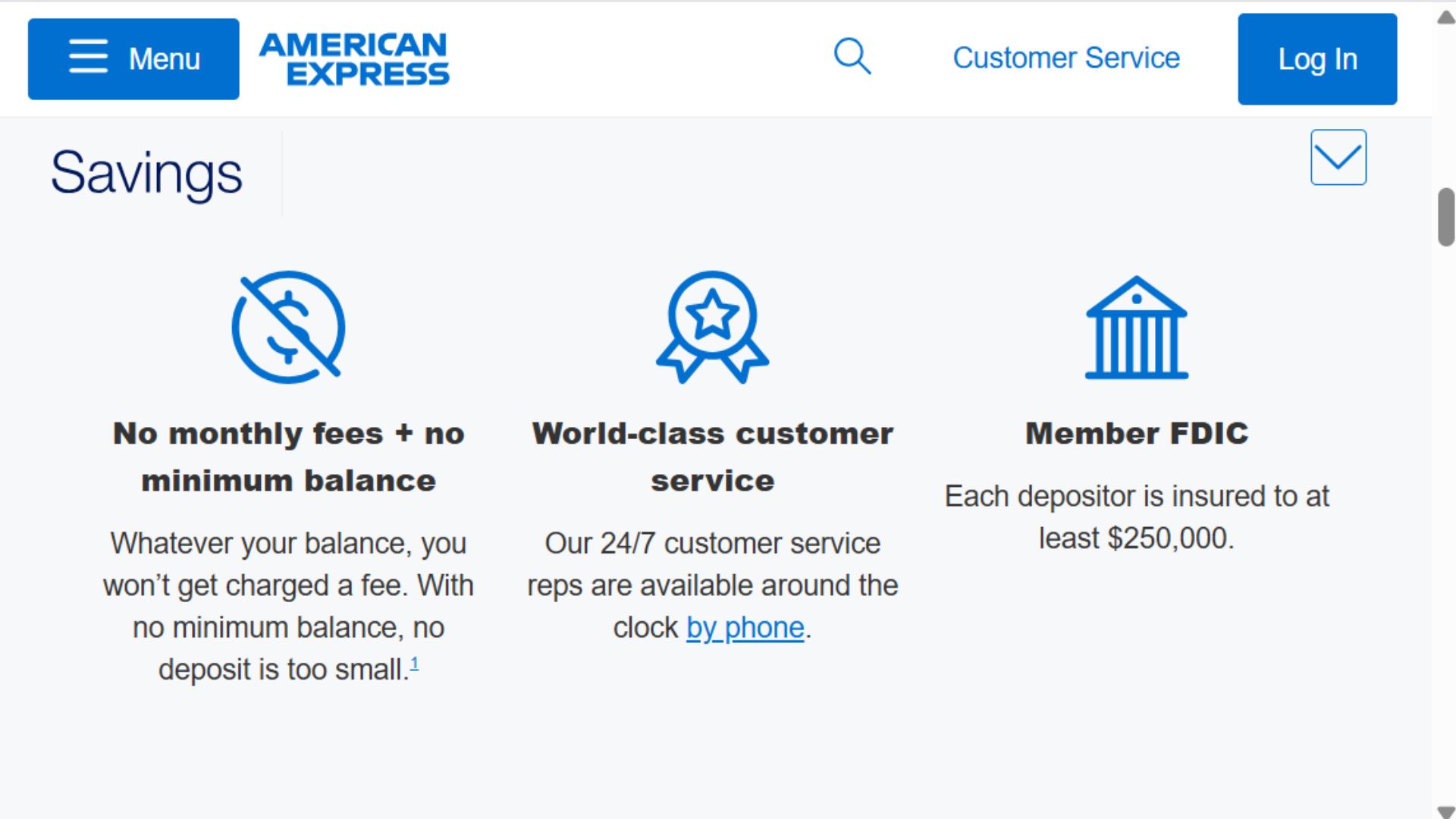
Pricing: 4.40% APY on high-yield savings; no monthly fees or minimum balance requirements
Key Features: Top-tier savings rates, exceptional customer service, FDIC insured, seamless integration with Amex ecosystem
American Express National Bank leverages the company's premium brand reputation to deliver an outstanding savings experience focused on high-yield accounts and certificates of deposit. While they don't offer checking accounts, their laser focus on savings products allows them to consistently offer rates at the top of the market. The platform is refreshingly simple and straightforward, avoiding complicated fee structures or confusing promotional rates in favor of transparent, competitive returns.
What distinguishes American Express from other online savings banks is their white-glove customer service approach. Representatives are knowledgeable, professional, and empowered to resolve issues efficiently—reflecting the premium service standards Amex is known for in their credit card business. The online and mobile interfaces are clean and intuitive, making account management effortless. For existing American Express cardholders, integration is seamless, allowing easy fund transfers between credit card payments and savings accounts. Their CD offerings include various term options with competitive rates, and they occasionally offer promotional rates for new customers.
Pros:
Consistently top-tier savings account rates
No monthly fees, minimums, or hidden charges
Premium-quality customer service
Simple, user-friendly platform
Strong reputation and financial stability
Cons:
No checking accounts or debit cards available
Limited product offerings compared to full-service banks
Must maintain separate banking relationship for daily transactions
No physical branches for in-person assistance
6. CIT Bank – Best for High-Balance Savers
Best for: Customers with substantial savings seeking tiered rate advantages
Pricing: Up to 4.60% APY on Platinum Savings ($5,000+ balance); eChecking available
Key Features: Tiered interest rates rewarding higher balances, diverse CD options, business banking services, competitive money market accounts
CIT Bank caters to customers with more substantial savings by offering tiered interest rates that increase as your balance grows. Their Platinum Savings account provides enhanced rates for customers maintaining at least $5,000, often paying 0.10-0.25% more than standard online savings accounts. This structure makes CIT particularly attractive for emergency funds, house down payments, or other significant savings goals where you're accumulating larger balances over time.
Beyond savings accounts, CIT offers a comprehensive product lineup including interest-bearing checking (eChecking), money market accounts, and an extensive variety of CD terms ranging from 6 months to 5 years with competitive rates across all terms. Their Savings Builder account provides an alternative structure where you can earn the higher rate by maintaining either a $25,000 balance or making monthly deposits of at least $100—useful for customers systematically building their savings. The platform is solid and functional, though not as polished as some competitors, and customer service is reliable if not exceptional.
Pros:
Higher rates for customers with $5,000+ balances
Diverse CD offerings with competitive terms
Multiple account structures to fit different saving styles
Business banking options available
No monthly maintenance fees
Cons:
Best rates require higher minimum balances
Mobile app less sophisticated than top competitors
Customer service hours more limited than 24/7 banks
Fewer free ATMs compared to larger online banks
7. Synchrony Bank – Best for CD Rates
Best for: Conservative savers seeking guaranteed returns through certificates of deposit
Pricing: Up to 4.75% APY on CDs (rates vary by term); 4.30% APY on high-yield savings
Key Features: Industry-leading CD rates across multiple terms, IRA CDs available, no minimum deposit on most accounts, competitive high-yield savings
Synchrony Bank consistently offers some of the highest CD rates in the market across all term lengths, from short 3-month options to extended 5-year certificates. This makes them the go-to choice for savers who want to lock in guaranteed returns without market risk. Their CD ladder strategy tools help customers diversify maturity dates to balance accessibility with higher long-term rates, and they offer both traditional CDs and IRA CDs for retirement savings with tax advantages.
The bank also provides a competitive high-yield savings account as a complement to their CD offerings, allowing customers to maintain liquid emergency funds while longer-term savings earn higher locked rates. Synchrony's ATM card provides access to their savings account at any ATM nationwide, with reimbursement of ATM fees. Their online platform is straightforward and functional, though not as feature-rich as some competitors. Customer service is available seven days a week, and account opening is streamlined and efficient. While Synchrony doesn't offer checking accounts, their focus on savings products allows them to maintain top-tier rates consistently.
Pros:
Consistently highest CD rates across all term lengths
No minimum deposit requirements for most accounts
ATM card for savings account access with fee reimbursement
IRA CD options for retirement savings
Bump-up CDs allow one rate increase during term
Cons:
No checking accounts available
Mobile app functionality limited compared to full-service banks
Customer service not available 24/7
Early withdrawal penalties on CDs can be steep
8. Axos Bank – Best for Interest-Bearing Checking

Best for: Customers seeking high returns on checking account balances
Pricing: Up to 3.30% APY on Rewards Checking (with qualifying activities); 4.31% APY on High Yield Savings
Key Features: High-yield checking with competitive rates, cashback rewards, unlimited ATM fee reimbursements, comprehensive product lineup
Axos Bank distinguishes itself by offering genuinely competitive interest rates on checking accounts—something most banks don't provide at all. Their Rewards Checking account can earn up to 3.30% APY when you meet simple monthly requirements like making at least one direct deposit, using your debit card for purchases, and logging into online banking. Even without meeting all requirements, the account still earns interest, and there are no monthly fees or minimum balance requirements.
Beyond checking, Axos offers a full suite of banking products including high-yield savings, money market accounts, CDs, and even investment accounts and personal loans. Their unlimited ATM fee reimbursement policy (domestically and internationally) means you can use any ATM without worrying about fees. The mobile app is modern and comprehensive, offering mobile check deposit, bill pay, and person-to-person transfers. Axos also provides unique products like their Cashback Checking account, which offers 1% cashback on signature purchases and unlimited reimbursement of domestic ATM fees, giving customers options to choose the account structure that best fits their usage patterns.
Pros:
High interest rates on checking account balances
Unlimited domestic and international ATM fee reimbursements
Multiple account types to fit different needs
No monthly fees or minimum balance requirements
Comprehensive banking services including loans and investments
Cons:
Highest checking rates require meeting monthly criteria
Interface can feel overwhelming due to numerous product options
Customer service reviews are mixed
Account setup process more complex than simpler banks
9. SoFi – Best for Integrated Financial Services
Best for: Customers seeking a complete financial ecosystem with banking, investing, and lending
Pricing: 4.50% APY on savings with direct deposit; 0.50% APY on checking; no account fees
Key Features: Integrated platform for banking, investing, and loans; member benefits and discounts; career coaching; financial planning tools
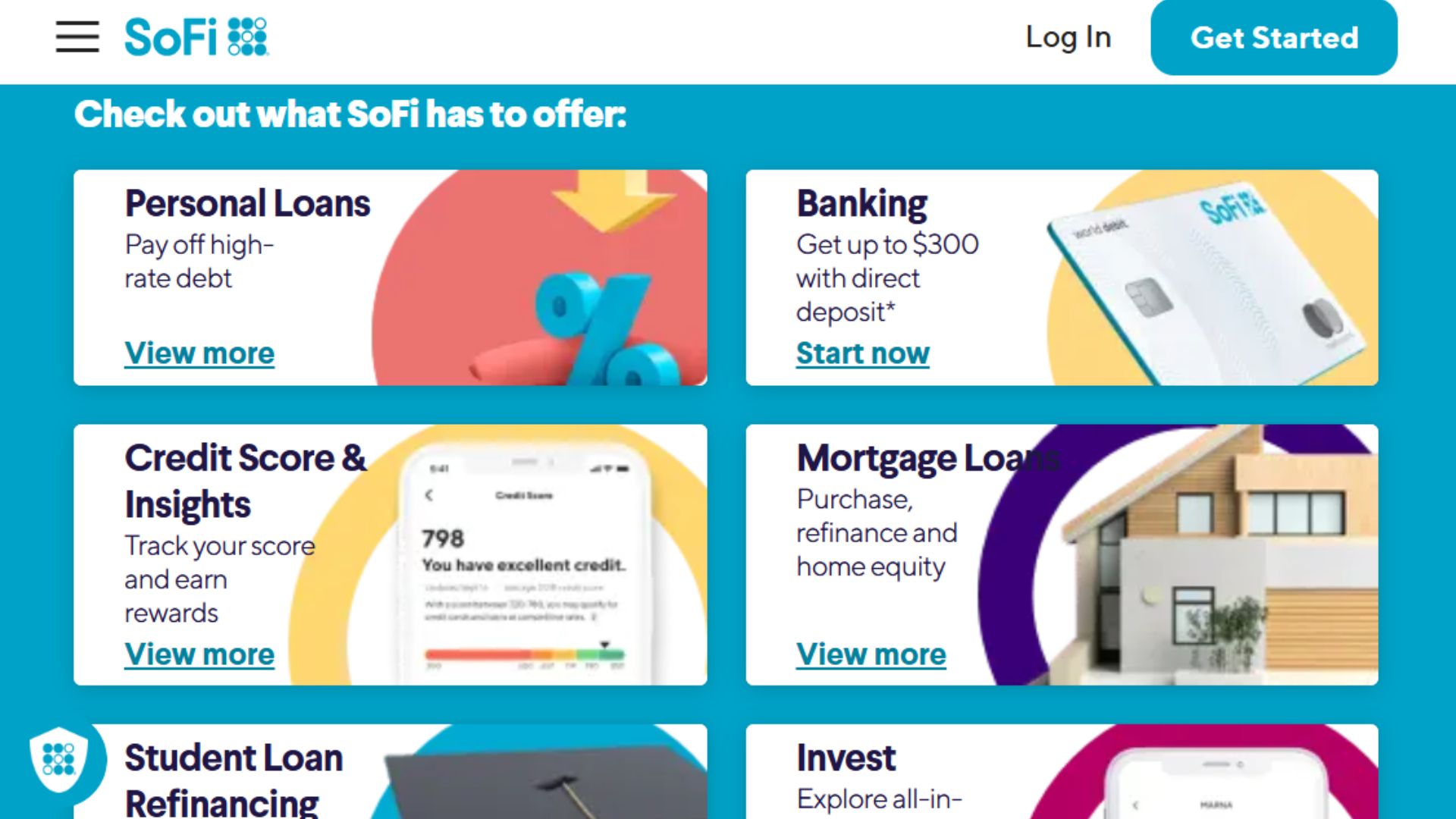
SoFi has evolved from a student loan refinancing company into a comprehensive financial services platform that integrates banking, investment, lending, and insurance into a single ecosystem. Their checking and savings accounts (together called SoFi Money) offer competitive rates, especially when you set up direct deposit, and come with unique member benefits including career coaching, exclusive event access, and discounts on other SoFi products like personal loans or investment management.
What makes SoFi particularly compelling is the seamless integration between products. You can easily transfer funds between your checking, savings, investment accounts, and even your automated investing or crypto holdings—all within the same app. They offer extensive ATM access (55,000+ fee-free ATMs) and reimburse ATM fees globally. The mobile-first platform is intuitive and modern, with excellent financial tracking tools that aggregate all your accounts for a comprehensive financial picture. SoFi also provides access to financial advisors at no extra cost and offers educational resources to help members improve their financial literacy.
Pros:
Comprehensive financial platform integrating multiple services
Member benefits including career coaching and event access
55,000+ fee-free ATMs with global fee reimbursement
No account fees or minimum balance requirements
Early direct deposit (up to 2 days early)
Cons:
Best rates require direct deposit setup
Platform complexity may overwhelm users seeking simple banking
Customer service quality inconsistent as company scales
Some features require using multiple SoFi products
10. Chime – Best for Fee-Free Banking and Early Payday
Best for: Customers seeking a completely fee-free banking experience with early paycheck access
Pricing: No interest on checking; savings account rates vary (currently ~2.00% APY); zero fees
Key Features: Get paid up to 2 days early, no overdraft fees, automatic savings features, fee-free overdraft up to $200
Chime has disrupted online banking by offering a completely fee-free model that eliminates overdraft fees, monthly maintenance fees, foreign transaction fees, and minimum balance requirements. Their SpotMe feature allows eligible members to overdraft their checking account by up to $200 without any fees—a game-changer for customers who occasionally cut it close between paychecks. This, combined with early direct deposit (receive paychecks up to two days before payday), makes Chime particularly attractive for younger customers or those living paycheck to paycheck.
The Chime savings account automatically rounds up debit card purchases to the nearest dollar and transfers the difference to savings, helping customers save effortlessly. You can also set up automatic percentage-based transfers from each paycheck to savings. While Chime's savings rates aren't as competitive as specialized savings banks, the automatic features and complete absence of fees make it valuable for customers who struggle with traditional banking fees. The mobile app is exceptionally user-friendly, and customer service, while primarily chat-based, is generally responsive. Chime provides access to 60,000+ fee-free ATMs through multiple networks.
Pros:
Absolutely no fees of any kind
Early direct deposit (up to 2 days early)
Fee-free overdraft protection up to $200
Automatic savings features that make saving effortless
60,000+ fee-free ATMs nationwide
Cons:
No interest paid on checking accounts
Savings rates significantly lower than top competitors
Limited customer service options (primarily chat-based)
No cash deposit options
Cannot write paper checks
Comparison Overview
When comparing these top 10 online banks, several key differences emerge that can help you determine which best fits your needs. Marcus by Goldman Sachs, American Express National Bank, and Synchrony Bank focus exclusively on savings products and CDs, offering the highest rates but requiring customers to maintain checking accounts elsewhere. These are ideal for dedicated savings goals but not for daily banking needs.
Ally Bank, Capital One 360, and Discover Bank provide comprehensive banking solutions with competitive rates across multiple products. Ally leads in overall service quality and ATM access, Capital One adds physical café locations for hybrid banking, and Discover uniquely offers cashback rewards on debit purchases. These three are excellent choices for customers wanting to consolidate their primary banking relationship with a single online institution.
CIT Bank and Axos Bank cater to specific niches—CIT rewards high-balance savers with tiered rates, while Axos focuses on maximizing checking account returns for active users. SoFi offers the most comprehensive financial ecosystem, integrating banking with investing and lending, making it ideal for customers who want a holistic financial platform. Chime stands apart as the completely fee-free option best suited for younger customers or those who prioritize avoiding fees over maximizing interest.
From a pricing perspective, savings rates cluster between 4.25% and 4.60% APY, with promotional rates occasionally pushing higher. The meaningful differences emerge in fee structures, account minimums, and additional features rather than interest rates alone. Setup difficulty is minimal across all options, with most accounts opening in 10-15 minutes, though institutions requiring higher balances or integrated services may involve slightly more complex onboarding.
Buying Guide: Understanding Online Banks
Who Needs an Online Bank?
Online banks are ideal for financially savvy consumers who are comfortable managing their money digitally and want to maximize returns on deposits. They're particularly valuable for people building emergency funds, saving for major purchases, or simply tired of paying fees at traditional banks. Young professionals who primarily use mobile banking anyway, remote workers who don't need local branch access, and savers who want their money working harder all benefit significantly from online banking.
However, online banks may be less suitable for people who regularly deposit cash (since most online banks don't accept cash deposits), those who value in-person banking relationships, or customers who are uncomfortable with technology. Small business owners who handle significant cash transactions or elderly customers unfamiliar with digital banking may find traditional banks more accommodating.
How Online Banks Work
Online banks operate entirely through digital channels—websites and mobile apps—eliminating the costs associated with physical branches and extensive staff. This reduced overhead allows them to offer higher interest rates and lower fees than traditional banks. Your deposits are FDIC-insured up to $250,000 per depositor, per institution, providing the same security as brick-and-mortar banks.
Most online banks partner with ATM networks (like Allpoint, MoneyPass, or their own networks) to provide fee-free ATM access, and many reimburse out-of-network ATM fees. Deposits are typically made through mobile check deposit, direct deposit from employers, or electronic transfers from external accounts. Since there are no physical branches, cash deposits require alternative methods like using money orders (which can then be mobile deposited) or depositing cash at partner locations where available.
What Features to Consider
Interest rates should be your starting point—look for savings accounts offering 4.00% APY or higher and checking accounts that pay interest if you maintain balances. Compare the Annual Percentage Yield (APY) rather than just interest rates, as APY accounts for compounding. Fee structures matter significantly; the best online banks charge zero monthly maintenance fees and minimal or no fees for common transactions.
Consider ATM access carefully—how many fee-free ATMs are available in areas you frequent, and does the bank reimburse out-of-network fees? Evaluate mobile app quality by checking ratings and reviews, as you'll rely on this for most banking activities. Customer service availability (24/7 versus limited hours) and communication channels (phone, chat, email) can be crucial when you need help.
Additional features to consider include: minimum balance requirements (or lack thereof), overdraft protection options and fees, speed of fund transfers between external accounts, early direct deposit availability, integrated budgeting tools, multiple savings goals capabilities, and whether the bank offers a comprehensive suite of products if you want to consolidate your banking relationship. For specialized needs, check whether the bank offers business accounts, joint accounts, trust accounts, or specific products like IRAs.
Pricing Overview
Online bank pricing structures are remarkably consistent and transparent, especially compared to traditional banks. Most top-tier online banks charge zero monthly maintenance fees on both checking and savings accounts, with no minimum balance requirements to avoid fees. This immediately saves customers $10-$25 monthly compared to typical brick-and-mortar bank fees—$120-$300 annually just for maintaining accounts.
Interest rates on savings accounts currently range from 4.00% to 4.60% APY among our top picks, compared to the national average of 0.46% at traditional banks. On a $10,000 balance, this translates to earning $400-$460 annually versus just $46 at a typical traditional bank—a difference of $350-$400 per year. Over a decade of consistent saving, this gap compounds to thousands of dollars.
Checking accounts at online banks sometimes pay interest (typically 0.10% to 3.30% APY depending on the bank and whether you meet specific criteria), while traditional banks almost universally pay nothing. Overdraft fees, when they exist, typically range from $0-$35 per occurrence, though several banks on our list have eliminated overdraft fees entirely. ATM fees are generally nonexistent for in-network ATMs, and many banks reimburse all out-of-network ATM fees nationwide.
DIY vs. Professional Financial Management
Online banking is inherently a DIY approach to managing your money, requiring comfort with technology and self-directed financial management. The trade-off is higher returns and lower fees in exchange for less hand-holding and personal assistance. This model works excellently for straightforward banking needs—depositing paychecks, paying bills, saving money, and basic budgeting.
For customers with more complex financial situations—such as extensive investment portfolios, business banking needs, international transactions, or estate planning—a hybrid approach often makes sense. You might maintain an online bank for high-yield savings and basic checking while working with a traditional bank or financial advisor for sophisticated services. Some online banks like SoFi are bridging this gap by offering integrated investment services and access to financial advisors, essentially providing professional guidance within a digital platform.
The key is honest assessment of your needs. If your banking primarily involves direct deposits, bill payments, occasional transfers, and ATM withdrawals, online banking offers superior value. If you need frequent in-person service, regular cash deposits, complex transactions, or extensive financial guidance, combining online banking advantages with traditional services may serve you better.
Frequently Asked Questions
Are online banks safe and FDIC insured?
Yes, all reputable online banks are FDIC insured, providing the same $250,000 per depositor, per institution protection as traditional banks. The FDIC insurance protects your deposits even if the bank fails. Online banks are regulated by the same federal agencies as brick-and-mortar banks and must meet identical security and financial stability standards. Many online banks actually use advanced security technology like biometric authentication, real-time fraud monitoring, and sophisticated encryption that often exceeds traditional bank security measures. Always verify FDIC membership at fdic.gov before opening an account.
How do I deposit cash into an online bank account?
Depositing cash is the primary limitation of online banks since they lack physical branches. Most customers handle this by purchasing money orders with cash at retail locations (costing $1-$2), then mobile depositing the money order. Some online banks partner with retail chains like CVS or Walgreens where you can make cash deposits for a fee. Alternatively, many people maintain a free checking account at a local credit union or traditional bank solely for cash deposits, then electronically transfer funds to their online bank. If you regularly handle significant cash, a hybrid banking approach combining local and online banks may be most practical.
Can I have multiple online bank accounts?
Absolutely, and many financially savvy individuals maintain accounts at multiple online banks to maximize benefits. You might use one bank for their superior checking features, another for the highest savings rate, and a third for competitive CD rates. This strategy, called "bank account churning" when done specifically for signup bonuses, allows you to optimize returns and features. Just ensure you can meet any account requirements across all institutions and keep track of multiple logins. Most people find managing 2-3 online banks reasonable, beyond which the organizational complexity may outweigh marginal benefits.
How long does it take to transfer money between banks?
Standard ACH (Automated Clearing House) transfers between banks typically take 1-3 business days. Many online banks now offer expedited options like instant transfers (typically for a small fee) or next-business-day transfers. Wire transfers are available for same-day movement but usually incur fees ($15-$30). Internal transfers within the same bank are usually instant. For regular bill payments, most online banks offer bill pay services that send payments electronically or by check, typically arriving within 3-5 business days. Planning ahead for transfers is important, especially when first opening an online account, as initial external linking and verification can take 3-5 business days before you can transfer funds.
What happens if I need customer service or have a dispute?
Online banks provide customer service through phone, email, secure messaging, and live chat rather than in-person meetings. Top online banks offer 24/7 phone support with relatively short wait times—often better than traditional banks' limited branch hours. For account disputes, FDIC regulations provide the same protections regardless of whether your bank is online or traditional. You can file disputes through the app or by calling customer service, and banks must investigate within specific timeframes (typically 10 business days for most disputes, longer for new accounts). Many online banks also maintain secure document upload systems for submitting supporting documentation. The key is choosing online banks with strong customer service reputations, as this is your primary support channel.