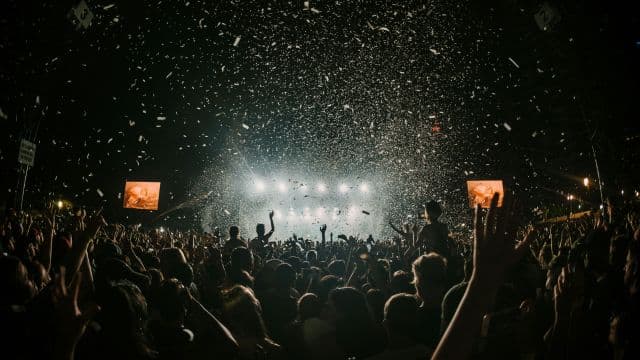
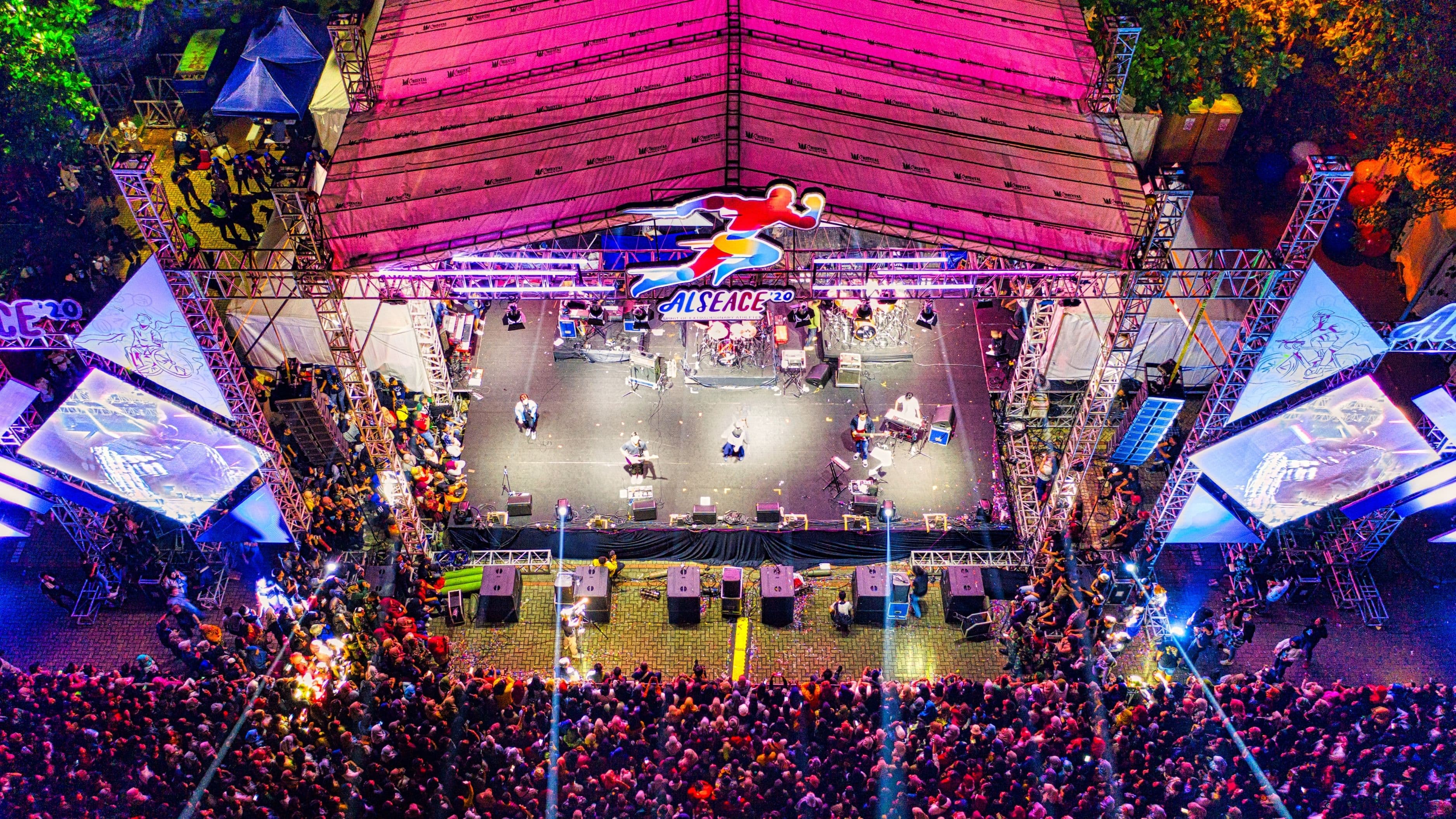
If you're planning a bucket-list concert experience, relocating, or just curious where the world's biggest artists prefer to perform, this list covers the ten venues that consistently deliver the best live music experiences in the country – from intimate theaters to colossal arenas and iconic outdoor amphitheaters.
Top 10 at a Glance
Madison Square Garden – New York, NY
Red Rocks Amphitheatre – Morrison, CO
The Ryman Auditorium – Nashville, TN
Hollywood Bowl – Los Angeles, CA
Wrigley Field – Chicago, IL
Radio City Music Hall – New York, NY
The Fox Theatre – Atlanta, GA
Fenway Park – Boston, MA
Fillmore San Francisco – San Francisco, CA
Bridgestone Arena – Nashville, TN
1. Madison Square Garden – New York, NY
Capacity: ~20,000 | Type: Indoor Arena
Madison Square Garden is arguably the most famous concert venue in the world, and it earns that reputation every single night. Located in the heart of Midtown Manhattan, MSG has hosted everyone from Elvis Presley and the Rolling Stones to Beyoncé and Billy Joel – who famously holds the record for the most sold-out shows there, with over 100 performances and counting. The energy inside the Garden during a sold-out show is unlike anything else in live music. The arena's circular design means there genuinely isn't a bad seat in the house, and the production infrastructure allows for the most elaborate staging setups in the industry.
Beyond the music, MSG is a cultural institution. Getting tickets to a show here feels like more than just attending a concert – it's participating in New York City history. Expect premium pricing, tight security, and a crowd that shows up with serious energy. If you're going, arrive early to soak in the atmosphere and grab a drink at one of the bars inside. For a once-in-a-lifetime experience, a sold-out show at the Garden on a Friday night is hard to top.
Best for: Arena rock, pop superstars, legacy acts, and anyone who wants the full New York City live music experience.
2. Red Rocks Amphitheatre – Morrison, CO
Capacity: ~9,500 | Type: Outdoor Amphitheater
Red Rocks isn't just a concert venue – it's a geological wonder. Carved into the side of the Rocky Mountains about 15 miles west of Denver, this open-air amphitheater sits between two massive red sandstone formations that rise nearly 400 feet above the stage. The natural acoustics created by the rock formations are extraordinary, and the elevation (6,450 feet above sea level) adds a slightly surreal quality to the experience, especially at sunset. Artists actively campaign to perform here, and shows at Red Rocks routinely get cited as the best of entire world tours.
The venue hosts a broad range of genres – from electronic and jam bands to classical and country – but it's especially beloved by fans of rock, folk, and ambient music where the natural setting amplifies the mood. The sight lines are excellent from virtually every row, and the terraced stone seating adds to the amphitheater feel. Fair warning: altitude affects people differently, especially if you're coming from sea level. Hydrate well, dress in layers (Colorado weather shifts fast), and consider arriving an hour early to catch golden hour over the mountains.
Best for: Anyone who wants a visually stunning outdoor concert experience unlike anything in the world.
3. The Ryman Auditorium – Nashville, TN
Capacity: ~2,300 | Type: Historic Indoor Theater
Known as "The Mother Church of Country Music," the Ryman Auditorium is one of the most intimate and acoustically perfect venues in the United States. Built in 1892 as a tabernacle, the Ryman served as the home of the Grand Ole Opry for over 30 years before its restoration and relaunch as a premier concert venue. The original wooden pews, the stained glass windows, and the vaulted ceilings create an atmosphere that feels sacred in a way that modern venues simply can't replicate. The acoustics are so clean and natural that many artists record live albums specifically at the Ryman.
The relatively small capacity means you're always close to the stage, and the sight lines are impeccable from almost every seat. The Ryman books a surprisingly diverse lineup – country legends, folk icons, rock bands, and comedians all perform here regularly. If you're visiting Nashville and can only attend one show, make it the Ryman. The experience of sitting in those pews while a world-class musician fills that old hall with sound is genuinely moving.
Best for: Country, folk, Americana, singer-songwriter, and acoustic-heavy performances. Also excellent for fans of music history.
4. Hollywood Bowl – Los Angeles, CA
Capacity: ~17,500 | Type: Outdoor Amphitheater
The Hollywood Bowl has been a fixture of Los Angeles summers since 1922, and it remains one of the most beloved outdoor venues in the world. Set in the Santa Monica Mountains in Hollywood, the Bowl is home to the LA Philharmonic during the summer season but hosts an enormous range of pop, rock, jazz, and world music acts throughout the year. The iconic shell-shaped bandshell provides excellent acoustics, and the hillside seating wraps around the stage in a way that makes even the upper sections feel connected to the performance.
What makes the Hollywood Bowl experience especially distinctive is the culture around it. Many attendees bring picnic baskets, blankets, and bottles of wine to enjoy before and during the show – the Bowl actively encourages it and has its own marketplace on-site where you can pick up food and drinks. The combination of warm LA evenings, the open sky, and a world-class performance creates a sensory experience that's hard to beat. Traffic in the surrounding area can be brutal on show nights, so using the Park & Ride shuttle or rideshare services is strongly recommended.
Best for: Classical music, jazz, legacy rock acts, and anyone who wants an iconic LA summer evening.
5. Wrigley Field – Chicago, IL
Capacity: ~41,000 (concerts) | Type: Outdoor Stadium
Most people know Wrigley Field as the home of the Chicago Cubs, but on select summer nights, it transforms into one of the most atmospheric concert venues in the country. The ivy-covered brick walls, the manually operated scoreboard, and the neighborhood energy of Wrigleyville create a setting that no purpose-built stadium can manufacture. Only a small number of concerts are scheduled at Wrigley each year to protect the field, which makes getting tickets feel appropriately rare and special.
Artists like Pearl Jam, the Eagles, Billy Joel, and Bruce Springsteen have performed here, and the shows consistently rank among the best outdoor concert experiences in the Midwest. The surrounding neighborhood of Wrigleyville is loaded with bars and restaurants that turn the entire evening into an event rather than just a show. If you're a music fan based in the Chicago area, catching a show at Wrigley is a genuine bucket-list item. Check the Cubs schedule when planning – if it falls on a non-game summer night, the surrounding neighborhood is even more accessible.
Best for: Classic rock, legacy acts, and anyone who loves the combination of sports history and live music in a neighborhood setting.
6. Radio City Music Hall – New York, NY
Capacity: ~6,000 | Type: Historic Indoor Theater
Radio City Music Hall is one of the most visually magnificent buildings in the United States, full stop. Opened in 1932 as part of Rockefeller Center, the Art Deco interior is so breathtaking that first-time visitors often spend the first ten minutes of a show just looking at the ceiling and the walls. The sunburst motif, the sweeping balconies, and the gold and amber color palette create an atmosphere of pure glamour that elevates any performance held within it. Unlike MSG's arena-scale productions, Radio City's more intimate capacity makes it ideal for performances that benefit from a theatrical setting.
Acoustically, it's excellent – particularly from the orchestra and first mezzanine sections. The venue hosts a wide range of events, from major pop and rock acts to comedy specials and award shows, but it's especially known for its role in booking artists who want a prestigious, storied room rather than a massive arena. If you want to feel like you're attending an event rather than just a show, Radio City delivers on that ambition every time.
Best for: Pop, adult contemporary, jazz, and performers who benefit from a theatrical, high-glamour setting.
7. The Fox Theatre – Atlanta, GA
Capacity: ~4,600 | Type: Historic Indoor Theater
The Fox Theatre in Midtown Atlanta is widely considered one of the most beautiful concert venues in the entire country, and it's hard to argue with that claim once you step inside. Built in 1929 as a Shriners temple and later converted into a movie palace, the Fox features an extraordinary Moorish and Egyptian architectural interior, complete with a twinkling "star ceiling" and atmospheric cloud effects above the main auditorium. The space has been meticulously restored and maintained, and the result is a venue that makes even the most casual show feel like a major event.
Beyond the aesthetics, the Fox's acoustics and sight lines are genuinely excellent for a venue of its era. It hosts an eclectic mix of Broadway tours, rock legends, stand-up comedians, and everything in between. Atlanta locals treat a night at the Fox as something special, and visitors consistently rank it as a highlight of their time in the city. If you're passing through Atlanta and there's a show at the Fox that even remotely interests you, buy the ticket.
Best for: Broadway productions, legacy rock acts, Americana, and anyone who wants to experience genuinely spectacular architectural beauty alongside live performance.
8. Fenway Park – Boston, MA
Capacity: ~38,000 (concerts) | Type: Outdoor Stadium
Like Wrigley, Fenway Park's power as a concert venue comes directly from the weight of its history. America's oldest active Major League Baseball stadium, opened in 1912, brings an emotional charge to any event held within its walls – and for music fans, that energy is addictive. The Green Monster looming over left field provides a backdrop that no set designer could dream up, and the compact dimensions of the park create a surprisingly intimate feel for a stadium of its capacity.
Concerts at Fenway are limited to a small number each summer, which keeps demand high and the experience feeling special. Artists like Paul McCartney, the Rolling Stones, and Springsteen have made Fenway a regular stop, and the shows are reliably spectacular. The surrounding Kenmore Square neighborhood is excellent for pre-show food and drinks, and the park's MBTA access makes it far easier to reach than you might expect. If you're a music fan in Boston, a summer concert at Fenway is essentially a rite of passage.
Best for: Classic rock, legacy acts, and anyone who wants a deeply historic live music setting with unmatched Boston neighborhood energy.
9. The Fillmore San Francisco – San Francisco, CA
Capacity: ~1,150 | Type: Intimate Club/Theater
The Fillmore is where rock and roll history was made. During the late 1960s, Bill Graham turned this Fillmore District ballroom into the epicenter of the psychedelic rock movement, booking Jimi Hendrix, Grateful Dead, Jefferson Airplane, Janis Joplin, and virtually every artist who defined that era. The room itself – standing floor, modest balcony, legendary chandeliers – hasn't changed dramatically since then, and that continuity is a huge part of the appeal. You're standing in the same space where some of the most important musical moments of the 20th century happened.
Today, the Fillmore books across genres, but its rock and indie credibility remains intact. The standing floor setup creates tremendous energy for the right kind of show, and the relatively small capacity means you're always close to the action. The venue is also famous for handing out free apples and posters to attendees at each show – a tradition that dates back to Bill Graham's era. For music history lovers and fans of the San Francisco sound specifically, the Fillmore is a pilgrimage.
Best for: Rock, indie, alternative, and music history enthusiasts who want an intimate, historically significant live music experience.
10. Bridgestone Arena – Nashville, TN
Capacity: ~20,000 | Type: Indoor Arena
Nashville's Bridgestone Arena punches well above its weight class as a concert venue. While it serves as the home of the Nashville Predators NHL team, its acoustics and production capabilities are consistently ranked among the best of any major indoor arena in the country. The layout is designed to keep as many seats as possible close to the floor, and the sightlines from the upper bowl are better than most comparable arenas. Multiple major acts have named Bridgestone one of their favorite venues to perform in North America.
Being in Nashville also means the surrounding entertainment infrastructure is exceptional – the Lower Broadway honky-tonk strip is within walking distance, making a Bridgestone show an easy anchor for a full evening out in one of America's most vibrant music cities. It's also a reliable destination for major country tours, which makes sense given the city's legacy. For large-scale indoor concerts, Bridgestone delivers an experience that competes with venues in much larger markets.
Best for: Country, pop, and arena rock – particularly for visitors who want to combine a major show with Nashville's broader live music scene.
How to Choose the Right Venue for Your Concert Experience
The best venue for you depends on what kind of experience you're chasing. If atmosphere and history matter most, the Ryman, the Fox, and the Fillmore are in a class of their own. If you want a jaw-dropping outdoor setting, Red Rocks and the Hollywood Bowl are the clear leaders. For sheer scale and the feeling of being part of something massive, MSG and Bridgestone Arena deliver. And if you want a bucket-list sports-venue-turned-concert-experience, Wrigley and Fenway are worth traveling for specifically.
One practical tip: always check a venue's seating chart and reviews before buying tickets. Standing-floor venues like the Fillmore have a very different energy than seated theaters, and what works brilliantly for a rock show might feel wrong for an acoustic performance. General admission shows reward early arrival – plan to be in line at least an hour before doors open if you want a good spot.
FAQ
What is considered the best concert venue in the US? That depends heavily on what you value in a concert experience. Red Rocks Amphitheatre and Madison Square Garden are most frequently cited when people discuss the best venues overall – Red Rocks for its natural beauty and atmosphere, MSG for its cultural weight and scale. The Ryman Auditorium consistently tops lists of the best acoustic experiences in any venue.
Which venue has the best acoustics? The Ryman Auditorium in Nashville is widely regarded as having some of the finest natural acoustics of any venue in the US. The combination of original wood construction, vaulted ceilings, and the room's proportions creates a sound environment that recording engineers and musicians consistently rave about.
Are outdoor venues worth it if the weather might be bad? For Red Rocks and Hollywood Bowl specifically – yes, almost always. Both venues have rich histories of memorable rain-soaked shows, and many attendees consider a rainy Red Rocks concert an even more dramatic experience. That said, both venues do occasionally cancel or postpone for severe weather. Check the venue's weather policy before attending and dress in layers regardless.
What's the best way to get concert venue tickets? Buy directly from the venue's official box office or through Ticketmaster/AXS (the official ticketing partners for most major venues). Avoid third-party resellers where possible, as markups can be extreme for high-demand shows. Many venues also offer pre-sale codes through fan clubs, artist email lists, or credit card partners – signing up in advance is one of the most reliable ways to access tickets before they sell out.
Which venues are best for a first major concert experience? For a first major arena show, Madison Square Garden or Bridgestone Arena are hard to beat. For a first outdoor amphitheater experience, the Hollywood Bowl offers excellent infrastructure, reliable weather (most of the time), and an approachable crowd. The Ryman is an excellent choice if you want something more intimate and historically rich for a first big show.
Whether you're planning a road trip around live music or adding shows to upcoming travel, the venues on this list represent the best the US has to offer. Each one brings something different to the table – from geological drama to art deco grandeur to the weight of rock and roll history. Pick the experience that fits your style, buy your tickets early, and show up ready to have a great time.
📚 Sources
Madison Square Garden – Official Venue Information: https://www.msg.com/madison-square-garden
Red Rocks Amphitheatre – Denver Arts & Venues: https://www.redrocksonline.com
The Ryman Auditorium – History and Venue Overview: https://ryman.com/history
Hollywood Bowl – Los Angeles Philharmonic: https://www.hollywoodbowl.com/visit/about-the-bowl
The Fox Theatre Atlanta – History and Restoration: https://foxtheatre.org/about/history
The Fillmore San Francisco – Official Site: https://www.livenation.com/venue/KovZ917ANf0/the-fillmore-events
Bridgestone Arena – Nashville Predators Venue Info: https://www.bridgestonearena.com/plan-your-visit
Wrigley Field Concert History – Chicago Tribune: https://www.chicagotribune.com/entertainment/music
Fenway Park Concert Series – Boston Red Sox: https://www.mlb.com/redsox/ballpark/concerts
Billboard's Guide to Iconic US Concert Venues: https://www.billboard.com/music/music-news/best-concert-venues-united-states