
We've spent hours comparing dozens of cards to find the ones that truly deliver the best value for everyday spending. Whether you're looking for flat-rate simplicity, rotating bonus categories, or targeted rewards for specific spending habits, this list has something for everyone. Let's dive into the top cash back cards that can help you maximize every dollar you spend.
Top 10 at a Glance
Citi Double Cash Card – Best for straightforward, no-hassle cash back
Chase Freedom Unlimited – Best for flexible rewards across all purchases
Blue Cash Preferred from American Express – Best for grocery and streaming spending
Capital One SavorOne – Best for dining and entertainment lovers
Discover it Cash Back – Best for rotating quarterly categories
Wells Fargo Active Cash Card – Best for simple 2% cash back everywhere
Bank of America Customized Cash Rewards – Best for personalized category selection
Chase Freedom Flex – Best for combining rotating bonuses with travel perks
Citi Custom Cash Card – Best for automatic category matching
Amazon Prime Rewards Visa – Best for Amazon and Whole Foods shoppers
1. Citi Double Cash Card – Best for Straightforward, No-Hassle Cash Back
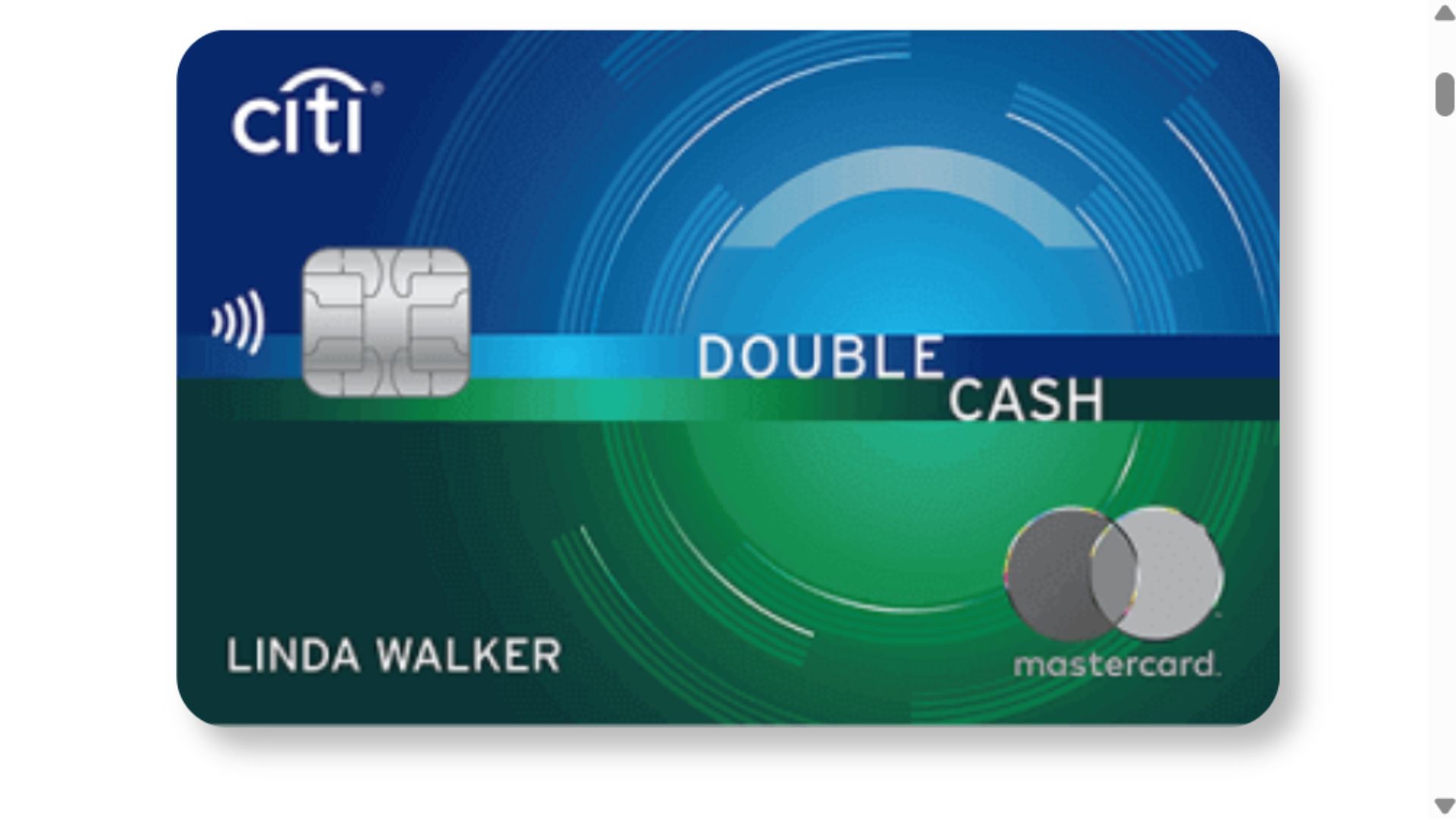
The Citi Double Cash Card has earned its reputation as one of the most straightforward cash back cards on the market. You earn cash back twice: 1% when you make a purchase and another 1% when you pay it off, effectively netting you 2% back on everything. There are no rotating categories to track, no spending caps to worry about, and no annual fee to justify.
This card is perfect for people who want to keep things simple while still earning competitive rewards. You don't need to activate categories each quarter or remember which month earns bonus cash back at restaurants versus gas stations. Just use the card and pay your bill, and the rewards accumulate automatically. It's especially great for those who have varied spending patterns and don't want to juggle multiple cards to maximize rewards.
Pros:
Straightforward 2% cash back on all purchases with no categories to track
No annual fee makes it easy to keep long-term
Simple redemption process with no minimum thresholds or complicated conversions
Works as a solid foundation card in any wallet
No spending caps or limits on earnings
Cons:
Requires paying your balance to earn the second 1% cash back
No sign-up bonus offered to new cardholders
Lower earning potential compared to category-specific cards for targeted spending
Foreign transaction fees apply (2.7%)
2. Chase Freedom Unlimited – Best for Flexible Rewards Across All Purchases
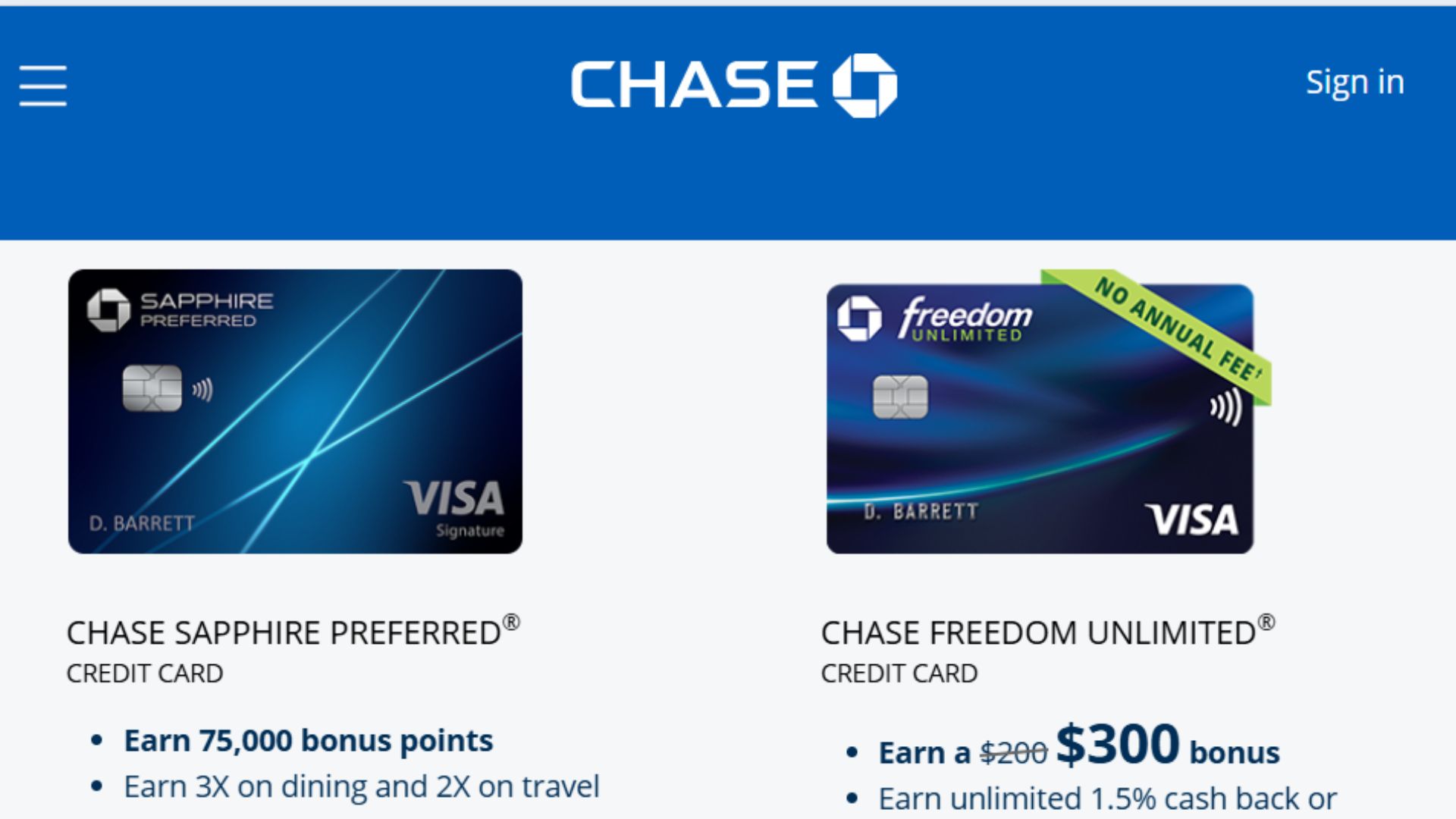
Chase Freedom Unlimited offers a compelling combination of flat-rate earnings and category bonuses that make it incredibly versatile. You'll earn 1.5% cash back on all purchases as your baseline, but that jumps to 3% on dining and drugstore purchases, plus 5% on travel booked through Chase. The card also frequently offers elevated earning rates on specific merchants throughout the year.
What really sets this card apart is its flexibility within the Chase ecosystem. If you eventually pair it with a Chase Sapphire Preferred or Reserve card, your cash back converts to Ultimate Rewards points, which can be transferred to travel partners or redeemed at higher values. Even if you never venture into premium cards, the earning structure alone makes it a strong standalone option for anyone who wants better-than-average returns without complexity.
Pros:
Strong 1.5% baseline rate on all purchases
Bonus categories for dining and drugstores add extra value
Points can be combined with other Chase cards for increased redemption value
No annual fee and generous welcome bonus for new cardholders
Cell phone protection when you pay your bill with the card
Cons:
Dining bonus is lower than specialized dining cards
Travel category only applies to Chase's booking portal
Cash back redemption starts at $25 minimum
Foreign transaction fees apply
3. Blue Cash Preferred from American Express – Best for Grocery and Streaming Spending
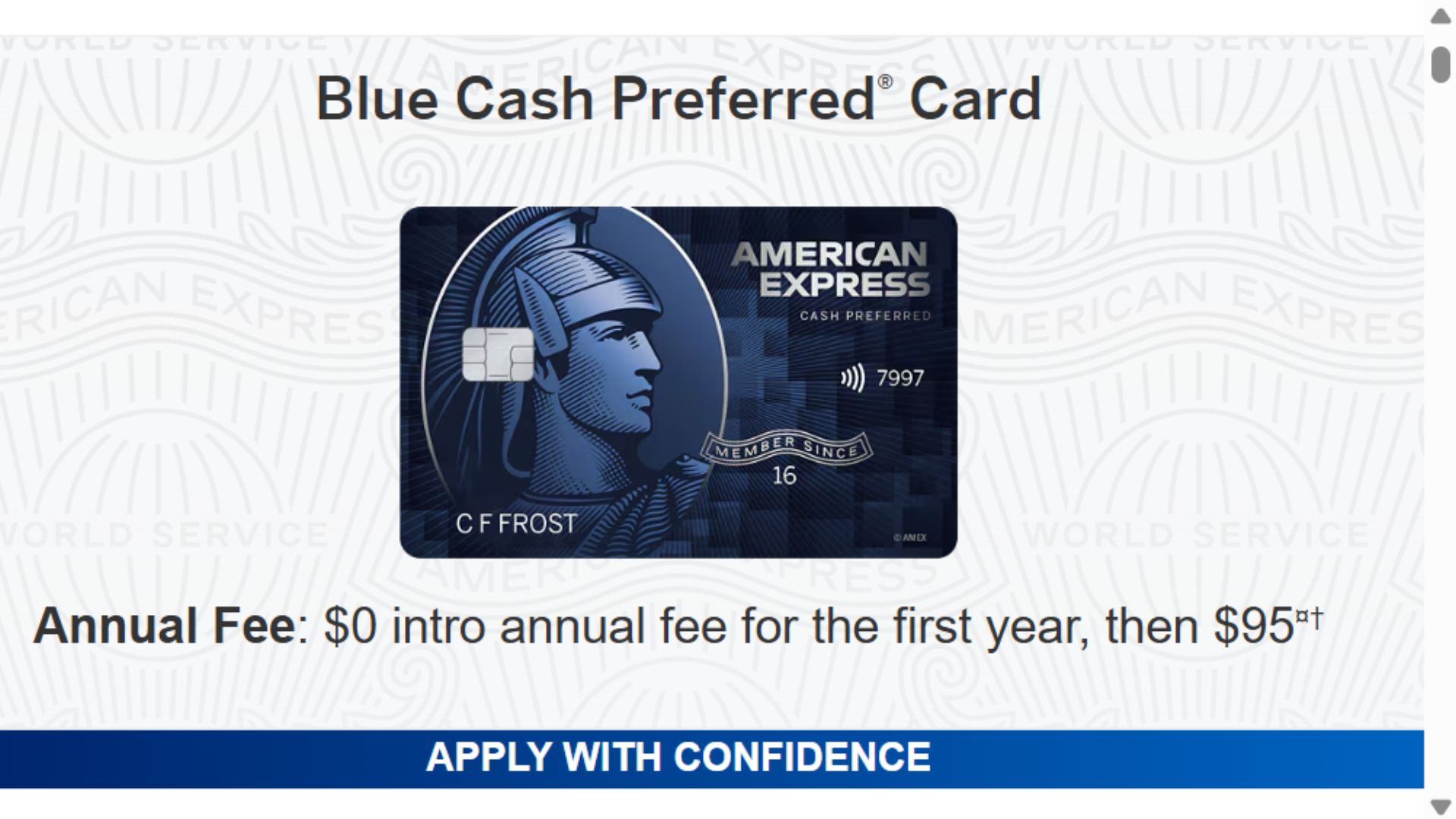
The Blue Cash Preferred is a powerhouse for anyone who spends significantly on groceries and streaming services. You'll earn an impressive 6% cash back at U.S. supermarkets (up to $6,000 per year, then 1%), 6% on select streaming subscriptions, 3% at U.S. gas stations and transit, and 1% on everything else. For a family that does regular grocery shopping, the rewards can easily offset the annual fee multiple times over.
This card truly shines for suburban families and anyone who prioritizes home-cooked meals over dining out. If you're spending $3,000 or more annually at supermarkets, you're already earning $180 back just from groceries, which covers the annual fee and then some. The streaming bonus is a nice modern touch that recognizes how many subscription services people juggle these days. Just note that warehouse clubs like Costco and Target don't count as supermarkets for bonus purposes.
Pros:
Industry-leading 6% cash back on groceries and streaming services
Gas station bonus helps offset commuting or road trip costs
Welcome bonus can be substantial for new cardholders
Extended warranty and purchase protection on eligible items
Complimentary ShopRunner membership for free two-day shipping
Cons:
$95 annual fee (waived first year) requires spending calculation to justify
Supermarket bonus has a $6,000 annual spending cap
Not accepted everywhere since it's American Express
Warehouse clubs and superstores excluded from grocery category
4. Capital One SavorOne – Best for Dining and Entertainment Lovers
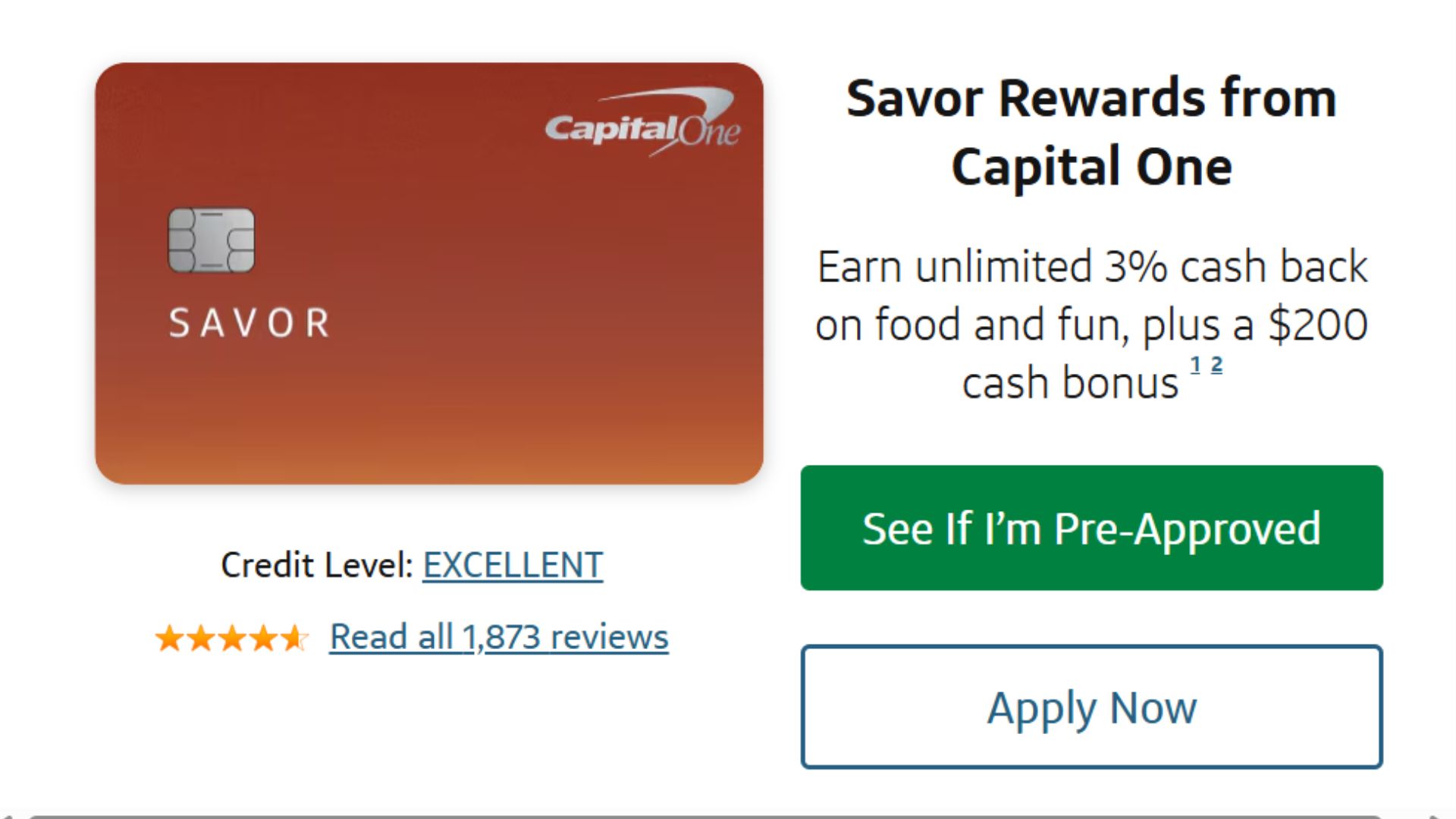
Capital One SavorOne is designed for people who love to experience life outside their home. With 3% cash back on dining, entertainment, and popular streaming services, plus 2% at grocery stores, it rewards the spending categories that bring joy to everyday life. There's also 5% cash back on hotels and rental cars booked through Capital One Travel. Best of all, it comes with no annual fee.
The card's definition of dining is refreshingly broad, including everything from fast food to fine dining, plus food delivery services. Entertainment covers movie tickets, concert venues, and even tourist attractions. If you're someone who prioritizes experiences and eating out regularly, this card can rack up rewards quickly. The lack of an annual fee means you don't need to stress about whether your spending justifies keeping the card.
Pros:
Strong 3% rewards on dining, entertainment, and streaming with no annual fee
Broad dining category includes delivery services and most food establishments
2% grocery bonus adds value for regular food shopping
Generous welcome bonus for new applicants
No foreign transaction fees for international travel
Cons:
Baseline 1% rate on non-bonus purchases is below average
Grocery earning rate is lower than dedicated grocery cards
Capital One's travel portal may not always offer best prices
Fewer redemption options compared to transferable points programs
5. Discover it Cash Back – Best for Rotating Quarterly Categories
Discover it Cash Back takes a different approach with rotating 5% cash back categories that change each quarter. Categories typically include gas stations, grocery stores, restaurants, Amazon, PayPal, wholesale clubs, and more. You'll need to activate each quarter's categories, but once you do, you can earn 5% on up to $1,500 in combined purchases (then 1%). Everything else earns a flat 1% back.
What makes this card particularly attractive for newcomers is Discover's unique first-year offer: they'll match all the cash back you earn at the end of your first year, effectively doubling your rewards. That means if you maximize those quarterly categories, you could be looking at 10% cash back in your first year. The card also offers social security number monitoring and $0 fraud liability, showing Discover's commitment to cardholder security.
Pros:
5% rotating categories offer excellent earning potential when activated
First-year cash back match effectively doubles all rewards
No annual fee and no foreign transaction fees
Free FICO credit score access helps you monitor credit health
Discover typically has strong customer service ratings
Cons:
Requires quarterly activation to earn bonus categories
Need to track which categories are active each quarter
$1,500 spending cap per quarter limits earning potential for big spenders
Discover isn't as widely accepted internationally as Visa or Mastercard
6. Wells Fargo Active Cash Card – Best for Simple 2% Cash Back Everywhere
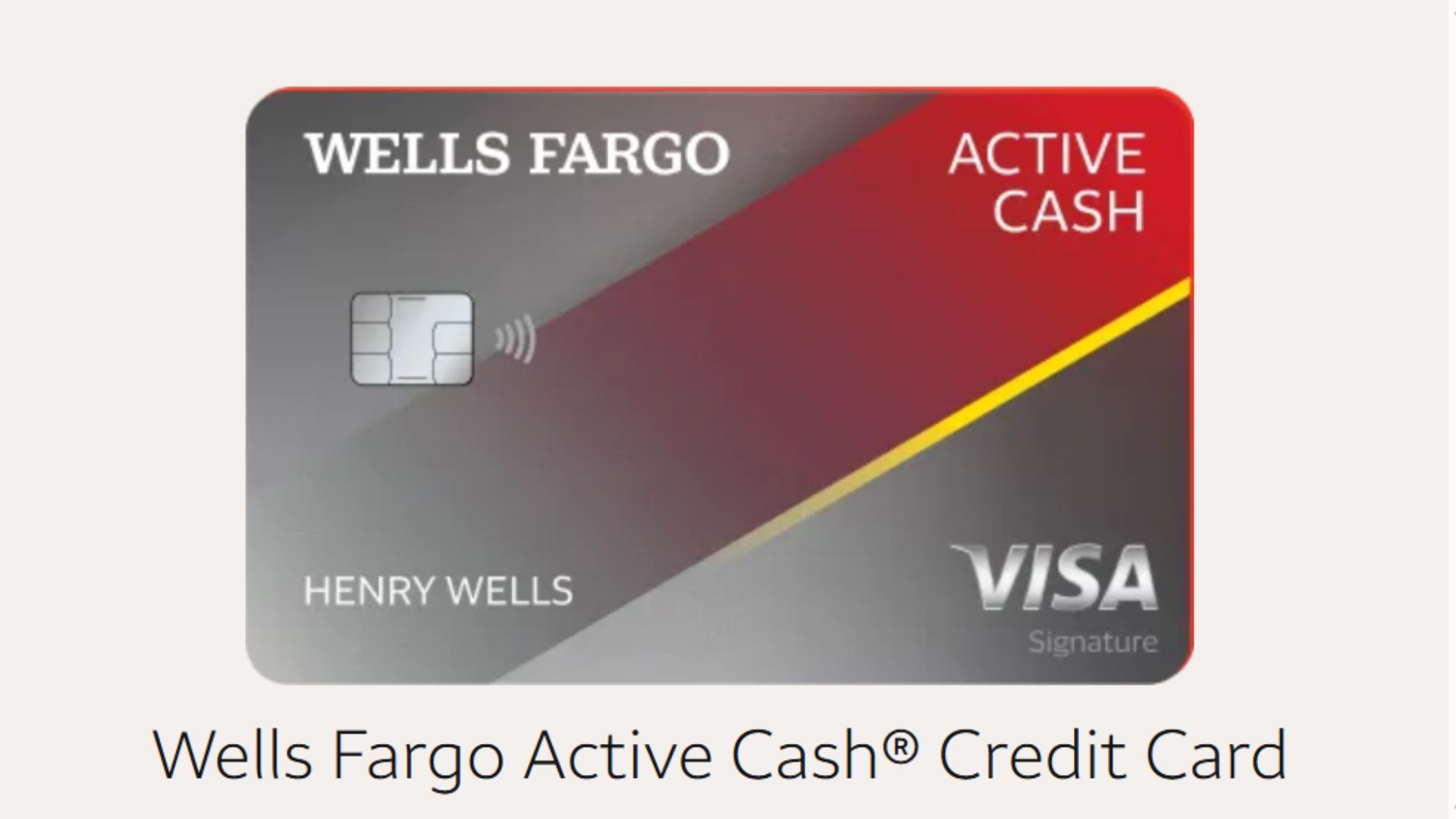
The Wells Fargo Active Cash Card proves that simplicity can be powerful. You earn a flat 2% cash back on every purchase with no categories to remember, no caps on earnings, and no annual fee. It's one of the most straightforward value propositions in the cash back space, and the generous welcome bonus sweetens the deal even further.
This card is ideal for people who want set-it-and-forget-it simplicity. You never have to worry about whether you're using the "right" card for a particular purchase or remember to activate quarterly bonuses. It's also excellent for people with diverse spending habits who can't easily predict where their money will go each month. The 2% flat rate means you're always getting above-average value, regardless of where you shop.
Pros:
Unlimited 2% cash back on all purchases with no categories or caps
No annual fee keeps the value proposition strong
Cell phone protection when you pay your bill with the card
Can redeem cash back for any amount through the mobile app
No foreign transaction fees for international purchases
Cons:
No bonus categories means lower earning potential for targeted spending
Requires existing Wells Fargo relationship for some benefits
Cash back redemption through bank account requires Wells Fargo checking
Welcome bonus requires significant spending in first few months
7. Bank of America Customized Cash Rewards – Best for Personalized Category Selection
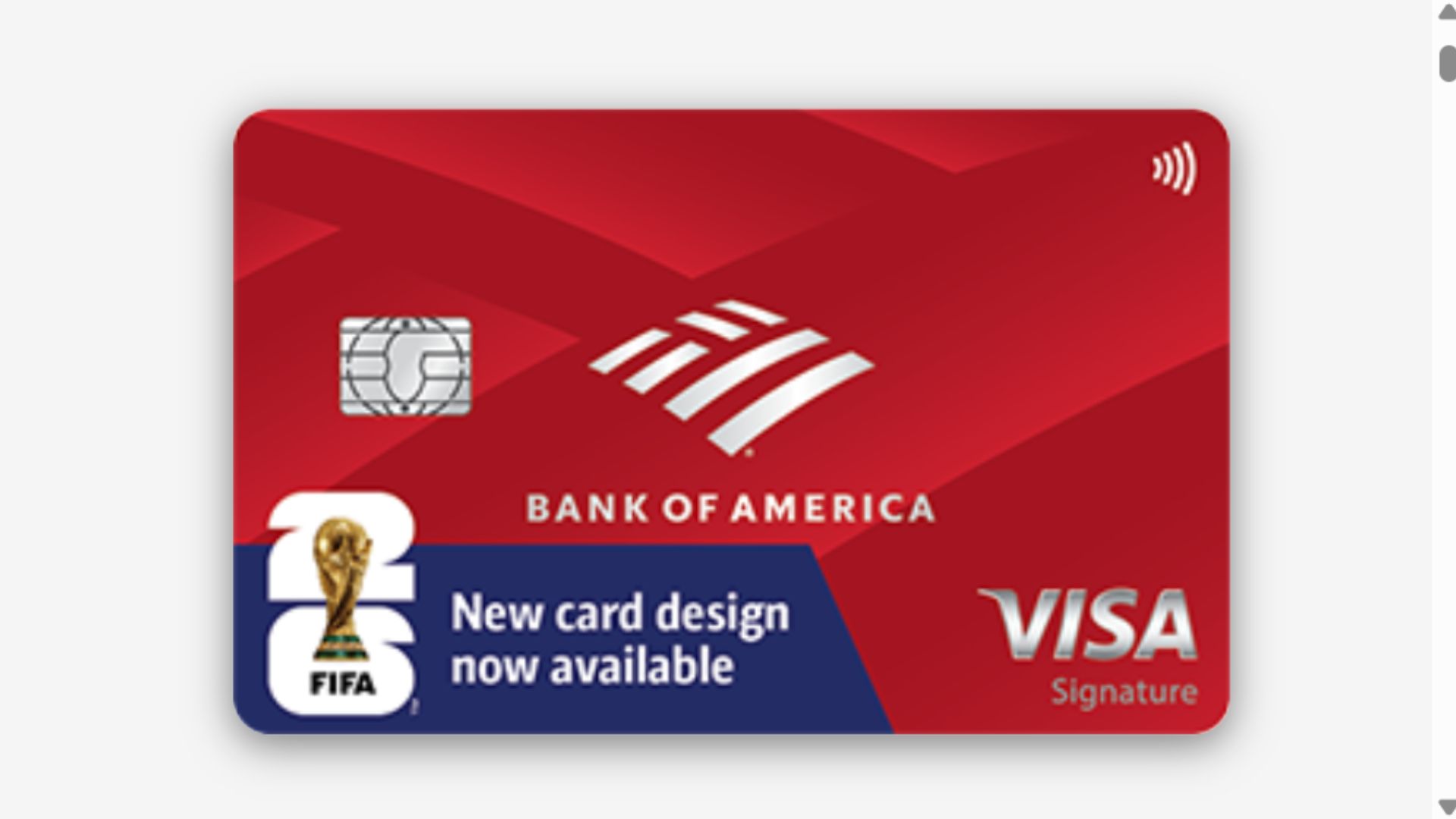
The Bank of America Customized Cash Rewards card lets you choose where you want to earn 3% cash back from a list of categories including gas, online shopping, dining, travel, drug stores, and home improvement. You'll also earn 2% at grocery stores and wholesale clubs (up to $2,500 in combined choice category/grocery store/wholesale club quarterly purchases), plus 1% on everything else. The best part? You can change your 3% category once per calendar month.
This flexibility is perfect for people whose spending patterns shift throughout the year. Maybe you focus on home improvement in the spring, travel in the summer, and online shopping during the holidays. Bank of America also offers the Preferred Rewards program, which can boost your cash back earnings by 25% to 75% if you maintain qualifying balances with the bank, potentially turning that 3% into 5.25% for premium clients.
Pros:
Choose your own 3% bonus category and change it monthly
Grocery store bonus adds consistent value for regular shoppers
Preferred Rewards program can significantly boost earnings
No annual fee makes it accessible to everyone
Straightforward redemption with no minimums for account deposits
Cons:
Combined spending cap of $2,500 per quarter limits high spenders
Preferred Rewards benefits require substantial banking relationship
Only one 3% category active at a time
Baseline 1% rate is below leading competitors
8. Chase Freedom Flex – Best for Combining Rotating Bonuses with Travel Perks
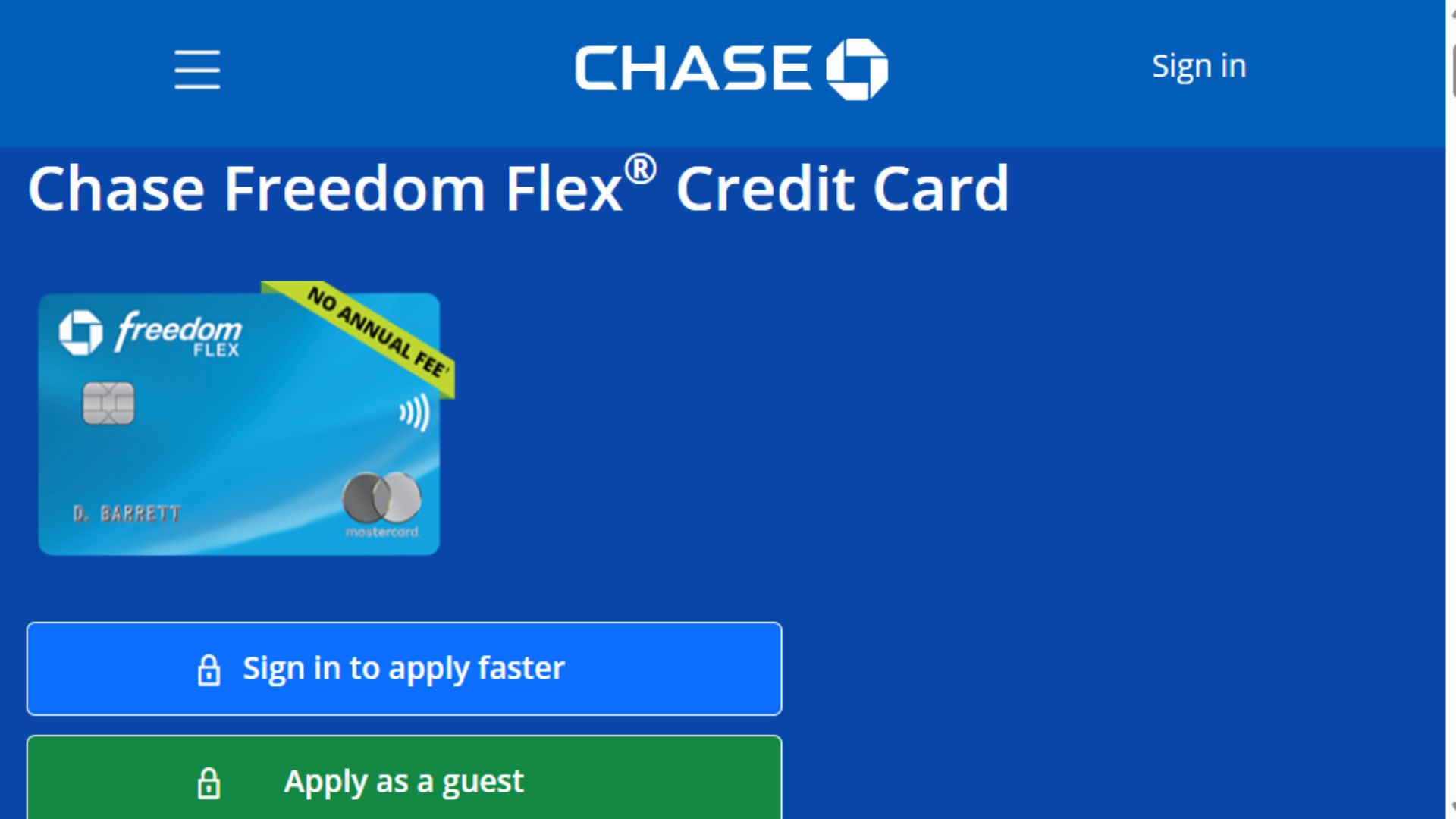
Chase Freedom Flex combines the best of both worlds: rotating 5% cash back categories (up to $1,500 per quarter after activation) plus consistent bonuses of 5% on travel through Chase, 3% on dining and drugstores, and 1% on everything else. The card also integrates seamlessly into Chase's Ultimate Rewards ecosystem, making it a smart choice for anyone who might eventually add a premium Chase travel card.
The rotating categories mirror those of the Discover it Cash Back, typically featuring gas stations, grocery stores, Amazon, PayPal, and seasonal spending categories. But unlike Discover, Chase Freedom Flex's rewards can be transferred to airline and hotel partners when paired with certain Chase cards, potentially multiplying their value. Even as a standalone card, the combination of rotating and fixed categories creates multiple opportunities to earn at higher rates.
Pros:
5% rotating categories offer excellent earning potential
Fixed 3% and 5% categories provide consistent value
Points transfer to travel partners when paired with premium Chase cards
Welcome bonus and no annual fee
Broad merchant acceptance with Visa network
Cons:
Must manually activate 5% categories each quarter
$1,500 quarterly spending cap on rotating categories
Redemption values increase significantly only with other Chase cards
Travel category limited to Chase's booking portal
9. Citi Custom Cash Card – Best for Automatic Category Matching
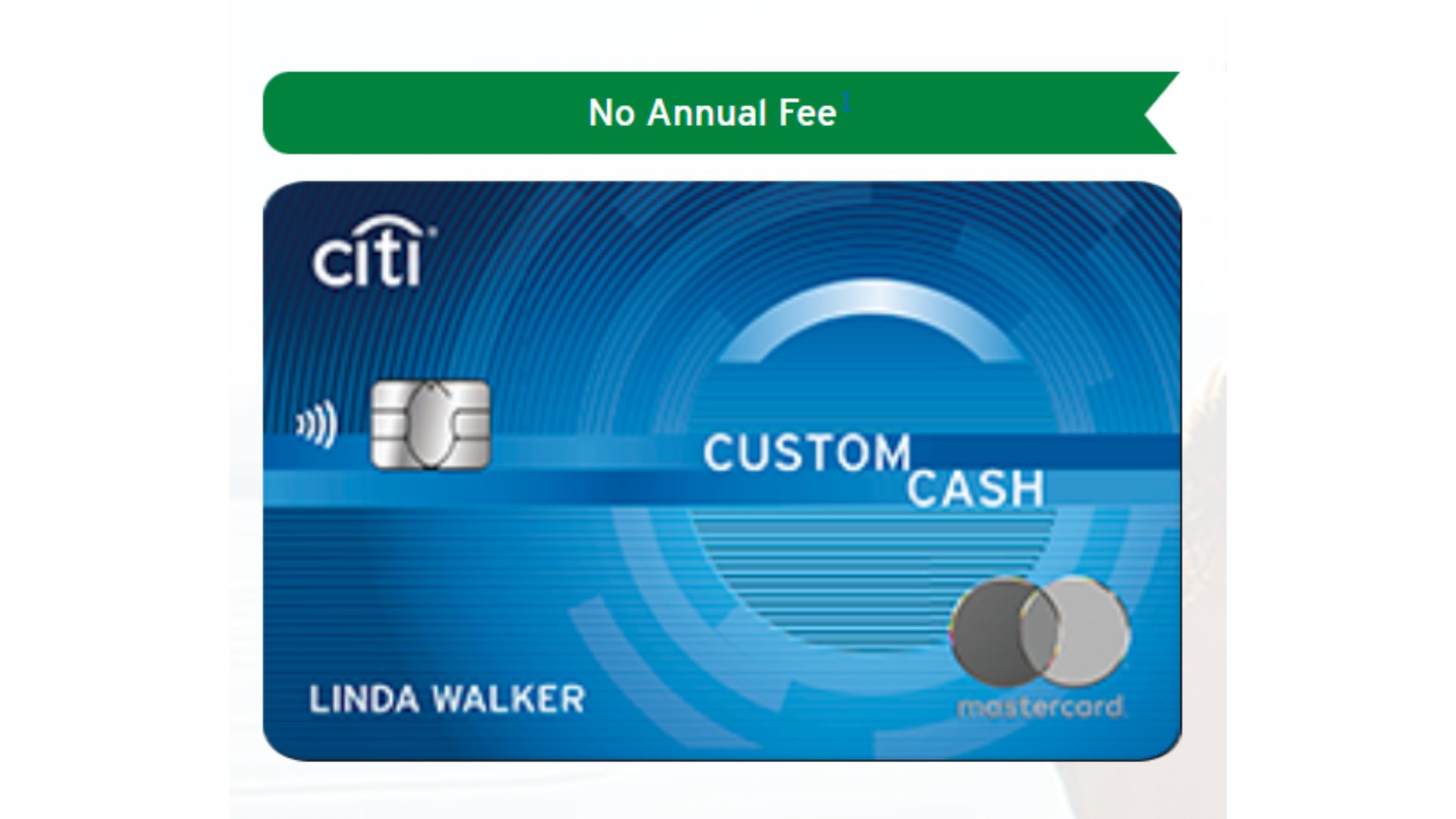
The Citi Custom Cash Card brings an innovative twist to category bonuses by automatically identifying your top spending category each billing cycle and awarding 5% cash back on up to $500 in purchases (then 1%). Eligible categories include restaurants, gas stations, grocery stores, select travel, select transit, select streaming services, drugstores, home improvement stores, fitness clubs, and live entertainment. Everything else earns 1% back.
What makes this card brilliant is that you don't have to predict your spending or manually select categories. The card does the work for you, tracking where you spend the most and automatically applying the 5% rate. This is perfect for people with variable spending patterns or those who simply don't want to think about optimizing their credit card usage. The $500 monthly cap works out to $25 in cash back per month if you max it out, which is reasonable for most cardholders.
Pros:
Automatic 5% category matching requires no activation or selection
Wide range of eligible bonus categories
No annual fee keeps it simple and accessible
Works well alongside other cards in a wallet strategy
Citi ThankYou Points ecosystem available for additional value
Cons:
$500 monthly spending cap limits earning potential ($6,000 annually)
Only one category receives 5% each month
Lower baseline 1% rate on non-bonus spending
May not optimize for your actual highest spending category if not eligible
10. Amazon Prime Rewards Visa – Best for Amazon and Whole Foods Shoppers
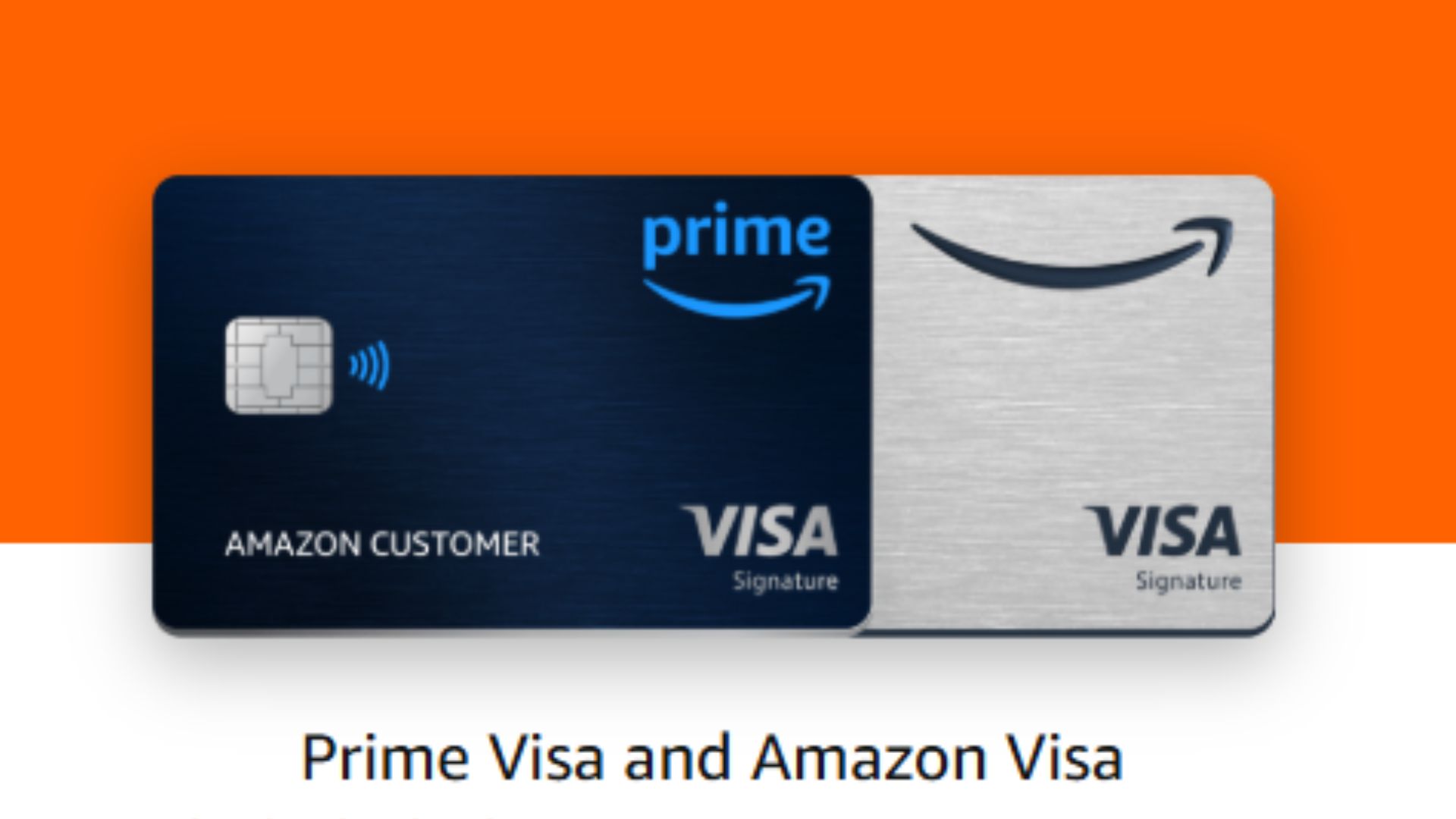
The Amazon Prime Rewards Visa is purpose-built for the Amazon ecosystem. Prime members earn 5% back at Amazon.com, Whole Foods Market, and on Chase Travel purchases, 2% at restaurants, gas stations, and drugstores, plus 1% everywhere else. If you're already paying for Amazon Prime and regularly shop on the platform, this card essentially pays for itself many times over.
Beyond just Amazon purchases, the card's 2% rate on dining, gas, and drugstores makes it a surprisingly versatile everyday card. The no annual fee structure (beyond the Prime membership you're presumably already paying for) means there's no extra cost to maximize your Amazon spending. The card also offers extended warranty protection and no foreign transaction fees, making it more valuable than it might appear at first glance.
Pros:
5% back on Amazon purchases for Prime members is excellent
Whole Foods bonus helps grocery spending for those near stores
2% categories cover common everyday expenses
No annual fee beyond Prime membership
Instant rewards credit at checkout on Amazon
Cons:
Requires Amazon Prime membership to earn 5% rate (non-members earn 3%)
Less valuable if you don't shop frequently on Amazon
Other cards offer higher grocery rewards at non-Whole Foods stores
Rewards are tied to Amazon ecosystem for maximum value
Understanding Cash Back Credit Cards
Cash back credit cards are exactly what they sound like: credit cards that return a percentage of your spending to you in the form of cash rewards. Unlike points or miles programs that require navigating redemption options, cash back is straightforward—you spend money, and you get a percentage back, usually as a statement credit, direct deposit, or check.
These cards come in three main varieties. Flat-rate cards offer the same percentage back on all purchases, making them simple to use and understand. Tiered cards offer different percentages based on spending categories, such as higher rates for groceries and gas. Rotating category cards offer the highest potential rewards but require you to activate categories each quarter and track where you're spending to maximize value.
Benefits of Cash Back Credit Cards
The primary appeal of cash back cards is their simplicity and flexibility. Unlike travel rewards that require booking through specific portals or transferring points, cash back can be redeemed however you choose. Whether you want to offset your credit card bill, receive a direct deposit to your checking account, or save up for a larger redemption, the choice is yours.
Cash back also holds consistent value. While travel points can be devalued when programs change their redemption rates, a dollar in cash back is always worth exactly one dollar. This predictability makes it easier to calculate your actual returns and determine if a card's annual fee is worth paying. For people who don't travel frequently or prefer not to navigate complex points programs, cash back offers tangible value with every purchase.
What to Look for When Choosing a Cash Back Card
Start by analyzing your spending patterns. Look at your last three to six months of credit card statements and identify where your money goes. If you spend heavily on groceries, a card with a grocery bonus makes sense. If your spending is spread across many categories, a flat-rate card might serve you better. The goal is to match the card's strengths to your actual habits, not aspirational ones.
Consider the annual fee in relation to your spending. Cards with annual fees often offer higher earning rates, but you need to earn enough cash back to justify the cost. A simple calculation: if a card charges $95 annually but offers 6% back on groceries versus a free card's 1%, you'd need to spend at least $1,900 on groceries yearly to break even ($1,900 × 5% extra = $95). Always do the math before committing to a fee-based card.
Pay attention to spending caps and category restrictions. Some cards limit how much you can earn at bonus rates each quarter or year. Others exclude certain merchants from bonus categories (like warehouse clubs not counting as "grocery stores"). Understanding these limitations helps you set realistic expectations and potentially pair multiple cards to maximize rewards across all your spending. Also look for welcome bonuses, which can provide significant value in your first few months of card membership.
Frequently Asked Questions
Is it worth having multiple cash back credit cards?
Yes, many savvy users carry multiple cash back cards to optimize rewards across different spending categories. For example, you might use one card for groceries (6% back), another for dining (3% back), and a flat-rate 2% card for everything else. Just make sure you can manage multiple cards responsibly without overspending or missing payments. The key is finding a system that maximizes rewards without adding stress to your financial life.
How do I redeem my cash back rewards?
Redemption methods vary by issuer but typically include statement credits (reducing your balance), direct deposits to a linked bank account, checks mailed to your address, or gift cards. Some cards allow redemption at any amount, while others require a minimum threshold, often $25. Statement credits are usually the simplest option and can be applied automatically once you reach certain balances.
Do cash back rewards expire?
Generally, cash back rewards don't expire as long as your account remains open and in good standing. However, if you close your card or your account becomes delinquent, you may forfeit unredeemed rewards. Some issuers also require account activity within a certain timeframe to keep rewards active. Always check your card's terms and conditions, and redeem rewards regularly to avoid any potential issues.
Should I pay an annual fee for a cash back card?
It depends on your spending. Calculate how much extra cash back you'd earn with a fee-based card compared to a no-fee alternative. If the additional rewards exceed the annual fee by a comfortable margin—ideally at least $100-200 more—then it may be worth it. Cards like the Blue Cash Preferred can easily justify their fees for families with high grocery spending, but lower spenders might be better off with a no-fee option.