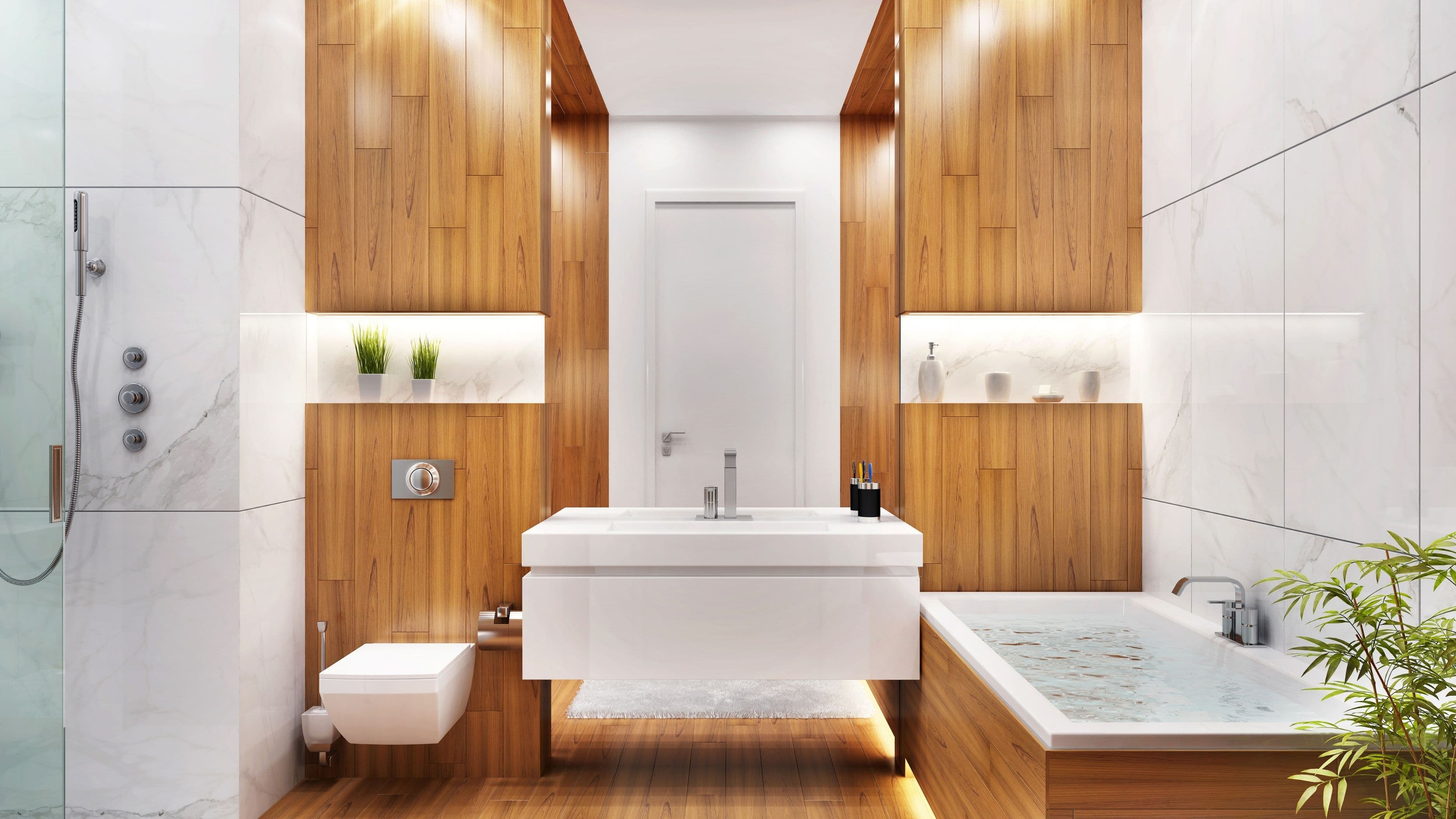
Whether you're preparing to sell, trying to modernize a dated space, or simply tired of a bathroom that feels like it belongs to a different decade, this list covers the ten upgrades that deliver the most impact per dollar spent. These aren't vague suggestions – they're specific, proven improvements with real-world results.
Top 10 Bathroom Upgrades at a Glance
Vanity replacement
Shower upgrade or re-tile
Toilet replacement
Lighting overhaul
New faucets and fixtures
Frameless or updated mirror
Flooring replacement
Storage solutions and built-ins
Ventilation fan upgrade
Fresh paint and caulk
1. Vanity Replacement
The vanity is the centerpiece of most bathrooms, and it's one of the first things buyers and guests notice. An outdated, builder-grade vanity with a laminate top and basic white sink can make an entire bathroom feel cheap – even if everything else is in decent condition. Replacing it is one of the highest-impact single changes you can make.
Modern vanities with solid wood construction, soft-close drawers, and an integrated undermount sink paired with a quartz or marble-look countertop cost significantly less than they did a decade ago, with quality options available from $400 to $1,500 depending on size. The installation itself is manageable for a confident DIYer, which keeps the project affordable. From an ROI standpoint, a vanity upgrade can return $2 or more in perceived value for every dollar spent – especially in older homes where the existing vanity is clearly dated.
When choosing a new vanity, go for timeless over trendy. Shaker-style cabinetry in white, navy, or gray with a simple quartz top is durable, neutral enough to appeal to a broad range of buyers, and unlikely to look dated in five years. Avoid highly stylized or ornate designs that appeal to a narrow audience.
Best for: Homeowners prepping to sell, anyone with a vanity over 15 years old, bathrooms that feel dated despite being otherwise functional.
2. Shower Upgrade or Re-Tile
After the vanity, the shower is the second most visible element in a bathroom and the one that most directly signals whether the space has been maintained or neglected. Cracked grout, yellowed caulk, outdated tile, and a weak showerhead all register immediately – and they're all fixable without a full gut renovation.
A full shower re-tile with a classic subway tile or large-format porcelain is the premium version of this upgrade, typically running $1,500–$4,000 depending on the size of the shower and whether you hire it out. For a more budget-conscious approach, re-grouting and re-caulking the existing tile combined with a frameless glass door (or panel) can dramatically modernize the look for $500–$1,200. Adding a rainfall showerhead and a hand shower on a slide bar costs another $150–$400 and significantly elevates the day-to-day experience.
Frameless glass enclosures deserve special mention. Replacing a shower curtain or a framed glass door with a frameless enclosure is one of the most visually impactful changes you can make in a bathroom. It opens up the space, lets light through, and instantly reads as a premium upgrade – even in a small bathroom.
Best for: Bathrooms with visibly aged or damaged tile, showers that still use curtains, anyone looking for a high-impact upgrade short of a full renovation.
3. Toilet Replacement
A toilet isn't a glamorous upgrade, but it's one that buyers and inspectors notice more than most homeowners expect. An old, low-efficiency toilet that uses 3.5 to 7 gallons per flush signals to buyers that the home hasn't been updated – and it runs up your water bill every month. Replacing it is a straightforward job that takes a few hours and costs between $200 and $600 for a quality unit including installation hardware.
Modern toilets in the $250–$500 range offer dual-flush functionality (0.8 gallons for liquid, 1.28 gallons for solid), a comfortable chair-height seat, a skirted trapway that makes cleaning far easier, and a slow-close seat that eliminates the slam. These aren't luxury features anymore – they're standard in newer builds, which is exactly why an older toilet stands out as a red flag in comparison.
If you want to step up further, a bidet toilet seat or bidet combo is an increasingly popular upgrade that adds perceived value in a way that was rare in American homes five years ago. Basic models run $80–$150; feature-rich ones with heated seats and adjustable settings run $300–$700. It won't appeal to every buyer, but it signals a thoughtfully updated bathroom.
Best for: Any bathroom with a toilet over 10 years old, high water bill households, homes being prepped for listing.
4. Lighting Overhaul
Bathroom lighting is chronically underestimated. The combination of a single overhead light – usually a basic flush mount or a builder-grade bar fixture – creates harsh shadows that make the space feel institutional rather than inviting. Upgrading the lighting is one of the least expensive high-impact changes available, and it affects both how the room looks and how functional it is for daily use.
The standard approach is to replace the vanity light bar with something that provides even, diffused light at face height rather than overhead. Sconces flanking the mirror are the ideal solution because they eliminate the shadows that overhead lighting casts on your face. If the mirror is large and wall-mounted sconces aren't feasible, a high-quality LED vanity bar with a warm color temperature (2,700K–3,000K) is a solid alternative that costs $80–$250 and takes less than an hour to swap out.
Adding a dimmer switch for the main light is a small touch that makes a bigger difference than expected, both for everyday use and for the impression it creates when showing the home. Recessed lighting in a shower or above the bathtub (using wet-rated fixtures) is a premium upgrade that makes the space feel significantly larger and more designed.
Best for: Every bathroom that relies solely on an overhead light, anyone who has ever applied makeup or shaved and struggled with shadows.
5. New Faucets and Fixtures
Nothing dates a bathroom faster than old faucets and fixtures. Brushed brass from the 1980s, chrome-plated builder fixtures from the 2000s, or mismatched finishes across the sink, shower, and towel bars all quietly signal that a space hasn't been touched in years. Replacing these is one of the most affordable upgrades on this list and one of the fastest ways to make a bathroom feel cohesive and current.
A quality bathroom faucet in a modern finish – brushed nickel, matte black, or brushed gold – runs $80–$250 and installs in an hour or two with basic plumbing knowledge. Matching the finish across your towel bars, toilet paper holder, and robe hooks costs another $100–$200 and completes the look with minimal effort. The key is consistency: mixing finishes can look intentional and designed, but only when it's done deliberately. Random mismatches just look like deferred maintenance.
Brushed nickel remains the safest finish for broad appeal. Matte black is currently popular and photographs extremely well, which matters if you're listing the home. Unlacquered brass and brushed gold are on-trend but carry more risk of feeling dated in five to ten years.
Best for: Bathrooms with mismatched or clearly dated fixtures, anyone refreshing a space before selling.
6. Frameless or Updated Mirror
A large, frameless mirror or a framed statement mirror does more for a bathroom than its cost suggests. The standard builder mirror – a plain rectangular glass panel glued directly to the wall – is functional but adds nothing to the space. Replacing it or framing it in place is a quick win that changes the feel of the entire room.
Framing a builder mirror in place is the budget option, running $50–$150 in materials for a DIY project. You add molding directly to the face of the existing mirror, paint it to match your vanity or create contrast, and end up with something that looks custom. If the existing mirror is damaged, small, or positioned awkwardly, replacing it entirely with a large-format frameless mirror ($150–$400) or a framed vanity mirror ($100–$350) delivers a cleaner result.
Backlit LED mirrors are worth mentioning here as well. They combine the mirror and vanity lighting into a single fixture, provide excellent face-level illumination, and photograph exceptionally well. They run $150–$500 depending on size and features, and they consistently register as a premium upgrade to buyers and guests who aren't sure exactly why the bathroom looks so polished.
Best for: Any bathroom with a plain glued-on builder mirror, bathrooms where the lighting could be improved at the same time.
7. Flooring Replacement
Flooring is one of the elements buyers look at directly – literally – and old or damaged bathroom flooring is one of the things that's hardest to mentally overlook when viewing a home. Peeling vinyl, cracked ceramic tile, or stained grout lines are immediate signals of either age or neglect. Replacing the floor is a more significant project than most of the other upgrades on this list, but it's also one of the most visible improvements you can make.
Luxury vinyl plank (LVP) or luxury vinyl tile (LVT) is the practical choice for most bathroom flooring upgrades. It's 100% waterproof, durable, available in realistic stone and wood looks, and runs $2–$6 per square foot for material. A typical bathroom floor can be completed for $300–$900 in materials, and installation is manageable as a DIY project with basic tools and a willingness to follow the process carefully.
Porcelain tile is the premium option. Large-format porcelain tiles (12x24 or 24x24) with minimal grout lines look genuinely expensive and are extremely durable. Material costs run $3–$10 per square foot, but professional installation adds $5–$10 per square foot on top of that, making it a more significant investment. For a bathroom going on the market, large-format neutral porcelain is worth the cost. For a rental or a bathroom you're simply refreshing, LVT does the job at a fraction of the price.
Best for: Bathrooms with vinyl, older ceramic tile, or any flooring showing visible wear, cracking, or staining.
8. Storage Solutions and Built-Ins
Storage in bathrooms is perpetually underdesigned. Most bathrooms have a single vanity cabinet that fills up immediately, leaving countertops cluttered and shelves improvised. Adding functional, well-organized storage makes a bathroom feel more finished, more livable, and more appealing to buyers who are mentally moving in.
A recessed medicine cabinet is one of the highest-return storage upgrades available. It adds storage without taking up any floor or counter space, keeps the wall visually clean, and is a feature buyers notice and appreciate. Basic recessed medicine cabinets run $100–$300; mirrored options with built-in lighting run $200–$500. Installation requires cutting into the wall between studs, which is a moderate DIY project.
Open shelving above the toilet – typically a floating shelf or a purpose-built over-toilet unit – is the low-cost alternative, running $40–$150. It's less premium than a recessed cabinet but still far better than nothing, and it allows for styling opportunities that make the bathroom feel more intentional. Built-in linen closets or niche shelving in shower walls (tiled niches for shampoo and soap) are premium additions that add significant perceived value and virtually eliminate countertop clutter.
Best for: Bathrooms where countertop clutter is unavoidable, any bathroom lacking obvious storage for daily essentials.
9. Ventilation Fan Upgrade
A bathroom exhaust fan isn't something anyone gets excited about – until the mirror is permanently foggy, the paint is peeling, and there's a faint mildew smell that won't go away. A properly functioning ventilation fan protects the structural integrity of the space and is a code requirement in bathrooms without operable windows. An outdated, underpowered, or noisy fan is one of those things home inspectors flag and buyers remember.
Modern bathroom exhaust fans are dramatically quieter and more efficient than older models. A fan rated at 0.3 sones – which is nearly silent – combined with adequate CFM (cubic feet per minute) for the bathroom size costs $60–$150 and is a meaningful quality-of-life upgrade for anyone who uses the bathroom daily. Combination fan/light units and fan/light/nightlight units are available in the same price range and consolidate ceiling fixtures for a cleaner look.
For bathrooms that struggle with persistent humidity, a humidity-sensing fan that turns on automatically and runs until the room reaches optimal humidity is worth the $100–$200 price premium. It protects the space without requiring anyone to remember to turn it on – which, realistically, people often don't.
Best for: Bathrooms with older fans, persistent mirror fogging or mildew, homes going through a home inspection.
10. Fresh Paint and Caulk
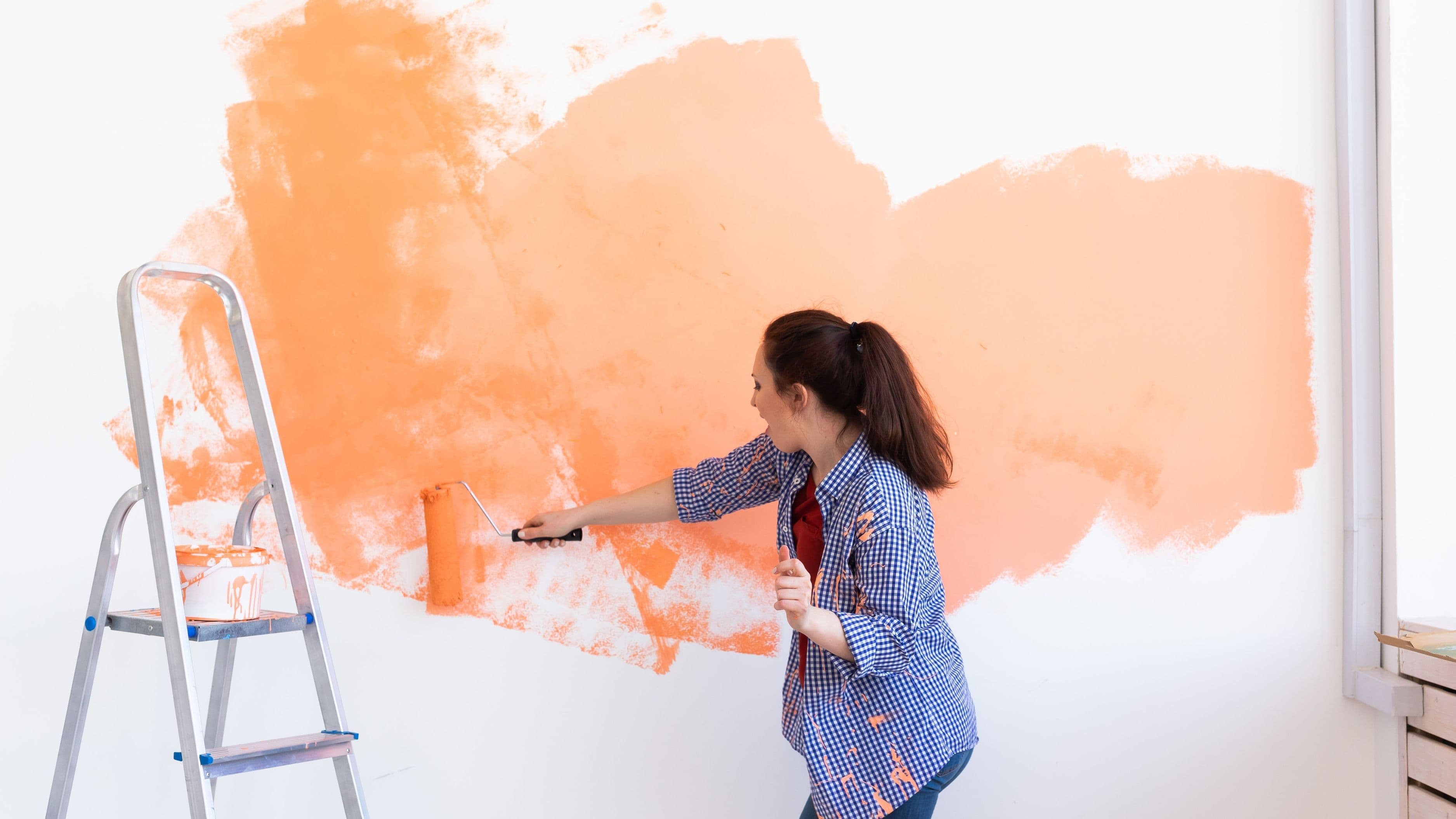
This one seems obvious, but it's consistently underused. Fresh paint and new caulk are the cheapest, fastest ways to make a bathroom look clean and well-maintained – and failing to do them is one of the easiest ways to make everything else look worse than it is. Yellowed caulk around the tub, cracked caulk at the base of the toilet, peeling paint near the ceiling, or a color that's simply been there since 1998 – all of these are visible signals that the space hasn't been touched in years.
A single gallon of quality bathroom paint (mold and mildew resistant, semi-gloss or satin finish) costs $30–$55 and covers the average bathroom twice. Removing old caulk, cleaning the surface, and re-caulking around the tub, shower, and toilet base costs $10–$25 in materials and an afternoon of time. The combined result – clean lines, bright walls, no discoloration – makes every other upgrade in the bathroom look sharper by comparison.
Color matters more than most people think. Light neutrals – warm whites, soft greiges, pale sage – work almost universally in bathrooms and photograph well. Dark, bold colors can be striking but narrow buyer appeal. If you're preparing to sell, go neutral. If the space is purely for your own use, choose what you love – but avoid anything that will need multiple coats to cover if you change your mind.
Best for: Every bathroom, always. This is the baseline that makes everything else look better.
Quick Takeaway
You don't need to renovate everything at once. If you're working with a limited budget, prioritize in this order based on impact per dollar: paint and caulk first, then fixtures and lighting, then the vanity and mirror, then flooring and the shower. Each upgrade builds on the last, and even completing the first two or three will produce a noticeably improved bathroom.
If you're prepping to sell, focus on the upgrades that photograph well and eliminate red flags for inspectors: fresh caulk, new fixtures, updated lighting, and a functioning ventilation fan. These don't require a massive investment, but they remove the visible signals that buyers use to justify lower offers.
FAQ
How much does a bathroom upgrade typically cost overall? It depends heavily on scope. A cosmetic refresh – paint, caulk, fixtures, mirror – can run $500–$1,500 and deliver a dramatic visual improvement. A mid-range renovation covering vanity, flooring, shower, and lighting typically runs $5,000–$15,000. A full gut renovation runs $15,000–$30,000+.
Which bathroom upgrade has the best ROI for resale? Consistently, vanity replacement, fresh paint, and updated fixtures deliver the highest return relative to cost. According to Remodeling Magazine's Cost vs. Value report, a mid-range bathroom remodel returns approximately 66–70% of its cost at resale – and cosmetic upgrades often return more on a per-dollar basis than full renovations.
Should I upgrade the guest bathroom or the primary bathroom first? Primary bathroom first, almost always. Buyers weight the primary bathroom more heavily than secondary bathrooms, and it's where you spend the most time if you're staying in the home. The exception is if the guest bathroom is in visibly worse condition and creating a negative impression.
Can I do these upgrades myself or do I need a contractor? Most of the upgrades on this list are DIY-accessible with basic skills: painting, caulking, faucet replacement, mirror installation, LVT flooring, vanity swaps, and fixture changes. Tile work, shower re-tiling, and any work involving electrical (recessed lighting, exhaust fans) or plumbing behind walls is better handled by a professional unless you have specific experience.
How do I choose a bathroom style that will appeal to buyers? Neutral, timeless, and clean. Large-format tile, matte or brushed metal finishes, white or greige walls, and frameless glass are broadly appealing choices that photograph well and don't alienate buyers with specific aesthetic preferences. Avoid highly stylized or niche design choices when your primary goal is resale value.
The Bottom Line
Bathrooms are small rooms with outsized influence on how a home feels and what it's worth. The upgrades on this list don't require a complete renovation – they require smart, targeted investment in the elements that buyers see first and homeowners interact with every day. Start with what's visibly dated or damaged, work your way toward the higher-impact structural changes, and you'll end up with a bathroom that feels genuinely upgraded rather than just cleaned up.
📚 Sources
Remodeling Magazine – 2024 Cost vs. Value Report: https://www.remodeling.hw.net/cost-vs-value/2024/
National Association of Realtors – Remodeling Impact Report: https://www.nar.realtor/research-and-statistics/research-reports/remodeling-impact
This Old House – Bathroom Remodeling Guide: https://www.thisoldhouse.com/bathrooms/21015131/bathroom-remodeling-guide
U.S. Department of Energy – WaterSense Labeled Toilets: https://www.epa.gov/watersense/toilets
Bob Vila – How to Replace a Bathroom Vanity: https://www.bobvila.com/articles/how-to-replace-a-bathroom-vanity/