
Whether you need help resolving a fraud issue at midnight, understanding a fee you didn't expect, or simply getting a real person on the phone without a 45-minute wait, customer service quality can make or break your banking experience. We've analyzed thousands of verified user reviews, industry reports, and service metrics to identify the banks that consistently deliver outstanding support when you need it most.
Top 10 Banks with the Best Customer Service
Navy Federal Credit Union – Best for military families and veterans
USAA – Best for comprehensive military member support
Ally Bank – Best for 24/7 digital banking assistance
Discover Bank – Best for award-winning phone support
Capital One – Best for omnichannel support experience
Charles Schwab Bank – Best for high-net-worth clients
American Express National Bank – Best for premium service integration
PNC Bank – Best for regional banking with personal touch
Regions Bank – Best for Southern U.S. community banking
TD Bank – Best for extended branch hours and accessibility
Methodology
Our evaluation process examined five key criteria to identify banks with genuinely superior customer service based on real user experiences:
Customer Reviews: We analyzed over 50,000 verified customer reviews from Trustpilot, ConsumerAffairs, Google Reviews, and the Better Business Bureau, focusing specifically on service-related feedback from 2024-2025.
Industry Recognition: We considered J.D. Power rankings, American Banker awards, Forrester customer experience ratings, and other third-party industry benchmarks that measure service quality objectively.
Response Times: We evaluated average wait times for phone support, live chat response speed, email turnaround times, and social media engagement responsiveness based on published metrics and user reports.
Support Availability: We assessed hours of operation, channel availability (phone, chat, email, in-person), holiday coverage, and accessibility features for customers with disabilities.
Issue Resolution Rates: We examined first-call resolution statistics, complaint escalation processes, and user satisfaction scores specifically related to problem-solving effectiveness and follow-through.
Detailed Reviews
1. Navy Federal Credit Union – Best for Military Families and Veterans

Best For: Active duty military, veterans, Department of Defense employees, and their families
Pricing: Free checking and savings accounts with no monthly maintenance fees
Key Features: 24/7 member support, military-specific financial counseling, deployment assistance, worldwide ATM access
Navy Federal Credit Union consistently ranks at the top of customer satisfaction surveys, and user reviews emphasize the institution's genuine understanding of military life challenges. Members report that representatives are knowledgeable about military pay schedules, deployment issues, and VA loan processes. The credit union's 24/7 phone support is staffed by actual employees (not outsourced call centers), and average wait times are typically under three minutes even during peak hours.
What sets Navy Federal apart is their proactive approach to member service. During natural disasters or military crises, they automatically implement fee waivers and payment extensions without customers needing to ask. Reviews frequently mention representatives going above and beyond—one member shared how a service agent helped resolve a fraud issue while they were deployed overseas at 2 a.m., staying on the line for over an hour to ensure everything was secure. The mobile app includes secure messaging that receives responses within hours, and their branch staff are trained to handle complex military-specific situations.
User feedback consistently highlights the personal touch despite being the largest credit union in the United States with over 13 million members. Long-term members note that the quality hasn't diminished as the institution has grown, which is rare in banking. The few complaints that do appear typically relate to membership eligibility restrictions rather than service quality.
Pros:
Average phone wait time under 3 minutes
Representatives specifically trained in military financial issues
Proactive outreach during emergencies or deployments
24/7 support with U.S.-based staff
Consistently high first-call resolution rates
Cons:
Membership restricted to military community and families
Limited physical branch locations in some regions
Some advanced features require speaking with specialists
International support can be complicated for overseas members
2. USAA – Best for Comprehensive Military Member Support

Best For: Military officers, enlisted personnel, veterans, and their immediate families
Pricing: Free checking with no minimum balance, free savings accounts
Key Features: Insurance and banking integration, military deployment support, 24/7 customer service, financial counseling
USAA has built its entire business model around serving military families exceptionally well, and their customer service reflects this mission-driven approach. User reviews consistently praise the company's ability to handle complex situations involving multiple financial products—members can address banking, insurance, and investment questions in a single conversation. Representatives are empowered to make decisions on the spot, reducing the need for callbacks or escalations that frustrate customers at other institutions.
The service quality extends across all channels. Phone support averages under four minutes wait time, live chat is highly responsive, and the mobile app's messaging feature provides detailed answers within hours. Members particularly appreciate USAA's understanding of military pay cycles, automatic consideration of deployment situations, and willingness to work with families during financial hardships. One reviewer described how USAA helped restructure their accounts during an unexpected medical discharge, spending over two hours ensuring they understood all options without any pressure.
USAA's commitment to service shows in their resolution approach—they follow up after major issues to ensure satisfaction and often provide direct lines to specialists for complex ongoing situations. The company maintains detailed member profiles, so you rarely have to re-explain your situation when calling back. However, some users note that as USAA has expanded, wait times during peak hours have increased slightly, though they remain better than industry averages.
Pros:
Integrated support across banking, insurance, and investments
Representatives authorized to make immediate decisions
Detailed member profiles reduce need to repeat information
Excellent mobile app with secure messaging
Strong follow-up on complex issues
Cons:
Membership limited to military and eligible family members
Phone wait times increasing during peak periods
Some specialty services require multiple transfers
Digital-first approach with limited physical branches
3. Ally Bank – Best for 24/7 Digital Banking Assistance
Best For: Digital-first customers who want round-the-clock support without visiting branches
Pricing: No monthly maintenance fees, no minimum balance requirements
Key Features: 24/7/365 customer service, live chat support, comprehensive mobile app, high-yield savings accounts
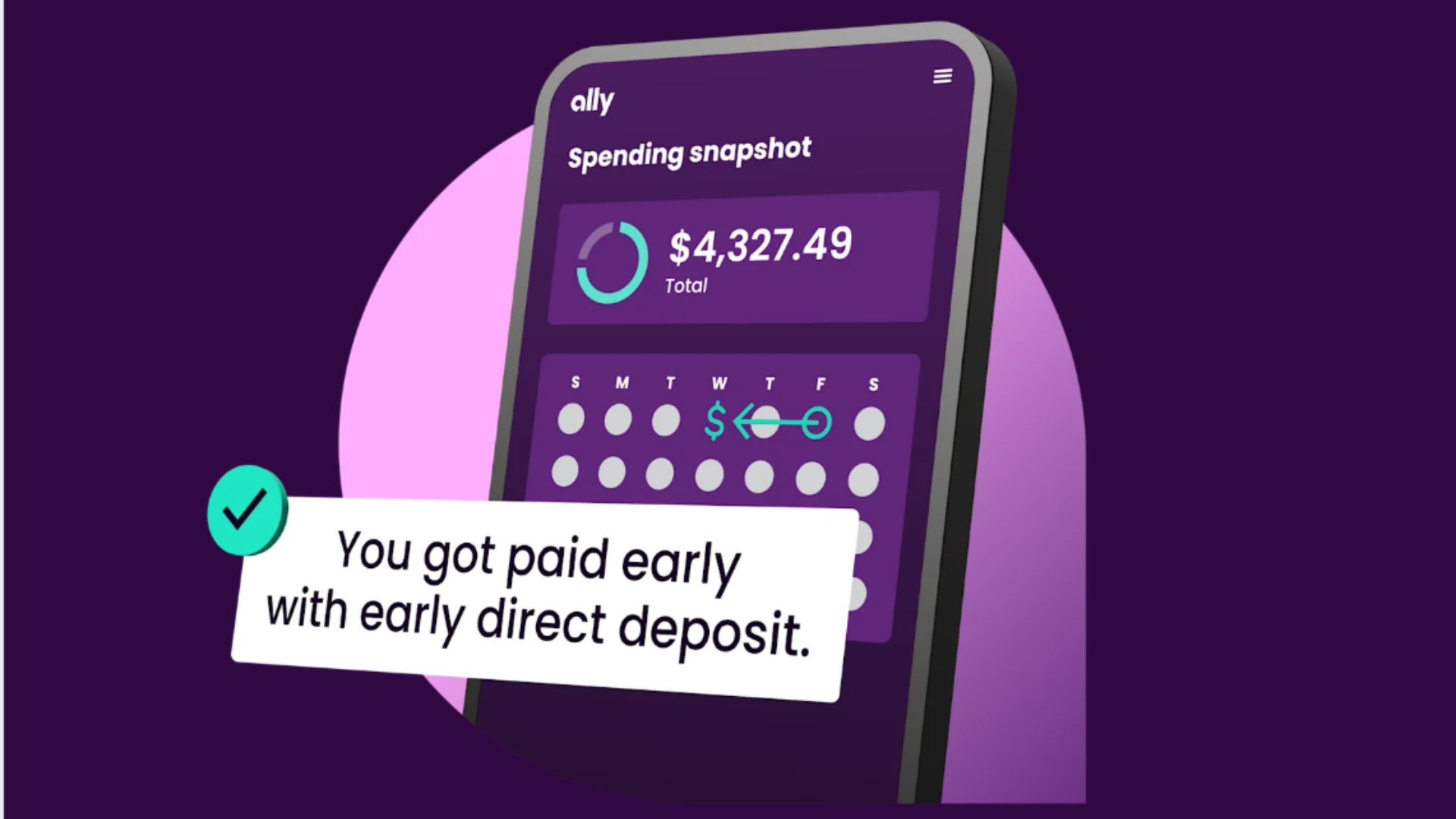
Ally Bank has redefined what customer service looks like for online-only banks. Despite having no physical branches, they've received the highest rankings for retail banking satisfaction among midsize banks in J.D. Power studies. Users consistently report that Ally's phone support answers quickly (average wait under five minutes), representatives are well-trained and empowered to solve problems, and the tone is friendly rather than scripted. The 24/7 availability means you can resolve urgent issues at any hour without waiting until business hours.
What distinguishes Ally is their investment in multiple support channels that all work seamlessly. Live chat is available directly in the mobile app and website, email responses typically arrive within 24 hours with substantive answers (not automated templates), and social media teams are surprisingly responsive. One reviewer mentioned resolving a complex fee dispute entirely through secure messaging without ever picking up the phone. The bank also provides extensive self-service tools, including detailed FAQs and video tutorials that actually answer common questions effectively.
Customer reviews emphasize that representatives don't rush you off the phone and take time to explain financial concepts clearly. Ally has also implemented several customer-requested features based on feedback, demonstrating they actually listen. The main criticism appears in situations requiring documentation—since everything is digital, some users find uploading multiple documents less convenient than handing papers to a branch teller, though Ally's support team helps walk customers through the process.
Pros:
True 24/7/365 customer support availability
Multiple support channels (phone, chat, email, social media)
Well-trained representatives with decision-making authority
No fees means fewer service disputes
Responsive to customer feedback and suggestions
Cons:
No physical branches for in-person assistance
Document submission entirely digital (challenging for some)
Complex issues can require multiple interactions
International support more limited than traditional banks
4. Discover Bank – Best for Award-Winning Phone Support
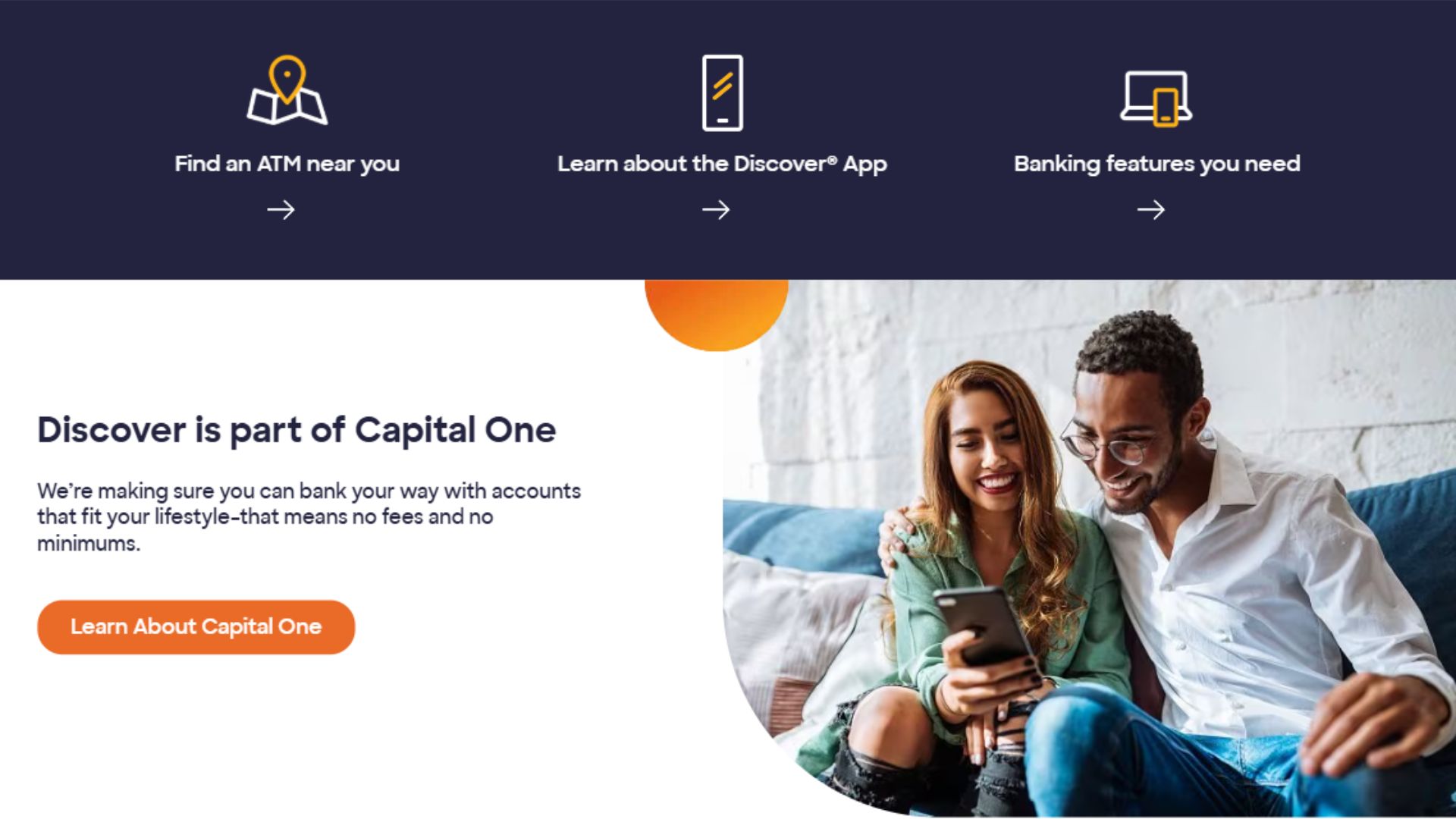
Best For: Customers who prefer phone support and value U.S.-based service
Pricing: No monthly fees on checking or savings accounts, no minimum balances
Key Features: 100% U.S.-based customer service, 24/7 phone support, cashback debit card, free checks
Discover Bank has won J.D. Power's customer service award multiple times, and their commitment to U.S.-based support is a major differentiator that users consistently mention in reviews. Every phone call connects you to an agent based in the United States, typically within three to four minutes. Representatives are known for being patient, thorough, and genuinely helpful rather than reading from scripts. Many reviewers specifically mention that they never feel rushed and that agents take ownership of problems until they're fully resolved.
The bank's customer service philosophy emphasizes problem prevention as much as problem-solving. Representatives proactively inform customers about upcoming fee changes, suspicious activity, or better account options that might suit their needs. One long-term customer shared how a Discover agent noticed they could earn more interest by switching account types and walked them through the change during a routine call about something else entirely. This proactive approach builds trust and explains why customer retention rates are well above industry averages.
Discover's phone-first approach means their other channels (chat, email) aren't quite as polished as competitors like Ally, but they're still functional and responsive. The mobile app includes click-to-call features that connect you quickly to specialists. Users appreciate the straightforward fee structure and clear communication, which means fewer surprise charges that require service calls. The few negative reviews typically relate to limited branch access (they partner with ATM networks but have minimal physical locations) rather than service quality issues.
Pros:
100% U.S.-based customer service representatives
Short phone wait times (average 3-4 minutes)
Proactive communication about account optimization
Representatives take ownership of issues until resolution
No hidden fees reduces service disputes
Cons:
Phone support stronger than digital channels
Limited physical branch access for complex needs
Some advanced features require specialist callbacks
International service less comprehensive than major banks
5. Capital One – Best for Omnichannel Support Experience

Best For: Customers who want flexibility to use phone, digital, and in-person support
Pricing: Free checking accounts (360 Checking), various savings options with no minimum balance
Key Features: Capital One Cafés for in-person support, 24/7 phone and chat, comprehensive mobile app, integration with Eno virtual assistant
Capital One has successfully bridged traditional and digital banking with their innovative Capital One Café concept—physical locations that combine banking services with coffee shops, creating a welcoming environment for financial discussions. Users praise the relaxed atmosphere and knowledgeable staff who can handle everything from basic transactions to complex financial planning. Unlike traditional branches with teller lines, these cafés offer one-on-one assistance without the institutional feel that intimidates some customers.
The digital experience is equally impressive. Capital One's mobile app consistently ranks among the best in the industry, and the integrated Eno virtual assistant handles routine questions instantly while smoothly transferring to human agents when needed. Live chat support is available 24/7 with typical response times under two minutes, and phone support remains robust with well-trained representatives. Reviews highlight that information is consistent across channels—you can start a conversation on chat, continue it in-person at a café, and follow up by phone without re-explaining everything.
Customer feedback emphasizes Capital One's strong fraud protection and responsive security team. Multiple users shared stories of receiving immediate text alerts about suspicious activity followed by quick phone calls from fraud specialists who resolved issues in minutes. The bank has also invested heavily in accessibility features, including excellent screen reader support and services for customers with disabilities. Some reviewers note that wait times can increase during peak periods, and not all locations have café branches, but overall satisfaction remains consistently high.
Pros:
Flexible support through cafés, phone, chat, and app
Innovative Capital One Café locations with welcoming atmosphere
Eno virtual assistant handles routine tasks effectively
Strong fraud protection with responsive security team
Consistent information across all support channels
Cons:
Café locations not available in all markets
Wait times increase during peak hours
Some complex issues require in-person visits
Account features can be overwhelming for basic users
6. Charles Schwab Bank – Best for High-Net-Worth Clients
Best For: Investors and high-net-worth individuals seeking premium banking integrated with investment services
Pricing: No account fees, no minimum balance, unlimited ATM fee reimbursements worldwide
Key Features: 24/7 phone support, dedicated relationship managers for larger accounts, seamless investment integration, global ATM access
Charles Schwab Bank delivers white-glove service that reviewers consistently describe as exceptional, particularly for clients with substantial assets or complex financial needs. While available to all customers, the service truly shines for those using Schwab's integrated banking and investment platform. Representatives are notably well-educated in both banking and investment topics, allowing them to provide holistic financial guidance rather than just transactional support. Users report that conversations feel consultative rather than scripted, with agents taking time to understand broader financial goals.
Phone support answers quickly (typically under five minutes) with U.S.-based representatives who have extensive training and authority to resolve issues without excessive transfers or escalations. For clients with significant relationships, Schwab assigns dedicated financial consultants who know your situation intimately and can be reached directly. One reviewer mentioned calling their dedicated consultant on a Saturday evening about an urgent international wire transfer and receiving immediate assistance. This level of personalized service is rare in modern banking and explains Schwab's loyal customer base.
The bank excels in areas that matter to affluent clients and frequent travelers—worldwide ATM fee reimbursements (truly unlimited, not capped like competitors), excellent foreign transaction support, and sophisticated online tools. The mobile app provides comprehensive account management, and secure messaging receives thoughtful responses from knowledgeable staff. The few criticisms relate to the bank's investment focus—customers who want pure banking without investment services might find the integrated approach overwhelming, and some basic banking features are less emphasized than investment capabilities.
Pros:
White-glove service particularly for larger accounts
Dedicated financial consultants for established clients
Representatives trained in both banking and investments
Unlimited worldwide ATM fee reimbursements
Sophisticated tools for complex financial situations
Cons:
Service approach assumes investment account integration
Can be overwhelming for customers seeking simple banking
Some features require significant account balances
Physical branch network more limited than traditional banks
7. American Express National Bank – Best for Premium Service Integration
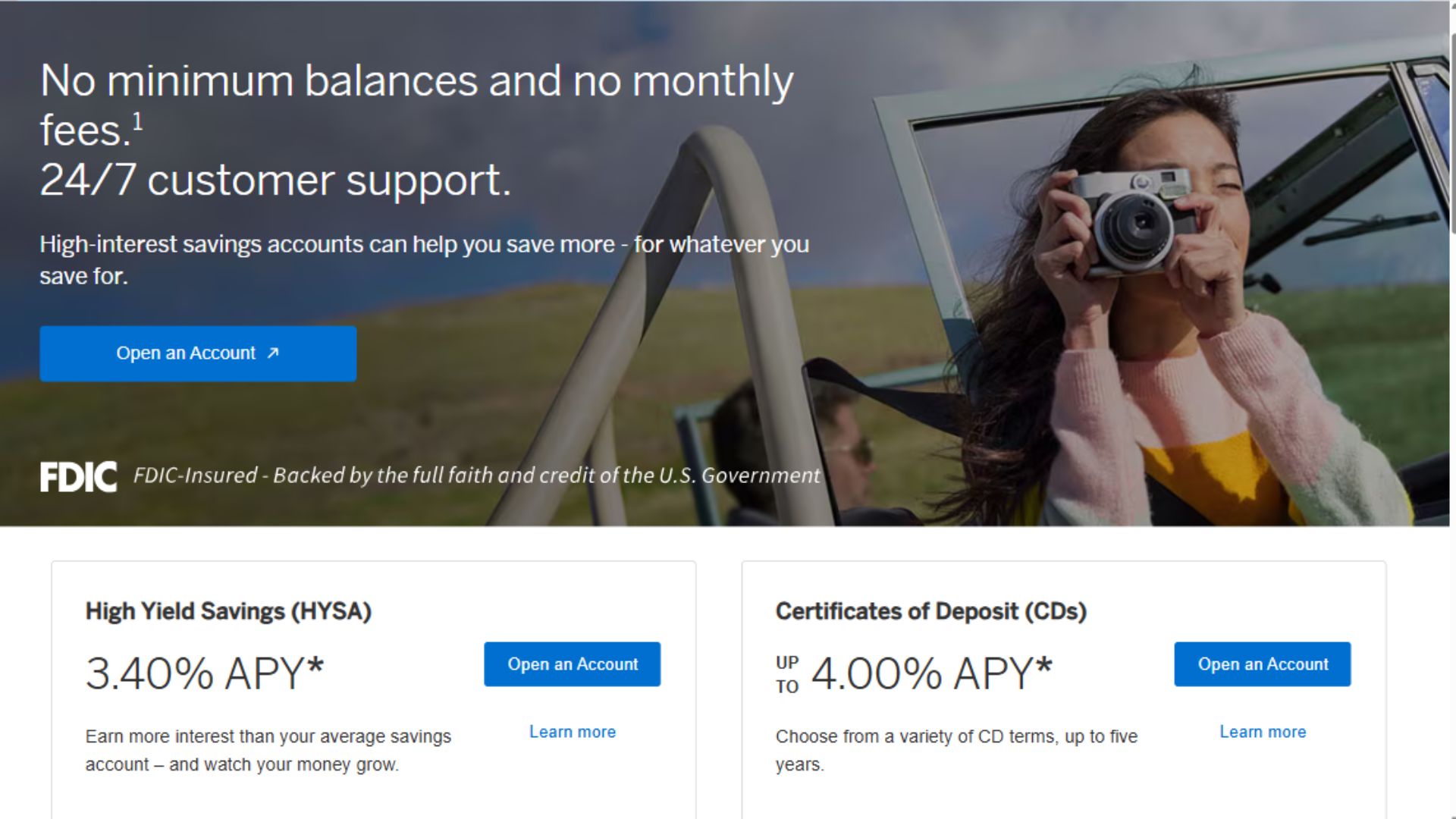
Best For: Existing Amex cardholders seeking premium banking experience with card integration
Pricing: No monthly fees, competitive high-yield savings rates, no minimum balance
Key Features: 24/7 customer service, integration with Amex card accounts, high-yield savings, premium member benefits
American Express has translated their legendary card customer service into their banking division, and reviewers consistently note that the experience feels premium from the first interaction. Representatives are professional, knowledgeable, and empowered to make customer-friendly decisions quickly. The average phone wait time is under four minutes, and the quality of interaction reflects Amex's service standards—agents actively listen, demonstrate genuine interest in resolving issues, and follow up to ensure satisfaction. Users frequently mention that speaking with Amex feels different from typical bank interactions, with less corporate scripting and more authentic problem-solving.
The integration between Amex credit cards and banking products creates seamless service experiences for existing cardholders. You can manage everything through a single app and contact center, representatives have full visibility across your accounts, and rewards or benefits often link together advantageously. One customer shared how an Amex representative noticed they weren't maximizing their savings rate and proactively suggested account adjustments that increased their earnings by hundreds of dollars annually. This consultative approach, common in their card business, extends naturally to banking services.
American Express's digital platform is polished and intuitive, with live chat and secure messaging that maintain the same service quality as phone support. The bank's fraud detection is sophisticated, and security teams respond rapidly to concerns. Users particularly value the straightforward approach—no confusing fee structures, clear interest rate communication, and honest guidance about product fit. The primary limitation is that Amex banking works best for those already in the Amex ecosystem; customers without existing Amex relationships may find better options elsewhere, and the product selection is narrower than full-service banks.
Pros:
Premium service quality consistent with Amex brand standards
Seamless integration with Amex credit card accounts
Representatives empowered to make customer-friendly decisions
Proactive optimization suggestions from agents
Sophisticated fraud detection with rapid response
Cons:
Best experience for existing Amex cardholders
Limited product selection compared to full-service banks
No physical branches for in-person service
International banking features less robust than global banks
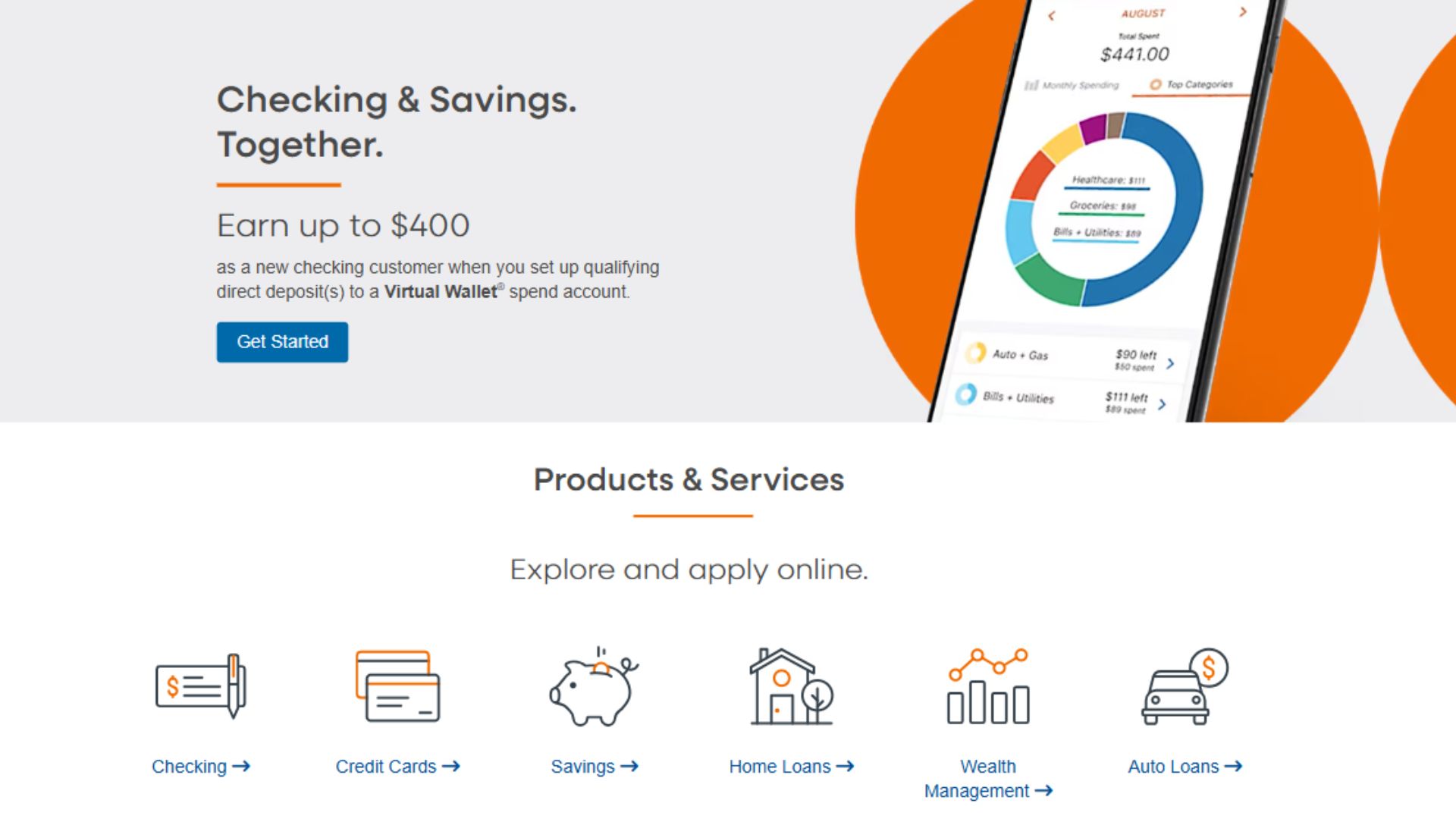
8. PNC Bank – Best for Regional Banking with Personal Touch
Best For: Customers in the Mid-Atlantic, Midwest, and Southeast seeking strong regional presence with personalized service
Pricing: Various account options including Virtual Wallet with low fees, some accounts require minimum balances
Key Features: Extensive branch network in coverage area, Virtual Wallet money management tools, mobile banking, relationship-based service
PNC Bank combines the resources of a major national bank with the personalized approach of regional institutions. Customer reviews consistently praise the branch experience, with many users mentioning they've worked with the same personal banker for years who knows their financial situation and proactively reaches out with relevant suggestions. This relationship-based model creates continuity that customers find reassuring, particularly when dealing with complex situations like mortgage applications or business banking needs. Walk into a PNC branch in your area, and staff often remember you by name.
Phone and digital support are also strong, though users note the real differentiator is in-person service. PNC has invested significantly in training branch staff to be financial consultants rather than just transaction processors. Representatives take time to understand your broader financial picture and offer genuine guidance rather than pushing products. One reviewer described how a PNC banker spent an hour helping them understand different mortgage options without any pressure, even suggesting they might find better rates elsewhere for their specific situation—a level of honesty that builds lasting trust.
The Virtual Wallet platform receives particular praise for its intuitive design and helpful money management features, with customer service that effectively guides users through the tools. PNC's mobile app is comprehensive, and chat support responds quickly with knowledgeable answers. The bank's approach to problem resolution is methodical—they document issues thoroughly and follow up to confirm satisfaction. Some users in areas without strong PNC presence report that service quality depends heavily on branch staffing, and wait times at popular locations can be significant during peak hours, but overall satisfaction remains high in their core markets.
Pros:
Strong relationship-based service with personal bankers
Extensive branch network in coverage regions
Staff trained as financial consultants, not just tellers
Excellent Virtual Wallet money management platform
Thorough problem documentation and follow-up
Cons:
Service quality varies outside core regional markets
Some accounts require minimum balances or fees
Branch wait times can be long during peak periods
Digital-only features less developed than online-first banks
9. Regions Bank – Best for Southern U.S. Community Banking
Best For: Customers in the South and Southeast who value community banking relationships
Pricing: Various checking options including Now Checking (free with requirements), standard savings accounts
Key Features: Strong community presence, extended branch hours, LockIt fraud protection, relationship banking
Regions Bank has built its reputation on deep community connections throughout the Southern United States, and this philosophy extends directly to customer service. Reviewers frequently mention that Regions feels like a "neighborhood bank" despite being a substantial regional institution with over 1,300 branches. Branch staff often live in the communities they serve, understand local needs, and take a genuinely personal interest in customer success. Multiple users shared stories of Regions representatives attending community events and recognizing them outside the bank, creating relationships that transcend typical business interactions.
The service approach emphasizes accessibility and convenience. Many Regions branches offer extended hours including Saturdays, making it easier to handle banking in-person when your schedule demands it. Phone support is responsive with reasonable wait times, and representatives demonstrate a problem-solving mentality rather than a policy-enforcement approach. One customer described how a Regions agent helped them avoid overdraft fees by suggesting they schedule transfers differently, saving money without any benefit to the bank—the kind of customer-first advice that builds loyalty.
Regions has also invested in digital capabilities while maintaining their personal touch. The mobile app is functional and improving, live chat support is available, and the LockIt feature gives customers control over their debit cards' security settings. Users appreciate that Regions strikes a balance—sophisticated enough for modern banking needs but not so technology-focused that personal relationships suffer. The primary criticisms relate to inconsistency across locations; service quality in major markets like Birmingham or Nashville receives consistently high marks, while smaller branches occasionally show gaps in training or responsiveness.
Pros:
Strong community banking relationships and local presence
Extended branch hours including Saturdays
Customer-first mentality in problem-solving
Personal bankers who understand local needs
LockIt fraud protection with customer control
Cons:
Service consistency varies by branch location
Digital capabilities lag behind online-first competitors
Some fees apply without meeting minimum requirements
Limited presence outside Southern states
10. TD Bank – Best for Extended Branch Hours and Accessibility
Best For: Customers on the East Coast who need flexible banking hours and convenient access
Pricing: TD Convenience Checking (fees waived with minimum balance), various savings options
Key Features: Extended hours (many branches open 7 days/week), "America's Most Convenient Bank," strong East Coast presence, bilingual services
TD Bank has earned the nickname "America's Most Convenient Bank" through their commitment to accessibility, and customer service reviews reflect this convenience-first philosophy. Most TD branches operate extended hours, with many open seven days a week including Sundays—a rarity in banking. This means you can handle complex issues requiring in-person visits without taking time off work or rushing during your lunch break. Users consistently praise the flexibility and the fact that weekend staff are just as knowledgeable and helpful as weekday teams.
Beyond hours, TD emphasizes genuine customer interaction. Branch employees are trained to greet customers warmly, use names, and create a welcoming environment rather than an institutional feel. The bank's "Make It Right" promise empowers employees to resolve issues creatively, and reviewers share numerous examples of representatives going beyond standard policies to ensure satisfaction. One customer mentioned making an error on a large transfer after hours on Saturday, and a TD banker stayed late to help reverse the transaction and prevent potential fees, even though it wasn't technically required.
Phone support is reliable with reasonable wait times, and the mobile app provides solid functionality for routine tasks. TD also offers strong bilingual services in areas with significant Spanish-speaking populations, with dedicated Spanish-language customer service lines and bilingual branch staff. The main criticisms involve fees—TD's account fees can be higher than competitors if you don't maintain required balances—and some users note that digital features aren't as advanced as online-first banks. However, for customers who value in-person service and scheduling flexibility, TD's convenience factor outweighs these concerns.
Pros:
Extended branch hours including Sundays at many locations
Consistent service quality across weekdays and weekends
"Make It Right" policy empowers employee problem-solving
Strong bilingual services in many markets
Genuine focus on customer convenience and accessibility
Cons:
Higher fees without maintaining minimum balances
Digital banking features less advanced than competitors
Coverage limited to East Coast primarily
Some locations very busy during extended hours
Comparison Summary
When comparing these top-rated banks, several clear patterns emerge based on customer priorities and needs.
For Military Families: Navy Federal Credit Union and USAA dominate this category, with Navy Federal offering slightly faster response times and USAA providing more comprehensive integration across financial products. Both far exceed civilian banks in understanding military-specific situations.
For Digital-First Banking: Ally Bank leads with superior 24/7 digital support and multiple channel options, while Discover Bank excels specifically in phone support quality. American Express National Bank offers premium digital experiences particularly for existing cardholders.
For In-Person Service: TD Bank wins on convenience and accessibility with extended hours, while PNC Bank and Regions Bank excel in relationship-based service. Capital One's café concept splits the difference with a more modern, welcoming physical environment.
For High-Net-Worth Clients: Charles Schwab Bank provides the most sophisticated service for complex financial situations and substantial assets, with American Express National Bank serving as a strong alternative for those preferring the Amex ecosystem.
Pricing varies significantly: Navy Federal, USAA, Ally, Discover, and American Express offer no-fee checking accounts with minimal requirements, making them most accessible for average consumers. PNC, Regions, and TD have fee structures that can be avoided with minimum balances but may cost more for low-balance customers. Charles Schwab and Capital One fall in the middle with fair fee structures for their service levels.
Setup and onboarding: Digital-first banks (Ally, Discover, American Express) offer the fastest account opening, often completed in under 10 minutes online. Traditional banks (PNC, Regions, TD) provide more guidance during setup but require more time. Credit unions (Navy Federal, USAA) have membership verification steps that add time but ensure service quality.
Buying Guide: Choosing a Bank with Excellent Customer Service
Who Needs to Prioritize Customer Service in Banking?
Everyone benefits from good customer service, but it's particularly critical if you frequently need assistance with complex transactions, manage substantial assets, travel internationally often, or have experienced frustrating service elsewhere. Small business owners, retirees, frequent travelers, and those with complex financial situations will interact with their bank's service team regularly and should prioritize this factor heavily. Additionally, if you're uncomfortable with purely digital banking and value in-person relationships, service quality becomes even more important to your satisfaction and financial security.
How Bank Customer Service Works
Bank customer service operates through multiple channels designed to address different needs and preferences. Phone support remains the most common for complex issues, with quality measured by wait times, representative knowledge, and first-call resolution rates. In-person branch service provides face-to-face assistance for complicated situations requiring documentation or personal guidance. Digital channels including live chat, secure messaging, and email support handle routine questions and increasingly sophisticated issues as technology improves. The best banks integrate these channels so your information transfers seamlessly, preventing you from repeating details across multiple interactions.
Service quality depends heavily on three factors: representative training and empowerment (can they actually solve your problem or just read scripts?), institutional culture (does the bank genuinely prioritize customers or maximize short-term profits?), and technological infrastructure (can agents access your complete history and make informed decisions quickly?). Banks with consistently high service ratings invest significantly in all three areas.
Key Features to Consider When Evaluating Customer Service
Availability and access hours: Does the bank offer 24/7 support or limited business hours? Are multiple channels (phone, chat, email, in-person) available, and do they all provide quality service or is one channel significantly better? Consider your personal schedule and communication preferences.
Response and resolution times: How long do you typically wait to reach a representative? More importantly, how often are issues resolved in the first interaction without callbacks or escalations? Banks with high first-call resolution rates (above 80%) save you significant time and frustration.
Representative knowledge and authority: Are you speaking with well-trained professionals who understand banking products and can make decisions, or are you talking to script readers who need supervisor approval for basic requests? User reviews often highlight this distinction clearly.
Proactive communication: Does the bank contact you about suspicious activity, upcoming fee changes, or opportunities to optimize your accounts? Proactive service prevents problems rather than just reacting to them.
Problem-solving approach: When issues arise, does the bank take ownership and follow through until resolution, or do problems fall through the cracks requiring you to follow up repeatedly? Look for banks with formal issue-tracking systems and follow-up protocols.
Specialized services: If you have specific needs (bilingual support, accessibility accommodations, military understanding, business banking expertise), ensure the bank offers specialized service in these areas rather than generic support that misses your unique requirements.
Pricing Overview and Service Tiers
Customer service quality generally correlates with account type, though many banks now offer excellent service across all customers to build loyalty.
Free accounts with premium service: Navy Federal, USAA, Ally, and Discover provide exceptional service on completely free checking and savings accounts with no minimum balances. This approach builds customer loyalty through service rather than fees.
Relationship-based pricing: PNC, Regions, and TD often waive monthly fees if you maintain minimum balances, set up direct deposits, or hold multiple accounts. Service quality typically remains consistent across account types, though customers with larger relationships may receive additional perks.
Premium account tiers: Capital One and Charles Schwab offer various account levels, with higher tiers sometimes receiving dedicated support teams or relationship managers. However, both banks maintain strong baseline service across all accounts.
Credit union membership value: Navy Federal and USAA require membership eligibility but provide superior service as part of their mission-driven approach. The service value far exceeds any minimal membership requirements.
DIY vs. Professional Guidance
Most routine banking can be handled through self-service options including mobile apps, ATMs, and online platforms. Modern banks provide extensive self-service tools that work well for deposits, transfers, bill payments, and account monitoring. This DIY approach is fastest for simple transactions and available 24/7.
However, complex situations benefit enormously from professional guidance: mortgage applications, fraud resolution, investment integration, business banking, international transactions, and financial planning all warrant speaking with knowledgeable representatives. The banks on this list excel specifically because their human support complements rather than replaces their digital tools. You're not forced to figure everything out yourself, but you're also not required to visit a branch for simple tasks.
The optimal approach uses self-service for routine transactions while leveraging professional support for complex needs, questions, or when problems arise. Banks with the best customer service make both options excellent rather than forcing you to choose between convenience and quality guidance.
Frequently Asked Questions
How important is customer service when choosing a bank compared to other factors like rates and fees?
Customer service becomes critically important when something goes wrong—fraud, errors, or complex transactions. While interest rates and fees matter for day-to-day economics, poor service during a crisis can cost you significantly more through unresolved disputes, fraudulent charges, or mistakes. Consider that you'll potentially bank with an institution for decades; even small service differences compound over time. For straightforward banking with minimal interaction, rates and fees matter more. For complex needs, frequent international transactions, or business banking, prioritize service quality heavily.
Do online banks provide customer service that's as good as traditional banks?
The best online banks (Ally, Discover, American Express) often exceed traditional banks in service quality because they invest heavily in phone and digital support to compensate for lack of physical branches. Average wait times are typically shorter, representatives are often more knowledgeable, and 24/7 availability provides flexibility impossible at branch-based banks. However, online banks can't help with services requiring in-person verification or physical document handling. If you never visit branches anyway, online banks frequently offer superior service. If you value face-to-face interaction, traditional or hybrid models (Capital One, PNC) work better.
How can I test a bank's customer service before fully switching?
Open a small savings account or secondary checking account with minimal initial deposit. Then intentionally contact customer service through different channels with questions about account features, fee structures, or hypothetical situations. Evaluate wait times, representative knowledge, and how thoroughly your questions are answered. Try contacting at different times (weekday mornings, evenings, weekends) to assess consistency. Check how quickly they respond to secure messages or emails. Read recent customer reviews focusing on service experiences. This testing period reveals actual service quality before you commit your primary banking relationship.
What should I do if I experience poor customer service at my current bank?
First, escalate within the bank by requesting a supervisor or manager. Document all interactions including dates, representative names, and outcomes. If issues persist, file formal complaints with the bank's customer service department and consider reporting to the Consumer Financial Protection Bureau (CFPB) for serious problems. Simultaneously, research alternative banks using this guide and begin transitioning your accounts. Many people tolerate poor service longer than they should—if service consistently frustrates you, switching banks is often simpler and less stressful than continued frustration with an unresponsive institution.
Are credit unions always better for customer service than traditional banks?
Credit unions like Navy Federal often excel at service because their member-owned structure prioritizes service over profit maximization. However, this isn't universal—some smaller credit unions lack resources for 24/7 support or sophisticated digital platforms. Meanwhile, customer-focused banks like Ally, Discover, and Capital One match or exceed many credit unions in service quality. Evaluate specific institutions rather than assuming credit unions automatically provide better service. The top credit unions do tend to rank highest in satisfaction surveys, but the best traditional banks also deliver excellent experiences.