But bad credit doesn't mean you're out of options. We've identified legitimate lenders that offer reasonable terms, transparent pricing, and pathways to actually improve your financial situation rather than making it worse. These lenders won't eliminate the higher costs that come with bad credit lending, but they will treat you fairly and give you a fighting chance to repay without drowning in fees.
Top 10 Best Bad Credit Loan Options
Upstart – Best for borrowers with limited credit history
LendingClub – Best for debt consolidation loans
Avant – Best for quick funding with bad credit
OneMain Financial – Best for in-person service
LendingPoint – Best for fair credit borrowers
Upgrade – Best for credit-building features
NetCredit – Best for very bad credit (below 580)
OppLoans – Best alternative to payday loans
Prosper – Best peer-to-peer lending platform
Universal Credit – Best for smaller loan amounts
Our Methodology
We evaluated over 30 bad credit lenders using strict criteria designed to identify companies that offer genuine help rather than predatory terms. Our primary factors included maximum APR caps (we excluded any lender regularly charging above 36% except where alternatives were severely limited), transparency of fees and terms, minimum credit score requirements, funding speed, and verified customer reviews from multiple sources including the Better Business Bureau and Consumer Financial Protection Bureau complaints database.
We prioritized lenders offering credit-building tools, financial education resources, and flexible repayment options. Each lender was assessed on their application process difficulty, customer service accessibility, and whether they report payments to credit bureaus (helping you rebuild credit). We also considered loan minimums and maximums to ensure options exist for various borrowing needs, from small emergency expenses to larger debt consolidation projects.
Detailed Reviews
1. Upstart – Best for Borrowers with Limited Credit History
Best for: People with thin credit files or non-traditional financial backgrounds
Pricing from: 7.80% - 35.99% APR | $1,000 - $50,000
Key features: AI-powered underwriting, considers education and employment, funding in 1 business day
Upstart revolutionizes bad credit lending by using artificial intelligence to evaluate your creditworthiness beyond just your FICO score. The platform considers factors like your education, job history, and area of study to assess your ability to repay. This makes Upstart particularly valuable if you're recently out of college, changing careers, or simply haven't built extensive credit history yet. The company reports that 75% of their loans are approved instantly through automation.
The application process is entirely online and remarkably fast. Most borrowers receive funds within one business day of approval, making this an excellent option for urgent needs. Upstart offers loan terms from three to five years with no prepayment penalties, allowing you to pay off your loan early without additional fees. The company reports all payments to the three major credit bureaus, giving you an opportunity to improve your credit score through consistent, on-time payments.
Pros:
Innovative AI underwriting considers non-traditional factors
Fast approval and next-day funding available
No prepayment penalties
Minimum credit score of only 300 considered
Reports to all three credit bureaus
Cons:
APR can reach 35.99% for highest-risk borrowers
Origination fees up to 12% of loan amount
Not available in all states (check availability)
Five-year maximum term may mean higher payments
2. LendingClub – Best for Debt Consolidation Loans
Best for: Consolidating high-interest credit card debt
Pricing from: 9.57% - 35.99% APR | $1,000 - $40,000
Key features: Joint applications accepted, direct creditor payment option, flexible terms up to 5 years
LendingClub pioneered peer-to-peer lending and has since evolved into a full-fledged bank, bringing additional regulatory oversight and consumer protections. Their debt consolidation loans can be sent directly to your creditors, ensuring the money goes toward paying off existing debts rather than being diverted elsewhere. This feature particularly appeals to borrowers serious about breaking the debt cycle. The platform accepts credit scores as low as 600 and evaluates your application holistically.
One of LendingClub's strongest features is the ability to add a co-borrower to your application, which can significantly improve your approval odds and potentially lower your interest rate. The company offers a rate discount of 0.25% when you set up automatic payments, and there are no prepayment penalties if your financial situation improves and you want to pay off the loan early. LendingClub provides extensive educational resources about debt management and credit building on their website.
Pros:
Direct payment to creditors for debt consolidation
Joint applications can improve terms
Autopay discount reduces APR by 0.25%
No prepayment penalties
Strong educational resources
Cons:
Requires minimum credit score of 600
Origination fees of 2% - 6%
Funding can take up to a week
Limited availability in some states
3. Avant – Best for Quick Funding with Bad Credit
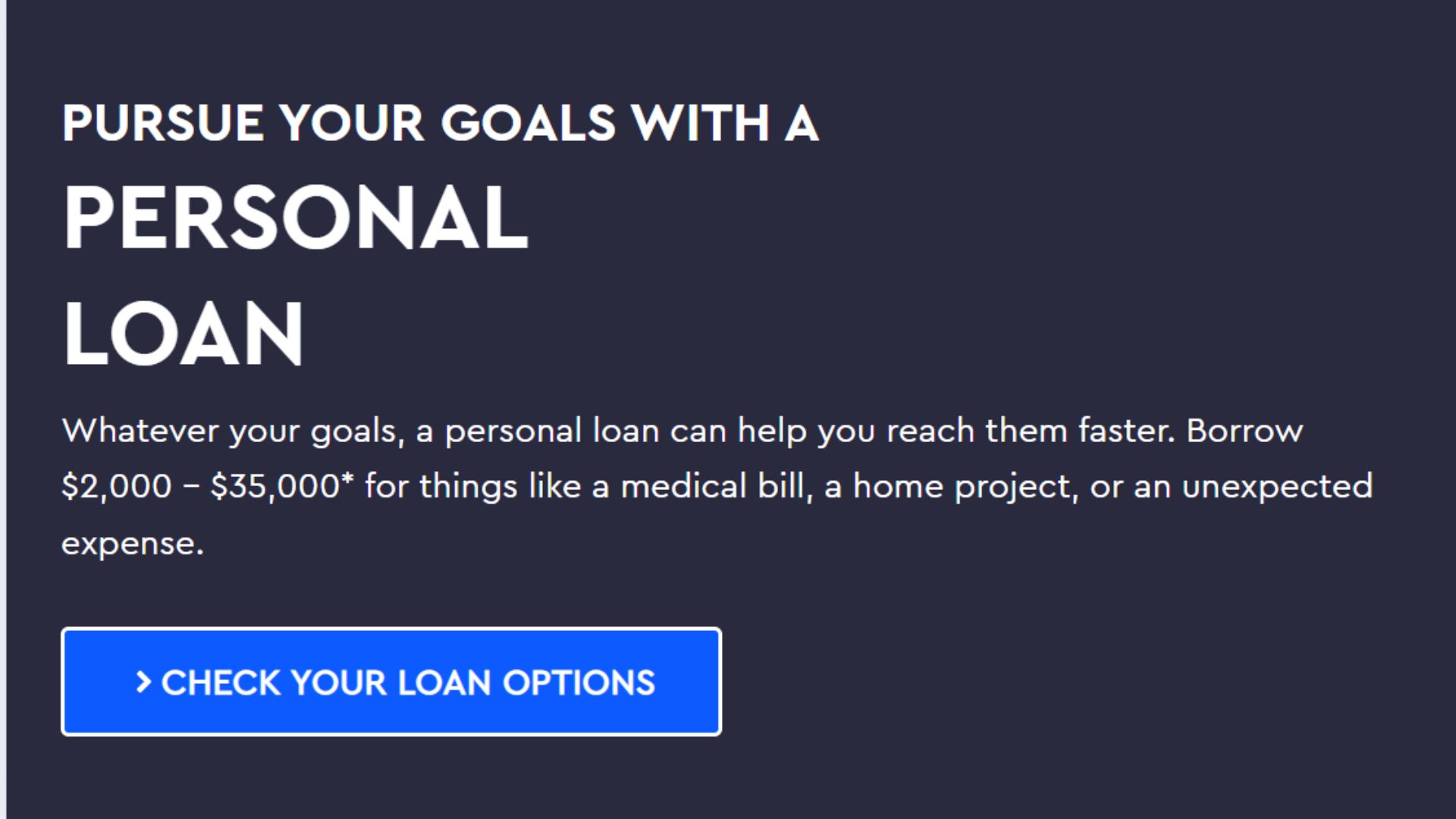
Best for: Emergency expenses when you need money within 24 hours
Pricing from: 9.95% - 35.99% APR | $2,000 - $35,000
Key features: Funding as fast as next business day, considers credit scores as low as 580, flexible payment dates
Avant specializes in serving borrowers with fair to bad credit, accepting credit scores as low as 580. What sets them apart is their speed—many borrowers receive funds as quickly as the next business day after approval. The company uses proprietary algorithms to make quick lending decisions while still evaluating your full financial picture beyond just your credit score. Avant's online platform is intuitive and easy to navigate, even if you're not particularly tech-savvy.
The lender offers a valuable flexibility feature allowing you to choose your payment date, which can be helpful if your income arrives at unusual times of the month. Avant reports to all three major credit bureaus, providing an opportunity to rebuild your credit through consistent payments. The company is transparent about fees upfront, with an administration fee that's deducted from your loan proceeds. Customer service is accessible through multiple channels, including phone support during extended hours.
Pros:
Fast funding (often next business day)
Accepts credit scores as low as 580
Choose your own payment date
Transparent fee structure
User-friendly online platform
Cons:
Administration fee up to 4.75%
Higher APRs for lower credit scores
Shorter maximum loan term (5 years)
No rate discount for autopay
4. OneMain Financial – Best for In-Person Service
Best for: Borrowers who prefer face-to-face interaction and guidance
Pricing from: 18.00% - 35.99% APR | $1,500 - $20,000
Key features: 1,400+ branch locations, secured and unsecured loans, same-day decisions possible
OneMain Financial operates over 1,400 physical branches across the United States, making them the go-to choice for borrowers who want to sit down with a real person and discuss their options. This is particularly valuable if you find financial matters confusing or intimidating. Their loan specialists can walk you through the entire process, explain terms in plain language, and help you understand exactly what you're signing up for. OneMain accepts borrowers with credit scores below 600 and doesn't have a specific minimum credit score requirement.
The company offers both secured and unsecured loans. If you have a vehicle you can use as collateral, you may qualify for a secured loan with better terms. OneMain also allows co-applicants, which can improve your chances of approval and potentially lower your rate. The application process can be completed either in person or online, and decisions are often made the same day. While their APRs are on the higher end, they're still far better than payday loans and include fixed monthly payments that make budgeting easier.
Pros:
Extensive branch network for in-person service
No minimum credit score requirement
Secured loan options for better rates
Same-day decisions available
Co-applicant option improves approval odds
Cons:
High APRs starting at 18%
Loan origination fees vary by state
Smaller maximum loan amount ($20,000)
Limited to shorter-term loans
5. LendingPoint – Best for Fair Credit Borrowers
Best for: Credit scores in the 600-660 range
Pricing from: 7.99% - 35.99% APR | $2,000 - $36,500
Key features: Credit scores as low as 600 accepted, funding in 1-2 business days, rate lock guarantee
LendingPoint fills an important niche for borrowers with fair credit who fall between traditional bank lending and bad credit lenders. They accept credit scores as low as 600 but offer significantly better rates than many competitors for borrowers in the 600-660 range. The company considers factors beyond your credit score, including your income, employment history, and banking relationship, which can work in your favor if you have steady income despite past credit challenges.
The application process is straightforward and can be completed online in minutes. LendingPoint offers a rate lock feature, meaning once you're approved and accept your rate, it won't change even if market rates increase before you complete the process. Funding typically occurs within one to two business days. The platform provides a clear repayment schedule upfront so you know exactly what to expect. They report to all major credit bureaus, allowing you to build credit with on-time payments.
Pros:
Competitive rates for fair credit scores
Fast funding (1-2 business days)
Rate lock guarantee
Considers income and employment history
Reports to all three credit bureaus
Cons:
Requires minimum credit score of 600
Origination fees not clearly disclosed upfront
Not available in all states
Customer service reviews are mixed
6. Upgrade – Best for Credit-Building Features
Best for: Borrowers committed to improving their credit score
Pricing from: 8.49% - 35.99% APR | $1,000 - $50,000
Key features: Free credit monitoring, credit health tracking tools, hardship program available
Upgrade distinguishes itself by treating your loan as part of a broader financial wellness journey. Beyond just providing funds, they offer free credit monitoring, credit score tracking, and educational resources to help you understand and improve your financial health. The platform shows you how your loan and payment behavior affect your credit score, providing motivation and guidance for building better credit habits. They accept credit scores as low as 580 with verifiable income.
The company offers what they call "credit health loans" that combine personal lending with credit-building tools. Upgrade automatically reduces your interest rate if you make on-time payments, rewarding responsible borrowing behavior. They also provide a hardship program for borrowers who encounter temporary financial difficulties, offering payment flexibility rather than immediately sending you to collections. The application process is entirely online and typically provides decisions within minutes.
Pros:
Free credit monitoring and tracking tools
Interest rate reductions for on-time payments
Hardship program for financial difficulties
Educational resources included
Considers credit scores as low as 580
Cons:
Origination fees of 2.9% - 8%
APR can reach 35.99% for highest-risk borrowers
Funding takes 1-4 business days
Not available in Iowa, West Virginia, or Washington DC
7. NetCredit – Best for Very Bad Credit (Below 580)
Best for: Borrowers with credit scores below 580
Pricing from: 34% - 155% APR | $1,000 - $10,000
Key features: No minimum credit score, fast online application, line of credit option available
NetCredit serves borrowers with very bad credit who might not qualify anywhere else, including those with credit scores below 580. While their APRs are significantly higher than other lenders on this list, they're still far better than payday loans and offer structured repayment plans rather than balloon payments. The company evaluates your overall financial situation, including your income and employment, rather than relying solely on credit scores. They're transparent about their pricing and terms from the start.
NetCredit offers both installment loans and lines of credit, providing flexibility depending on your needs. The line of credit option can be particularly useful for ongoing expenses, as you only pay interest on what you actually borrow. The application process is entirely online and typically takes less than a day for a decision. The company reports your payments to major credit bureaus, giving you an opportunity to rebuild your credit despite the high cost of borrowing. Customer service is accessible via phone, email, and online chat.
Pros:
No minimum credit score requirement
Fast online application and approval
Line of credit option available
Reports to credit bureaus
More affordable than payday loans
Cons:
Very high APRs (up to 155% in some states)
Origination fees apply in some states
Smaller maximum loan amount
High cost of borrowing overall
8. OppLoans – Best Alternative to Payday Loans
Best for: Small emergency loans without payday loan traps
Pricing from: 160% - 179% APR | $500 - $4,000
Key features: No credit score requirement, installment payments, no rollovers or hidden fees
OppLoans specifically targets borrowers who might otherwise turn to payday loans, offering a significantly better alternative despite still-high APRs. Unlike payday loans that require full repayment in two weeks (often trapping borrowers in rollover cycles), OppLoans provides installment plans with fixed monthly payments over 9-36 months. This structure makes repayment manageable and prevents the balloon payment crisis that characterizes predatory lending. The company doesn't check your credit score and focuses instead on your income and banking history.
The application is fast and entirely online, with funding often available the next business day. OppLoans is transparent about their fees—there are none beyond the interest rate. No origination fees, no prepayment penalties, and no rollover fees. The company reports your payments to all three credit bureaus, turning your emergency loan into a credit-building opportunity. While the APR is extremely high, OppLoans represents a harm-reduction approach for borrowers with no other options, preventing the debt spirals associated with payday lending.
Pros:
Much better than payday loans
Installment payments (not balloon payments)
No hidden fees or rollovers
Reports to all three credit bureaus
Fast approval and funding
Cons:
Extremely high APRs (160-179%)
Small maximum loan amount ($4,000)
Only available in 37 states
Still very expensive borrowing
9. Prosper – Best Peer-to-Peer Lending Platform
Best for: Borrowers who prefer marketplace lending
Pricing from: 8.99% - 35.99% APR | $2,000 - $50,000
Key features: Peer-funded loans, joint applications accepted, competitive rates for debt consolidation
Prosper operates as a peer-to-peer marketplace where individual investors fund your loan rather than a traditional bank. This model can sometimes result in better rates because you're competing for investor attention based on your full story, not just a credit score. Prosper accepts credit scores as low as 600 and allows you to write a personal note explaining your situation to potential investors, adding a human element to the lending process. The platform is particularly strong for debt consolidation loans.
Joint applications are accepted, allowing you to apply with a co-borrower to potentially improve your terms. Prosper charges a one-time origination fee deducted from your loan proceeds but has no other hidden fees or prepayment penalties. The platform provides robust tools to help you understand how different loan amounts and terms will affect your monthly payment and total interest paid. Prosper reports to all three credit bureaus, helping you build credit through on-time payments. Funding typically takes 3-5 business days after approval.
Pros:
Marketplace model can yield competitive rates
Personal stories considered beyond credit scores
Joint applications accepted
Large loan amounts available (up to $50,000)
No prepayment penalties
Cons:
Requires minimum credit score of 600
Origination fees of 2.41% - 5%
Longer funding timeline (3-5 days)
Not available in all states
10. Universal Credit – Best for Smaller Loan Amounts

Best for: Loans under $2,000 for immediate needs
Pricing from: 11.69% - 35.99% APR | $1,000 - $15,000
Key features: Low minimum loan amount, considers scores as low as 560, online prequalification
Universal Credit serves borrowers needing smaller loan amounts for immediate expenses like car repairs, medical bills, or emergency home repairs. They accept credit scores as low as 560 and offer prequalification that lets you check potential rates without affecting your credit score. The company evaluates multiple factors including your income, employment stability, and banking history rather than relying solely on credit scores, giving you a better chance at approval despite past credit problems.
The online platform is straightforward and easy to use, with most decisions made within one business day. Universal Credit offers loan terms from 36 to 60 months, providing flexibility in your monthly payment amount. The company reports to all major credit bureaus, helping you rebuild your credit through consistent payments. They also provide educational resources about budgeting and credit management. While not the cheapest option, Universal Credit fills an important gap for smaller loans that other lenders often ignore.
Pros:
Low minimum loan amount ($1,000)
Accepts credit scores as low as 560
Prequalification available without credit impact
Considers multiple approval factors
Reports to all three credit bureaus
Cons:
APR can reach 35.99%
Origination fees not clearly disclosed
Smaller maximum loan amount ($15,000)
Limited customer service hours
Comparison Summary
When comparing these lenders, several clear patterns emerge. For borrowers with credit scores above 600, Upstart, LendingClub, LendingPoint, and Prosper offer the best combination of reasonable rates (starting below 10% APR) and favorable terms. These lenders should be your first stops if your credit score is in the fair range.
If your credit score falls below 600 but above 580, Avant, Upgrade, and Universal Credit provide realistic options with APRs typically in the 20-36% range. While these rates are high, they're structured as installment loans with fixed payments that won't trap you in debt cycles. For borrowers with very poor credit (below 580) or no credit score at all, NetCredit and OppLoans represent the safest alternatives to predatory payday lenders, though their APRs remain extremely high.
Price-wise, expect to pay anywhere from 8% to 36% APR for mainstream bad credit lenders, and up to 179% APR for lenders of last resort like OppLoans. Setup varies from entirely online (Upstart, Avant, Prosper) to hybrid models offering in-person service (OneMain Financial). Funding speed ranges from same-day to one week, with digital-first lenders generally being fastest. Upstart, Upgrade, and LendingClub stand out for offering credit-building tools beyond just the loan itself, making them excellent choices if you're serious about improving your financial situation long-term.
Buying Guide: Understanding Bad Credit Loans
Who Needs Bad Credit Loans
Bad credit loans serve individuals with credit scores typically below 670 who don't qualify for traditional bank loans or prime credit cards. This includes people recovering from bankruptcy, those with past payment delinquencies, individuals with limited credit history, or anyone who has experienced financial hardship due to medical bills, divorce, job loss, or other life circumstances. These loans provide access to necessary funds when emergency expenses arise or when consolidating existing high-interest debt makes financial sense.
Understanding whether you need a bad credit loan starts with knowing your credit score and exploring your options. If you haven't checked your credit recently, obtain a free copy of your credit report from each of the three major bureaus through AnnualCreditReport.com. Review the report carefully for errors that might be dragging down your score unnecessarily—dispute any inaccuracies before applying for loans. If your score is genuinely low due to past behavior, these specialized lenders provide pathways forward that traditional banks simply don't offer.
How Bad Credit Loans Work
Bad credit loans function similarly to traditional personal loans but with adjusted risk models and pricing. You apply online or in person, providing information about your income, employment, debts, and financial history. The lender evaluates this information, often using alternative data points beyond your credit score, to assess your ability to repay. If approved, you receive funds either as a lump sum (installment loan) or as available credit (line of credit).
Repayment occurs through fixed monthly installments over a set period, typically 2-5 years. The interest rate remains fixed for the loan duration, making budgeting predictable. Your payment history is reported to credit bureaus, meaning on-time payments gradually improve your credit score while missed payments damage it further. Many bad credit lenders include credit-building tools, financial education, and payment flexibility programs to help you succeed rather than setting you up for failure.
Key Features to Consider
Look for lenders that cap their APR at or below 36%, which consumer advocates consider the maximum for fair lending. Avoid any lender that doesn't clearly disclose their interest rates and fees upfront—transparency is essential. Check whether the lender reports to all three major credit bureaus (Experian, Equifax, and TransUnion), as this determines whether your responsible payments will actually help rebuild your credit.
Consider the total cost of the loan, not just the monthly payment. A longer loan term means lower monthly payments but significantly more interest paid over time. Evaluate origination fees, which can range from 0% to 12% of your loan amount. Look for lenders offering prequalification that doesn't affect your credit score, allowing you to shop rates safely. Confirm there are no prepayment penalties so you can pay off the loan early if your situation improves. Finally, read reviews carefully, focusing on how the lender treats customers who encounter financial difficulties—the best bad credit lenders offer hardship programs rather than immediately pursuing aggressive collections.
Pricing Overview and Alternatives
Understanding Bad Credit Loan Pricing
Bad credit loans cost significantly more than prime rate lending due to the higher risk lenders assume. Expect APRs ranging from 7.99% to 35.99% for mainstream bad credit lenders, which translates to substantially higher total interest paid over the loan life. For example, a $10,000 loan at 10% APR over five years costs $2,748 in interest, while the same loan at 35% APR costs $9,645 in interest—more than doubling the total amount repaid.
Origination fees add to the upfront cost, typically ranging from 1% to 12% of the loan amount and deducted from your proceeds. On a $10,000 loan, a 5% origination fee means you only receive $9,500 but repay based on the full $10,000. Some lenders also charge late payment fees (typically $15-$39 per occurrence) and check processing fees if you don't use electronic payments. Always calculate the total cost of borrowing using the APR, which includes both interest and fees, to compare offers accurately.
DIY Alternatives to Bad Credit Loans
Before taking out a high-interest bad credit loan, exhaust alternatives that might cost less or provide temporary relief. Contact your creditors directly to negotiate payment plans or hardship programs—many credit card companies and utility providers offer temporary relief you won't know about unless you ask. Check if you qualify for local assistance programs through community organizations, churches, or nonprofit credit counseling agencies that may provide emergency grants or interest-free loans.
Consider asking trusted family members or friends for help, formalizing the arrangement with a written agreement and payment schedule to protect both parties. Sell items you no longer need through online marketplaces to raise quick cash. Pick up a temporary side job or gig work to cover the immediate shortfall. If you have a 401(k), explore loan options from your retirement account—while generally not recommended, a 401(k) loan charges you interest that you pay back to yourself and doesn't affect your credit. Use these strategies to minimize how much you need to borrow at high interest rates or avoid borrowing entirely.
Frequently Asked Questions
What's the difference between a bad credit loan and a payday loan?
Bad credit loans (also called installment loans) provide fixed monthly payments over several months or years, with APRs typically ranging from 8% to 36% for mainstream lenders. Payday loans, by contrast, are short-term loans (usually two weeks) that must be repaid in full from your next paycheck, often carrying APRs of 400% or higher. The structure of payday loans frequently traps borrowers in cycles of rollovers and renewals, while installment loans provide a clear path to being debt-free with predictable payments you can budget for.
Will applying for a bad credit loan hurt my credit score?
The initial application triggers a soft credit inquiry (during prequalification) that doesn't affect your score, but accepting a loan offer results in a hard inquiry that typically lowers your score by a few points temporarily. However, this minor short-term impact is outweighed by the potential long-term benefit of establishing a positive payment history. If you make on-time payments, most borrowers see their credit score
improve within 6-12 months. Missing payments will damage your score significantly, so only borrow what you can realistically afford to repay.
How can I improve my chances of approval for a bad credit loan?
Demonstrate stable income by providing recent pay stubs, tax returns, or bank statements showing regular deposits. Consider adding a co-borrower or co-signer with better credit, which significantly improves approval odds and may lower your interest rate. Reduce your debt-to-income ratio by paying down existing debts before applying if possible. Apply for an amount you genuinely need rather than the maximum available—smaller loans are easier to get approved. Choose lenders that explicitly serve borrowers with your credit score range rather than wasting applications with lenders who will automatically reject you.
Should I consolidate debt with a bad credit loan?
Debt consolidation makes sense if the loan's APR is lower than the weighted average rate of your current debts and if you're disciplined enough not to rack up new balances on the credit cards you pay off. Calculate whether the monthly payment on the consolidation loan actually saves you money or just extends your debt over a longer period, increasing total interest paid. Be especially careful if you're consolidating unsecured debt (like credit cards) with a secured loan using your car as collateral—you don't want to risk losing an asset to unsecured debts. For many people, working with a nonprofit credit counseling agency to establish a debt management plan provides better results than taking out another loan.
How do I avoid predatory lenders when I have bad credit?
Red flags include pressure tactics demanding immediate decisions, requests for upfront fees before receiving loan proceeds, vague or confusing terms, unwillingness to provide written documentation, APRs above 36%, and lenders who don't check your ability to repay. Legitimate lenders are licensed in your state (verify through your state attorney general's website), clearly disclose all terms in writing, conduct affordability assessments, and report payments to credit bureaus. Trust your instincts—if something feels wrong or too good to be true, walk away. Take time to compare multiple offers and read reviews from independent sources before making a decision.