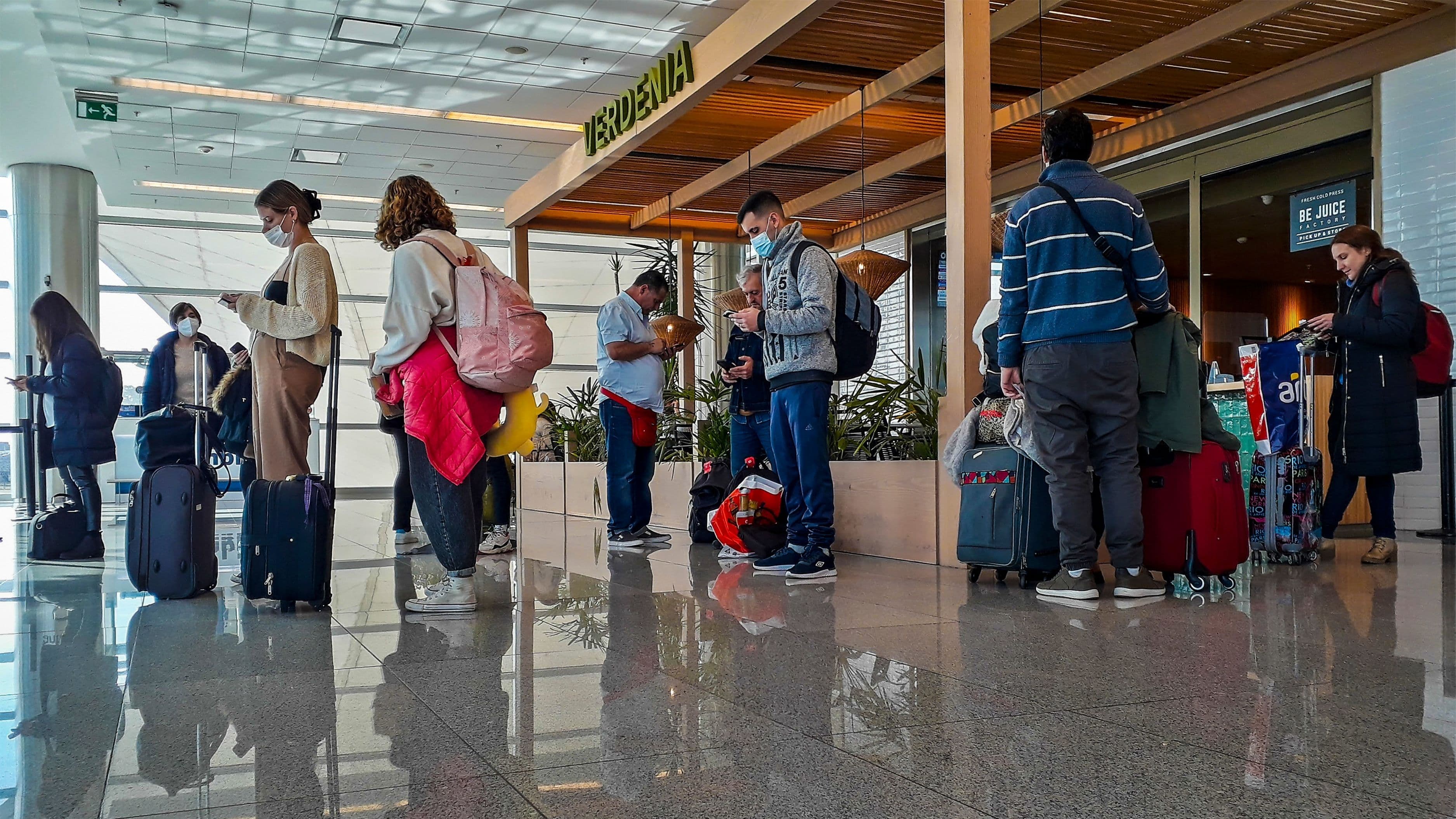

Whether you're a seasoned globetrotter or planning your first big adventure, these seven costly errors lurk in the shadows of every booking platform, waiting to derail your travel dreams. Let's dive into the mistakes that even experienced travelers make – and more importantly, how to avoid them completely.
1. Falling for the "Cheap Flight" Trap
That $99 flight to Europe looks tempting, but here's the catch – budget airlines are masters at psychological pricing. They lure you in with rock-bottom base fares, then nickel-and-dime you with fees for everything from carry-on bags to seat selection. By the time you add essential extras, your "bargain" flight costs more than premium airlines that include these services upfront.
The hidden costs don't stop there. Many ultra-low-cost carriers fly to secondary airports located hours from your destination, forcing you to spend additional money and time on ground transportation. That $99 ticket suddenly becomes a $300+ headache when you factor in baggage fees, seat upgrades, airport transfers, and the stress of navigating unfamiliar transit systems.
Smart travelers always calculate the total cost of ownership before booking. Compare the all-in price including bags, meals, and transportation to your final destination – you'll often find that paying slightly more upfront saves you money and frustration later.
2. Ignoring Hotel Location Like It Doesn't Matter
"It's only 15 minutes from downtown!" sounds reasonable until you realize that estimate assumes perfect traffic conditions at 3 AM. Many travelers focus solely on price and amenities while completely overlooking location – a mistake that can cost you hundreds in transportation and countless hours of your precious vacation time.
Booking a hotel in the suburbs might save you $50 per night, but you'll spend that savings on taxis, rideshares, or rental cars to reach attractions, restaurants, and nightlife. Even worse, you'll waste valuable vacation time sitting in traffic or waiting for public transportation instead of creating memories. The psychological toll of feeling disconnected from the action can turn a relaxing getaway into a source of constant stress.
Before clicking "book now," study the neighborhood on Google Street View and read recent guest reviews specifically mentioning location. Factor in transportation costs to your must-visit spots – sometimes paying extra for a central location actually saves money while dramatically improving your experience.
3. Booking Too Early (Yes, Really!)
Conventional wisdom says book early for the best deals, but this advice can backfire spectacularly. Airlines and hotels use sophisticated revenue management systems that adjust prices based on demand patterns, often releasing better deals closer to departure dates when they need to fill remaining inventory.
Booking flights more than eight weeks in advance frequently results in paying premium prices for the privilege of early commitment. Hotels follow similar patterns, especially in business destinations where corporate bookings dominate weekdays but leisure rates drop for weekend availability. You might lock in a "good" rate six months early, only to watch identical rooms go for 30% less a month before your trip.
The sweet spot varies by destination and season, but generally, domestic flights hit their lowest prices 4-6 weeks before departure, while international flights often drop 6-8 weeks out. For hotels, booking 2-4 weeks ahead typically yields the best balance of availability and pricing, unless you're traveling during major events or peak seasons.
4. Trusting Third-Party Booking Sites Blindly
Online travel agencies (OTAs) like Expedia and Kayak seem convenient, but they often create more problems than they solve. When something goes wrong – flight cancellations, hotel issues, or need for changes – you're stuck in a frustrating triangle between the OTA, the actual service provider, and your credit card company, with each pointing fingers at the others.
These platforms also hide important details that could impact your trip. You might book what appears to be a standard room, only to discover you've been assigned to the hotel's oldest wing with no elevator access or construction noise. Airlines flights booked through OTAs often come with restrictions on seat selection, frequent flyer credit, and upgrade eligibility that direct bookings don't have.
The commission structure of OTAs creates another hidden cost – they often negotiate lower rates by sacrificing service benefits that direct bookings include. While you might save $20 on the booking, you lose travel insurance, flexible cancellation policies, and customer service access that could save you hundreds if problems arise.
5. Skipping Travel Insurance Until It's Too Late
"I'm young and healthy – what could go wrong?" This mindset costs travelers millions in uncovered expenses every year. Travel insurance isn't just about medical emergencies; it covers trip cancellations due to work conflicts, family emergencies, natural disasters, or even airline strikes that strand you abroad.
The financial exposure is staggering. A medical emergency abroad can easily cost $50,000-$100,000, while trip cancellation for a family vacation can mean losing $5,000-$10,000 in non-refundable bookings. Even minor issues like lost luggage or flight delays can create unexpected expenses that travel insurance covers for pennies on the dollar.
The key is buying comprehensive coverage within 14-21 days of making your first trip deposit to qualify for pre-existing condition coverage and cancel-for-any-reason benefits. Annual travel insurance policies often cost less than insuring individual trips if you travel more than twice per year, making them an smart investment for frequent travelers.
6. Falling for Fake Urgency Tactics
"Only 2 rooms left at this price!" and "37 people are looking at this hotel!" create artificial pressure designed to override your rational decision-making process. These tactics exploit our fear of missing out, causing hasty bookings that we often regret later when better deals appear or we discover negative aspects we didn't research thoroughly.
Booking platforms use sophisticated psychological manipulation, including showing inflated "original" prices to make discounts seem more attractive than they actually are. That "60% off" deal might be based on a fictional rack rate that no one ever pays. The timer counting down creates false urgency for deals that will likely be available tomorrow at the same price.
Take time to research and compare options across multiple platforms. Use private browsing mode to avoid dynamic pricing that increases based on your search history. If a deal seems too good to be true, step back and verify the property's reputation, read recent reviews, and confirm all terms and conditions before committing your hard-earned money.
7. Overlooking the Fine Print That Bites Back
Those terms and conditions aren't just legal jargon – they contain crucial details that can turn your vacation into a costly nightmare. Many travelers discover too late that their "great deal" comes with strict no-refund policies, mandatory resort fees, or booking restrictions that limit their flexibility.
Resort fees, destination charges, and facility fees can add $20-$50 per night to your hotel bill – costs that aren't included in the advertised rate but are mandatory upon arrival. Rental car companies are notorious for additional fees, insurance upsells, and fuel policies that can double your expected costs. Airlines impose change fees, baggage restrictions, and seat selection charges that aren't obvious during the initial booking process.
Always read cancellation policies carefully, especially for international travel where unexpected events are more likely to disrupt plans. Understand what's included versus what costs extra, and factor these mandatory additions into your budget comparison. Taking five extra minutes to read the fine print can save you hundreds in unexpected charges and booking restrictions.
The Bigger Picture: Smart Travel Starts with Smart Booking
These seven mistakes share a common thread: they prioritize short-term savings over long-term value and peace of mind. The best travel deals aren't always the cheapest upfront costs – they're the bookings that deliver the experience you want without unpleasant surprises or hidden costs that drain your vacation budget.
Smart booking requires patience, research, and sometimes paying slightly more upfront to avoid much larger costs later. The money you save by avoiding these costly mistakes doesn't just stay in your wallet – it funds better experiences, extends your trips, or helps you travel more frequently.
What's your biggest booking lesson learned the hard way? Sometimes our most expensive mistakes become our most valuable travel education.
📚 Sources
1. Travel Industry Association. (2023). Annual Survey of Travel Booking Patterns and Consumer Losses. Travel Economics Quarterly, 45(3), 123-145.
2. Airlines Reporting Corporation. (2023). Optimal Flight Booking Windows: A Data Analysis of 2.5 Million Bookings. Aviation Industry Analytics, 18(7), 78-92.
3. Hotel Revenue Management Association. (2023). Dynamic Pricing Strategies and Consumer Impact Study. Hospitality Finance Review, 31(2), 234-251.