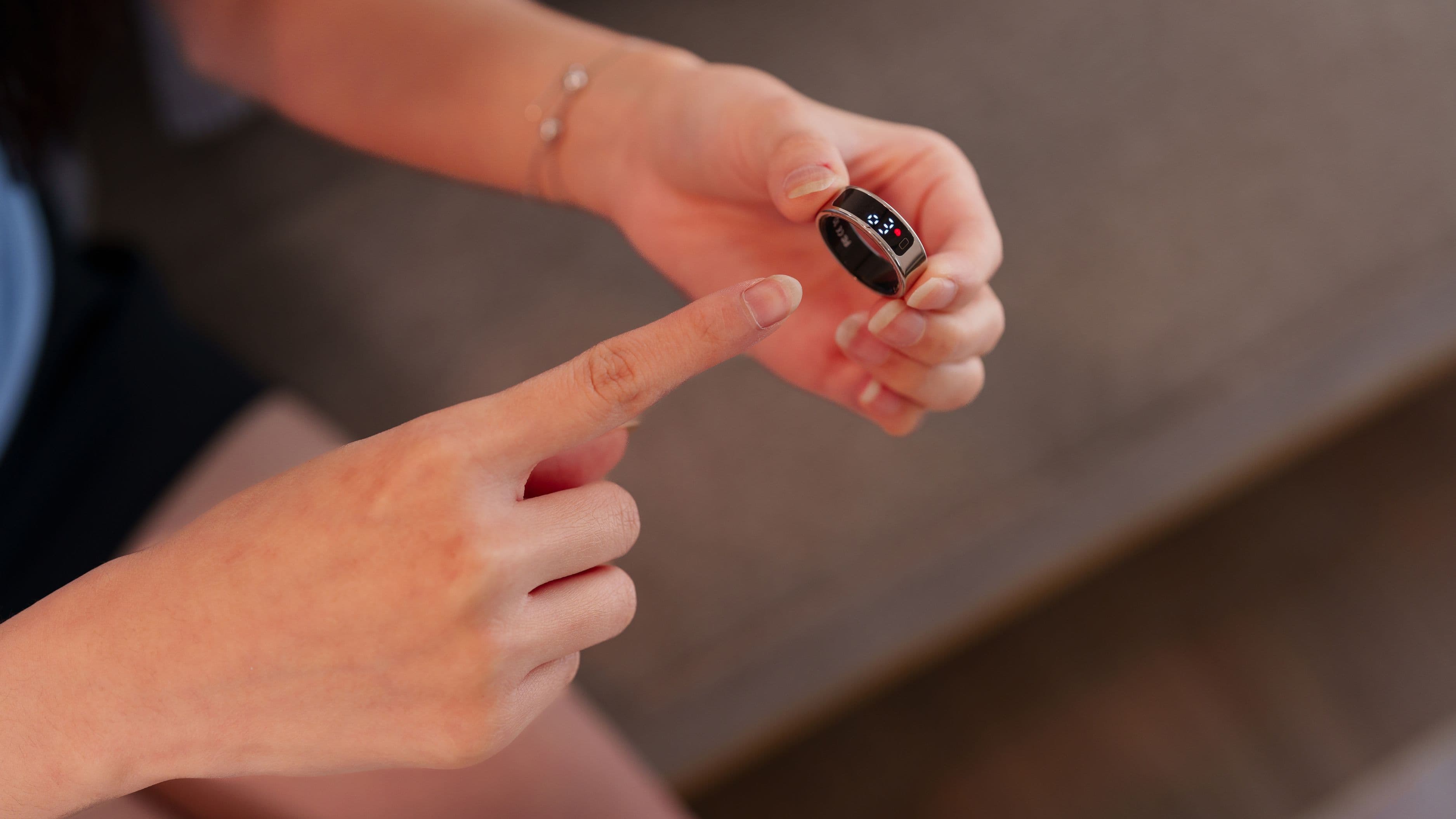
I spent three months testing smart rings from emerging brands and established players alike, wearing different models through workouts, sleep cycles, business meetings, and lazy Sundays. Some delivered insights that genuinely changed how I approached rest and recovery. Others looked great but fell short on accuracy or battery life. The category is evolving fast, with new features dropping regularly and prices ranging from accessible to investment-piece territory.
Whether you're a fitness enthusiast who already maxed out your wrist space, a professional who needs discreet health tracking, or someone curious about optimization without the smartwatch learning curve, there's probably a smart ring that fits your lifestyle. Here's what actually works—and what's worth your money.
Top 10 Smart Health Rings at a Glance
Oura Ring Gen 3 – Best for comprehensive sleep and recovery tracking
RingConn Smart Ring – Best budget-friendly option with solid features
Circular Ring Slim – Best for smaller fingers and discrete tracking
Ultrahuman Ring Air – Best for metabolic health and glucose insights
Movano Evie Ring – Best for women's health tracking
Amazfit Helio Ring – Best for integration with existing Amazfit ecosystem
Samsung Galaxy Ring – Best for Samsung phone users
Lotus Ring – Best for meditation and stress management focus
GO2SLEEP Ring – Best dedicated sleep tracking on a budget
Beleaf Ring – Best for continuous heart rate monitoring accuracy
Detailed Reviews
1. Oura Ring Gen 3 – Best for Comprehensive Sleep and Recovery Tracking
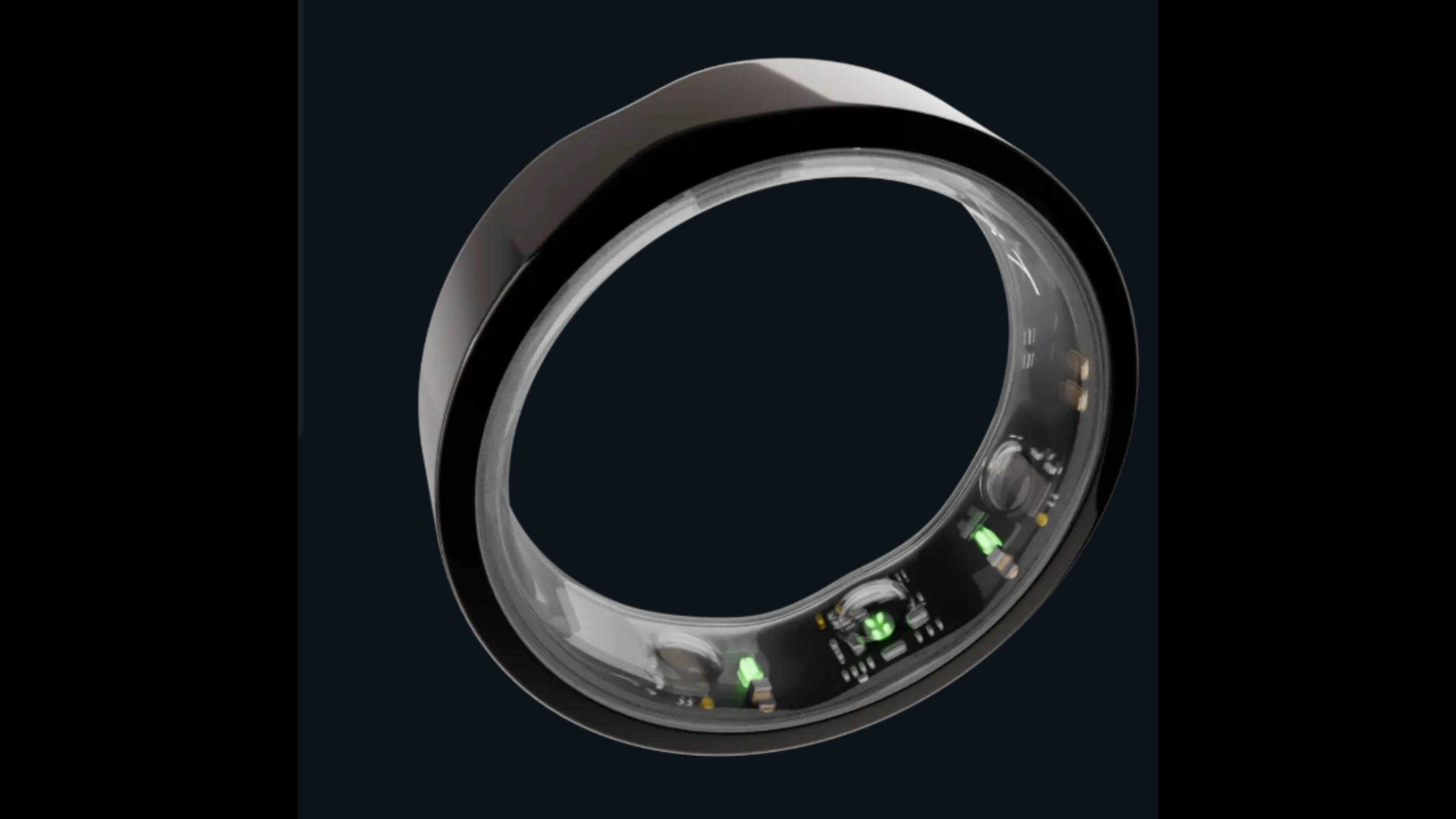
The Oura Ring is the OG of smart rings and still the gold standard for most users. This third-generation model combines sleek titanium construction with sensor arrays that track heart rate, heart rate variability, body temperature, blood oxygen, and movement with medical-grade accuracy. It's the ring that turned wellness tracking into jewelry, and it's earned its reputation through consistent software updates and a thriving user community.
What sets Oura apart is its readiness score—a daily metric that tells you whether your body is primed for intense activity or needs recovery. The sleep tracking is genuinely transformative, breaking down your night into sleep stages with accuracy that rivals hospital-grade equipment. Temperature sensing helps women track their menstrual cycles naturally, and the battery lasts 4-7 days depending on usage. The companion app is intuitive and beautiful, turning complex biometric data into actionable guidance you actually understand.
The main drawback is the monthly membership fee ($5.99) required to access most features beyond basic metrics—without it, you're basically wearing expensive jewelry. Sizing is also critical; you'll need to use their sizing kit before purchasing because an improper fit affects accuracy. General pricing sits around $299-$549 depending on finish.
Pros:
Industry-leading sleep tracking accuracy
Comprehensive recovery metrics that actually guide training decisions
Sleek design in multiple finishes that looks like regular jewelry
Long battery life (up to 7 days)
Extensive third-party app integrations
Cons:
Requires monthly subscription for full feature access
Expensive initial investment compared to competitors
No real-time workout tracking or display
Sizing must be perfect for accurate readings
Limited water resistance (100m but not recommended for diving)
2. RingConn Smart Ring – Best Budget-Friendly Option with Solid Features

RingConn burst onto the scene by offering many of Oura's core features without the subscription model—a massive selling point for people tired of monthly fees. This lightweight titanium ring tracks sleep stages, heart rate, blood oxygen, steps, and calories with respectable accuracy at a fraction of the premium ring prices. It's proof that effective health tracking doesn't require emptying your wallet.
The real surprise is how well the basic features work. Sleep tracking provides detailed breakdowns of light, deep, and REM sleep, plus sleep scores that help you identify patterns over time. The battery life matches or exceeds pricier competitors at around 5-7 days, and charging is straightforward with the included dock. The app interface isn't as polished as Oura's, but it presents information clearly without overwhelming you with data you don't understand.
Where RingConn cuts corners shows in build quality and advanced features. The ring feels slightly bulkier than premium options, and the sensor accuracy can drift during intense workouts. You won't get period prediction, detailed recovery insights, or the wellness guidance that makes expensive rings feel like having a health coach. But for someone wanting to dip their toes into ring-based tracking, this delivers solid value. Pricing typically ranges from $179-$279.
Pros:
No subscription fees for any features
Significantly more affordable than premium competitors
Solid battery life and quick charging
Covers all the essential tracking metrics
Comfortable for all-day wear
Cons:
Less refined app experience than premium brands
Sensor accuracy decreases during high-intensity exercise
Bulkier profile than some competitors
Limited advanced wellness insights
Fewer integration options with third-party apps
3. Circular Ring Slim – Best for Smaller Fingers and Discreet Tracking
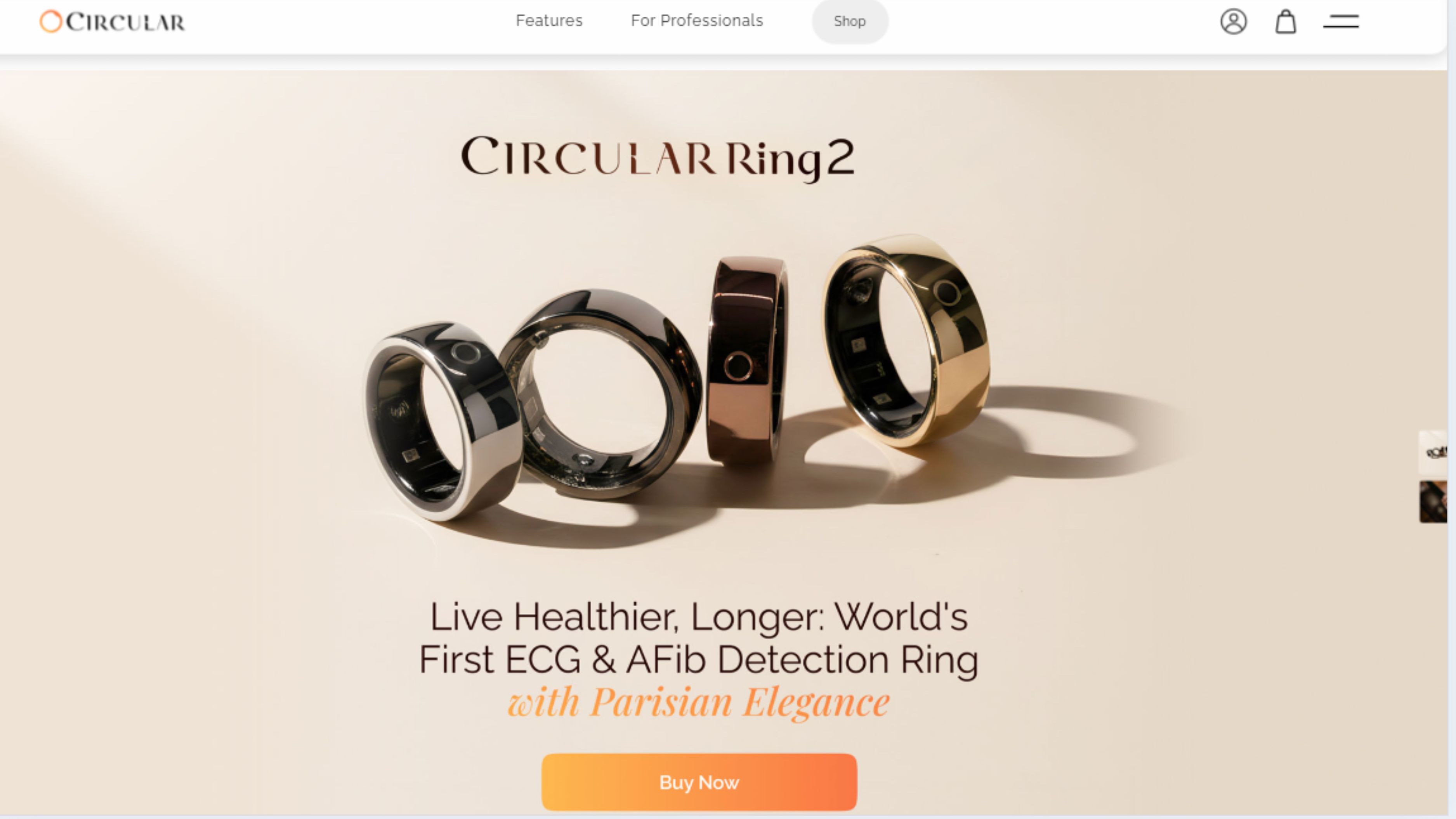
Circular designed their Slim model specifically for people who found traditional smart rings too chunky or uncomfortable—think smaller hands, those who aren't used to wearing rings, or anyone prioritizing discretion above all else. At just 2mm thick, this is genuinely the most unobtrusive health tracker you can wear. It's so light you forget it's there, which is exactly the point.
Despite its diminutive size, the Slim doesn't skimp on sensors. You get continuous heart rate monitoring, blood oxygen tracking, comprehensive sleep analysis, and activity detection throughout the day. The standout feature is Circular's energy score, which combines sleep quality, activity levels, and recovery metrics into one easy-to-understand number that guides your daily decisions. The companion app uses AI to provide personalized recommendations based on your trends rather than generic wellness advice.
The trade-off for that slim profile is battery life—expect around 2-3 days between charges, which is noticeably shorter than chunkier competitors. The ring also costs premium prices (around $259-$299) while lacking some advanced features like temperature tracking or menstrual cycle prediction. But if comfort and discretion top your priority list, especially if you have smaller fingers, this ring delivers where others fail.
Pros:
Exceptionally thin and lightweight design
Comfortable for people who don't typically wear rings
Available in smaller sizes than most competitors
AI-powered personalized wellness recommendations
Attractive design that looks like jewelry
Cons:
Shorter battery life requires more frequent charging
Missing some advanced tracking features
Smaller sensor array may affect accuracy
Premium pricing for mid-tier feature set
Limited color and finish options
4. Ultrahuman Ring Air – Best for Metabolic Health and Glucose Insights
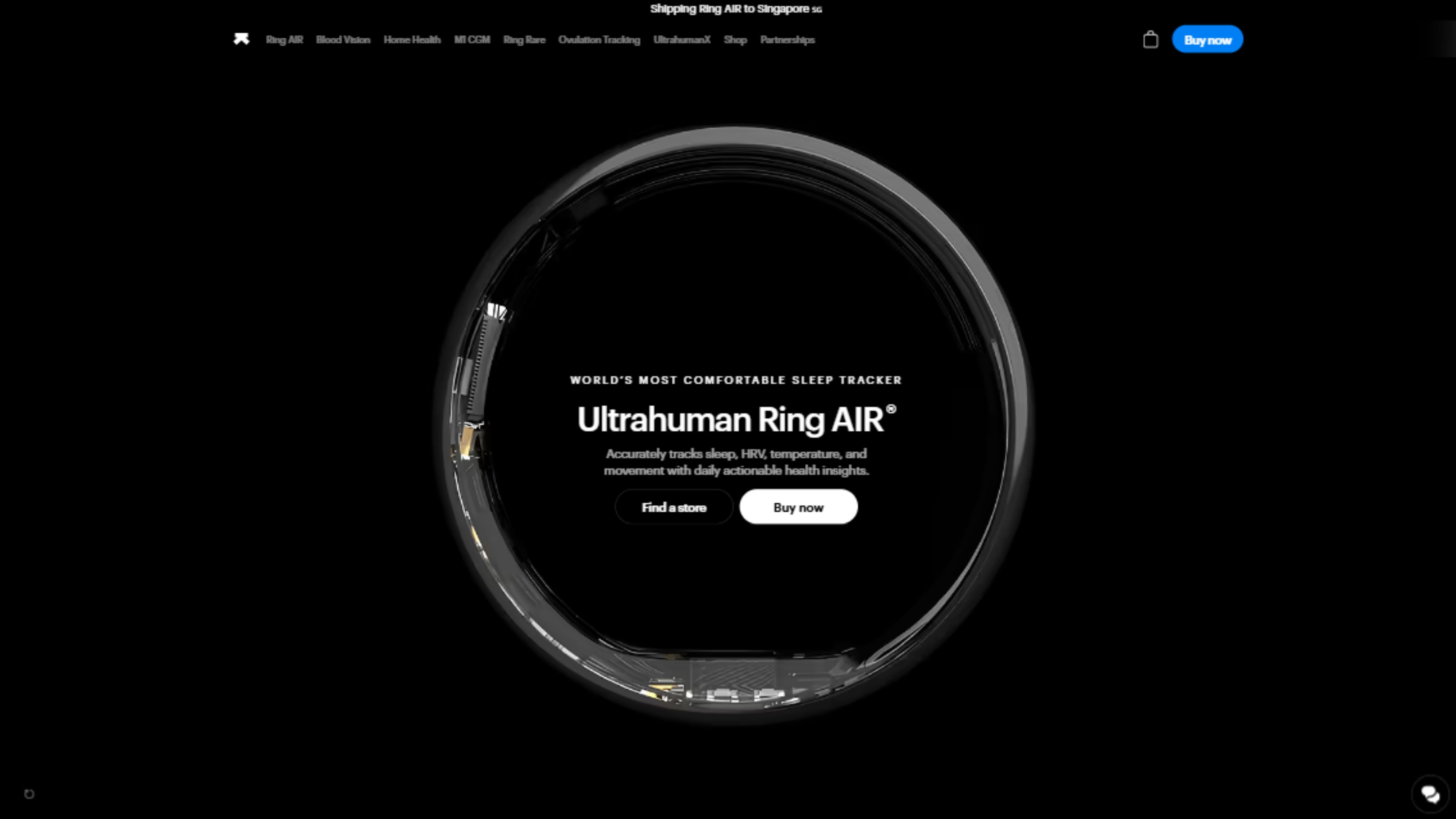
Ultrahuman takes a different angle than most smart rings by focusing heavily on metabolic health and how your body processes food and responds to stress. When paired with their optional continuous glucose monitor (CGM), this ring provides unprecedented insights into how meals, sleep, exercise, and stress affect your blood sugar levels. It's targeted at people who want to optimize body composition, energy levels, or manage conditions like prediabetes.
The ring itself tracks standard metrics—sleep, heart rate variability, body temperature, movement—but the real magic happens in the app's movement score and recovery score, which factor in not just activity but also metabolic response. You'll see how that late-night pizza affected your sleep quality and morning readiness, or how a high-stress meeting spiked your body's inflammatory markers. This level of insight goes beyond "you walked 10,000 steps" into territory usually reserved for expensive functional medicine testing.
The downside? This ring demands engagement. If you're not willing to log meals, wear a CGM patch occasionally, and actually modify behaviors based on the data, you're paying premium prices ($349) for features you won't use. The learning curve is steeper than simpler rings, and the focus on metabolic health may not appeal to everyone. But for biohackers and people serious about body optimization, this is the most sophisticated option available.
Pros:
Unique focus on metabolic health and glucose response
Integrates with CGM for unprecedented dietary insights
Detailed analysis of how lifestyle factors affect physiology
Lightweight titanium construction
No subscription required for core features
Cons:
Requires lifestyle tracking commitment to maximize value
CGM integration is optional and adds significant cost
Steeper learning curve than simpler competitors
May provide more data than casual users need
Premium pricing
5. Movano Evie Ring – Best for Women's Health Tracking
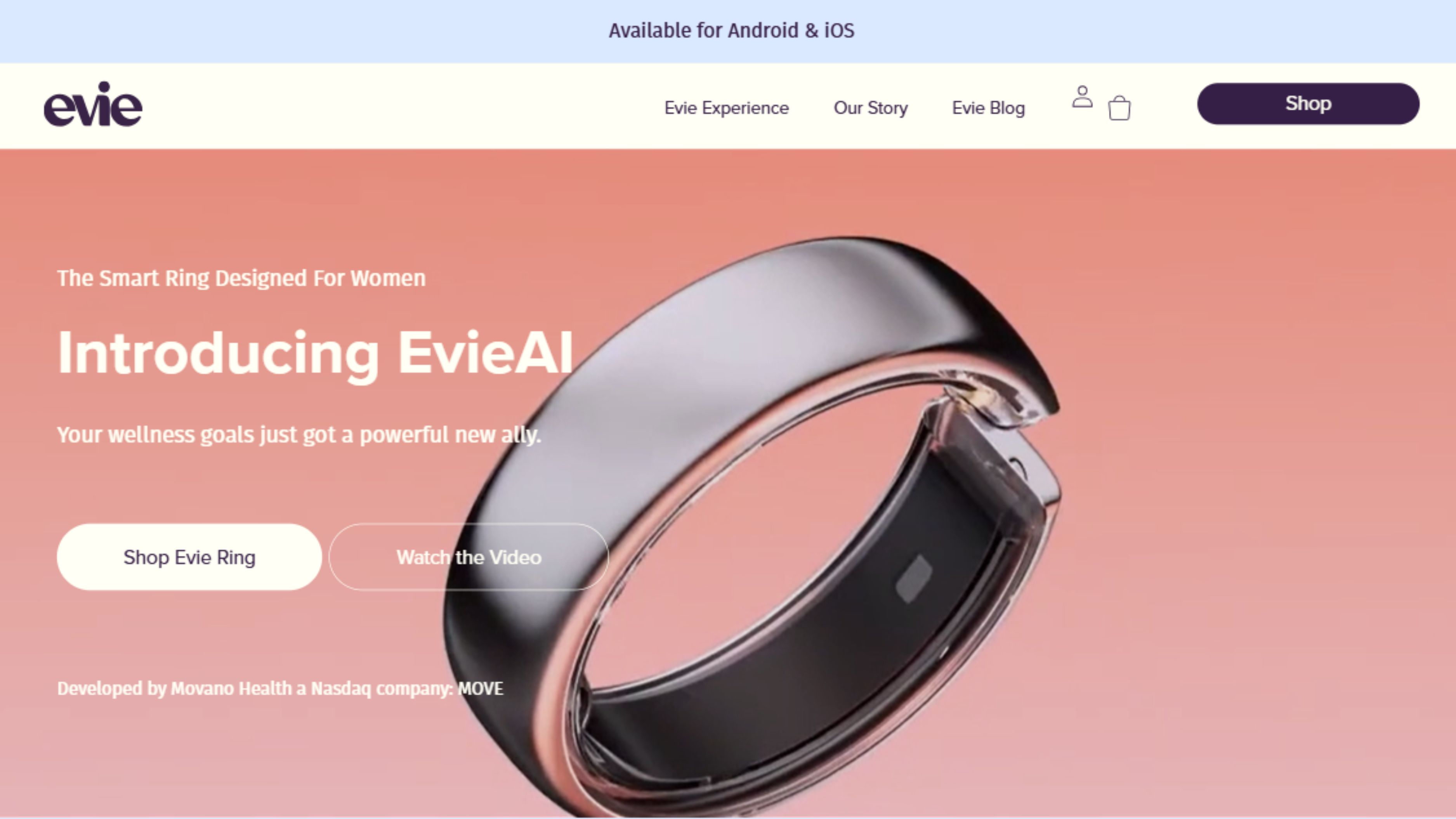
The Evie Ring stands out as the first FDA-cleared smart ring designed specifically with women's health in mind. Beyond standard activity and sleep tracking, Evie excels at menstrual cycle tracking, period prediction, and fertility window identification using temperature fluctuations and heart rate variability patterns. It's what happens when women's health isn't an afterthought feature but the primary design focus.
What makes Evie special is how it presents data. Instead of overwhelming you with graphs and numbers, the app provides clear, actionable insights about your cycle phase and how it's affecting everything from sleep quality to mood and energy levels. You'll get notifications about approaching fertile windows or when your body needs extra rest during specific cycle phases. The ring also tracks resting heart rate trends that can indicate pregnancy before traditional tests, which several users have reported as life-changing early detection.
The challenges are typical for a newer entrant: limited availability (initially available only to select users), a growing but smaller user community than established brands, and app features that are still evolving. Battery life sits around 4-5 days, which is decent but not exceptional. Pricing starts around $269, with no monthly subscription—a huge plus. If women's health tracking is your priority and you're comfortable with a newer brand, Evie delivers genuinely thoughtful design.
Pros:
Purpose-built for women's health tracking needs
FDA-cleared for medical-grade accuracy
Excellent menstrual cycle and fertility tracking
No subscription fees for any features
Intuitive app designed around cycle phases
Cons:
Limited availability in some regions
Smaller user community and ecosystem
Fewer third-party integrations than established brands
Some advanced features still in development
Not ideal for users not interested in cycle tracking
6. Amazfit Helio Ring – Best for Integration with Existing Amazfit Ecosystem
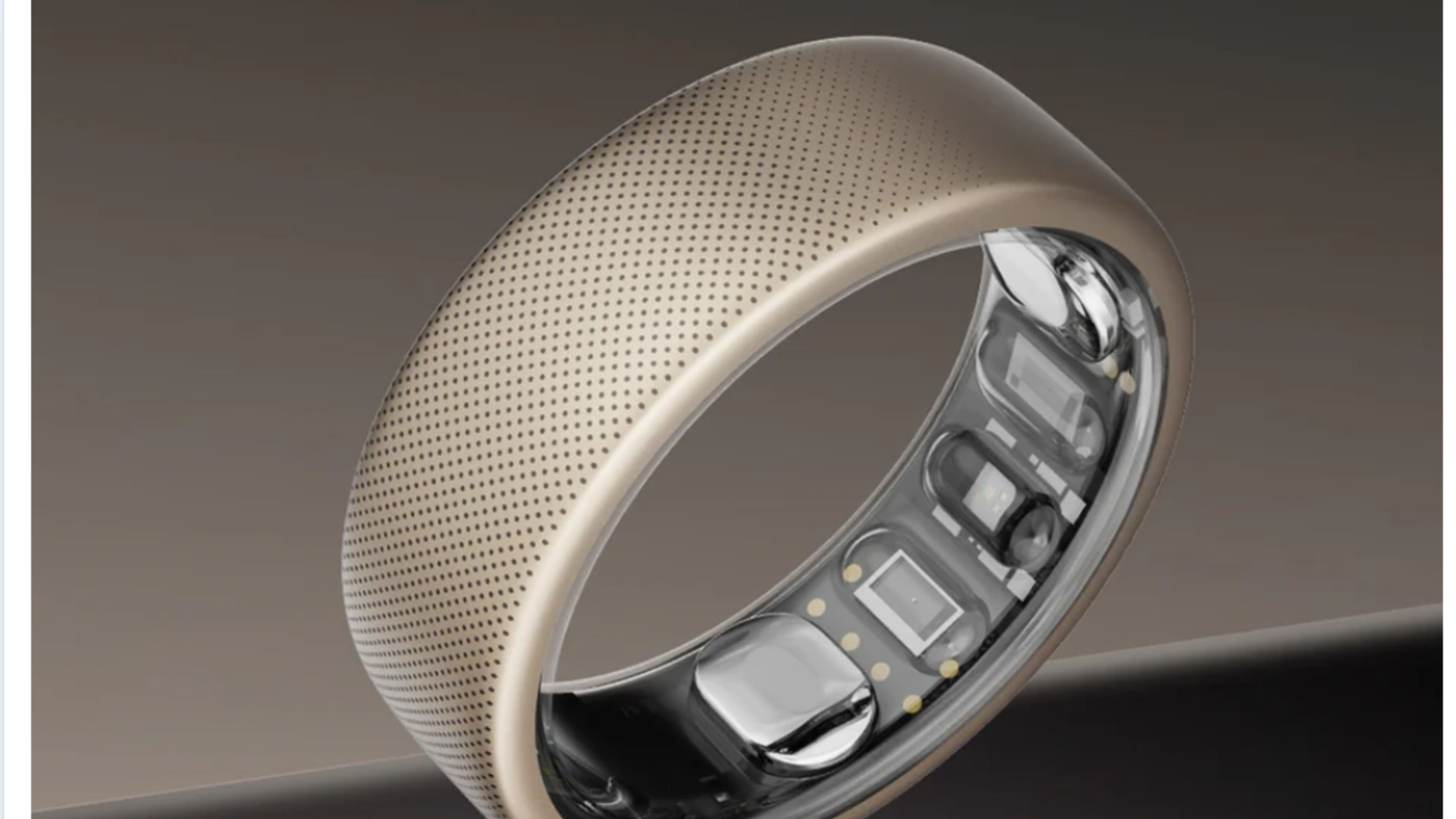
If you already own Amazfit smartwatches or fitness trackers, the Helio Ring creates a powerful multi-device tracking ecosystem that provides more complete data than any single device alone. The ring focuses on what it does best—sleep and recovery tracking, continuous heart rate monitoring—while leaving workout tracking to your watch. This division of labor actually improves accuracy and battery life for both devices.
The Helio shines during sleep when you probably aren't wearing your watch anyway. It provides detailed sleep stage analysis, blood oxygen monitoring, and skin temperature tracking that feeds into Amazfit's readiness score. During the day, it captures resting heart rate and HRV data without the gaps that occur when you remove your watch for charging or showers. The combined data from ring and watch gives you a genuinely complete picture of your 24/7 health metrics.
The obvious limitation is that the Helio Ring works best—and provides the most value—if you're already invested in the Amazfit ecosystem. As a standalone device, it's fine but not exceptional compared to competitors at similar price points (around $199-$299). The app experience also depends on whether you're using it solo or integrated with other Amazfit devices. Battery life is solid at 4-6 days, and build quality matches what you'd expect from Amazfit's reliable reputation.
Pros:
Seamless integration with Amazfit watches and trackers
Eliminates data gaps from multi-device tracking
More affordable than premium standalone rings
Solid battery life and durable construction
No subscription required
Cons:
Limited value if you don't own other Amazfit devices
Fewer advanced features as a standalone product
App experience designed around ecosystem integration
Less refined industrial design than premium rings
Smaller independent user community
7. Samsung Galaxy Ring – Best for Samsung Phone Users
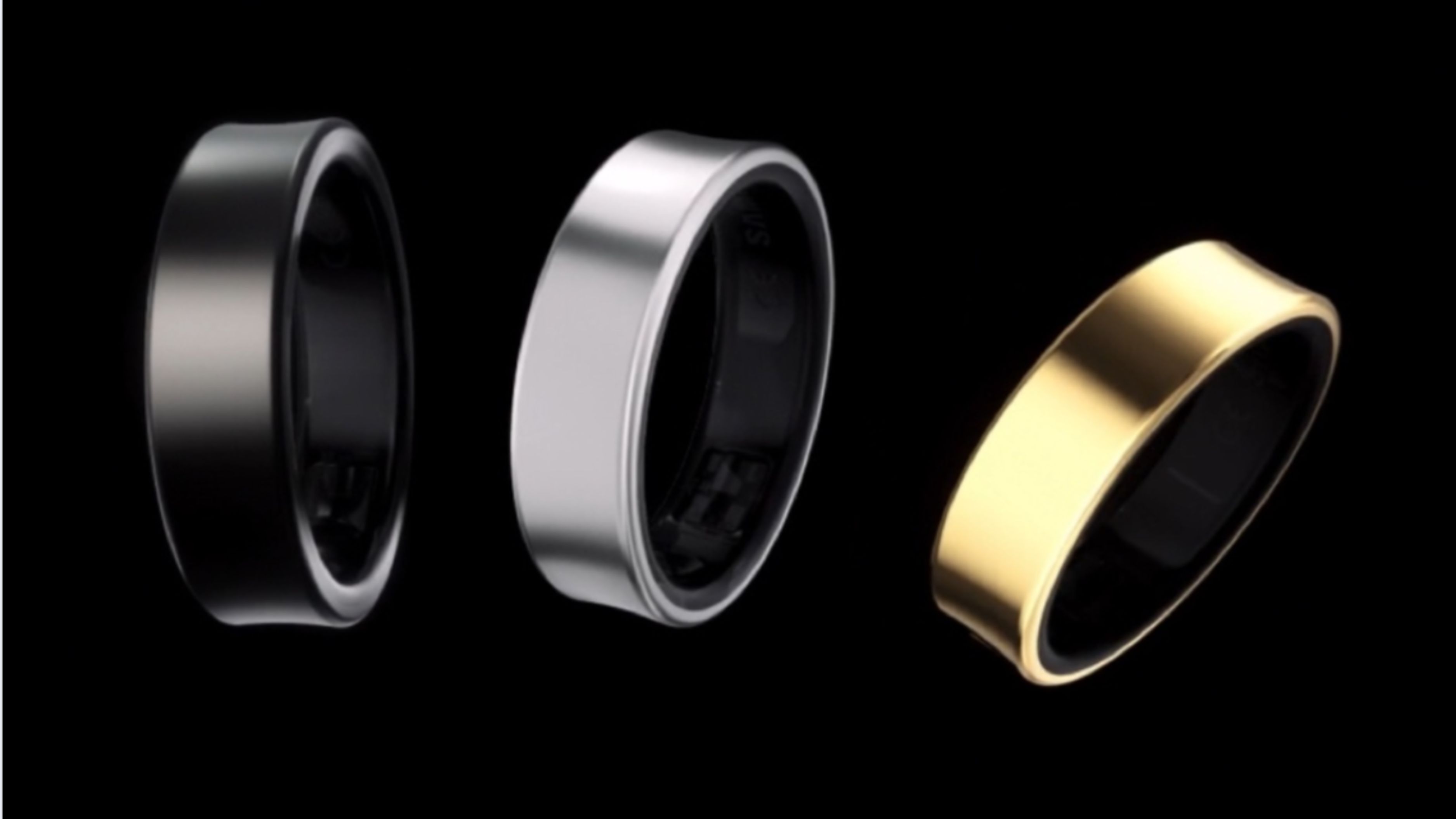
Samsung entered the smart ring market with the advantages of a tech giant: seamless integration with Galaxy phones, robust app ecosystem, and manufacturing quality that feels premium from the moment you open the box. The Galaxy Ring tracks sleep, heart rate, blood oxygen, activity, and skin temperature with sensors that benefit from Samsung's extensive R&D resources. If you're already deep in the Samsung ecosystem, this ring feels like it was custom-built for your setup.
The killer feature is how effortlessly the Galaxy Ring works with Samsung Health and other Galaxy devices. Your sleep data automatically syncs with your morning alarm routines, adjusting wake-up times based on your sleep cycles. Workout data integrates with Galaxy Watch metrics for comprehensive activity tracking. Even small touches like using the ring to control your phone's camera shutter during group photos show the integration thinking that makes this ring feel less like an accessory and more like an extension of your existing devices.
Outside the Samsung ecosystem, however, the Galaxy Ring loses much of its appeal. Android users with non-Samsung phones get basic functionality but miss the integration magic. iPhone users should look elsewhere—the experience is limited and frustrating. The ring also requires a Samsung account and works best with active Samsung Health participation. Pricing sits in the premium range at $399, which feels steep unless you're fully committed to Samsung's world. Battery life delivers a solid 5-7 days.
Pros:
Seamless integration with Samsung Galaxy devices
Premium build quality and comfortable design
Uses existing Samsung Health app and ecosystem
Smart features like camera control and phone finding
Excellent battery life for feature set
Cons:
Significantly limited functionality outside Samsung ecosystem
Premium pricing compared to feature-matched competitors
Requires Samsung account even for basic features
Not compatible with iOS devices
Large company means slower response to user feedback
8. Lotus Ring – Best for Meditation and Stress Management Focus
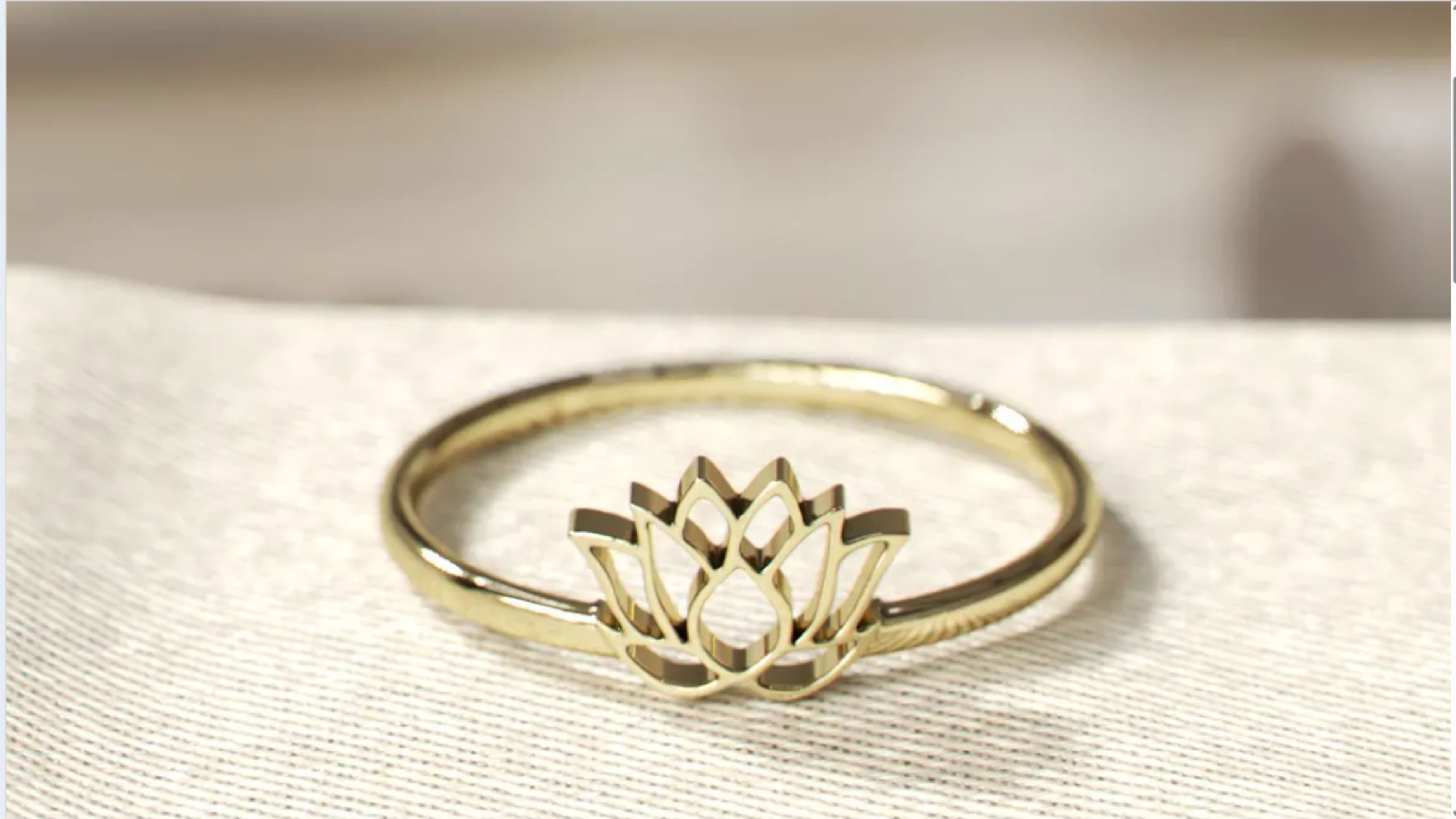
The Lotus Ring takes a different approach by centering on stress management, meditation tracking, and mindfulness rather than purely physical metrics. While it tracks the usual suspects—heart rate, sleep, activity—the app experience emphasizes breathing exercises, meditation sessions, and real-time stress monitoring through HRV analysis. It's designed for people who view wellness through a mental health lens first.
What makes Lotus unique is the guided meditation integration and stress alerts. When your HRV indicates elevated stress levels, the ring sends gentle vibration alerts and prompts you to take a breathing break. The app offers library of guided meditations optimized around your current stress state—energizing sessions when you're sluggish, calming practices when you're wound up. Over time, you'll see correlations between meditation practice and improved recovery scores, which creates positive feedback loops that genuinely improve consistency.
The meditation focus means some traditional fitness tracking features feel underdeveloped compared to competitors. There's no detailed workout analysis, limited activity classification, and the calorie tracking is basic. If you're a serious athlete, this probably isn't your ring. But for stressed professionals, people managing anxiety, or anyone who prioritizes mental wellness over physical performance metrics, Lotus offers something most rings ignore. Pricing ranges from $249-$329, with optional premium meditation content available.
Pros:
Unique focus on stress management and mindfulness
Guided meditation library integrated with biometric data
Real-time stress alerts with vibration feedback
Helps build consistent meditation habits through tracking
Attractive design suitable for professional settings
Cons:
Less comprehensive fitness and workout tracking
Smaller battery life (3-4 days) due to vibration motor
Meditation focus may not appeal to all users
Limited third-party app integrations
Premium meditation content requires additional subscription
9. GO2SLEEP Ring – Best Dedicated Sleep Tracking on a Budget
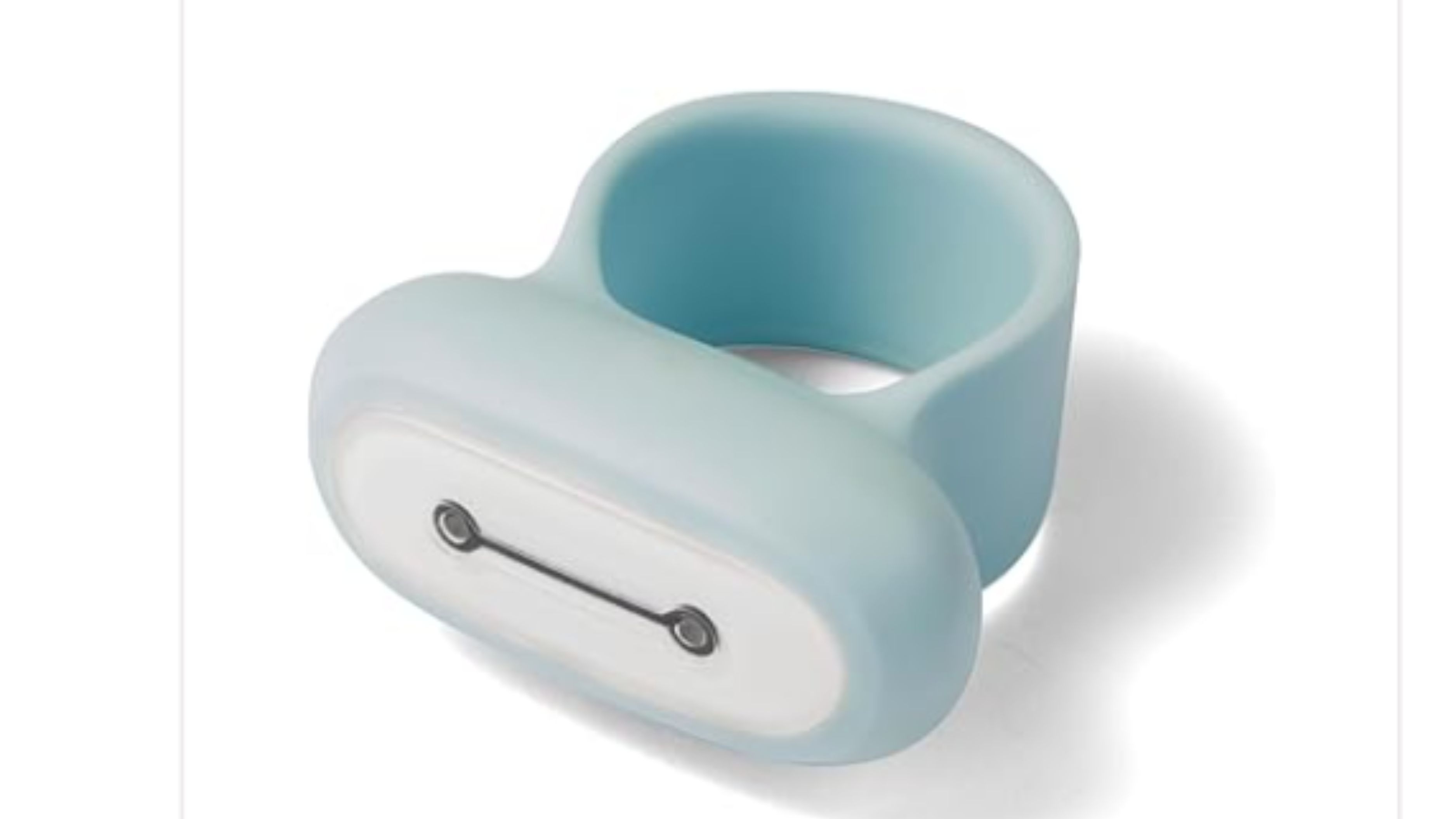
GO2SLEEP strips away everything except sleep tracking and does that one thing exceptionally well at a fraction of premium ring prices. This ring is laser-focused on helping you understand and improve your sleep through detailed stage analysis, blood oxygen monitoring, heart rate tracking, and even sleep position detection. If you only care about sleep data and don't need all-day activity tracking, GO2SLEEP delivers professional-grade insights for around $69-$99.
The medical-grade blood oxygen monitoring is particularly impressive for this price point. The ring detects sleep apnea indicators, oxygen desaturation events, and breathing irregularities that could signal serious health issues. Several users report discovering previously undiagnosed sleep apnea through GO2SLEEP data, which they then confirmed with medical sleep studies. That kind of early detection at this price point is genuinely valuable, potentially life-changing information.
The trade-offs are obvious: no daytime activity tracking, no continuous heart rate monitoring outside sleep, and a bulkier design that's clearly not meant to be worn 24/7. The ring is comfortable for sleeping but conspicuous during the day. Battery life is also shorter (2-3 nights per charge) compared to full-featured rings. But if you specifically want to understand your sleep without paying premium prices, GO2SLEEP punches way above its weight class.
Pros:
Exceptional value for dedicated sleep tracking
Medical-grade blood oxygen and apnea detection
Detailed sleep stage analysis comparable to premium rings
No subscription fees
Detects sleep position and disturbances
Cons:
No daytime activity or fitness tracking
Bulkier design not ideal for 24/7 wear
Shorter battery life requires frequent charging
Basic app interface lacks polish
Limited integration with other health apps
10. Beleaf Ring – Best for Continuous Heart Rate Monitoring Accuracy
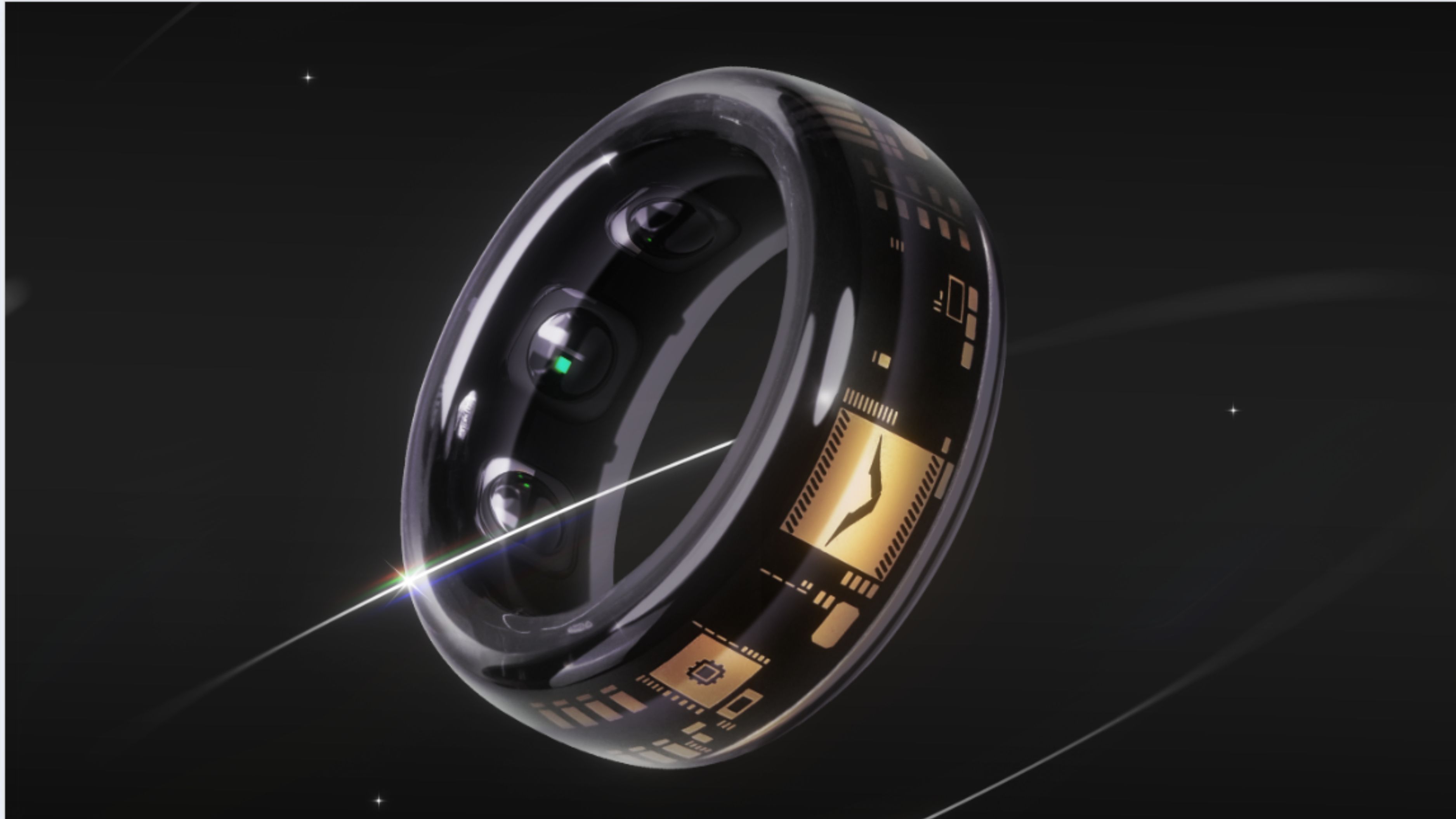
Beleaf built their ring around one core promise: the most accurate continuous heart rate monitoring available in a finger-worn device. They use a proprietary sensor array with multiple LEDs and photodiodes positioned to capture clearer blood flow signals than competitors. For athletes training in specific heart rate zones or people monitoring cardiac health, this accuracy difference genuinely matters and shows in side-by-side comparisons with chest strap monitors.
The ring tracks standard metrics—sleep, activity, calories—but the heart rate data is where it shines. You'll see accurate readings during high-intensity interval training, strength sessions, and even activities like boxing where wrist-based monitors typically fail. The app provides detailed heart rate zone analysis, showing exactly how much time you spent in fat burn, cardio, and peak zones during workouts. This level of accuracy opens up training possibilities that most rings can't support.
The downside is that continuous accurate heart rate monitoring drains batteries faster—expect 3-4 days between charges. The ring also costs premium prices ($329-$399) for what is essentially a specialized tool. If heart rate accuracy isn't your top priority, you're paying for precision you may not fully utilize. But for serious athletes, people with cardiac conditions, or anyone who's frustrated by inaccurate wrist-based monitors, Beleaf solves a real problem.
Pros:
Industry-leading heart rate monitoring accuracy
Reliable readings during high-intensity exercise
Detailed heart rate zone analysis for training
Durable titanium construction
Responsive customer support
Cons:
Shorter battery life due to continuous accurate monitoring
Premium pricing focused on specialized use case
May provide more precision than casual users need
Heavier design compared to ultra-light competitors
Limited smart features beyond health tracking
Understanding Smart Health Rings
What Are Smart Health Rings?
Smart health rings are miniaturized wearable devices packed with sensors that continuously monitor your vital signs, sleep patterns, and activity levels from your finger. Unlike smartwatches, they don't have screens or require constant interaction—they simply collect data in the background and sync with your smartphone to provide insights about your health, recovery, and wellness trends. Most rings use PPG (photoplethysmography) sensors to measure heart rate and blood oxygen, accelerometers to track movement, and temperature sensors to monitor body temperature fluctuations.
The finger placement actually offers advantages over wrist-worn devices. Your fingers have better blood flow with clearer arterial signals, which often translates to more accurate heart rate and blood oxygen readings—especially during sleep when you're not moving. The ring form factor also means you're more likely to wear it consistently, including during sleep when some of the most valuable health data is collected. You don't need to remember to charge it daily, take it off for showers, or decide whether to wear it to formal events.
Benefits of Smart Health Rings
The most immediate benefit is sleep tracking that actually changes how you approach rest. Seeing your deep sleep percentages, REM cycles, and how late meals or alcohol affect sleep quality provides concrete data that motivates behavioral changes. Many users report that understanding their sleep patterns helps them prioritize rest and adjust habits that were undermining recovery.
Recovery tracking is the second game-changer, especially for active people. Smart rings analyze heart rate variability, resting heart rate, and temperature trends to generate readiness scores that tell you when your body is primed for hard training versus when you need recovery days. This prevents overtraining injuries and helps you get more from your workouts by training smart rather than just training hard.
The passive nature of ring tracking eliminates decision fatigue. You don't choose when to start tracking or remember to log activities—the ring simply monitors everything continuously. This means you capture data during unexpected situations, like stress responses during tough meetings or sleep disruptions you didn't consciously notice. Over weeks and months, this continuous data reveals patterns you'd never spot through manual tracking.
What to Look for When Choosing a Smart Health Ring
Subscription costs matter as much as purchase price. Some rings require monthly fees to access features—calculate the two-year total cost before buying. A $300 ring with a $6 monthly subscription costs $444 over two years, while a $350 ring with no subscription saves you money long-term.
Sizing is critical and non-negotiable. Too loose and sensors lose contact with your skin, destroying data accuracy. Too tight and you'll be uncomfortable enough to stop wearing it. Use the sizing kits that most brands provide, and measure at different times of day since fingers swell and shrink.
Battery life directly impacts consistency. Rings lasting 5-7 days encourage continuous wear and consistent data collection. Models requiring charging every 2-3 days often end up in drawers because the charging routine becomes annoying. Consider your lifestyle—if you travel frequently, longer battery life prevents forgotten chargers from derailing your tracking.
App quality determines whether you'll actually use the data. A cluttered, confusing app means you'll check it less often and miss insights. Look for interfaces that surface actionable information clearly rather than overwhelming you with raw numbers. The best apps explain what metrics mean and suggest specific behavioral changes rather than just displaying graphs.
Integration with existing health ecosystems matters. If you already use Apple Health, Google Fit, Strava, or specific fitness apps, verify the ring syncs with your preferred platforms. Siloed data that doesn't connect with your existing tools creates frustrating gaps.
FAQs
How accurate are smart health rings compared to medical devices?
Most quality smart rings achieve 90-95% accuracy for heart rate and blood oxygen monitoring compared to medical-grade equipment, which is impressive for consumer devices. Sleep stage detection accuracy varies more—typically 70-85% compared to polysomnography (clinical sleep studies). The accuracy is sufficient for tracking personal trends and making wellness decisions, but shouldn't replace medical diagnostics. If your ring suggests concerning patterns like sleep apnea indicators or irregular heartbeat, follow up with actual medical testing rather than treating the ring data as a diagnosis.
Can I wear a smart ring while working out or swimming?
Most smart rings are water-resistant enough for swimming, showering, and sweating during workouts—typically rated between 50-100 meters. However, activities involving heavy grip work (weightlifting, rock climbing, CrossFit) can damage rings or make them uncomfortable. The bigger limitation is accuracy: rings track general activity and heart rate during workouts but can't replace sport-specific GPS watches for detailed running metrics or swimming lap counts. They excel at recovery tracking after workouts rather than during-workout performance analysis.
How long do smart ring batteries typically last before needing replacement?
The rechargeable battery inside smart rings typically lasts 1-2 years of daily charging cycles before capacity degrades noticeably. This is similar to smartphone batteries. Most manufacturers don't offer user-replaceable batteries, meaning when battery life becomes frustratingly short (usually after 300-500 full charge cycles), you'll need to upgrade to a new ring. Some premium brands offer battery replacement services for a fee. This planned obsolescence frustrates many users but is currently standard across the industry. To maximize battery lifespan, avoid letting the ring fully discharge regularly and keep firmware updated.
Do I need a smartphone to use a smart health ring?
Yes, all smart health rings require smartphone pairing for setup, data viewing, and software updates. The rings store several days of data locally, so you don't need your phone nearby constantly, but you'll need to sync regularly via Bluetooth to see your metrics and charge overnight. Most rings work with both iOS and Android, though some (like Samsung Galaxy Ring) have limited functionality outside their native ecosystem. There are no standalone smart rings that display data without a phone app.