
We've reviewed dozens of apartment-focused services—from furniture rental and meal delivery to smart home solutions and community amenities—to bring you the top 10 options that actually deliver on their promises. These aren't just nice-to-haves; they're game-changers for modern apartment dwellers who want more from their living space without the hassle or hefty price tag of homeownership.
Top 10 Services at a Glance
CORT – Best for flexible furniture rental
Lovesac – Best for modular, apartment-friendly furniture
Albany Park – Best for affordable, stylish sectionals
AllModern – Best for contemporary apartment décor
Uber Eats – Best for diverse food delivery options
DoorDash – Best for restaurant variety and DashPass perks
Caviar – Best for upscale dining delivery
Amazon Prime – Best for quick essentials and entertainment
HelloFresh – Best for meal kits that fit small kitchens
SimpliSafe – Best for renter-friendly home security
Detailed Reviews
1. CORT – Best for Flexible Furniture Rental

What it is: CORT is a furniture rental service that's been helping apartment dwellers furnish their spaces for decades. Perfect for those who aren't ready to commit to purchasing furniture—whether you're in a temporary living situation, just moved for work, or testing out apartment life before buying.
Key features: CORT offers complete room packages or individual pieces, with flexible rental terms from a few months to several years. They handle delivery, setup, and pickup, which is a huge relief when you're moving. Their inventory includes everything from beds and sofas to kitchen tables and home office furniture. The quality is solid—not luxury, but definitely a step above IKEA. What sets them apart is the convenience factor: you can be fully furnished within days of moving in, and when your lease ends, they take everything back.
Pricing: Monthly rates vary by package and location, but expect to pay $100-$300 per month for a full room package. While it's more expensive than buying budget furniture outright, it eliminates the hassle of moving heavy items and potentially losing money on resale.
Pros:
No long-term furniture commitment required
Delivery, assembly, and pickup all included
Great for temporary living situations or frequent movers
Quality furniture that's actually comfortable
Flexible rental periods
Cons:
More expensive than buying budget furniture if staying long-term
Limited style options compared to buying retail
Monthly costs can add up over time
Not ideal if you're planning to stay more than 2-3 years
2. Lovesac – Best for Modular, Apartment-Friendly Furniture
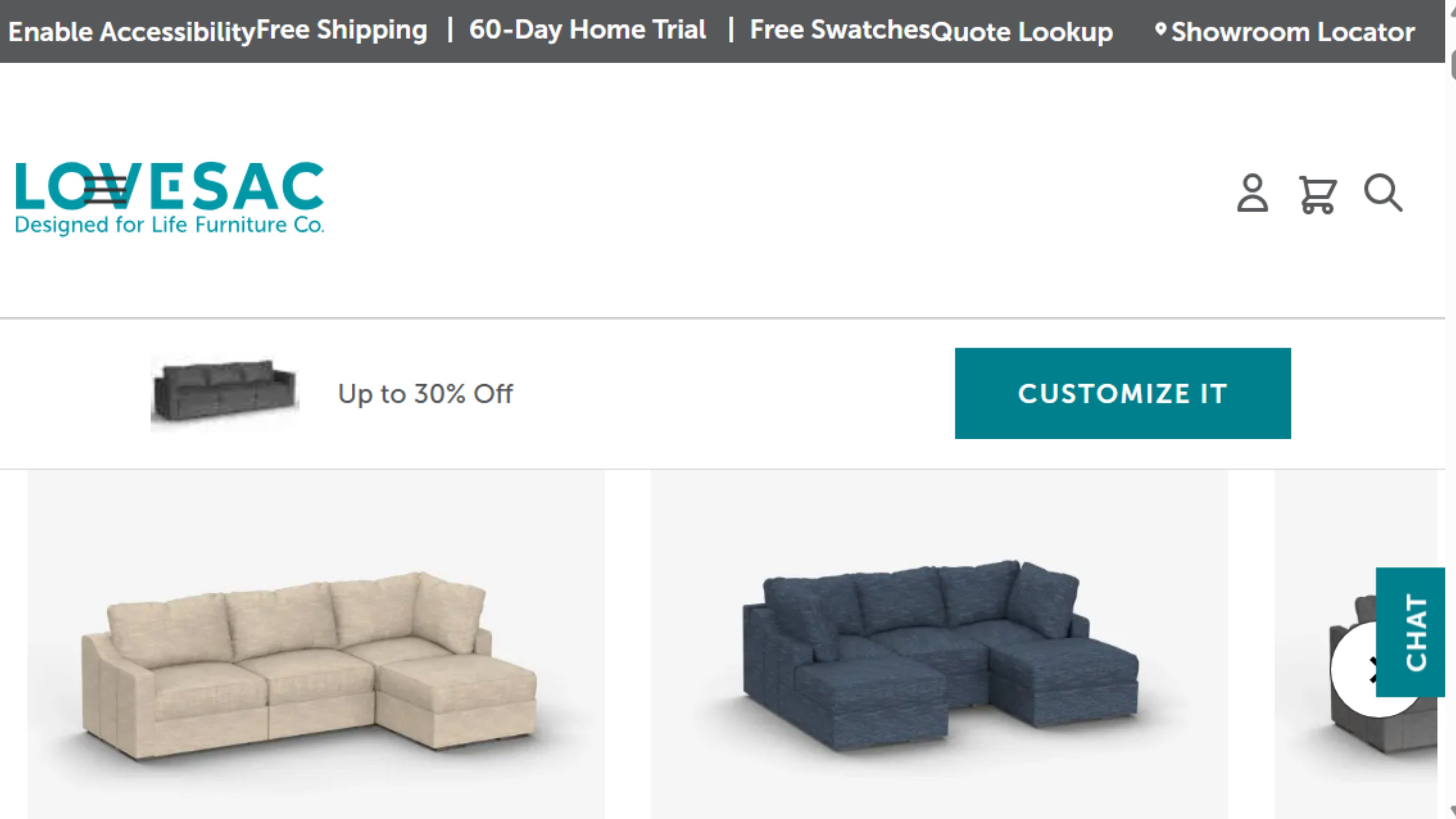
What it is: Lovesac revolutionized apartment furniture with their Sactionals—completely modular sectionals that you can rearrange, expand, or reconfigure as your space changes. This is the furniture equivalent of adult Legos, and it's perfect for apartment dwellers who move frequently or like to refresh their layout.
Key features: The genius of Lovesac is in its flexibility. Each piece connects to others, so you can start with a small loveseat and add sections as you upgrade to a bigger apartment. The covers are machine-washable and interchangeable, which means you can change your entire room's look without buying new furniture. They're surprisingly durable—the frames come with a lifetime guarantee, and the cushions maintain their shape far better than traditional sofas. For small spaces, you can configure them into a compact two-seater, then rearrange into a full sectional when you have guests.
Pricing: Sactionals start around $2,000 for a small setup and can go up to $10,000+ for large configurations. It's definitely an investment, but the lifetime warranty and adaptability make it worthwhile for many apartment renters who plan to take their furniture with them through multiple moves.
Pros:
Completely reconfigurable for any space
Machine-washable, changeable covers
Lifetime warranty on frames
Fits through narrow apartment doorways easily
Grows with your living situation
Cons:
Significant upfront investment
Can be overwhelming to choose initial configuration
Heavy despite being modular
Covers can be pricey to replace
3. Albany Park – Best for Affordable, Stylish Sectionals
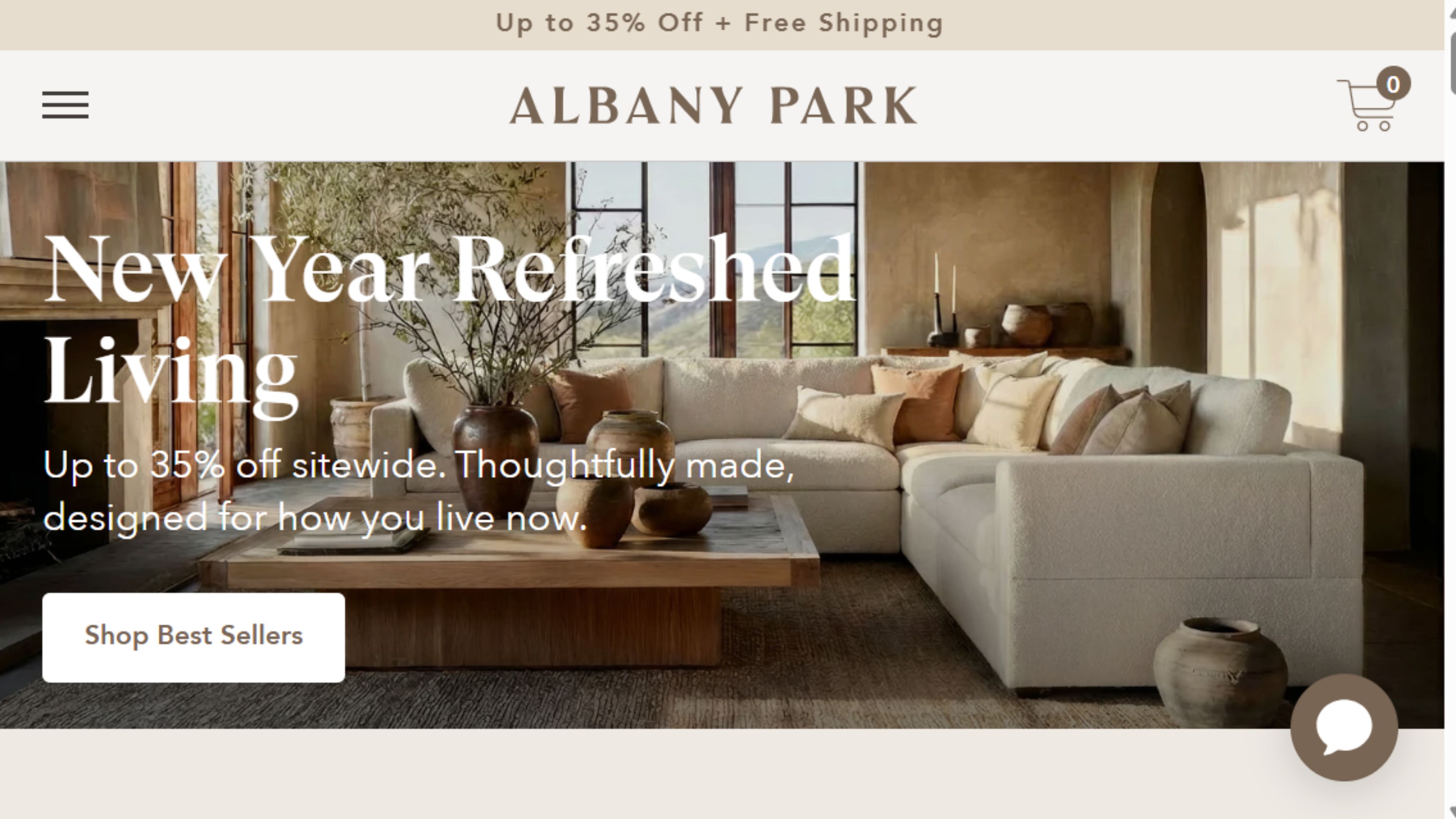
What it is: Albany Park designs furniture specifically for modern apartment living, focusing on pieces that ship in boxes, fit through tight doorways, and assemble without tools. They've become incredibly popular among millennials and Gen Z renters who want grown-up furniture without the grown-up price tag.
Key features: Their signature Kova and Park sectionals are designed to squeeze through narrow hallways and arrive in boxes you can actually carry yourself. Assembly is genuinely simple—pieces click together in about 15 minutes. The aesthetic is modern and clean, with neutral colors that work in most apartments. What really impresses is the quality for the price: these sofas are comfortable, durable, and look far more expensive than they are. They also offer a 30-day trial period, so you can actually live with the furniture before committing.
Pricing: Sectionals range from $1,500 to $3,500, which is significantly more affordable than Lovesac while still offering good quality. They run frequent sales, so patient shoppers can often snag 15-20% off.
Pros:
Ships in apartment-friendly boxes
Easy self-assembly without tools
Modern, attractive designs
30-day home trial
More affordable than many competitors
Cons:
Limited customization options
Fewer configuration choices than modular systems
Some reviews mention cushions softening over time
Delivery can take several weeks
4. AllModern – Best for Contemporary Apartment Décor
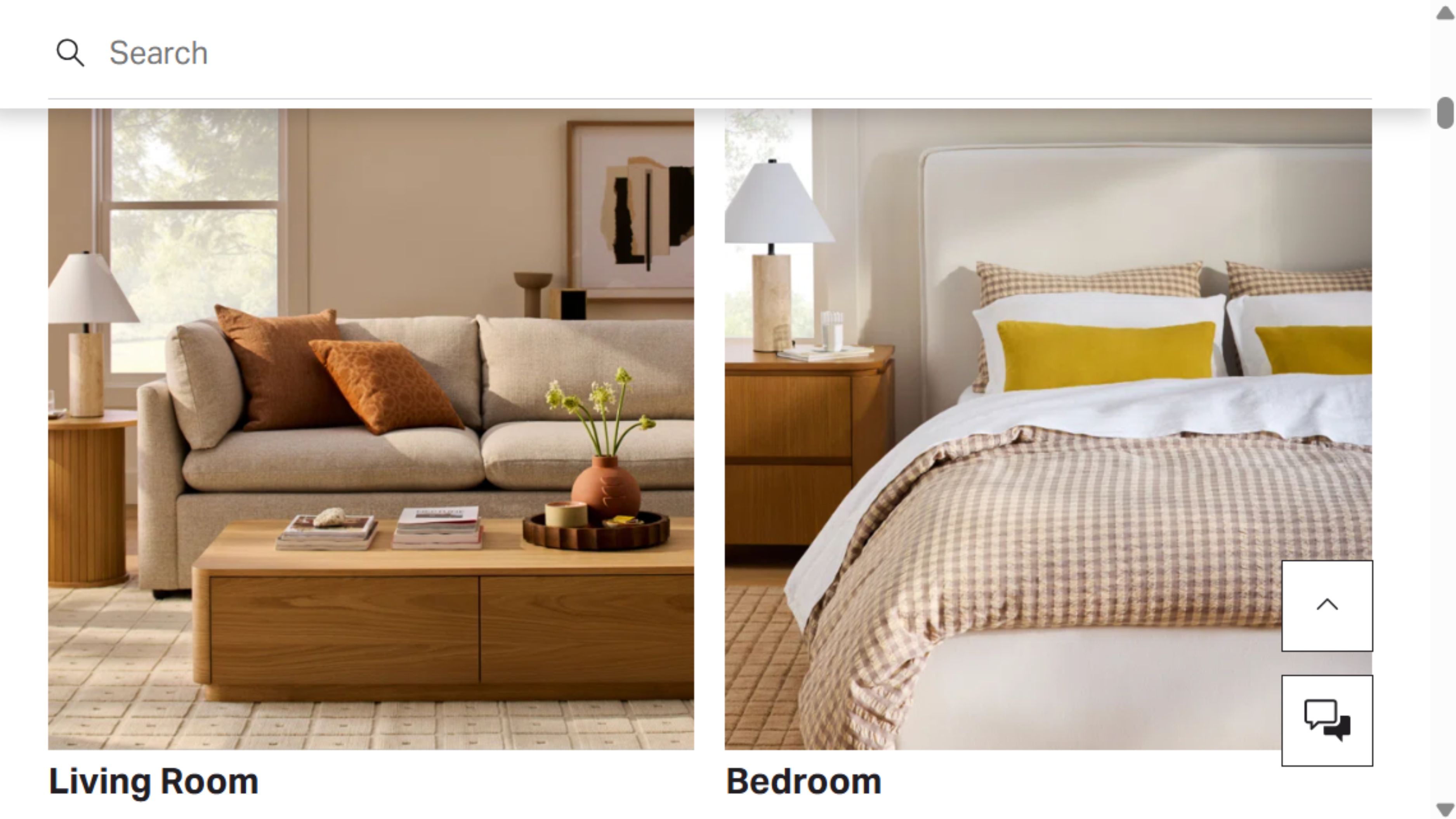
What it is: AllModern is an online retailer specializing in contemporary and modern furniture and home décor, with a particular strength in space-saving pieces perfect for apartment living. Think of it as a curated selection that filters out the overwhelming options you'd find on larger sites.
Key features: Their apartment essentials section is genuinely helpful, featuring Murphy beds, extendable dining tables, and multi-functional storage solutions. The site makes it easy to filter by dimensions, which is crucial when you're working with limited square footage. They carry both their own brands and name-brand items, giving you options at various price points. The visualization tools help you see how pieces might look in your space, and reviews are generally detailed and honest. Free shipping on orders over $35 is a nice perk when you're furnishing multiple rooms.
Pricing: Wide range from budget-friendly (under $200 for accent pieces) to premium (several thousand for major furniture). Most pieces fall in the mid-range, making contemporary design accessible.
Pros:
Specialized in space-efficient designs
Easy filtering by dimensions
Wide price range for different budgets
Helpful customer reviews with photos
Free shipping threshold is achievable
Cons:
Can't see furniture in person before buying
Quality varies by brand
Return shipping can be expensive for large items
Delivery times vary significantly by item
5. Uber Eats – Best for Diverse Food Delivery Options
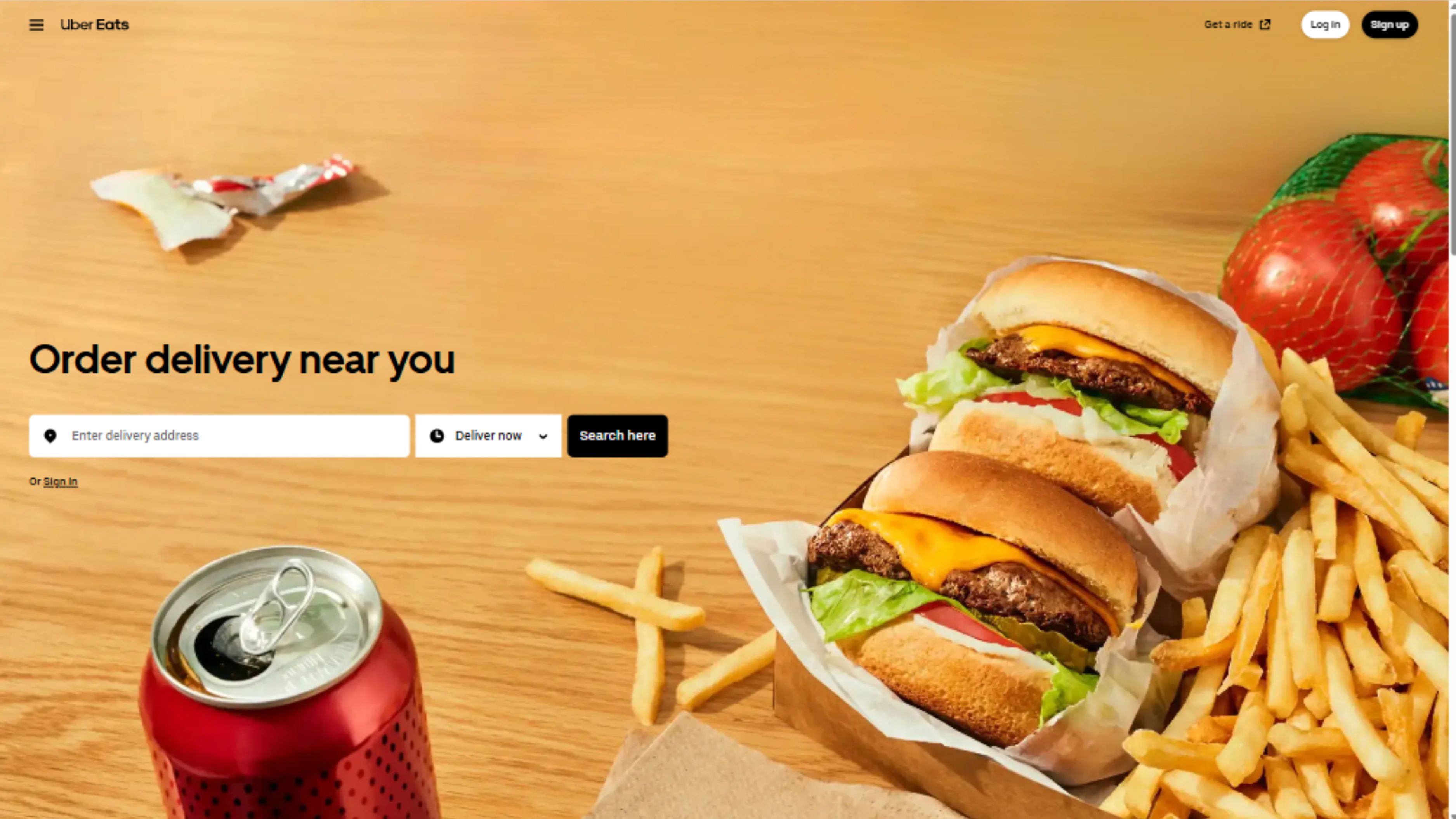
What it is: Uber Eats has become synonymous with apartment dining, offering delivery from thousands of restaurants plus grocery and convenience store items. It's essentially your apartment's extended kitchen, available 24/7.
Key features: The app's interface is intuitive, with excellent filtering by cuisine, price, and delivery time. One Pass membership ($9.99/month) offers free delivery on eligible orders, which pays for itself quickly if you order even twice a month. The real-time tracking is accurate, and you can communicate directly with drivers. Beyond restaurants, you can order groceries, alcohol, pharmacy items, and even pet supplies—all delivered to your apartment door. The scheduling feature lets you order in advance for specific times, perfect for apartment dwellers with busy schedules.
Pricing: Service fees typically range from $2-$5, with additional small order fees for purchases under $10-$15. One Pass eliminates delivery fees for orders over $15, making it the most economical option for regular users.
Pros:
Massive restaurant selection in most cities
Reliable real-time tracking
One Pass offers excellent value for frequent users
Can order groceries and essentials, not just food
Schedule orders in advance
Cons:
Service fees add up without One Pass
Restaurant prices often marked up from in-store
Delivery times can be unpredictable during peak hours
Driver experience varies
6. DoorDash – Best for Restaurant Variety and DashPass Perks
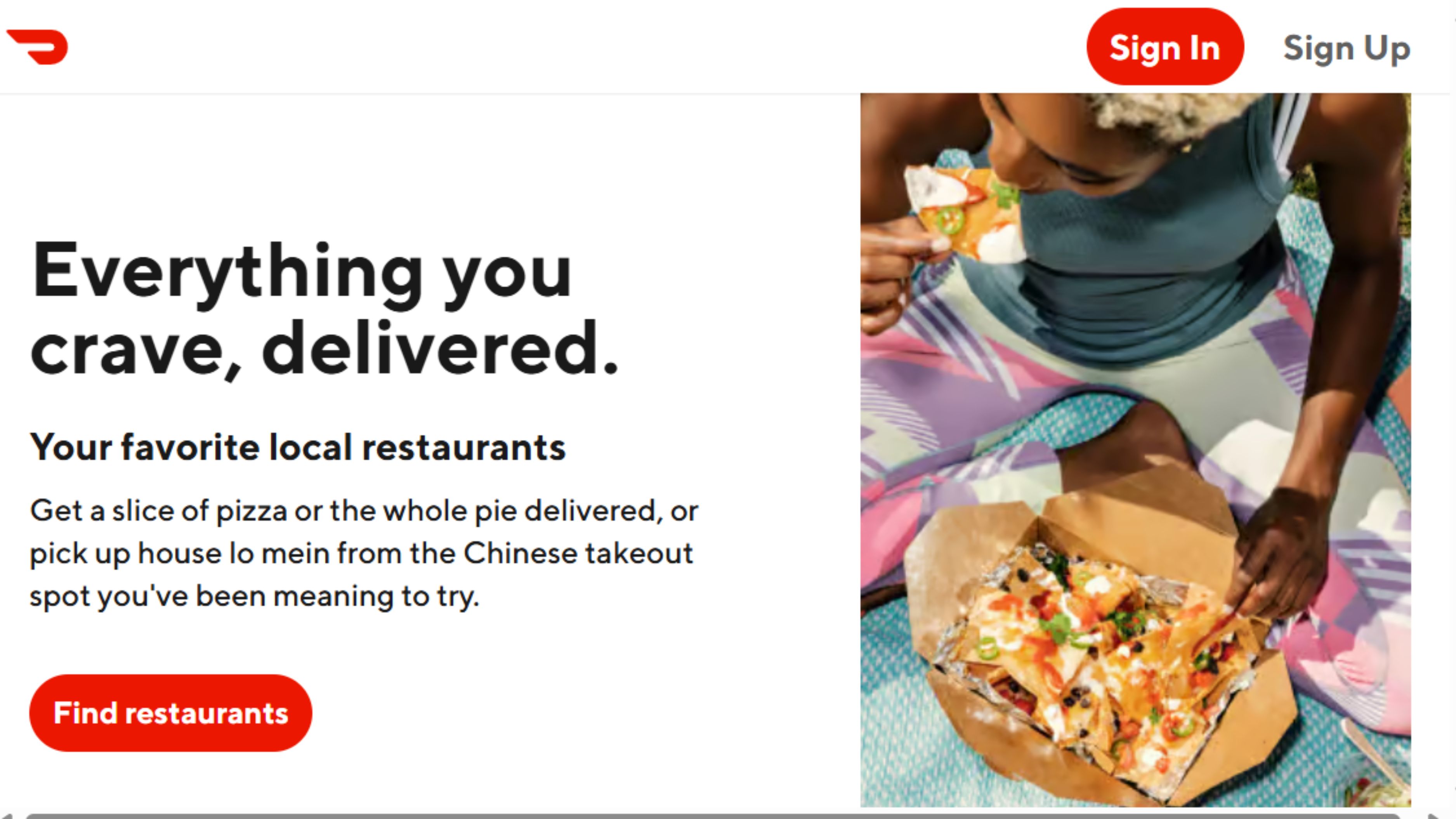
What it is: DoorDash dominates the food delivery space with the largest restaurant network in many cities, making it especially valuable for apartment dwellers in suburban or smaller urban areas where options might otherwise be limited.
Key features: DashPass ($9.99/month) is one of the best deals in delivery, offering $0 delivery fees and reduced service fees on eligible orders over $12. The app excels at discovery—their recommendation algorithm is surprisingly good at suggesting new restaurants you'll actually like. Group ordering makes it easy to coordinate with roommates, and the pickup option offers discounts when you can grab food yourself. DoorDash also partners with major chains and local favorites, giving you more variety than most competitors. For apartment buildings, the photo feature where drivers snap proof of delivery is reassuring.
Pricing: Similar fee structure to Uber Eats, but DashPass often saves more per order due to reduced service fees in addition to free delivery. Many credit cards now offer free DashPass memberships, making it essentially free for some users.
Pros:
Largest restaurant network in many areas
DashPass offers excellent savings
Group ordering feature for roommates
Often has the best exclusive restaurant deals
Photo proof of delivery
Cons:
App can be glitchy during updates
Customer service response times vary
Small order fees discourage single-item orders
Restaurant selection varies greatly by neighborhood
7. Caviar – Best for Upscale Dining Delivery

What it is: Caviar, now owned by DoorDash, focuses on quality over quantity, partnering with higher-end restaurants and local favorites that often don't work with other delivery services. It's for apartment dwellers who want restaurant-quality dining at home.
Key features: The curation is what sets Caviar apart—you won't find every chain restaurant, but you will find the restaurants that food critics actually recommend. Delivery is handled with more care than typical services; drivers are trained to maintain food quality and presentation. The app includes detailed restaurant information, including Michelin stars and James Beard awards where applicable. DashPass now works with Caviar orders, giving you the premium experience without additional delivery fees. Special occasion orders (birthdays, anniversaries) get extra attention to detail.
Pricing: Restaurant prices are typically higher than other platforms, reflecting the upscale nature of partner restaurants. However, with DashPass, delivery fees are waived, making the premium experience more accessible.
Pros:
Curated selection of quality restaurants
Better food handling and presentation
DashPass works across Caviar orders
Detailed restaurant information and reviews
Ideal for special occasions at home
Cons:
Fewer restaurant options overall
Generally more expensive than other platforms
Not available in all cities
Limited late-night options
8. Amazon Prime – Best for Quick Essentials and Entertainment
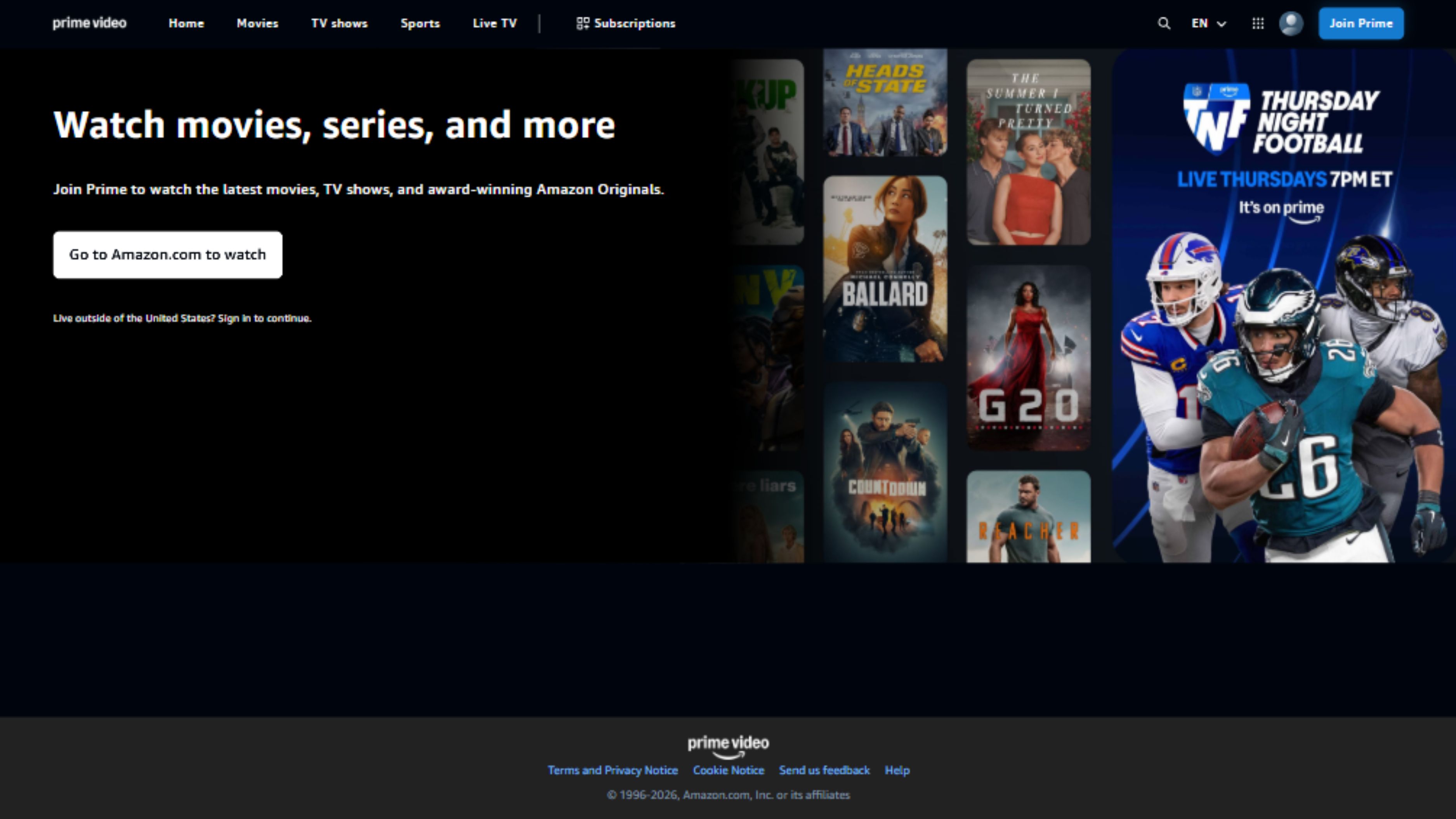
What it is: While not apartment-specific, Amazon Prime is arguably the most valuable service for apartment dwellers, combining fast shipping for household essentials with streaming entertainment—all crucial when you don't have a car for quick store runs.
Key features: Same-day or next-day delivery in most urban areas means you're never stuck without toilet paper, cleaning supplies, or that random kitchen tool you suddenly need. Prime Video offers enough entertainment that many apartment dwellers skip cable entirely. The addition of grocery delivery through Amazon Fresh (included with Prime in many areas) is a game-changer for car-free apartment living. Subscribe & Save offers discounts on regular purchases like paper towels and toiletries, and items arrive automatically. For apartment dwellers with limited storage, this prevents bulk-buying while still saving money.
Pricing: $139/year or $14.99/month. Students and EBT cardholders get significantly discounted rates. When you factor in the shipping savings alone, it typically pays for itself within a few orders.
Pros:
Lightning-fast delivery for emergencies
Prime Video eliminates need for cable
Subscribe & Save prevents running out of essentials
Free grocery delivery in many areas
Whole Foods discounts for in-person shopping
Cons:
Annual cost can feel steep upfront
Easy to impulse-buy due to convenience
Delivery packaging creates waste in small apartments
Not all items qualify for fast shipping
9. HelloFresh – Best for Meal Kits That Fit Small Kitchens
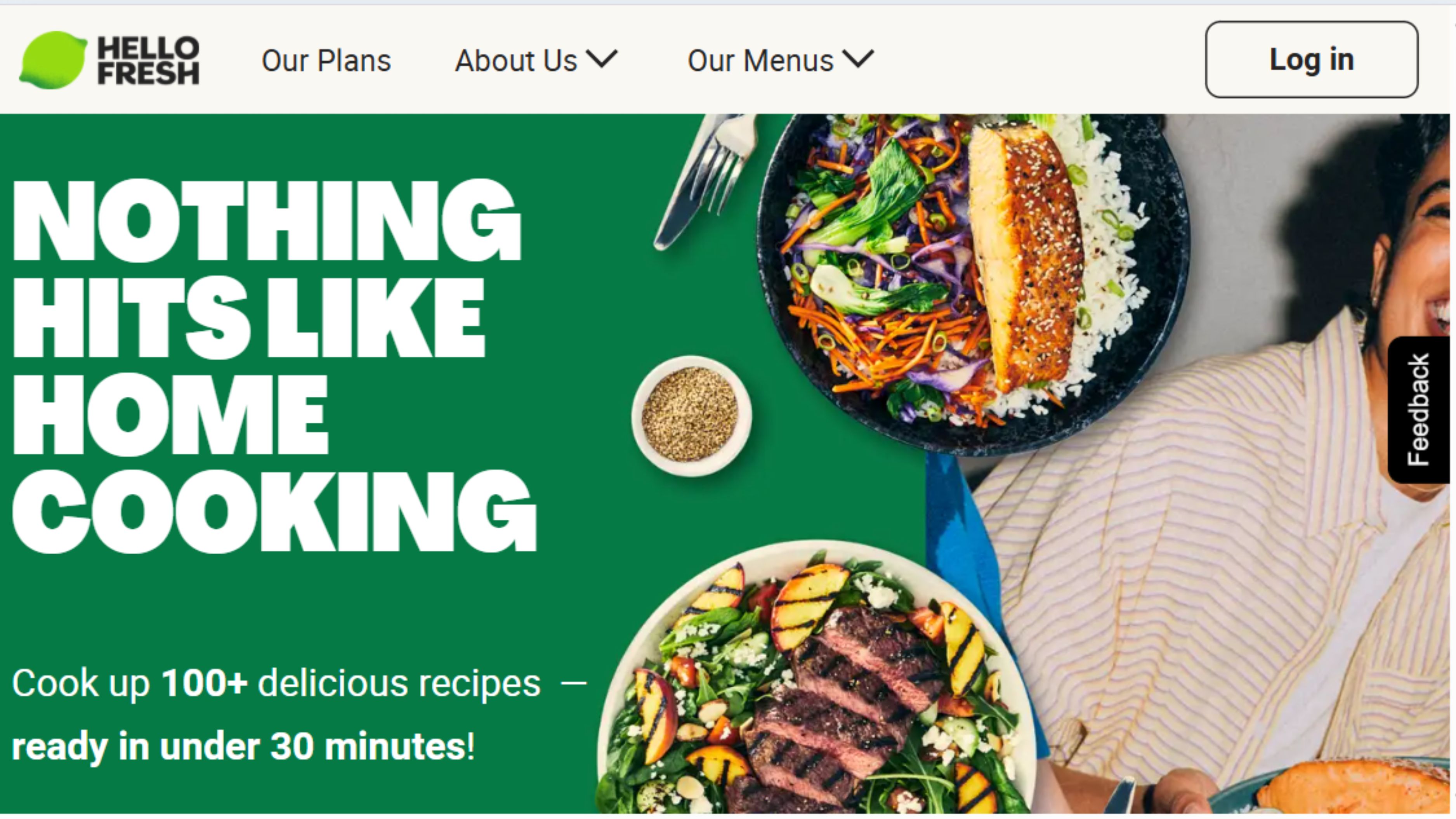
What it is: HelloFresh delivers pre-portioned meal kits designed for home cooking, which solves multiple apartment problems at once: limited storage space, food waste from buying full-size ingredients, and the "what's for dinner?" decision fatigue.
Key features: Each box contains exactly what you need for 2-4 servings of chosen recipes—no more buying a whole bunch of cilantro when you need two tablespoons. The recipes are designed for small kitchens with limited equipment; you don't need a food processor or stand mixer. Instructions are clear with photos, making them perfect for cooking novices. The variety is impressive, with 40+ recipes weekly across different dietary preferences. Packaging is designed to fit in apartment fridges, and you can skip weeks when traveling. The cooking time is honest—most meals take 30-40 minutes, not the "20 minutes" that usually means an hour.
Pricing: Plans start around $8-$12 per serving depending on the plan and number of servings. While more expensive than grocery shopping, it's significantly cheaper than takeout and eliminates food waste.
Pros:
Zero food waste—use everything that arrives
Fits in small apartment fridges
Designed for limited kitchen equipment
Teaches cooking skills gradually
Flexible skip/pause options
Cons:
More expensive than traditional grocery shopping
Generates packaging waste
Requires cooking time and energy
Not ideal for picky eaters or very restrictive diets
10. SimpliSafe – Best for Renter-Friendly Home Security

What it is: SimpliSafe offers wireless, DIY home security systems designed specifically for renters who can't modify their apartments with drilled holes and hardwiring. It brings peace of mind without risking your security deposit.
Key features: The entire system is wireless and uses adhesive strips for mounting—no drilling required. Setup takes about 30 minutes, and when you move, everything comes with you. The system includes door/window sensors, motion detectors, cameras, and 24/7 professional monitoring. The smartphone app lets you arm/disarm the system remotely and receive instant alerts. Unlike traditional security companies, there's no long-term contract—monitoring is month-to-month. The video doorbell is particularly valuable for apartment dwellers dealing with package theft. Environmental sensors for water leaks and temperature changes help prevent apartment disasters.
Pricing: Equipment packages start around $200-$500 depending on apartment size. Professional monitoring is optional at $17.99/month for 24/7 service. Self-monitoring through the app is free with no monthly fee.
Pros:
Completely renter-friendly installation
No long-term contracts
Take system when you move
Professional monitoring is affordable and optional
Works without WiFi during outages
Cons:
Equipment cost is upfront
Cameras require subscription for video storage
May need landlord permission for outdoor cameras
Cellular backup costs extra
Understanding Apartment Services: A Quick Guide
What Are Apartment Services?
Apartment services encompass any product, subscription, or solution designed to enhance the quality of life for people living in rental properties. Unlike homeowners, renters face unique challenges: limited space, restrictions on modifications, frequent moves, and the need for flexibility. Modern apartment services address these specific pain points, from furniture that fits through narrow doorways to meal delivery that compensates for tiny kitchens.
These services have exploded in popularity as urban apartment living has become the norm for younger generations. The apartment services industry now generates billions annually, driven by the recognition that renters want quality living experiences without the permanence and investment required for home ownership.
Benefits of Using Apartment-Focused Services
The right services transform apartment living from simply practical to genuinely enjoyable. Furniture rental and modular options eliminate the stress of moving heavy items every few years—a real consideration when the average American moves 11.7 times in their lifetime, with renters moving even more frequently.
Meal delivery and food services compensate for smaller kitchens and limited storage, allowing apartment dwellers to enjoy restaurant-quality food and home cooking without the pantry space typically required. This isn't just about convenience; it's about making a small space function as well as a house with a full kitchen and garage storage.
Security services designed for renters provide peace of mind without violating lease agreements or losing security deposits to drill holes. In apartment buildings where you don't control who has access to common areas, proper security becomes even more important.
Perhaps most significantly, these services offer flexibility. Renters can access quality furniture, fresh food, and premium entertainment without the long-term commitments and large upfront costs that homeowners accept as standard. This flexibility allows apartment dwellers to maintain a high quality of life while preserving the financial flexibility that makes renting attractive.
What to Look for When Choosing Apartment Services
Rental-Friendly Features: The single most important consideration is whether the service works within typical lease restrictions. Does it require drilling holes? Can you take it with you when you move? Will it damage walls or floors? Always read your lease before committing to any service that might modify your apartment.
Flexibility and Commitment: Avoid long-term contracts when possible. Month-to-month options are ideal for renters who might relocate for work or choose not to renew their lease. Look for services with easy pause, cancel, or modification options. Your life situation can change quickly when renting, and your services should adapt accordingly.
Space Efficiency: Every service you choose should justify the space it occupies or requires. Furniture should be proportional to your square footage. Delivery services should accommodate small refrigerators. Storage solutions should maximize vertical space. If something makes your apartment feel more cramped, it's not worth it.
Value Proposition: Calculate the true cost over time. A $200 monthly furniture rental might seem reasonable for six months ($1,200 total) but becomes questionable if you're staying two years ($4,800). Conversely, a $2,000 modular sofa you'll move three times might cost less per year than cheap furniture you'll replace twice. Consider your likely time horizon when evaluating costs.
Reviews from Other Renters: Homeowner reviews aren't always relevant to renters. Specifically seek out reviews from people in apartments or similar living situations. They'll mention the issues that matter to you: whether furniture fits through standard doorways, if delivery drivers can navigate apartment buildings, whether customer service handles address changes smoothly, and if the product quality justifies the price for temporary living situations.
Frequently Asked Questions
Is it worth getting furniture rental services, or should I just buy cheap furniture?
It depends on how long you're planning to stay and how often you move. If you're in a city for a short-term job assignment (under a year) or testing out apartment living before committing, rental makes perfect sense—you're paying for convenience and flexibility. However, if you're planning to stay 2+ years and don't move frequently, buying furniture (even budget options) typically costs less over time. The sweet spot for rental is when you value convenience over cost savings, move frequently for work, or genuinely don't know how long you'll be in your current location. Consider that moving costs, potential damage during moves, and the hassle factor all have value too.
Can I really save money using meal delivery and food services instead of grocery shopping?
Surprisingly, yes—but with caveats. Meal kits like HelloFresh typically cost $8-12 per serving, which is more than cooking from scratch but less than restaurant delivery ($15-25 per serving). The real savings come from eliminating food waste; apartments often lack space for bulk storage, so you end up throwing away unused portions of ingredients. When you factor in the cost of wasted groceries, plus the time spent meal planning and shopping, meal kits often break even or save money for one or two-person households. Restaurant delivery apps with membership programs (DashPass, One Pass) save money compared to paying per-order fees, especially if you typically order 2-3 times per week. The key is being honest about your actual habits—if you genuinely cook from scratch regularly, grocery shopping wins. If you're realistic and know you'll order out or waste food otherwise, delivery services can be more economical.
Do I need my landlord's permission to install apartment security systems?
For fully wireless systems like SimpliSafe that use adhesive mounting, most lease agreements don't require permission since you're not making permanent modifications. However, it's always wise to review your lease and inform your landlord as a courtesy—some leases have clauses about electronic devices or recording equipment. For any outdoor cameras (pointing at hallways or outside your door), you definitely should get permission in writing, as there may be privacy concerns for neighbors or building policies. Door peepholes, doorbell cameras, and anything requiring drilling typically need explicit approval. The good news is that most landlords appreciate security-conscious tenants, especially if your system might deter break-ins that could affect the entire building. Just communicate proactively to avoid any issues when you move out.
How do I choose between modular furniture systems like Lovesac versus affordable brands like Albany Park?
Start with your realistic time horizon and moving frequency. Lovesac's lifetime warranty and infinite reconfigurability make sense if you move often, anticipate changing apartment sizes, or plan to eventually buy a house and take the furniture with you. You're investing $3,000-$5,000+ in furniture that adapts to any space for potentially decades. Albany Park makes sense if you want quality furniture at a lower price point ($1,500-$3,000) and don't need extensive reconfiguration options. Their designs are smart for apartments but not infinitely adaptable. Consider your budget, aesthetic preferences (Lovesac tends toward contemporary, Albany Park offers more variety), and whether the modular flexibility genuinely matters to you. If you know you'll be in similar-sized apartments for the next few years, Albany Park offers better value. If your life is unpredictable or you're obsessed with rearranging furniture, Lovesac's flexibility justifies the premium.