

We've tested and researched dozens of AI-powered travel tools to find the ones that genuinely make a difference. These aren't just gimmicky chatbots slapped onto old websites—they're sophisticated platforms that understand your preferences, predict your needs, and handle the tedious research so you can focus on the fun parts of planning your adventure. Whether you're a meticulous planner who wants every detail sorted or a spontaneous traveler who needs quick, reliable suggestions, these tools are changing the game.
Top 10 AI Travel Tools at a Glance
Curiosio – Best for creating comprehensive multi-day itineraries in seconds
Layla AI – Best for conversational trip planning with personalized recommendations
Kayak's AI Trip Planner – Best for budget-conscious travelers seeking deals
Wonderplan – Best for visual travelers who plan through maps
Roam Around – Best for discovering hidden gems and local experiences
Maya Travel AI – Best for managing group travel logistics
Tripnotes AI – Best for organizing research from multiple sources
GuideGeek – Best for real-time travel assistance via WhatsApp
Eddy Travels – Best for quick hotel and flight comparisons through chat
IPlan.ai – Best for fully customizable day-by-day travel blueprints
1. Curiosio

What it is: Curiosio is an AI-powered itinerary builder that generates detailed, day-by-day travel plans tailored to your interests, travel style, and time constraints in just minutes.
Unlike generic travel guides that show you the same tourist traps everyone visits, Curiosio's AI analyzes your preferences—whether you're into art museums, outdoor adventures, food scenes, or historical sites—and crafts personalized itineraries that match your vibe. You simply input your destination, travel dates, interests, and pace (relaxed, moderate, or packed), and the AI generates a complete itinerary with specific recommendations for morning, afternoon, and evening activities. The platform learns from millions of traveler experiences and real-time data to suggest optimal timing, nearby attractions to group together, and realistic travel times between locations.
What sets Curiosio apart is its ability to adapt itineraries on the fly. If you decide you hate museums after day one, you can tell the AI to adjust, and it'll regenerate your remaining days without the cultural stuff. The tool also considers practical factors like opening hours, typical crowd levels, and seasonal considerations that most travelers forget until they're standing at a closed attraction.
Best for: First-time visitors to a destination who want comprehensive planning without spending hours researching
Key Features & Differentiators:
Generates complete multi-day itineraries in under 2 minutes
Adapts recommendations based on travel pace and energy levels
Considers practical logistics like opening hours and travel distances
Includes restaurant suggestions timed to your itinerary flow
Provides estimated costs for activities and realistic time allocations
Pricing: Free basic version, premium plans typically $9-$29/month for advanced features and unlimited itineraries
Pros:
Dramatically reduces planning time from hours to minutes
Creates realistic itineraries that account for travel time and fatigue
Highly customizable to specific interests and travel styles
Includes budget estimates for better financial planning
Constantly updated with new attractions and seasonal changes
Cons:
May suggest overly packed schedules for some travelers
Limited off-the-beaten-path recommendations in less popular destinations
Requires internet connection to access and modify plans
Restaurant suggestions sometimes favor tourist-heavy establishments
Learning curve to communicate preferences effectively to the AI
2. Layla AI

What it is: Layla AI is a conversational travel assistant that helps you plan trips through natural dialogue, answering questions and making suggestions as if you're chatting with a knowledgeable travel-obsessed friend.
Rather than forcing you to fill out forms or select from dropdown menus, Layla lets you plan trips the way you naturally think about them—through conversation. You can ask open-ended questions like "Where should I go for a warm beach vacation in April under $2,000?" or "What's the best way to spend three days in Tokyo with kids?" The AI responds with personalized suggestions, explanations of why certain options work for your situation, and follow-up questions to refine recommendations. It remembers context throughout your conversation, so you can build on previous answers without repeating yourself.
Layla's strength lies in its ability to handle the exploratory phase of trip planning when you're not quite sure what you want. The AI can compare destinations, explain pros and cons of different seasons, suggest alternatives you hadn't considered, and help narrow down options based on your priorities. It also provides direct booking links and can alert you to deals, though you'll complete actual bookings on partner sites.
Best for: Travelers who prefer conversational exploration over structured forms and want flexibility in the planning process
Key Features & Differentiators:
Natural language conversation interface that feels genuinely interactive
Remembers your preferences and conversation context throughout planning
Provides reasoning behind suggestions rather than just lists
Can compare multiple destinations or options side-by-side
Integrates real-time pricing and availability information
Pricing: Free to use with affiliate commission on bookings made through the platform
Pros:
Incredibly intuitive interface that requires no learning curve
Excels at helping undecided travelers narrow down options
Provides personalized explanations, not just generic recommendations
Accessible via web or mobile app for planning anywhere
No subscription required for full functionality
Cons:
Can sometimes provide overly general advice for very specific questions
Limited ability to generate detailed day-by-day itineraries
Booking links may not always show the absolute cheapest options
Conversation can feel circular if you're not specific with requests
Requires multiple exchanges to dial in complex multi-destination trips
3. Kayak's AI Trip Planner
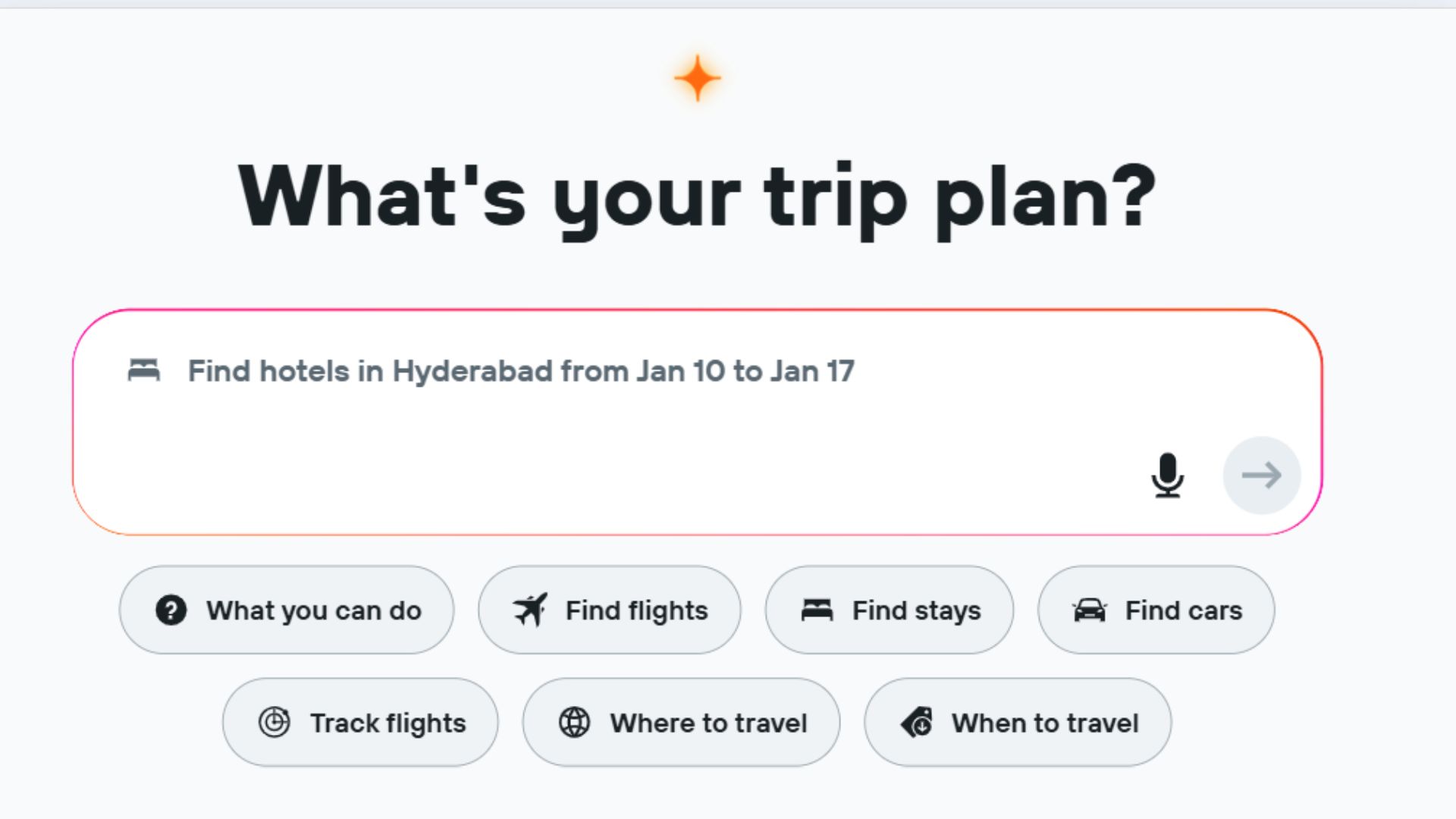
What it is: Kayak's AI-powered planning feature combines the platform's massive flight and hotel database with intelligent
recommendations to help budget-conscious travelers find the best deals while building their ideal trip.
Kayak has been a travel booking powerhouse for years, and their AI integration takes their deal-finding capabilities to the next level. The AI Trip Planner analyzes your budget, preferred travel dates (or flexible windows), and destination interests to suggest optimal combinations of flights, accommodations, and timing that maximize value. It can identify patterns like "flying out on Tuesday saves $200" or "booking this hotel chain offers better amenities at the same price." The system also tracks price fluctuations and predicts whether costs are likely to rise or fall, helping you time your bookings strategically.
What makes Kayak's approach unique is the seamless integration between AI recommendations and actual booking. Unlike tools that suggest ideas but send you elsewhere to book, Kayak's AI can actively search inventory, compare options, and facilitate bookings all within the same platform. The AI also excels at package deals, identifying combinations where booking flight and hotel together saves significantly versus separate bookings.
Best for: Price-focused travelers who want AI assistance finding the best deals without sacrificing quality or convenience
Key Features & Differentiators:
Price prediction algorithms that advise whether to book now or wait
Flexible date searching to find cheapest travel windows
Direct booking integration from recommendations to reservation
Package deal optimization that finds best value combinations
Price alerts and tracking for specific routes and hotels
Pricing: Free to use, Kayak makes money through booking commissions
Pros:
Exceptional deal-finding that can save hundreds on trips
Seamless transition from planning to booking
Backed by comprehensive flight and hotel database
Price prediction feature reduces booking anxiety
Mobile app allows planning and monitoring on the go
Cons:
Focuses heavily on mainstream hotels and airlines
Less helpful for planning activities and daily itineraries
AI recommendations prioritize price over unique experiences
Interface can feel overwhelming with too many options
Limited personalization for travel style beyond budget considerations
4. Wonderplan
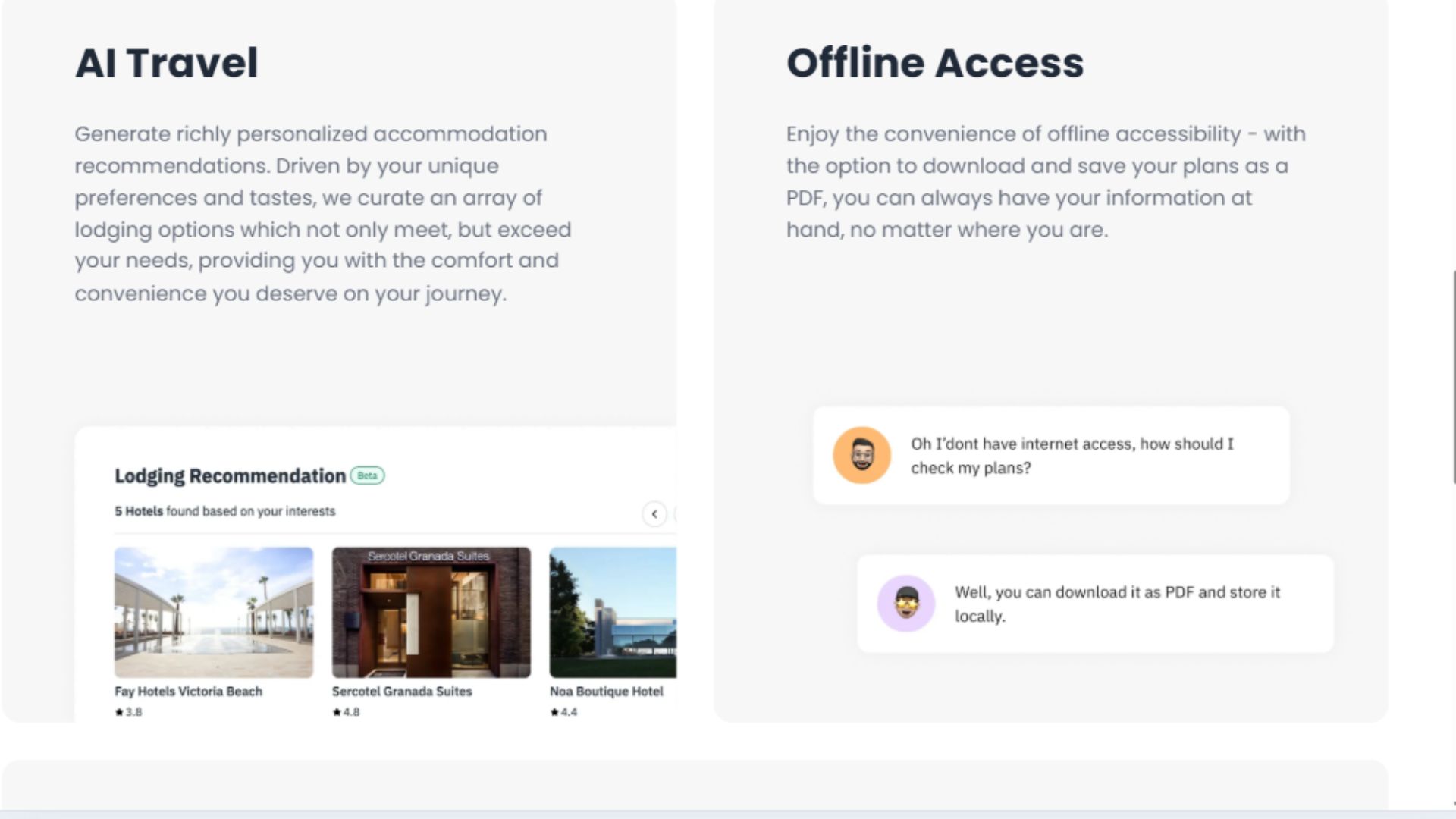
What it is: Wonderplan is a visual-first AI travel planner that builds itineraries on an interactive map, helping spatial thinkers see exactly where they'll be going and how their trip flows geographically.
If you're the type of person who needs to see things laid out spatially, Wonderplan is transformative. The AI generates itineraries and displays them directly on a map, color-coding each day, showing routes between attractions, and visualizing how your trip unfolds geographically. This immediately reveals whether your plan makes logistical sense or if you're crisscrossing the city unnecessarily. You can see at a glance that your morning museum, lunch spot, afternoon park, and evening restaurant are all in the same neighborhood—or that you've accidentally planned them in four opposite corners.
The AI considers geographic clustering when building suggestions, naturally grouping nearby attractions on the same days to minimize travel time and maximize experience time. You can drag and drop activities between days, add personal notes, and the map updates in real-time. Wonderplan also layers in practical information like public transit routes, walking distances, and estimated travel times between points, helping you make informed decisions about whether an attraction is worth the journey.
Best for: Visual planners who think geographically and want to optimize travel routes for efficiency
Key Features & Differentiators:
Interactive map visualization of entire trip itinerary
Automatic geographic clustering of activities for efficiency
Drag-and-drop interface for easy itinerary adjustments
Transit integration showing how to get between locations
Distance and time calculations between all points
Pricing: Free basic version, premium features around $10-$20 for complete trip planning
Pros:
Makes logistical planning intuitive through visual representation
Immediately identifies inefficient routing and backtracking
Excellent for understanding neighborhoods and city layout
Helps prevent over-ambitious daily plans by showing actual distances
Easy to share visual itineraries with travel companions
Cons:
May overwhelm travelers who prefer list-based planning
Limited recommendations for experiences beyond geographic points
Works best in major cities with detailed mapping data
Less effective for rural or multi-city road trips
Requires time to learn the interface if you're not map-savvy
5. Roam Around
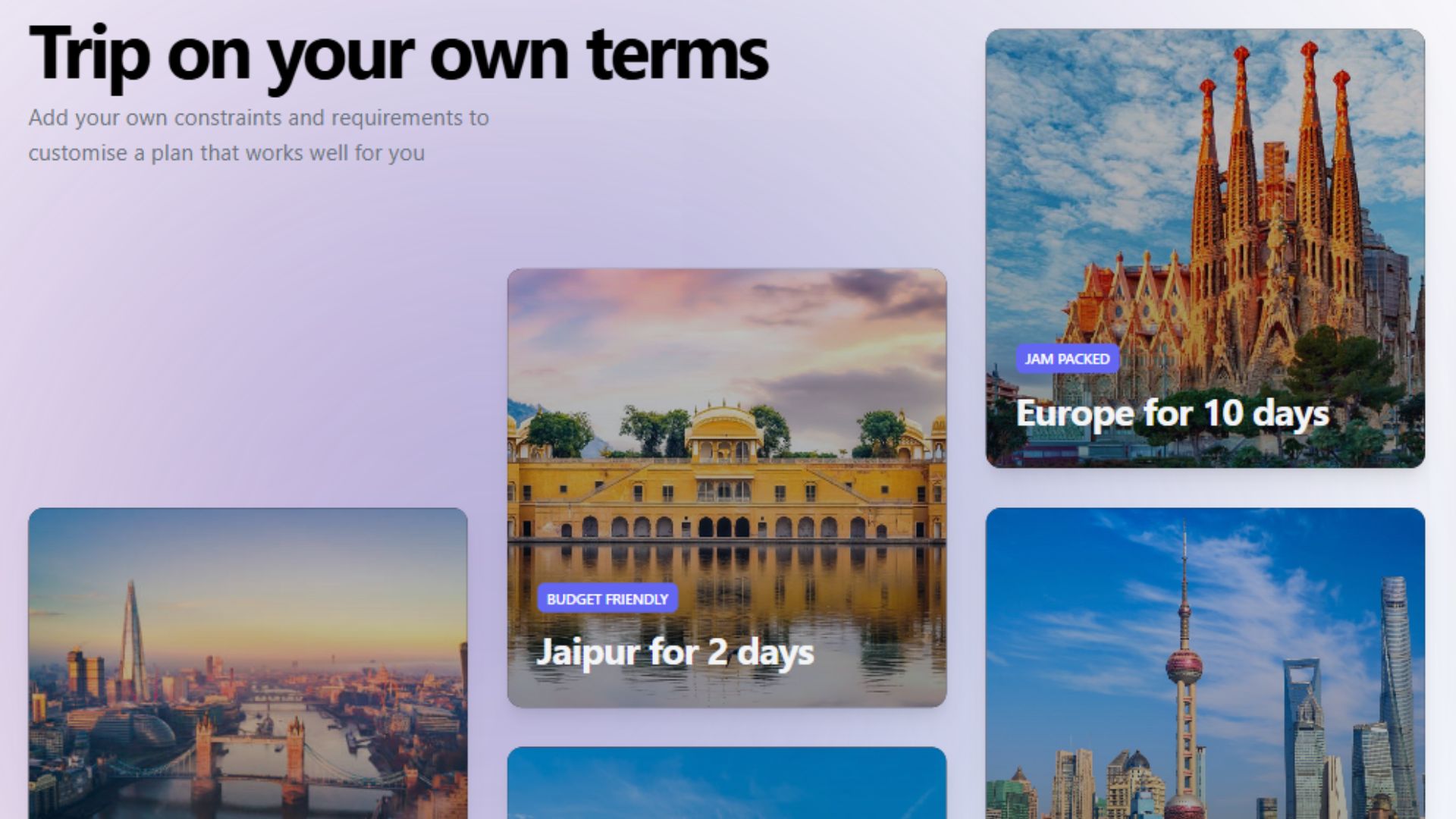
What it is: Roam Around is an AI discovery tool specialized in finding authentic local experiences, hidden gems, and off-the-beaten-path attractions that typical tourist guides miss.
While most AI travel tools aggregate popular tourist information, Roam Around's algorithms dig deeper into local blogs, resident recommendations, and lesser-known review sources to surface authentic experiences. Ask it about Paris, and instead of just suggesting the Eiffel Tower, it'll tell you about the secret vintage bookshop in the Marais, the neighborhood bistro where locals actually eat, or the hidden rooftop with better views and no crowds. The AI has been specifically trained to differentiate between tourist traps and genuine local favorites.
Roam Around shines for travelers who've already done the major destinations and want to explore like a resident rather than a tourist. The AI can filter by very specific interests—"best jazz bars frequented by musicians in New Orleans" or "family-run ceramics workshops in Kyoto"—and provide context about why each recommendation matters to locals. It also adapts to your adventurousness level, suggesting either safe, accessible hidden gems or more challenging, truly off-grid experiences depending on your comfort zone.
Best for: Experienced travelers seeking authentic local experiences and wanting to avoid tourist crowds
Key Features & Differentiators:
Specializes in uncovering lesser-known attractions and local favorites
Provides cultural context explaining why locals value certain places
Filters by specific niche interests beyond typical categories
Includes practical details like "best time to visit" for hidden spots
Regularly updated with emerging neighborhood trends
Pricing: Free with optional premium subscription ($7-$15/month) for enhanced recommendations
Pros:
Discovers truly unique experiences you won't find in guidebooks
Helps travelers have more authentic, memorable trips
Excellent for repeat visitors wanting new perspectives on familiar cities
Reduces tourist trap mistakes and disappointments
Provides conversation starters and cultural insights
Cons:
Less helpful for first-time visitors who actually want major sights
Some recommendations may be too adventurous for cautious travelers
Accuracy varies by destination's coverage depth
Limited practical logistics like opening hours or booking requirements
May suggest places that have since closed or changed
6. Maya Travel AI
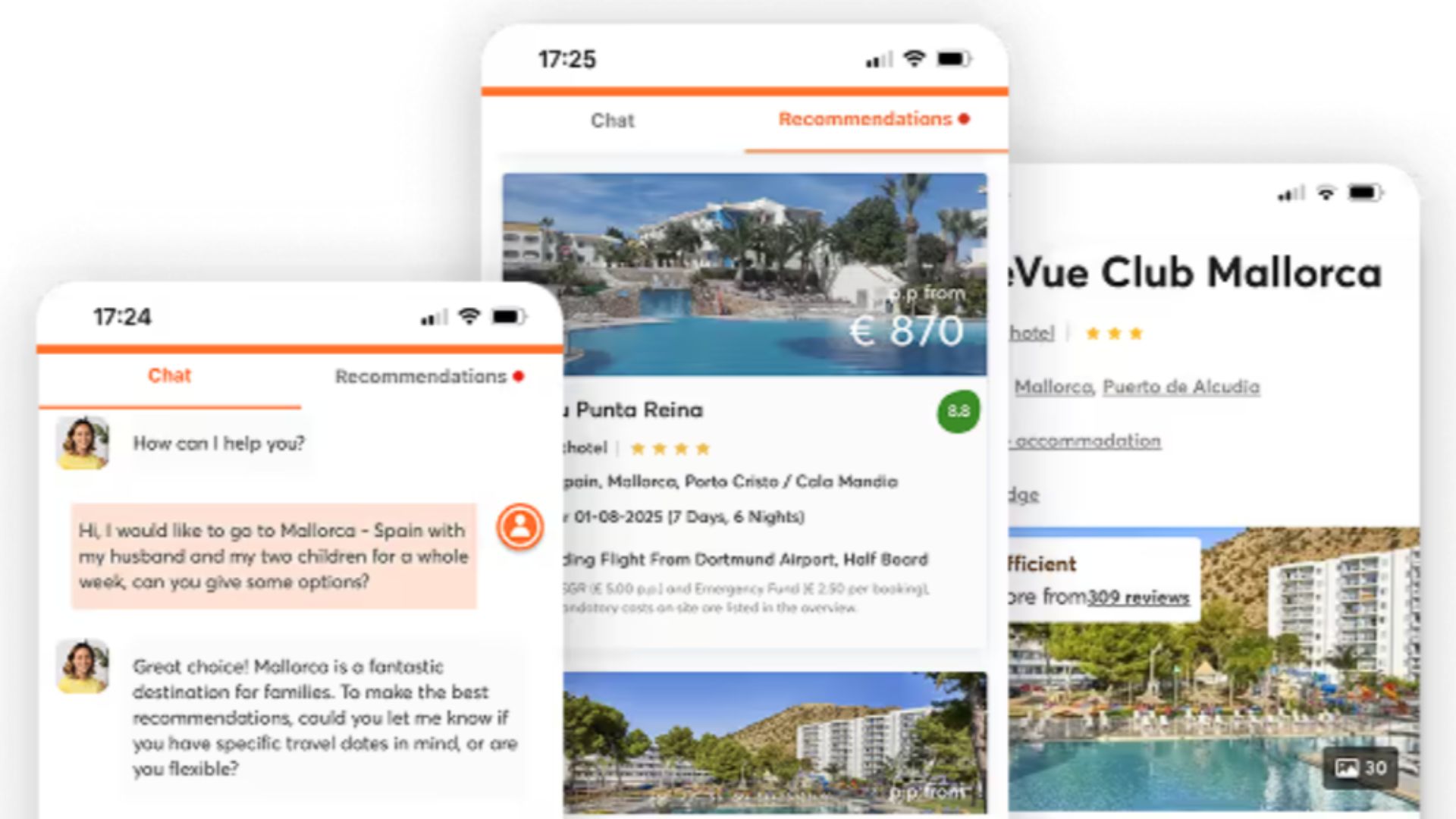
What it is: Maya is an AI assistant specifically designed to solve the chaos of group travel planning, helping coordinate preferences, manage shared expenses, and build consensus-driven itineraries for groups.
Anyone who's tried planning a trip with four or more people knows it's herding cats. Maya tackles this by creating a shared planning space where the AI surveys all travelers about their preferences, budget constraints, and must-dos, then generates itinerary options that satisfy the most people. Rather than one person doing all the research and facing pushback, Maya democratizes the process while still maintaining organization. The AI identifies common ground, highlights where compromises are needed, and can even run polls when the group can't decide between options.
Maya also excels at expense management, tracking who paid for what and calculating fair splits that account for people joining late or leaving early. The AI can suggest budget-friendly alternatives when certain group members are price-sensitive and recommend activities that accommodate different mobility or interest levels. For bachelor parties, family reunions, friend trips, or any group travel, Maya acts as the neutral coordinator nobody resents.
Best for: Groups of friends or family coordinating complex multi-person trips with varying preferences and budgets
Key Features & Differentiators:
Surveys all group members and synthesizes preferences
Creates consensus-based itineraries that satisfy most travelers
Built-in expense tracking and splitting functionality
Voting features for group decisions on activities
Manages different arrival/departure dates within same trip
Pricing: Free for groups up to 5 people, paid tiers ($15-$40 per trip) for larger groups or premium features
Pros:
Dramatically reduces group planning conflict and decision fatigue
Ensures everyone's preferences are heard and considered
Transparent expense tracking prevents money awkwardness
Saves enormous time compared to group chat chaos
Creates shared accountability rather than one person organizing everything
Cons:
Requires getting everyone in the group to engage with the platform
Less useful for solo travelers or couples
Some group members may ignore surveys or input deadlines
Can over-compromise, leading to middle-of-the-road choices
Premium features required for groups larger than 5
7. Tripnotes AI
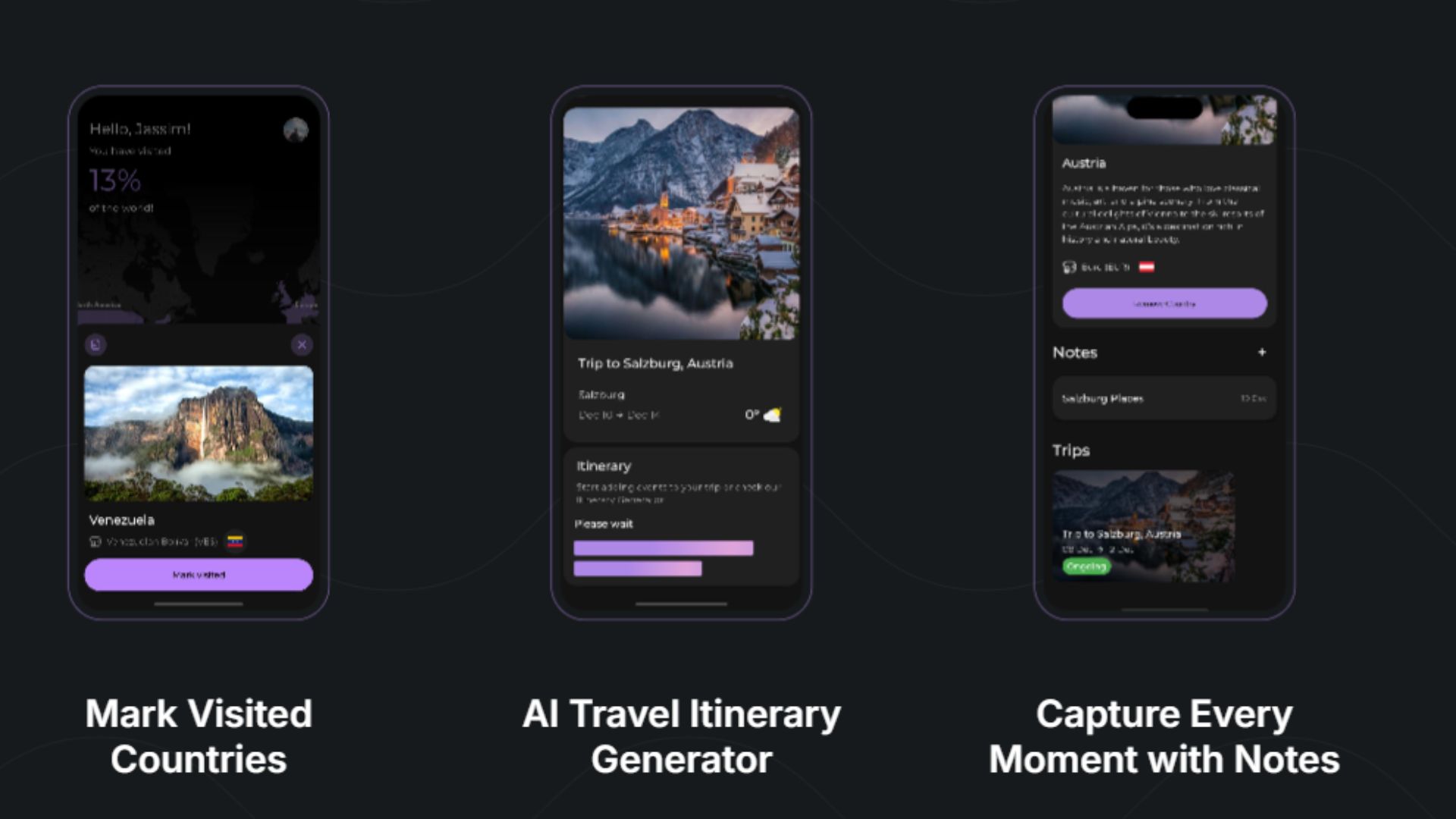
What it is: Tripnotes AI is a research aggregation and organization tool that uses AI to consolidate travel information from multiple sources into one coherent, actionable plan.
The modern traveler's workflow involves dozens of open tabs, screenshots, forwarded emails, bookmarked articles, and Instagram saves scattered across devices. Tripnotes solves this by using AI to automatically extract, categorize, and organize all that research into structured trip notes. You can forward confirmation emails, paste links to articles, upload photos, or dictate voice notes, and the AI identifies key information—reservation details, addresses, operating hours, recommendations—and files it appropriately. The system recognizes that a forwarded hotel email should go in "Accommodations" while a blog post about restaurants should be categorized under "Dining."
Tripnotes also de-duplicates recommendations you've seen in multiple sources, highlights conflicts (like two restaurants you wanted to try that are both closed Mondays), and fills in missing information by cross-referencing its database. When you're ready to travel, the AI can generate day-by-day summaries from all your collected research, create checklists of reservations to make, and export everything in formats that work offline.
Best for: Thorough researchers who gather information from many sources and need help organizing it all
Key Features & Differentiators:
Automatically extracts and categorizes information from emails, links, and notes
Consolidates research from unlimited sources into one organized system
Identifies duplicates and conflicts in your saved recommendations
Creates exportable itineraries from your collected research
Works across devices with cloud sync
Pricing: Free basic version, premium plans $8-$20/month for advanced organization features
Pros:
Eliminates the chaos of multi-platform research
Saves time by auto-organizing instead of manual filing
Nothing gets lost or forgotten in different apps
Creates comprehensive trip documentation automatically
Useful reference even after returning from trip
Cons:
Requires active use throughout planning process to get full benefit
Limited value if you prefer minimal pre-trip research
AI categorization occasionally misfiles information
Learning curve to understand best workflow
Another platform to check instead of truly consolidating
8. GuideGeek
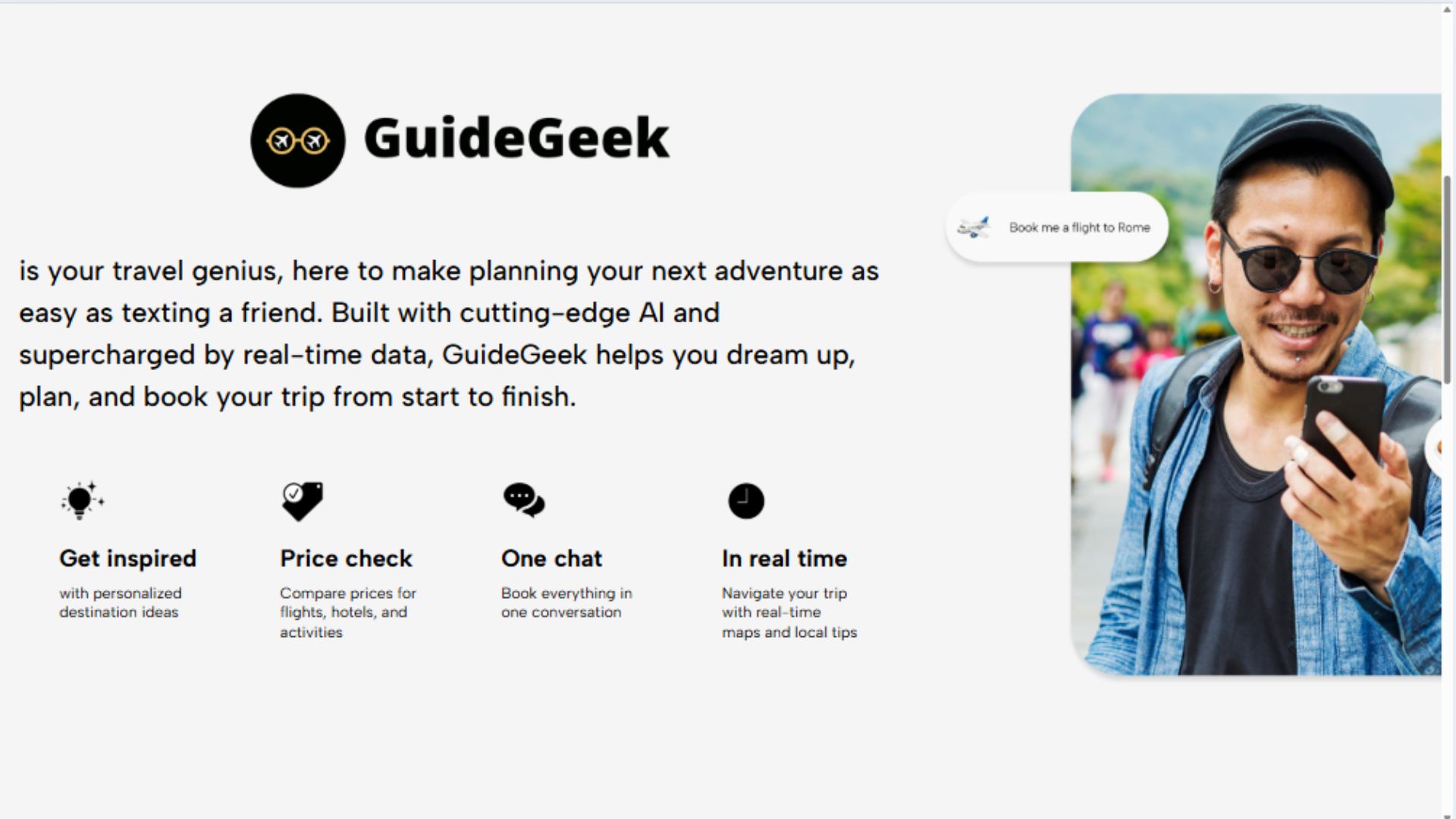
What it is: GuideGeek is an AI travel assistant that works entirely through WhatsApp, providing real-time recommendations, answering questions, and solving problems while you're actively traveling.
Unlike planning tools you use before your trip, GuideGeek is designed for in-the-moment assistance when you're already at your destination. Stuck in a new city wondering where to eat lunch? Message GuideGeek on WhatsApp, tell it what neighborhood you're in and your food preferences, and get instant recommendations with directions. Flight delayed and you need to rebook? GuideGeek can help navigate options. The AI has access to real-time information about weather, events, transit disruptions, and more, making it like having a local friend with perfect knowledge in your pocket.
GuideGeek's genius is meeting travelers where they already are—in WhatsApp, which works internationally and doesn't require downloading yet another app. The conversational interface handles follow-up questions naturally, like "Give me vegetarian options" or "Which one is closest?" without starting over. It can also provide translations, explain local customs, suggest appropriate tips, and handle all those "wait, how does this work?" questions that come up while traveling.
Best for: Travelers who want on-demand assistance and recommendations while actively exploring a destination
Key Features & Differentiators:
Works through WhatsApp, no app download required
Real-time recommendations based on current location
Handles immediate problems like transit issues or booking changes
Provides cultural context and practical local information
Works in multiple languages for international travel
Pricing: Free to use, no subscription required
Pros:
Incredibly convenient through familiar WhatsApp interface
Available 24/7 for any travel emergency or question
No app downloads or account creation needed
Provides location-specific advice in real-time
International functionality without roaming apps
Cons:
Less comprehensive than dedicated trip planning tools
Requires data connection or WiFi to access
Not ideal for pre-trip planning and organization
Responses sometimes lack depth compared to research tools
Can't handle complex multi-day itinerary building
9. Eddy Travels
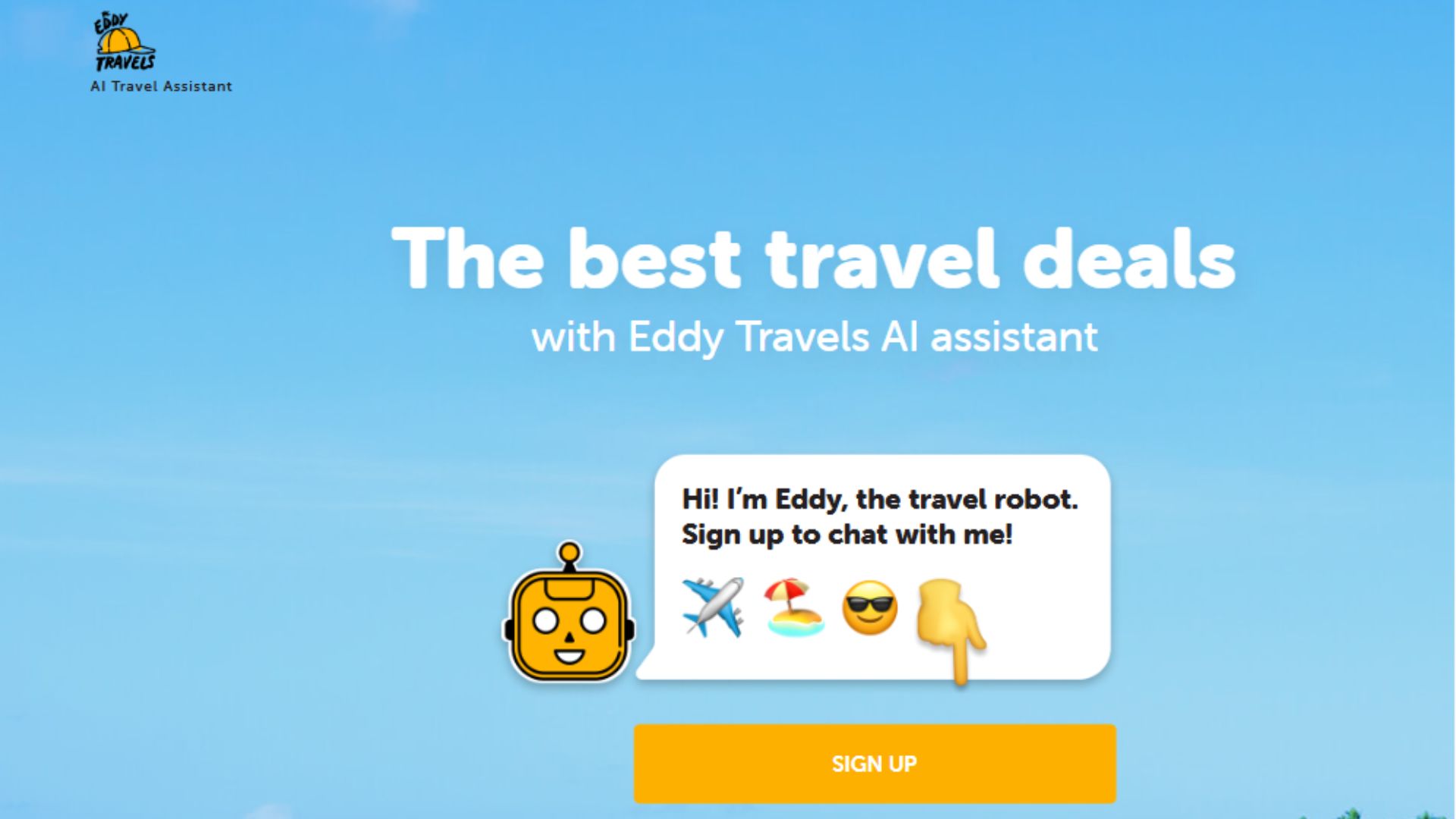
What it is: Eddy Travels is a chat-based AI that specializes in quickly comparing flight and hotel options, providing rapid answers to booking questions through conversational queries.
When you need to make quick booking decisions, Eddy Travels cuts through the noise. Instead of opening multiple comparison sites and running countless searches, you can simply message "Find me the cheapest flight from New York to London in May" and get curated options within seconds. The AI understands natural language queries including flexible dates, preferred airlines, connection limitations, and budget constraints. It works across multiple messaging platforms including Telegram, Messenger, and WhatsApp, making it accessible regardless of your preferred communication tool.
Eddy excels at the comparison phase of booking—that moment when you want to quickly survey options without getting lost in endless filters and tabs. The AI presents results conversationally with key details highlighted: price, duration, stops, carrier. You can refine searches through follow-up messages like "Show me only direct flights" or "What about leaving a day earlier?" When you find an option you like, Eddy provides booking links directly to airlines or booking platforms for final purchase.
Best for: Last-minute bookers and spontaneous travelers who need fast flight and hotel comparisons
Key Features & Differentiators:
Lightning-fast search results through chat interface
Works across multiple messaging platforms
Natural language understanding of complex booking criteria
Compares options from numerous airlines and booking sites
Mobile-first experience perfect for on-the-go decisions
Pricing: Free to use, earns commission on completed bookings
Pros:
Dramatically faster than traditional search engine interfaces
Perfect for time-sensitive booking decisions
No app download required for most platforms
Handles complex multi-city and flexible date queries
Clean presentation of essential booking information
Cons:
Limited to flights and hotels, no activity or restaurant planning
Can't manage full trip itineraries or organization
Sometimes misses ultra-budget airlines or alternative accommodations
Requires being comfortable with conversational booking
Booking completed on external sites, not within chat
10. IPlan.ai

What it is: IPlan.ai is a highly customizable AI trip planner that creates detailed day-by-day itinerary blueprints you can modify extensively to match your exact vision for a trip.
IPlan.ai takes a more structured approach than conversational tools, asking specific questions about your trip parameters—travel style, budget level, interests, pace, accommodation preferences—then generating comprehensive itineraries that serve as a starting template. What sets it apart is the extensive customization afterward. You can swap individual activities, adjust timing, add personal notes, insert your own discoveries, and the AI will adapt surrounding suggestions to accommodate your changes. It's like having an expert create a first draft that you then fine-tune to perfection.
The platform provides unusually detailed information for each suggestion, including estimated time to spend at attractions, best times to visit to avoid crowds, approximate costs, and booking requirements. IPlan.ai also generates alternative options for each day, so if the weather's bad or you're not feeling an activity, you have pre-researched backups ready. The itineraries can be exported as PDFs, shared with travel companions, or accessed through a mobile-friendly interface while traveling.
Best for: Detail-oriented planners who want comprehensive starting templates they can customize extensively
Key Features & Differentiators:
Generates extremely detailed day-by-day itineraries with timing
Provides multiple alternatives for each planned activity
Extensive customization options while maintaining logical flow
Includes practical details like costs, booking needs, and crowd predictions
Export options for offline access and sharing
Pricing: Free basic itineraries, premium plans $12-$35 for enhanced features and unlimited detailed plans
Pros:
Creates the most comprehensive and detailed itineraries
Balances AI automation with human customization flexibility
Includes alternative options for spontaneous changes
Excellent for multi-city trips with complex logistics
Professional-quality output you could actually follow day-by-day
Cons:
Can feel overwhelming for casual or spontaneous travelers
Requires time investment to customize fully
Interface less intuitive than conversational alternatives
May generate overly ambitious schedules for relaxed travelers
Premium features required for best functionality
Understanding AI Travel Tools
What Are AI Travel Tools?
AI travel tools are software applications that use artificial intelligence, machine learning, and natural language processing to help travelers research destinations, plan itineraries, find deals, make bookings, and navigate travel logistics. Unlike traditional travel websites that simply display information you must manually sort through, AI tools actively understand your preferences, anticipate your needs, and provide personalized recommendations that evolve as you provide more input.
These tools leverage massive datasets—millions of travel reviews, historical booking patterns, real-time pricing information, geographic data, and user behavior—to generate insights no human planner could produce manually. The best AI travel tools feel less like software and more like having a knowledgeable, tireless travel agent who knows you personally and works at the speed of thought.
Benefits of Using AI Travel Tools
AI travel tools offer transformative advantages over traditional trip planning methods. First, they dramatically reduce planning time—what used to require days or weeks of research can now happen in hours or even minutes. The AI handles the tedious parts (comparing flight times, checking hotel availability, reading hundreds of reviews) while you focus on exciting decisions about what experiences you want.
Second, AI tools provide genuine personalization that improves with use. Unlike generic "top 10" lists that recommend the same attractions to everyone, AI adapts to your specific interests, budget, travel style, and constraints. If you love architecture but hate crowds, the AI learns this and shapes all future suggestions accordingly. Third, these tools excel at optimization—finding the cheapest flights, creating efficient routes that minimize backtracking, identifying the best times to visit attractions, and maximizing your limited vacation time.
AI tools also reduce decision fatigue and planning anxiety. Instead of drowning in infinite options, you receive curated, relevant suggestions with confidence scores and reasoning. Finally, many AI tools provide real-time assistance while traveling, helping you adapt plans on the fly when things don't go as expected or opportunities arise spontaneously.
What to Look for When Choosing AI Travel Tools
Selecting the right AI travel tool depends on your planning style and trip needs. First, consider the planning phase it addresses—some tools excel at early exploration and decision-making, others shine during detailed itinerary building, and some are designed for in-trip assistance. Identify where you struggle most and prioritize tools that solve that specific pain point.
Evaluate the interface style that matches your preferences. Do you prefer conversational chat interfaces or structured forms? Visual map-based planning or list-based itineraries? Some people love talking through options while others want to input parameters and receive organized results. Also consider integration capabilities—does the tool only provide recommendations, or can you actually book through it? Can it import your existing reservations or export itineraries to other apps you use?
Data sources and coverage matter significantly. Some AI tools have deep, accurate information about major tourist destinations but weak coverage of off-the-beaten-path locations. Check whether the tool covers your intended destinations well. Personalization depth varies too—basic tools offer generic customization while advanced ones learn your preferences over time. If you plan multiple trips, the learning capability becomes more valuable.
Finally, consider the business model. Free tools often make money through booking commissions, which can influence recommendations toward partners offering higher payouts rather than objectively best options. Subscription tools may provide more neutral recommendations but require upfront payment. Privacy-conscious travelers should also investigate what data is collected and whether your travel plans are used to train AI models.
Frequently Asked Questions
Are AI travel tools actually better than traditional travel agents or doing research myself?
AI travel tools excel at different things than human agents or manual research. They're unbeatable for speed, data processing, and optimization—finding the cheapest combination of flights, creating geographically efficient itineraries, or surveying hundreds of hotel options instantly. They're perfect for straightforward trips where you have clear preferences and don't need nuanced advice. However, human travel agents still shine for complex, high-stakes trips (luxury honeymoons, multi-country adventures, trips requiring specialized knowledge), situations requiring judgment calls, or when you want accountability if something goes wrong. The best approach for many travelers is using AI tools for the heavy lifting of research and optimization, then consulting a human for final decisions on expensive or complicated elements. Manual research remains valuable when you enjoy the planning process or are visiting destinations where AI coverage is limited.
Can I trust AI recommendations, or might they be biased toward certain hotels or airlines?
AI travel recommendations can contain biases, but understanding the source helps you evaluate trustworthiness. Free tools that earn booking commissions may favor partners offering higher payouts, though many still provide genuinely useful suggestions. Check whether recommendations include lesser-known options or only major brands—comprehensive results suggest less bias. Tools that clearly disclose their revenue model and offer filtering for "all available options" versus "bookable through us" are generally more trustworthy. AI can also reflect biases in its training data—if an AI learned from reviews primarily written by budget travelers, it might undervalue luxury experiences. The best practice is using multiple tools to cross-reference recommendations, reading why the AI suggests something (not just what it suggests), and staying skeptical of recommendations that seem suspiciously aligned with obvious commercial incentives. Most reputable AI travel tools provide decent recommendations, but critical thinking still applies.
Do AI travel tools work well for international trips and less popular destinations?
Performance varies significantly by destination and tool. AI travel tools generally excel for popular tourist destinations in developed countries where abundant data exists—think Paris, Tokyo, New York, London. They have millions of reviews, comprehensive mapping, real-time availability information, and detailed transportation data to draw from. For less popular destinations, smaller cities, or developing countries, AI recommendations become less reliable and comprehensive. You might get accurate hotel and flight information (since those databases are global) but limited insights on local restaurants, attractions, or cultural context.
Some tools like Roam Around specifically train their AI on diverse, less mainstream sources to improve coverage of off-the-beaten-path locations. If you're traveling somewhere unusual, test the AI by asking about a place you already know—if it provides accurate, detailed information about that familiar location, it likely has good coverage. For truly remote or rarely visited destinations, plan to supplement AI tools with human sources like travel forums, local tourism boards, or guidebooks written by specialists in that region.
How much can I rely on AI-generated itineraries, or should I still do my own research?
AI-generated itineraries should be treated as excellent starting points, not final gospel. They're valuable for structure, ensuring you don't miss major sights, and optimizing logistics you might not think about. However, always verify critical details—opening hours, booking requirements, seasonal closures—directly with official sources before finalizing plans. AI training data can be outdated, especially post-pandemic when many venues changed operations. Also review the AI's timing assumptions—if it suggests 30 minutes at a museum you're passionate about, you'll want to adjust that. Think of AI itineraries as expert first drafts that eliminate 80% of planning work, but reserve 20% of your attention for personalizing, fact-checking, and adding your own discoveries. The travelers who get the most value use AI to handle structure and logistics while applying their own judgment to what actually sounds exciting.