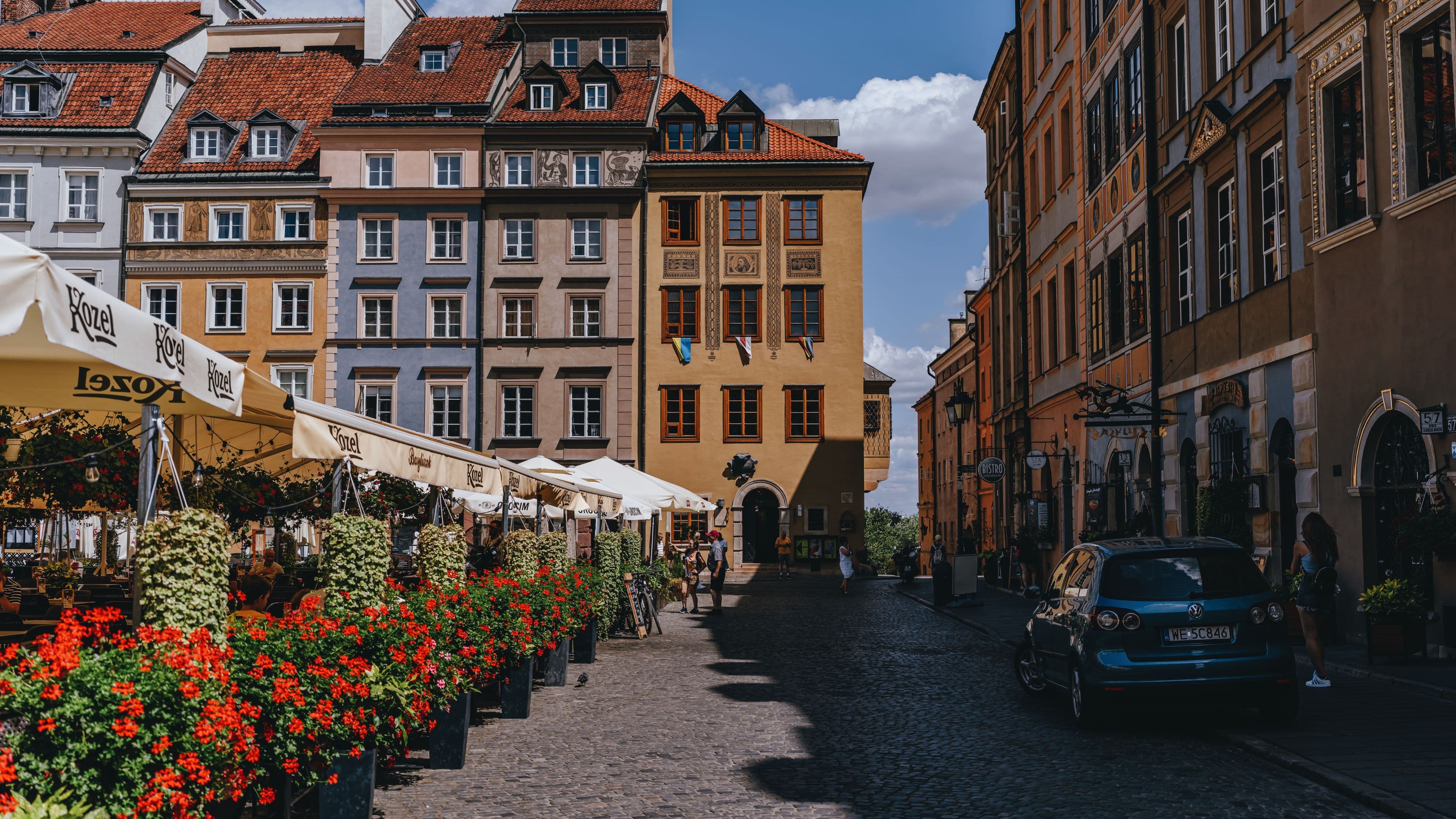
But the world is larger than the cities we grew up assuming were the only options.
In 2026, a growing wave of remote workers, retirees, digital nomads, and deliberate relocators are discovering something that seasoned expats have known for years: you can live exceptionally well — great food, reliable infrastructure, warm communities, genuine culture — for a fraction of what it costs in a major Western city. Not by roughing it. By choosing smarter.
This guide covers ten places where the quality of life is genuinely high and the cost of living is genuinely low — with honest breakdowns of what you get, what you give up, and who each destination actually suits.
Important note: Cost-of-living figures are approximate and based on data available in early 2026. Exchange rates, inflation, and local conditions change. Always research current conditions before making any relocation decision.
Top Picks at a Glance
# | City / Country | Region | Monthly Budget (Comfortable) | Best For |
1 | Medellín, Colombia | Latin America | $1,200–$1,800 | Digital nomads, retirees |
2 | Tbilisi, Georgia | Caucasus | $900–$1,400 | Remote workers, expats |
3 | Chiang Mai, Thailand | Southeast Asia | $900–$1,500 | Nomads, long-term travellers |
4 | Lisbon, Portugal | Western Europe | $2,000–$2,800 | EU access seekers, creatives |
5 | Mexico City, Mexico | Latin America | $1,400–$2,200 | North Americans, creatives |
6 | Budapest, Hungary | Central Europe | $1,500–$2,200 | EU residents, culture lovers |
7 | Ho Chi Minh City, Vietnam | Southeast Asia | $800–$1,400 | Budget-conscious nomads |
8 | Plovdiv, Bulgaria | Eastern Europe | $900–$1,400 | Quiet life seekers, retirees |
9 | Montevideo, Uruguay | South America | $1,600–$2,400 | Safety-focused expats, retirees |
10 | Kuala Lumpur, Malaysia | Southeast Asia | $1,200–$1,800 | Professionals, families |
1. Medellín, Colombia
Region: Latin America
Monthly budget (comfortable): $1,200–$1,800 USD
Climate: Spring-like year-round (average 22°C / 72°F)
Language: Spanish (English widely spoken in expat areas)
Time zone: EST –1 (friendly for US remote workers)
What it is
Medellín is Colombia's second-largest city — a mountain-valley metropolis that has undergone one of the most remarkable urban transformations in the world over the past two decades. Once notorious for violence, it's now celebrated for innovative urban planning, a thriving café culture, world-class street food, and a young, entrepreneurial energy that draws creative professionals from across the globe.
Why it stands out
The combination of low cost, genuine city infrastructure, and near-perfect weather is almost unmatched globally. A modern two-bedroom apartment in the popular El Poblado or Laureles neighbourhoods costs $500–$800/month. A restaurant meal runs $3–$8. Excellent private healthcare costs a fraction of US or UK equivalents. The city's metro system is efficient, safe, and cheap.
Best for
Digital nomads who need reliable fast internet and a thriving co-working scene, retirees wanting a warm, active city with low living costs, and North Americans who want a Latin America base with a manageable time zone offset.
Key benefits
Exceptional food scene, welcoming local culture, large established expat community, strong public transport, and a Permanent Resident visa pathway that's among the more accessible in the region.
Drawback
Safety is improving but uneven — some neighbourhoods remain genuinely dangerous and situational awareness is non-negotiable. The tourist popularity of El Poblado has driven prices up in that specific area, and petty theft is a real concern in busy public spaces.
Example use case
A US-based freelance designer earning $60,000/year remotely. Living in Austin costs $4,500/month. In Medellín's Laureles neighbourhood, the same comfortable lifestyle costs $1,400/month — a saving of over $36,000 per year.
Practical notes
The Digital Nomad Visa (Visa de Nómada Digital) allows remote workers to stay legally for up to two years. Colombia requires a minimum monthly income of around $750 (subject to change) to qualify.
2. Tbilisi, Georgia
Region: Caucasus Monthly budget (comfortable): $900–$1,400 USD
Climate: Four seasons; hot summers, cold winters, mild spring/autumn
Language: Georgian (English increasingly common; Russian widely understood)
Time zone: GMT+4
What it is
Tbilisi is one of the great undiscovered cities of Europe — a 1,500-year-old capital with a dramatic skyline of medieval churches, Soviet-era architecture, and modern art galleries tumbling down cliffs above the Mtkvari River. Georgia introduced a policy allowing most nationalities to live and work visa-free for up to one year, and that single decision transformed Tbilisi into one of the world's fastest-growing expat destinations.
Why it stands out
The cost of living is extraordinary. A comfortable one-bedroom apartment in the centre costs $400–$600/month. Georgian food — khinkali dumplings, khachapuri bread, slow-cooked stews — is exceptional and costs almost nothing. Wine is culturally central and locally produced at remarkable quality for $3–$8 a bottle. The country has invested heavily in internet infrastructure, and fast fibre is available across the city.
Best for
Remote workers who want a European atmosphere without European prices, people interested in an off-the-beaten-path cultural experience, those seeking a base from which to explore both Europe and Asia, and anyone looking for a genuinely welcoming culture toward newcomers.
Key benefits
Visa-free long-stay policy for most Western nationalities, low flat income tax (1% for registered small businesses under the Virtual Zone scheme), excellent food and wine, and a remarkably low crime rate for a city of its size.
Drawback
The time zone (GMT+4) creates friction for those working with US-based clients or employers. Winters in Tbilisi can be cold and grey. The healthcare system, while inexpensive, is less developed than Western standards — serious medical needs may require travel. The rapid influx of remote workers has created some local tension around rising rents.
Example use case
A UK-based software developer working fully remotely. London rent: £2,200/month. Tbilisi equivalent: £350/month. Annual saving: approximately £22,000 — plus a year-round adventure in a city most people have never heard of.
Practical notes
Most Western passport holders can enter and remain in Georgia visa-free for 365 days. Registering as a Virtual Zone IT company enables a 1% effective tax rate for qualifying remote digital work — worth researching with a local accountant.
3. Chiang Mai, Thailand
Region: Southeast Asia
Monthly budget (comfortable): $900–$1,500 USD
Climate: Tropical; hot March–May, rainy June–October, warm dry November–February
Language: Thai (English widely spoken in tourist and expat areas)
Time zone: GMT+7
What it is
Chiang Mai has been on the digital nomad map for over a decade and remains on this list because it continues to deliver what it promises: a genuinely beautiful, culturally rich city in northern Thailand where a comfortable lifestyle — good apartment, excellent food, gym, healthcare, scooter or transport — costs less than $1,500 per month with ease. Its combination of Buddhist temples, mountain surroundings, and a deeply embedded expat infrastructure keeps pulling people back.
Why it stands out
The price-to-quality ratio is simply hard to beat. Street food from $0.50–$2.00. Co-working spaces for $80–$120/month with reliable fast internet. Private health clinics offering GP appointments for $20–$30. A furnished one-bedroom apartment in the Nimman or Old City area runs $350–$600/month. Yoga studios, rooftop pools, and international restaurants all exist at prices that feel impossible by Western standards.
Best for
Long-term digital nomads, freelancers and creatives, retirees looking for a warm and social expat community, and first-time international relocators wanting a well-worn path with plentiful support resources.
Key benefits
Deep, established expat infrastructure (healthcare providers, accountants, and visa agents all speak English and are experienced with foreign residents), exceptional food, proximity to nature, and a slower pace of life that many people find genuinely restorative.
Drawback
The visa situation for long-term stays is Thailand's most persistent challenge. Tourist visa runs and workarounds have become more scrutinised. The Thailand LTR (Long-Term Resident) visa launched in 2022 offers a genuine pathway for qualifying income earners ($80,000+/year), but below that threshold, legal long-term residency requires more active management. March–April smoke season (agricultural burning) significantly affects air quality and is a real health concern for some residents.
Example use case
An Australian freelance writer earning AUD $60,000/year. Sydney lifestyle: AUD $5,500/month. Chiang Mai equivalent lifestyle: AUD $1,600/month. Runway extended by years.
Practical notes
The Thailand LTR Visa (Long-Term Resident Visa) offers 10-year renewable residency for qualifying applicants. Research the income and asset thresholds carefully — they vary by visa category (retiree, wealthy global citizen, remote worker).
4. Lisbon, Portugal
Region: Western Europe
Monthly budget (comfortable): $2,000–$2,800 USD
Climate: Mediterranean; warm dry summers, mild wet winters
Language: Portuguese (English very widely spoken)
Time zone: GMT/WET (GMT+1 in summer)
What it is
Lisbon is the most expensive entry on this list — but by the standards of Western European capitals, it remains meaningfully more affordable than London, Paris, Amsterdam, or Zurich. More importantly, it offers something those cities don't: full European Union residency access, a Mediterranean climate, one of the safest environments in the world, and an exceptional quality of urban life built around walkable neighbourhoods, extraordinary food, and a pace that rewards living rather than rushing.
Why it stands out
For anyone who needs — or wants — to remain within the EU, Lisbon represents genuine value. The Portugal D8 Digital Nomad Visa allows remote workers earning above a threshold (typically 4× Portuguese minimum wage, subject to revision) to live and work legally with a pathway to permanent residency and citizenship. The city itself has stunning architecture, world-class seafood, reliable sun, and a cultural warmth that larger European capitals often lack.
Best for
EU citizens or those seeking EU residency access, remote workers who prioritise European lifestyle and infrastructure, retirees from outside Europe seeking a safe, high-quality base, and anyone who values walkability, culture, and mild climate above all.
Key benefits
EU residency pathway, excellent healthcare system, very low crime rate, strong English proficiency, outstanding food and wine, and an international airport with extensive connections.
Drawback
Lisbon's popularity has significantly driven up rents over the past five years — it is no longer a bargain by global standards, only by European ones. Housing in central neighbourhoods (Chiado, Príncipe Real, Alfama) is competitive and expensive. The bureaucracy around visas and residency permits is notoriously slow and frustrating. Areas outside the most popular neighbourhoods offer better value but require more research.
Example use case
A Canadian remote consultant couple earning CAD $140,000 combined. Lisbon offers EU access, a city lifestyle comparable to Toronto or Vancouver, and monthly costs of approximately $2,600 all-in — roughly 40% less than the equivalent Toronto lifestyle.
Practical notes
The Portugal NHR (Non-Habitual Resident) tax regime, which offered significant tax advantages for new residents, was reformed in 2024. Its successor, the IFICI scheme, offers benefits for specific qualifying categories. Consult a Portuguese tax specialist before making decisions based on tax advantages.
5. Mexico City, Mexico
Region: Latin America
Monthly budget (comfortable): $1,400–$2,200 USD
Climate: Mild year-round (altitude moderates heat; 18–24°C / 65–75°F average)
Language: Spanish (English widely spoken in expat areas)
Time zone: CST (UTC–6), close alignment with US time zones
What it is
Mexico City — CDMX — is one of the great metropolises of the world: 22 million people, extraordinary food (more Michelin-starred restaurants than Paris as of 2024), world-class museums, deeply layered history, and neighbourhoods like Roma Norte, Condesa, and Polanco that rival any urban environment on earth for walkability, café culture, and architectural beauty. And you can live there comfortably for $1,500–$2,000/month.
Why it stands out
The value proposition is astonishing by North American standards. A beautiful apartment in Roma Norte costs $700–$1,200/month. The food culture — from $1.50 tacos al pastor to destination fine dining — is arguably the best in the Western hemisphere. The Temporary Resident Visa is relatively accessible for those with sufficient income. The time zone alignment with the US makes remote work seamless.
Best for
North American remote workers who want a world-class city lifestyle at a fraction of the cost, food and culture enthusiasts, creatives, and anyone who wants proximity to the US without paying US prices.
Key benefits
Unrivalled food culture, enormous city with endless neighbourhoods and communities to explore, established and growing expat infrastructure, and direct flights to virtually every major US and Canadian city at low cost.
Drawback
Air quality in CDMX can be poor, particularly in spring. Altitude (2,240m / 7,350ft) affects some newcomers — headaches and shortness of breath are common in the first week. The city's size and traffic can be overwhelming, and certain areas carry genuine safety concerns. The "gentrification effect" in Roma Norte and Condesa has created some local community tension around rising costs and displacement.
Example use case
A New York-based UX designer going fully remote. Manhattan rent: $3,800/month. Roma Norte apartment with a rooftop terrace: $900/month. Same professional output, dramatically different financial reality.
Practical notes
Mexico's Temporary Resident Visa (Visa de Residente Temporal) requires proof of income or assets. US and Canadian citizens can enter Mexico visa-free for 180 days, making it possible to trial the lifestyle before committing to formal residency.
6. Budapest, Hungary
Region: Central Europe
Monthly budget (comfortable): $1,500–$2,200 USD
Climate: Continental; warm summers, cold winters, beautiful spring and autumn
Language: Hungarian (English widely spoken in central areas)
Time zone: CET (GMT+1 / GMT+2 in summer)
What it is
Budapest is one of Europe's most architecturally spectacular cities — grand 19th-century boulevards, thermal baths, the Danube at its most dramatic, and a nightlife and cultural scene that consistently ranks among Europe's best. It also remains one of the most affordable capitals in the EU, offering a genuine Central European city lifestyle at a price point that still surprises people who haven't looked at the numbers.
Why it stands out
A comfortable one-bedroom apartment in central Budapest — within walking distance of everything — costs $550–$900/month. Coffee is $1.50. A sit-down meal at a good restaurant runs $8–$15. The city has excellent public transport, world-class thermal spa culture (an affordable daily ritual for many residents), and a rich Jewish, Austro-Hungarian, and contemporary cultural heritage that rewards long-term exploration.
Best for
EU citizens who want an affordable Central European base, culture lovers, history enthusiasts, those who enjoy distinct seasons, and remote workers on a European time zone who want a city with genuine character at an accessible price.
Key benefits
EU member state with full Schengen access, excellent public transport, world-famous thermal bath culture, strong café and restaurant scene, and a growing English-speaking community.
Drawback
Hungary's political environment has drawn significant international criticism in recent years — EU funding disputes, rule-of-law concerns, and policies that have affected LGBTQ+ rights specifically. This is a meaningful quality-of-life consideration for some prospective residents. Winters are cold and can be grey for extended periods. Hungarian is one of the most difficult languages in the world to learn, which creates a ceiling on social integration for those who don't make the effort.
Example use case
A German-passport-holding freelance photographer. Berlin rent: €1,800/month. Budapest equivalent: €650/month. Full Schengen access, easy train journeys to Vienna and Prague, and a city with extraordinary visual character for a working photographer.
Practical notes
EU citizens can live and work in Hungary without a visa or permit. Non-EU citizens should research Hungary's Guest Worker Visa and National Card programmes — the options are more limited than in some EU neighbours.
7. Ho Chi Minh City, Vietnam
Region: Southeast Asia
Monthly budget (comfortable): $800–$1,400 USD
Climate: Tropical; hot and humid year-round, distinct dry (Nov–Apr) and wet (May–Oct) seasons
Language: Vietnamese (English functional in expat and business areas)
Time zone: GMT+7
What it is
Ho Chi Minh City (still commonly called Saigon) is Vietnam's economic and commercial capital — a frenetic, energy-charged city of 9 million people where gleaming new skyscrapers rise above French colonial architecture and ancient pagodas, and the streets are a perpetual ballet of motorbikes, street food vendors, and entrepreneurial activity. It is one of the cheapest cities on this list to live comfortably, and one of the most viscerally alive.
Why it stands out
The numbers are remarkable. A clean, modern one-bedroom apartment in District 2 (the expat-heavy area) costs $400–$700/month. Street pho for $1.50. Gym membership for $25/month. Private clinic GP visit for $15–$25. The city has excellent international schools for families, a thriving co-working ecosystem, and a food culture that many long-term residents consider among the best in the world.
Best for
Budget-conscious digital nomads, adventurous first-time Asia relocators, food lovers who want to live inside one of the world's great culinary traditions, and those who thrive in fast-paced urban energy.
Key benefits
Exceptionally low cost of living, extraordinary food culture, fast-growing international infrastructure, strong sense of city dynamism, and a Vietnamese population that is broadly welcoming to foreign residents.
Drawback
The heat and humidity are relentless and genuinely affect daily life — budget for air conditioning and adjust expectations about outdoor activity. Vietnam's visa situation is improving but still requires attention: the e-visa allows 90-day stays (extendable once), but long-term legal residency without a local employer or business registration remains complex. Traffic is intense and motorbike navigation is essentially mandatory for full city participation.
Example use case
A UK freelance developer earning £45,000/year. London lifestyle: £4,200/month. HCMC District 2 comfortable lifestyle: £950/month. Financial independence timeline accelerated by years.
Practical notes
Vietnam introduced a 90-day e-visa in 2023 that simplified short-to-medium stays significantly. Longer-term residency typically requires a business licence, employment contract, or specific visa category. The situation evolves — consult a Vietnam-based immigration specialist for current options.
8. Plovdiv, Bulgaria
Region: Eastern Europe
Monthly budget (comfortable): $900–$1,400 USD
Climate: Continental; hot dry summers, cold winters, beautiful spring
Language: Bulgarian (English functional; Russian widely understood)
Time zone: EET (GMT+2 / GMT+3 in summer)
What it is
Plovdiv is Bulgaria's second city and Europe's oldest continuously inhabited city — a place of Roman amphitheatres, Ottoman mosques, Bulgarian National Revival architecture, and a quietly sophisticated café and arts scene that earned it a European Capital of Culture designation in 2019. It is far less known than Sofia (Bulgaria's capital) and offers even lower costs with arguably more charm.
Why it stands out
Plovdiv is for people who want genuine European history, culture, and infrastructure at prices that feel almost implausible by 2026 standards. A comfortable one-bedroom apartment in the historic Old Town area or the popular Kapana (Trap) arts district costs $300–$500/month. Dinner at a good restaurant: $8–$12. Monthly groceries for one: $150–$200. EU membership gives full Schengen access. The city is compact and walkable with a genuinely beautiful historic core.
Best for
EU citizens seeking maximum value within the EU, retirees who want a quiet, safe, culturally rich European base, remote workers who want a slower pace without giving up European quality of life, and history and architecture enthusiasts who want to live inside something, not just visit it.
Key benefits
EU member state and Schengen zone, lowest cost of living of any EU destination on this list, extraordinary historical depth, safe and low-crime environment, and a growing arts and café culture that makes the city feel alive without being overwhelming.
Drawback
Plovdiv is not a global city. Professional networking, international business infrastructure, and the kind of density that fuels career opportunities in major metros simply don't exist here. It's a city for people who have already solved their income problem and are looking for quality of life, not people trying to build a career from scratch. Winters are cold. English proficiency outside tourist areas is limited.
Example use case
A retired Dutch couple with a combined pension of €2,800/month. Amsterdam lifestyle: financially very tight. Plovdiv lifestyle: entirely comfortable, with money to spare for travel throughout Europe via cheap Ryanair connections from Sofia Airport (2 hours by bus or train).
Practical notes
EU citizens can live in Bulgaria without a visa. Non-EU citizens should research Bulgaria's relatively accessible digital nomad and long-term residency visa pathways — Bulgaria is one of the more welcoming EU states for non-EU applicants.
9. Montevideo, Uruguay
Region: South America
Monthly budget (comfortable): $1,600–$2,400 USD
Climate: Temperate; warm summers, mild winters, year-round breeze from the Río de la Plata
Language: Spanish
Time zone: UYT (GMT–3)
What it is
Montevideo is the overlooked jewel of South America — the capital of Uruguay, the continent's most stable, safest, and arguably most progressive country. It is a relaxed, liveable, genuinely beautiful city of 1.4 million people with excellent public services, strong rule of law, a highly educated population, and a beachside culture that permeates daily life. It doesn't have the raw energy of Buenos Aires next door, but it has something arguably rarer: consistency and calm.
Why it stands out
Uruguay is the only country in Latin America that consistently ranks among the region's best for safety, governance, press freedom, and human development. Montevideo specifically combines this stability with a cost of living significantly lower than comparable cities in Europe or North America. A comfortable two-bedroom apartment costs $800–$1,200/month. Healthcare — both public and private — is excellent and inexpensive. The city has beaches, a historic old town (Ciudad Vieja), and a café culture that makes it feel distinctly European in character.
Best for
Safety-conscious expats who won't compromise on stability and rule of law, retirees seeking a calm, comfortable South American base, families wanting a safe and high-quality environment outside of Europe or North America, and those attracted to Uruguay's famously progressive social policies.
Key benefits
Latin America's safest capital city, excellent healthcare, stable currency (relatively), strong rule of law and democratic institutions, welcoming residency process, and direct access to the broader Mercosur region including Argentina (just a short ferry across the Río de la Plata).
Drawback
Montevideo is not cheap by South American standards — it's notably more expensive than Buenos Aires, Medellín, or Mexico City. The relatively small city size (by global standards) means limited diversity of cultural experiences compared to larger metropolises. Spanish is essentially mandatory for daily life outside of tourist areas. Internet infrastructure, while adequate, lags behind some Southeast Asian and European cities.
Example use case
An American couple retiring at 62 with $3,500/month in combined income. Florida lifestyle: financially stretched. Montevideo: comfortable apartment, private health insurance, regular dining out, and money remaining for annual travel to Europe — all within budget.
Practical notes
Uruguay's residency process is considered one of the more straightforward in Latin America. Temporary residency requires proof of income ($1,500+/month for a couple is a common guideline) and a clean criminal record. Permanent residency follows after three years.
10. Kuala Lumpur, Malaysia
Region: Southeast Asia
Monthly budget (comfortable): $1,200–$1,800 USD
Climate: Tropical; hot and humid year-round with afternoon rain showers
Language: Malay (English widely and confidently spoken — official second language)
Time zone: MYT (GMT+8)
What it is
Kuala Lumpur is Southeast Asia's most underrated major city for expat living — a gleaming, modern metropolis with world-class infrastructure, an extraordinary multicultural food scene (Malay, Chinese, Indian, and Western cuisines all at the highest level and lowest price), reliable high-speed internet, excellent private healthcare, and an established community of long-term international residents. It is also one of the most English-friendly cities in Asia, making the transition from Western countries smoother than almost anywhere else in the region.
Why it stands out
KL offers something unusual: a truly modern, well-connected global city at emerging-market prices. The KLCC neighbourhood has Petronas Towers, a world-class shopping mall, and a park — all at your doorstep — with a one-bedroom apartment costing $600–$900/month. Hawker centre meals cost $1.50–$3.00 and are genuinely excellent. Private hospital care costs a fraction of Western equivalents at equivalent quality. The LRT and MRT networks are modern, air-conditioned, and efficient.
Best for
Professionals and families who want a genuinely modern city with excellent infrastructure, those prioritising English-language ease of transition, anyone who wants Southeast Asia's lifestyle at a slightly higher level of urban development than Chiang Mai or HCMC, and remote workers on Asia-Pacific time zones.
Key benefits
World-class private healthcare, English widely spoken, modern transport infrastructure, extraordinary multicultural food culture, stable and business-friendly environment, and Malaysia My Second Home (MM2H) visa programme offering long-term residency.
Drawback
KL's humidity is relentless and the city is not particularly walkable outside of specific areas — a car or Grab (rideshare) is often necessary. The MM2H visa programme, once very accessible, has been revised multiple times and now requires higher financial thresholds than previously. Malaysia's social conservatism on certain social issues is a quality-of-life consideration for some prospective residents.
Example use case
A Singaporean professional couple priced out of Singapore's housing market. KL is 45 minutes away by car or train — same regional time zone, same language comfort, comparable professional opportunities, at approximately 60% less cost.
Practical notes
The Malaysia My Second Home (MM2H) programme offers long-term multi-entry visas for those meeting income and liquid asset requirements. The thresholds were substantially revised upward in 2021 and again since — always check the current requirements directly with the Malaysian Immigration Department.
How to Choose the Right Destination for You
Ten strong options means the real work is matching the destination to your specific situation. Here's a fast framework.
If EU residency access matters — Lisbon, Budapest, or Plovdiv all sit within the EU or Schengen zone. If you need the right to work and live freely across Europe, these are your tier-one options regardless of cost.
If you're a North American who wants time zone compatibility with US clients — Medellín and Mexico City both operate within one or two hours of US time zones, making remote work seamless without the schedule gymnastics that Asia requires.
If budget is the primary driver — Ho Chi Minh City, Tbilisi, and Plovdiv offer the lowest costs on this list while maintaining genuine quality of life. You can live comfortably in all three for under $1,200/month.
If safety and stability matter above all — Montevideo and Lisbon are the standouts. Both rank among the world's safest cities and have political and legal systems you can genuinely rely on.
If modern urban infrastructure is non-negotiable — Kuala Lumpur and Mexico City offer the best of a major cosmopolitan city at dramatically reduced Western prices.
Best Picks by Lifestyle Type
Your lifestyle | Best pick | Strong runner-up |
Digital nomad | Chiang Mai | Tbilisi |
Early retiree | Medellín | Montevideo |
EU access seeker | Lisbon | Plovdiv |
Family relocation | Kuala Lumpur | Mexico City |
Culture & history lover | Budapest | Plovdiv |
Safety first | Montevideo | Lisbon |
Lowest possible cost | Ho Chi Minh City | Tbilisi |
North American remote worker | Mexico City | Medellín |
Asia-Pacific remote worker | Kuala Lumpur | Chiang Mai |
FAQ
Is it really possible to live comfortably on $1,200/month abroad? Yes — in cities like Tbilisi, Chiang Mai, Ho Chi Minh City, and Plovdiv, $1,200/month covers a comfortable apartment, good food, healthcare, transport, and leisure without significant compromise. The key word is "comfortable" — not luxury, but genuinely good quality of life.
What about healthcare in these destinations? All ten cities have private healthcare options that are significantly cheaper than Western equivalents. Thailand, Malaysia, and Colombia in particular have internationally accredited private hospitals used by local wealthy residents — not just budget options for foreigners. Always purchase international health insurance as a baseline regardless of destination.
How do taxes work when living abroad? Tax obligations when living internationally are complex and country-specific. US citizens owe US tax on worldwide income regardless of where they live. Citizens of most other countries typically become non-residents after 183+ days abroad and cease to owe home-country tax (with important exceptions). Always consult a tax professional who specialises in international taxation before relocating.
What's the best destination for families with children? Kuala Lumpur and Medellín have the strongest international school ecosystems. Mexico City also has excellent options. Lisbon is excellent for families who want European education standards. Chiang Mai has a growing international school scene but more limited options than the larger cities.
Which destinations have the most accessible long-term visas? Georgia (visa-free 365 days for most Western nationals), Mexico (180-day tourist entry, accessible temporary residency), Medellín/Colombia (accessible Digital Nomad Visa), and Uruguay (straightforward residency process) are generally considered the most accessible for legal long-term stays.
Is the "digital nomad lifestyle" sustainable long-term, or is it just a trend? Remote work is a structural shift, not a trend — the percentage of knowledge workers with location flexibility has roughly tripled since 2020 and shows no signs of reverting. The destinations on this list are responding with infrastructure: visa programmes, co-working spaces, international schools, and services specifically designed for long-term foreign residents.
Final Word
The underlying idea here is simple: the cities most people assume they have to live in — because of career inertia, social default, or lack of information — are rarely the best options when you actually examine the data. Comfort, culture, safety, food, community, and quality of life are available at dramatically different price points in different parts of the world.
None of the ten places on this list require sacrifice. They require a decision.
Do the research, trial one destination for 30–90 days before committing, and go in with honest expectations about what you're gaining and what you're trading. The upside, for most people who make this move deliberately, turns out to be substantially larger than they anticipated.
📚 Sources
Numbeo, Cost of Living Index by City 2026 — numbeo.com
Mercer, Quality of Living City Ranking 2025 — mercer.com
Internations, Expat Insider Annual Survey 2025 — internations.org
Nomad List, Remote Work City Rankings — nomadlist.com
HSBC Expat Explorer Survey 2025 — expatexplorer.hsbc.com
Economist Intelligence Unit, Global Liveability Index 2025 — eiu.com
Monocle, Quality of Life Index 2025 — monocle.com
Global Peace Index 2025, Institute for Economics and Peace — visionofhumanity.org
World Health Organization, Global Health Observatory (healthcare rankings) — who.int
iGMS / Airbnb long-stay data, Rental cost benchmarks by city — various