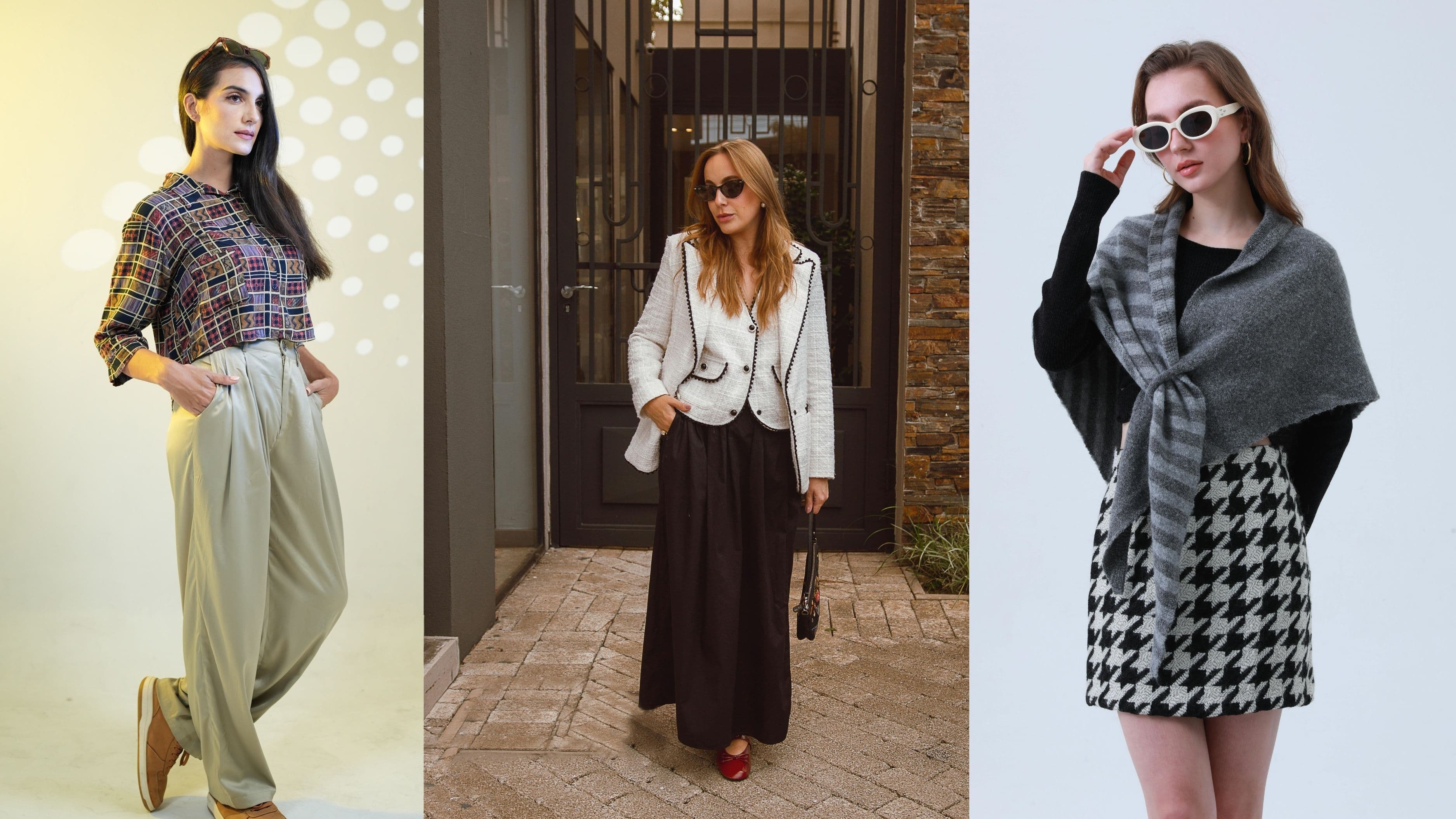
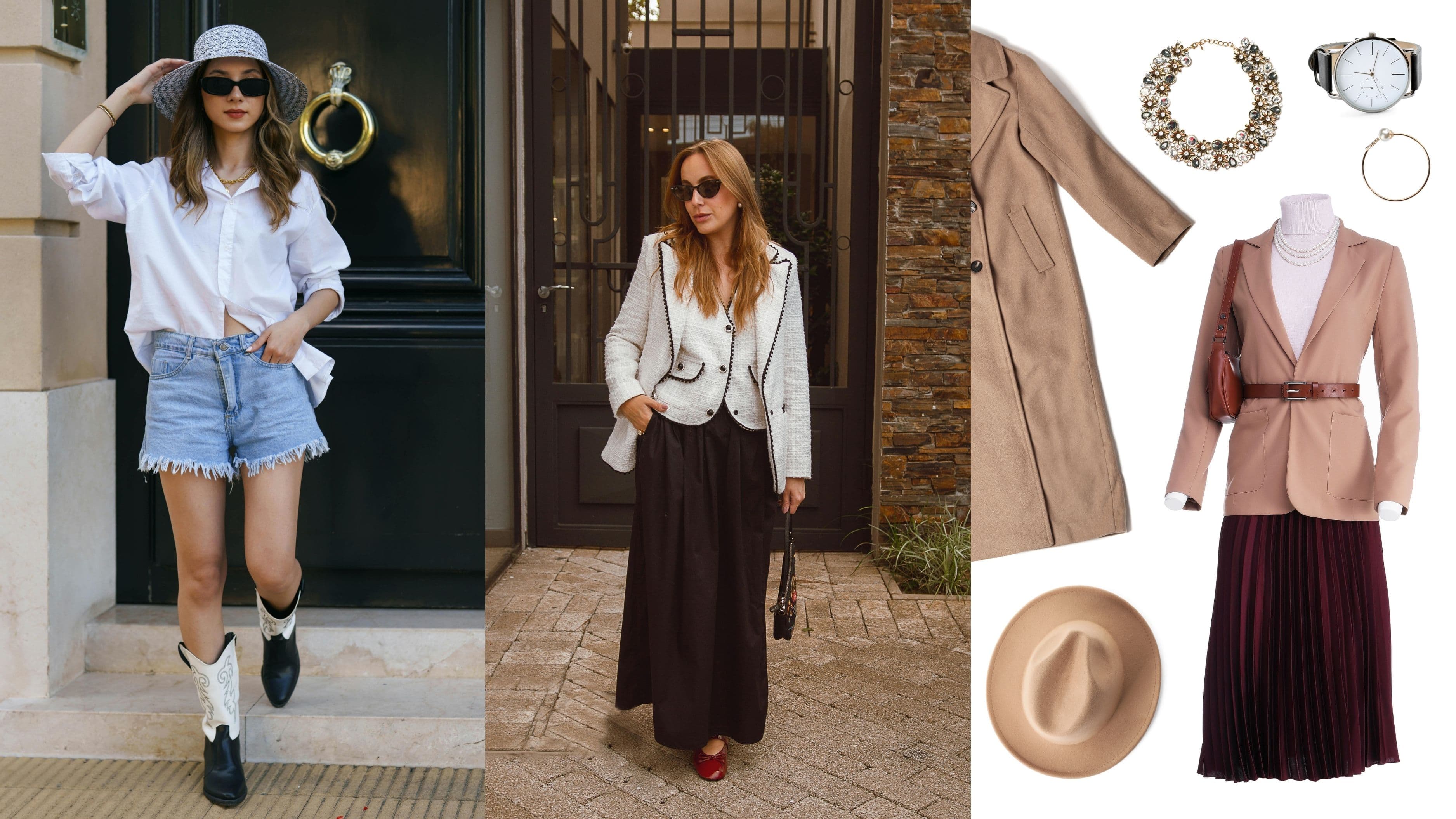
The challenge? The accessory market is enormous. From fast-fashion impulse buys to investment pieces that last decades, the options are genuinely overwhelming. We reviewed dozens of categories and consulted real wardrobe-building wisdom to bring you the ten accessories that deliver the most style impact per dollar — the ones that work across outfits, seasons, and occasions. Whether you're building a capsule wardrobe from scratch or just looking to freshen things up, this list is your starting point.
👜 Top 10 at a Glance
Classic leather belt – Best for instantly polishing casual and business looks
Silk or satin scarf – Best for versatile, effortlessly chic styling
Structured handbag – Best for pulling together a complete, put-together look
Gold or silver hoops – Best for everyday earrings that work with everything
Minimalist watch – Best for timeless, cross-occasion wrist styling
Sunglasses – Best for adding personality and protecting your look (and eyes)
Statement necklace – Best for elevating simple, solid-colored outfits
Leather or canvas tote – Best for stylish everyday functionality
Ankle boots – Best for transitional dressing across multiple seasons
Delicate layering necklaces – Best for effortless, modern jewelry stacking
✨ Full Reviews
1. Classic Leather Belt — Best for Instantly Polishing Casual and Business Looks
What It Is & Who It's Best For
A classic leather belt — think clean lines, a simple buckle, and quality material in black, tan, or cognac — is arguably the most underrated wardrobe essential on this list. It's for anyone who wants an instant way to make an outfit look more intentional. Whether you're cinching an oversized blazer, finishing off tailored trousers, or looping it through jeans, a good belt signals that you meant to get dressed today.
Key Features & Differentiators
The best leather belts are made from full-grain or top-grain leather, which develops a beautiful patina over time and outlasts cheaper alternatives by years. Look for a buckle style that complements your existing jewelry metals — mixed metals can feel jarring. Width matters too: thinner belts (under 1 inch) read as dressy; wider belts (1.5 inches) skew casual or Western. One belt in black and one in tan will cover virtually every outfit scenario you'll face.
Pricing: Entry-level genuine leather, $25–$60; mid-range top-grain, $60–$120; investment full-grain or designer, $150–$400+.
Pros:
Works across casual, business, and smart-casual looks
Improves with age — quality leather develops character over time
Defines the waist and adds structure to loose or layered outfits
One quality piece lasts a decade or more
Available in every price range
Cons:
Quality is hard to assess online — buying in person is ideal
Sizing can be tricky (always size up and punch new holes if needed)
Very cheap "leather" belts crack and peel quickly — easy to mistake for value
2. Silk or Satin Scarf — Best for Versatile, Effortlessly Chic Styling
What It Is & Who It's Best For
A silk or satin scarf is one of the most multi-functional accessories you can own. Wear it around your neck, tie it to your handbag, wrap it as a headband, or knot it at the wrist — the styling possibilities are genuinely endless. It suits anyone who wants maximum styling flexibility from a single piece and is especially perfect for those who travel frequently, since one scarf can do the work of several accessories.
Key Features & Differentiators
What separates a truly great scarf from a forgettable one is the print and the weight of the fabric. Classic options — a bold geometric, a vintage floral, a painterly abstract — tend to work across more outfits than trendy prints that date quickly. Pure silk drapes and catches light differently than polyester satin, and it's worth investing in the real thing if you plan to wear it frequently. A 35"×35" square is the most versatile size for most styling options.
Pricing: Polyester/satin options, $15–$40; mid-range silk blends, $40–$100; pure silk (including vintage Hermès-style), $100–$500+.
Pros:
Genuinely multi-use — neck, hair, bag, wrist, and more
Lightweight and packable — perfect for travel
A bold print adds color and pattern without committing to a patterned outfit
Timeless styling — scarves never go fully out of style
Vintage options are plentiful and affordable at thrift stores
Cons:
Pure silk requires delicate care (hand wash or dry clean only)
Takes practice to tie in a way that looks intentional, not messy
Lower-quality polyester versions can look cheap up close
3. Structured Handbag — Best for Pulling Together a Complete, Put-Together Look
What It Is & Who It's Best For
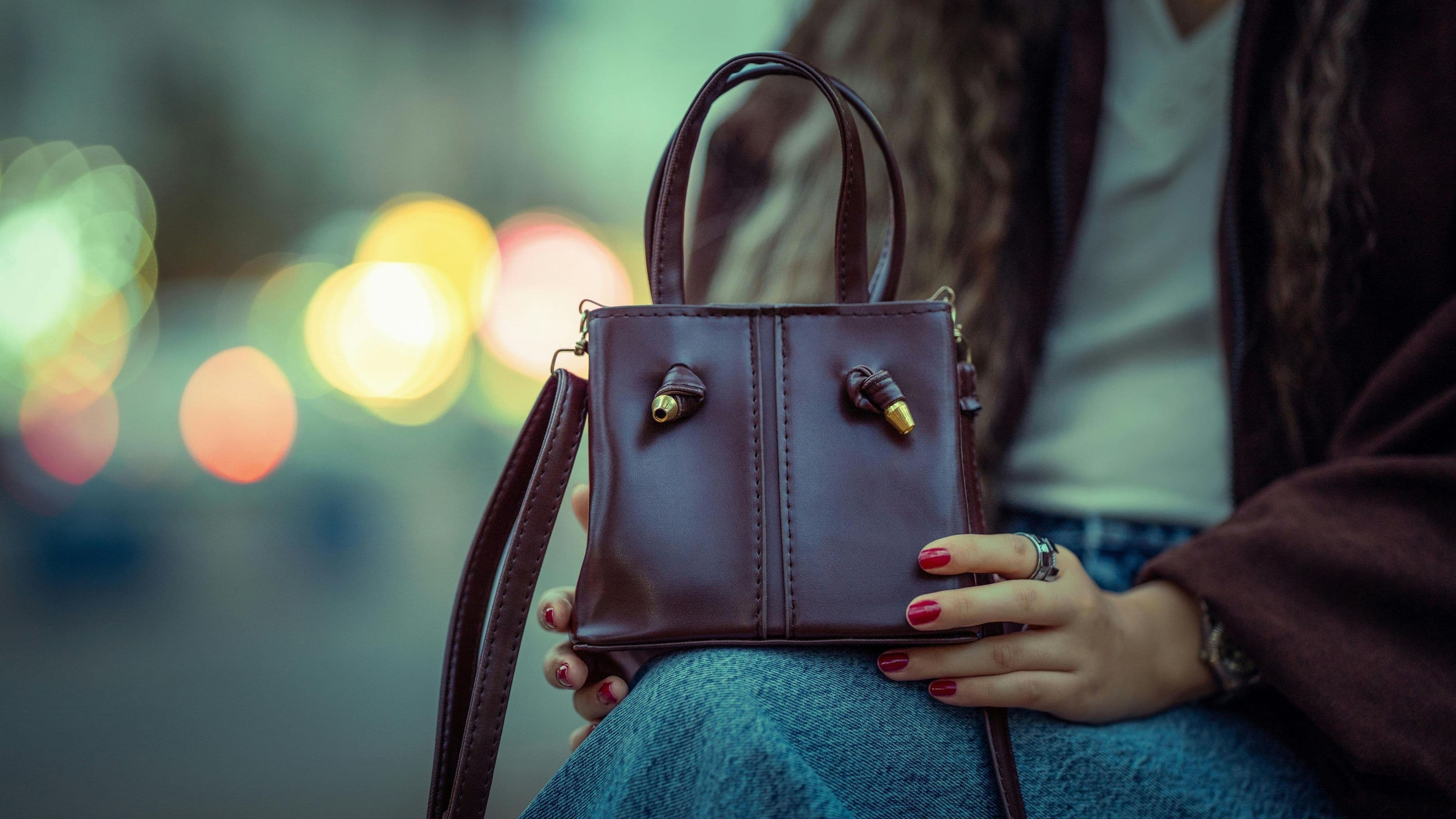
A structured handbag — one with defined edges, a firm base, and a consistent silhouette — is the accessory that ties an entire look together. Unlike a slouchy tote or an unstructured bag, a structured silhouette communicates polish and intention. It's the accessory for anyone who wants their outfit to look finished, whether they're heading into a meeting, out to brunch, or to an event. It works best for ages 20 and up and really shines in professional and smart-casual settings.
Key Features & Differentiators
The classics endure for a reason: a mid-size structured bag in black, camel, or navy works across an enormous range of outfits and occasions. Hardware color matters — gold hardware reads as warmer and more classic; silver hardware skews modern and minimal. Consider interior organization too, since a beautiful bag you can never find anything in becomes frustrating fast. For investment buyers, bags from brands like Polène, Strathberry, or classic designer houses hold value well.
Pricing: Accessible/high-street options, $50–$150; mid-range quality leather, $200–$600; luxury/investment bags, $800–$5,000+.
Pros:
Instantly elevates even the most casual outfits
A neutral color works across an entire wardrobe
Quality structured bags hold their shape for years
Many mid-range brands offer excellent quality without luxury pricing
Strong resale value on quality pieces
Cons:
Higher price point for genuine quality
Can feel stiff and impractical for heavy everyday use
Trend-driven styles date faster than classic silhouettes
4. Gold or Silver Hoops — Best for Everyday Earrings That Work with Everything
What It Is & Who It's Best For
If you only own one pair of earrings, make them hoops. A well-proportioned pair of gold or silver hoops — somewhere between 20mm and 40mm — works with literally everything from a gym look to a cocktail dress. They're the definitive "I got dressed on purpose" earring for anyone who wants low-effort, high-impact jewelry. They're also the most universally flattering earring shape, thanks to the way the circular line frames the face.
Key Features & Differentiators
The best hoops are lightweight enough to wear all day without pulling on your earlobes — look for hollow construction in gold-filled, sterling silver, or solid gold. Tube hoops (with an even circular tube) look sleeker; wire hoops are more delicate and bohemian. Gold-filled is the sweet spot for most buyers: it looks like solid gold, won't tarnish as fast as gold-plated, and costs a fraction of solid gold. Huggies (small, tight hoops) offer the same versatility in a more subtle form.
Pricing: Gold-plated fashion hoops, $10–$30; gold-filled or sterling silver, $30–$100; solid gold (14k), $100–$500+.
Pros:
The single most versatile earring style in existence
Works dressed up or down effortlessly
Available at every price point
Lightweight styles are comfortable enough for all-day wear
Classic — never fully goes out of style
Cons:
Gold-plated options tarnish and chip over time
Very large hoops can feel heavy and aren't office-appropriate everywhere
Sizing is personal — what looks great on one face shape may not suit another
5. Minimalist Watch — Best for Timeless, Cross-Occasion Wrist Styling
What It Is & Who It's Best For
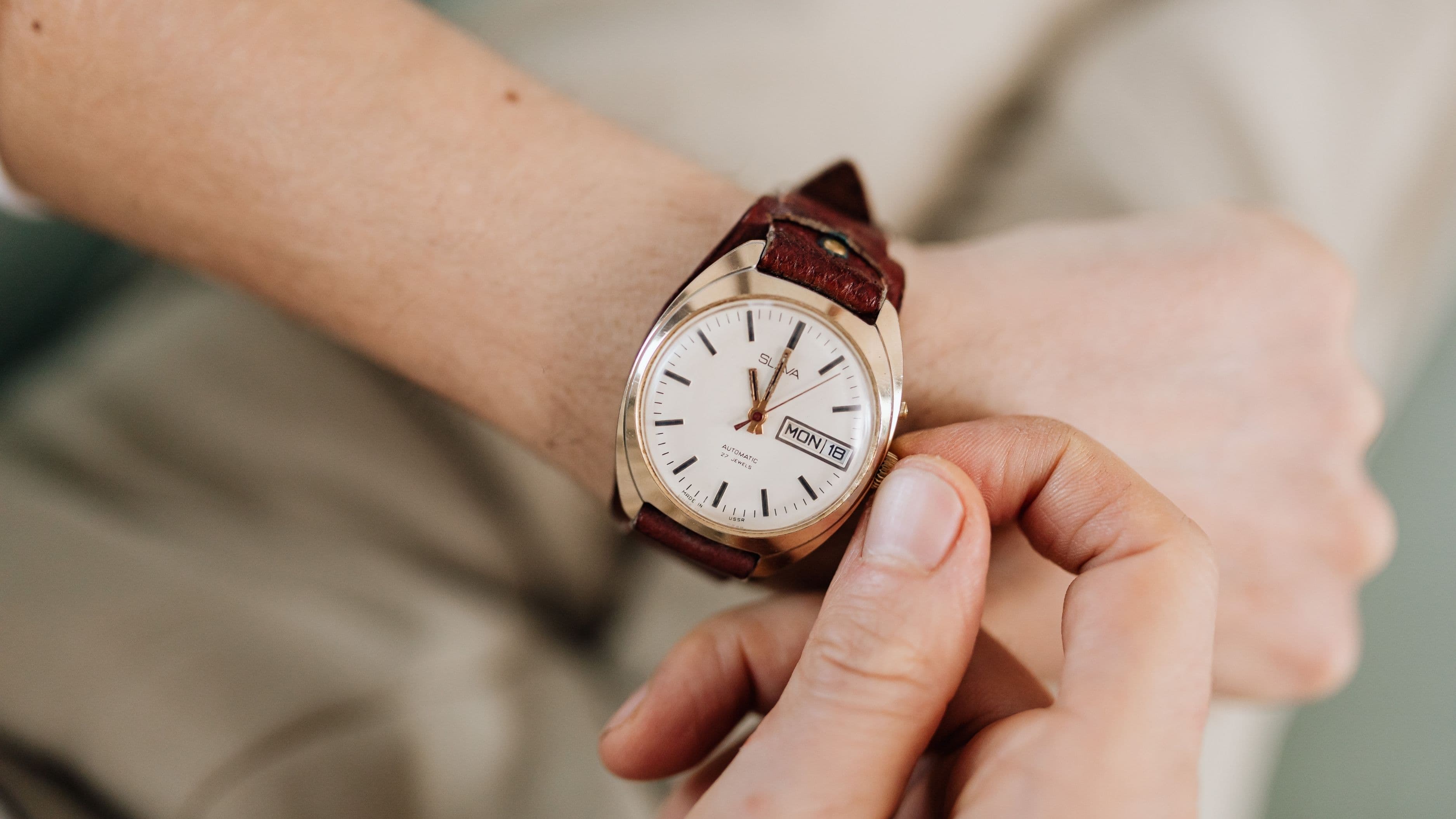
A minimalist watch — clean dial, slim case, leather or mesh strap, no flashy complications — is one of the few accessories that reads as both functional and stylish simultaneously. It suits everyone from young professionals building their first capsule wardrobe to seasoned dressers who want a reliable, daily-wear wrist piece. In a world where most people check the time on their phone, wearing a watch signals intentionality and adds an instant layer of sophistication to any outfit.
Key Features & Differentiators
The best minimalist watches do less, not more: no chunky bezels, no oversized numerals, no sport features that clash with tailored outfits. Case diameter matters — 36mm–40mm hits the sweet spot for most wrists. A two-strap watch (one leather, one metal mesh or NATO) effectively gives you two watches in one. Brands like Tissot, Seiko, and Mondaine sit in a sweet spot of quality and affordability that's hard to beat in their respective price ranges.
Pricing: Fashion-brand watches, $50–$150; quality entry-level Swiss/Japanese, $150–$400; mid-range mechanical, $400–$1,500+.
Pros:
Works across casual, business, and formal settings
Adds instant polish to any wrist
A quality watch lasts decades with basic maintenance
Classic design means it never looks dated
Interchangeable straps dramatically extend versatility
Cons:
Competes with smartwatches for wrist real estate
Quality entry points are higher than most accessories
Sizing and strap fit require trying on in person for best results
6. Sunglasses — Best for Adding Personality and Elevating Any Outdoor Look
What It Is & Who It's Best For
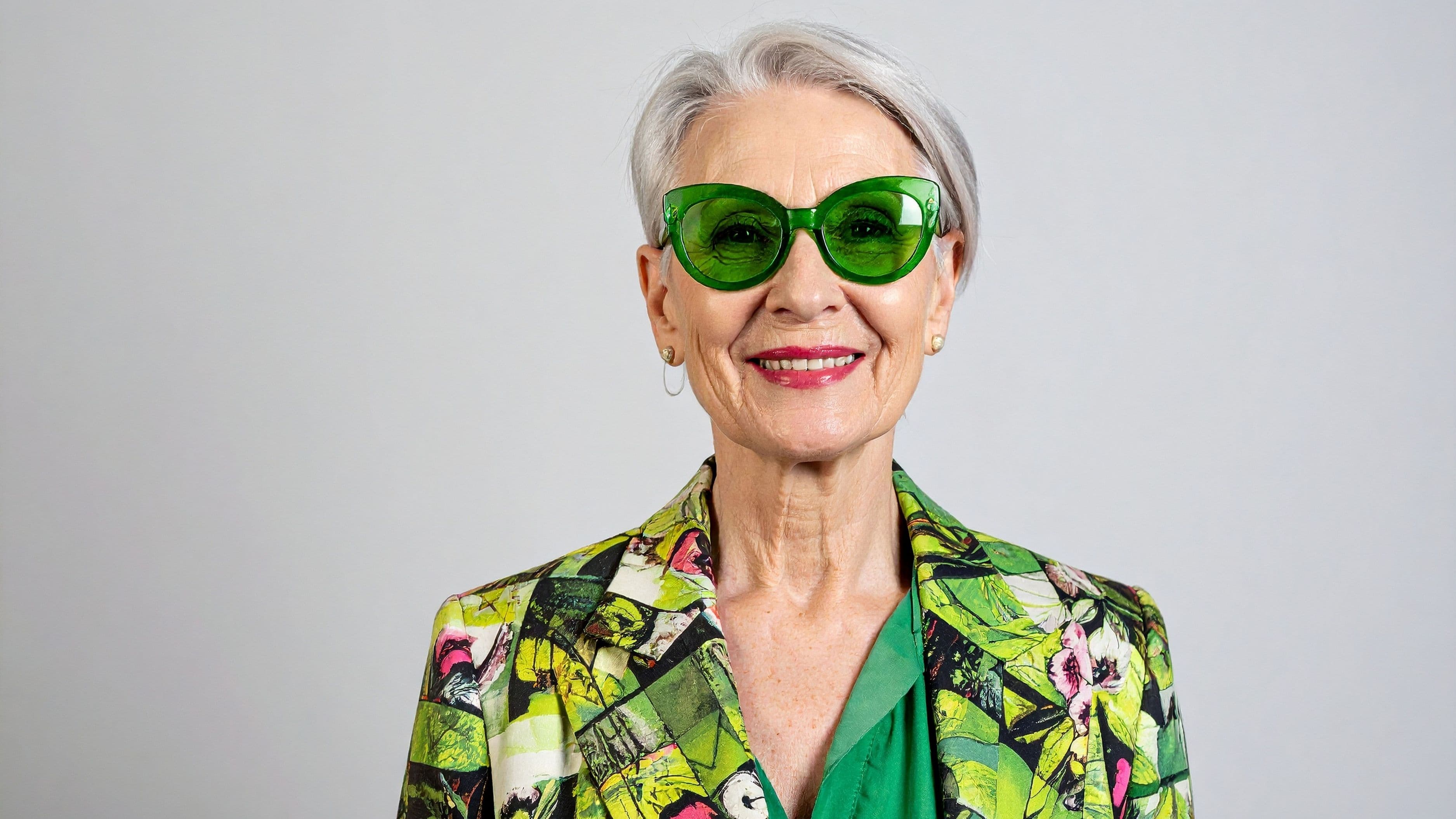
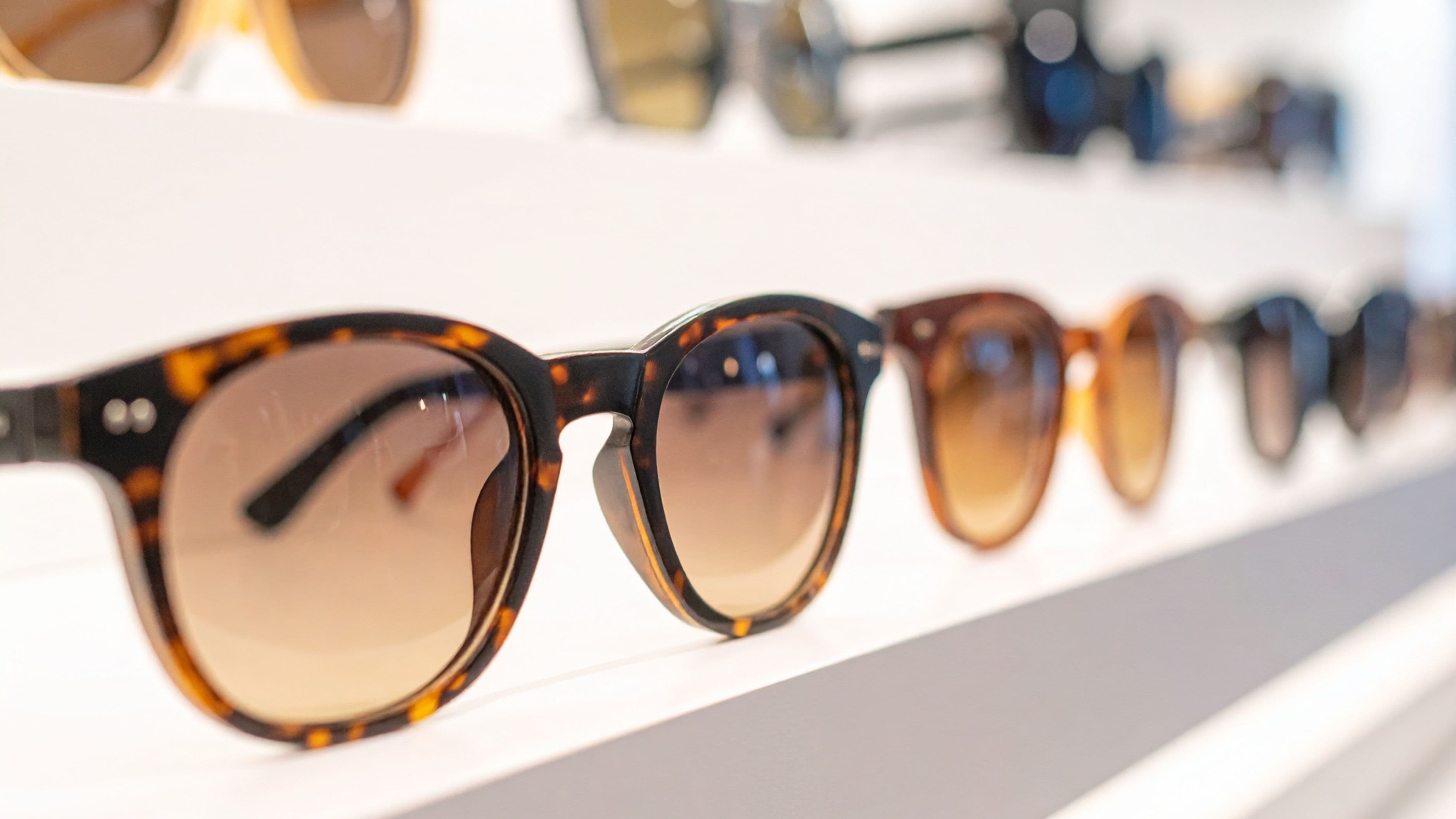
Sunglasses might be the most personality-forward accessory on this list. More than almost anything else you wear, the shape and style of your frames communicate your aesthetic — whether that's sleek and modern, retro and playful, or classic and understated. Beyond style, quality sunglasses with UV400 protection are genuinely good for your eye health, making them one of the few accessories with a real functional argument for investing in quality.
Key Features & Differentiators
Frame shape is everything with sunglasses — you want a shape that contrasts your face shape rather than mirrors it. Round faces suit angular or square frames; square faces suit round or oval frames. Lens color affects both aesthetics and functionality: brown/amber lenses enhance contrast in bright conditions; green lenses offer neutral color perception; gray lenses are best for intense sun. For longevity, look for acetate frames over plastic and polarized lenses for outdoor use.
Pricing: Fashion/drugstore, $15–$50; mid-range brands (Ray-Ban, Warby Parker), $95–$200; luxury designer, $250–$600+.
Pros:
Instantly adds edge or elegance to any outfit
UV protection makes them a genuine health investment
One statement pair can define your entire personal style
Works year-round (overcast days still produce UV exposure)
Enormous range of styles at every price point
Cons:
Easy to lose or sit on — investing heavily has risk
Wrong frame shape for your face can overwhelm rather than enhance
Lens quality varies wildly at lower price points
7. Statement Necklace — Best for Elevating Simple, Solid-Colored Outfits
What It Is & Who It's Best For
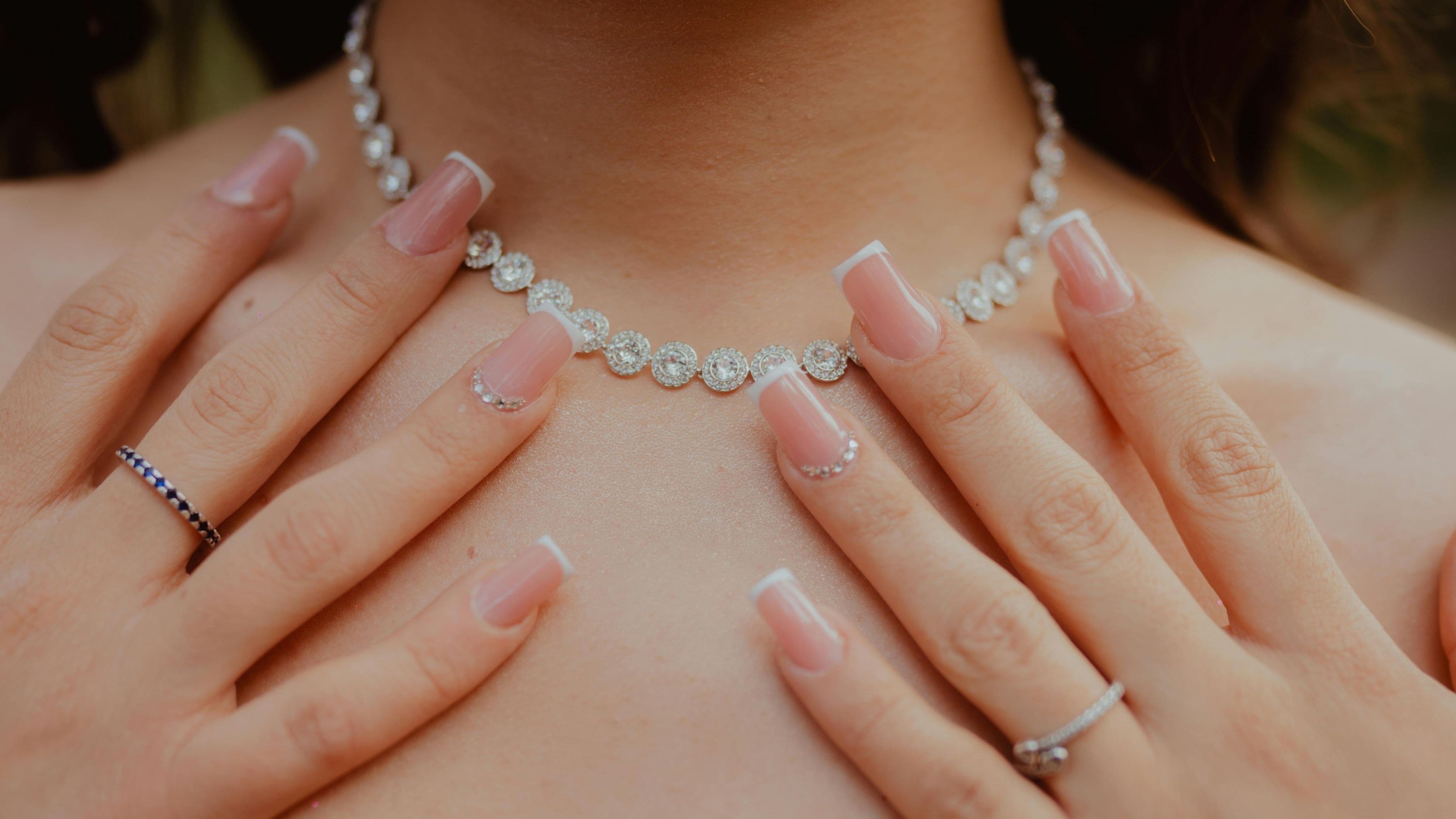
A statement necklace is a bold, eye-catching piece — whether through scale, texture, color, or material — that becomes the focal point of an outfit. It's the ideal accessory for anyone who lives in simple, solid wardrobe basics (the classic capsule wardrobe crowd) because it does the work of making plain outfits feel intentional and interesting. One great statement necklace can make the same white button-down look completely different worn three days running.
Key Features & Differentiators
The best statement necklaces are bold without being overwhelming — they complement the neckline of your outfit rather than competing with it. V-necklines suit long, pendant-style statements; crew necks and off-shoulder styles work best with bib or collar-style pieces. Materials range enormously: beaded, resin, hammered metal, layered chains, and natural stones all create different aesthetics. The key rule: when wearing a statement necklace, keep everything else minimal — simple studs, no competing bracelets.
Pricing: Fashion/costume jewelry, $20–$60; artisan and handmade, $60–$200; fine jewelry statement pieces, $300+.
Pros:
Transforms basics into complete, intentional looks
One piece creates the effect of an entirely new outfit
Artisan and vintage options offer unique, one-of-a-kind choices
Works across necklines and outfit styles
Available at extremely accessible price points
Cons:
Can overwhelm petite frames if disproportionately large
Trendy styles date faster than classic jewelry
Heavier pieces can be uncomfortable for all-day wear
8. Leather or Canvas Tote — Best for Stylish Everyday Functionality
What It Is & Who It's Best For
The tote bag sits at the intersection of style and practicality, and the best ones do both without compromise. A well-made leather or heavyweight canvas tote carries your laptop, gym clothes, lunch, and everything else life throws at you — while still looking sharp enough to walk into a meeting or a nice restaurant without a second thought. It's the everyday bag for people who need to carry a lot but refuse to sacrifice style to do it.
Key Features & Differentiators
What separates a great tote from a flimsy one is structure and strap quality. Look for reinforced handles that can handle weight without stretching, a base that holds its shape, and interior pockets for organization. Leather totes develop a beautiful patina and get better with age; heavyweight waxed canvas is lighter, more casual, and nearly as durable. A zippered top closure adds security without ruining the aesthetic — an important consideration for commuters and travelers.
Pricing: Canvas fashion totes, $20–$60; quality leather entry-level, $100–$250; mid-to-luxury leather, $300–$800+.
Pros:
Combines style and serious carrying capacity
Works for work, gym, travel, and errands
Quality leather and canvas improve with age
Neutral colors pair with everything
Many excellent mid-range options that don't require luxury spend
Cons:
Open-top designs offer no security for valuables
Heavier loads can cause shoulder strain without padded straps
Bulkier profile doesn't suit more formal or evening occasions
9. Ankle Boots — Best for Transitional Dressing Across Multiple Seasons
What It Is & Who It's Best For
Ankle boots are the Swiss Army knife of footwear. Flat or heeled, leather or suede, pointed or round-toed — they work with jeans, dresses, skirts, trousers, and shorts across three out of four seasons. They're the footwear equivalent of a capsule wardrobe staple: invest in one great pair and watch how many outfits they quietly improve. They're ideal for anyone who wants footwear that bridges the gap between casual sneakers and formal heels.
Key Features & Differentiators
The silhouette of the boot matters enormously. A Chelsea boot (no laces, elastic side panels) is the most versatile and easiest to wear — it slips on in seconds and looks clean under any hem length. A lace-up or zip ankle boot skews slightly more casual. Heel height is a personal choice, but a modest block heel (1–2 inches) offers comfort without sacrificing the dressier look. Black is the default for maximum versatility, but tan and cognac are equally excellent for a warmer palette.
Pricing: High-street options, $50–$120; quality mid-range leather, $150–$350; premium/designer, $400–$900+.
Pros:
Works across fall, winter, and spring
Pairs with virtually every clothing category
A quality leather pair lasts years with basic care (conditioning, resoling)
Chelsea boot style requires zero effort to put on
The pointed toe elongates the leg regardless of heel height
Cons:
Suede versions require more maintenance and weather protection
Break-in period for quality leather can be uncomfortable initially
Not ideal for summer heat or very formal occasions
10. Delicate Layering Necklaces — Best for Effortless, Modern Jewelry Stacking
What It Is & Who It's Best For
Delicate layering necklaces — think thin chains at varying lengths, tiny pendants, subtle symbols, or fine bars — create that effortlessly curated look that feels modern and personal without being overdone. Unlike a statement necklace that makes one bold declaration, layered delicate pieces whisper rather than shout, adding texture and visual interest to a neckline without competing with the rest of your outfit. They're perfect for everyday wear and work particularly well on casual and smart-casual looks.
Key Features & Differentiators
The key to great layering is varying chain length (typically 16", 18", and 20" for a classic three-layer look) and keeping metal tones consistent — mixing gold and silver can look intentional but requires a more confident eye. Look for lobster claw clasps over spring ring clasps for everyday durability. Gold-filled and sterling silver are the best options for longevity without a fine jewelry price tag. Many brands now sell curated layering sets, which take the guesswork out of finding pieces that work together.
Pricing: Gold-plated fashion options, $15–$50 per piece; gold-filled or sterling, $30–$100 per piece; solid gold, $100–$400+ per piece.
Pros:
Creates a personalized, curated look with minimal effort
Works beautifully with both casual and dressed-up outfits
Layering sets remove the styling guesswork
Delicate sizing means they don't overwhelm or clash
Highly giftable — great for building a collection over time
Cons:
Thin chains tangle easily in storage and in wear
Gold-plated versions fade and discolor at the clasp first
Requires some trial and error to find the right length combinations
📖 Your Quick Guide to Accessorizing
What Is an Accessory?
In fashion, an accessory is any item worn or carried that complements and completes an outfit without being a core clothing piece. That includes jewelry, bags, belts, scarves, hats, shoes, sunglasses, and watches. Accessories are the finishing touches — the details that tell people you thought about what you put on this morning.
Benefits of Investing in the Right Accessories
Cost-per-wear value: A $200 belt you wear 300 times costs less than $1 per wear — better value than a $50 trendy top you wear twice.
Wardrobe multiplication: Ten great accessories can make 20 outfits feel like 50 by mixing and matching differently.
Personal expression: Accessories are where personal style really lives. Two people can wear the same white shirt and look completely different based on their accessories.
Timelessness: Classic accessories outlast clothing trends. A quality leather bag bought today will still look great in 15 years.
Mood elevation: Getting dressed in a way that feels intentional and polished has a measurable effect on confidence and mood throughout the day.
What to Look for When Choosing Accessories
Quality over quantity: One genuinely well-made piece beats five cheap ones. Look for solid hardware, real leather or quality fabric, and finishes that won't chip or tarnish immediately.
Neutrals first: Build your accessory wardrobe in black, tan, gold, silver, and navy before branching into bold colors. Neutral accessories work with everything; colorful ones work with less.
Consider your lifestyle: A gorgeous structured bag is wasted if you spend most of your time hiking or in casual settings. Match your accessories to how you actually live, not how you imagine you might.
Proportions matter: Accessories should be proportional to your frame. Petite frames suit smaller, more delicate pieces; taller or broader frames can carry larger, bolder accessories without being overwhelmed.
Classic over trendy: Especially for higher-investment pieces, choose classic silhouettes and styles. Trends come and go; a clean leather belt or a simple watch face will never look dated.
Metal consistency: Mixing gold and silver can look intentional when done deliberately, but starting with one metal tone across your accessories creates a more cohesive, polished look without effort.
❓ Frequently Asked Questions
Q: How many accessories should I wear at once? A: A good rule of thumb is to choose one focal accessory per outfit — a statement necklace, a great bag, a standout watch — and keep everything else minimal. The goal is for accessories to feel curated, not competing. That said, delicate layering pieces (thin chains, small studs) can be stacked more freely since their individual impact is subtle.
Q: What's the best accessory to start with if I'm building from scratch? A: Start with a leather belt in black or tan, a pair of gold or silver hoops, and a quality tote or handbag. These three pieces work across virtually every casual and professional outfit and will give you the highest return on investment before you expand into more specialized pieces.
Q: Are expensive accessories actually worth it? A: For everyday pieces you reach for constantly — a belt, a watch, a bag, earrings — yes, quality pays off significantly in longevity, appearance, and cost-per-wear. For trend-driven pieces or things you'll wear occasionally, mid-range or even high-street options are perfectly sensible. The investment calculus is: how often will I wear this, and how quickly will a cheaper version fall apart?
Q: How do I store accessories to make them last longer? A: Keep leather goods away from direct sunlight and condition them once or twice a year. Store necklaces flat or hung to prevent tangling. Keep silver jewelry in anti-tarnish pouches. Stuff handbags with tissue paper when not in use to help them hold their shape. Small habits like these extend the life of quality accessories by years.