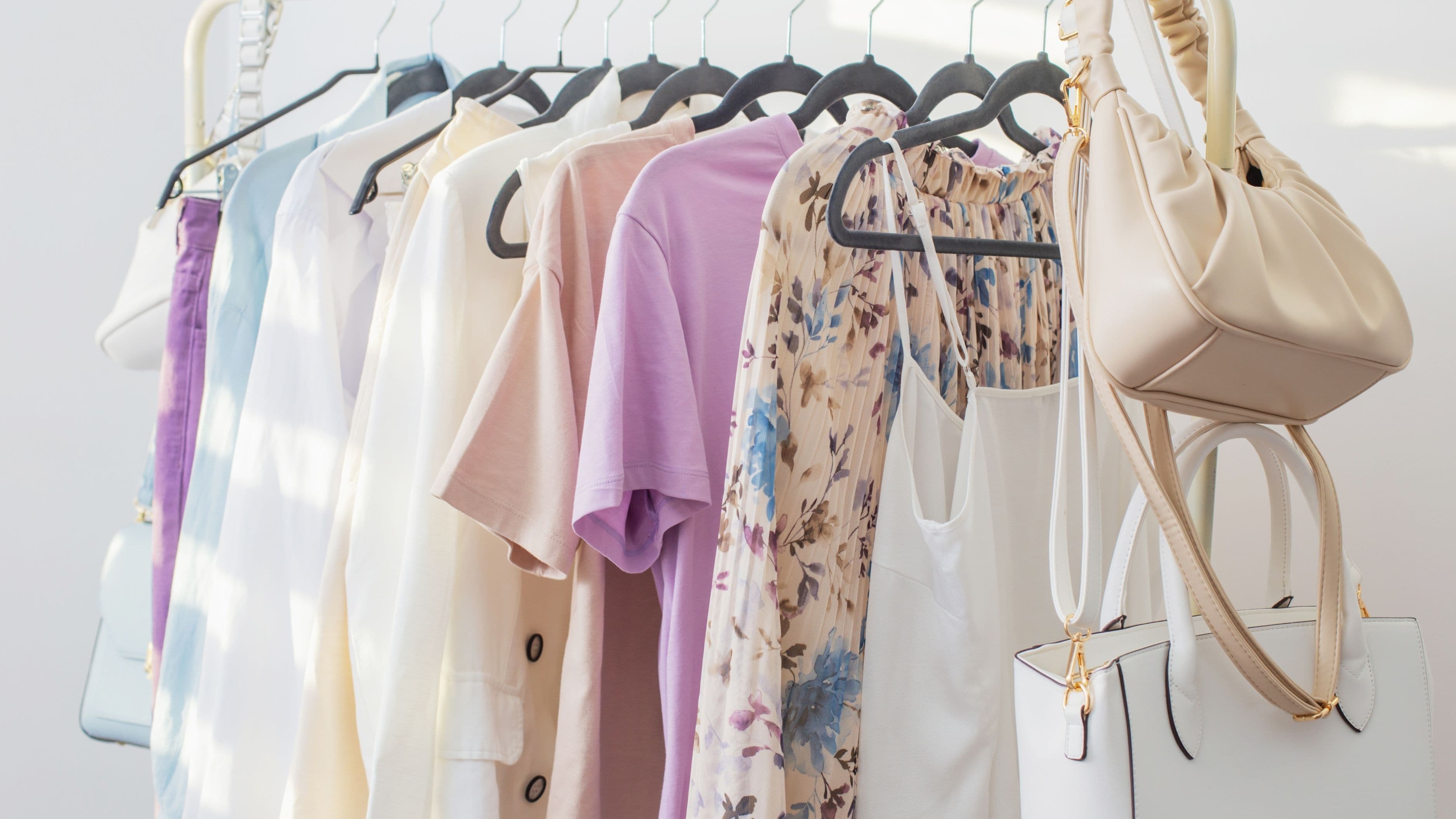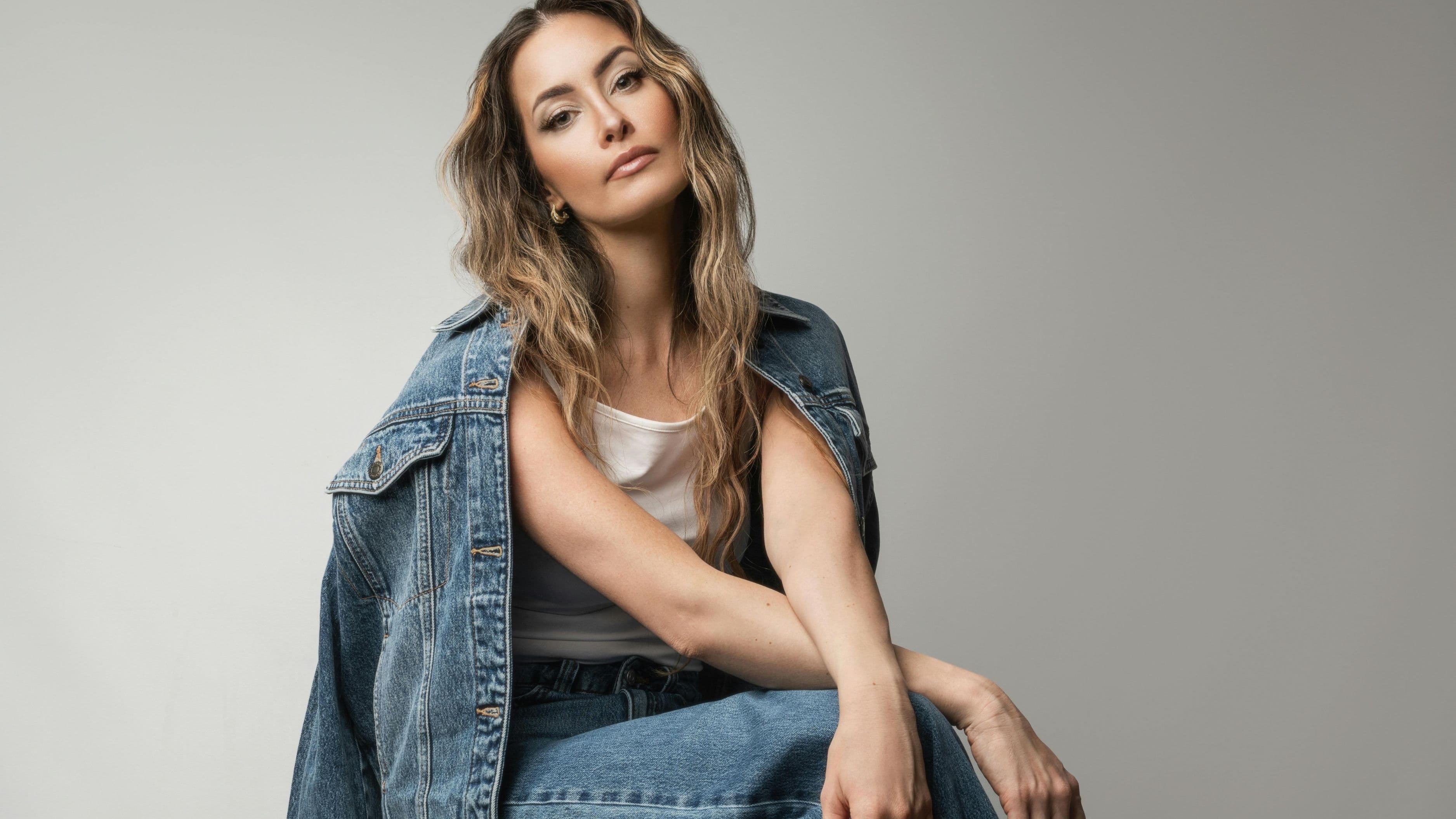
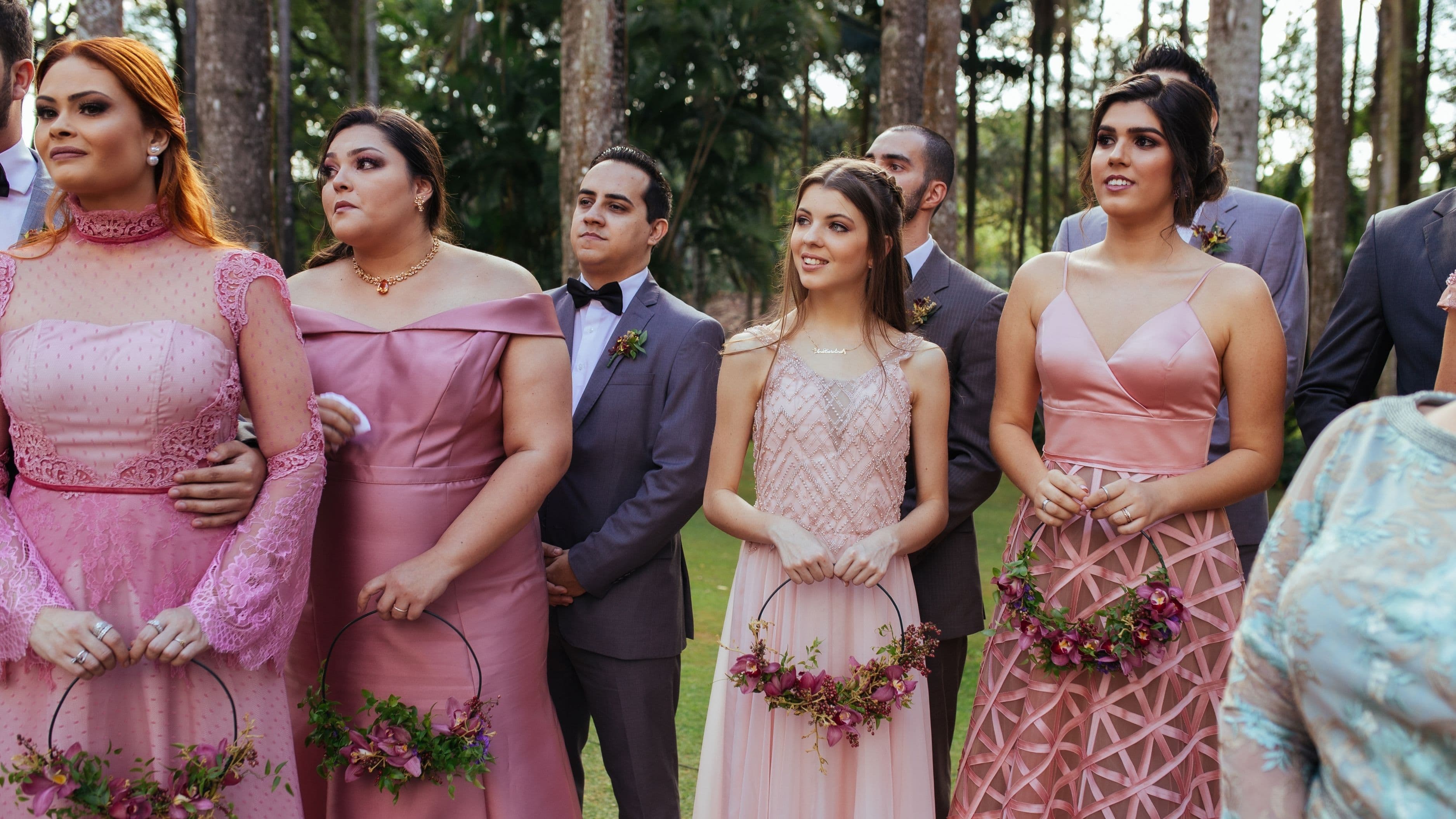
The right wedding guest outfit hits three marks: it respects the dress code, suits the venue and season, and looks like you made an effort without looking like you tried too hard. This list covers 10 outfit ideas that work across spring, summer, autumn, and winter — with practical notes on what to wear, what to avoid, and how to pull each look together without stressing about it.
Top 10 Wedding Guest Outfits at a Glance
Floral midi dress – Spring's most reliable choice
Linen suit or linen co-ord – Summer garden party essential
Wrap dress in jewel tones – The year-round crowd-pleaser
Tailored jumpsuit – Modern, polished, and underused
Velvet or satin slip dress – Autumn and evening events done right
Blazer and wide-leg trousers – Sharp without trying too hard
Midi skirt with a structured top – Mix-and-match that actually works
Winter cocktail dress with a coat – Cold-weather dressing solved
Printed maxi dress – Summer and destination weddings
Classic shirt dress – Understated, versatile, and always appropriate
1. Floral Midi Dress – Spring's Most Reliable Choice
Best for: Spring garden weddings, outdoor ceremonies, daytime receptions
Dress code fit: Cocktail, smart casual, garden party
A floral midi dress is the closest thing to a guaranteed win for spring wedding season. The length hits that sweet spot — longer than a mini, shorter than a formal gown — that works for both church ceremonies and outdoor receptions on uneven grass. The floral pattern reads as occasion-appropriate without looking like you're trying to match the centerpieces.
For spring, lean into softer florals: watercolor prints, pastel grounds, small botanical patterns. Reserve the bold tropical prints for summer. A fitted bodice with an A-line or flowy skirt is the most flattering silhouette across body types, and it photographs well in natural light. Pair with block-heeled sandals or low heels if the venue involves grass — stilettos and lawns are a bad combination everyone learns once.
What to wear with it: A simple clutch, delicate jewelry, and a light wrap or blazer if the morning ceremony might be cool.
Avoid: White, ivory, or cream grounds — even with a floral pattern, these read too bridal in natural light.
2. Linen Suit or Linen Co-Ord – Summer Garden Party Essential
Best for: Summer weddings, outdoor venues, destination weddings in warm climates
Dress code fit: Smart casual, cocktail, garden party
A well-cut linen suit has become one of the sharpest choices for summer weddings, and it works across genders. The fabric breathes, the silhouette reads polished, and a linen co-ord (matching linen trousers and a blazer or shirt) gives you the look of a full outfit with the ease of separate pieces. Dusty rose, sage green, sand, pale blue, and terracotta all work beautifully for warmer months — these are the colors that look intentional in outdoor photos without competing with bridal party palettes.
For women, a linen blazer over a linen wide-leg trouser with a simple camisole underneath is a strong, modern wedding guest look that isn't overdone. For men, a linen suit in a muted pastel or neutral with a lightweight shirt (tie optional, depending on formality) is cooler and more considered than a standard wool suit in August.
What to wear with it: Loafers, slides, or low block heels. Keep jewelry minimal — the suit does the work.
Avoid: Heavily wrinkled linen looks underdressed fast. Steam or press before you go, and pack a lint roller.
3. Wrap Dress in Jewel Tones – The Year-Round Crowd-Pleaser
Best for: Virtually any wedding, any season
Dress code fit: Cocktail, smart casual, semi-formal
The wrap dress earns its reputation as the most versatile wedding guest option for good reason: the adjustable waist works across body types, the V-neckline is flattering without being inappropriate, and the silhouette reads elegant in almost any fabric. In jewel tones — emerald, sapphire, deep burgundy, amethyst, burnt orange — it hits the right note of occasion-dressing without veering into formal overkill.
The key is fabric selection by season. A lightweight crepe or chiffon wrap dress works perfectly from spring through early autumn. For cooler months, the same silhouette in a heavier satin, velvet, or ponte fabric carries through winter events. This is also one of the easiest silhouettes to dress up or down — block heels and simple jewelry keep it relaxed for a garden party; strappy heels and statement earrings elevate it for an evening ballroom reception.
What to wear with it: Depends on season — strappy sandals in summer, heeled ankle boots in autumn, pointed pumps for formal events.
Avoid: Very lightweight wrap dresses in windy outdoor venues unless you're comfortable with the risk of a wardrobe moment.
4. Tailored Jumpsuit – Modern, Polished, and Underused
Best for: Evening receptions, contemporary or non-traditional weddings, city venues
Dress code fit: Cocktail, black tie optional, smart casual
The tailored jumpsuit remains one of the most underused wedding guest options, which is exactly what makes it stand out in the photos. A wide-leg silhouette in a solid color — black, navy, ivory (not white), emerald, or deep red — looks intentionally polished and offers a level of comfort that most formal dresses can't match after hour four of dancing. It reads modern without looking casual, and it removes the "is this too short" calculation entirely.
The fit is everything with a jumpsuit. Off-the-rack options often need one alteration — either the torso length or the trouser break — and that adjustment is worth making. A cheap, ill-fitting jumpsuit looks exactly that; a well-fitted one in a quality fabric looks like it cost twice as much. For evening receptions, a satin or crepe wide-leg jumpsuit with a fitted bodice is as appropriate as a cocktail dress in almost any venue.
What to wear with it: Statement earrings, a slim belt if the jumpsuit allows, and heels or heeled mules.
Avoid: Casual utility-style jumpsuits — this is a wedding, not a photoshoot. Stick to tailored, occasion-weight fabrics.
5. Velvet or Satin Slip Dress – Autumn and Evening Events Done Right
Best for: Autumn weddings, evening receptions, indoor venues
Dress code fit: Cocktail, semi-formal, black tie optional
As temperatures drop and weddings move indoors, fabric becomes your most important decision. A velvet or satin slip dress in a deep, rich color — wine, forest green, midnight blue, chocolate, or burnt amber — hits exactly the right note for autumn and winter evening events. These are fabrics that photograph beautifully under warm indoor lighting and feel genuinely appropriate for a formal occasion without being a full-length gown.
Velvet in particular has a textural richness that reads occasion-dressing immediately. A velvet midi dress in burgundy or deep green with simple gold jewelry is one of the strongest wedding guest looks for autumn. Satin slip dresses work better for evening events than daytime — the sheen is amplified by candlelight and softer indoor lighting in a way that looks less intentional in bright daylight. Layer a tailored blazer or structured cardigan over either for the ceremony before transitioning to the full look at the reception.
What to wear with it: Gold or silver jewelry, heeled sandals or pointed pumps, a clutch bag.
Avoid: Satin slip dresses in very light colors — ivory, pale pink, or light gold — which can read too close to bridal.
6. Blazer and Wide-Leg Trousers – Sharp Without Trying Too Hard
Best for: Contemporary weddings, city venues, non-traditional ceremonies
Dress code fit: Smart casual, cocktail, garden party
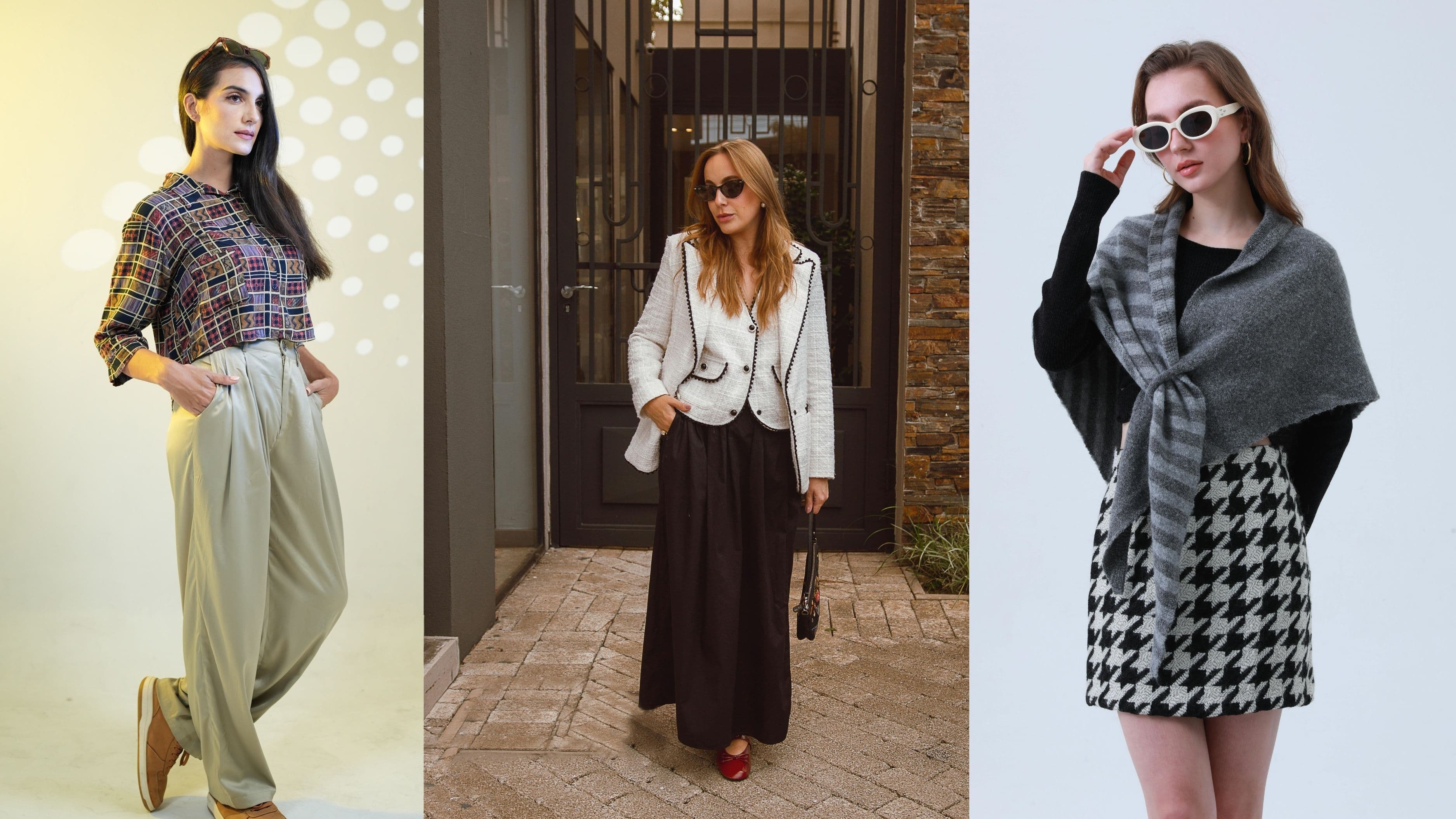
A blazer paired with wide-leg tailored trousers is one of the most underrated wedding guest combinations — particularly for people who don't want to wear a dress or skirt and don't want to default to a traditional suit. The formula is simple: a well-fitted blazer, a simple top underneath (silk camisole, fitted turtleneck, tailored blouse), and wide-leg trousers in a complementary or matching tone.
For a pulled-together look, keep the palette narrow — a tonal outfit in camel, navy, or a warm grey reads more intentional than mismatched separates. A monochromatic outfit (same color family for blazer and trousers) elevates the look further without requiring additional styling effort. This combination also transitions seamlessly from outdoor daytime ceremony to indoor evening reception, which makes it one of the most practically useful options on this list.
What to wear with it: A silk camisole or fitted top underneath, heeled mules or pointed flats, minimal jewelry to let the silhouette speak.
Avoid: Very casual fabrics — avoid cotton chinos or denim trousers even with a smart blazer. Stick to tailoring-weight fabrics.
7. Midi Skirt With a Structured Top – Mix-and-Match That Actually Works
Best for: Spring and summer weddings, smart casual events, semi-outdoor venues
Dress code fit: Smart casual, garden party, cocktail
A midi skirt and structured top combination is the most flexible approach on this list because it works with what you already own. A pleated, satin, or floral midi skirt paired with a fitted camisole, a structured blouse, or a fitted knit top creates an outfit that looks intentionally put-together without requiring a specific dress purchase. It also gives you pieces that can be reworn separately after the wedding — which is genuinely better value than a single-use dress.
The key to making this work is the top. It needs to be occasion-weight — a silk or satin camisole, a tailored sleeveless blouse, a fitted crop in a quality fabric. A basic cotton tee with a fancy skirt reads as an afterthought. The skirt itself does most of the heavy lifting aesthetically, so let it be the statement piece and keep the top clean and simple. A satin midi skirt in a solid jewel tone with a simple silk camisole tucked in is a genuinely elegant combination for a daytime wedding.
What to wear with it: Heeled sandals or block heels, a small bag, and simple jewelry that complements rather than competes with the skirt.
Avoid: Very casual tops — the whole look collapses if the top doesn't match the skirt's formality level.
8. Winter Cocktail Dress With a Coat – Cold-Weather Dressing Solved
Best for: Winter weddings, indoor venues, evening receptions in cold climates
Dress code fit: Cocktail, semi-formal, black tie optional
Winter weddings present a specific challenge: you want to look great in the photos, but you also don't want to freeze between the car and the venue. The solution is to treat the coat as part of the outfit, not just a practical layer you ditch at the door. A tailored wool coat in camel, burgundy, or a deep jewel tone worn over a cocktail dress creates a complete, polished look for arrival photos — and a stunning silhouette when removed for the reception.
The dress underneath can lean into winter fabrics — velvet, heavy crepe, jacquard, metallic — in deep tones that suit the season. A structured, below-the-knee or midi-length dress in black, midnight navy, deep green, or burgundy with a coordinating or complementary coat is a complete and considered winter wedding look. This is also the occasion to use richer accessories: a statement necklace, textured tights, heeled ankle boots if the venue allows them.
What to wear with it: Rich accessories — velvet headband, chandelier earrings, textured tights or sheer black tights, heeled boots or pumps.
Avoid: Summer fabrics like chiffon or very light satin without a proper layer — you'll spend the whole ceremony distracted by the cold.
9. Printed Maxi Dress – Summer and Destination Weddings
Best for: Summer weddings, beach or resort venues, destination weddings
Dress code fit: Smart casual, garden party, resort formal
A printed maxi dress is the go-to for warm-weather and destination weddings — it's appropriate, comfortable over a long day, and works beautifully in tropical or coastal settings where a cocktail dress can look overdressed. The key is choosing a print that reads occasion-appropriate: bold florals, abstract prints, geometric patterns, or watercolor designs in warm, saturated tones all work well. Avoid anything that looks too casual (small repeated novelty prints) or too beachy (literal tropical fruit prints unless the dress code explicitly suggests it).
The silhouette matters more with a maxi. A fitted or wrap-style bodice with a flowing skirt is more flattering and more formal-looking than a boxy shift maxi. Spaghetti straps or structured straps work well; thin jersey fabric looks casual even when the dress is long. For a beach or outdoor ceremony, consider whether you'll be walking on sand or grass and choose a heel accordingly — or commit to elegant flat sandals, which are entirely appropriate for destination weddings.
What to wear with it: Simple flat sandals or low wedges for outdoor venues, gold jewelry, a light wrap or linen jacket for the ceremony if needed.
Avoid: Very casual jersey fabrics — even in a maxi length, these read beachwear rather than occasion dressing.
10. Classic Shirt Dress – Understated, Versatile, and Always Appropriate
Best for: Daytime weddings, smart casual dress codes, late summer and early autumn
Dress code fit: Smart casual, garden party, daytime cocktail
The shirt dress is the most understated option on this list, and in the right context, that's exactly what you want. A well-cut shirt dress in silk, a heavy cotton, or a textured fabric — in a solid color or refined print — looks polished at a daytime wedding without the pressure of a full cocktail dress. It's particularly well-suited to more relaxed ceremonies: intimate garden parties, countryside weddings, city hall ceremonies, or informal receptions where a formal dress would feel like too much.
The styling details make or break a shirt dress for wedding occasions. Keep the silhouette clean — a belted waist gives definition, a midi length reads more formal than a knee-length. Choose occasion-appropriate fabric: a silk or satin shirt dress in a solid muted tone looks genuinely elegant; a cotton poplin in a pastel is a strong smart-casual choice. Elevate the accessories more than you would day-to-day — a good pair of heels, thoughtful jewelry, and a structured bag transform the look.
What to wear with it: A thin belt if the dress allows, heeled sandals or pointed mules, statement earrings.
Avoid: Short shirt dresses (above the knee) for church ceremonies or formal venues — length signals formality here.
How to Choose the Right Outfit for the Season
Spring (March–May): Florals, pastels, lightweight fabrics, midi lengths. Bring a wrap or blazer for morning ceremonies — spring mornings can still be cold. Block heels over stilettos for garden venues.
Summer (June–August): Natural fabrics that breathe — linen, lightweight cotton, chiffon. Maxi dresses and co-ords work especially well. Hydration, comfortable shoes, and sunscreen matter as much as the outfit.
Autumn (September–November): Shift into jewel tones and richer fabrics — velvet, satin, heavier crepe. Layers become important as temperatures drop through the season. Ankle boots become a legitimate footwear option.
Winter (December–February): Treat the coat as part of the outfit. Darker tones, heavier fabrics, richer accessories. Indoor evening venues allow metallics and velvet. Comfort tights under your dress are both practical and acceptable.
FAQ
What colors should wedding guests avoid? White, ivory, and cream are the obvious ones — anything that could be mistaken for a bridal shade. All-black is generally fine (particularly for evening events) but check the couple's preference if you know them well. All-red can read too attention-grabbing at some weddings, though a deep burgundy or wine is typically fine.
What does "cocktail attire" mean for a wedding? Cocktail attire means a knee-length to midi-length dress, a dressy jumpsuit, or tailored separates in occasion-appropriate fabrics. It's more formal than smart casual but less formal than black tie. When in doubt, aim for polished and understated.
Can wedding guests wear trousers? Absolutely. A tailored suit, wide-leg trousers with a blazer, or a well-fitted trouser with a silk blouse are all entirely appropriate for most dress codes. The key is tailoring-weight fabrics and a polished finish.
Is it okay to wear the same outfit to two different weddings? Yes — especially if the guest lists don't overlap. Nobody expects you to wear something new to every wedding you attend, and a well-chosen outfit is worth repeating.
What shoes work best for outdoor weddings? Block heels, wedge heels, or elegant flats are all practical for outdoor venues. Stilettos sink into grass and cobblestones — if you love them, bring a heel cap or plan to change footwear between ceremony and reception.
How dressed up should you be for a destination wedding? Usually one step below what you'd wear to a local formal wedding. Destination weddings tend to have a more relaxed setting and dress code. A printed maxi dress, a linen co-ord, or a flowy cocktail dress typically fits the brief.
Quick Takeaway
The best wedding guest outfit is the one you stop second-guessing. Pick something that fits the season, respects the dress code, and makes you feel good — then get dressed and enjoy the day. Whether you're reaching for a velvet slip dress in November or a floral midi in April, the outfits on this list give you a reliable place to start without overthinking it.
Check the invite, check the venue, check the weather forecast. Then pick your outfit and close the closet.
📚 Sources
Brides – What to Wear to a Wedding: Complete Guest Dress Code Guide: https://www.brides.com/what-to-wear-to-a-wedding-4800430
The Knot – Wedding Guest Dress Code Explained: https://www.theknot.com/content/wedding-guest-dress-code
Vogue – The Best Wedding Guest Dresses for Every Season: https://www.vogue.com/article/wedding-guest-dresses
Who What Wear – The Best Wedding Guest Outfits: https://www.whowhatwear.com/wedding-guest-outfits
Harper's Bazaar – What to Wear to a Winter Wedding: https://www.harpersbazaar.com/fashion/trends/g4866/what-to-wear-to-a-winter-wedding/
Refinery29 – What to Wear to a Summer Wedding: https://www.refinery29.com/en-us/summer-wedding-guest-outfits
InStyle – Wedding Guest Dress Code Guide: https://www.instyle.com/fashion/wedding-dress-codes-explained