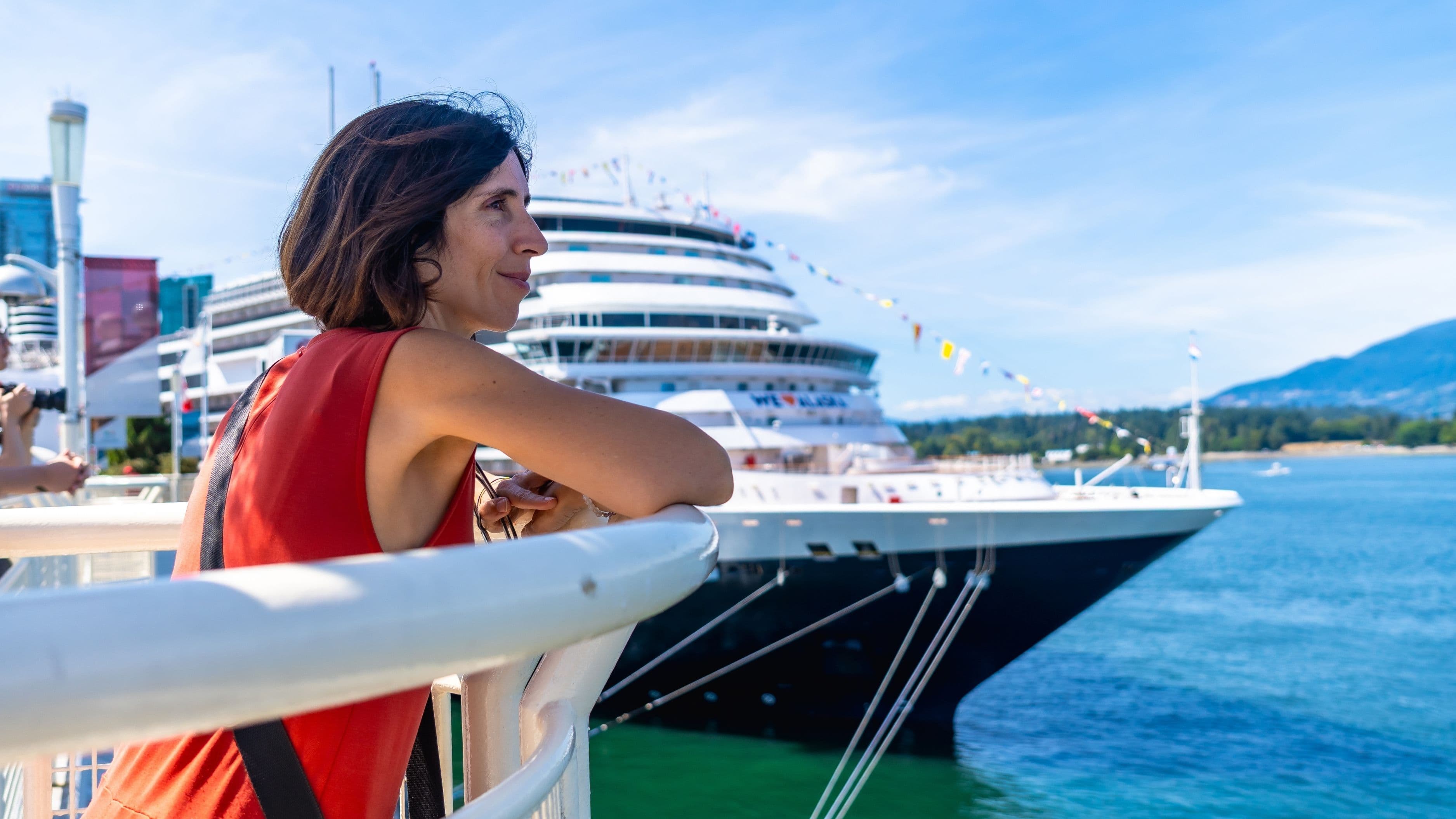
The challenge is that the cruise world is enormous. There are mega-ships with 7,000 passengers and intimate expedition vessels carrying 100. There are party cruises, luxury cruises, cultural immersion sailings, and adventure expeditions to places most people never reach any other way. Not every cruise deserves your money or your limited vacation time.
This list cuts through the noise. These are the ten cruises worth putting on your bucket list – each one offering something genuinely distinctive, with the kind of experience that's hard to replicate on land or on any other kind of trip.
Top 10 Cruises at a Glance
Norwegian Fjords Cruise
Mediterranean Historical Cruise
Antarctica Expedition Cruise
Alaska Inside Passage Cruise
Caribbean Island-Hopping Cruise
Galápagos Islands Expedition Cruise
Danube River Cruise
Southeast Asia & Vietnam Cruise
Transatlantic Crossing
Mekong River Cruise
1. Norwegian Fjords Cruise
Best for: Nature lovers, photographers, first-time European cruisers
Few places on earth match the raw drama of Norway's fjordland. Sailing through the Geirangerfjord or Nærøyfjord – both UNESCO World Heritage Sites – puts you between sheer cliff walls rising hundreds of meters above the water, with waterfalls pouring directly into the sea beside your ship. This is the kind of scenery that makes you put your phone down and just stare.
The practical case for cruising Norway's fjords rather than driving it is strong. The fjords are deep and navigable, meaning ships can dock directly in small villages like Flåm and Eidfjord that would take hours to reach by road. You wake up every morning somewhere new, and the evening light in summer – Norway barely gets dark in June and July – creates golden-hour conditions that last for hours.
Major cruise lines including Hurtigruten, Viking, and Princess all run Norwegian fjord itineraries. Hurtigruten is particularly worth considering because their coastal route has been operating since 1893, connecting small coastal communities that don't get much tourist traffic. It feels less like a tourist cruise and more like using an actual regional ferry – just with better food and accommodation.
What to know: Weather in the fjords is unpredictable even in summer. Pack layers and don't skip the shore excursions – a train ride on the Flåm Railway or a kayak through the fjord water are experiences the ship itself can't replicate.
2. Mediterranean Historical Cruise
Best for: History enthusiasts, culture seekers, food lovers
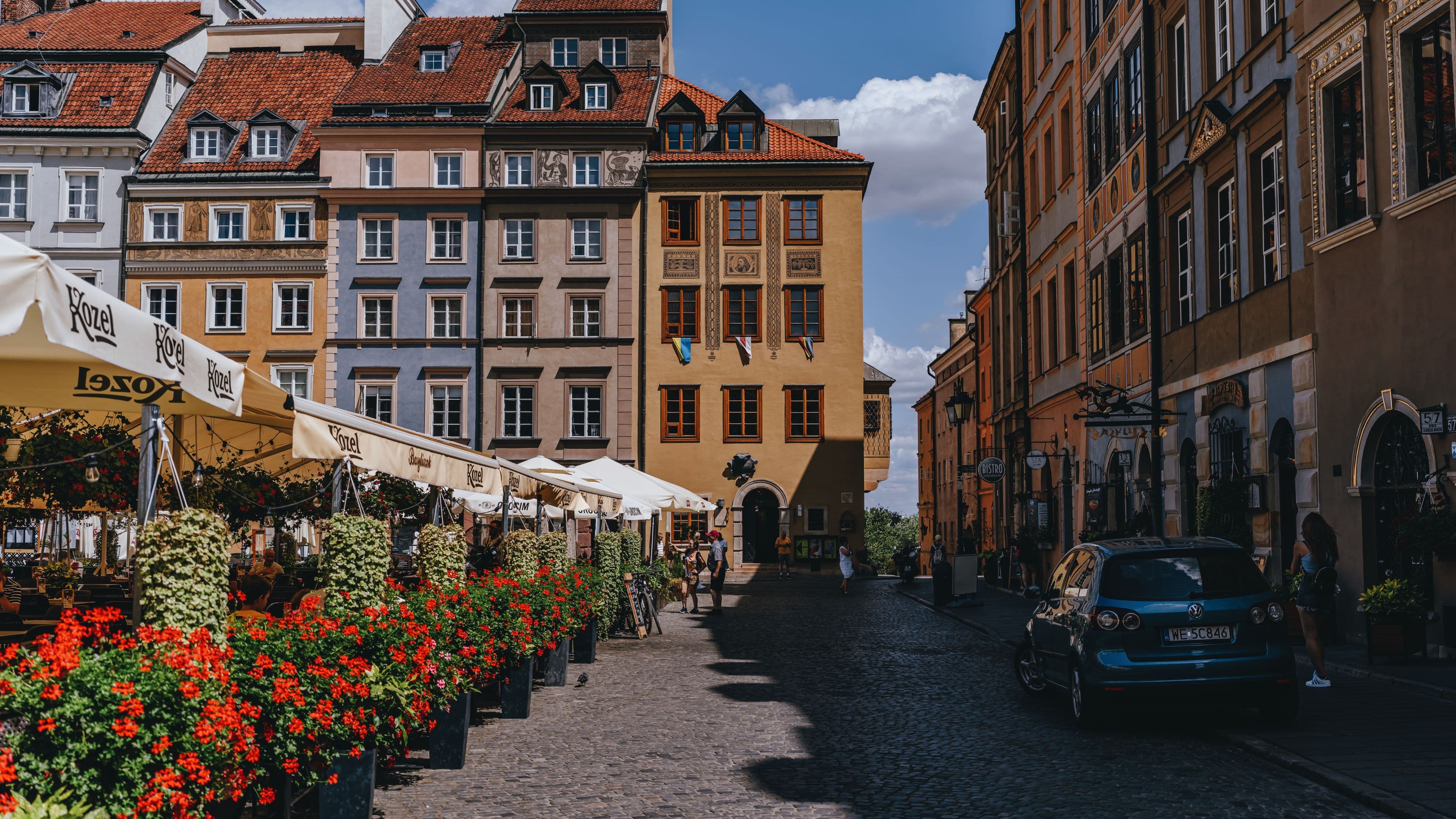
A well-routed Mediterranean cruise is effectively a greatest hits tour of human civilization. In a single two-week sailing, you can stand in the Colosseum in Rome, walk through the ruins of Ephesus in Turkey, watch the sunset from Santorini, tour the Acropolis in Athens, and eat your way through Croatia's Dalmatian coast. No other travel format lets you cover that kind of ground without spending half your trip in transit.
The key word is "well-routed." Avoid itineraries that spend too many days at sea or cluster exclusively around the most overtouristed ports. Look for sailings that include Croatia, Montenegro, Malta, or the Greek islands beyond Santorini and Mykonos. These lesser-known stops tend to deliver the authentic Mediterranean experience that mass tourism has eroded in the headline destinations.
Lines like Azamara, Windstar, and Viking Ocean tend to dock in smaller ports and spend more time at each stop than the megaship operators. If you can afford it, a smaller ship in the Mediterranean makes an enormous difference – you can sail into ports that larger ships can't access, and you're not competing with 4,000 other passengers for the same taxi.
What to know: Summer Mediterranean cruises in July and August are peak season – ports like Dubrovnik and Santorini are genuinely overcrowded. A late May, June, or September sailing gives you better weather, fewer crowds, and often lower prices.
3. Antarctica Expedition Cruise
Best for: Adventure travelers, wildlife enthusiasts, people who want to go somewhere truly remote
Antarctica is one of the last genuinely wild places on earth, and a cruise is the only realistic way most people will ever see it. The experience of sailing through the Drake Passage, spotting your first iceberg, and watching penguin colonies go about their business on beaches that haven't changed in millennia is one that passengers consistently describe as life-altering.
Expedition cruises to Antarctica are not standard cruises. Ships carry between 100 and 500 passengers, and the itinerary is built around Zodiac landings on the continent itself – small rubber boats ferry passengers ashore to walk among penguin colonies, visit research stations, and stand on ground that very few humans ever reach. The itinerary is fluid and weather-dependent, which is part of the point.
Operators like Hurtigruten Expeditions, Quark Expeditions, and Ponant specialize in this kind of sailing. Prices are significant – expect to pay $8,000–$20,000+ per person depending on cabin and operator – but passengers almost universally say it's worth every dollar. Antarctica has a strict environmental protection regime, so visitor numbers are capped and the experience remains genuinely pristine.
What to know: The Drake Passage crossing (two days each way) is notoriously rough. Some travelers take preventative seasickness medication; others find their sea legs quickly. Either way, it's part of the adventure. Book 12–18 months out for best availability.
4. Alaska Inside Passage Cruise
Best for: Wildlife watchers, outdoor adventurers, families, first-time cruisers
Alaska's Inside Passage is the route that converts cruise skeptics. It runs through a protected waterway along the southern Alaska coast, passing through a landscape of glaciers, temperate rainforest, and mountain ranges that drop straight into the sea. Ports like Juneau, Skagway, and Ketchikan are genuinely interesting – not just cruise ship shopping streets – and the wildlife viewing can be extraordinary.
Humpback whales, orca pods, sea otters, bald eagles, and bears are regular sightings. The crown jewel of any Inside Passage itinerary is a glacier viewing day – ships cruise slowly through Glacier Bay National Park or Tracy Arm Fjord, close enough to hear the glaciers calving into the water. It's the kind of experience that's genuinely hard to access any other way.
Norwegian Cruise Line, Princess, and Holland America have deep roots in Alaska and run well-organized itineraries. Small ship operators like Un-Cruise Adventures run wilderness-focused sailings that skip the main tourist ports entirely and focus on kayaking, hiking, and wildlife watching.
What to know: Alaska cruises run May through September. Late May and early September offer smaller crowds and lower prices; July is peak for weather reliability. Budget for shore excursions – whale watching, helicopter tours, and glacier hikes are pricey but worth it.
5. Caribbean Island-Hopping Cruise
Best for: Beach lovers, first-time cruisers, families, people who want variety
The Caribbean cruise is the classic entry point for a reason. Consistent sunshine, turquoise water, a different island every day, and enough flexibility in port schedules that you can choose your own level of activity – beach lounger or zip-lining, snorkeling in coral reefs or exploring colonial old towns.
The key to getting the most out of a Caribbean cruise is choosing the right region. The Eastern Caribbean (Bahamas, Puerto Rico, St. Maarten, St. Thomas) is the most heavily cruised and can feel overdeveloped in peak season. The Southern Caribbean (Barbados, St. Lucia, Trinidad, Grenada) tends to be less crowded, more culturally interesting, and has some of the best natural scenery in the region. The Western Caribbean (Jamaica, Grand Cayman, Cozumel, Belize) is a good middle ground with excellent diving and ancient Maya ruins accessible as day trips.
All major lines run Caribbean itineraries. For a first cruise, a 7-night sailing on Royal Caribbean, Norwegian, or Carnival is a solid introduction. For something more upscale, Celebrity and Holland America run the same regions with a more relaxed, refined atmosphere.
What to know: Hurricane season runs June through November, with September and October being the highest risk period. If you're cruising in fall, check your cruise line's cancellation and rerouting policy before booking.
6. Galápagos Islands Expedition Cruise
Best for: Wildlife enthusiasts, nature photographers, travelers who want something genuinely unique
The Galápagos is one of the few places in the world where wildlife has no fear of humans. Giant tortoises walk past you without changing course. Blue-footed boobies perform their mating dances three feet away. Marine iguanas ignore you entirely. The islands' isolation and strict protection have created an ecosystem unlike anything else on earth, and the only way to experience more than one island is by boat.
Galápagos expedition cruises are regulated by the Ecuadorian National Park, which limits visitor numbers and controls which sites can be visited and when. This means the experience stays intimate and undisturbed regardless of when you go. Ships range from small yachts carrying 8 passengers to more comfortable small ships carrying 90–100 passengers. Daily Zodiac landings put you ashore at different islands, each with distinct ecosystems and wildlife.
Operators like Ecoventura, Celebrity Flora, and Silversea Expeditions run highly regarded Galápagos itineraries. It's not cheap – week-long expeditions typically run $5,000–$15,000 per person – but the Galápagos delivers on its reputation consistently. Travelers rarely come back disappointed.
What to know: The Galápagos is accessible year-round. June through December brings cooler, drier conditions and excellent snorkeling visibility. January through May is warmer and wetter, with lush vegetation and active wildlife behavior. Neither season is clearly superior – both are excellent.
7. Danube River Cruise
Best for: History lovers, older travelers, couples, people who dislike large ships
River cruising is a different animal from ocean cruising. Ships are small – typically 140–200 passengers – and docked directly in city centers, which means you walk off the ship and you're already in the old town. No tenders, no shuttle buses, no wasted time. The Danube route from Budapest to Amsterdam (or variations thereof) passes through some of Central Europe's most architecturally stunning cities.
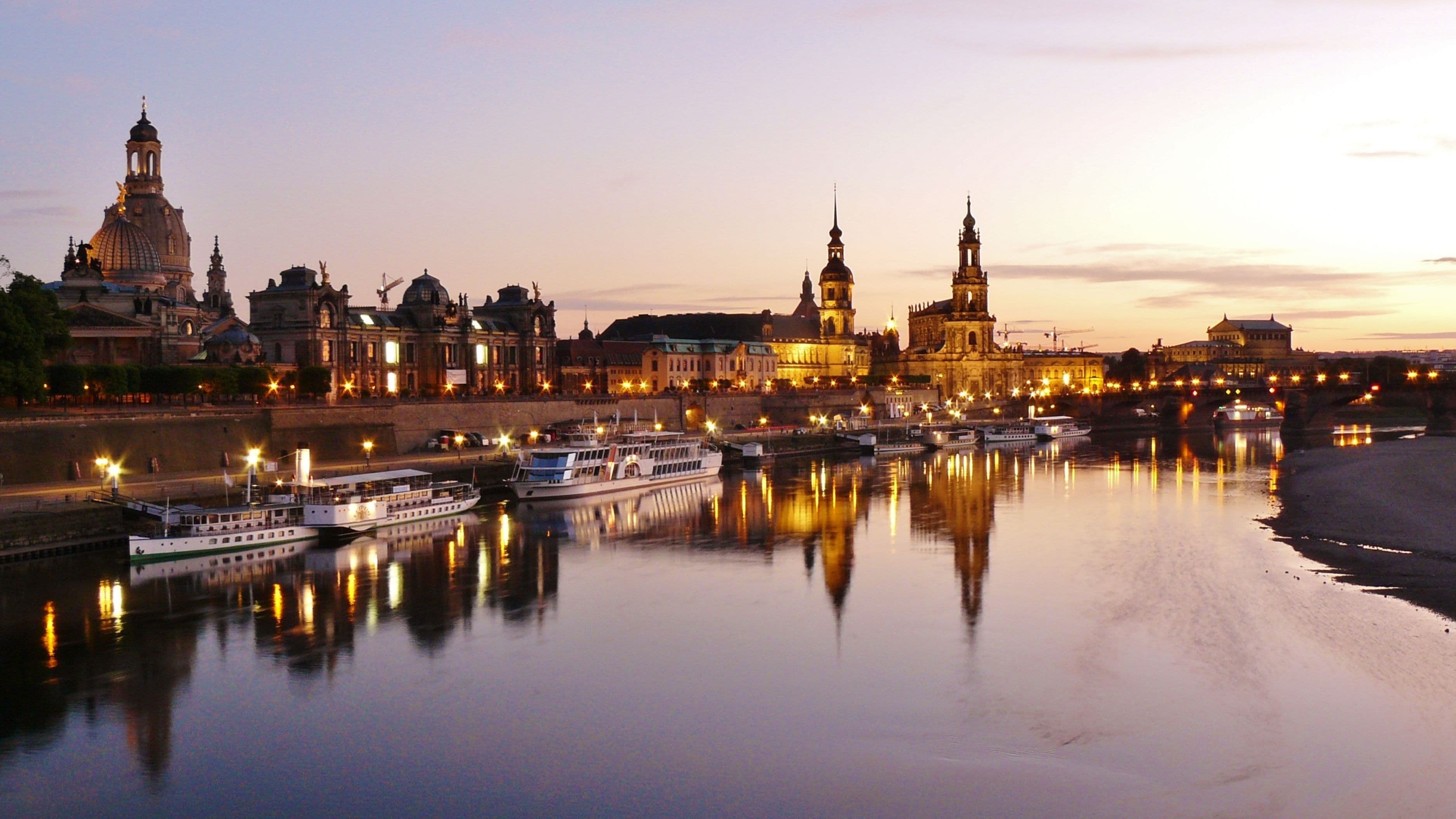
Budapest, Vienna, Bratislava, Regensburg, Passau – each stop has significant history and genuine character. The Christmas market sailings in November and December are particularly atmospheric. Viking River Cruises is the dominant operator on European rivers and runs excellent itineraries with good included excursions, but Avalon Waterways and AmaWaterways are strong alternatives.
The Danube suits travelers who prefer a more relaxed pace and are primarily interested in culture and history rather than adventure activities. There's no rough weather, no sea sickness, and the scale of the ship means the experience is inherently more personal than a large ocean cruise.
What to know: Water levels can affect river itineraries – in very dry or very wet years, some ports may be substituted or accessed by coach. This is rare but worth knowing. Book early for Christmas market sailings, which sell out well in advance.
8. Southeast Asia & Vietnam Cruise
Best for: Cultural travelers, foodies, adventurous first-timers to Southeast Asia
Southeast Asia by cruise is one of the most efficient ways to explore a region where overland travel between countries can be complex and time-consuming. An itinerary covering Vietnam, Cambodia, Thailand, and Singapore in two weeks would take serious planning overland – by ship, the logistics largely take care of themselves.
Vietnam is the highlight for most travelers on this route. Sailing into Ha Long Bay – with its thousands of limestone karsts rising from the water – is one of the most iconic maritime scenes in the world, and Hoi An, with its preserved trading port architecture, is one of Southeast Asia's most beautiful towns. Siem Reap (port access for Angkor Wat) is typically included in itineraries that include Cambodia, and the temples are worth a full day.
Lines like Seabourn, Oceania, and Viking run itineraries through Southeast Asia. Smaller luxury ships suit this region better than megaships, both for port access and for matching the intimate scale of the destinations.
What to know: The best weather window for Southeast Asia cruising is November through March, during the dry season. Shoulder seasons (October and April) work but come with more rain. July and August bring monsoon conditions across much of the region.
9. Transatlantic Crossing
Best for: Slow travel enthusiasts, history buffs, anyone who wants to genuinely experience ocean travel
The transatlantic crossing is the closest thing you can do today to the golden age of ocean travel – and it's more affordable than most people expect. Cunard's Queen Mary 2 runs the classic Southampton-to-New York route in 7 nights, and the crossing itself is the point. There are no port days. There's just the Atlantic, the ship, and the experience of being genuinely at sea.
The QM2 is engineered for transatlantic crossings in a way that other cruise ships aren't – it's built to handle North Atlantic weather, which means even in rough conditions the ship feels stable. The onboard experience is deliberately old-school: formal nights, a proper ballroom, a Cunard-era library, lectures and entertainment calibrated for passengers who are happy to stay on the ship for a week. It suits a particular type of traveler, and those travelers tend to love it.
The practical case is also interesting: a transatlantic crossing can be significantly cheaper than a transatlantic flight in business class, and you arrive rested rather than jet-lagged. Many travelers fly to Europe one way and sail the other.
What to know: September and October crossings tend to be cheaper than summer sailings and the North Atlantic autumn light has its own austere beauty. Crossings can be rough – pack accordingly and book a cabin midship and lower deck if you're sensitive to motion.
10. Mekong River Cruise
Best for: Off-the-beaten-path travelers, cultural immersion seekers, experienced cruisers looking for something different
The Mekong is one of Asia's great rivers, running through six countries before emptying into the South China Sea. The cruising section between Vietnam and Cambodia – covering the Mekong Delta through to Phnom Penh and Siem Reap – passes through landscapes and communities that feel genuinely unchanged, a world away from the resort tourism of Thailand or Bali.
This is not a luxury experience in the conventional sense. The appeal is proximity – small ships and traditional wooden river boats put you close to the water and close to the life happening on its banks. Local markets, floating villages, temple stops, and cooking demonstrations onshore are the content of the itinerary, not pool decks and entertainment shows. AmaWaterways and Scenic run the most reputable Mekong itineraries, with good guides and well-organized shore programs.
The Mekong suits travelers who are already comfortable with Southeast Asia and want to go deeper than the standard tourist trail. It's a more immersive, less predictable experience – which is exactly the point.
What to know: The Mekong's water levels vary significantly by season. The November-to-March dry season offers the most reliable sailing conditions. Some itineraries require switching between boats due to water level variations, which most passengers find adds to rather than detracts from the adventure.
How to Choose the Right Cruise for You
With ten genuinely distinct options on this list, the right pick depends on a few key factors.
Your travel style is the first filter. If you love cities and history, the Danube or Mediterranean makes more sense than an Antarctica expedition. If wilderness and wildlife are your priority, Alaska, Galápagos, or Antarctica will deliver in ways that no beach cruise can.
Budget matters more here than in most travel decisions because the range is enormous. A Caribbean cruise can be done for $800–$1,500 per person. An Antarctica expedition starts around $8,000. River cruises and Asia sailings fall somewhere in between. None of these are bad value for what they offer – they're just different price tiers.
Group composition also shapes the decision. Families with kids tend to do best on Alaska, Caribbean, or Mediterranean sailings where major cruise lines have invested heavily in family programming. Couples and older travelers often prefer river cruises and expedition sailings. Solo travelers can find their footing on any of these, but check single supplement policies before booking since some lines charge significantly more for solo cabins.
Quick Takeaway
The best cruise is the one that matches what you actually want from travel – not the most popular itinerary or the one with the lowest price. Every option on this list does something specific exceptionally well. Antarctica and Galápagos are once-in-a-lifetime natural experiences. The Danube and Mediterranean are culture and history at their finest. Alaska and the Norwegian Fjords are where nature becomes genuinely cinematic. The Caribbean is where cruising is at its most accessible and uncomplicated.
Pick the one that solves your specific travel goal. That's the one worth booking.
FAQ
What's the best cruise for first-timers? The Caribbean or Alaska Inside Passage. Both are well-organized, have something for everyone, and give you a clear sense of whether cruise travel suits you without a massive financial commitment.
Are expedition cruises worth the extra cost? For the right traveler, yes. If Antarctica, Galápagos, or the Mekong is genuinely on your bucket list, the expedition cruise is often the only realistic way to access those places. The premium is for access, not just comfort.
How far in advance should I book a cruise? 12–18 months out is ideal for expedition cruises and popular river cruise itineraries. For Caribbean and Mediterranean sailings, 6–9 months gives you good cabin selection and pricing. Last-minute deals exist but offer less control over timing and cabin category.
Is cruising environmentally friendly? It's a valid question. Large cruise ships have a significant carbon footprint. Newer ships use LNG (liquefied natural gas) which burns cleaner, and expedition operators like Hurtigruten and Ponant have invested in hybrid technology.
Choosing smaller ships, fewer itinerary days at sea, and operators with documented sustainability commitments helps reduce impact.
What's the biggest mistake people make when booking a cruise? Choosing the itinerary based on price alone without considering the shore excursions and port experience. The cheapest sailing to a great destination often docks at the worst times, spends the least time in port, or skips the best stops. Read the itinerary detail, not just the headline destinations.
📚 Sources
UNESCO World Heritage – Geirangerfjord and Nærøyfjord: https://whc.unesco.org/en/list/1195
Hurtigruten – Norwegian Coastal Express overview: https://www.hurtigruten.com/en-us/expeditions/routes/norway
Quark Expeditions – Antarctica expedition cruises: https://www.quarkexpeditions.com/en/antarctic
National Park Service – Glacier Bay National Park: https://www.nps.gov/glba/index.htm
Galápagos National Park Directorate – Visitor regulations: https://www.galapagos.gob.ec/en/visit
Viking River Cruises – Danube itineraries: https://www.vikingcruises.com/rivercruises/trips/european-rivers/index.html
Cunard – Queen Mary 2 Transatlantic crossing: https://www.cunard.com/en-us/cruise-types/transatlantic-cruises
AmaWaterways – Mekong River cruises: https://www.amawaterways.com/destination/southeast-asia-river-cruises
Cruise Lines International Association (CLIA) – 2024 State of the Cruise Industry: https://cruising.org/en/research-and-insight
Ecoventura – Galápagos expedition overview: https://www.ecoventura.com/galapagos-cruises